Cold Storage Roofing in Jersey City, NJ
Inspect Jersey City cold-storage roof membranes, insulation, vapor control, drains, penetrations, and operating constraints before repair or reroofing.
Inspect Jersey City cold-storage roof membranes, insulation, vapor control, drains, penetrations, and operating constraints before repair or reroofing.
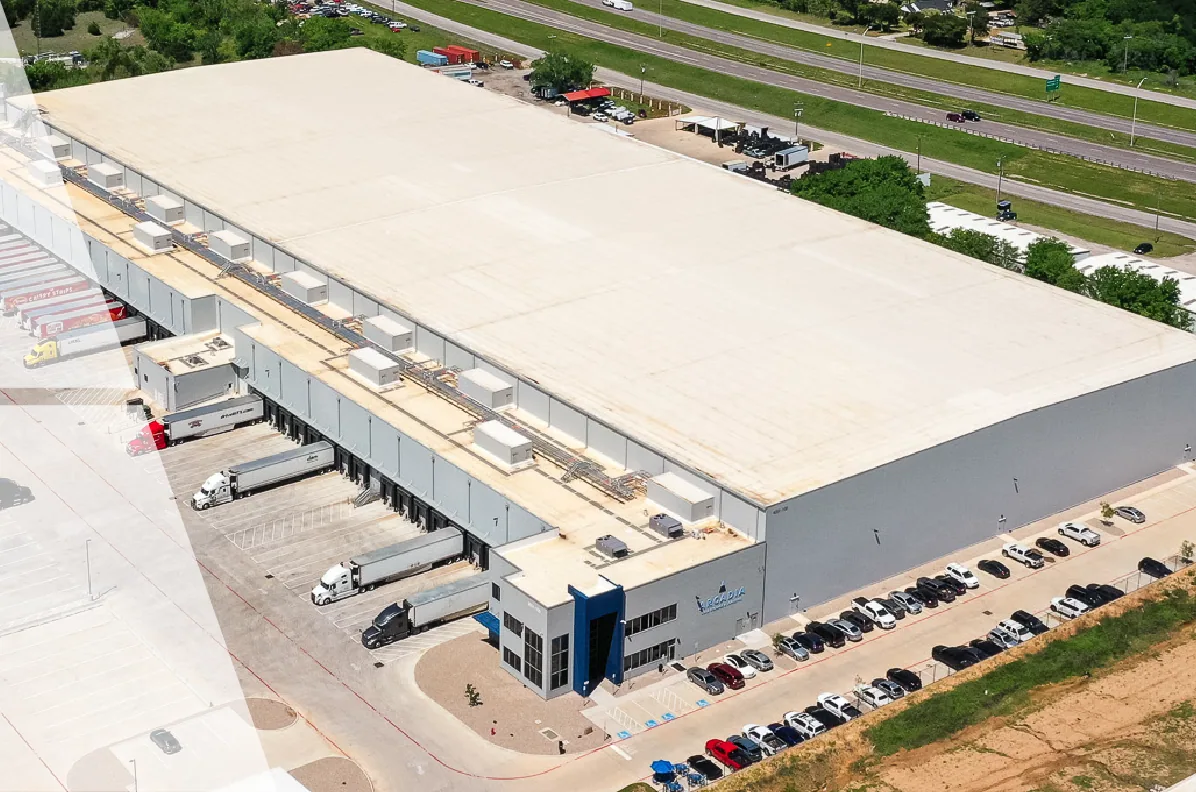
Cold-storage roofing depends on the roof assembly working with the conditioned space below. A membrane leak, insulation gap, or failed vapor detail can affect more than the ceiling. In Jersey City, NJ, we inspect the system, drains, penetrations, edges, and access before choosing repair, recover, or replacement. Jersey City's industrial areas include Chapel Avenue Industrial Park, Greenville Industrial, and Tonnele Avenue Light Industrial. The property survey establishes this building’s roof assembly, drain layout, and access needs. Begin with a roof condition inspection.
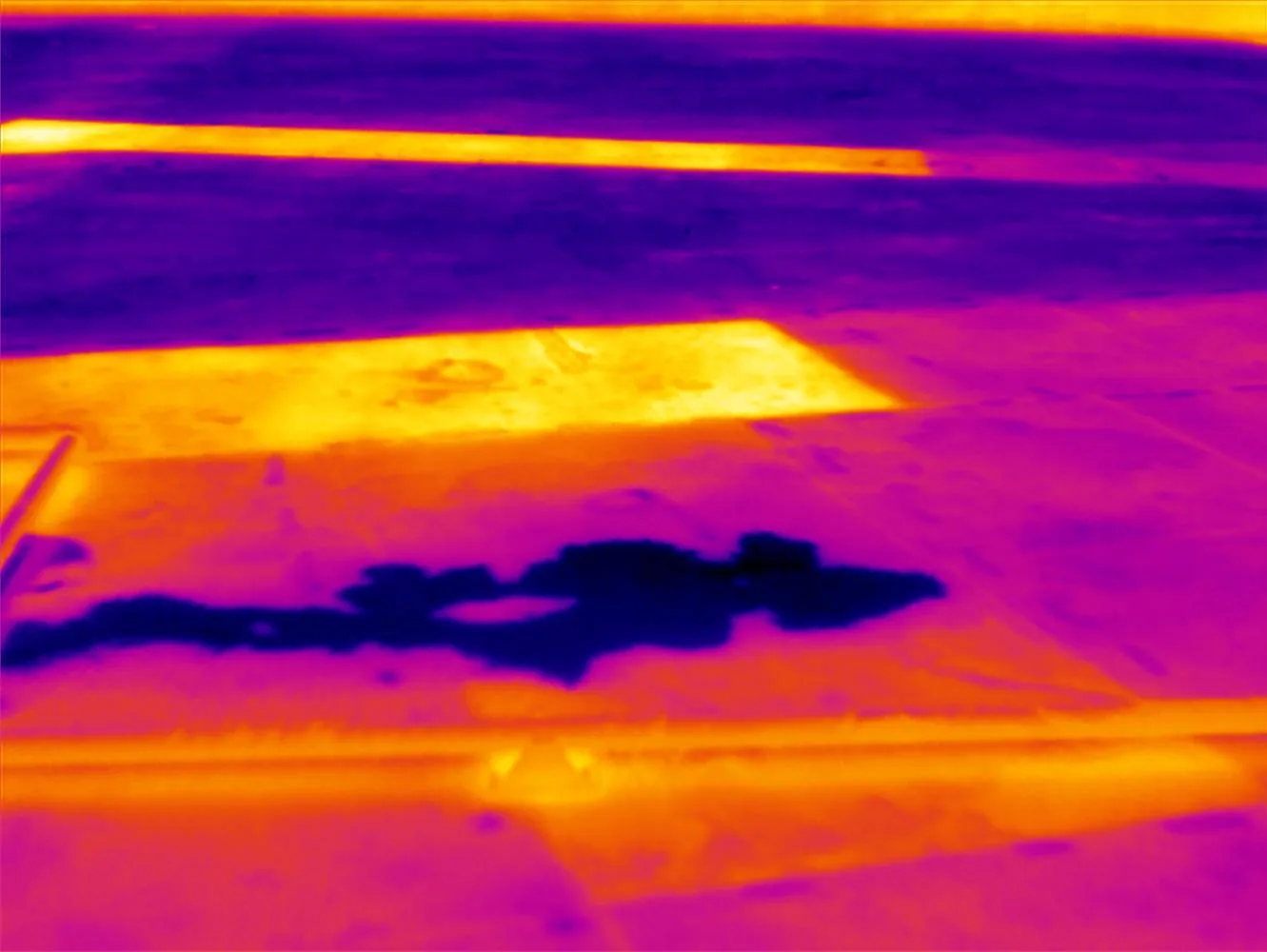
We look for wet insulation, condensation clues, open seams, damaged flashings, corrosion, and interior staining near cold rooms or loading areas. Temperature differences can make a small penetration or air leakage path important to investigate. We document roof-side conditions and coordinate interior observations with facility maintenance. The roof report covers membrane, insulation, flashing, and visible moisture indicators; refrigeration setpoints and equipment stay in the facility's operating records.
A cold-storage roof may need careful review of insulation continuity, vapor control, deck transitions, and penetrations. A gap or discontinuity can contribute to condensation or thermal loss, but the correct repair depends on assembly design and interior conditions. We inspect visible joints, curbs, drains, and the roof surface, then identify where drawings or a test opening are needed. The proposal states whether roofing work can address the observed detail or whether a separate building-envelope consultant should review the condition.
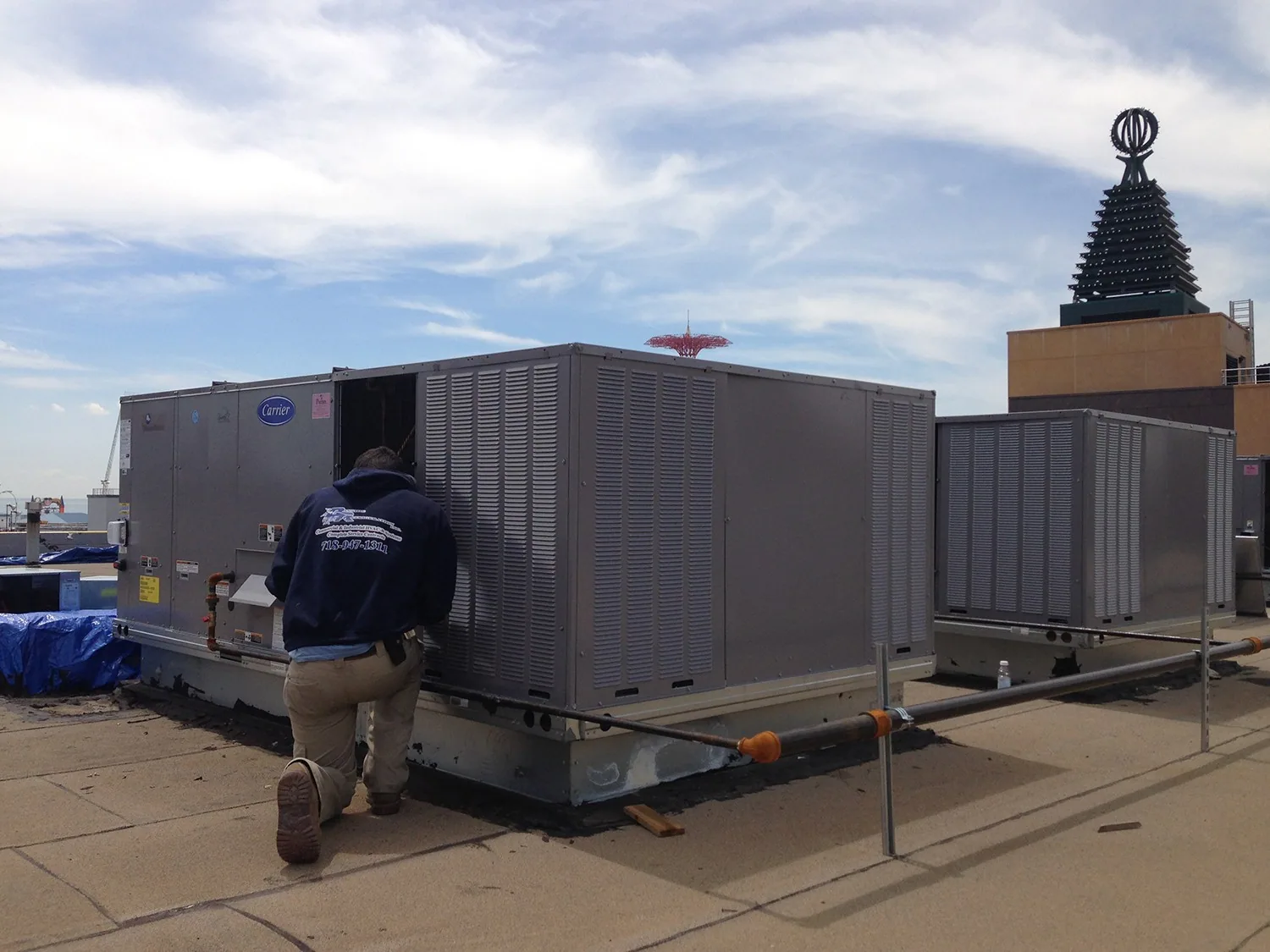
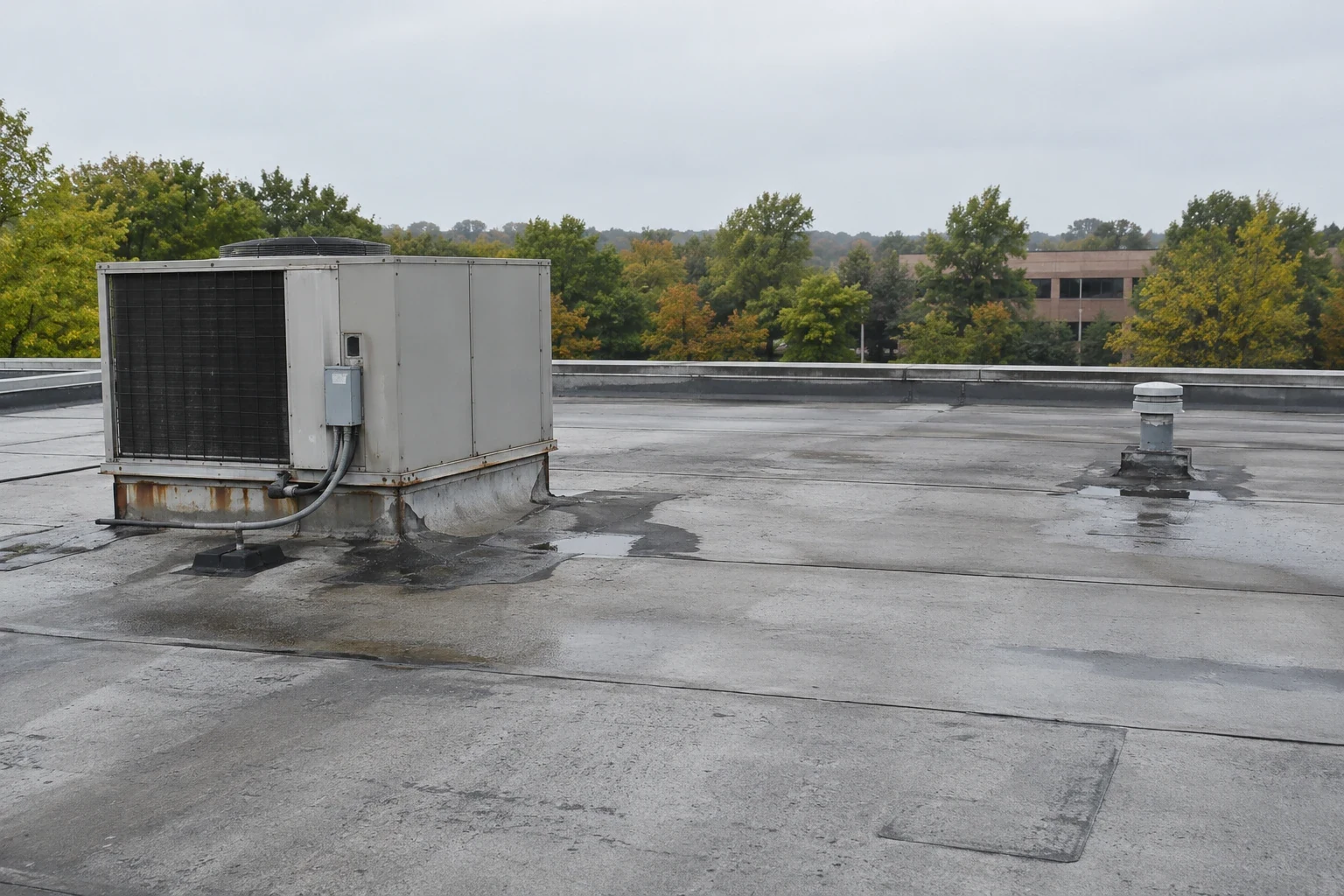
When wet insulation is confirmed, a surface patch will not dry it. A moisture survey can help select core locations across a large roof, and the core documents the actual layers. The repair scope distinguishes membrane work from insulation replacement and vapor-detail correction. If an opening occurs around a rooftop unit, a curb and flashing review coordinates insulation thickness with equipment clearance and the roof tie-in.
Arrange a site walk with facility maintenance to map symptoms, roof access, sensitive areas, and test needs. We will define the roofing scope and daily closeout boundary.
Interior frost, condensation, or staining can have multiple causes. We inspect the roof above for open seams, punctures, flashing gaps, drain issues, and areas where water can enter. The building team provides the location and operating condition when the symptom appears. We note the observation without attributing every interior change to the roof. When test openings confirm wet layers or a failed vapor transition, the scope names the evidence and the repair needed to restore the assembly.
When Irene and Sandy hit, Jersey City faced outages alongside severe flooding and property damage. That history makes the exterior water path worth checking. A roof leak repair can close a defined penetration or seam while a deeper insulation review continues. We record temporary and permanent work separately so the owner understands what protects the interior now and what remains for the envelope scope.
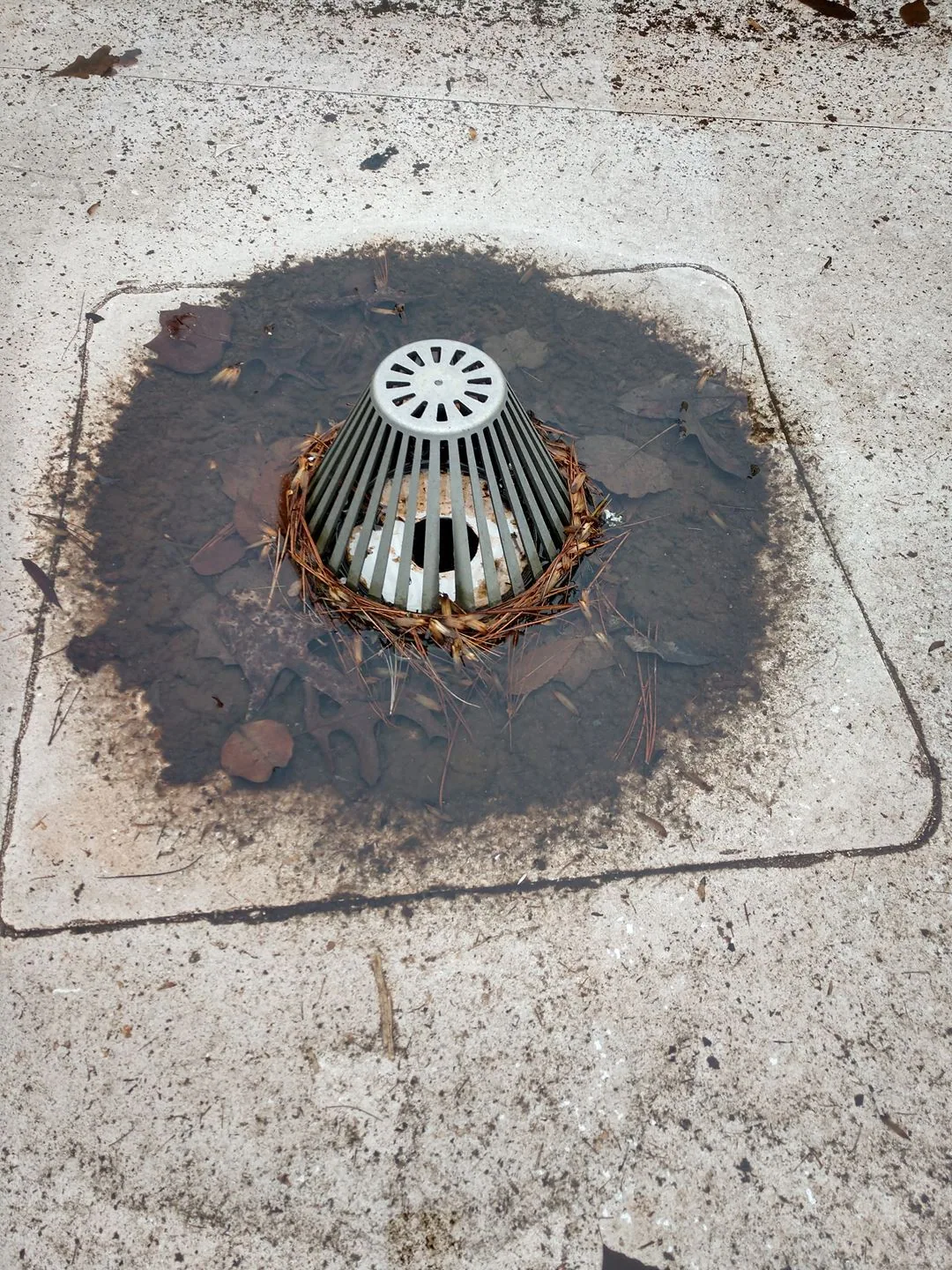
Water that reaches a cold roof penetration or drain transition should be traced to its route and the assembly layers below it. We inspect drain bowls, scuppers, overflow, slope, and the insulation height around each outlet. A blocked drain or failed flashing may hold water near a vulnerable transition. We confirm the physical condition, not just whether a stain is present. The repair should preserve drainage while maintaining insulation and vapor-control continuity at the opening.
Cold-weather work gets its own plan. We schedule roof work around safe access, forecast, and the time needed for temporary protection, while the building’s internal setpoints remain under facility control. A drain and scupper repair can address a roof outlet where the detail has failed. A new roof assembly must keep the drain and overflow accessible to maintenance crews after closeout.
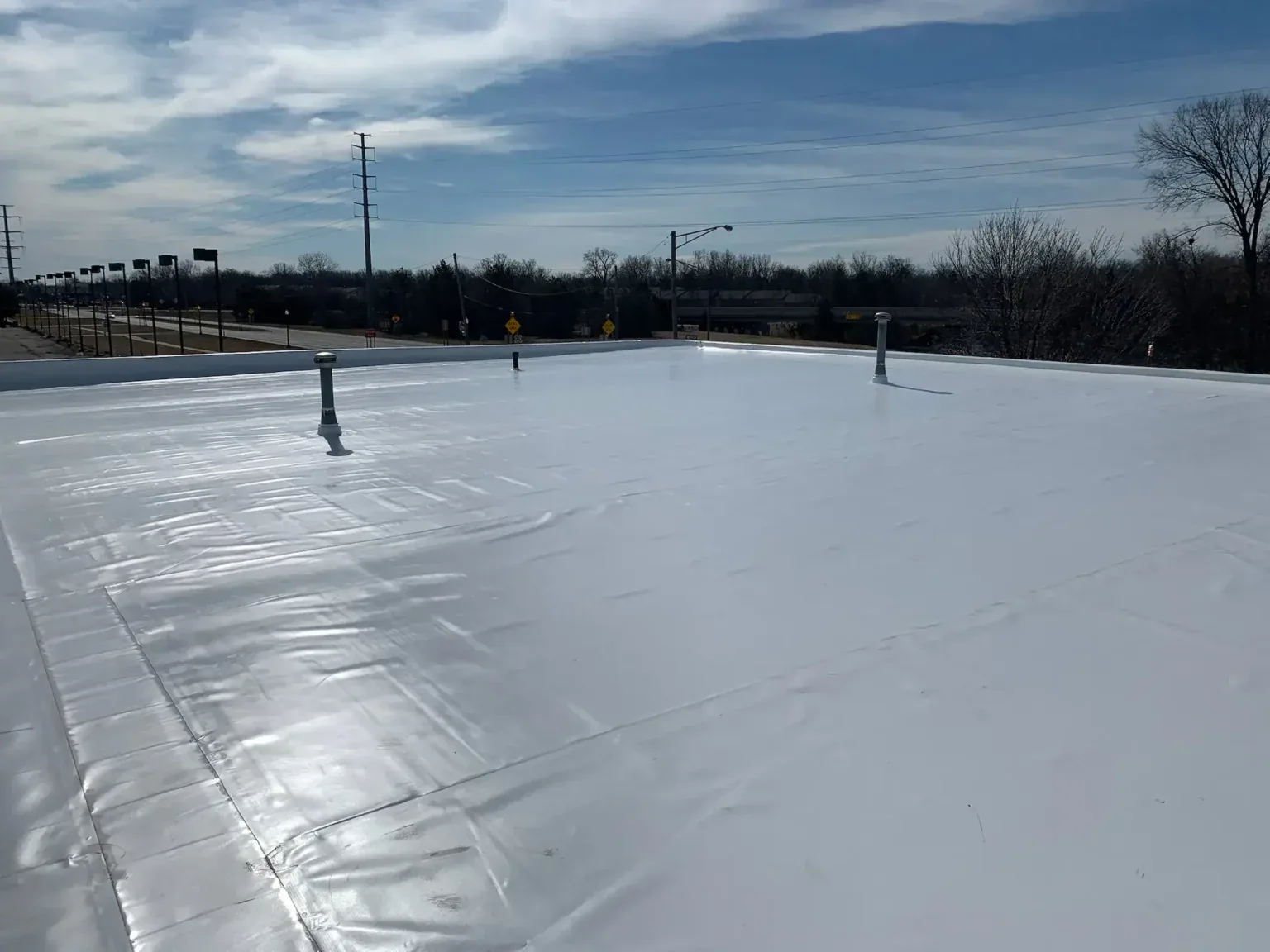
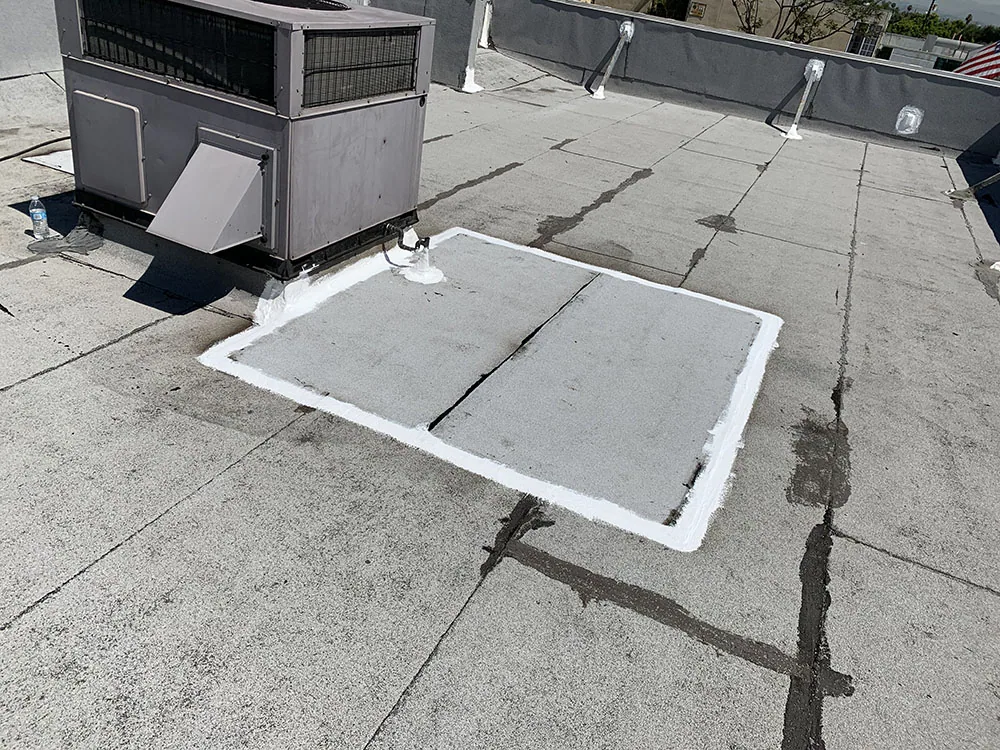
A localized correction may suit an isolated penetration, seam, or drain detail when surrounding membrane and insulation are dry and stable. Replacement can be justified by broad wet insulation, failed attachment, widespread aging, or repeated patches that leave no reliable tie-in. A recover is an option only if existing layers, load, moisture, vapor control, and drainage height support it. We compare those paths in separate scopes and identify the evidence needed to resolve concealed conditions.
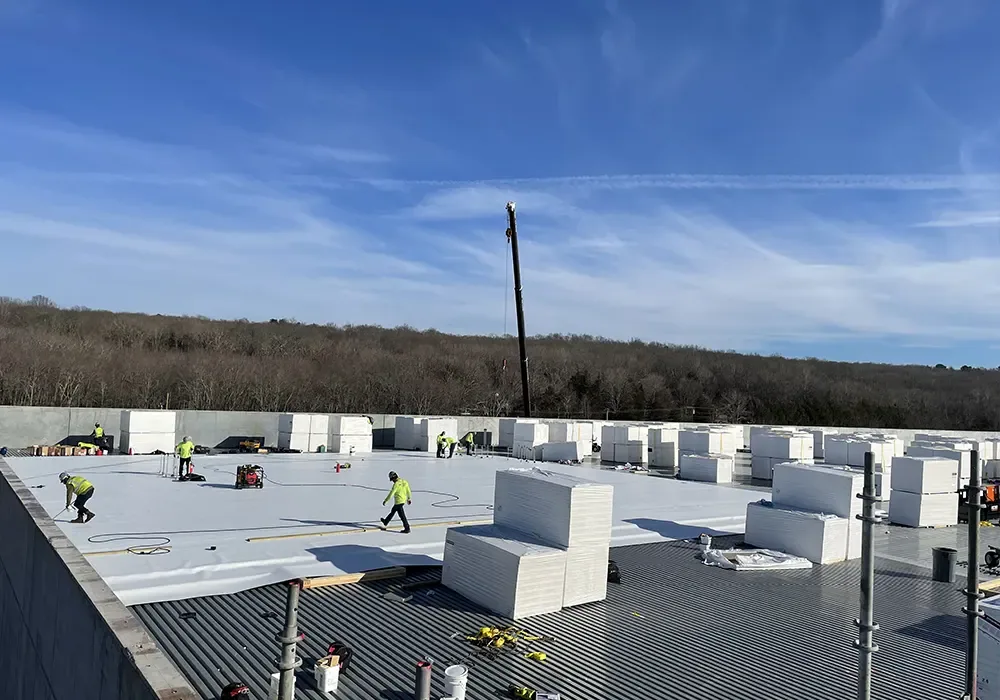
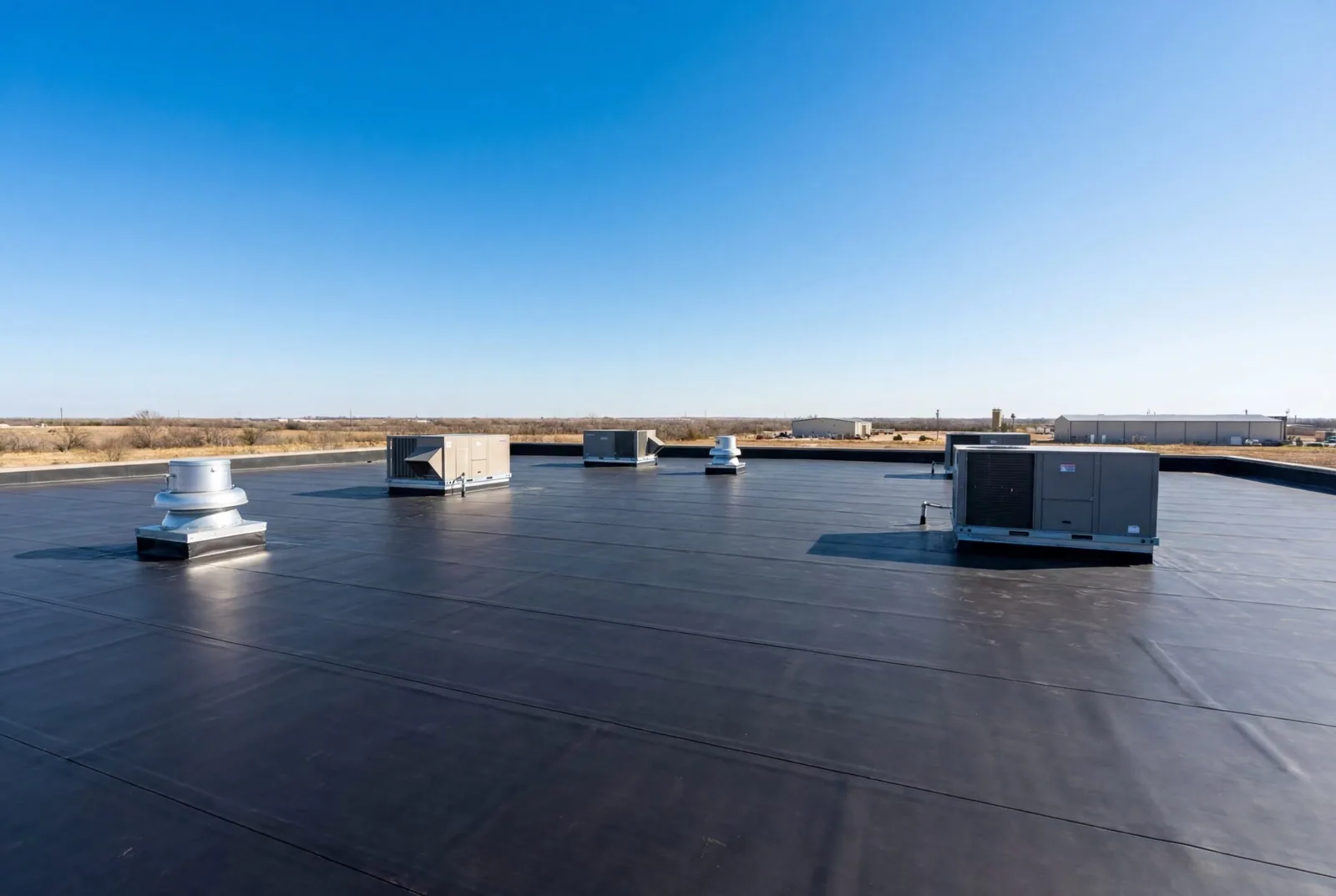
A replacement plan can specify insulation layers, cover board, membrane, vapor-control details, curbs, and drains. A TPO membrane and EPDM assembly have different seams and transition methods, so system choice follows the building design and maintenance needs. Price drivers include removal, cold-room operations, access, equipment moves, deck repair, and the amount of insulation that needs replacement.
Work timing may require a tight zone, coordinated shutdown, interior protection, or temporary separation to avoid affecting active storage. The property contact confirms safe lift access and the acceptable work window. We plan each section to close before the crew leaves and document any area held for a later phase. If the opening exposes more moisture or deck damage than expected, we stop at the agreed boundary and obtain approval before expanding the work.
A cold-storage roof record distinguishes roof conditions from refrigeration readings. The log identifies the roof zone, membrane detail, observed insulation layers, reported interior symptom, and any test opening. It records repair limits and temporary protection. Facility staff retain responsibility for interior setpoints and refrigeration equipment; the roof scope documents its tie-ins. Later inspections can compare a marked curb or drain without assuming a recurring temperature change has one cause. For related property considerations, compare warehouse roofing and distribution-center roofing.
Jersey City’s coastal setting and stormwater concerns make temporary water control important during a roof opening. The work plan sets staging, lift access, drain protection, and each shift tie-in. Before a cold-storage roof visit, the building manager confirms truck routes, security, and delivery hours; the project team then checks roof access and the specific outlet path. A phased reroof schedule can coordinate tenants, staff, equipment, and weather windows.
Cold-storage operations can require a stable interior environment, so facility staff should identify rooms, product areas, and equipment that require special notice. The roofer controls only the exterior scope and agreed protections. We note when access is unavailable and adjust the roof zone rather than enter a restricted space or work over an unapproved process. Each daily report lists the area closed, temporary protection, and next coordination point.
The owner should retain roof photos, identified membrane, insulation and cover-board details, test-opening results, drains, curb flashing, and all areas that could not be inspected. The record distinguishes roof observations from HVAC or refrigeration service notes and identifies trade responsibilities at each penetration. Maintenance should inspect drains, seam repairs, curb transitions, and roof traffic after later equipment work. If the interior symptom returns, the marked roof area helps staff direct the next visit without assuming the same opening is responsible.
Jersey City's transportation and warehousing sector recorded $1.809 billion in receipts during 2022. A marked access plan and staged work window separate roof tasks from refrigeration service. A Newark facility needs its own roof report. Request a walk to map the leak, test insulation where necessary, and set a repair or renewal boundary around facility operations.