Roof Damage Repair in Jersey City, NJ
Document and repair commercial roof damage in Jersey City, with findings tied to water entry, wind exposure, snow, heat, and the affected roof zones.
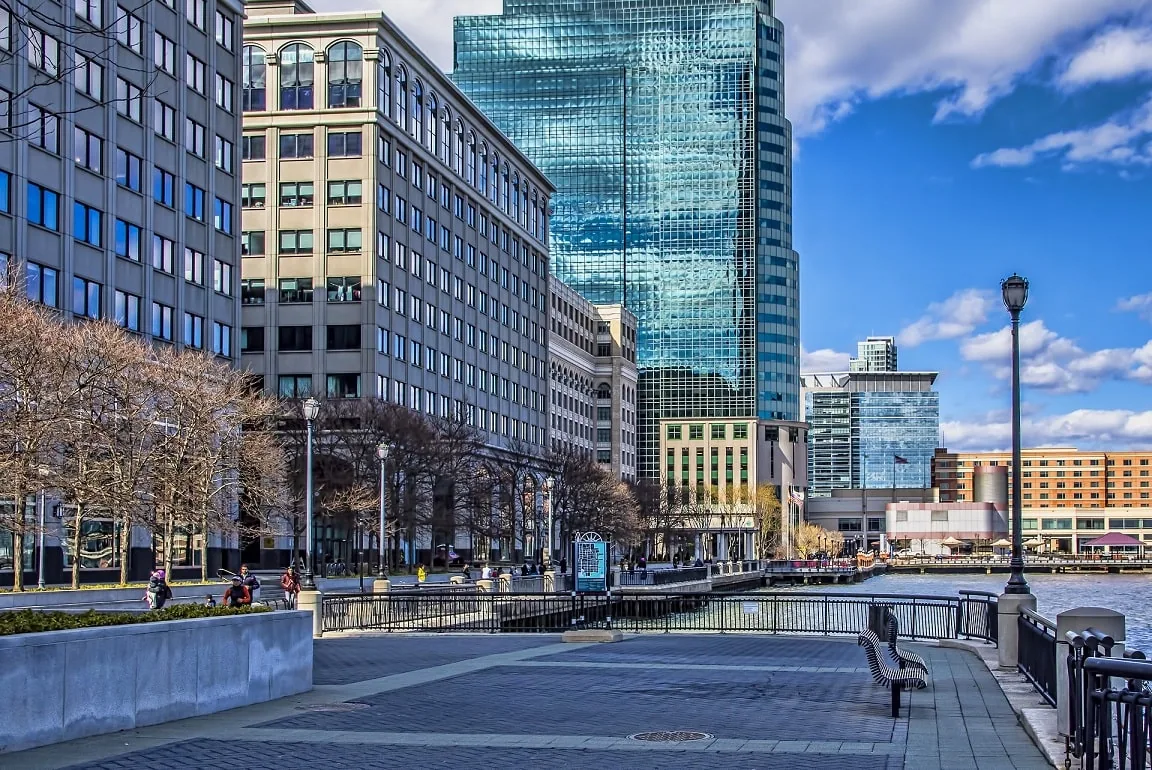
Document and repair commercial roof damage in Jersey City, with findings tied to water entry, wind exposure, snow, heat, and the affected roof zones.
After a storm or leak, the first decision in Jersey City is which roof zones need attention now and which need more evidence. Irene and Sandy brought damaging floods and property disruption to the city. We begin with the current assembly and document the opening, drainage path, visible materials, and access limits before recommending a patch, test, or broader scope.
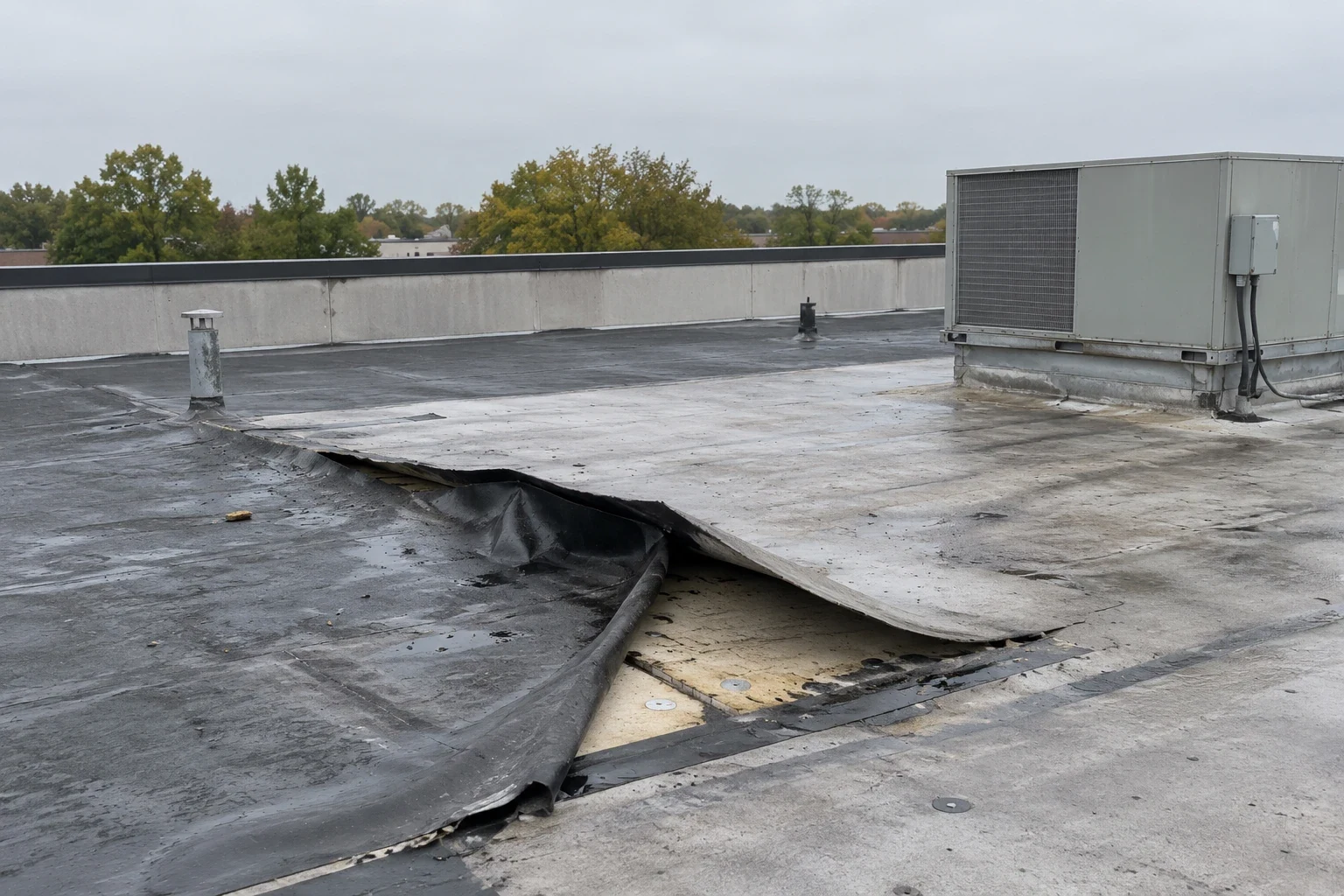
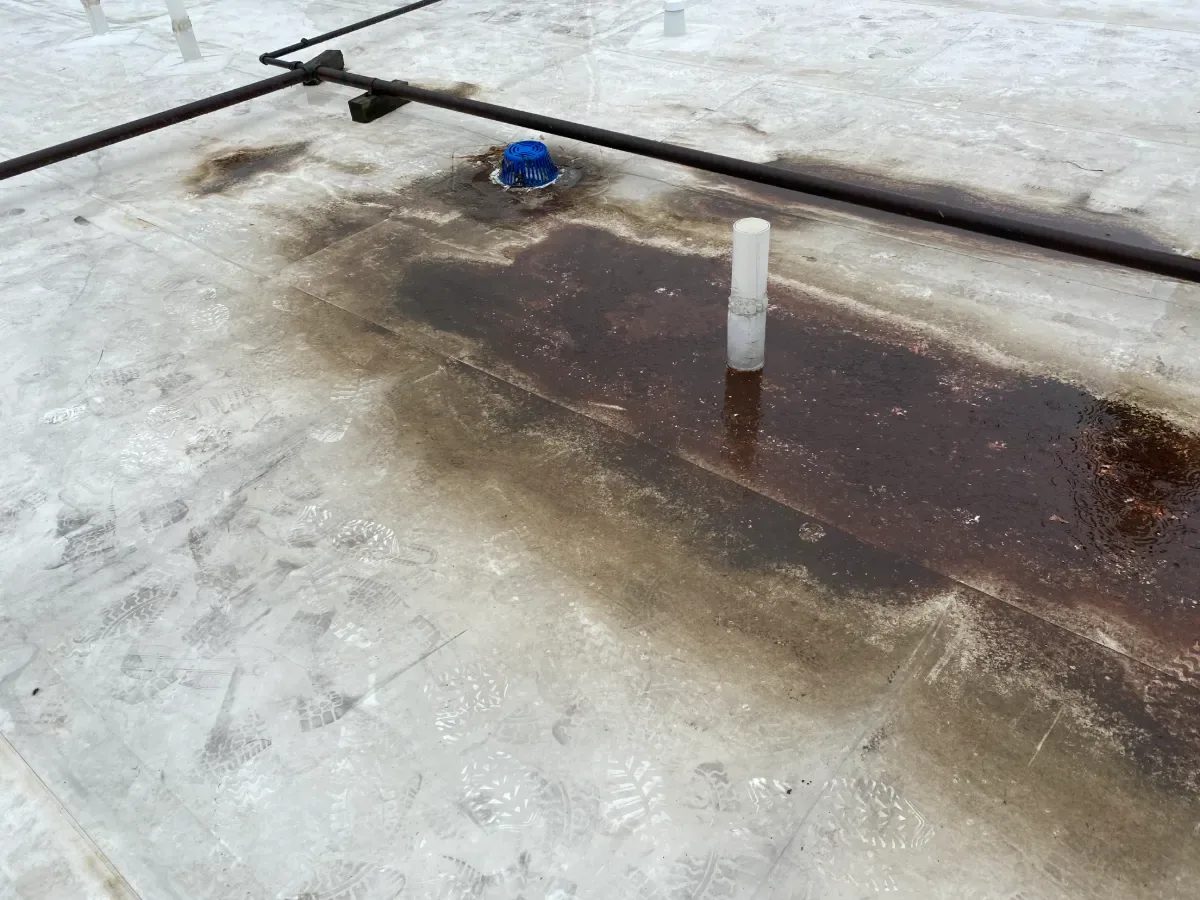
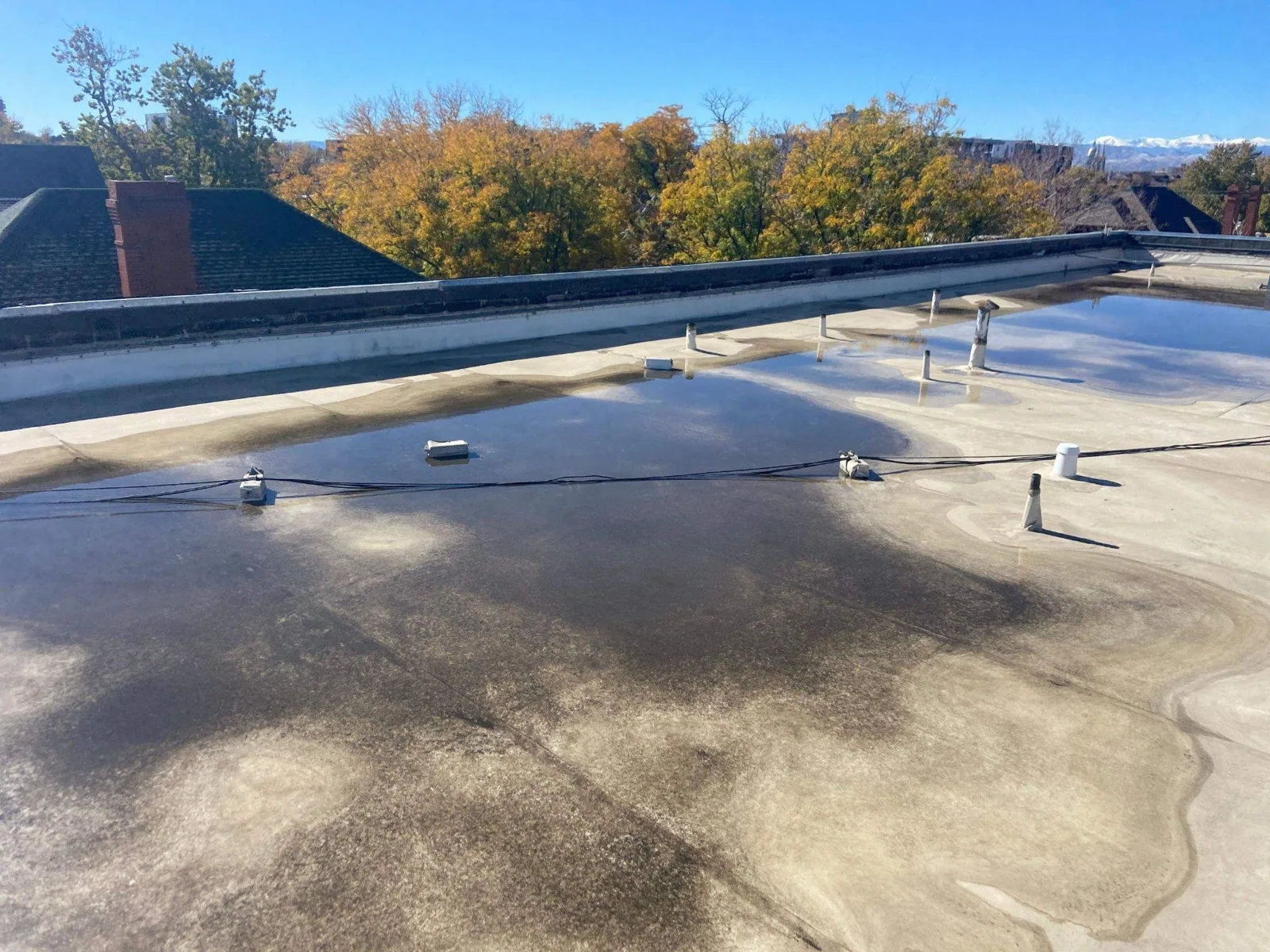
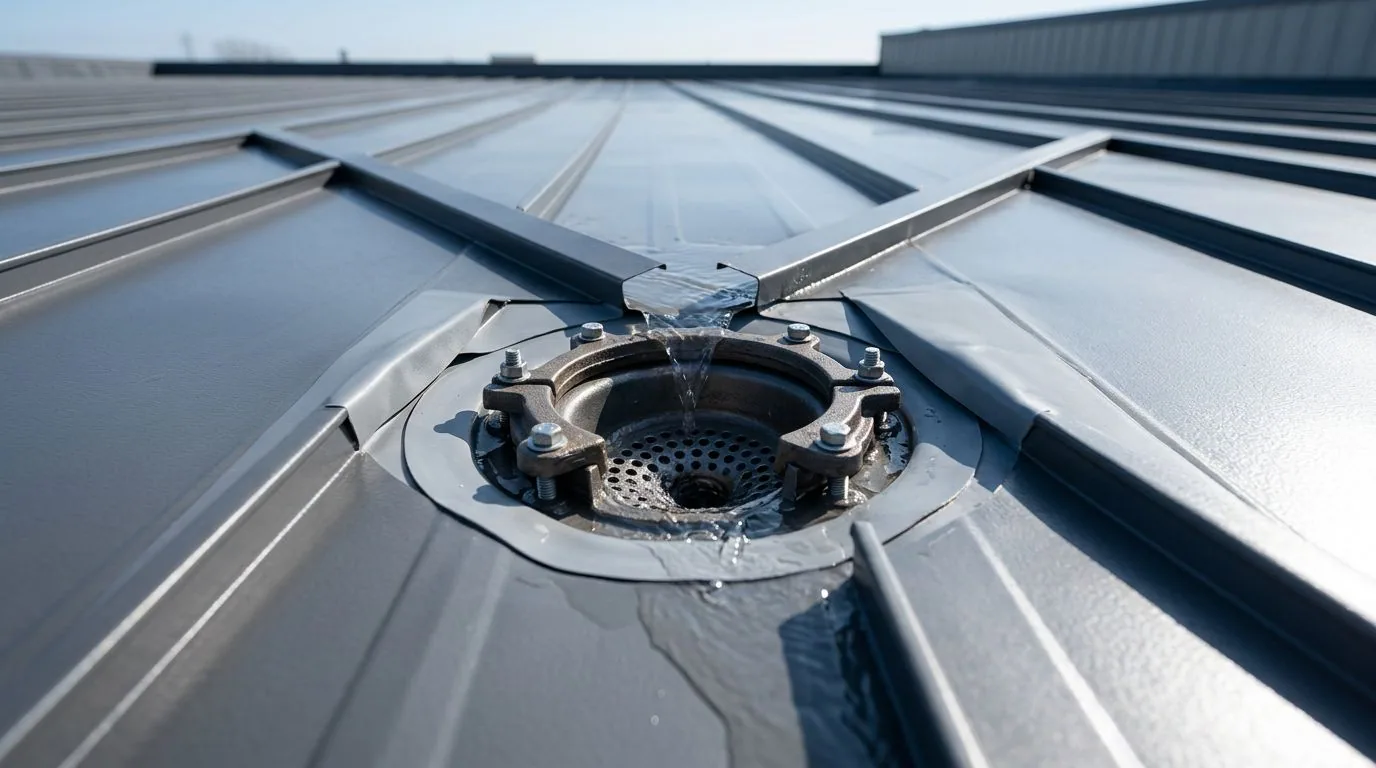
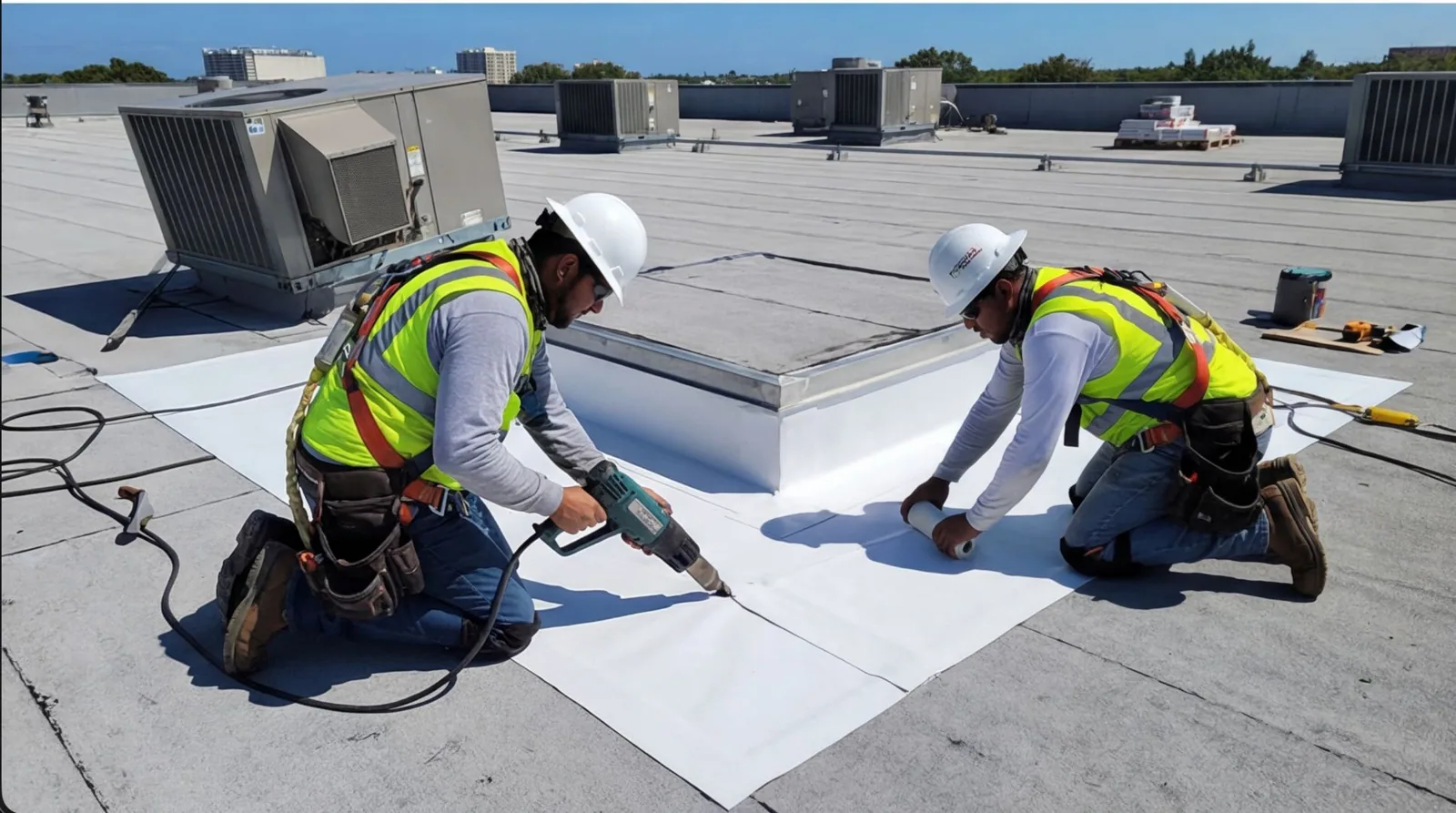
Trace an interior report to seams, penetrations, walls, drains, and roof edges. Ponding-water repair starts with the outlet and slope; flashing repair follows the transition where water can pass behind the membrane. If a seam is open, a seam-failure repair needs a compatible tie-in. We keep each condition mapped rather than treating every stain as the same defect.
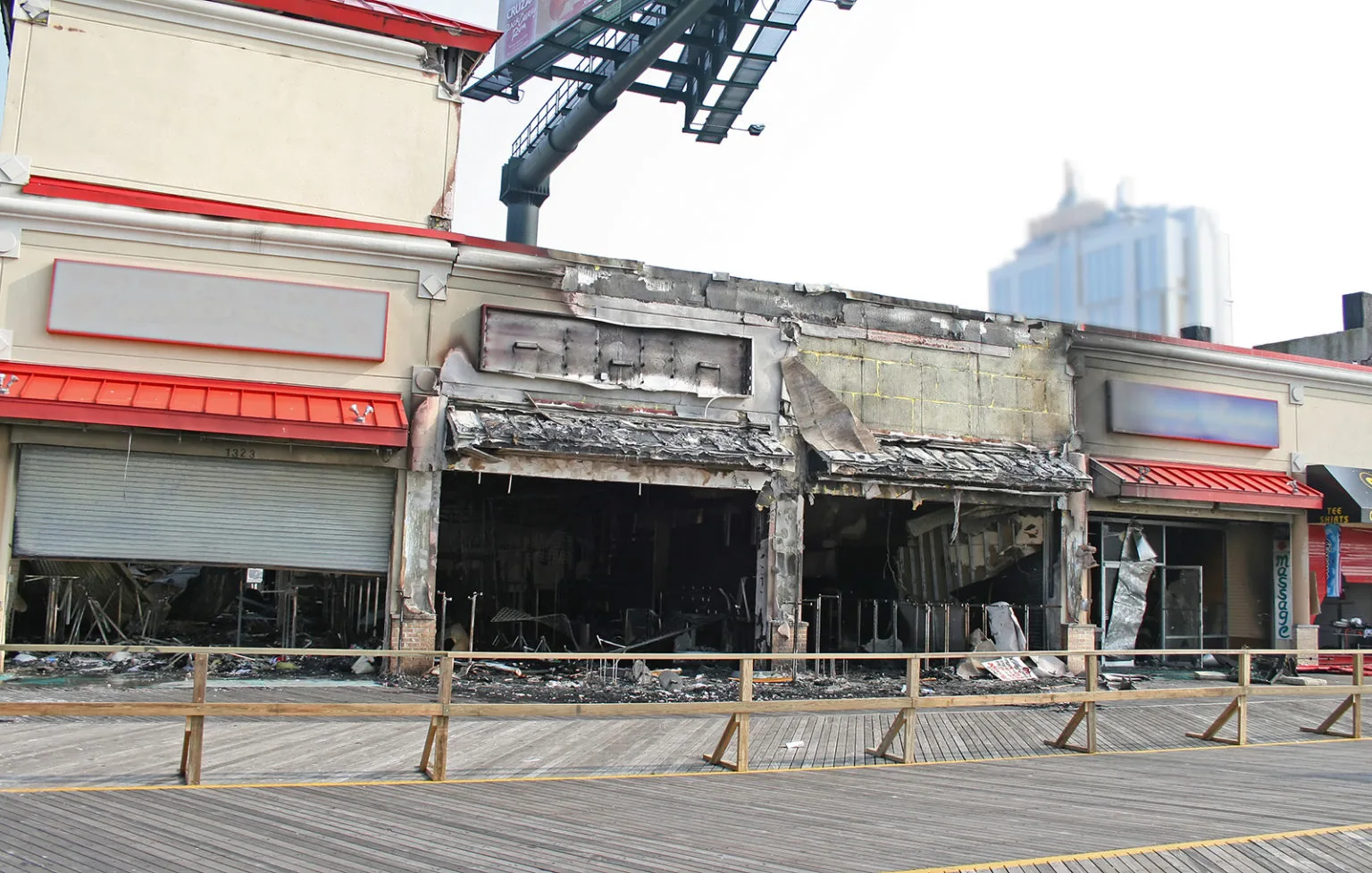
Wind can move edge metal or open a termination. Wind-damage repair documents attachment and adjacent zones before setting removal limits. A hurricane-damage review records the event context and the observed roof condition. Hail, heat, punctures, and fire require different checks, so the method follows the visible assembly and the reported event.
Surface observations may not show moisture below the membrane. We identify areas that need an approved opening or a suitable non-destructive survey, then record what the method confirmed. Puncture repair stays tied to its affected zone. Snow and ice damage calls for review of the reported load or water path, not an assumption about the whole roof.
Drainage matters in Jersey City, where localized flooding and pressure on the combined sewer system are recognized municipal concerns. A roof walk still has to establish what happens at the specific drain, overflow, and membrane. In Downtown or near Tonnele Avenue, the service location does not substitute for an address-specific finding. Closeout notes show repairs, excluded zones, and the next check. For multi-zone buildings, closeout should name the area that can reopen and the area that stays protected. That keeps each shift aligned with the approved repair boundary and safe access plan.
Report the interior location and time, protect the affected area, and arrange access for a roof-zone inspection. We document visible conditions and identify testing or repair needed.
We record observed openings, wear, drainage, and prior repairs separately. The report can support the owner's file, while any coverage decision belongs to the insurer.
A test opening can confirm layers or moisture when surface evidence leaves a material question. We identify its proposed location and obtain approval before opening the roof.
We inspect adjacent seams, flashings, substrate, and drainage. The written scope identifies the confirmed boundary and any nearby area that needs separate testing.