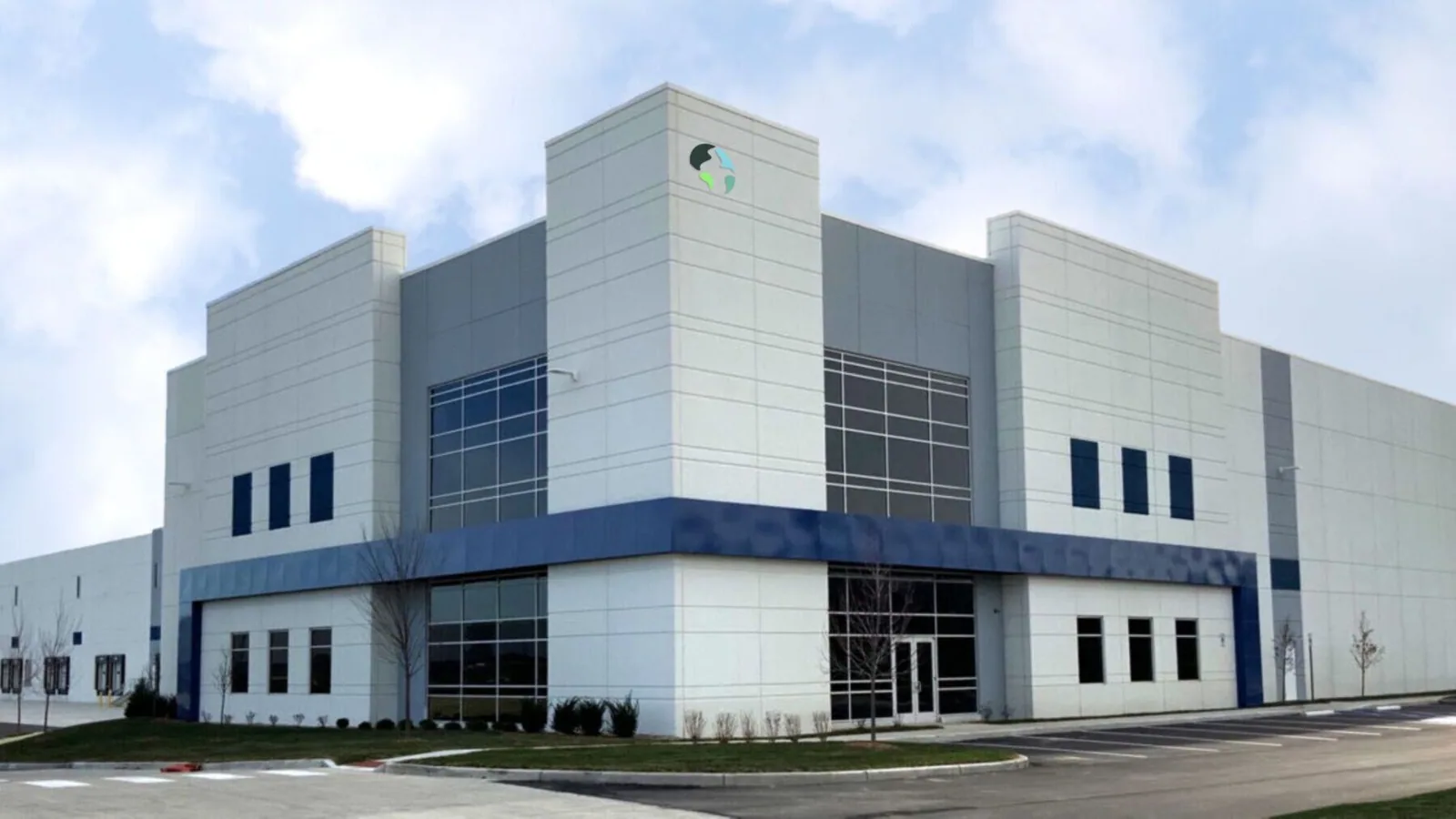
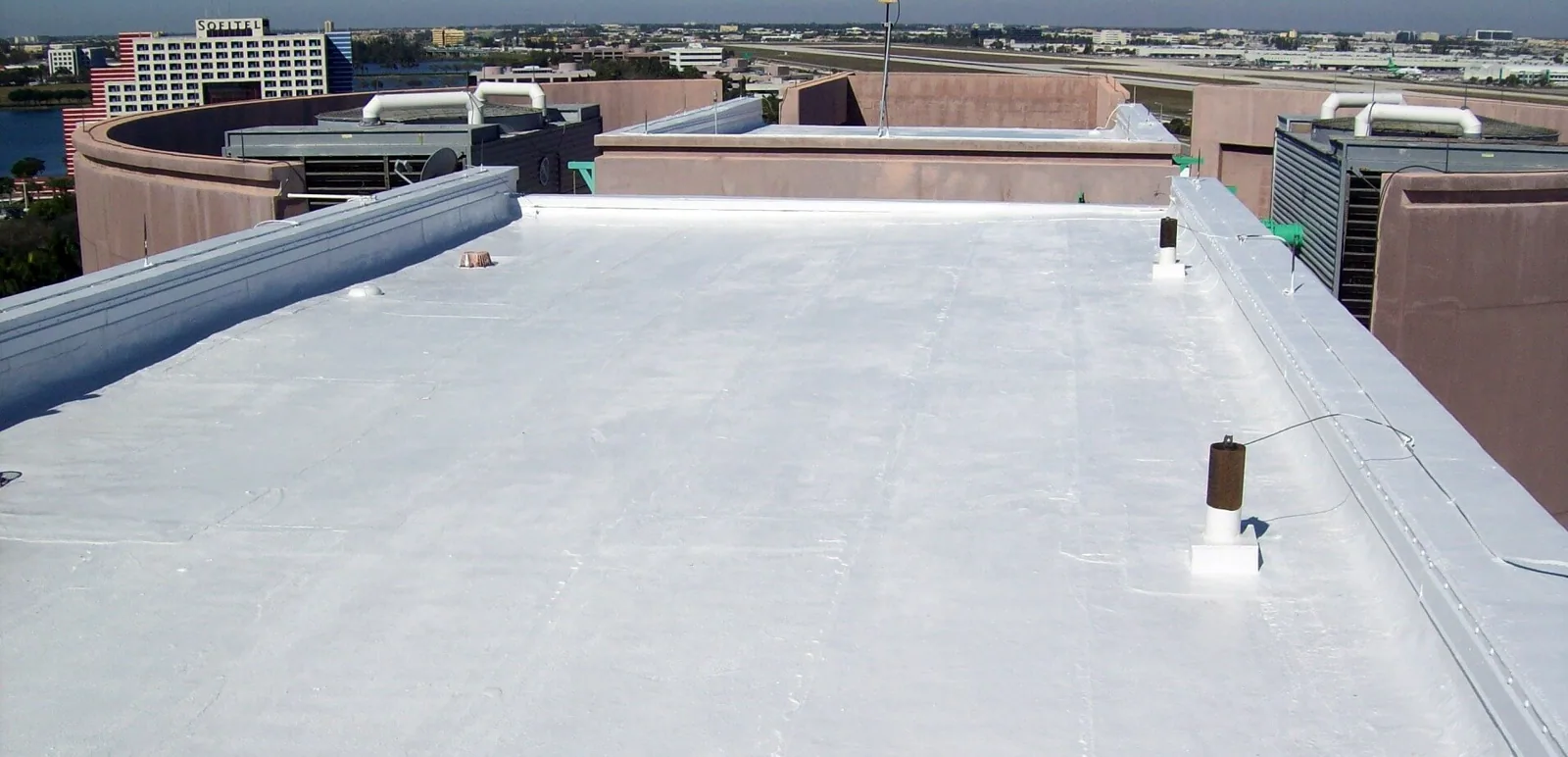
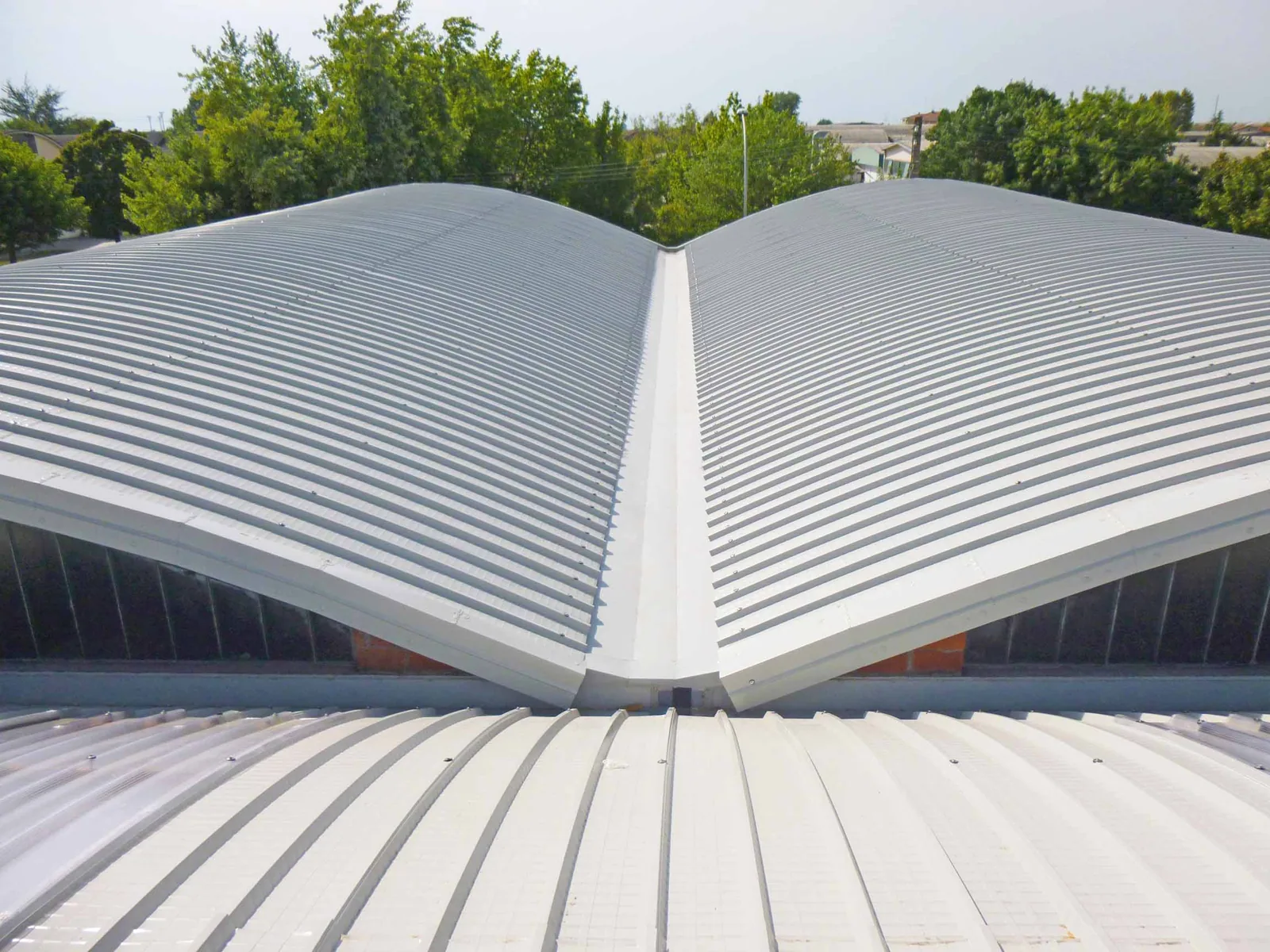
Roofing for Property Management Companies in Jersey City, NJ
Roof repair, inspection and phased replacement for Jersey City property managers running several buildings, with tenant notices, access plans and clear records.
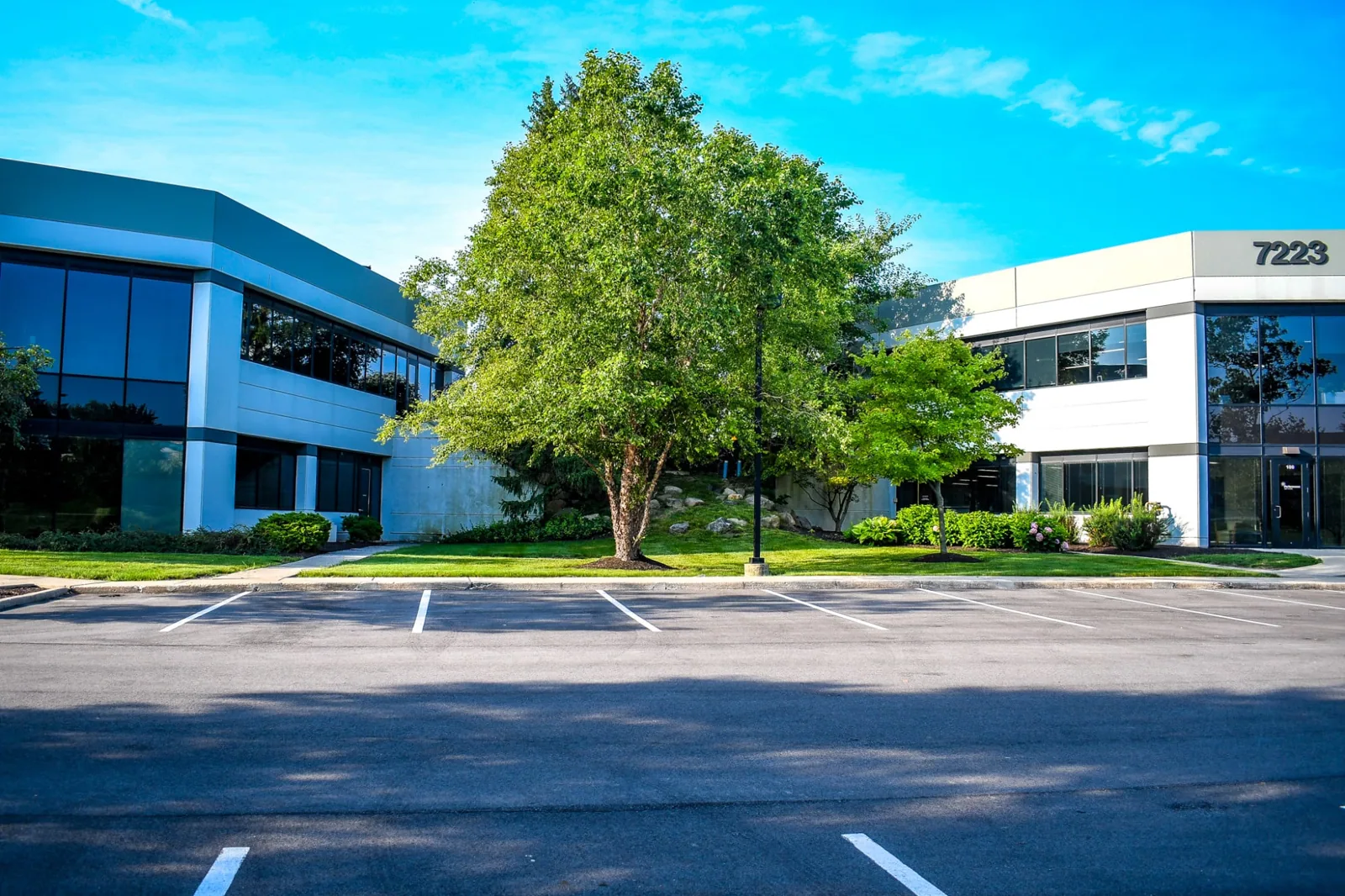
Roof repair, inspection and phased replacement for Jersey City property managers running several buildings, with tenant notices, access plans and clear records.
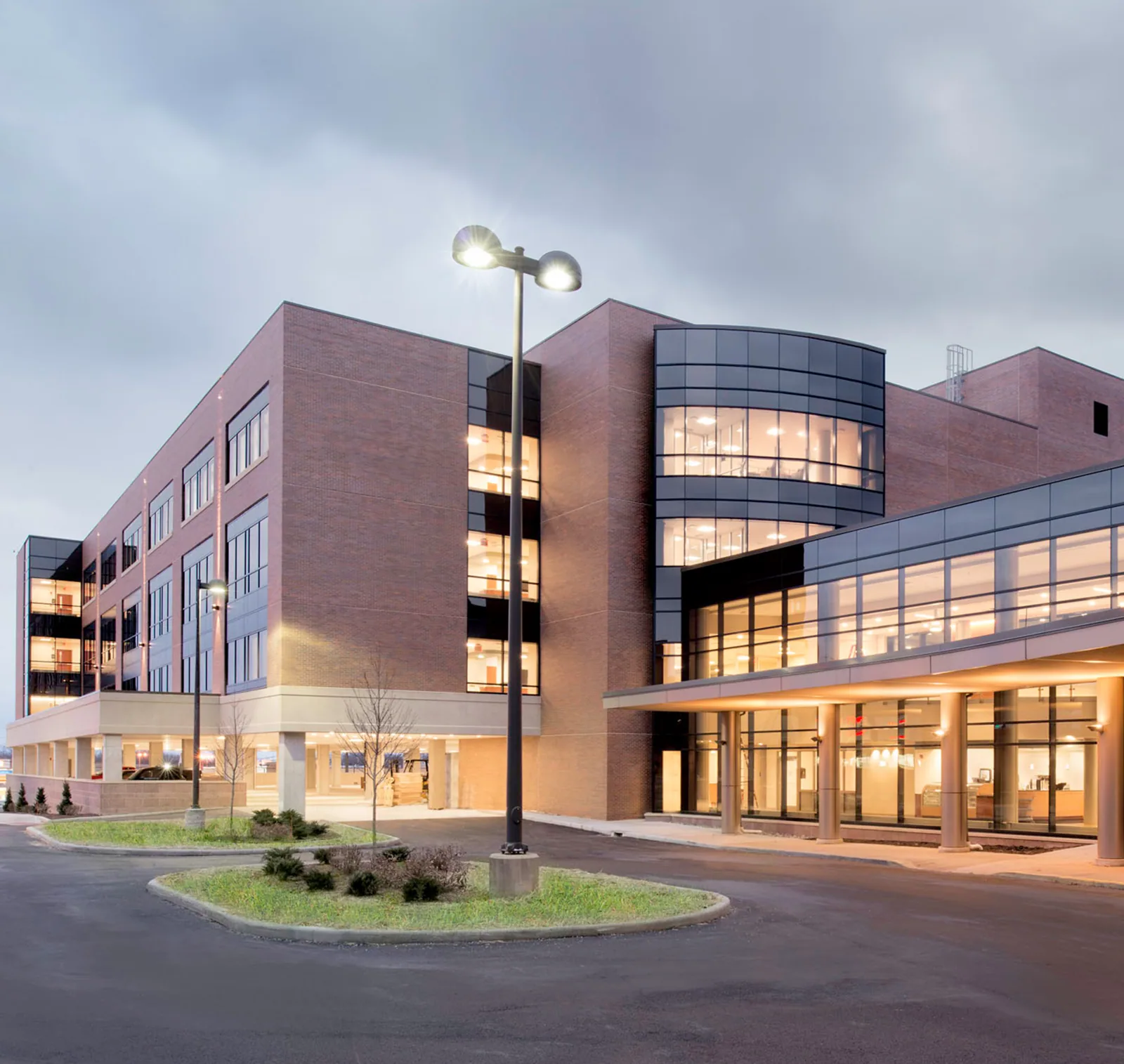
Five buildings on one portfolio sheet rarely have five matching roofs, and that mismatch sets the order of work before any crew mobilizes. A property manager in Jersey City, NJ, carries leak calls from tenants, budget lines from owners, and access rules from each building. We start by sorting the roofs into zones of urgency: active water, aging detail work, and surfaces that are holding. The decision to make first is which building gets the walk this week. Everything else, from materials to work windows, follows that ranking and is written down so the next manager inherits it.
Jersey City has 19,835.1 people per square mile across 14.74 square miles; curb access and tenant routes deserve early attention when staging roof work. Dense blocks mean shared walls, tight access paths, and neighbors who notice a lift on the street. Those constraints belong in the first conversation, not the last.
A portfolio walk is one visit per building, same checklist each time. We photograph the field, the drains, the parapet walls, the curb corners and every penetration, then label what we see by roof zone. Labels matter because a tenant complaint on the fourth floor says nothing about which section of membrane is open. When the photographs and the labels line up, the manager can tell an owner exactly where water is entering.
From the walk we build a ranking. Active leaks come first. Next come details that are close to failing: lifted flashing, cracked sealant at terminations, drains with debris that holds water against a wall. The ranking lets the manager defend the order to an owner, such as one of the investors and REITs behind the portfolio, who asks why one building waits.
Many managers pair this with a written roof condition report so the ranking survives staff turnover. The report carries photographs, locations, and a recommended action for each zone, which is the format an asset manager can attach to a budget request.
Send the building addresses, the access rules for each, and the work windows tenants can accept. We will walk the roofs, rank the zones, and return a written plan.
On an occupied building, the roof is reached through somebody's space. A stair tower may open onto a corridor shared by a clinic and an accounting office. A roof hatch may sit inside a mechanical room that the building engineer locks. We confirm each access path before the crew date is set, along with where materials stage and how a lift or hoist meets the street.
Tenant notices go out ahead of the work window, and we supply the facts the notice needs: which days, which hours, which side of the building, and what noise to expect. Where a tenant has equipment or inventory under the work area, we agree on temporary protection and a point of contact on the occupied floor.
Jersey City's dense blocks also limit curb space. If a delivery truck cannot stop in front of the building, the sequence changes, and so does the hour the crew starts. We plan that with the manager rather than discovering it on the morning of the job.
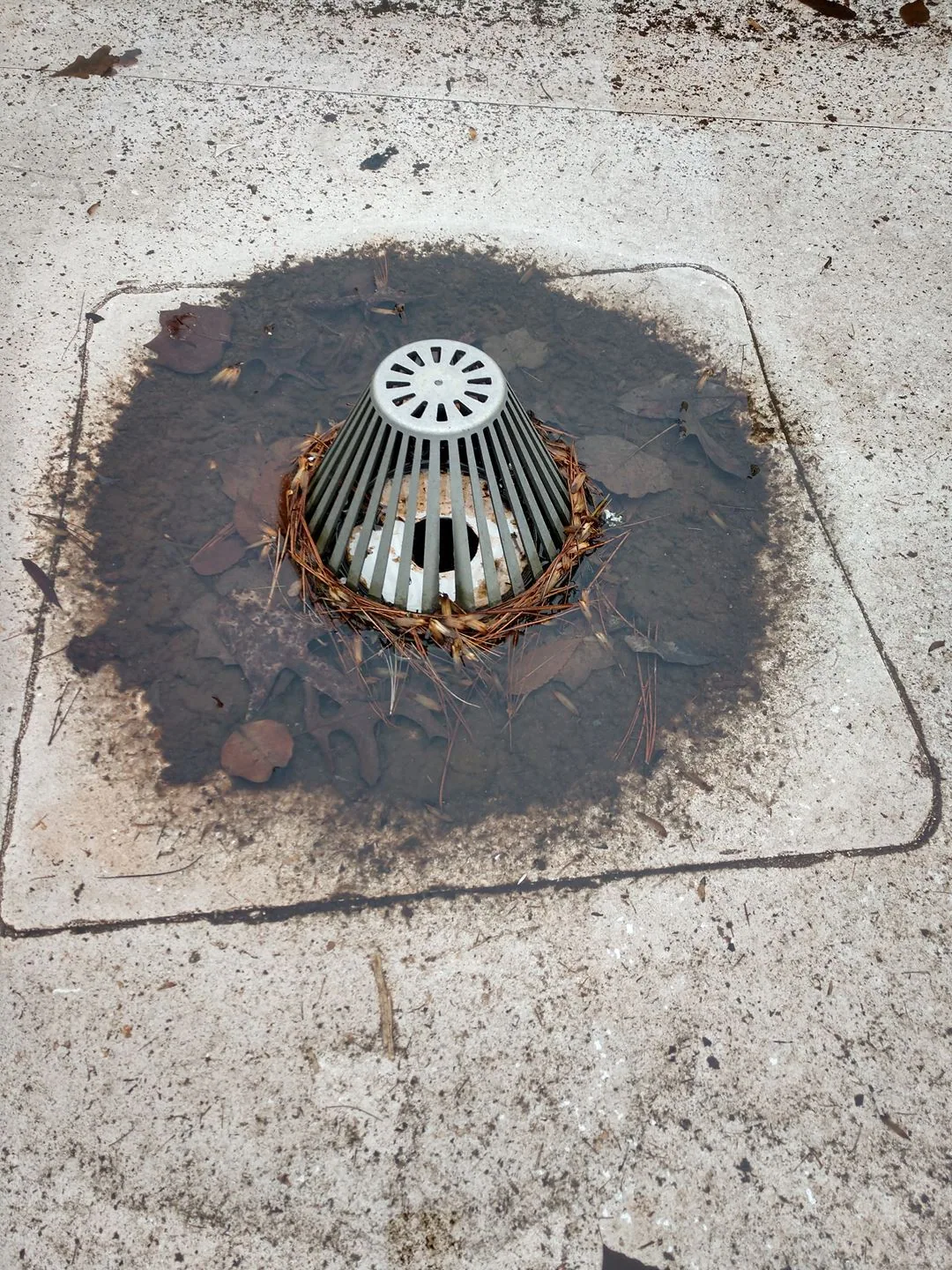
Severe floods and property damage marked Jersey City's local experience of Irene and Sandy. City guidance lists localized flooding and stormwater loading on the combined sewer as concerns. A roof drain does not fix a street problem, but a clogged drain turns a heavy rain into standing water on a membrane. For a manager, drain service is a defined maintenance task; blocked outlets can leave water against a seam or wall.
We check every drain bowl, strainer, scupper and overflow, and we look at the low spots between them. Where several buildings share a drainage approach, such as adjoining roofs of different heights, we trace which roof sheds onto which. Water that runs off a taller neighbor into a lower roof is an operating condition, and it should be in the file. A drain and scupper service before wet weather can identify blocked outlets before water reaches an interior finish.
Jersey City planning resources also include a Stormwater Control Ordinance and a Flood Overlay Map. A manager planning a larger project should check how those apply to the parcel before design work starts.
Capital budgets rarely cover all the roofs at once. Phasing lets a manager replace the worst surface now, repair the second, and defer the third with eyes open. We write the phasing as a sequence: which building, which season, which scope, and which condition would move a deferred roof up the list.
The sequence also respects weather. Membrane welding, adhesive cure and coating application all depend on temperature and dry surfaces, so a spring or fall weather window is worth more than a calendar date. On a portfolio, we try to cluster nearby buildings into one mobilization, since a crew already on the street can move to the next roof faster than a new crew can arrive.
When a building needs the full treatment, the options run from patching to a recover over the existing roof to a tear-off and replacement. Each has a different effect on tenants, noise and cost, and each gets laid out in writing before the owner signs. Work that changes a building's use or scale may also trigger a certificate of occupancy review under the City's rules, which is another reason to settle the scope early.
Managers change, ownership changes, and roofs outlast both. The record we leave includes dated photographs, a map of repairs, the products used at each tie-in, and the next recommended check. When a lender or buyer asks about roof condition, the manager can answer from the file instead of from memory.
A steady rhythm of visits keeps the file current. A preventive maintenance visit clears drains, reseals small openings, and updates the photographs, so the condition report never goes stale. Owners with several properties can have one format across all of them, so the buildings compare side by side. Where a general contractor is working in the building, the same file tells that contractor what is already on the roof.
A portfolio beyond Jersey City can use one schedule for Hoboken or Newark; each property keeps separate access notes. A multi-site roof program keeps the access rules, the photographs and the budget view in one place.