Commercial Roofers Serving Hoboken, NJ
Commercial roof repairs, inspections, maintenance, and replacement in Hoboken, NJ, with documented findings and work staged for occupied buildings.
Commercial roof repairs, inspections, maintenance, and replacement in Hoboken, NJ, with documented findings and work staged for occupied buildings.
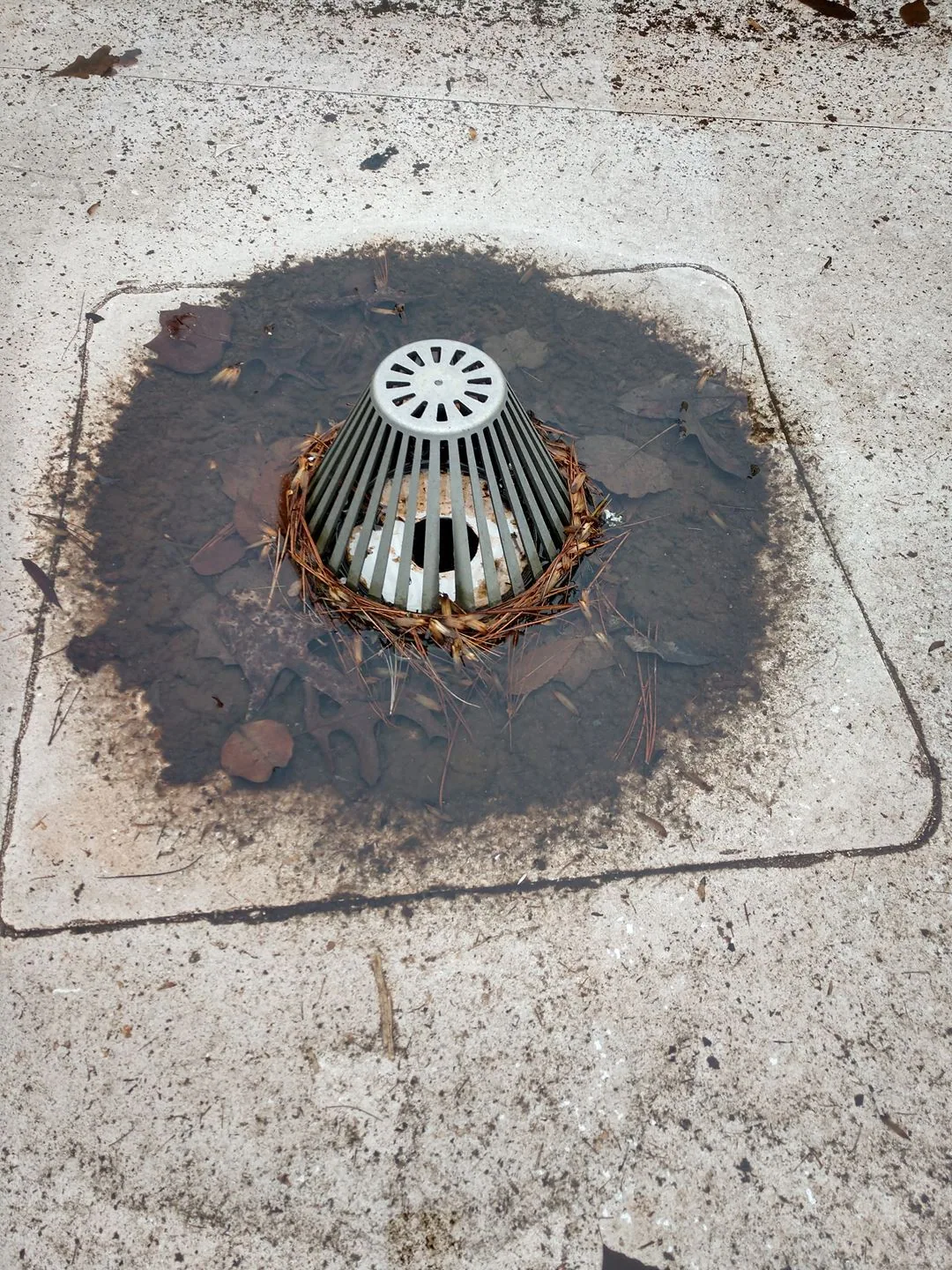
New Jersey's climate risks include sea-level rise, chronic flooding, rising temperatures, and intense storms; on a Hoboken roof call, drainage and access come first. We inspect both before pricing a scope. We trace the path across seams, drain bowls, curbs, wall edges, and roof openings, then record what the roof surface shows. Hoboken covers 1.25 square miles, so access, tenant coordination, and equipment staging deserve attention at the first walk. We serve commercial properties in Hoboken with leak repair, replacement, restoration, inspections, and maintenance. Start with a commercial roof inspection when the source of a ceiling stain is not clear.
We plan the inspection path before anyone steps onto the roof. The owner or site contact identifies access doors, ladders, roof hatches, alarms, and equipment that must remain on. We note where tools can be staged without blocking an exit or tenant route. A dense block can limit lift and delivery options, so we verify them before work.
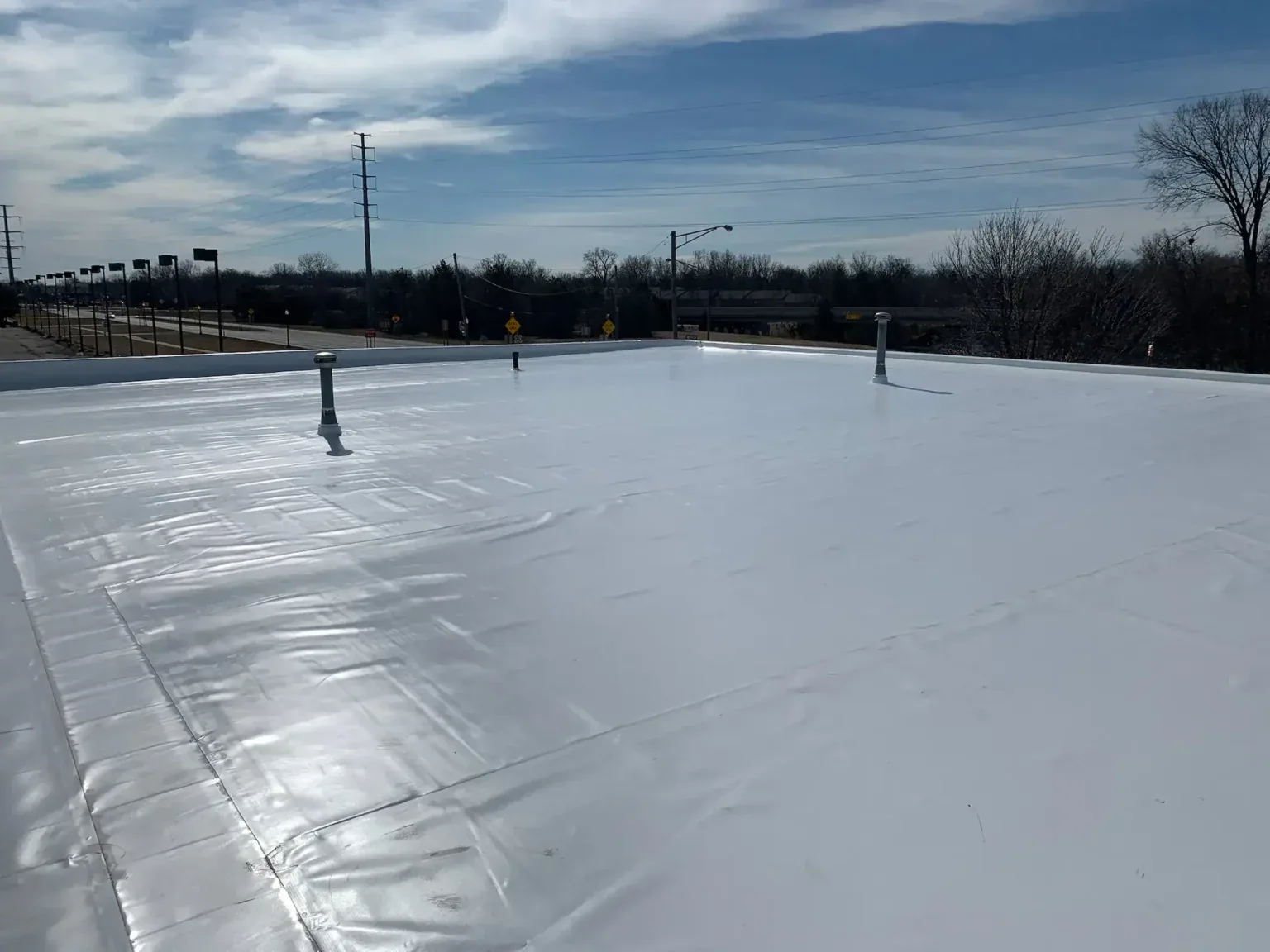
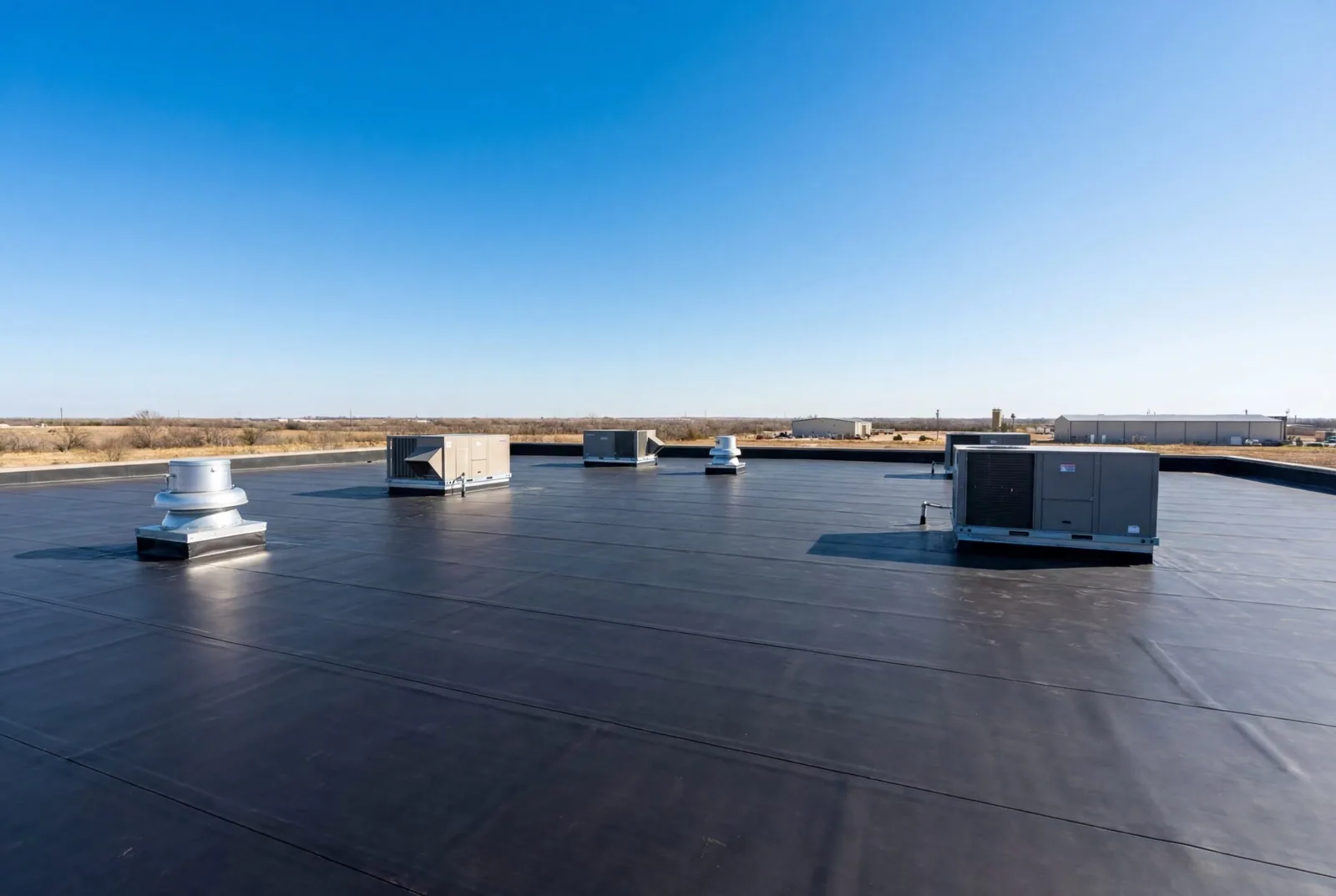
Buildings differ even within compact Hoboken. A low-slope commercial roof, a metal roof, and a mixed assembly each fail differently. We identify the visible system, check whether water is standing, and look at drains, corners, perimeter metal, and penetrations. When a condition continues across the roof, we mark the limits instead of describing an entire building from one small sample. For owners with other properties, the same record format can compare a Hoboken visit with a separate Bayonne roof review, while each report keeps that building's conditions distinct.

Share the active leak area, access requirements, and the building hours that need protection. We will inspect the roof, record the conditions, and recommend a repair or capital scope.
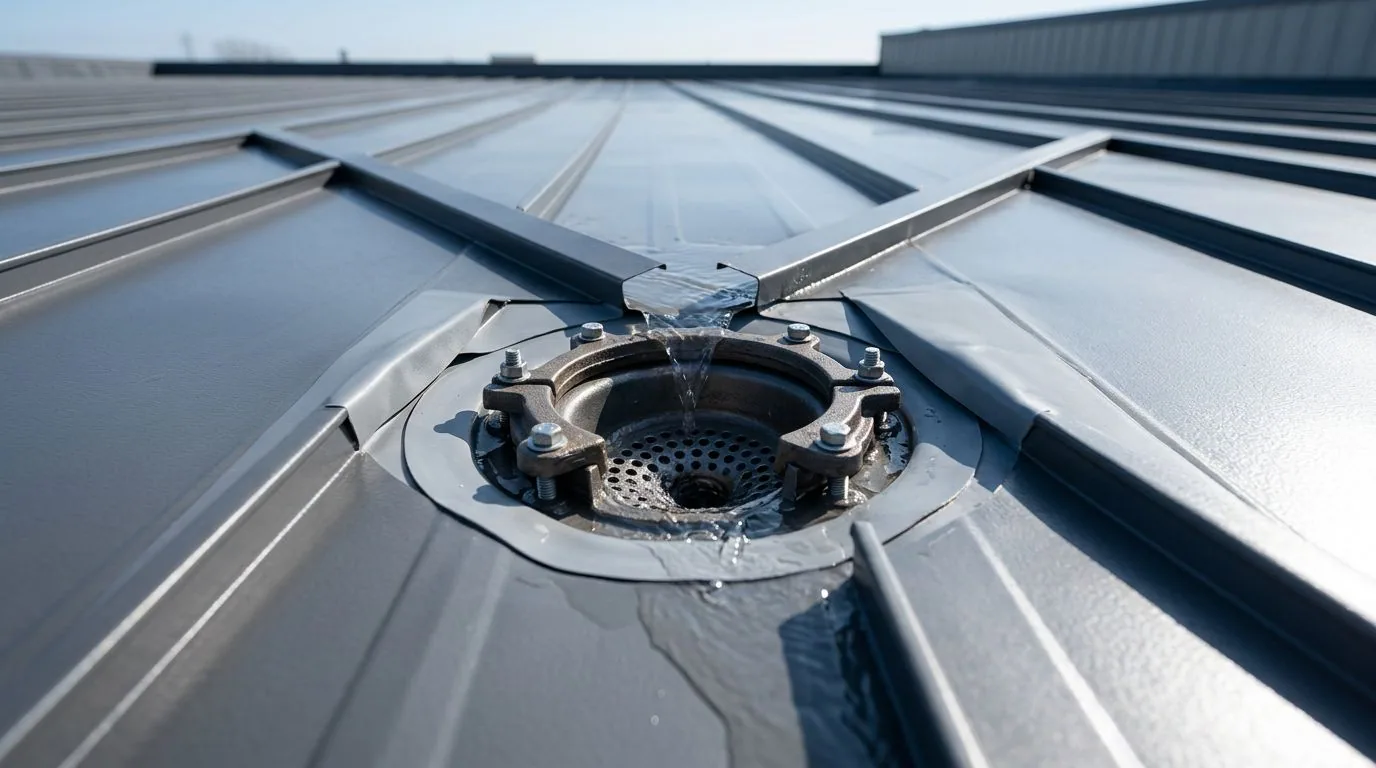
Roof drainage is a path, not a single fitting. We check strainers, drain bowls, overflow routes, scuppers, crickets, and low spots for debris, separation, or a change in flow. A backed-up drain can leave water against a seam or curb; a failed lap can let that water move below the membrane.
Across New Jersey, climate risks include sea-level rise, chronic flooding, rising temperatures, and intense storms. That supports a water-management review, not a claim that a particular Hoboken roof flooded. At the building, the roof walk shows whether a drain is clear, whether water can move, and whether the membrane or flashing is open. A drain and scupper repair can address a defined outlet problem. If seams, wall terminations, or rooftop curbs are also failing, we map those details into one repair plan so the crew does not restore the membrane while leaving the water path unresolved.
A ceiling stain can sit several feet from the roof opening that feeds it. We begin near the interior report, then follow seams, penetrations, wall transitions, and drainage toward a visible defect. The report gives the property manager photographs, marked locations, and the next recommended check, rather than a guess based on the stain alone.
Where damage is limited, we define a repair boundary and detail the patch with compatible materials. If water has traveled into insulation, a surface patch can conceal a wet layer and create another service call. We explain whether a small section must be removed to inspect the substrate. For storm damage, we photograph the condition and any opening; the insurer decides coverage. A seam-failure repair is not the same scope as a puncture or a failed wall termination, so the written recommendation names the condition that the crew will correct.
Hoboken roofs vary by age, occupancy, and assembly. On the roof, we identify visible material, seam type, attachment clues, flashing, and the condition of the perimeter. A rubber membrane roof needs details compatible with its surface and seams; TPO and PVC use heat-welded seams; modified bitumen and built-up assemblies use different lap and flashing methods. The product choice follows the actual roof and the repair objective.
When an owner needs a broader plan, we compare repair, coating, recover, and replacement options with the observed condition in view. A coating is not a substitute for wet insulation removal, and a recover is not suitable over every assembly. We check adhesion, moisture evidence, attachment, drain height, and transition details before recommending either path. The property manager can then compare disruption and budget by roof zone rather than receiving one unexplained total for the whole building.
Buildings stay in use while roof work is planned. Before a crew arrives, we agree on entry, roof access, tenant notices, loading areas, equipment shutdowns, and any hours that need protection. A small repair may fit a short window; replacement needs coordinated delivery and a secure end-of-day seal. Where crane use or a material lift is needed, we confirm the proposed staging area and restrictions with the owner before the schedule is final.
We work from the least disruptive sequence that still allows the roof to be closed correctly. Crews remove only the area they can dry in, inspect the exposed substrate, and document concealed repairs before covering them. Weather changes which section should open first. For property managers tracking several assets, a photo-based condition report gives the next decision-maker the repair history and locations that need another look. Jersey City, Bayonne, and Hoboken sites can each have a different access path, so we schedule each building on its own constraints. For the separate Newark property, our team can plan a Newark roof access review without carrying Hoboken site conditions over to it.
The repair is not complete when the membrane is dry. We record the locations addressed, materials installed, photographs of the finished transitions, and any nearby conditions that should be watched. The owner receives a written summary that distinguishes completed work from future recommendations. That file can support a warranty discussion, annual maintenance, insurance documentation, or the next capital review.
Maintenance should follow the actual roof. We can set a recurring inspection around the building's equipment, drains, tenant work, and seasonal needs, then compare each visit with the prior condition report. A small change at a seam or flashing can be corrected before it reaches insulation or interior finishes. For an active leak, tell us which area is affected, whether water is entering occupied space, and how the roof can be reached. We can document conditions and discuss next steps with the site contact.