EPDM Commercial Roofing in Jersey City, NJ
Inspect Jersey City EPDM seams, flashing, adhesive, wet insulation, and drainage before choosing commercial roof repair, recover, or replacement.
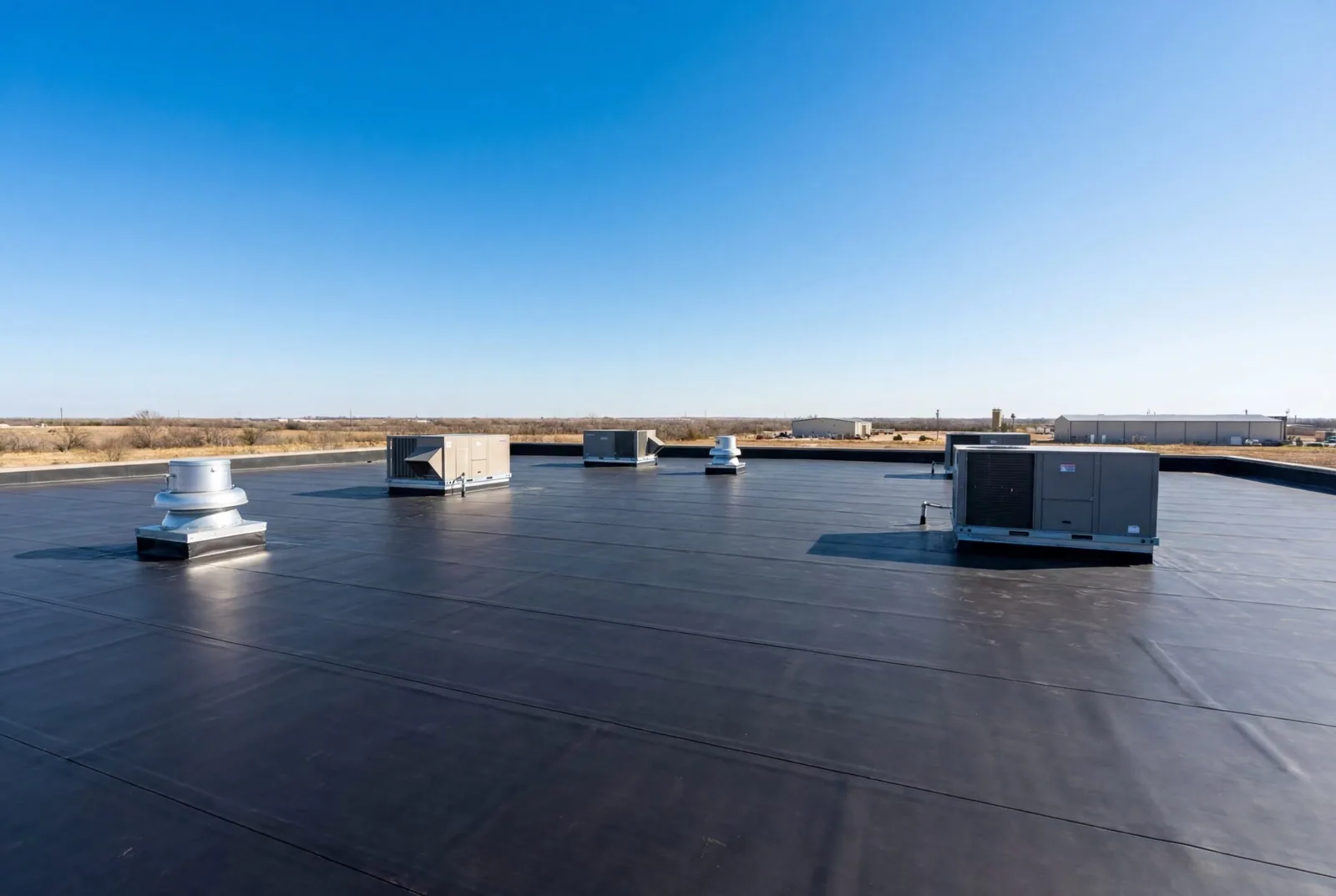
Inspect Jersey City EPDM seams, flashing, adhesive, wet insulation, and drainage before choosing commercial roof repair, recover, or replacement.
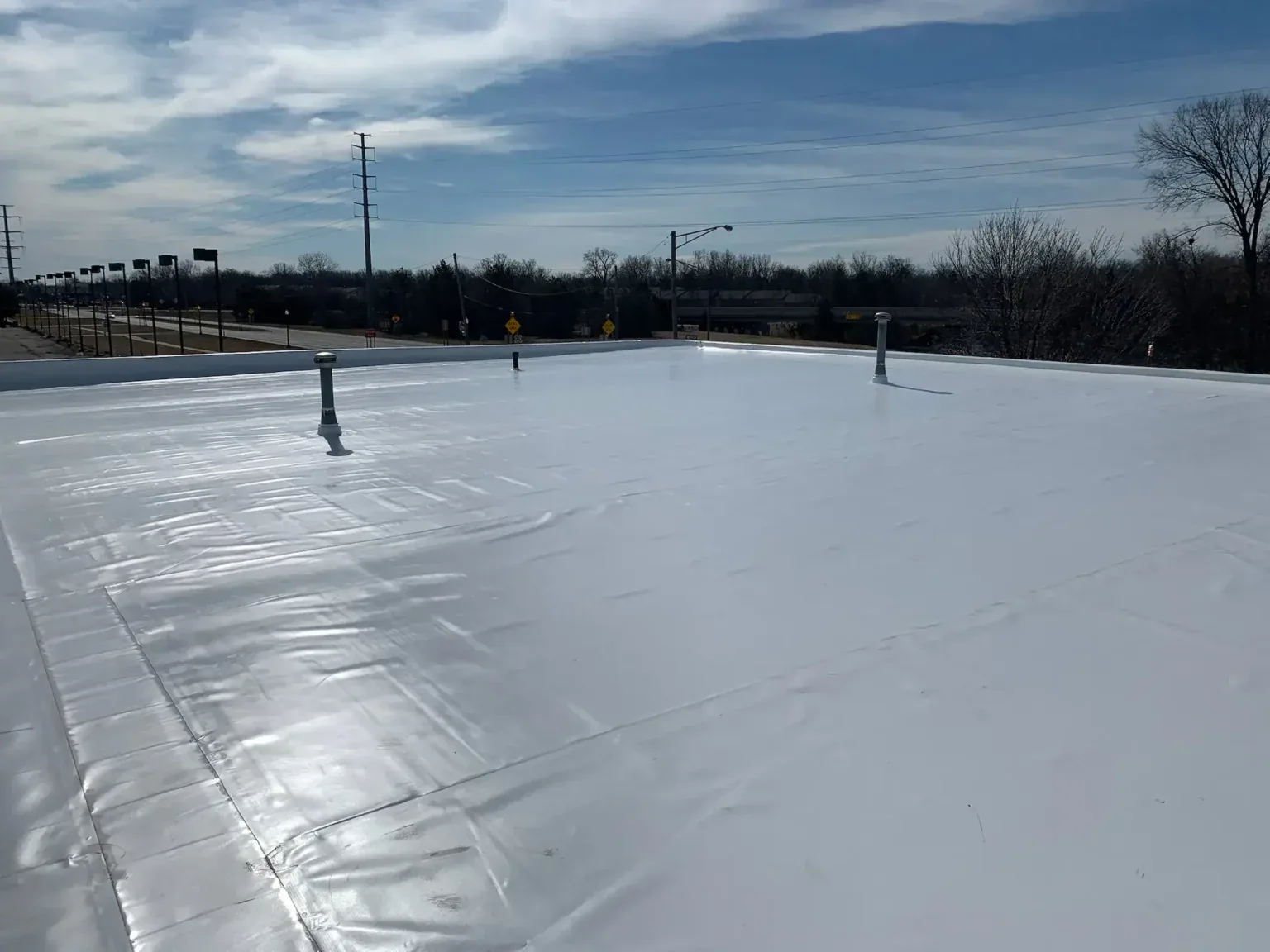
EPDM is a flexible rubber membrane, and its field seams, flashing, adhesive, and terminations need different checks from a heat-welded roof. In Jersey City, NJ, we inspect the actual sheet, substrate, drains, and prior patches before choosing repair or replacement. Storm damage in Jersey City has included severe flooding and property loss, which keeps water movement in the membrane inspection. A commercial roof inspection records where the assembly is open and what remains serviceable.
EPDM sheets are joined with adhesive, seam tape, or compatible accessories depending on the system and detail. A lifted lap may indicate a bond failure, contamination, movement, or an earlier repair that did not hold. We check the seam length, field membrane, wall transition, penetration boot, and edge terminations together. The report identifies a local correction separately from a broader deterioration pattern, giving the owner a repair boundary to evaluate.
The seam surface must be clean and prepared before a tape or adhesive repair. We inspect for open laps, fishmouths, wrinkles, shrinkage at walls, exposed reinforcement, and patches with edges that have started to lift. A hand probe locates suspect bonding, while photos preserve the position and size of each defect. We also check whether the field sheet remains pliable enough for a compatible repair. A repair scope names surface preparation and the accessory system used at each detail.
At parapets and curbs, membrane movement can pull on the termination or expose the substrate. A penetration flashing inspection covers boots, frames, and corners where the sheet changes plane. We inspect metal counterflashing, term bar, sealant, and the path water takes at the edge. If the wall transition is open, the scope includes enough membrane to reach a sound bond, not simply a bead of sealant over the visible gap.
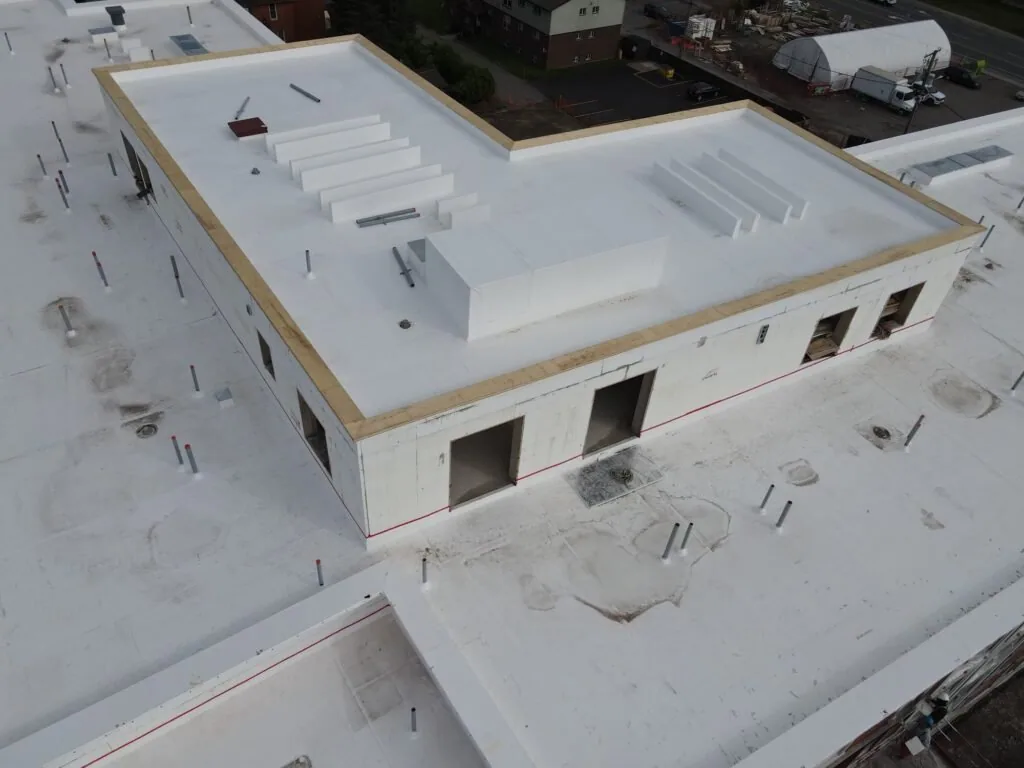
Set a roof walk to map the seams, flashings, drains, and wet-area questions. We will compare a defined repair with recover or replacement options.
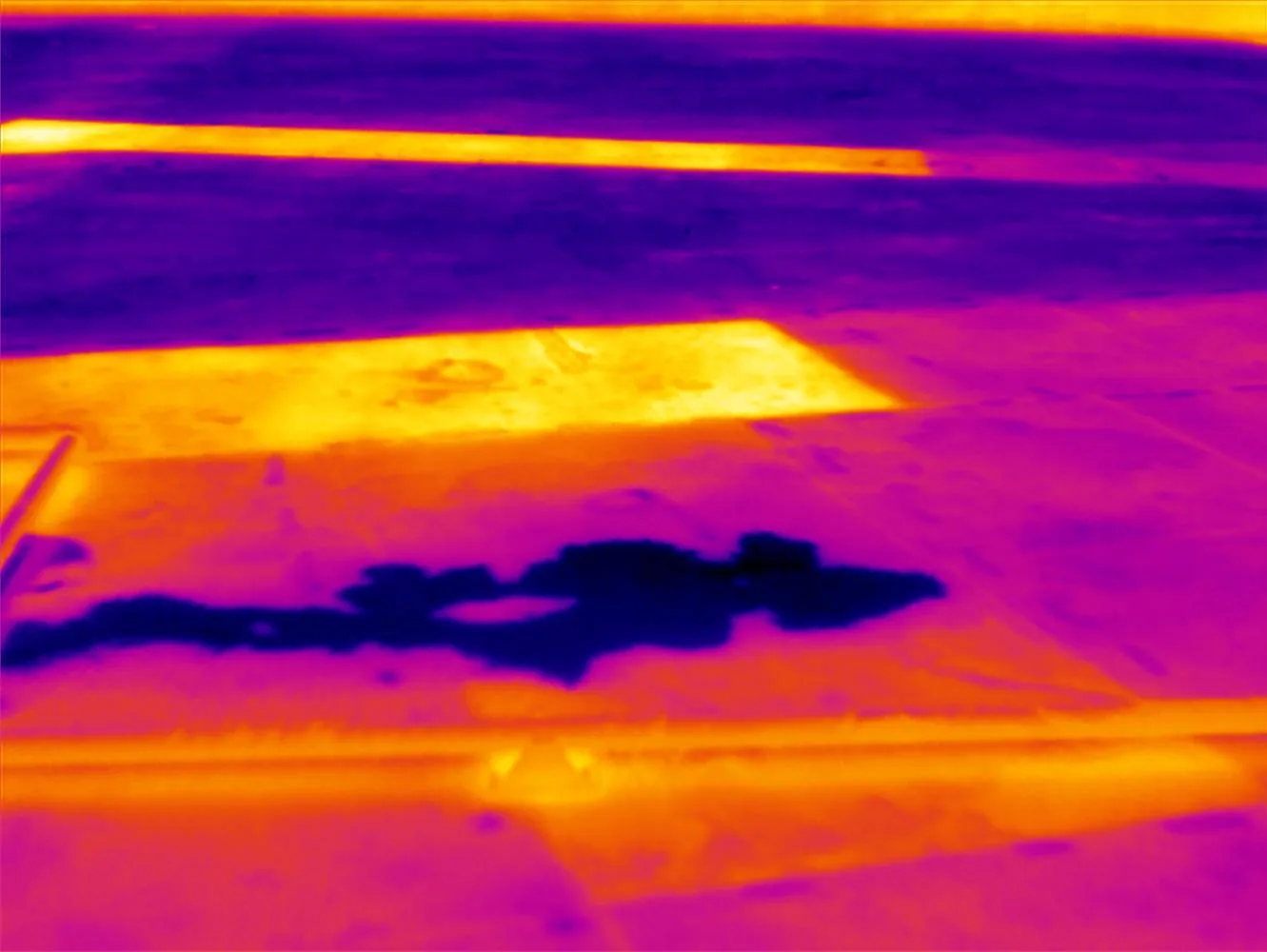
A repair to the EPDM surface does not answer what is below it. Soft insulation, blisters, deck corrosion, displaced boards, or interior staining can indicate a larger assembly issue. We map the signs by roof zone and use test openings only when they answer a decision about removal or recover. If moisture is present, we mark its confirmed boundary and price the replacement area separately. The owner can then compare an isolated repair with a project that renews the wet layers.
Jersey City's coastal setting and stormwater concerns make water management part of an EPDM review. We inspect the roof itself. A targeted moisture survey can focus core locations where the visible evidence is inconclusive. The report states what the scan suggests, what test results confirm, and which remaining area was not opened, so the repair decision stays tied to the actual field evidence.
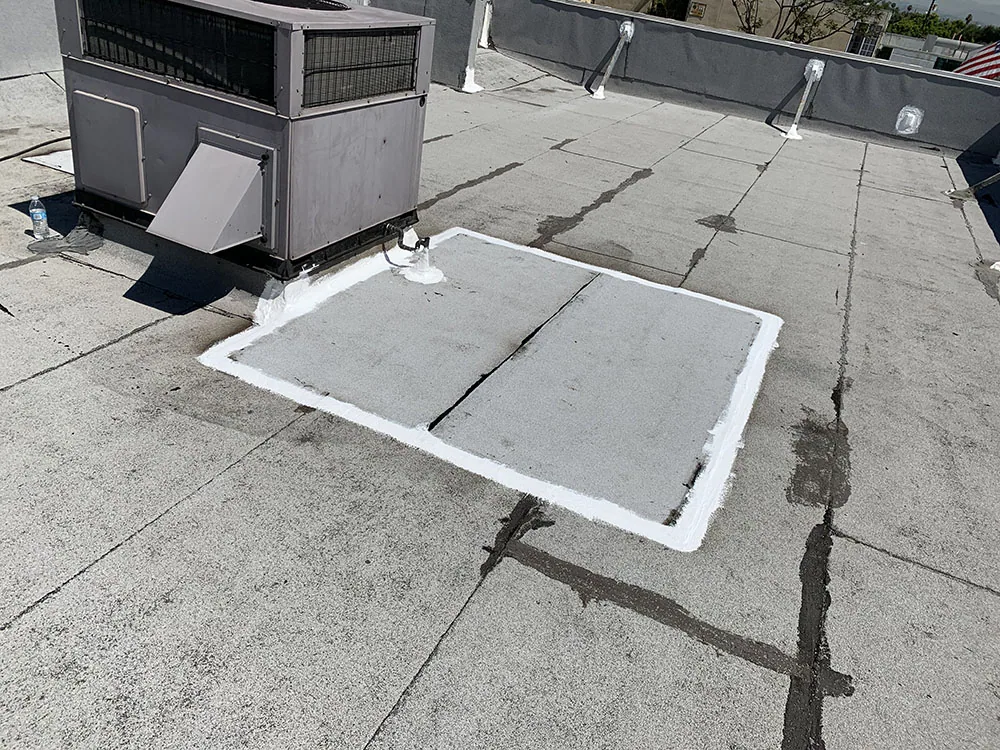
EPDM repair can involve cleaning and priming the sheet, adding compatible seam tape, applying a patch, or rebuilding a flashing transition. The method depends on the membrane, accessory, age, surface condition, and geometry. We do not use a generic roof cement as a substitute for an assembly-compatible detail. After work, we inspect the edge of the patch and test the seam where the method allows it. Photos show the starting defect and completed repair, with the perimeter mapped by zone.
A puncture or lifted lap may call for commercial leak repair, while recurring seam movement may need a larger investigation. We check whether the same condition appears at multiple locations before expanding the scope. When the membrane and insulation remain suitable, restoration can be considered; when wet layers or broad shrinkage are confirmed, removal may be the better path. The proposal separates immediate water-entry work from planned renewal so the owner can stage decisions.
Price and timing reflect roof height, access, surface preparation, repair quantity, equipment, weather, and how far removal must extend. A small puncture can be quick after access is arranged; a wet area near several curbs can require testing, protection, and mechanical coordination. We identify assumptions that affect the scope and note conditions that could change it. That avoids pricing a dry, accessible patch as though it has the same boundary as an assembly replacement.
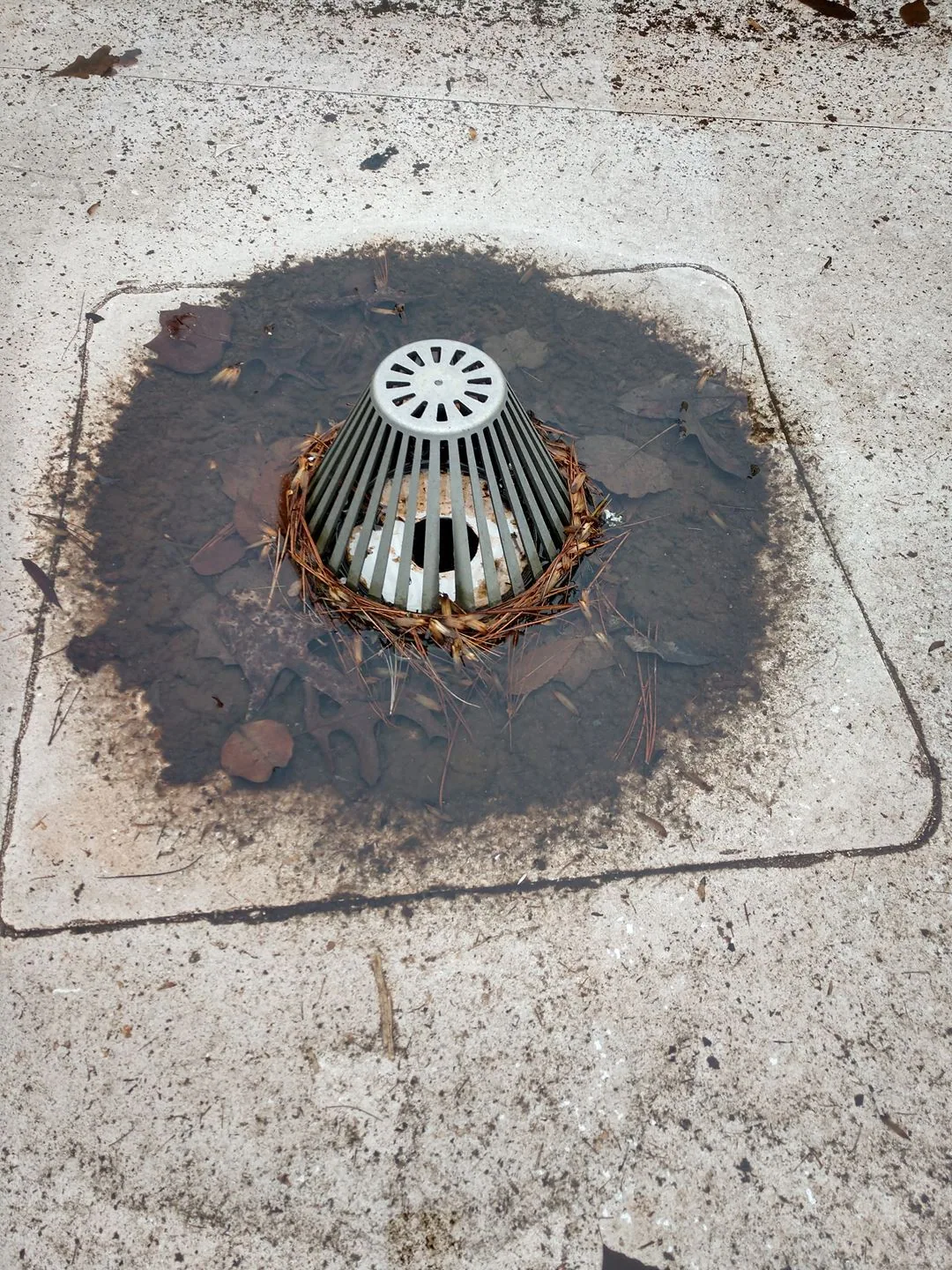
EPDM must terminate correctly at a drain, scupper, wall, or edge metal. We inspect clamping rings, drain bowls, overflow routes, and areas where a low pocket holds water against a seam. Localized flooding and combined-sewer stormwater loading are Jersey City concerns; the roof inspection traces this assembly's own drainage path. A drain and scupper review can identify whether the membrane detail, bowl, or surface slope needs correction. Water should not be trapped by a patch or new flashing.
At the perimeter, wind and water control meet. We inspect fasteners, membrane securement, metal joints, corners, and the condition behind loose edge pieces. If a coating or recover is proposed, added layers can change edge height and drain transitions. The written scope shows the new termination and identifies where existing material remains. The owner can compare a repair that restores an edge with replacement work that rebuilds the entire perimeter system.
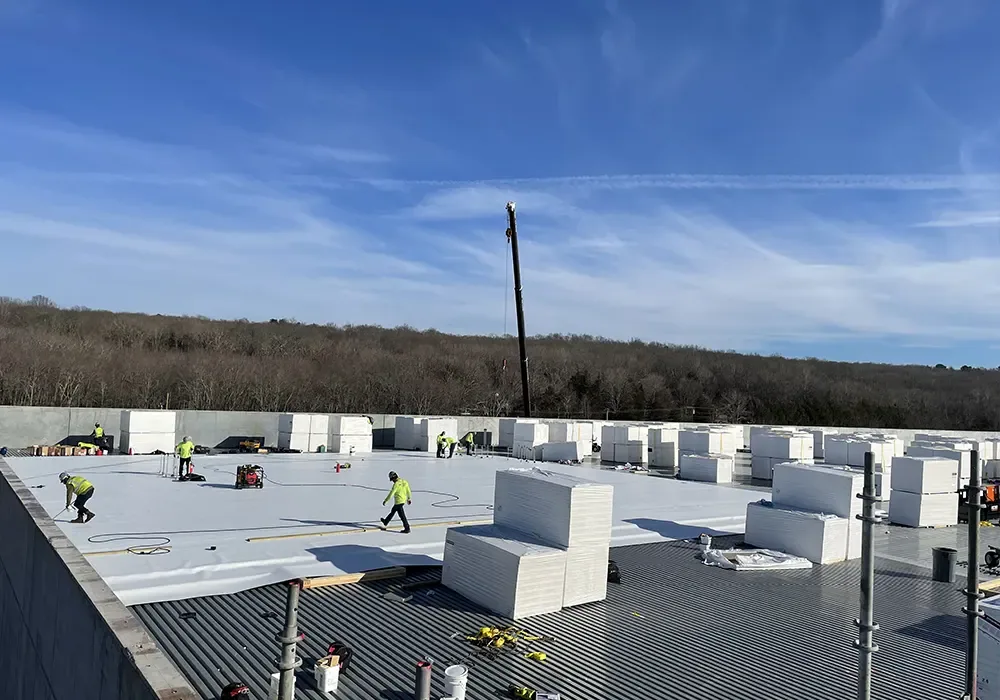
A recover may work when the existing roof is dry, stable, attached, and compatible with a new system. The assembly also needs adequate drainage height and a perimeter detail that can accept added thickness. EPDM replacement is more likely when broad seam failure, saturated insulation, multiple prior layers, or weak attachment prevents a reliable overlay. We inspect those conditions and show the owner the basis for each option. If the roof supports a repair, we keep the scope local rather than imply that every area must be removed.
A new EPDM membrane can be compared with TPO roofing or PVC roofing based on roof use, attachment, flashing details, maintenance, and the project documents. System selection should account for penetrations, foot traffic, rooftop service, and tie-ins with adjacent sections. For an occupied property, our occupied reroof sequence maps work zones and daily closure points before tear-off begins. The owner receives a written assembly scope with material and drainage details.
Greenville Industrial and Tonnele Avenue Light Industrial are among Jersey City’s named industrial districts. Properties in these areas can have equipment service and loading needs, but the district context does not establish roof conditions or building use. We confirm each access route, staging point, and work window before material arrives. The closeout record identifies EPDM repair locations, seam and flashing details, photographs, drain status, and any area that remains inaccessible. Future maintenance can compare new conditions to that baseline.
A property manager with sites in Hoboken can coordinate visits while keeping each roof report distinct. We start at the highest-priority water path, mark the roof zone, and list the next decision. Ask for a site walk to review seam condition, wet-area questions, drain details, and whether repair, recover, or replacement fits the assembly found in the field.