Roofing for Real Estate Investors and REITs in Jersey City, NJ
Roof surveys, capital planning and repair sequencing for Jersey City investors and REITs, with written condition data for acquisition and hold decisions.
Roof surveys, capital planning and repair sequencing for Jersey City investors and REITs, with written condition data for acquisition and hold decisions.
Underwriting a Jersey City building starts with one roof question: how many years of dry service remain before the next capital event? Answering it takes more than a glance from the street. We walk the surface, trace the drains, test the details where water has the easiest entry, and give the investor a dated condition record with photographs. The record separates three things that often get blended: repairs that are due now, replacement that is coming, and reserve money that should be set aside for it. An owner can then price a deal, or a hold period, against evidence on the roof.
Jersey City is part of the New York-Newark-Jersey City metropolitan area, and its building stock changed substantially after 2000. The City Master Plan puts the first post-2000 investment in Newport, Downtown and Journal Square, with redevelopment spreading to other neighborhoods later; each roof still needs its own condition record.
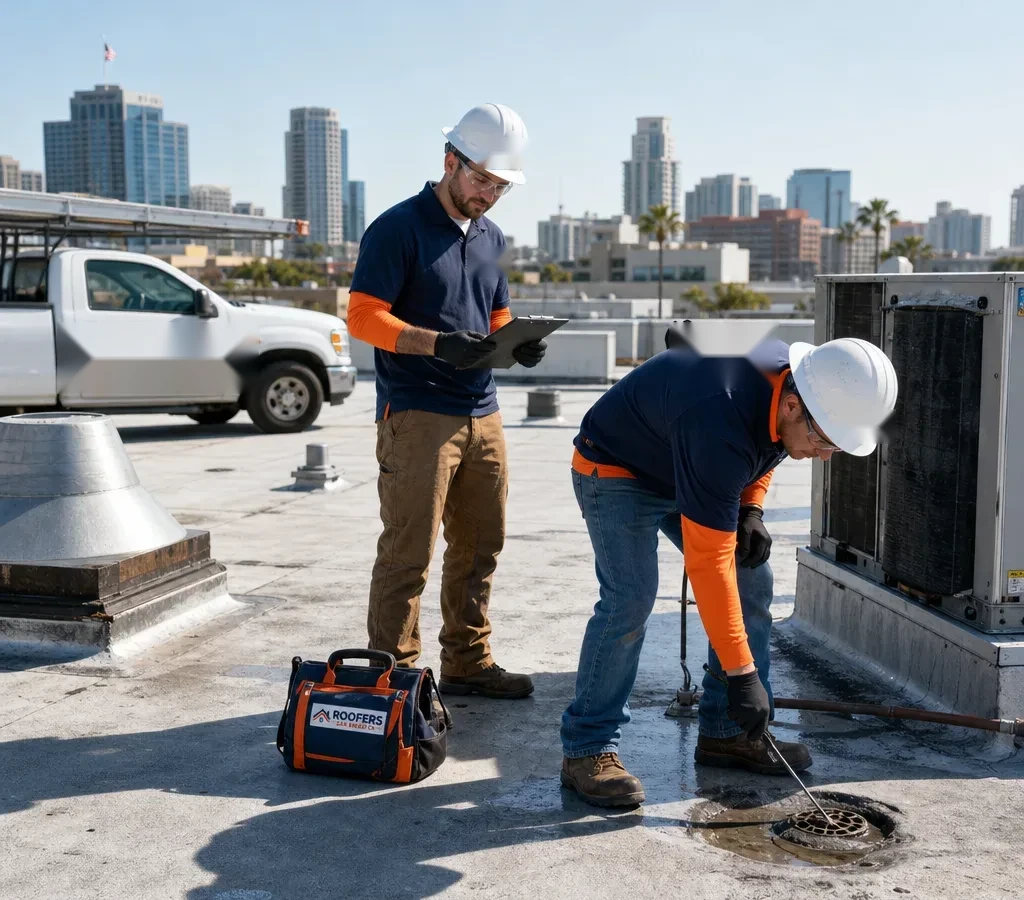
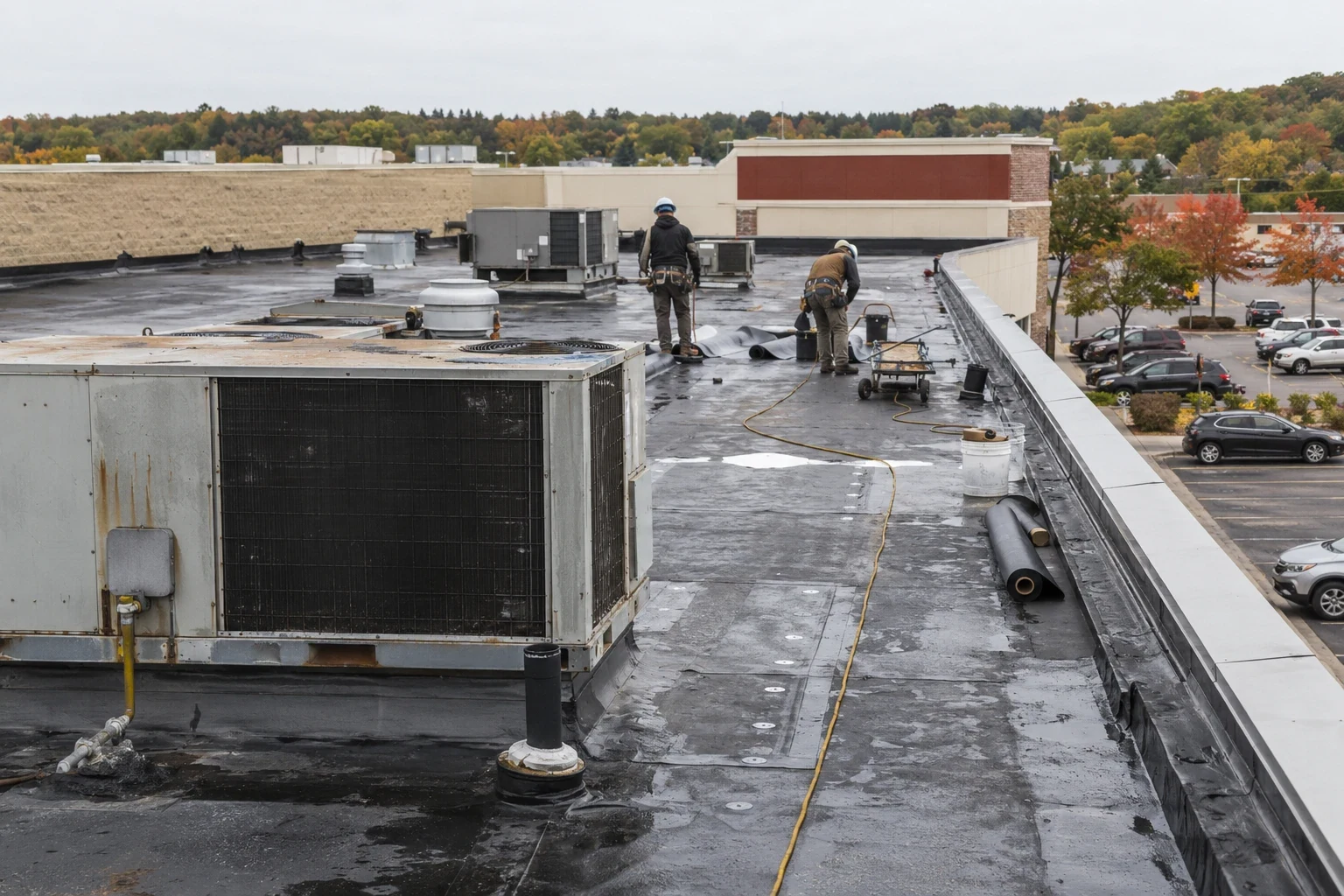
A due-diligence roof survey runs on the seller's clock, which is short. We plan the visit around access to the roof, the interior areas that show prior leaks, and any roof plans or repair invoices the seller can hand over. In the field we check the membrane, seams, terminations, drains, curbs, skylights and rooftop equipment supports. Each zone is photographed and graded.
The output is built for an investment committee. It gives a remaining-service view by roof zone, a list of immediate repairs, and an order of magnitude for the replacement scope without inventing precise figures. A buyer can use it to negotiate a credit, request seller repairs, or set the reserve. Our due-diligence roof surveys follow this format, so two assets in the same pipeline can be compared on equal terms.
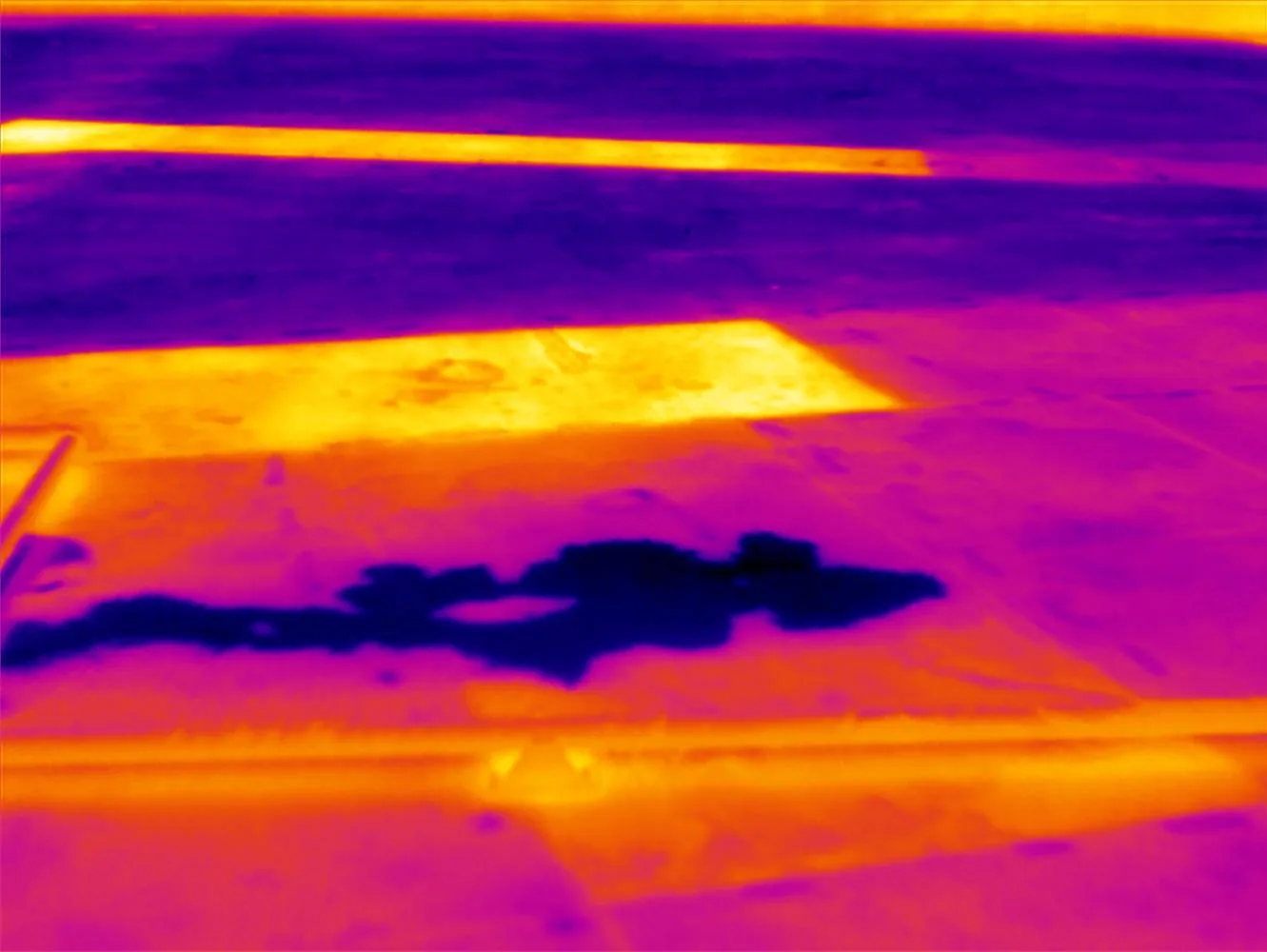
Where moisture is suspected under the surface, an infrared moisture survey narrows the wet insulation to areas that can be cored and confirmed, which keeps a purchase decision from resting on a guess.
Send the property list, closing or budget dates, and any roof documents on hand. We will set the survey order, walk the roofs, and return a written condition record.
The right scope depends on how long the owner expects to hold the building. A short hold may favor targeted repairs and a maintenance program that documents condition at sale. A long hold may justify replacing a failing assembly with a system that carries a longer service life, even if the first cost is higher.
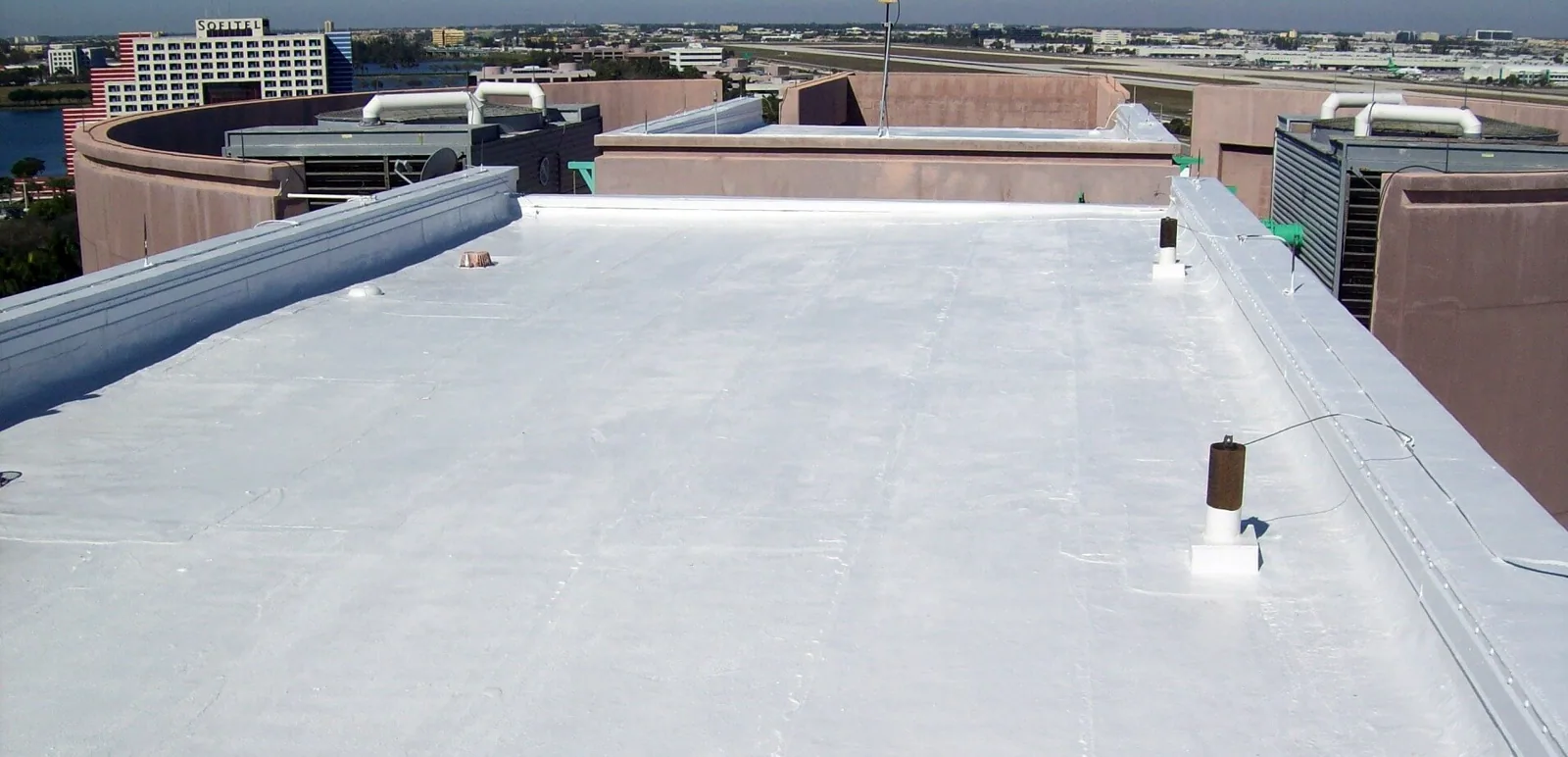
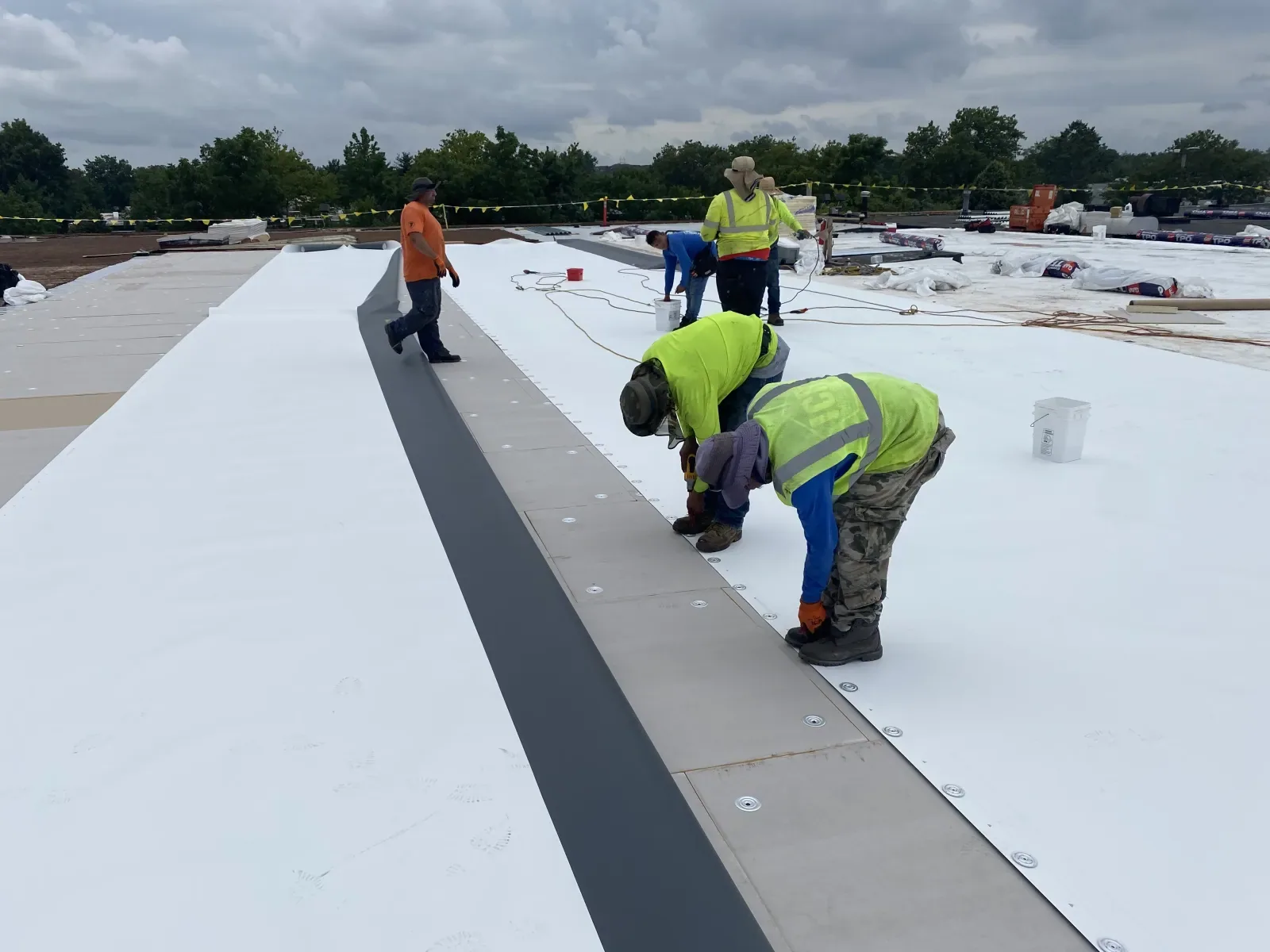
We set out the options as a ladder. At the bottom is repair of the specific openings. Next is a coating or recover that extends the life of a roof whose insulation is dry. At the top is tear-off and replacement, appropriate when wet insulation or deck damage means the existing layers cannot support a new membrane. Each rung has a different effect on tenants, schedule and taxes, and we describe those effects plainly. The recover option is attractive when the building stays occupied, while a full replacement resets the clock for the next owner.
The state's resilience strategy addresses sea-level rise, chronic flooding, rising temperatures and intense storm events. An investor holding for many years should consider drainage and heat exposure in the specification, not only the membrane choice.
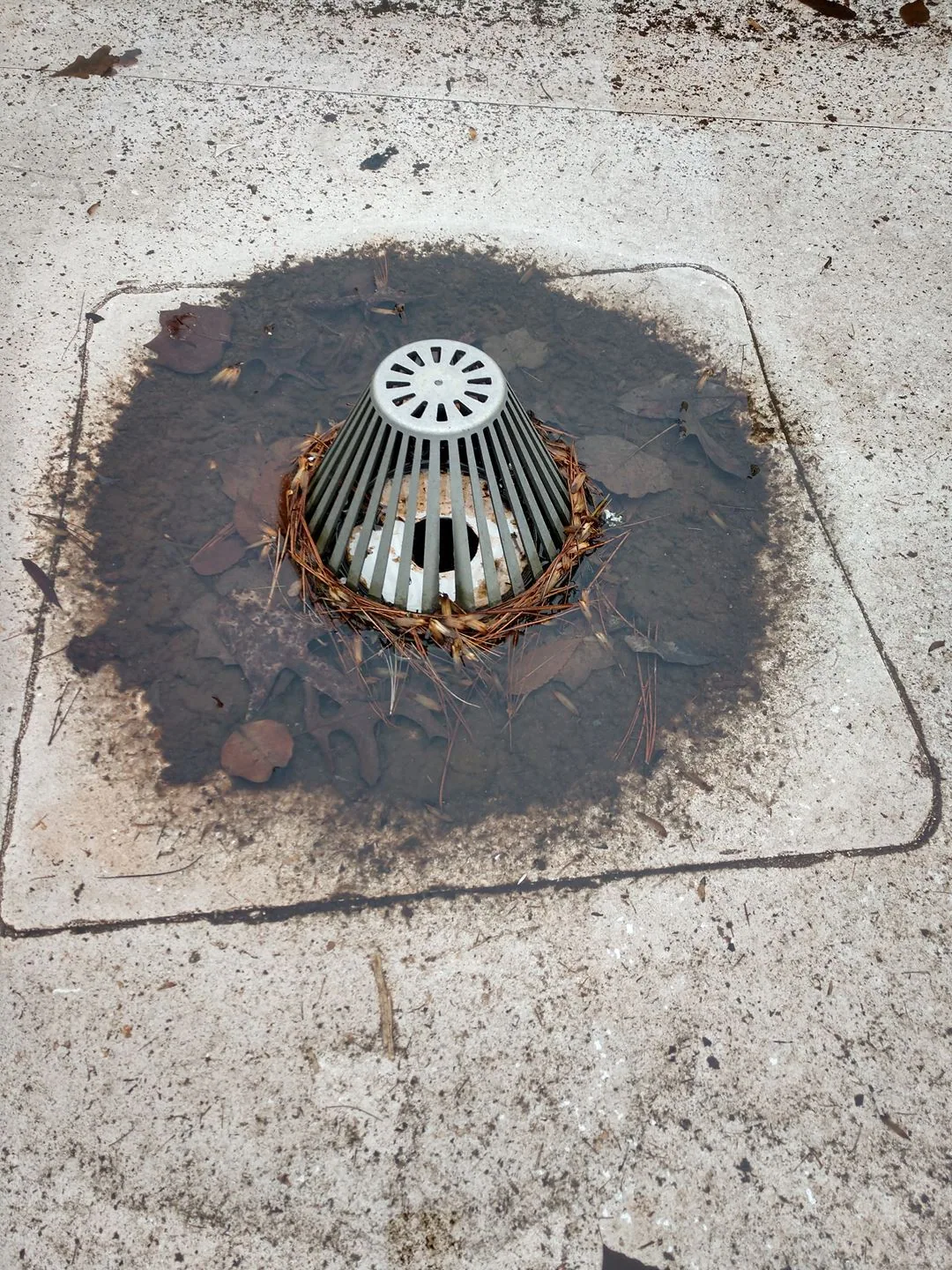
Water behavior is the other input. Localized flooding and stormwater loading on the combined sewer are City concerns, so drains and overflow paths belong in the underwriting file next to the membrane grade. A roof that sheds water poorly will age faster than the same membrane on a well-drained deck, and the survey records low areas, slow outlets and blocked scuppers so the capital plan reflects them.
Leases shape the roof schedule. Retail tenants resist noise during peak hours, store chains add delivery and opening-hour limits, office tenants resist it during meetings, and residential tenants resist it before mid-morning. We build the work window from the lease realities, then confirm it with the property manager so the roofer is not discovering restrictions after the crane is booked.
Staging is the next constraint. In dense Jersey City blocks, curb space is shared with deliveries, and a lift may need street permission. The roof's age and assembly come from records and field inspection, not from the neighborhood. We map equipment, access, and the hoisting route before work so the sequence fits the property.
A building going through a major renovation or a change in use needs a certificate of occupancy from the City. A roof scope that is part of a larger renovation should be coordinated with the permit path, and we will say so in the schedule rather than leave it to the general contractor to discover.
Investors with several properties need comparable reports. We use one scoring method, one photo convention and one repair-history format, regardless of building size. The result is a portfolio view that shows which assets are stable, which need work in the next budget cycle, and which carry hidden exposure such as old repairs of unknown material.
Warranty documents deserve their own attention. Many roofs carry paperwork that has lapsed through missed maintenance or unapproved repairs, and an investor should know that before closing. Our warranty management work reads the paperwork against the roof as it exists, then flags what can still be enforced.
For owners planning reserves across years, roof capital planning converts the survey data into a multi-year schedule. Buildings in Bayonne or Kearny can be added to the same schedule when they are held by the same owner, so one roofing program follows the whole pipeline.
Day-to-day oversight usually sits with the property management company, and the investor gets the summary. We keep both audiences in mind: a page of grades and dates for the investment committee, and the photographs and roof-zone labels the manager needs to schedule the next visit.