Roof Systems in Jersey City, NJ
Review membrane, metal, and coating systems for Jersey City commercial roofs, with selections tied to drainage, transitions, access, and existing layers.
Review membrane, metal, and coating systems for Jersey City commercial roofs, with selections tied to drainage, transitions, access, and existing layers.
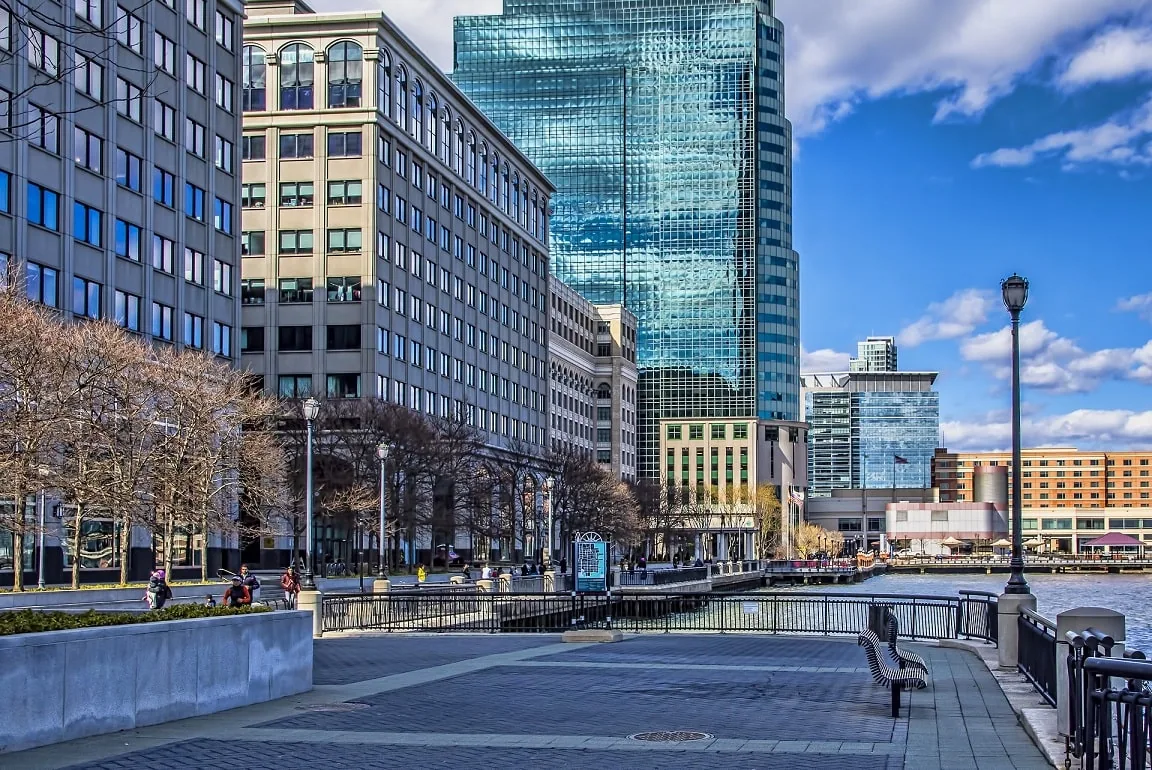
Water exposure and tight work access make the existing roof assembly the first system decision in Jersey City. We identify visible layers, seams, attachment clues, drainage, and tie-ins before recommending a repair or new covering. Jersey City is a dense coastal community. We review staging, occupied floors, and roof water routes together before setting the system scope. For a building near Journal Square or Greenville, we check the assembly before selecting a system repair or replacement.
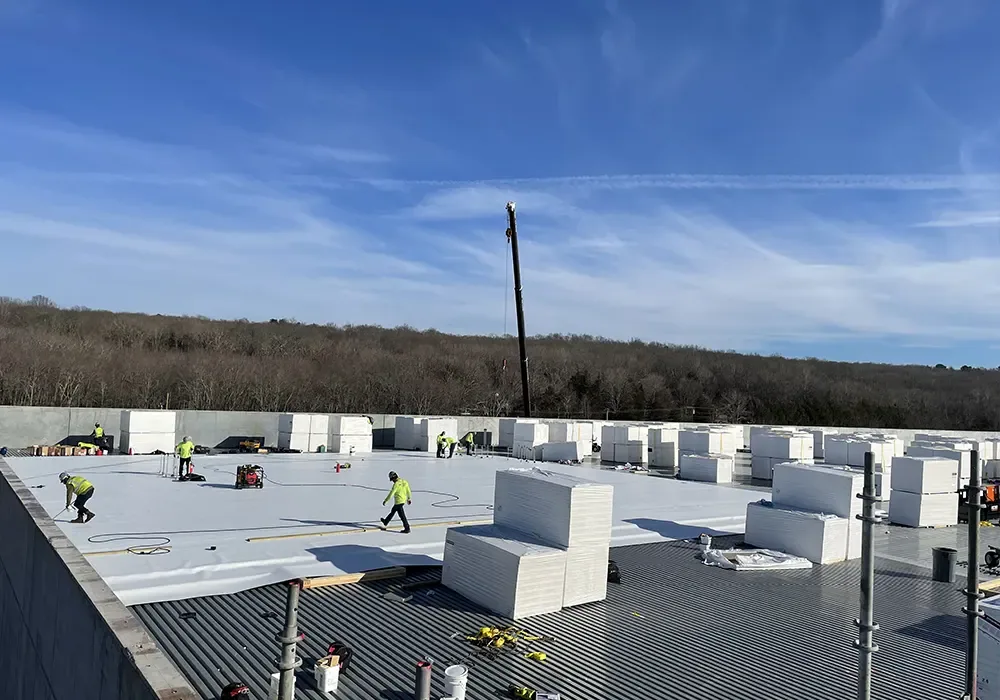
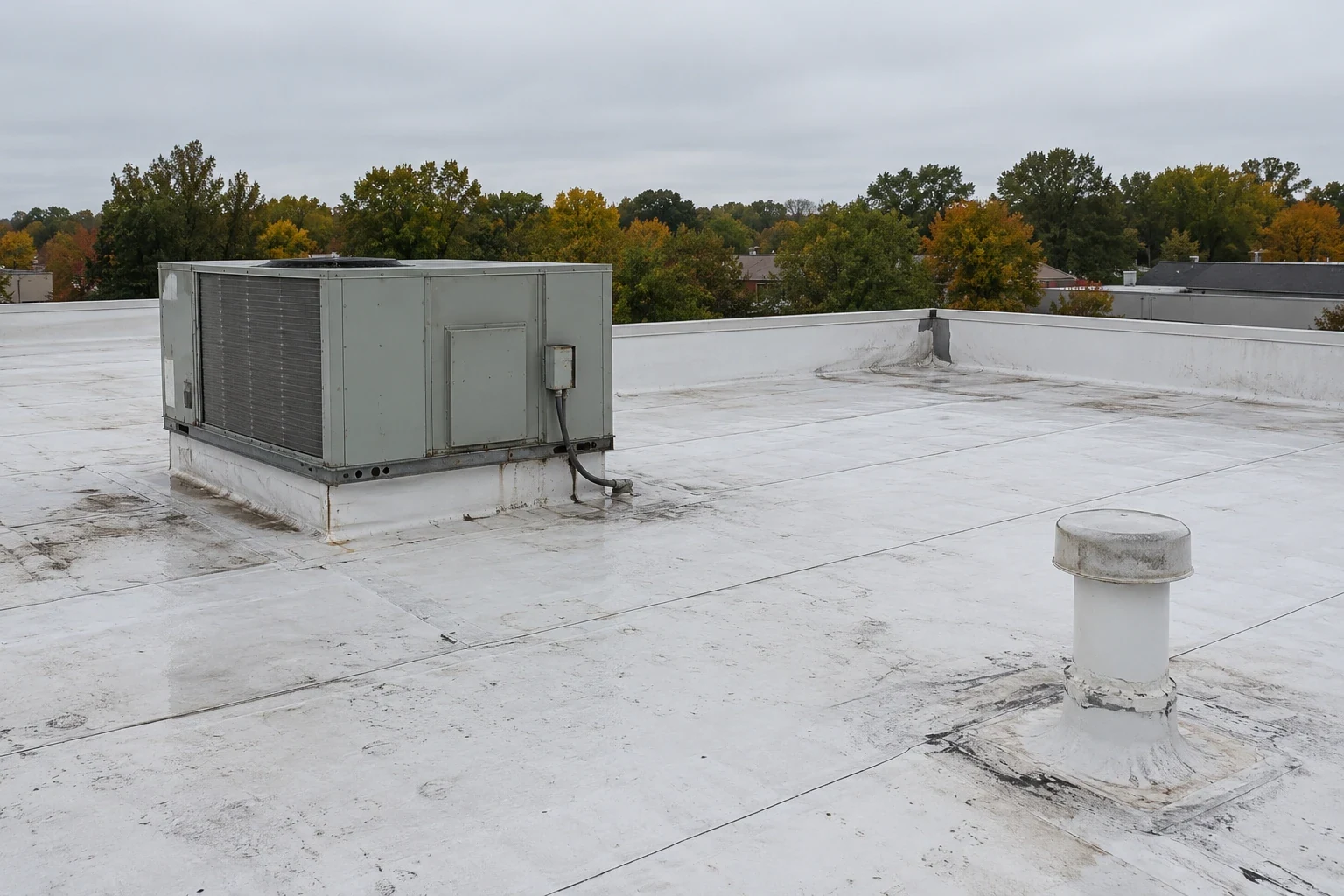
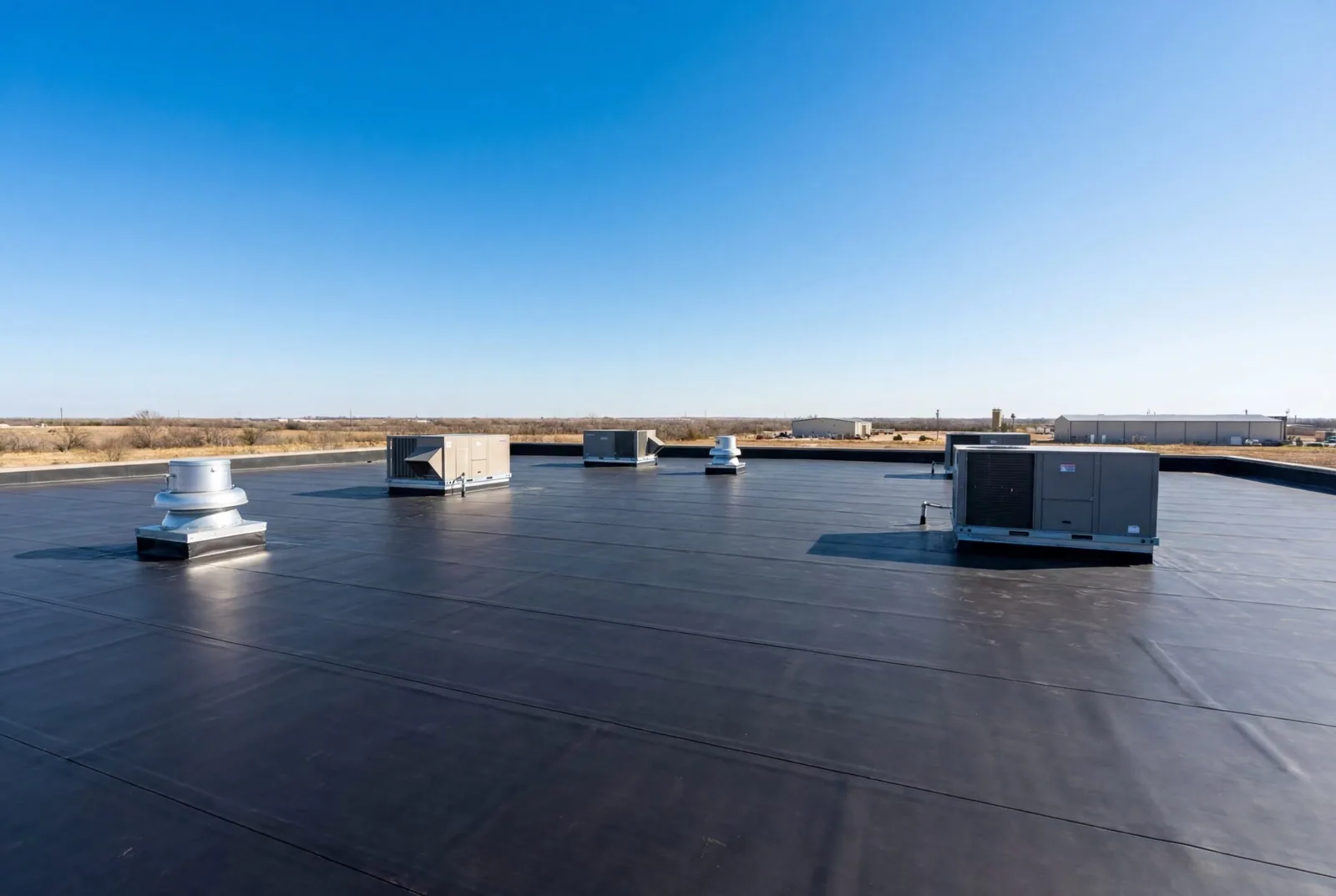
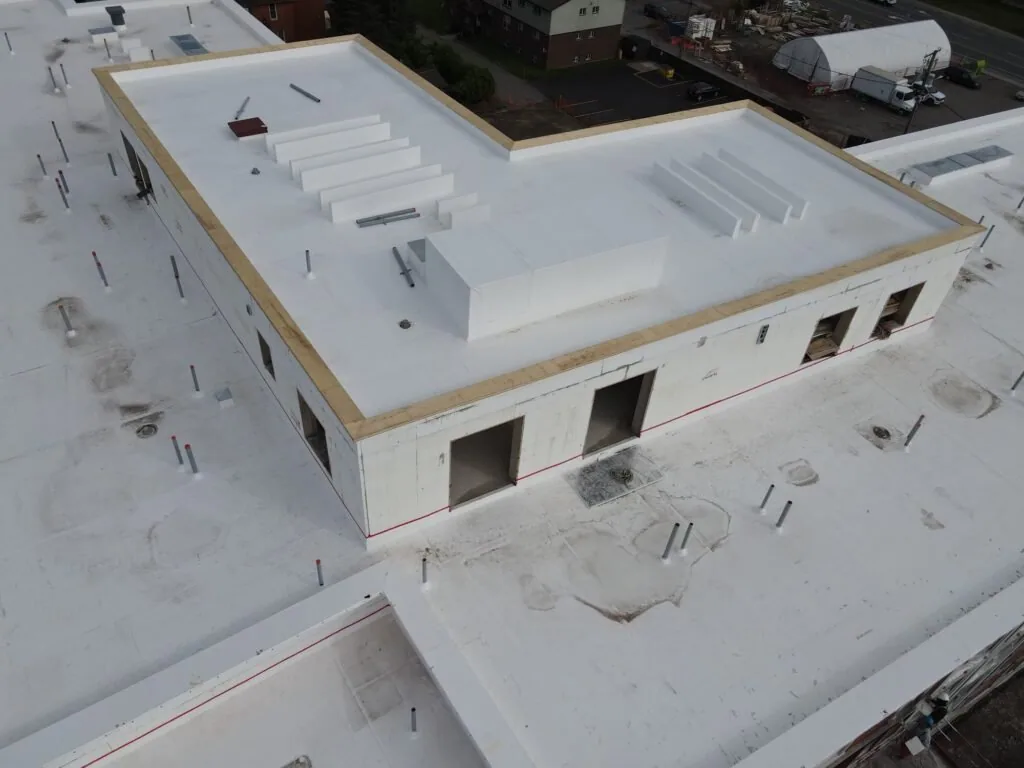
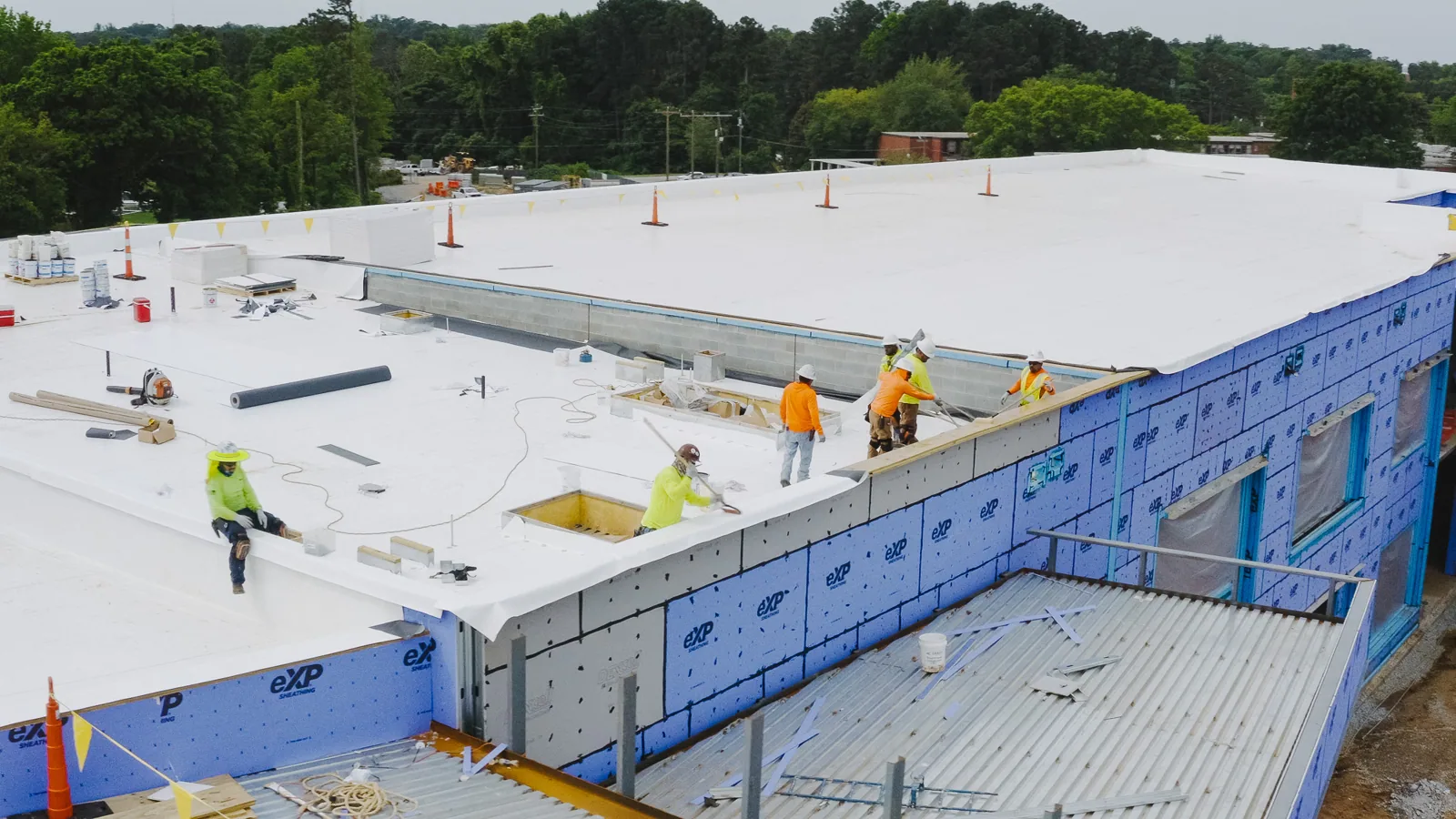
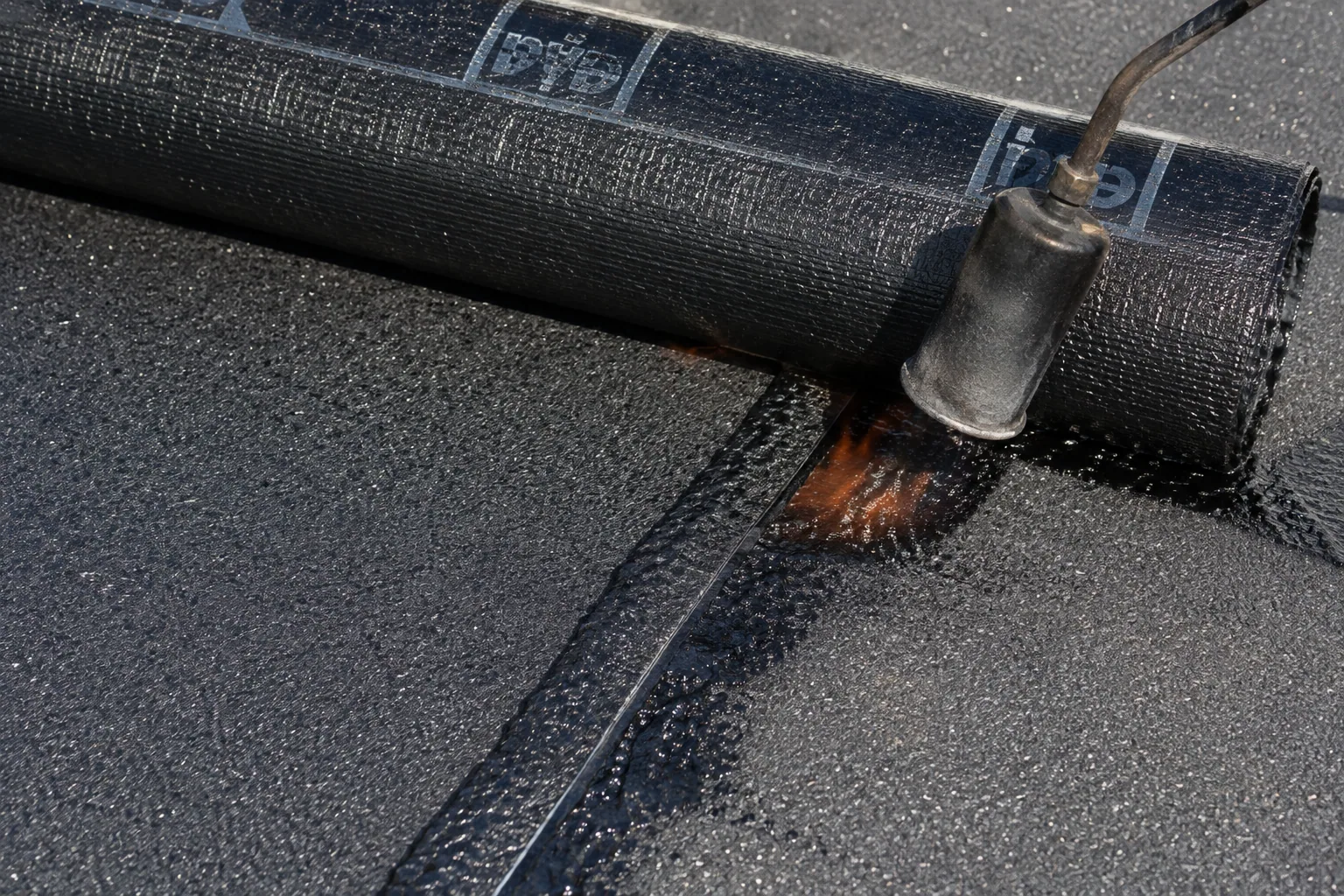
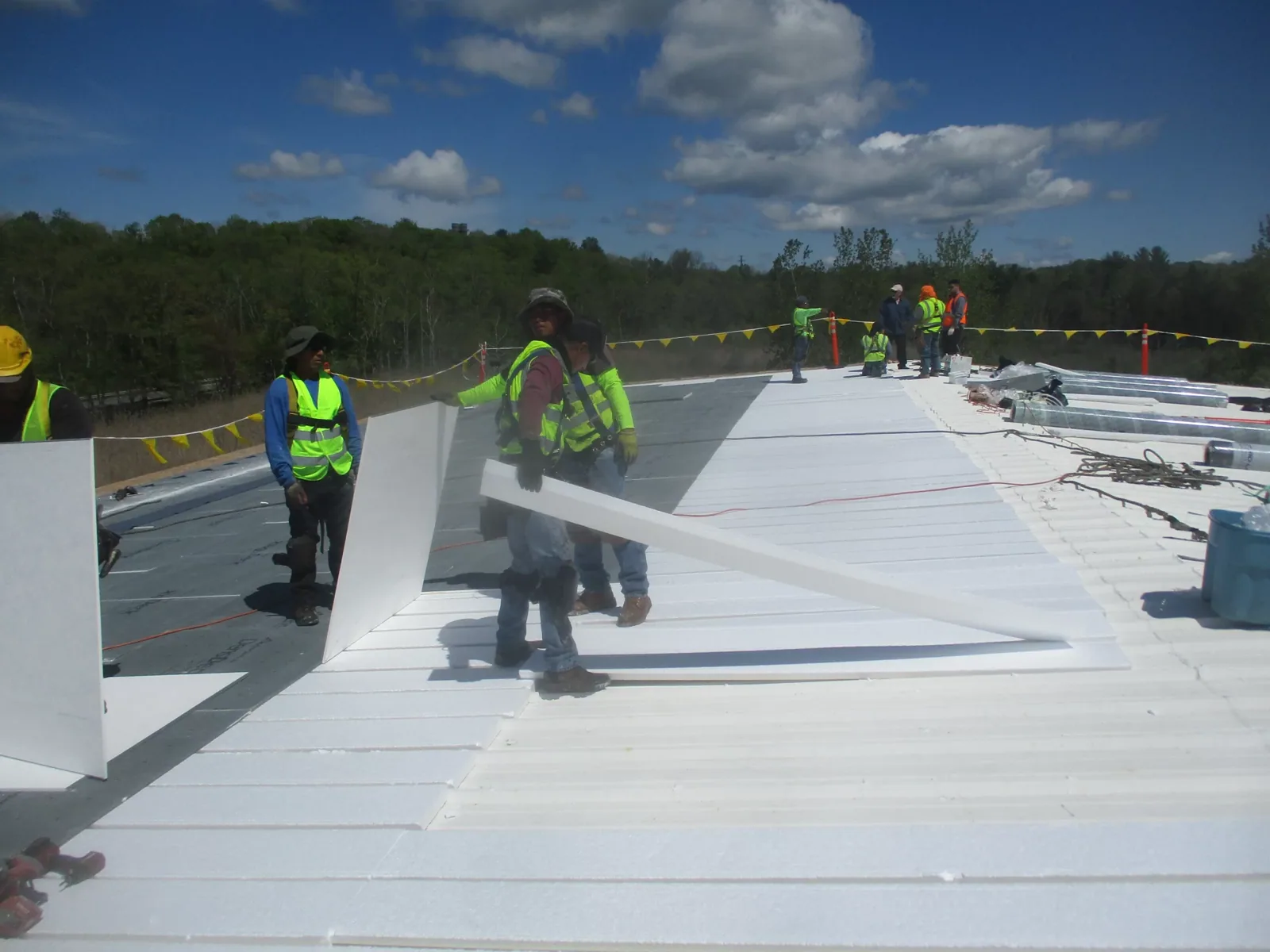
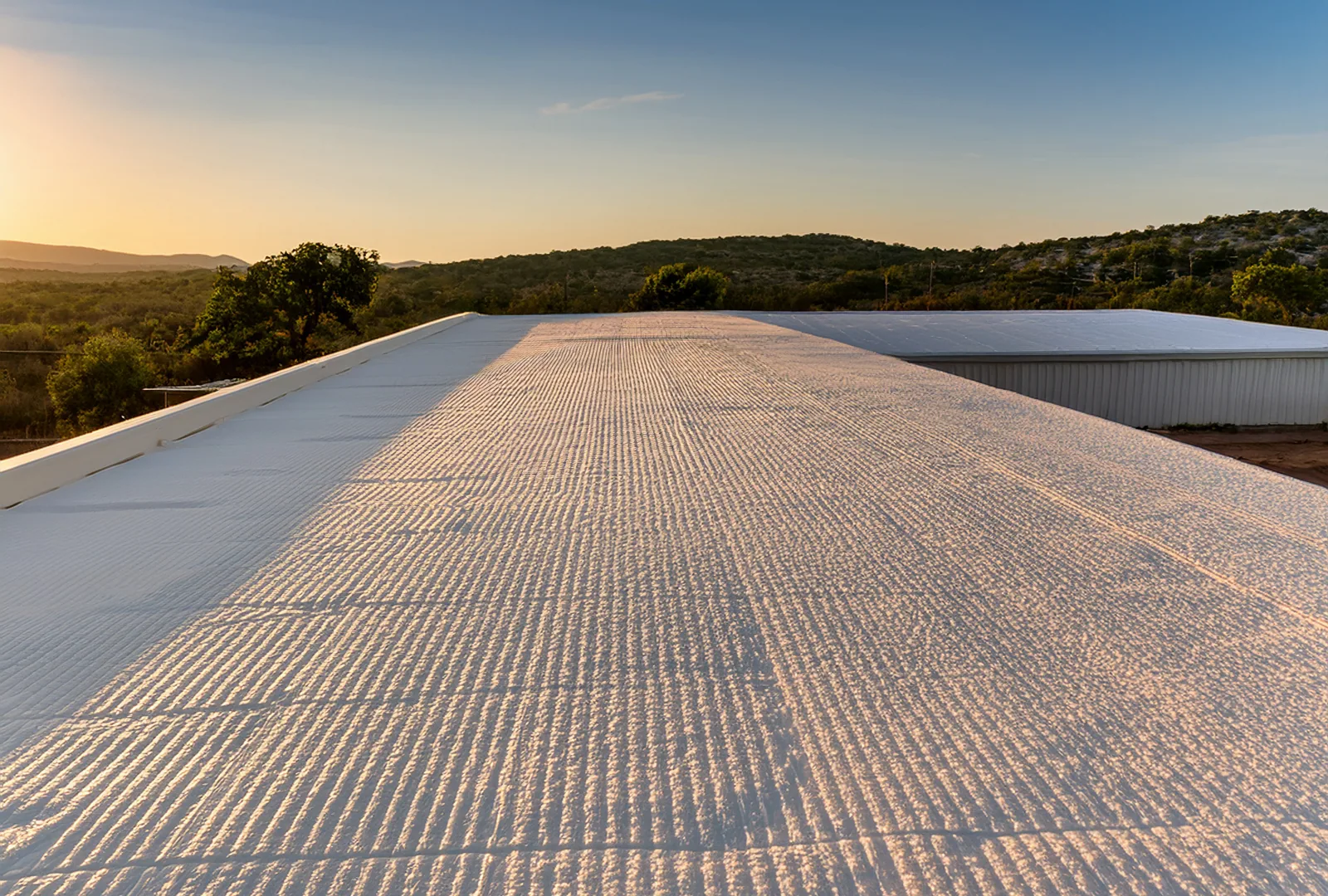
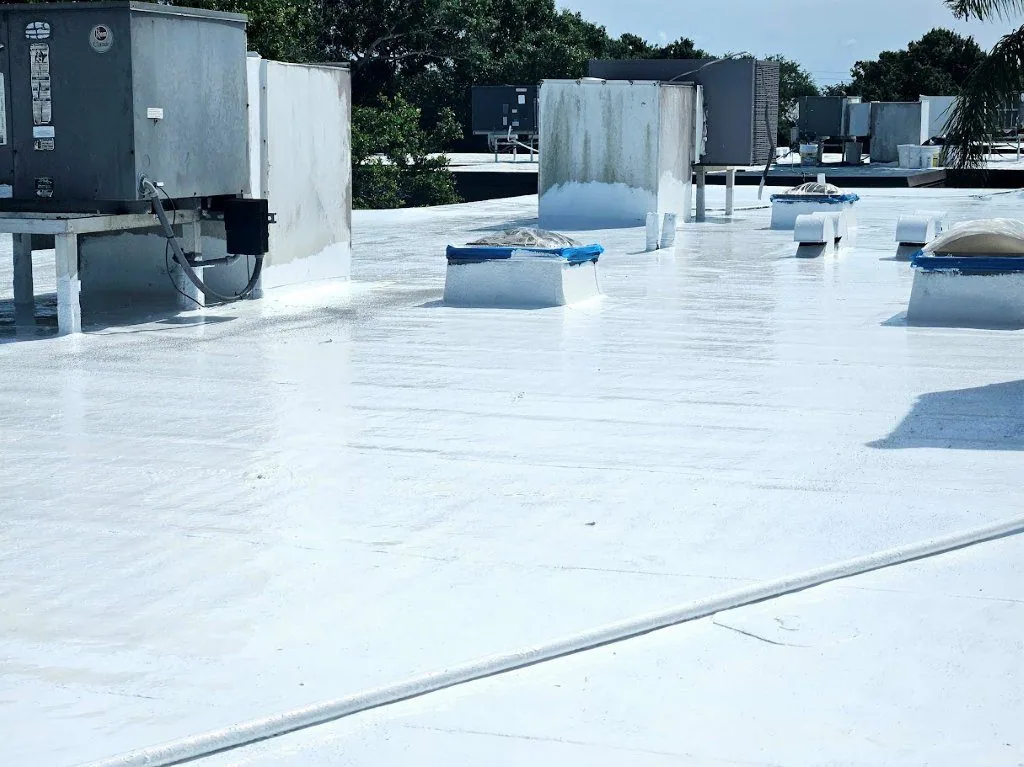
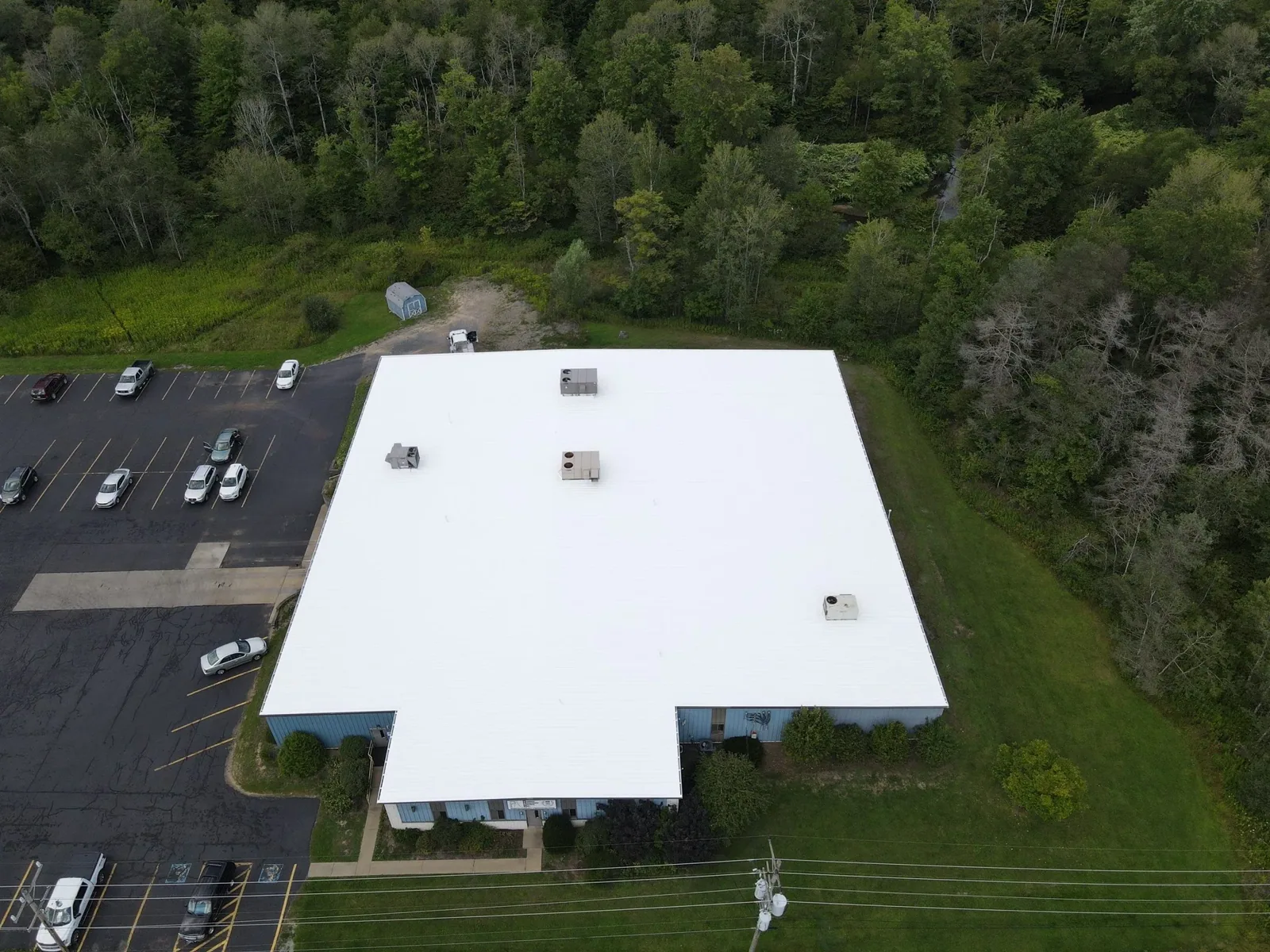
Thermoplastic membranes are heat-welded at seams and details. TPO roofing and PVC roofing require compatible tie-ins and careful preparation. EPDM uses different seam materials and repair steps. Existing attachment, substrate, penetrations, and perimeter conditions shape the scope more than a product name alone.
Older roofs may contain more than one layer. Modified bitumen and built-up roofing have distinct surfacing, laps, and flashing details. We review exposed edges and available records before planning removal or a tie-in. If layers are hidden, testing may be needed before deciding whether repair, recover, or replacement fits.
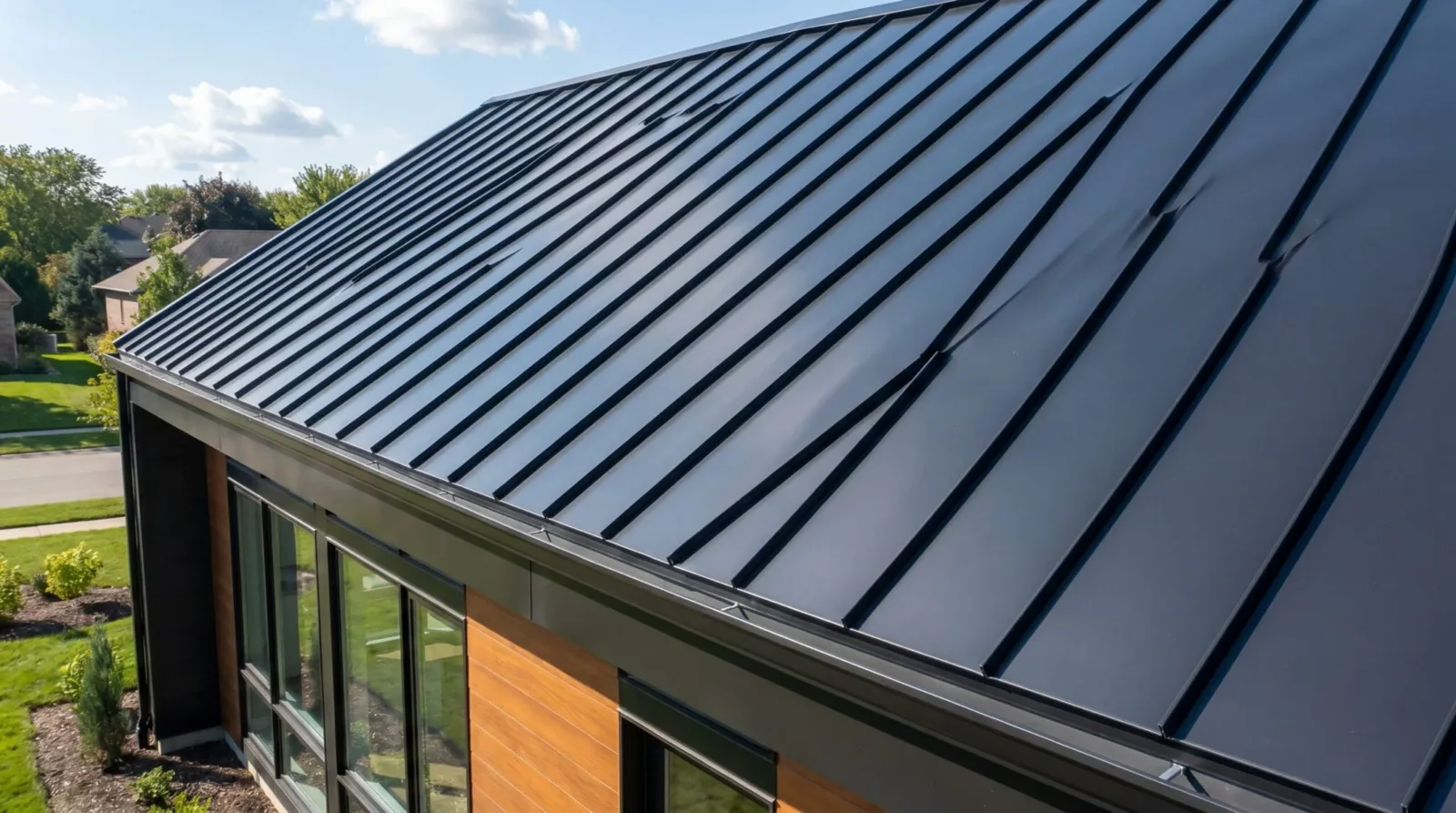
Coating work depends on adhesion, substrate condition, drainage, and preparation. A silicone coating or acrylic system should not conceal wet material or unresolved leakage. Standing-seam metal needs review of panel movement, fasteners, closures, and transitions. We inspect the assembly in place before comparing options.
Jersey City reports severe flooding and property damage from Irene and Sandy, so water shedding and repair access belong in any system comparison. We check current drainage, edges, and penetrations against the assembly before planning system work. We compare life-cycle scope, access, removal, staging, penetrations, and maintenance needs, then record the selected material and work limits. Spray foam roofing also depends on sound substrate, careful application conditions, and a compatible protective coating. Keep the same roof-zone labels through proposal, installation, and closeout. A change in assembly or concealed material can alter the work sequence, access needs, and disposal boundary. We document that change before proceeding, then confirm that the selected system can tie into adjacent edges, curbs, and drains without leaving a known water path outside the project.
We inspect the current assembly, moisture evidence, drainage, attachment, details, access, and project requirements. The recommendation follows verified conditions and records any test needed before selection.
A recover depends on existing layers, attachment, wet materials, drainage height, and applicable project requirements. We check those items before proposing another layer.
A coating is considered only after the source, substrate, adhesion, and preparation are reviewed. It does not replace removal of wet materials or correction of a failed detail.
Ask each scope to identify assembly, preparation, tie-ins, edge details, penetrations, removal, staging, exclusions, and closeout records. Compare the same roof zones and assumptions.