Emergency Commercial Roof Repair in Jersey City, NJ
Get emergency commercial roof repair in Jersey City with temporary dry-in, protected access, and a written plan for permanent work and follow-up.
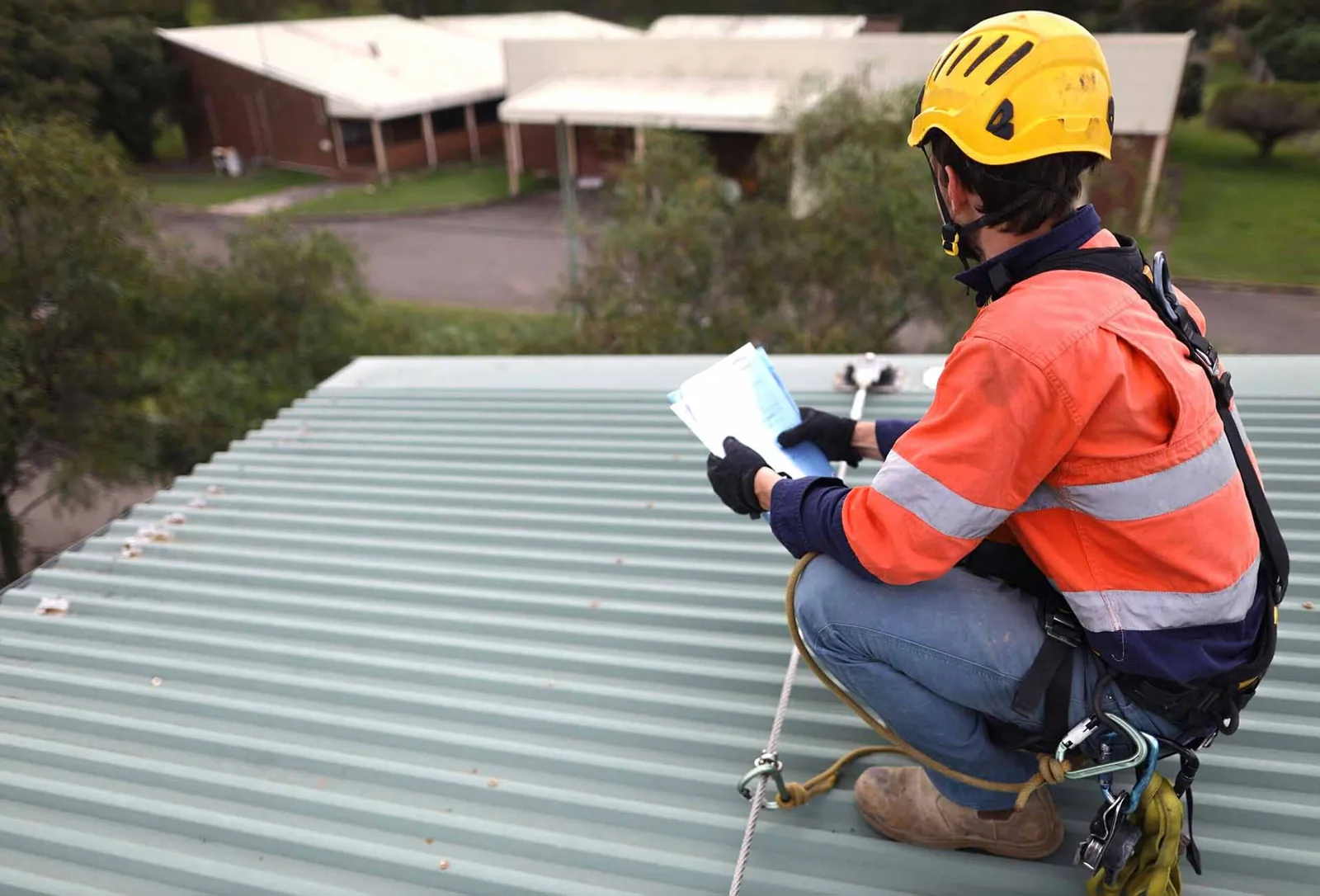
Get emergency commercial roof repair in Jersey City with temporary dry-in, protected access, and a written plan for permanent work and follow-up.
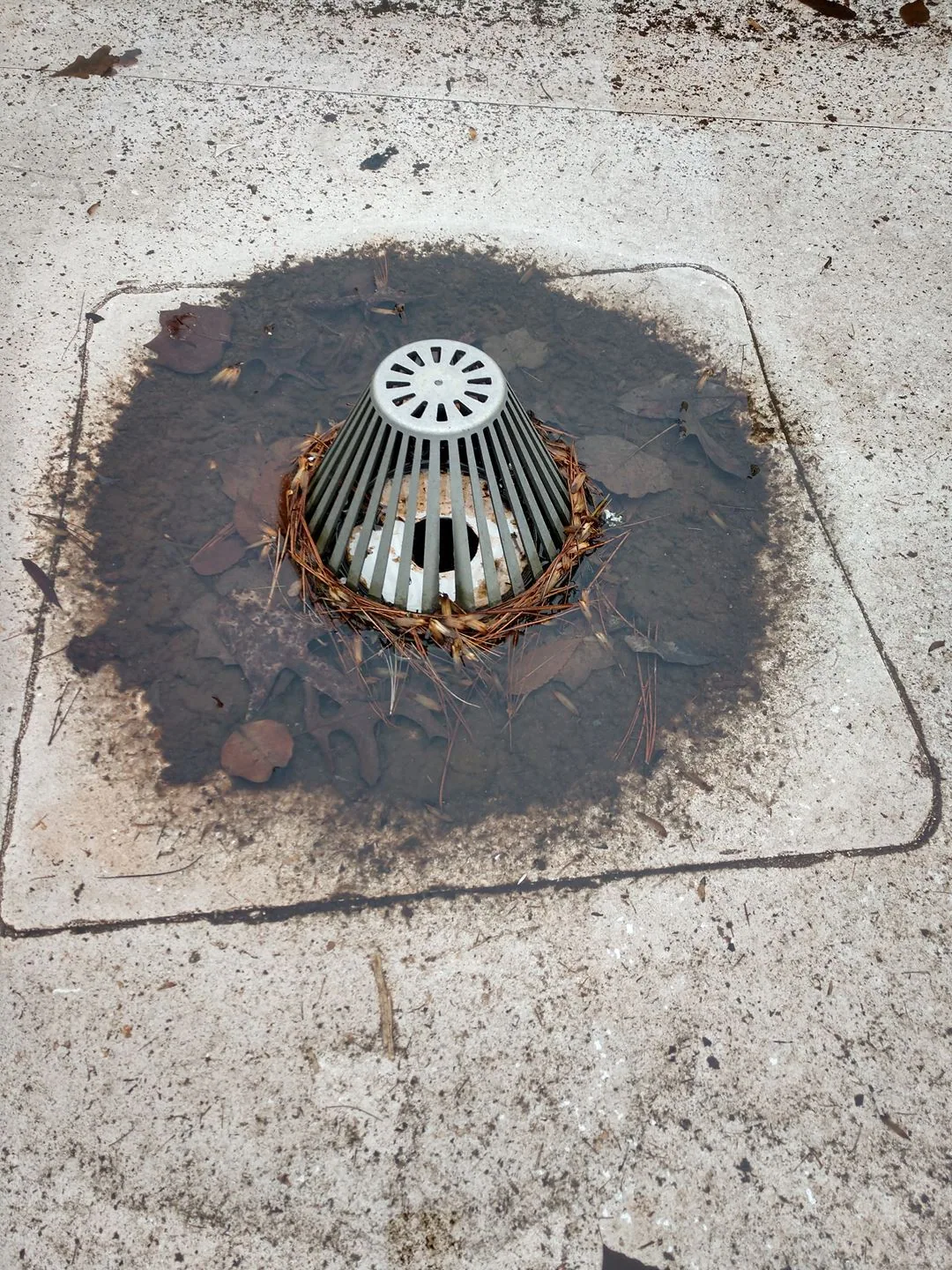
Rain entering an occupied Jersey City building makes roof-zone sequencing immediate. We coordinate access, isolate the affected area, and set a safe temporary dry-in before planning permanent repair. Emergency response runs around the clock, holidays included. A roof inspection follows the water path and identifies what the crew can correct on the first visit.
During Irene and Sandy, Jersey City saw severe flooding, power outages, and property damage. We trace current water entry and close each accessible roof zone before the shift ends. We record the condition, protect the building, and tell the site contact what remains open for review. Our first response secures accessible roof zones and records any area that needs further inspection.
The first call should identify the affected roof area, whether water is entering now, and which tenant or equipment needs protection. The site contact gives dispatch the approved entry route, key or alarm instructions, roof hatch location, and any restricted areas. We confirm who can authorize temporary work and where the crew can stage without blocking a loading route or exit.
Before the crew arrives, the site contact gives us the approved entry route, roof access, and staging instructions. We agree on escort, interior protection, and the operations contact at the same time. If a space below must be cleared or isolated, the property team handles that action while the crew prepares the roof. A safe route reduces time lost at the door when weather is still active.
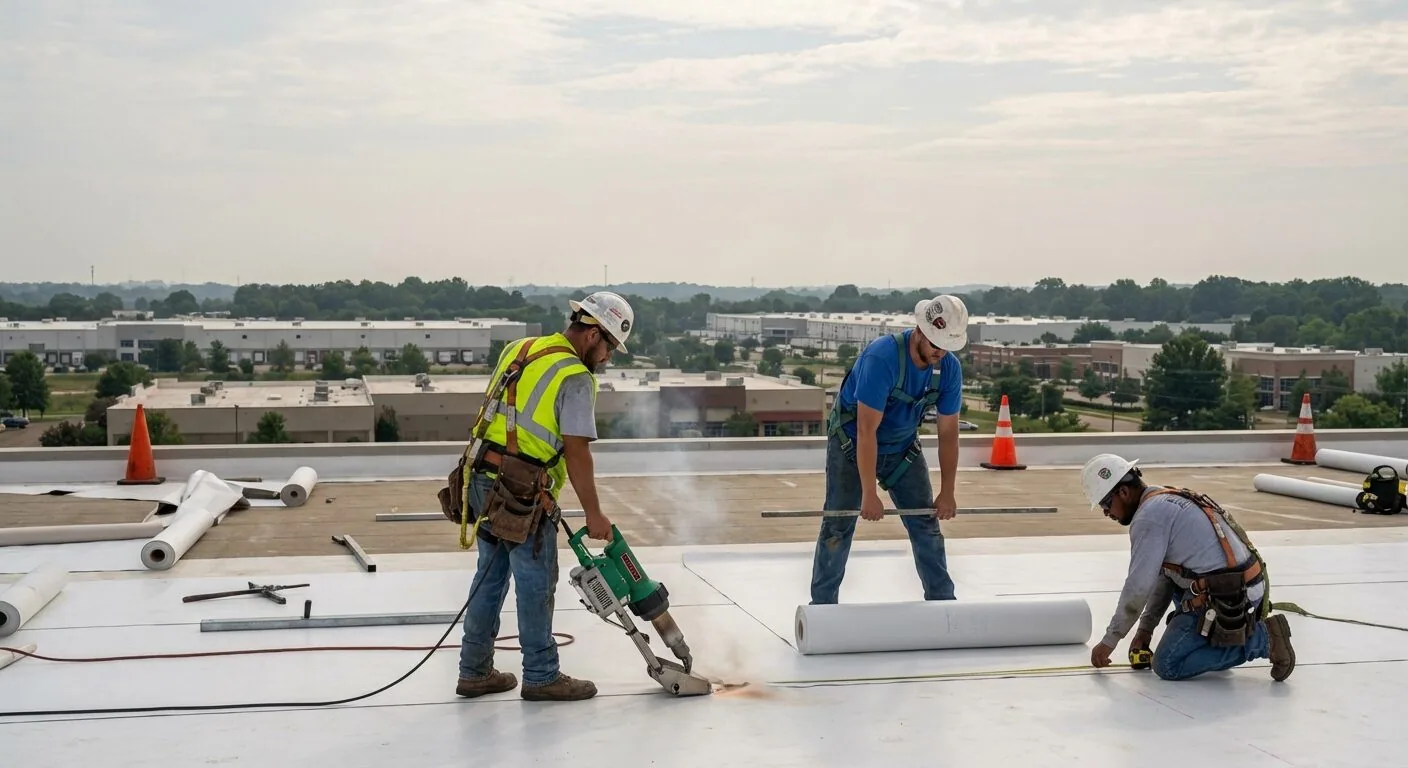
Share the active roof area, water-entry status, and access instructions. We will coordinate protection, stabilize the opening, and document the next repair step.
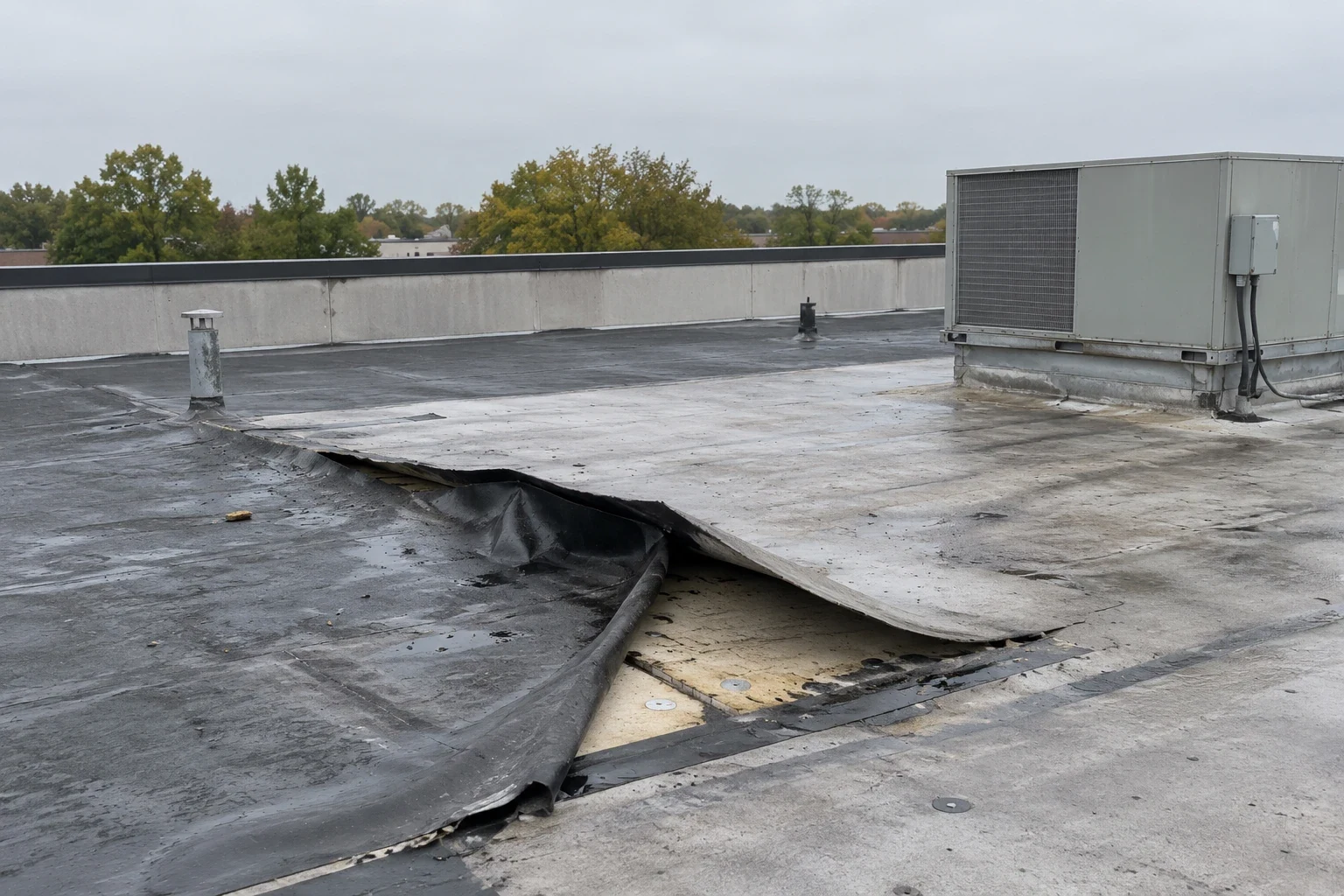
Once the opening is located, the crew determines what can be secured with the weather and access available. Loose material may need temporary restraint; a torn membrane may need a compatible cover or sealed edge; water at a drain needs a clear outlet and safe working surface. We keep the open footprint within the work that can be protected before the shift ends.
Temporary protection is documented separately from permanent repair. The daily note identifies the roof zone, material placed, edges secured, and conditions still exposed. If wind or rain makes a permanent tie-in unsafe, the team maintains an interim boundary and returns when the surface supports a durable detail. A wind-damage roof review can map lifted edges and perimeter metal once the roof is safe to inspect.
City infrastructure planning calls out localized flooding and stormwater loading on combined sewers; an emergency roof check should locate the entry point before temporary work. During active rain, we check the strainers, drain bowls, scuppers, overflow paths, and low spots for an obstruction or a failed flashing detail. Clearing loose debris may restore flow, while a split membrane or loose bowl connection needs a separate repair. We note which condition is confirmed.
Water held at a curb or wall can move below the surface before a ceiling stain appears. The crew traces the route from the reported interior area and avoids sealing a seam while leaving a drain restriction in place. When outlet work is needed, a drain and scupper repair can be combined with the temporary dry-in. The report keeps roof discharge separate from any below-grade site-pipe issue.
After temporary protection, we inspect the surrounding membrane, seams, curbs, wall edges, and attachment. A storm opening may leave more than one defect, so we mark the repair boundary and photograph the adjacent field. The permanent scope names compatible material, preparation, tie-in, and any wet insulation removal. If an opening reaches the deck, the condition below is recorded before it is covered.
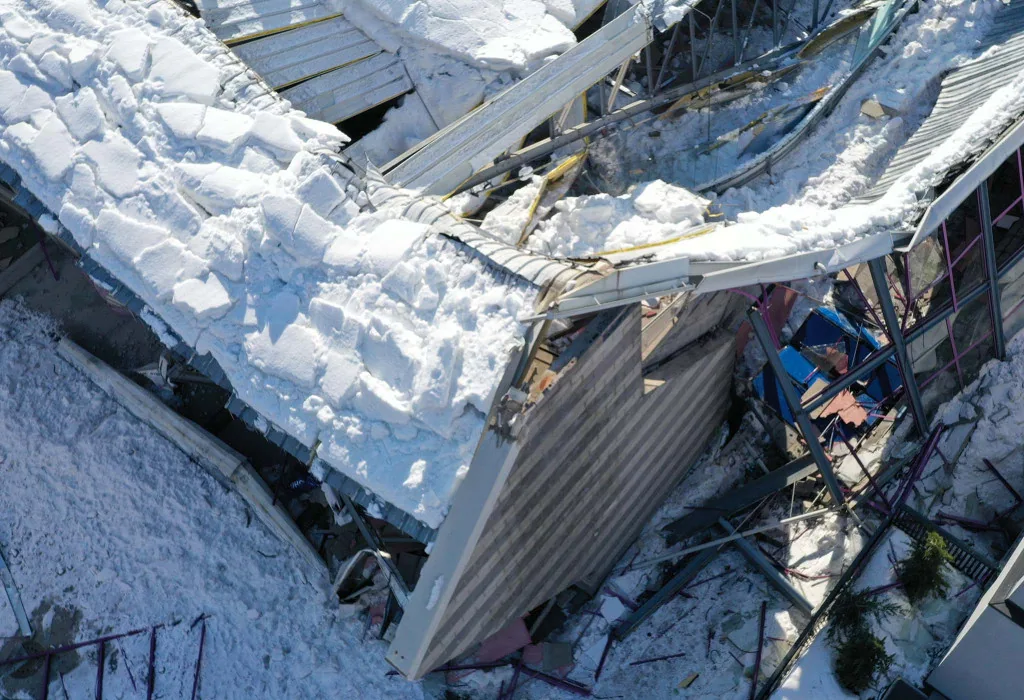
Route 440/Culver and Central Avenue are named Jersey City commercial centers. We inspect the roof assembly at the property and select details for that surface. If damage crosses several seams or roof zones, the owner may need a broader storm-damage roof repair plan rather than a single emergency patch.
Urgent roofing can share a building with active tenants, loading, medical services, or technology equipment. We agree on noise windows, roof access, shutdown contacts, and a daily closeout point with the property manager. Interior protection is coordinated with the staff who control the affected space. We report what the crew completed and what remains before leaving the site.
At a building with a loading dock or active staging area, the site contact confirms the loading route before dispatch. We set staging and material movement with that contact, then preserve required egress and equipment access. If a roof section connects to a loading bay or active staging area, we confirm how materials can move without crossing the protected zone. We identify how visitors and tenants will be routed while the crew works. A blocked path can require a different lift position or smaller work area. Those choices belong in dispatch notes before the crew opens membrane. A phased work sequence can extend the same coordination into permanent repairs when the roof cannot be closed in one visit.
The closeout includes photographs, the affected roof zone, temporary materials, and the next inspection or repair step. It distinguishes completed stabilization from permanent work still to be priced. If a moisture pattern is suspected, we mark it as an inspection need rather than presenting it as confirmed damage. This record helps the owner decide whether to open another area or wait for safer conditions.
One site contact should know whether temporary protection remains or the permanent tie-in is complete. We identify who will approve the return visit and which access rules still apply. That handoff matters when a property team changes shifts while a roof zone remains under observation. The closeout keeps temporary stabilization separate from finished repair.
When weather clears, we return to check the tie-in, drain flow, and surrounding membrane. The owner receives a repair recommendation tied to observable conditions and access limits. A condition report can carry the response record into the next capital review. For a separate asset in Bayonne, we plan access and water protection from that building’s own route and operations.