Commercial Roof Leak Repair in Jersey City, NJ
Trace commercial roof leaks in Jersey City from interior signs to seams, drains, and wall details, then document a compatible repair and follow-up plan.
Trace commercial roof leaks in Jersey City from interior signs to seams, drains, and wall details, then document a compatible repair and follow-up plan.
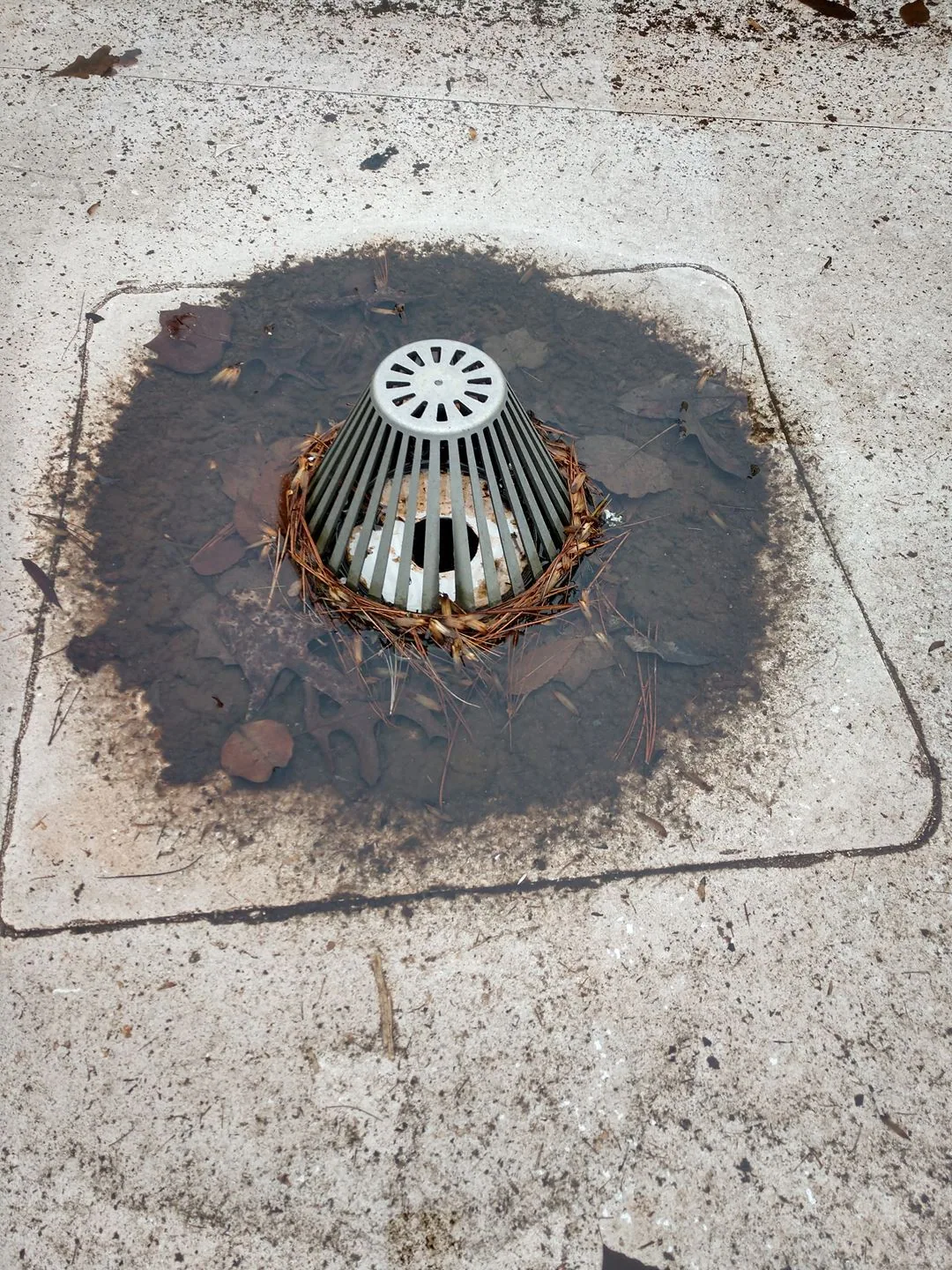
On the first Jersey City leak visit, the occupied floor sets the access order. We ask where water appeared, what equipment or tenant is at risk, and how the crew can reach the roof. Then we inspect the nearest seams, drain bowls, curbs, and wall transitions. A roof inspection connects the interior report to a marked roof zone before a patch is selected.
Flooding and property damage from Irene and Sandy are part of Jersey City’s local weather history. Stormwater also loads the city’s combined sewer system. We keep those conditions in view while checking the roof’s own water path. The scope identifies the visible opening, the protection required below it, and any test needed to confirm concealed damage.
Water over a work area can interrupt tenant use, inventory, computer equipment, or electrical service. The site contact identifies the affected room and the route where the crew can set protection. We coordinate roof entry, alarms, keys, and equipment restrictions before dispatch. If the leak is active, the first task is to limit exposure below while we trace the roof condition above.
Emergency response is available around the clock, holidays included. The caller can share whether water is still entering and what must remain operational. We set the first work window around that information and document the temporary protection. If weather or access makes a permanent tie-in unsafe, the field record will show what was secured and what remains for the next suitable window.
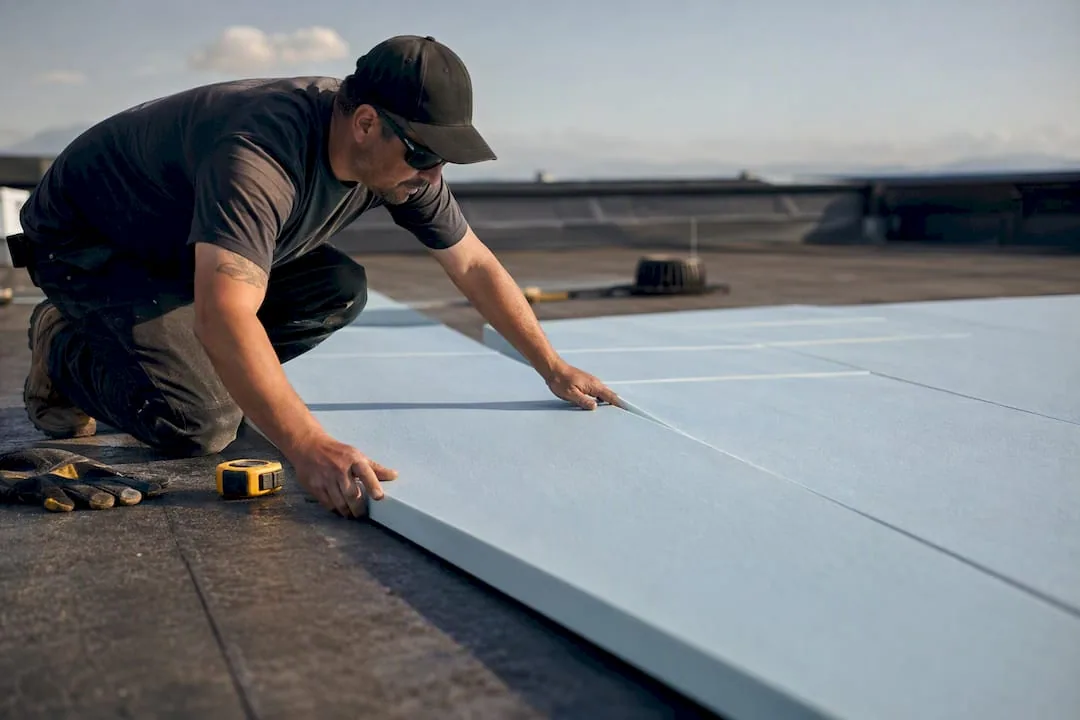
Share the affected room, roof access route, and current water conditions. We will plan protection, trace the water path, and document the repair boundary.
A ceiling stain can be distant from its roof entry point. Water may follow a deck flute, insulation joint, beam, or pipe before it becomes visible. We begin near the reported interior area, then map the likely route through penetrations, membrane laps, curbs, parapets, and drainage details. A roof sketch and photographs let the owner see how the observed conditions connect.
Central Avenue, West Side Avenue, and Journal Square are among Jersey City’s commercial centers. That geography helps frame where buildings sit, but it does not reveal the concealed path in a particular property. We check the roof itself and label uncertain areas for follow-up. When more than one cause remains possible, a broader roof inspection can include adjacent zones before the repair boundary is set.
At a drain, we inspect the strainer, bowl, flashing, overflow, and membrane around the opening. A slow outlet may leave standing water, but a leak can also come from a split flashing or nearby seam. We note debris, water marks, low spots, and discharge behavior as separate observations. That makes the repair specific to the failed detail rather than a general seal around the drain.
Localized flooding and stormwater loading on Jersey City’s combined system make outlet condition relevant during a rain-driven leak call. The property’s roof drain and below-grade site piping are different scopes. We identify which one the crew can correct and record any access limit. A drain and scupper check can be included when the outlet path and membrane opening need one coordinated sequence.
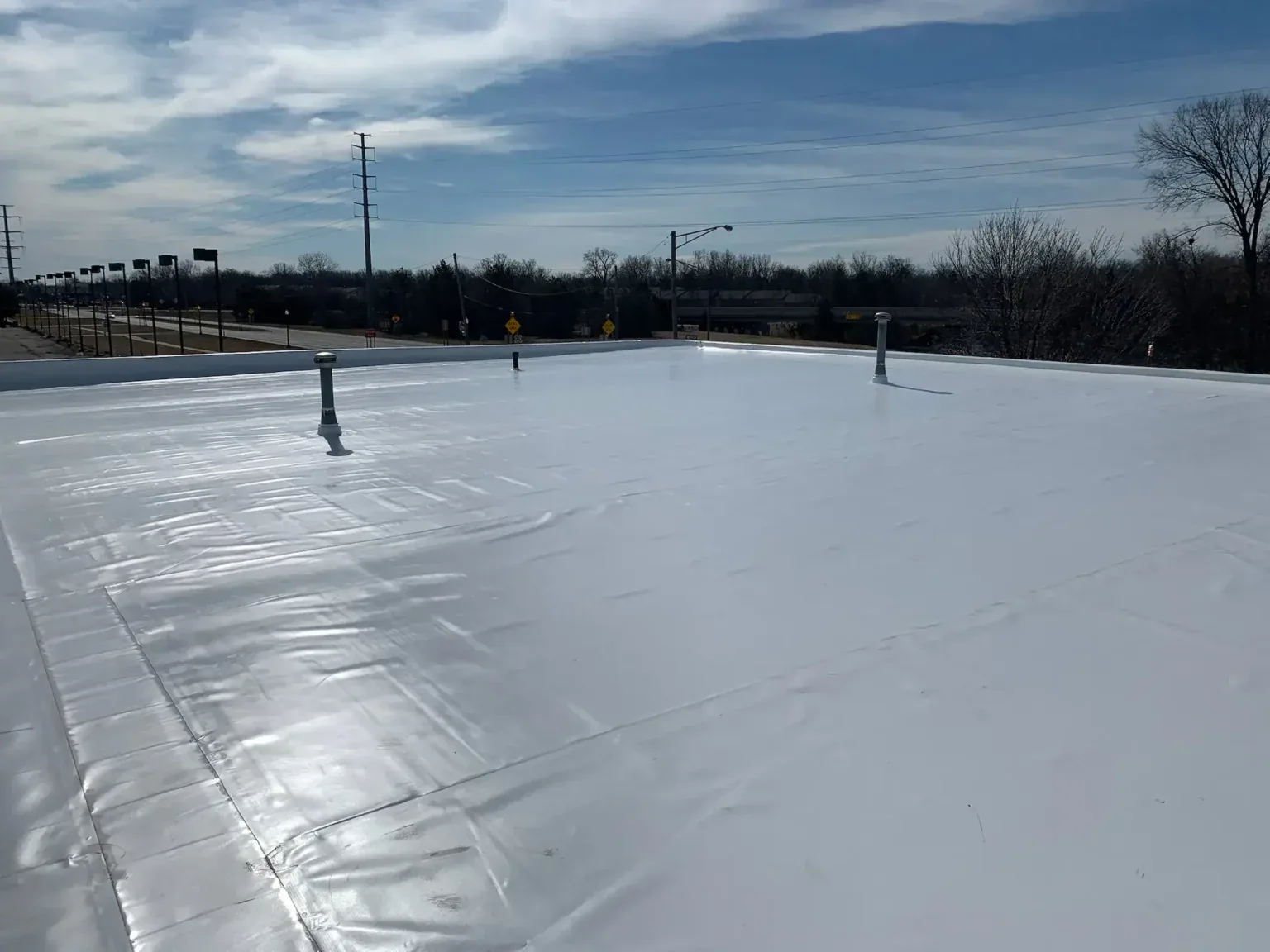
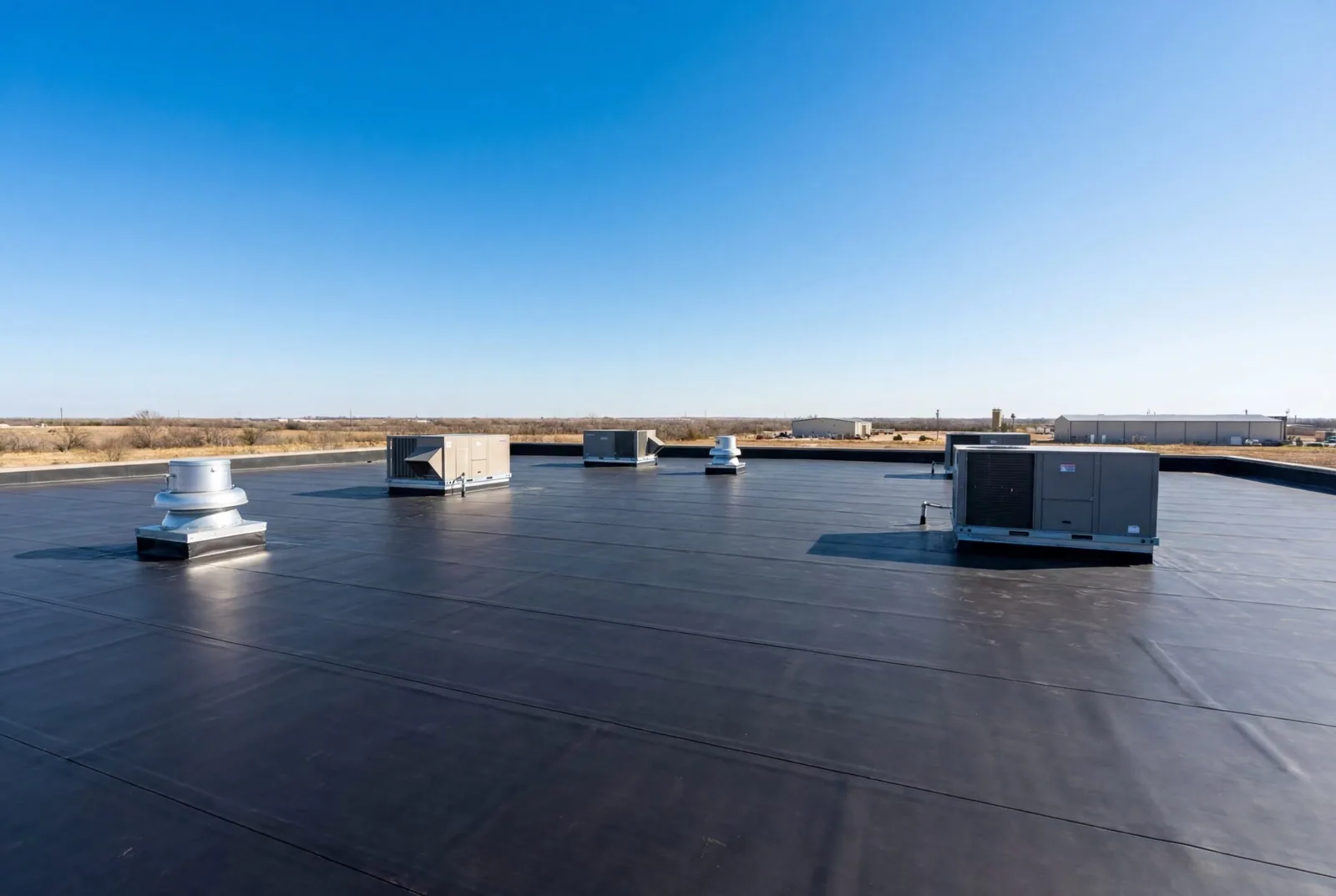
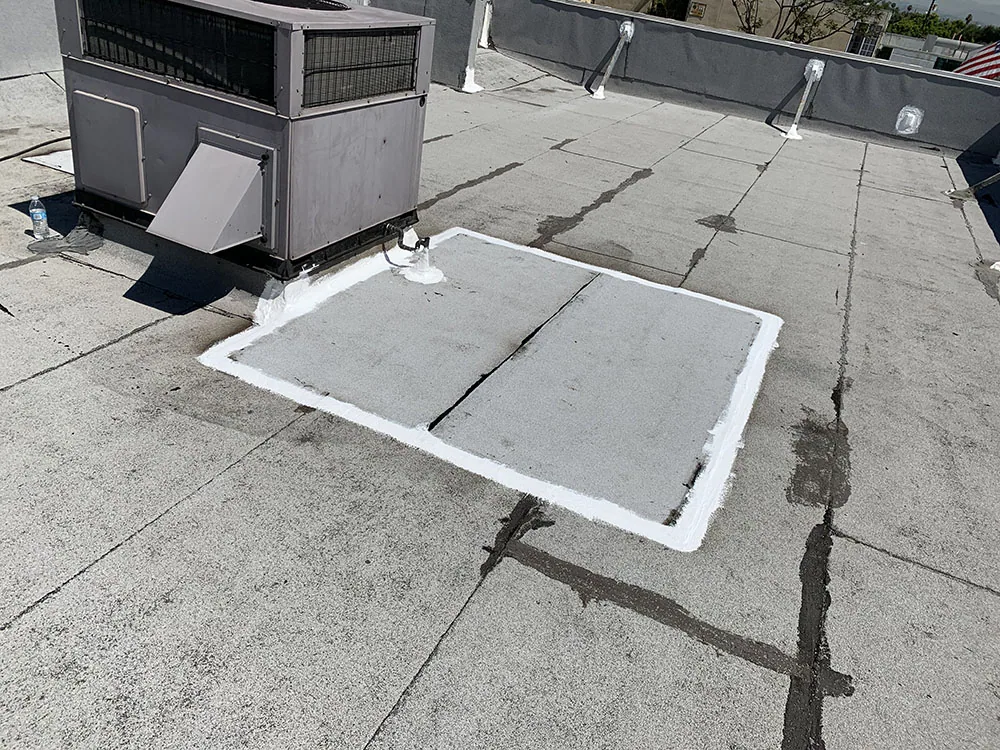
The roof surface determines the patch method. Heat-welded sheets, rubber membrane seams, modified bitumen laps, built-up surfaces, metal joints, and coated foam do not share one repair detail. We identify the assembly, prepare the repair zone, and connect the patch to material that can hold a sound bond. The written work order states which seam or flashing is being corrected.
A patch that stops at wet insulation can leave water in the assembly. We check nearby material and discuss a small opening when the roof surface cannot show the extent. The crew sets a dry-in edge before removing layers and records the substrate before covering it again. For an EPDM roof, the EPDM seam detail is selected for the membrane and transition at hand, not borrowed from another system.
Moisture mapping can help distinguish one wet pocket from a wider pattern, provided surface conditions support the method. We compare scan indications with stains, soft spots, open laps, and previous repairs. A test cut confirms the layers at a selected point. The report labels each finding as observed, measured, or still unknown, so the asset manager can see what the repair decision rests.
If water has traveled beyond the visible mark, we note where a larger opening would change the scope. The owner can prioritize active entry over secondary moisture, then schedule the remaining checks around access and operating hours. We keep the map tied to the roof zone and do not roll unrelated maintenance into the leak correction. We do not enlarge a patch just to make the visit look complete. The owner can approve the known correction and keep the uncertain zone as a separate decision. A condition report preserves the map and photo trail for a later review when the roof dries or another area becomes accessible.
Before leaving, the crew records the repair location, materials installed, tie-in photos, and any temporary protection removed. The site contact receives the completed work and unresolved items separately. That distinction helps maintenance staff avoid reopening a sound repair while investigating a different stain. We also identify drains, seams, or transitions that warrant a return check after the next rain.
Jersey City’s built environment includes changing commercial districts. A property in Downtown or Journal Square can have different access rules from a light-industrial roof, but the closeout follows the conditions found at that address. A leak call from Hoboken gets the same closeout format, with its own leak history kept apart from this building. The next maintenance review can compare the repaired zone with the current record.