Commercial Roof Recover and Overlay in Jersey City, NJ
Compare recover, repair, and tear-off options for a Jersey City commercial roof, with moisture checks, drain details, and a controlled work sequence.
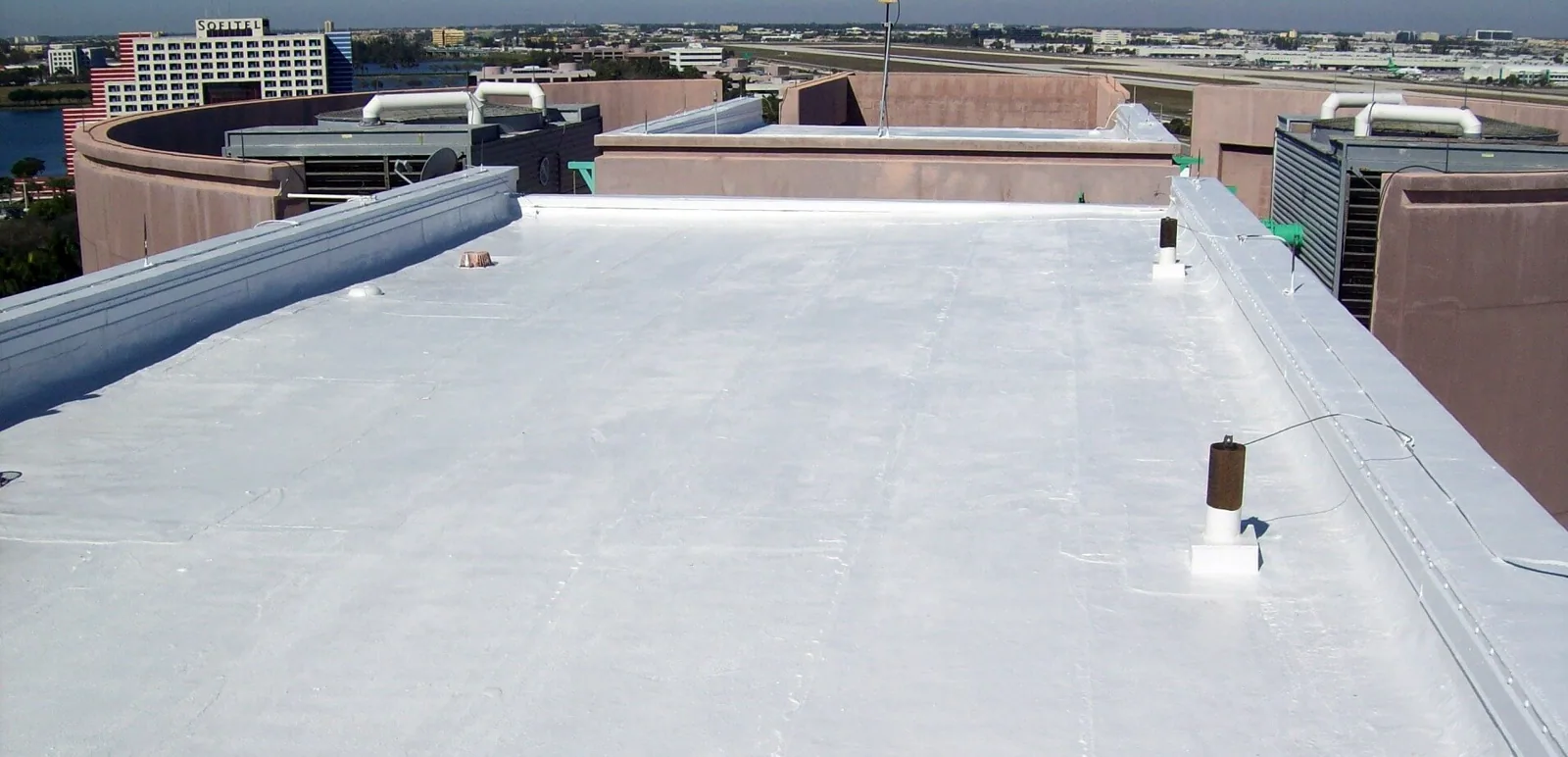
Compare recover, repair, and tear-off options for a Jersey City commercial roof, with moisture checks, drain details, and a controlled work sequence.
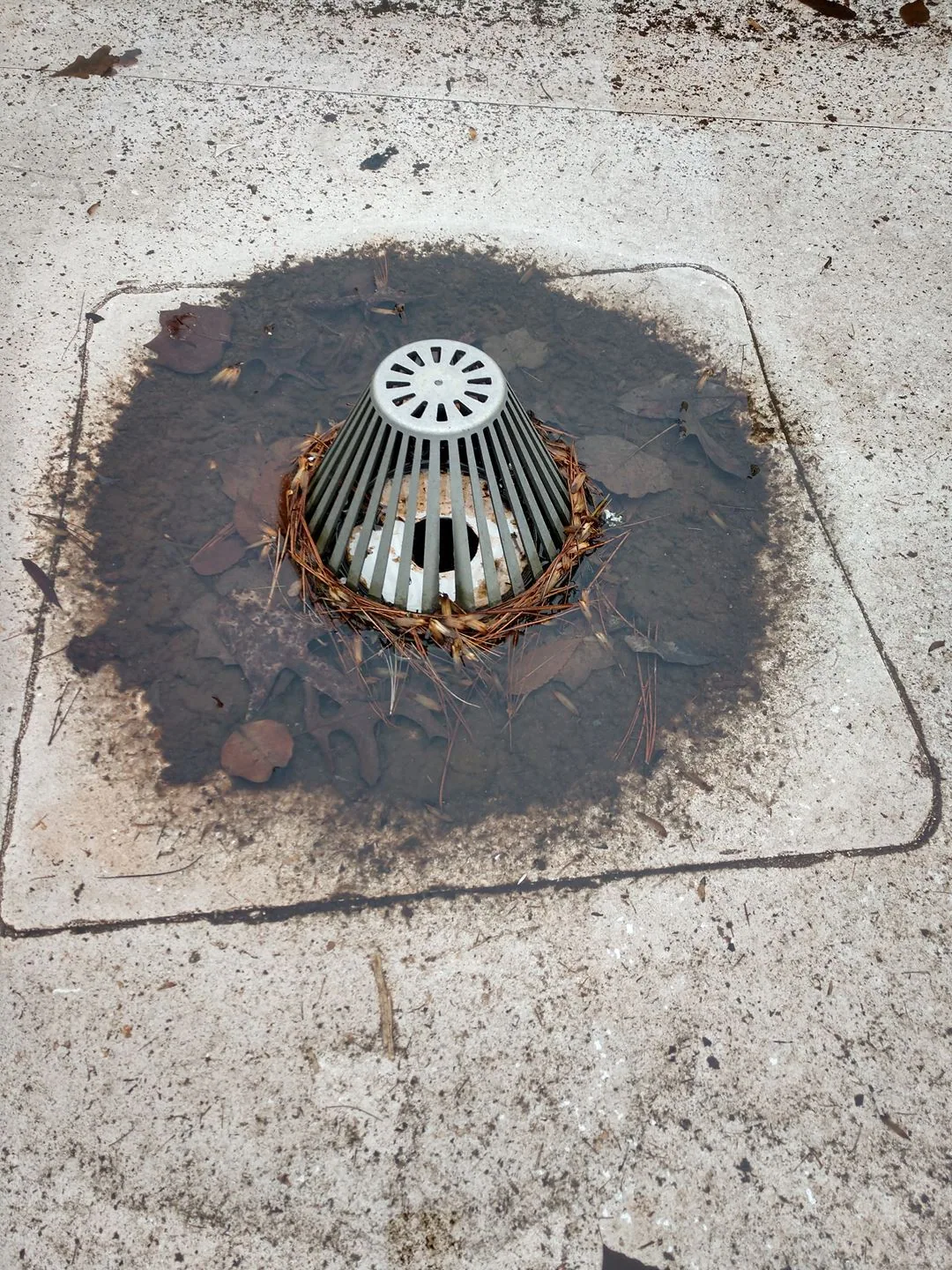
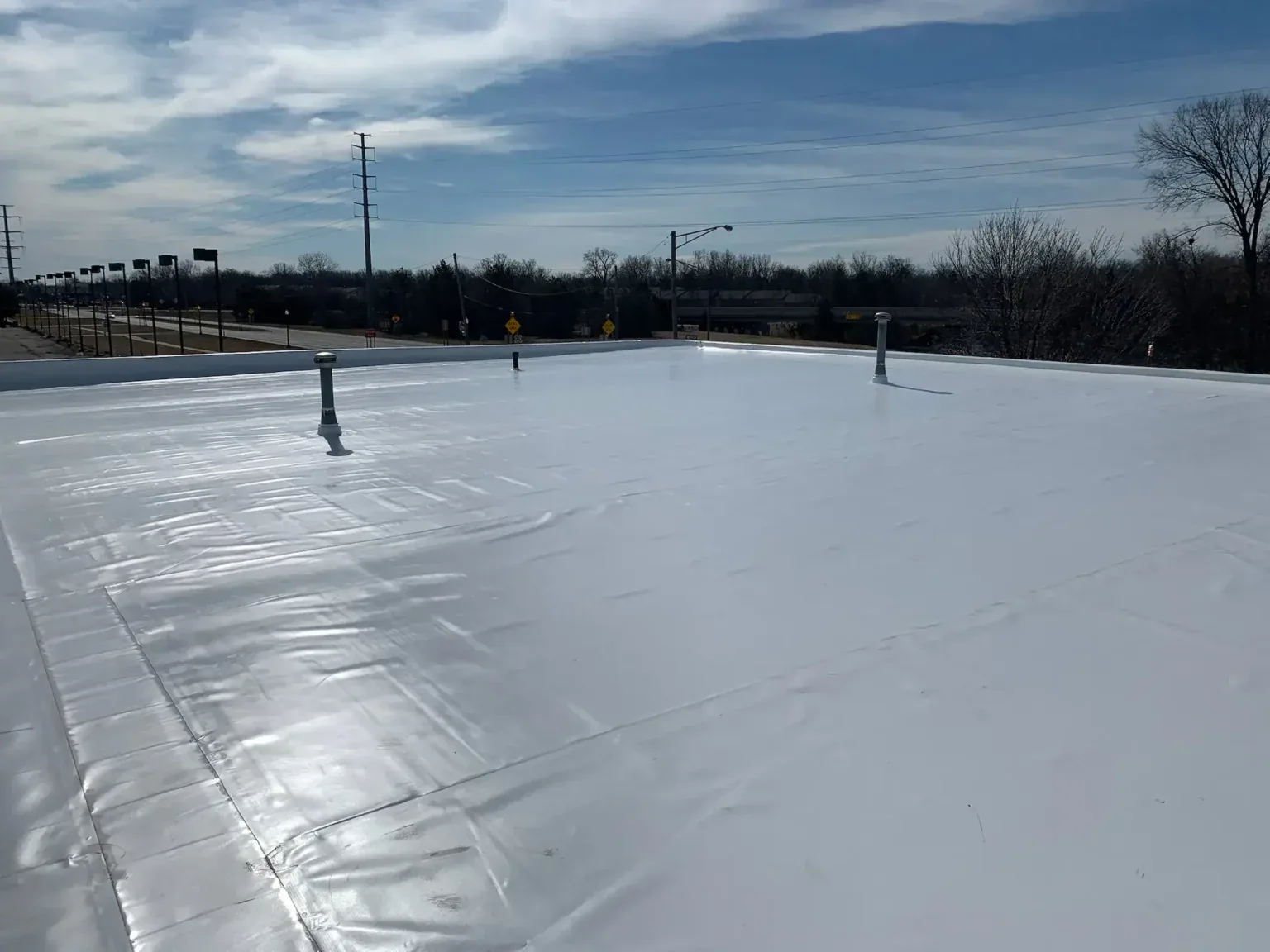
Jersey City’s flood history changes the first recover question: can the existing assembly carry another layer without trapping a wet roof below it? We inspect attachment, moisture, drains, and edge height before discussing an overlay. A recover can limit tear-off, but only when the roof below is stable enough to keep. The new layer may be a TPO membrane when its attachment and details suit the assembly. We compare those findings with a commercial roof inspection and put the decision in a written scope.
After Irene and Sandy, Jersey City has faced severe floods, power interruptions, and property damage. That record keeps water routes and end-of-day protection in view during overlay planning. We verify attachment and mark areas that can remain, sections that need opening, and details that would be buried by new material.
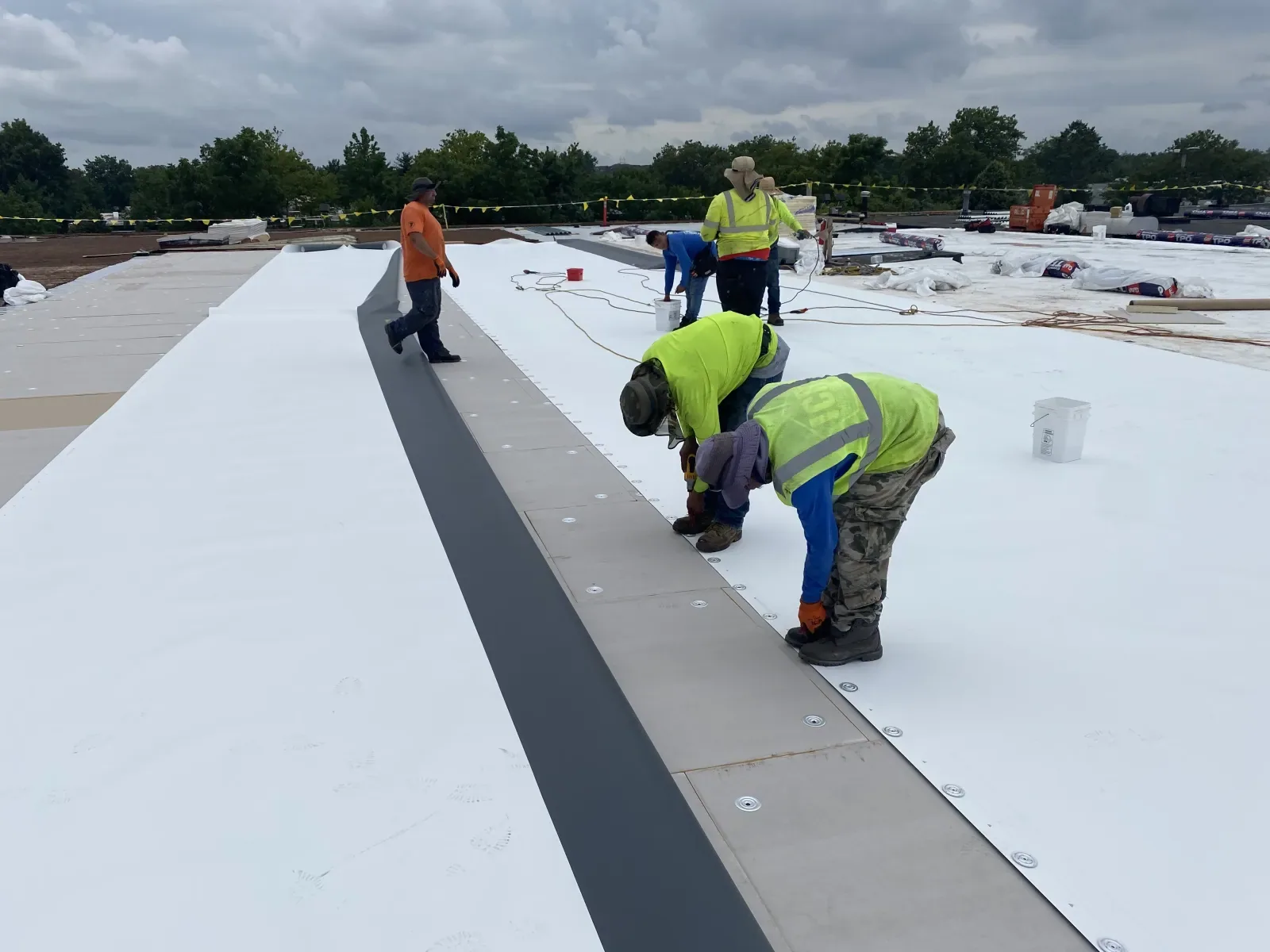
A recover adds weight and changes how the new system connects to the roof. We identify the existing membrane, insulation clues, cover board, attachment, and any loose or blistered areas. A new sheet over a moving layer can inherit the movement below. We look for open seams, wet insulation, corrosion at visible metal, and substrate changes before recommending a method. Where access allows, test cuts help confirm what the surface cannot show.
Downtown, Journal Square, and Greenville each sit within Jersey City’s changing urban fabric. None identifies the roof stack in a specific building. We verify the actual assembly and note where additions, prior repairs, or separate roof zones meet. If a layer is poorly bonded, saturated, or unstable, removal may be safer than covering it. The proposal explains that distinction rather than treating every roof as a recover candidate.
Share the roof access rules, active leak zones, and any prior repair records. We will inspect the assembly, map moisture and drainage concerns, and provide a written recover or removal recommendation.
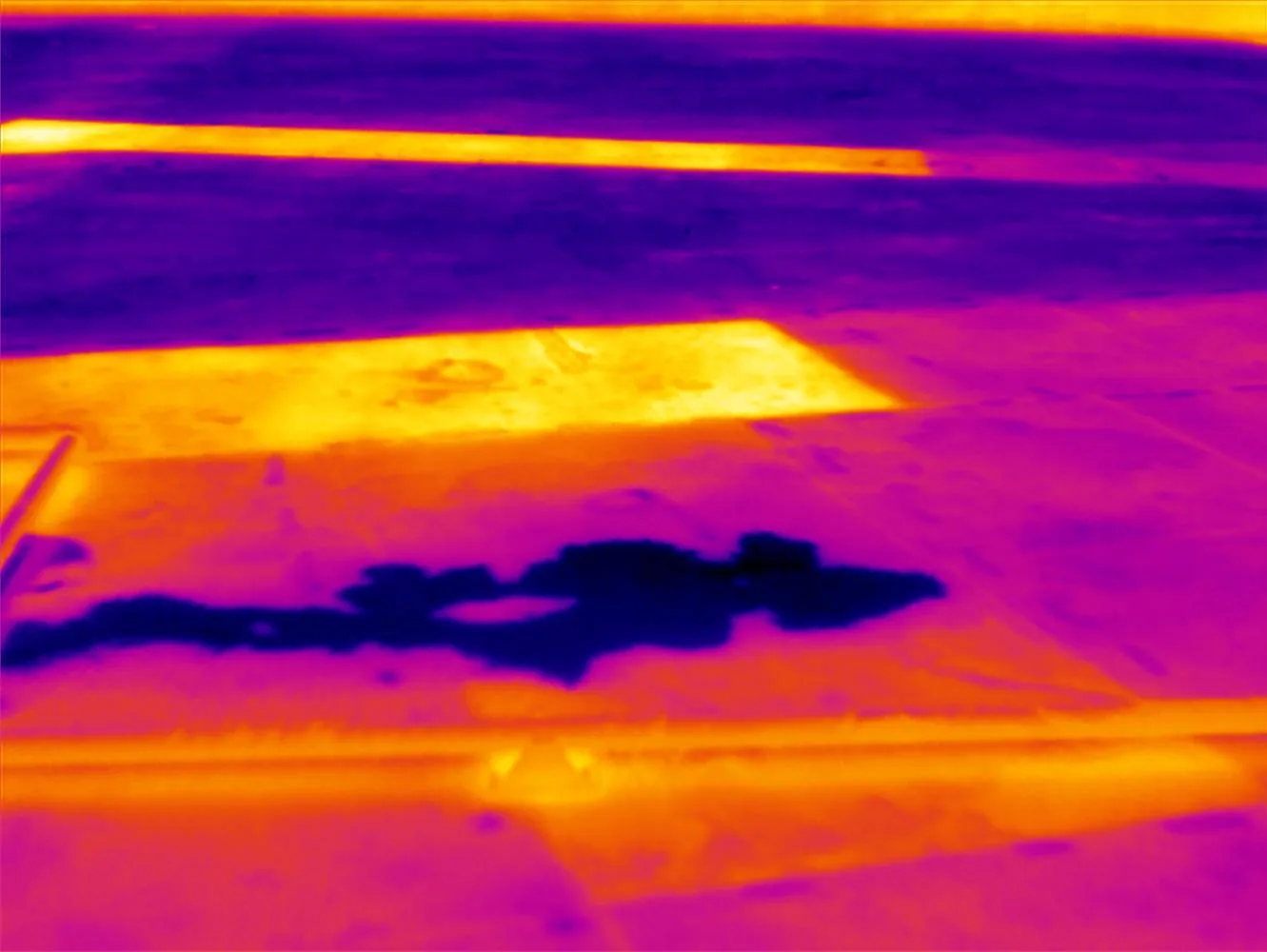
Moisture below the membrane can spread beyond the visible stain. We map suspect zones, compare them with interior reports, and check for soft cover board, displaced insulation, open seams, and ponding marks. An infrared scan can help locate temperature patterns after the conditions are suitable; it does not replace physical confirmation. We explain where a test opening is useful and how its result could change the scope.
Recovering over wet insulation can leave a compromised layer in place and shorten the useful life of the new surface. The owner needs the extent before approving an overlay. We distinguish confirmed wet material from areas that require further inspection, then price removal or replacement as a defined allowance when the deck is hidden. A moisture survey can add a marked map to that decision, while selective openings confirm assembly conditions.
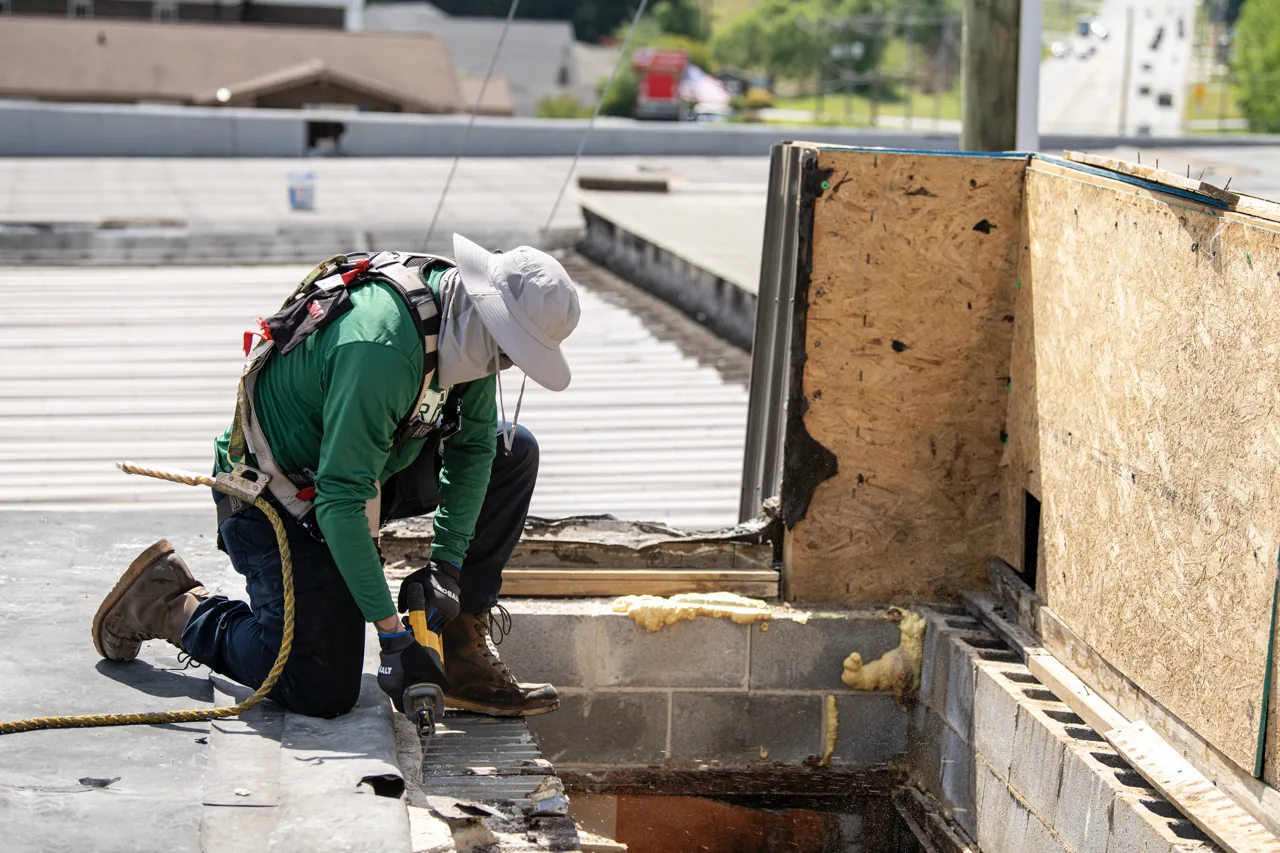
A second roof layer raises the finished surface. That change can reduce drain bowl depth, affect overflow height, and complicate the connection at scuppers or rooftop curbs. We measure the transition points before selecting a recover system. The scope identifies drain extensions, flashing changes, and edge details that must be coordinated. Water must still reach a working outlet without crossing a weak lap or holding against a wall.
Localized flooding and added stormwater load on Jersey City’s combined sewer system make roof-water control a practical planning item. We do not treat an overlay as a drainage fix by itself. Our crew checks strainers, low spots, overflow routes, and scupper condition, then separates roof work from any site drainage issue outside the membrane scope. If the outlet needs correction, a drainage repair can be priced with the recover rather than hidden in a general allowance.
A recover works only with a stable surface, manageable moisture, secure layers, and details that can accept the added system. A localized repair may be better when defects are limited and the surrounding membrane remains serviceable. Tear-off becomes a stronger choice when moisture is widespread, layers cannot be secured, deck conditions remain unknown, or drain and perimeter heights leave no workable detail. We set out each option with the condition that supports it.
Greenville Industrial and the Tonnele Avenue Light Industrial area are separate planning geographies. A roof in either still needs its own equipment, service-route, and delivery review. We confirm equipment curbs, conduit, exhausts, and maintenance paths before setting the recover layout. If removal is required, a roof replacement scope identifies tear-off zones and the daily dry-in boundary so the owner can compare disruption as well as material.
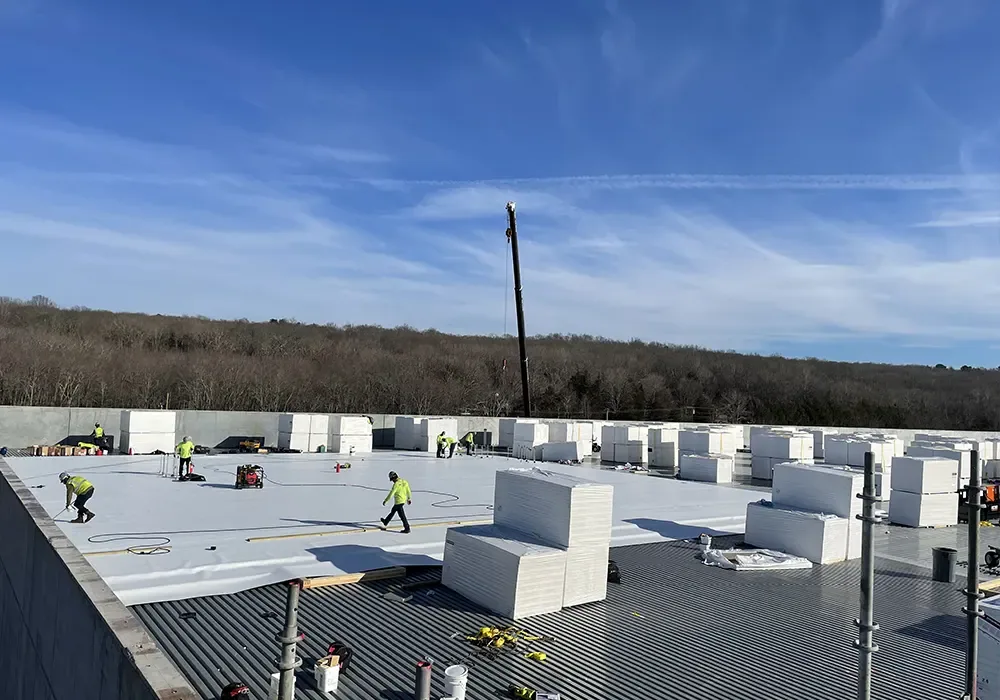
Recover work avoids some tear-off debris, yet it still needs controlled staging and a weather plan. We divide the roof into zones the crew can attach and seal during the available window. Access rules, tenant notice, lift locations, and equipment shutdowns go on the sequence before materials arrive. If the building stays open, the owner identifies entrances and operations that cannot be blocked. Each day ends with a closed perimeter and a recorded restart point.
Weather can change which zone opens first. Rain exposure makes temporary tie-ins and drain protection part of the daily plan, not a detail left to the final shift. We photograph concealed repairs and transitions before covering them. The project record notes the old surface, new attachment, and locations that need observation. A phased occupied-building sequence can map that work around business hours and roof access constraints.
Recover cost depends on surface preparation, attachment, insulation changes, drain work, edge metal, equipment clearances, and the number of roof zones that must remain in service. A lower initial scope can be misleading if it leaves wet material or unstable layers below. We separate confirmed work from concealed conditions and describe what would trigger a change order. That lets the asset manager compare the recover with repair and replacement using the same observations.
Warranty eligibility follows the selected system, manufacturer requirements, substrate condition, and documented installation details. Before work, we confirm the proposed assembly and identify the records and inspections needed for the applicable coverage. The closeout includes photographs, material and repair locations, and maintenance items. A property condition report gives the next budget review a baseline and helps the team track whether water paths or repairs change over time. The same record format carries over to an asset in Hoboken, with its conditions kept distinct.