Roofing for Logistics and 3PL Operators in Jersey City, NJ
Roof repair and replacement for Jersey City logistics and 3PL operators, planned around dock traffic, inventory protection, drainage and client contracts.
Roof repair and replacement for Jersey City logistics and 3PL operators, planned around dock traffic, inventory protection, drainage and client contracts.
Inventory belongs to someone else, and that changes the stakes of a roof leak. A third-party logistics operator in Jersey City, NJ, answers to every client whose pallets sit under a failing membrane, and a wet rack can trigger a claim, a credit or a lost account. We begin with a walk that matches the roof zones to the racking and dock layout below. Where the stored goods are most sensitive, the roof gets priority. Where the building holds low-risk freight, repairs can be scheduled around shipping peaks.
For 2022, Jersey City's $1.809 billion in transportation and warehousing receipts marks the scale of the local freight sector. The Port Authority describes its regional network as tunnels, bridges, bus terminals, PATH rail, ports and airports serving northern New Jersey and New York City. A roof over stored goods keeps one link in that chain dry.
A warehouse roof leaks onto something. We ask the operator for a layout showing racking aisles, dock doors, staging lanes and any climate-controlled rooms, then overlay it on the roof plan. The overlay shows which roof zones sit above high-value or water-sensitive goods. Those zones get inspected first and repaired first.
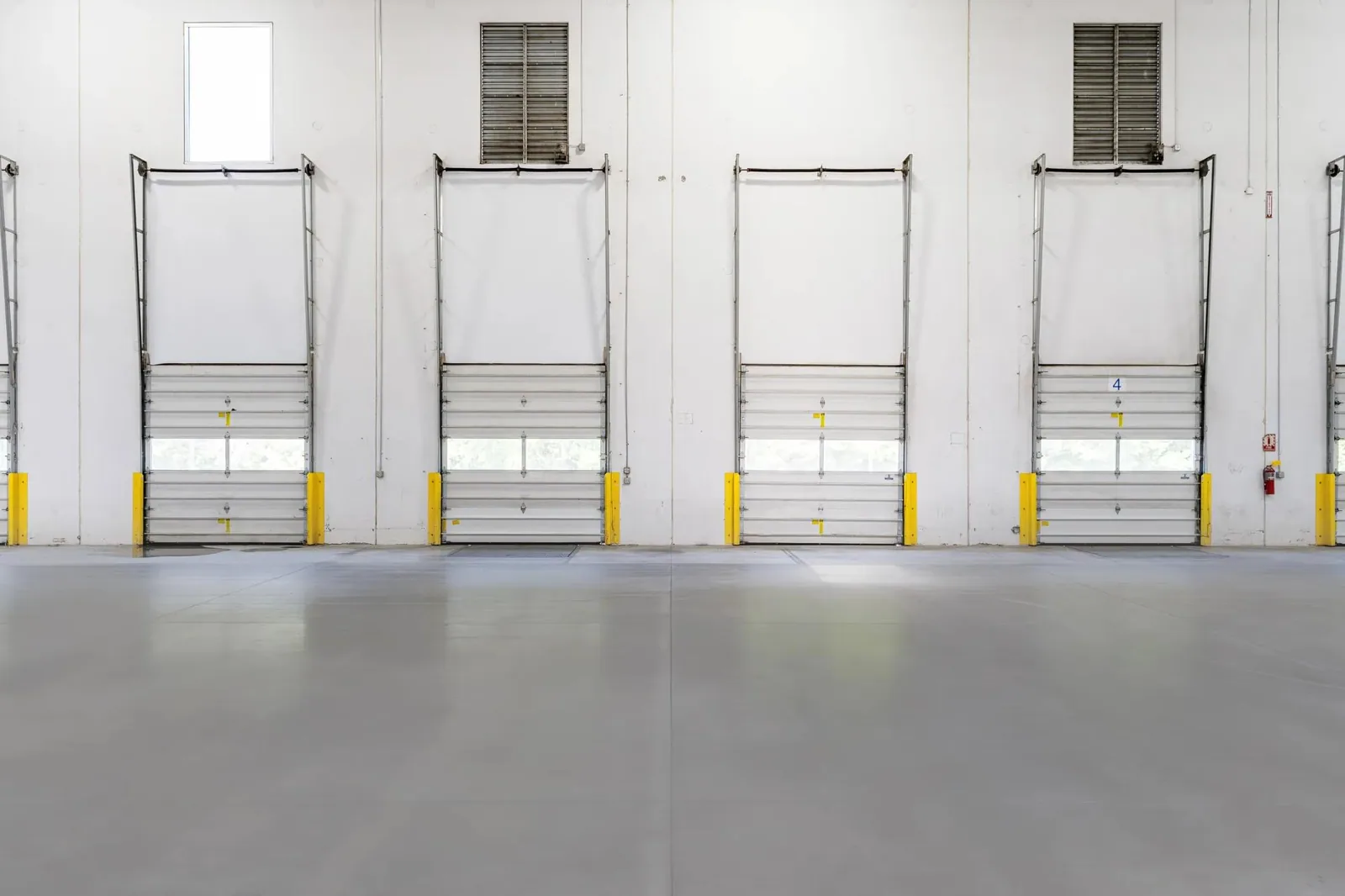
Docks are the next pressure point. Rain blows across the dock apron, and canopies, edge metal and wall-to-roof transitions near the doors take hard use. Forklift traffic below shakes the building, and rooftop equipment serving dock levelers or heaters adds penetrations. We look at those details along with the main field, because they are often where water gets.
The inspection report records the condition of every zone with photographs. For leak calls, we add the interior location, the roof opening, and the repair, so the operator can show a client that the cause was found and corrected. A warehouse roof is rarely uniform, and the report reflects.
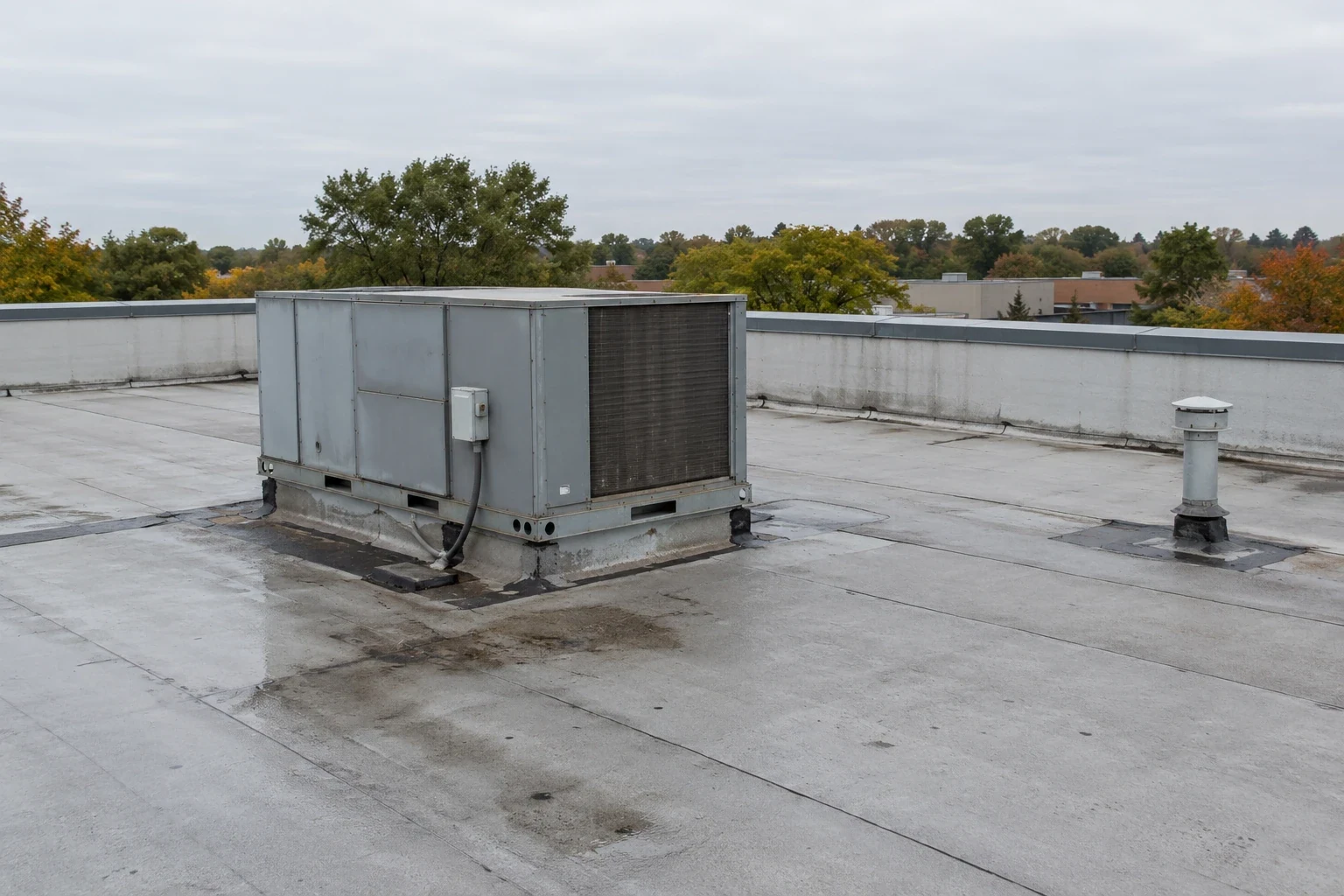
Rooftop units that heat or cool the dock area deserve a separate look. Their curbs, condensate lines and refrigerant lines cross the membrane, and each crossing is a seam that opens when the unit vibrates. We tighten what can be tightened, reseal what has opened, and note which curbs need rebuilding at the next major project.
Send the building layout, dock schedule and peak-season dates. We will overlay them on the roof, rank the zones, and set repair windows.
Operators have rhythms: the holiday ramp, month-end surges, seasonal returns. We ask for the calendar and plan the roof around it. A replacement is scheduled for the quietest period the contracts allow, and urgent repairs are done as fast as the weather permits regardless of the calendar.
Deliveries to the roof are a second sequence. Material trucks need space in the yard, and so do outbound trailers. We agree on a staging area, a delivery hour and a lift route that keeps trailers moving. Dumpsters and debris chutes go where they cannot block a dock door.
Weather is the final constraint. Heavy coastal rain is part of the forecast picture, and Irene and Sandy are the City's examples of what flooding can do. We stage materials so that each roof zone can be dried in by day's end, with temporary protection standing by when the forecast turns. Daily closeout photos go to the operator, which keeps the account manager informed without a site visit. For a building that must remain operational, an occupied reroof sequence keeps the racks dry while the work goes.
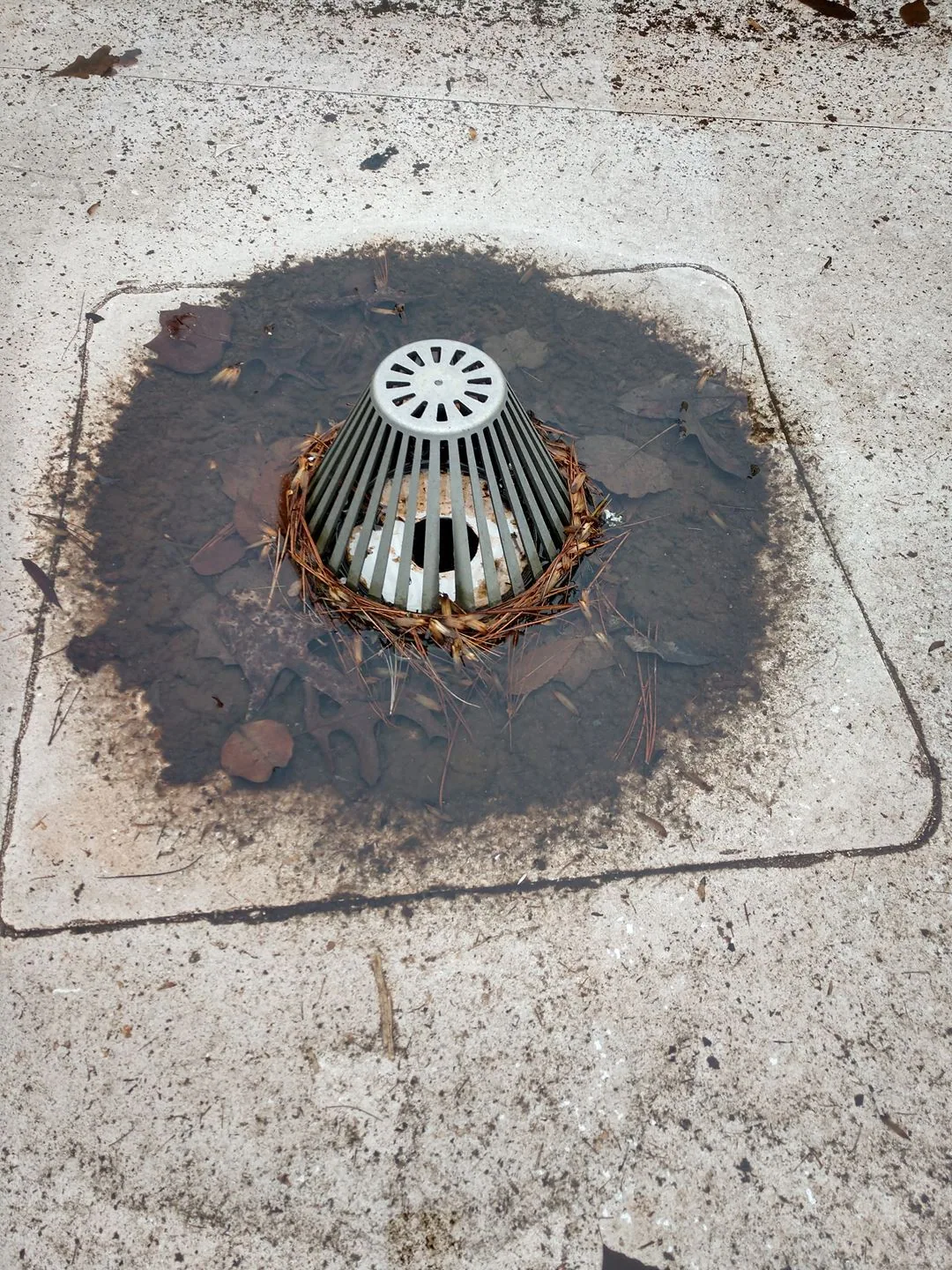
Wide warehouse roofs shed a great deal of water in a short time. If a drain clogs, the water has nowhere to go, and weight accumulates on the deck. Stormwater loading is a concern for Jersey City's combined sewer system. Roof drains and overflows still need a clear path at the building; we do not count on street drainage to carry roof runoff.
We clear and inspect drain bowls, check overflow scuppers, measure slope to the outlets and look for ponding after rain. Jersey City's industrial areas include Greenville Industrial and Tonnele Avenue Light Industrial. Whichever one a building sits in, its roof has its own drainage geometry, and we measure it. Regular drain service costs little against a flooded aisle.
A logistics operator often leases the building, so the roof decision involves a landlord. We give both parties the same facts: the condition by zone, the likely remaining life, and the scope that fits. Lease terms decide who pays, but the roof does not care, so the data should be clear before the argument starts.
When the insulation is dry and the membrane is sound, a restoration coating can extend service life at a lower disruption cost than tear-off. When moisture has spread, a replacement may be the only durable answer. Between them sits a recover over the existing roof, which keeps the old layers in place when conditions allow. We recommend only what the survey supports.
For operators with a network of sites, a multi-site program puts every building on one inspection schedule and one reporting format. Sites in Newark, Elizabeth or Kearny fit into the same program.
Heat is a quieter factor. A dark membrane over a closed warehouse in July can raise the temperature of goods stored near the deck. A reflective surface, whether a white single-ply or a coating, lowers the load on any cooling the operator runs, and it is worth pricing into the replacement scope when climate-controlled rooms are part of the building.
3PL clients ask about the building. A roof file that shows dated inspections, repair history and drain service gives the account team an answer. We also record which zones sit above which client's goods when the operator wants it, so that a future leak call starts with the right contact.
Property managers and landlords who own the shell can receive the same file. A property manager overseeing a logistics building will often want the same photographs, and an owner behind it, such as one of the investors and REITs that hold industrial assets, will want the same grades.