TPO Commercial Roofing in Jersey City, NJ
Inspect Jersey City TPO seams, flashings, drainage paths, and insulation before selecting repair, recover, or replacement for the commercial roof.
Inspect Jersey City TPO seams, flashings, drainage paths, and insulation before selecting repair, recover, or replacement for the commercial roof.
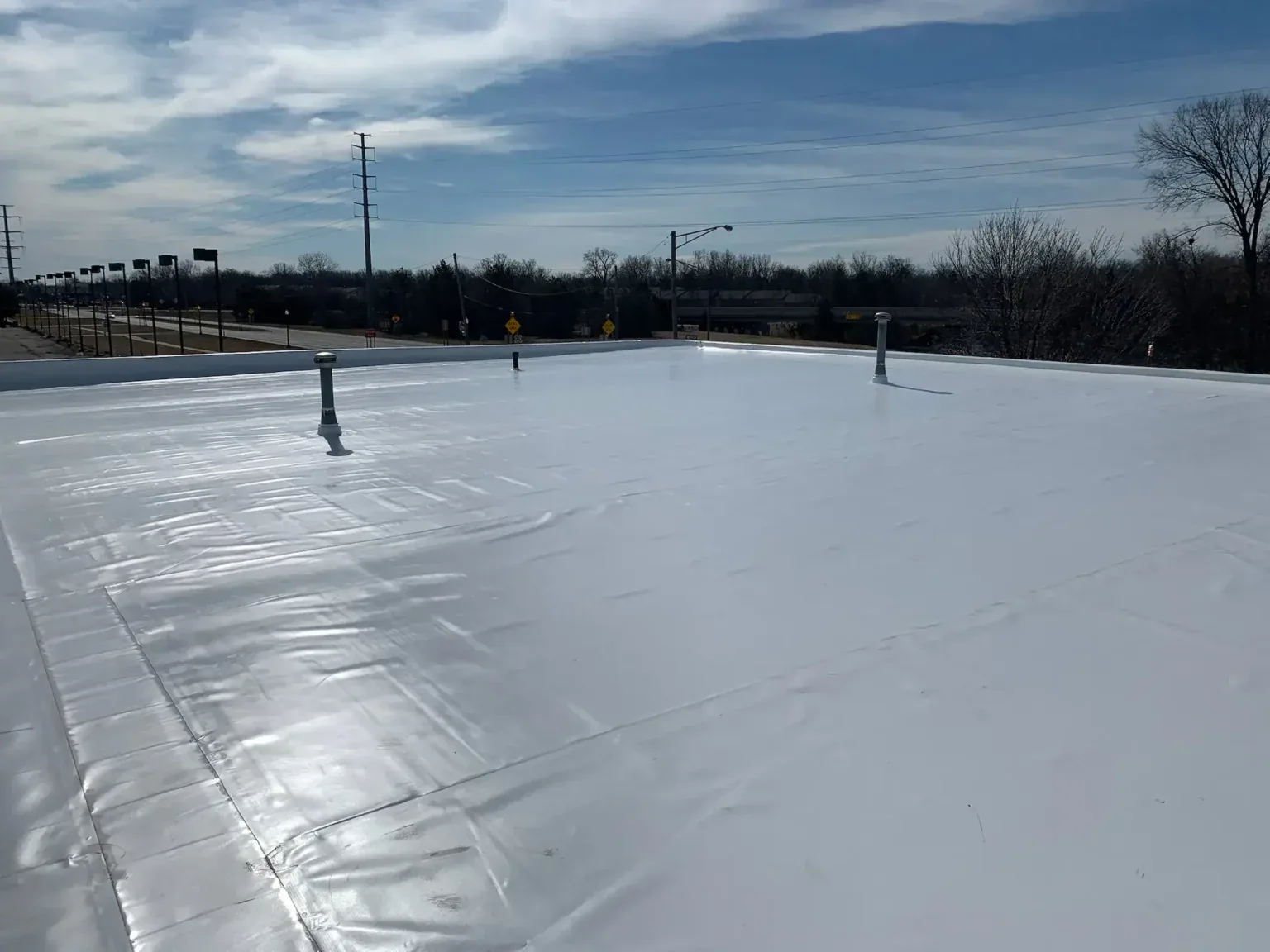
A TPO roof is judged at the seams, edges, drains, and penetrations, not by membrane color alone. On a Jersey City, NJ building, we trace water paths and inspect welds, attachment, cover board, and curb transitions before pricing repair or replacement. Irene and Sandy brought severe flooding and property damage to Jersey City, making drainage and roof continuity worth checking together. A hands-on roof inspection records the assembly and failure points before the owner chooses a repair boundary.
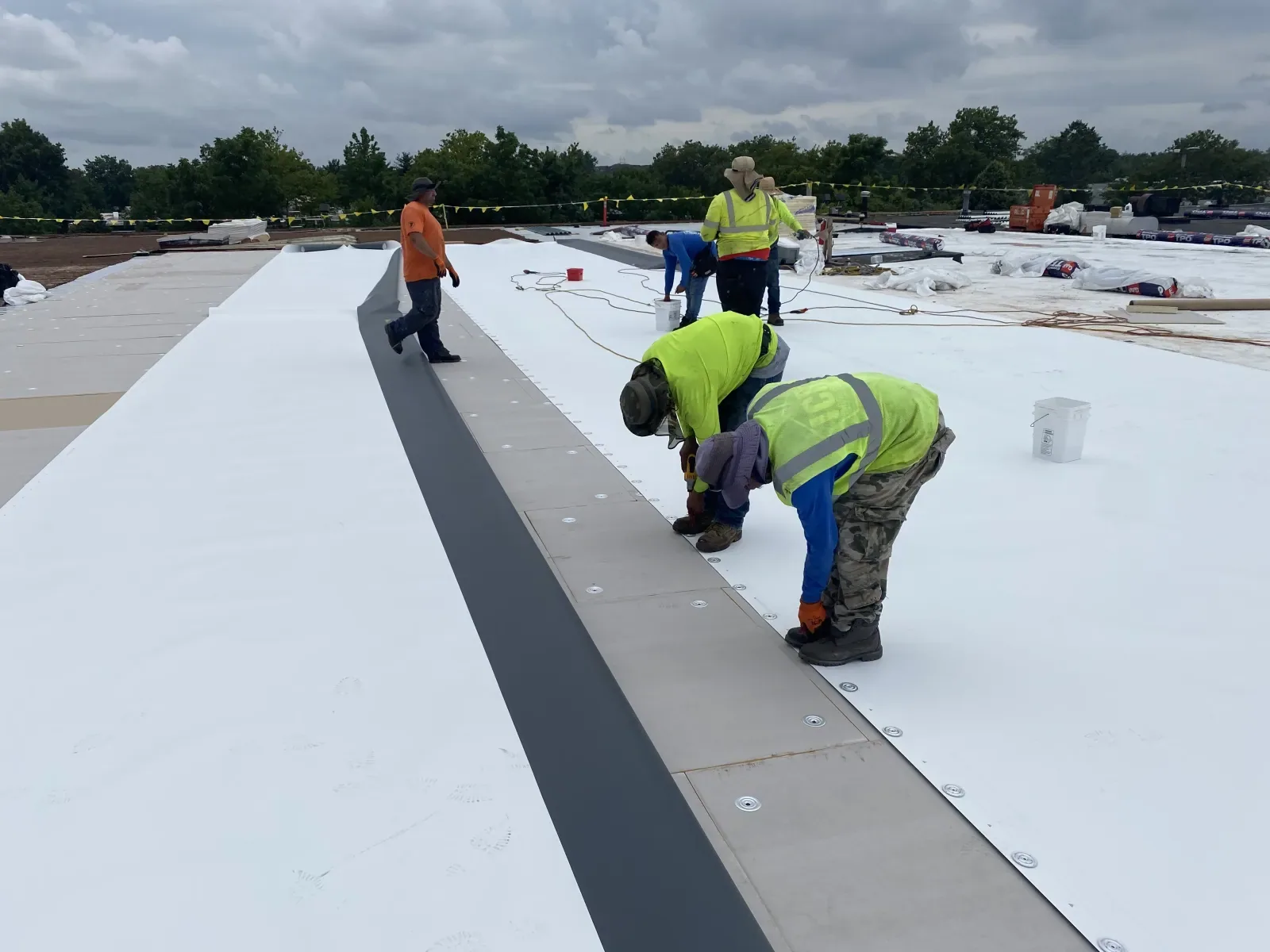
Thermoplastic polyolefin membrane joins through heat-welded seams. A properly prepared weld fuses compatible sheet surfaces; contamination, poor temperature, pressure, or movement can leave a weak line. We test suspect areas and document the seam condition, membrane thickness, attachment pattern where visible, and transitions at roof edges. The report separates local repair from a field-wide issue so a worn corner does not automatically trigger a full replacement proposal.
The seam is a detail, not the whole roof. We inspect the weld bead, T-joints, patches, end laps, flashing terminations, and the surface around rooftop units. Wrinkles or ridges can signal movement, installation conditions, or a repair history that needs checking. A probe test at selected areas helps locate weak welds, but the inspection also follows the water route to drains and interior symptoms. The written scope identifies which seams need repair and which areas remain serviceable.
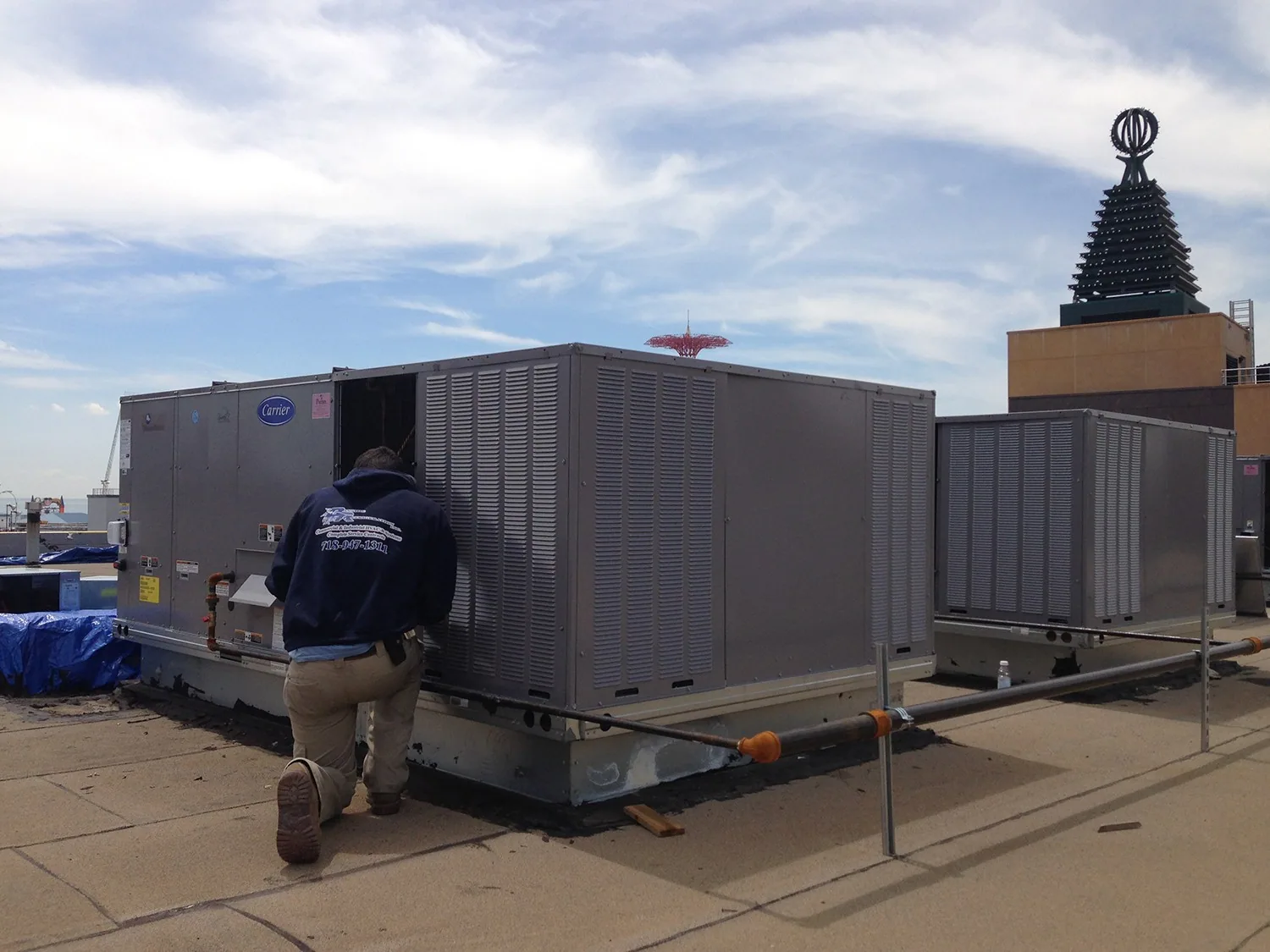
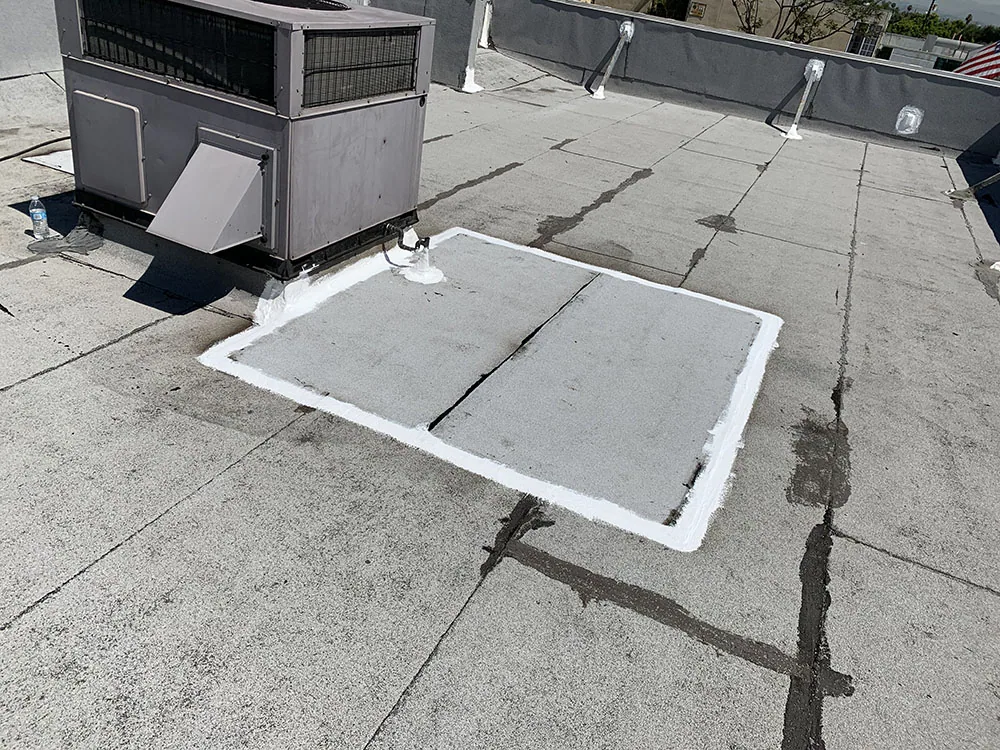
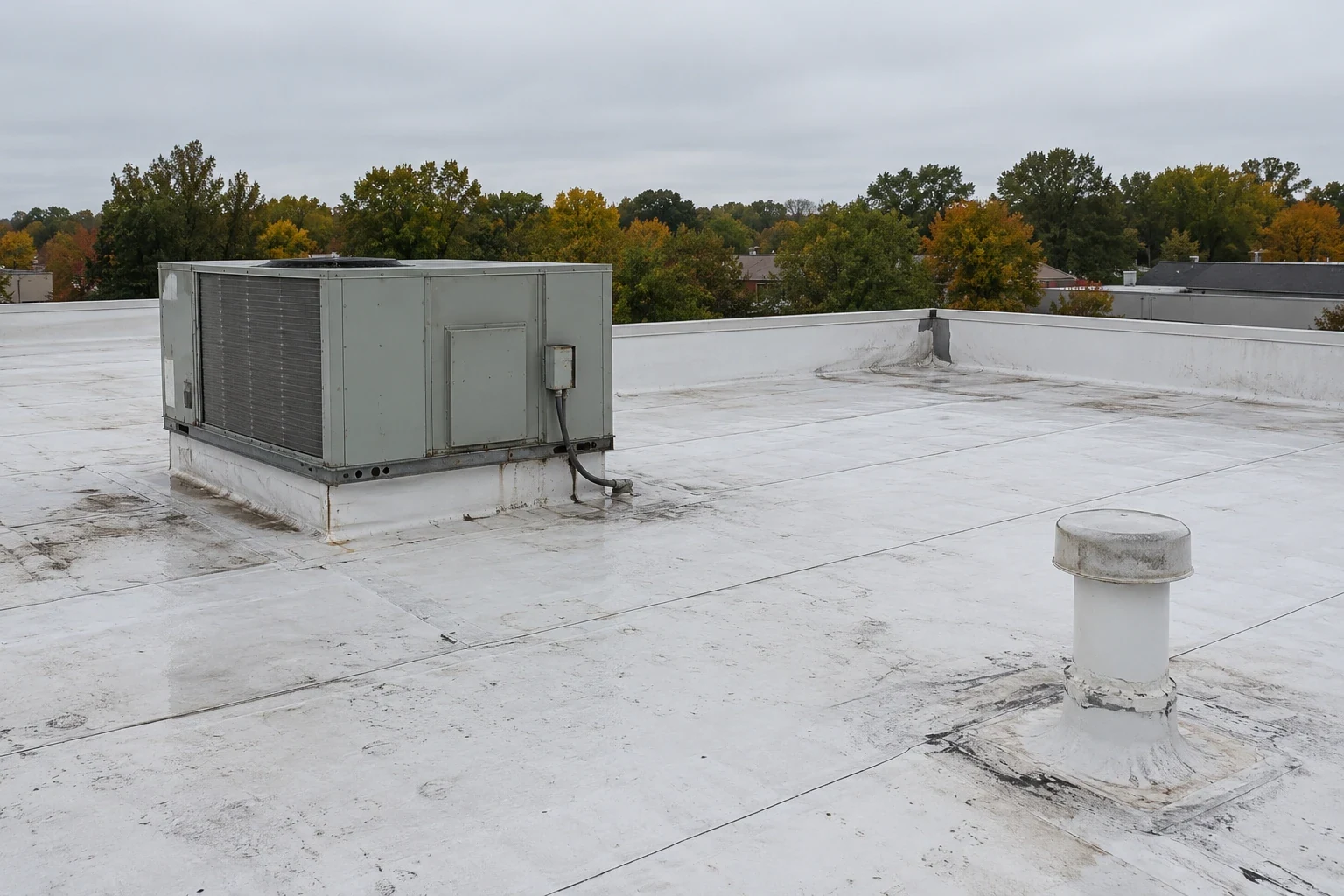
At a curb, pipe, or parapet, the field sheet must connect to compatible flashing rather than stop at the vertical face. A curb flashing scope can coordinate mechanical removal and reset with the roof tie-in. Edge metal and perimeter attachment receive a separate check because wind loads and water entry often converge there. We photograph the condition before opening a seam, then record material, repair width, and the closed boundary after work is complete.
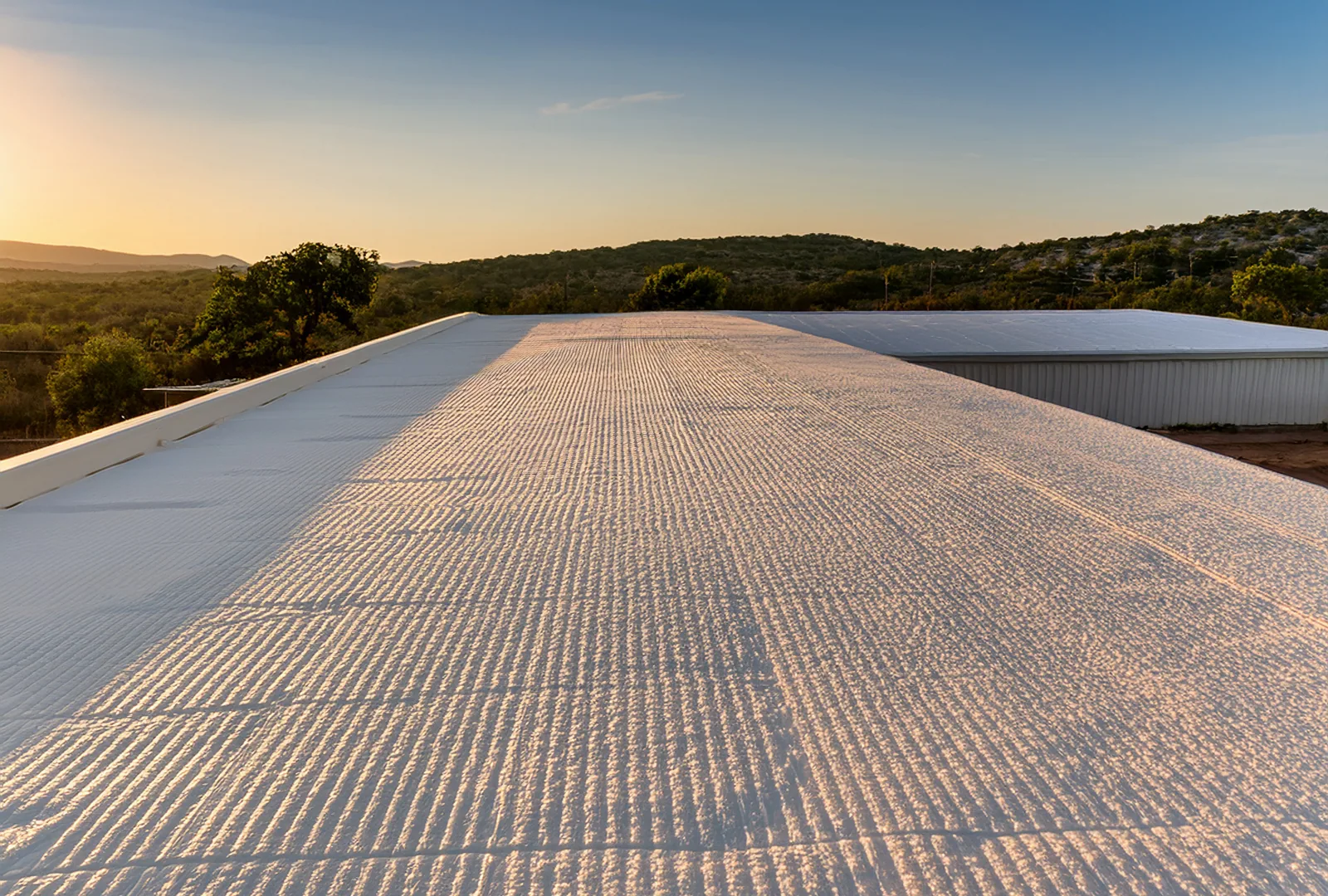
Schedule a roof walk to map seam condition, drainage, and wet-area questions. We will return a repair or replacement scope tied to the field evidence.
A TPO surface can look intact while moisture remains below it. We compare staining, soft areas, blisters, prior patches, and insulation clues across roof zones. When the pattern is uncertain, an infrared survey can guide core locations; the scan must be interpreted with roof construction and field verification. A wet core changes the scope because a new membrane over trapped moisture does not correct the assembly. The owner receives marked areas and a recommendation tied to the evidence gathered.
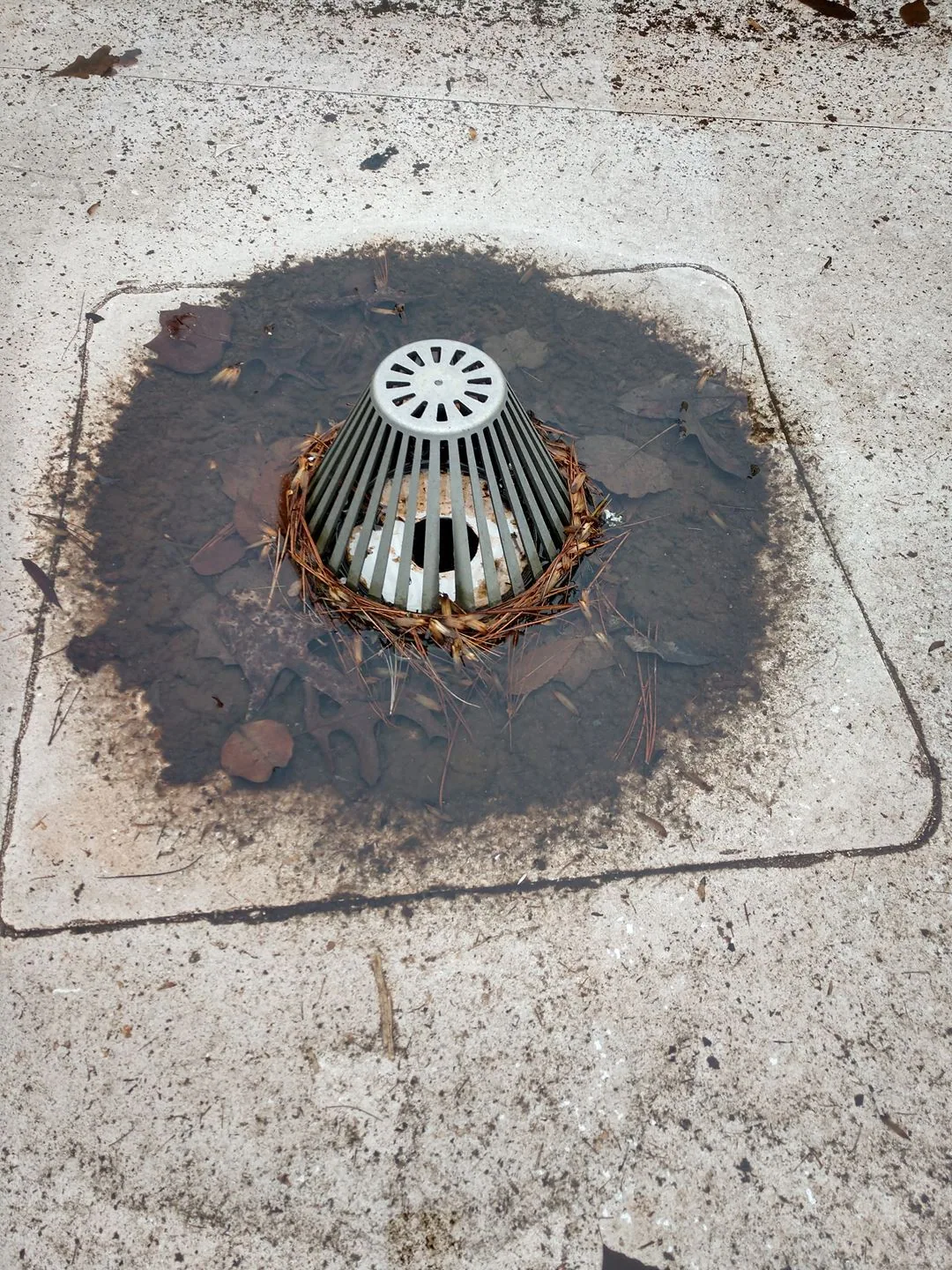
Jersey City's green-infrastructure priorities include managing local flood exposure and stormwater load on combined sewers. We inspect the property's drains, overflow routes, laps, and curb corners before setting the repair scope. If the moisture pattern traces to one opening, leak repair may be appropriate; widespread wet insulation can require a larger removal and replacement boundary.
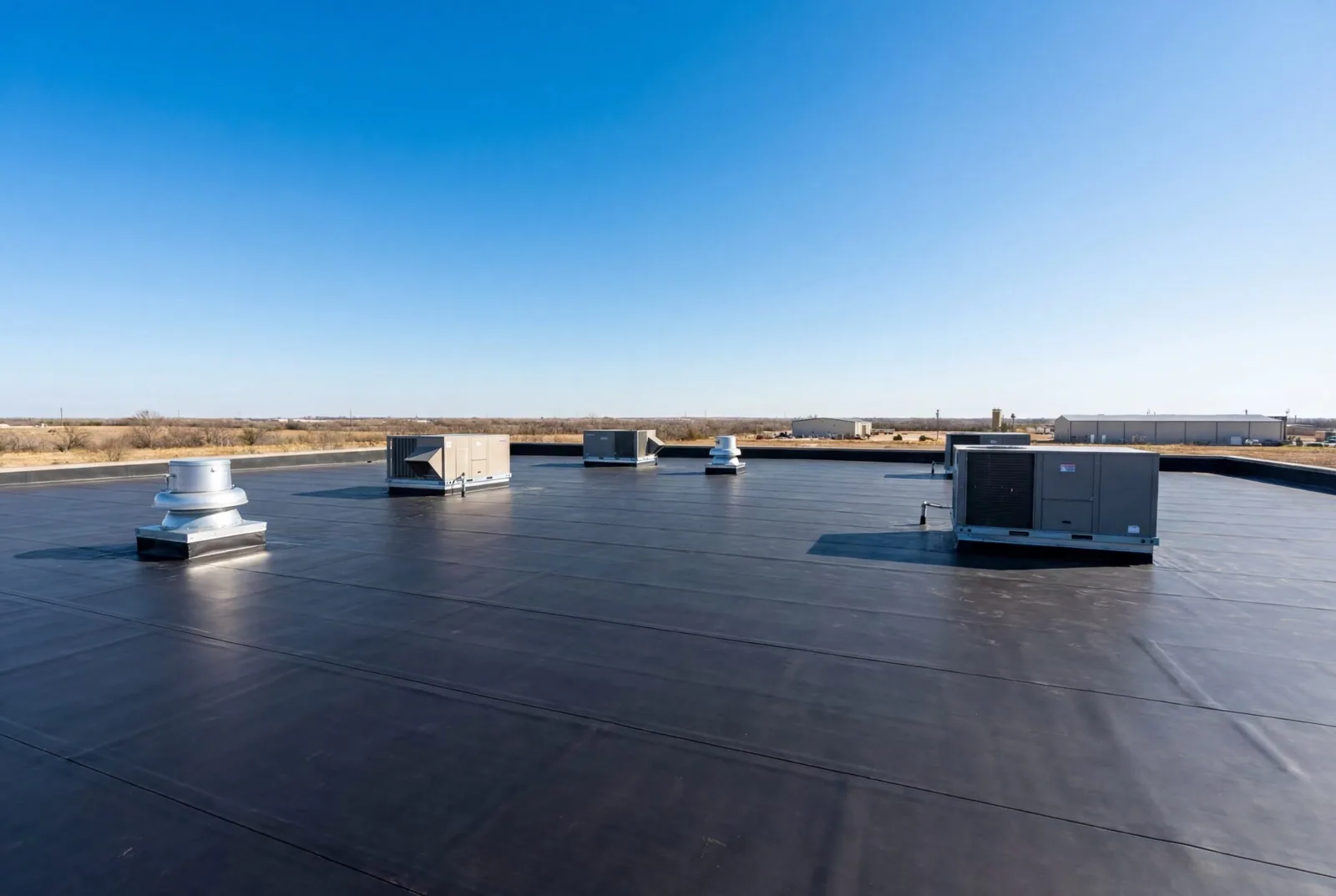
Service traffic creates another TPO risk. HVAC technicians, electricians, and sign crews can drag tools or leave fasteners near a seam or drain. We inspect walk paths, equipment clearances, and prior patch points, then recommend walkway protection only where the access pattern supports it. The owner receives a roof-zone map so later work can avoid the repaired area. When a separate EPDM roof assembly is under comparison, the evaluation also accounts for its different seam and flashing method rather than treating every single-ply roof as the same surface.
A localized repair can restore a sound TPO assembly where the sheet remains weldable and the substrate is dry. A recover may fit only if the existing roof, attachment, drainage height, and code requirements allow another layer. Replacement becomes more practical when seams fail across zones, insulation is wet, prior layers prevent securement, or edge conditions need rebuilding. We compare those paths in writing and name the test openings, repair extent, and exclusions so the owner can evaluate the scope before approving a method.
A compatible PVC alternative uses a different material and seam specification. A TPO patch is heat welded to prepared membrane, with reinforcement or flashing shaped to the detail. We mark a defined perimeter, remove contamination, weld, and inspect the finished seam. For a broader project, roof replacement includes insulation, cover board, attachment, edge metal, and drainage transitions in one assembly decision. If a recover is being considered, overlay feasibility review checks the existing layers before a new system covers them.
Cost and timing depend on access, roof height, tear-off volume, insulation replacement, equipment moves, edge-metal work, and the weather window. A small repair can still require lift access or interior protection; a larger replacement may be phased to close each roof zone at shift end. We state which conditions trigger a change order before work begins. That helps the owner compare a targeted correction with a project that renews the full roof system.
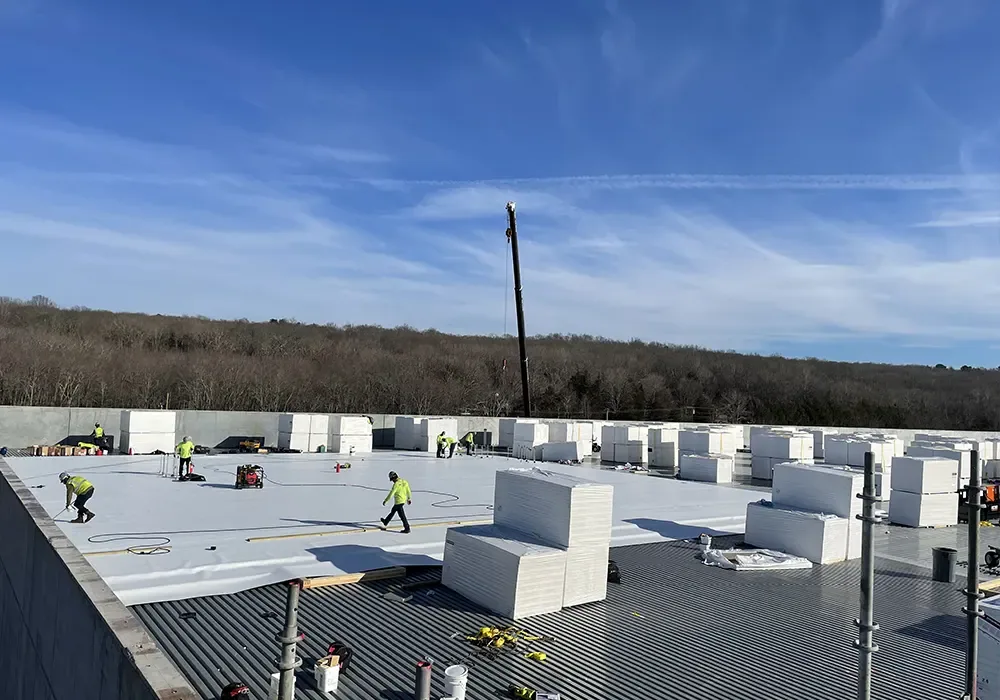
Bergen-Lafayette and Journal Square are two among Jersey City's six large districts. The loading route, tenant schedule, and roof access still have to be checked at each property. We confirm the staging area and lift plan before material arrives, then set a closeout point for every day the membrane is open. Rain can change that sequence, so the crew protects the active zone and documents the tie-in rather than leave an unfinished edge exposed. A phased occupied-building plan can set tenant notice and roof-zone access.
The owner should know when a drain, hatch, or equipment path is temporarily restricted. We identify that limit by zone and coordinate it with building staff, mechanical contractors, and other trades. Debris stays clear of drain bowls and scuppers. If the forecast compresses the workable period, the plan reduces the open area and preserves a watertight stop. The daily record lists the completed seam or flashing repair, photos, and the next area scheduled for review.
The closeout package identifies membrane product and thickness where known, repair locations, seam tests, flashing transitions, and dated photographs. It notes any inaccessible area or condition that still needs a separate decision. Future maintenance can then compare new punctures, open seams, or drain blockage against a documented baseline. The record should include the access path and rooftop equipment zones so service crews avoid damaging a completed repair during later work.
Jersey City has six large districts, including Greenville, West Side/Marion, Journal Square, The Heights, Downtown, and Bergen-Lafayette. A portfolio may span those settings, yet each roof needs an individual seam map and maintenance history. A property in Hoboken is a separate visit, with its own conditions and scope. Ask us to walk the highest-priority zone, identify the water path, and return a written TPO repair or replacement decision.