Commercial Roofing Services in Jersey City, NJ
Compare commercial roof inspections, repairs, replacement, maintenance, and restoration in Jersey City, with scopes tied to roof zones and building operations.
Compare commercial roof inspections, repairs, replacement, maintenance, and restoration in Jersey City, with scopes tied to roof zones and building operations.
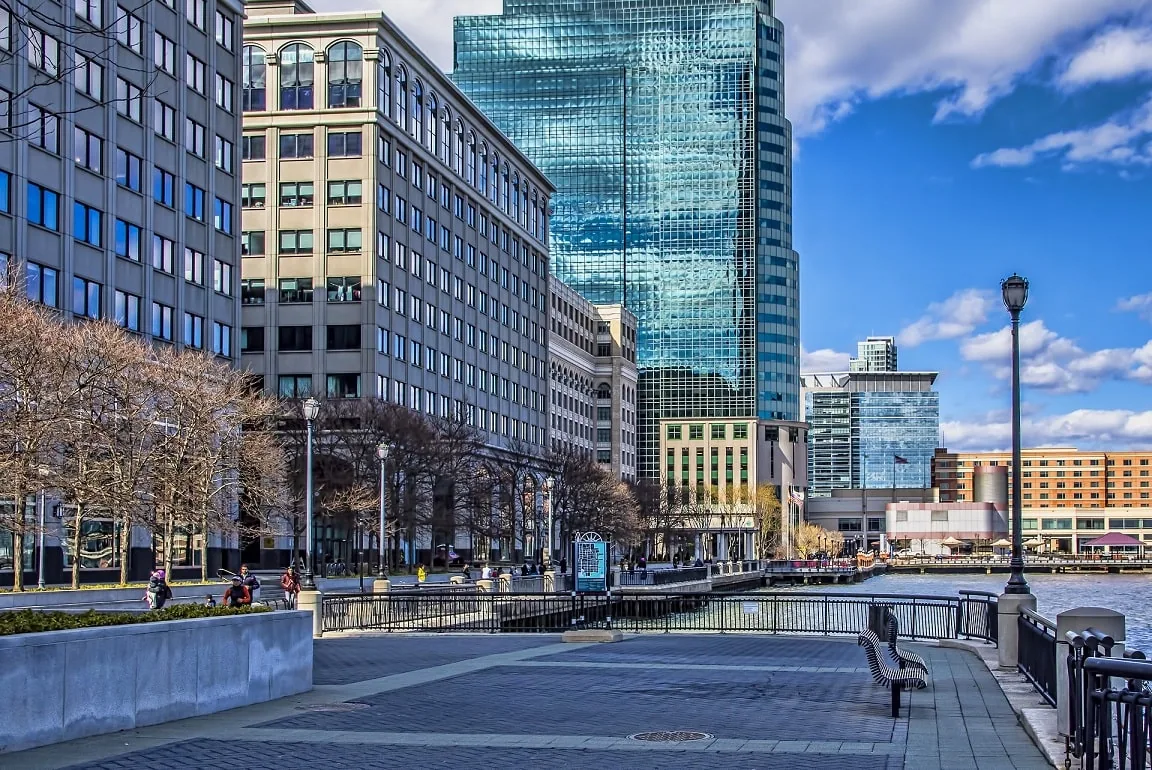
Jersey City's dense coastal setting puts drainage and access into the first roofing decision. We inspect the roof zone, trace water entry, and set the work window before recommending repair, maintenance, recover, or replacement. Flood damage during Irene and Sandy is part of the city's history; the current roof still sets the work boundary, and an inspection shows whether water has reached the membrane, insulation, or interior.
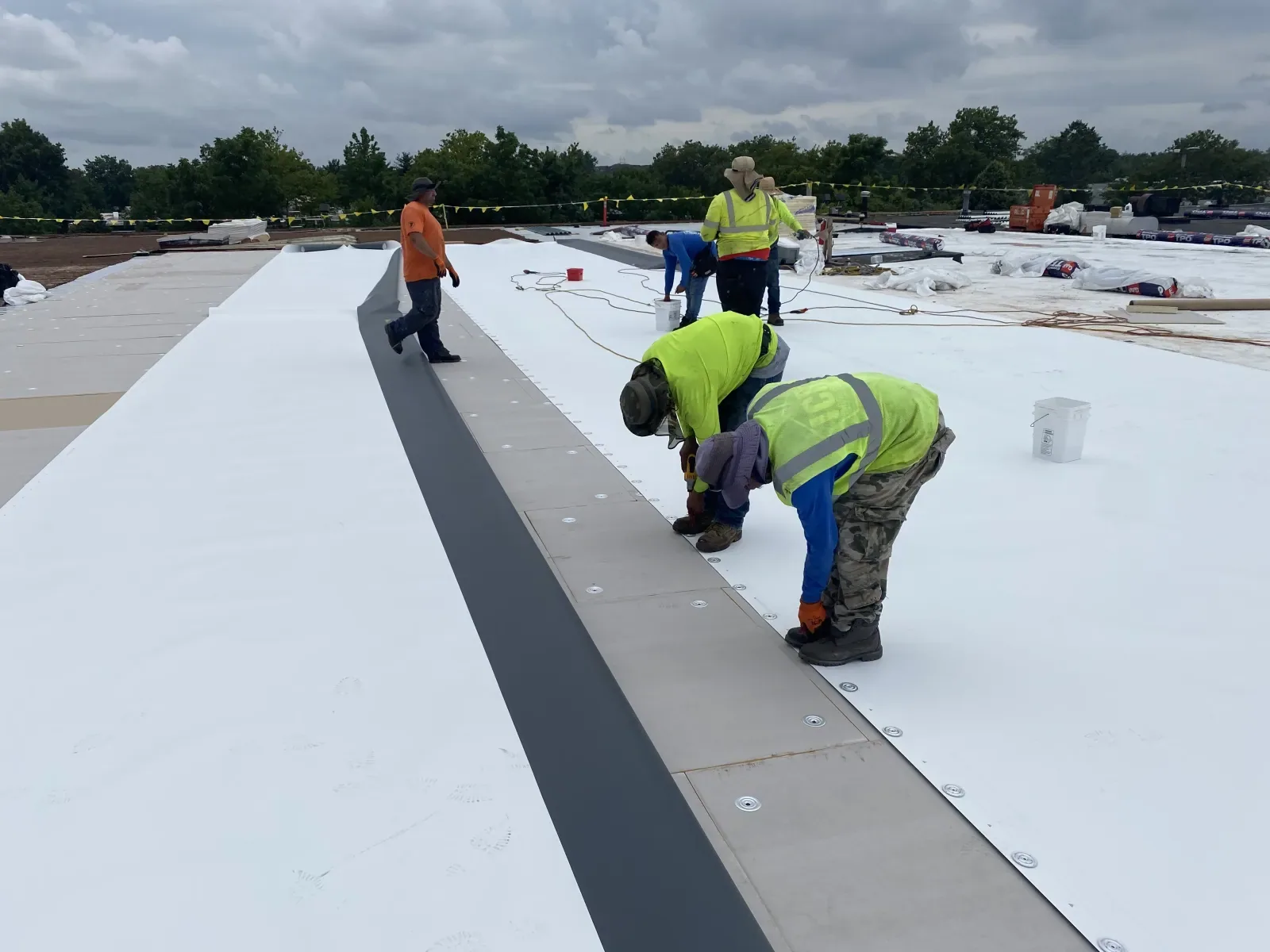
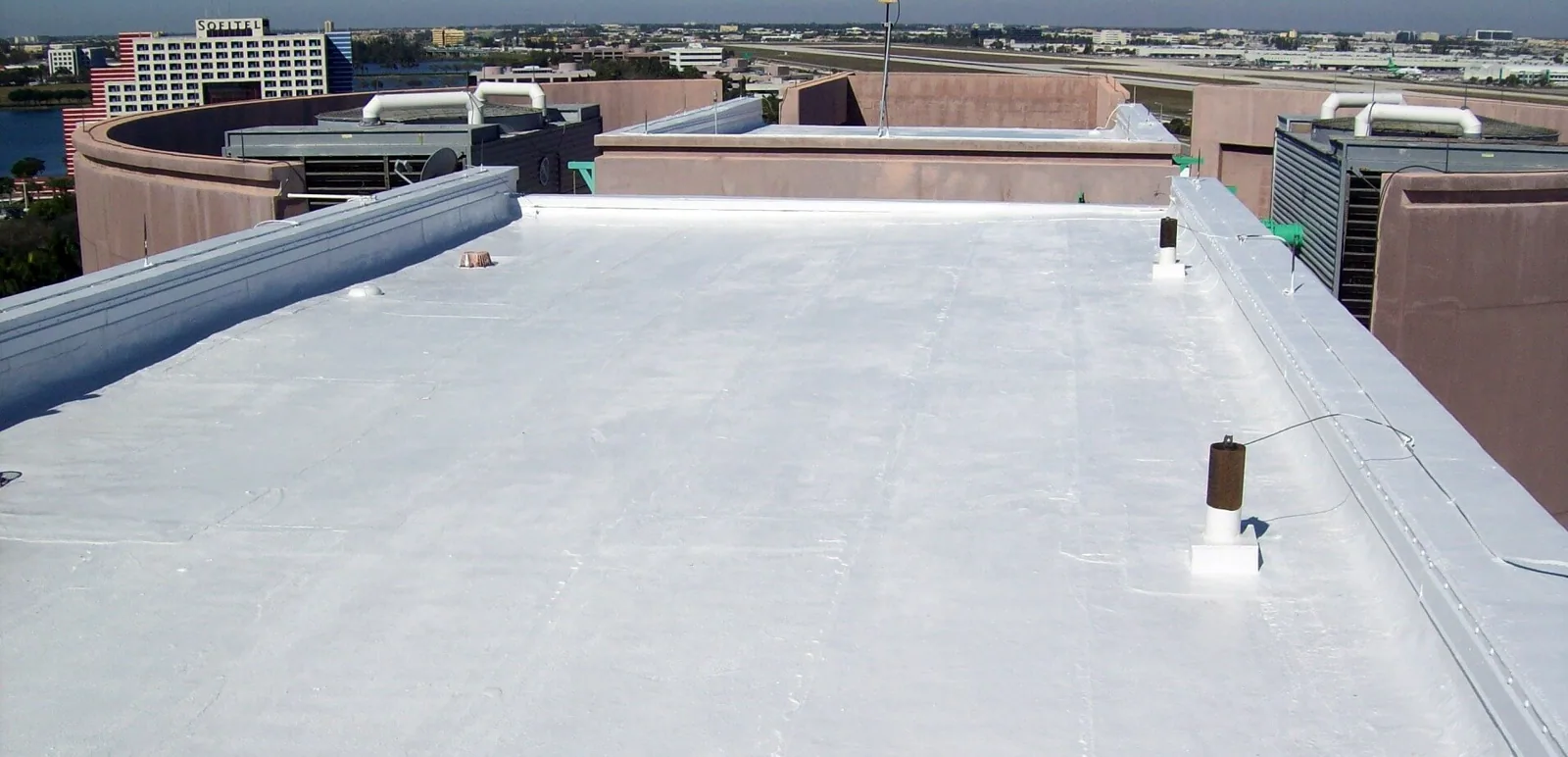
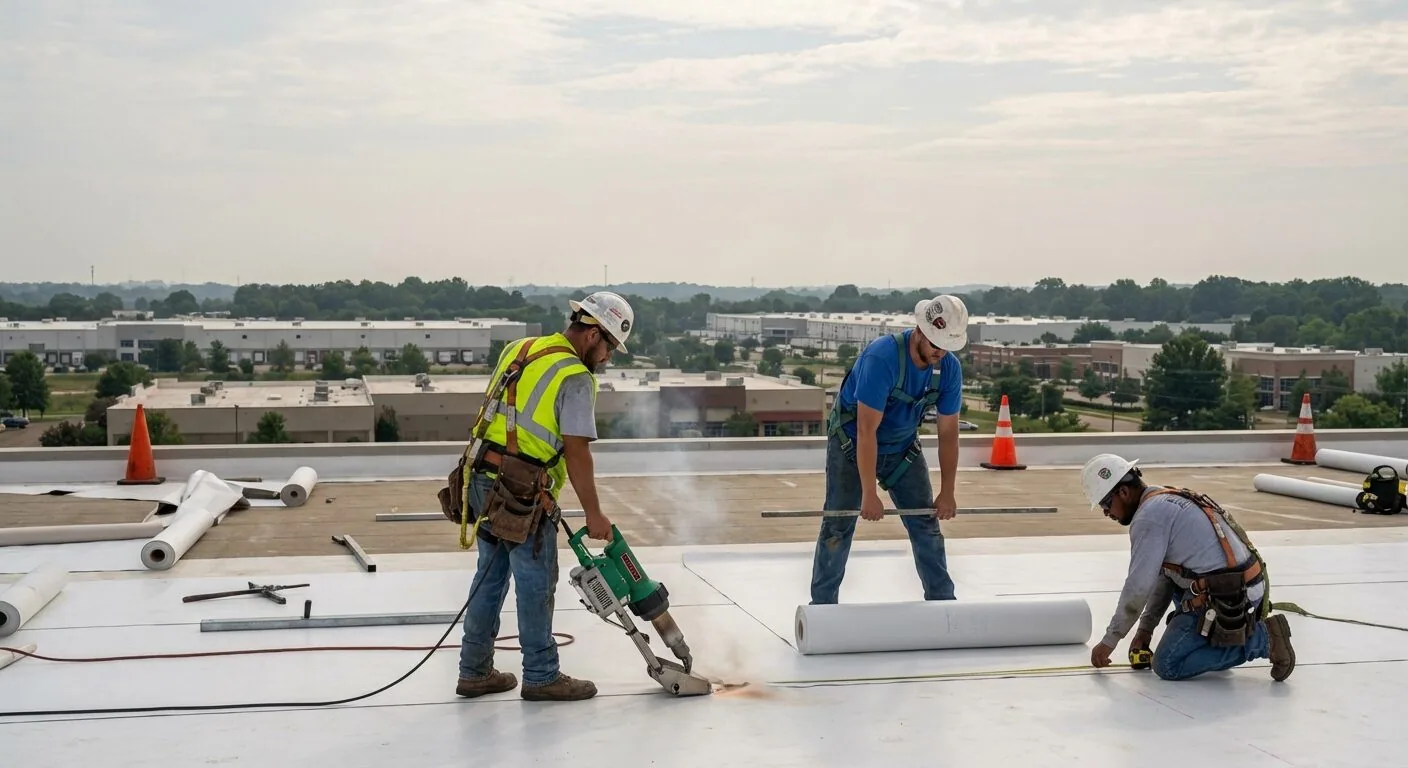
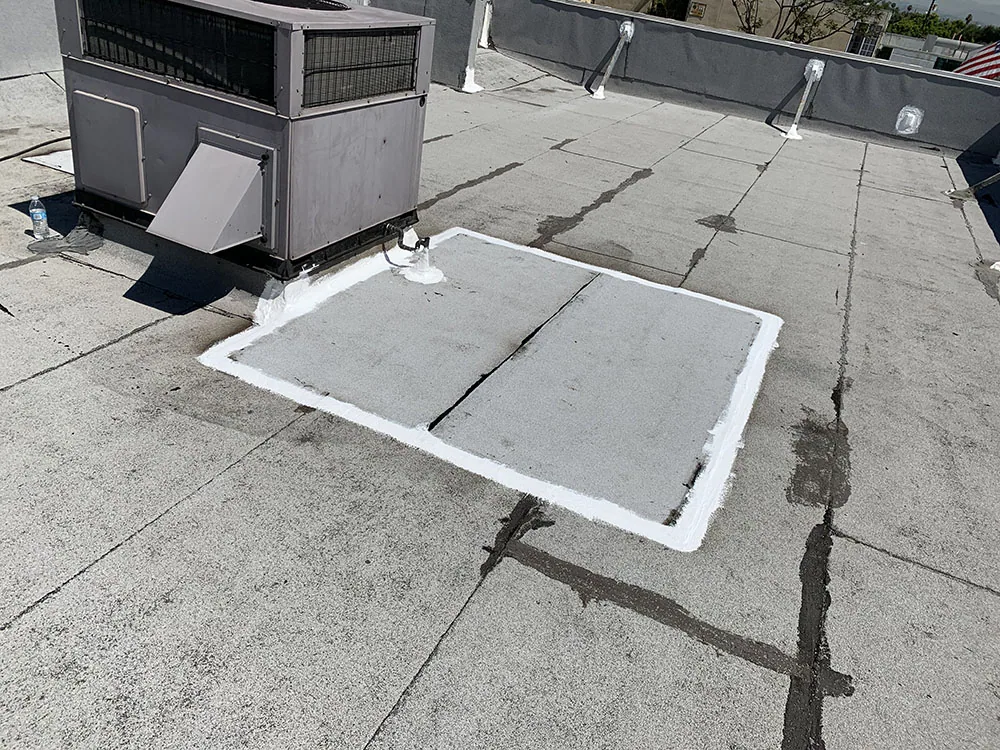
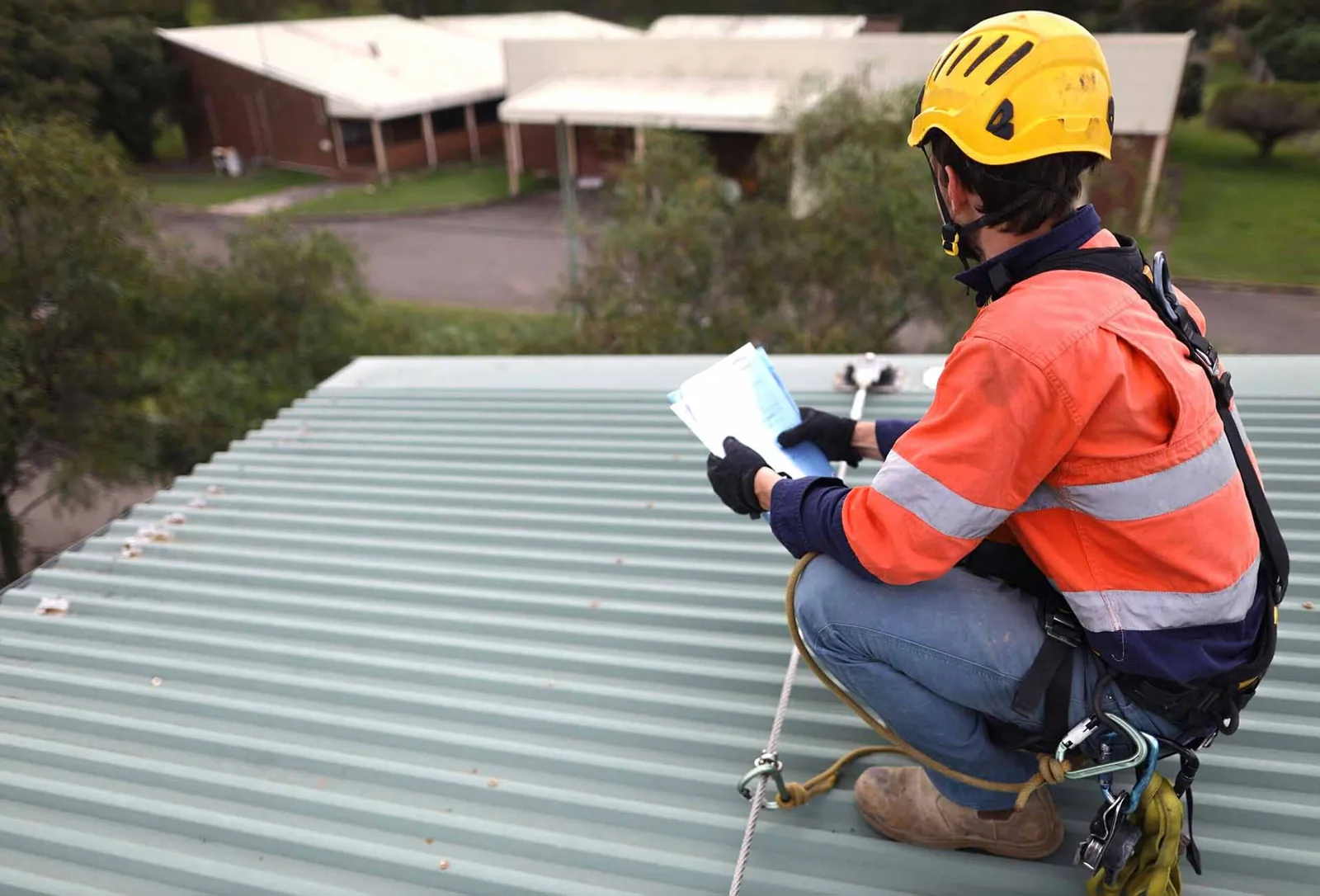
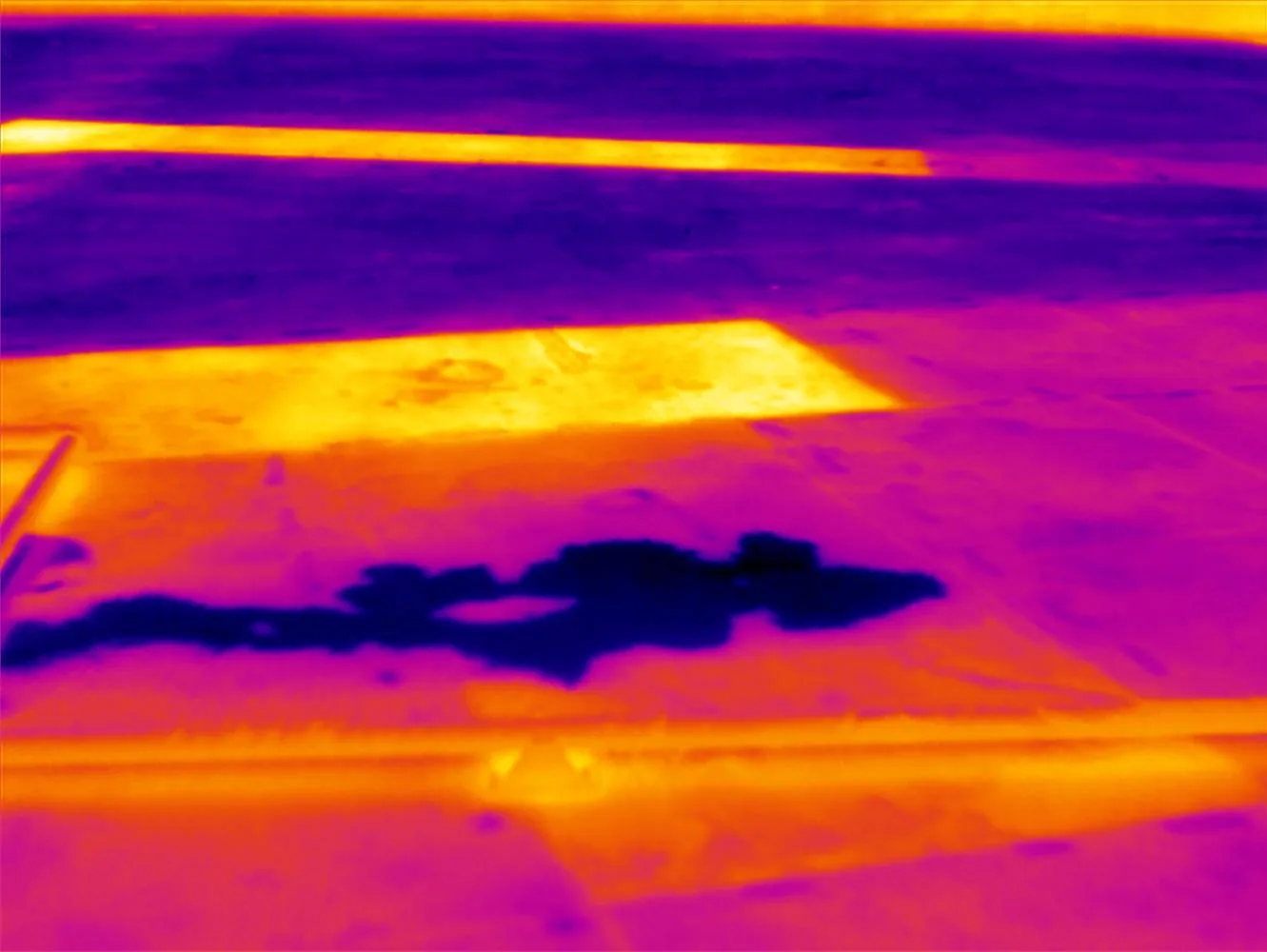
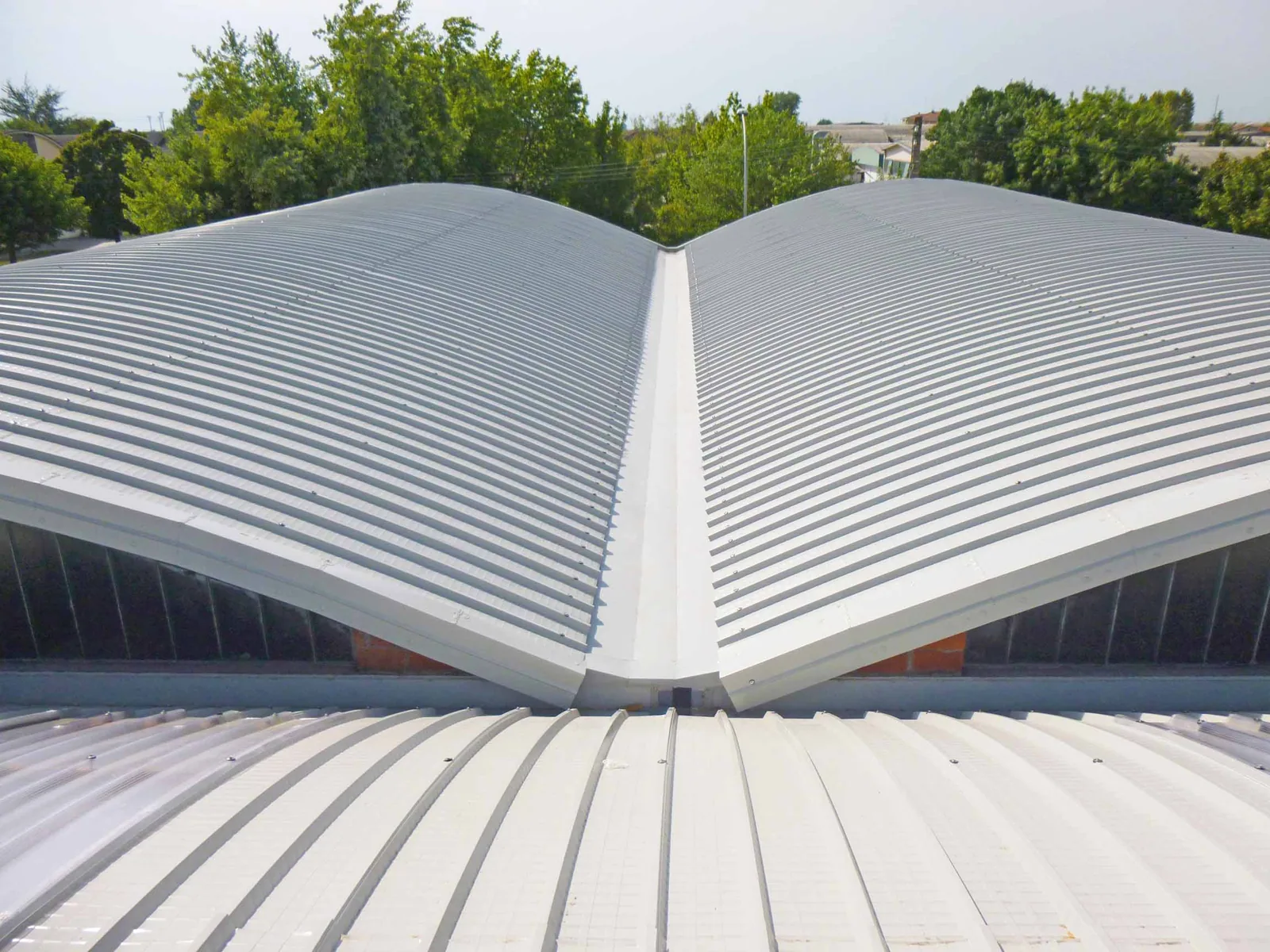
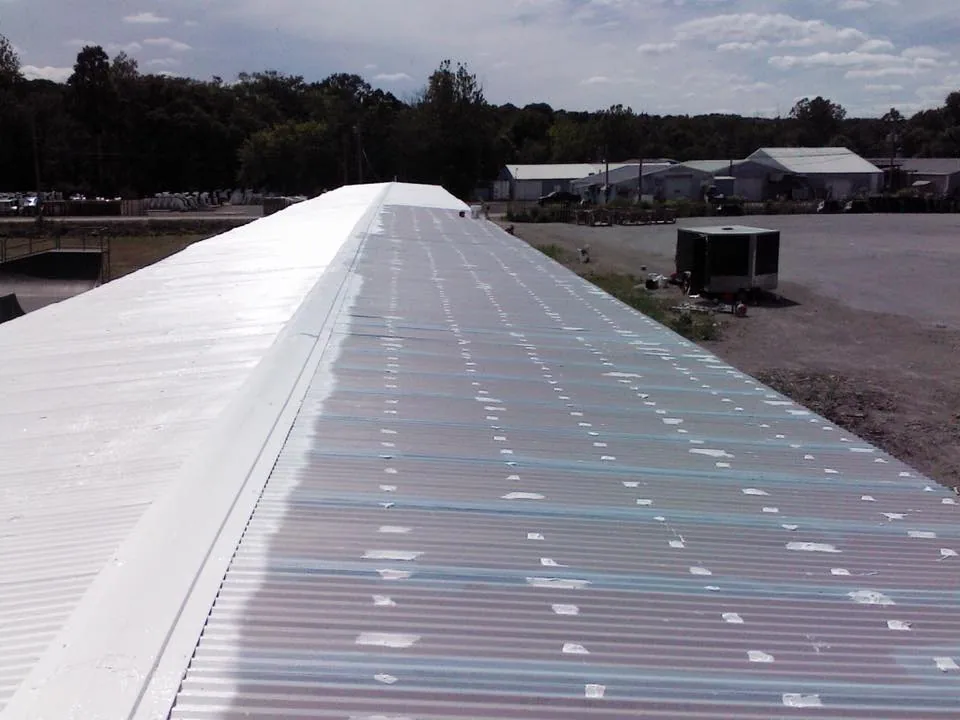
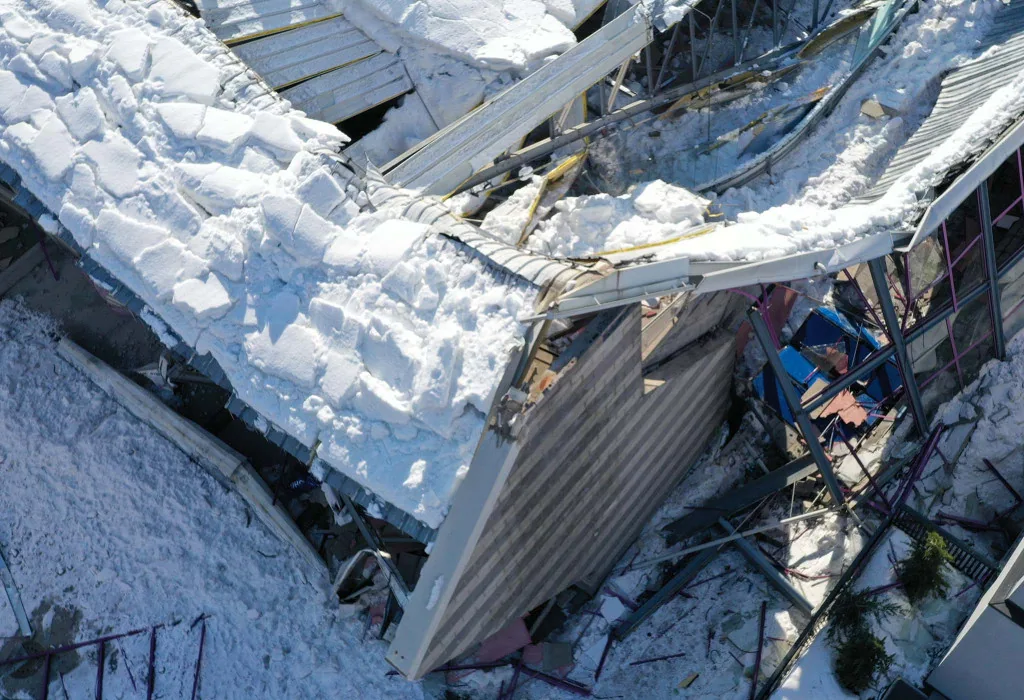
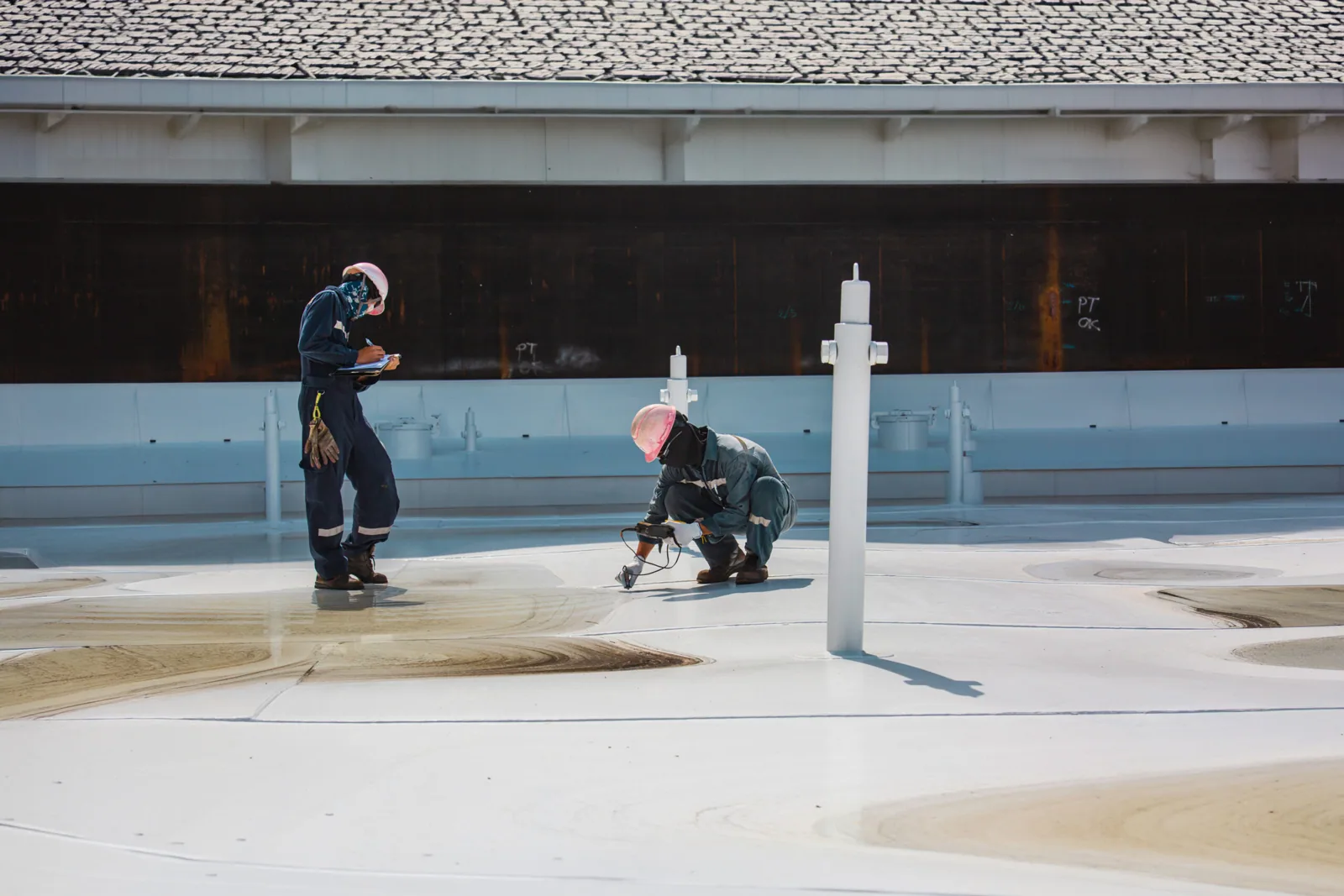
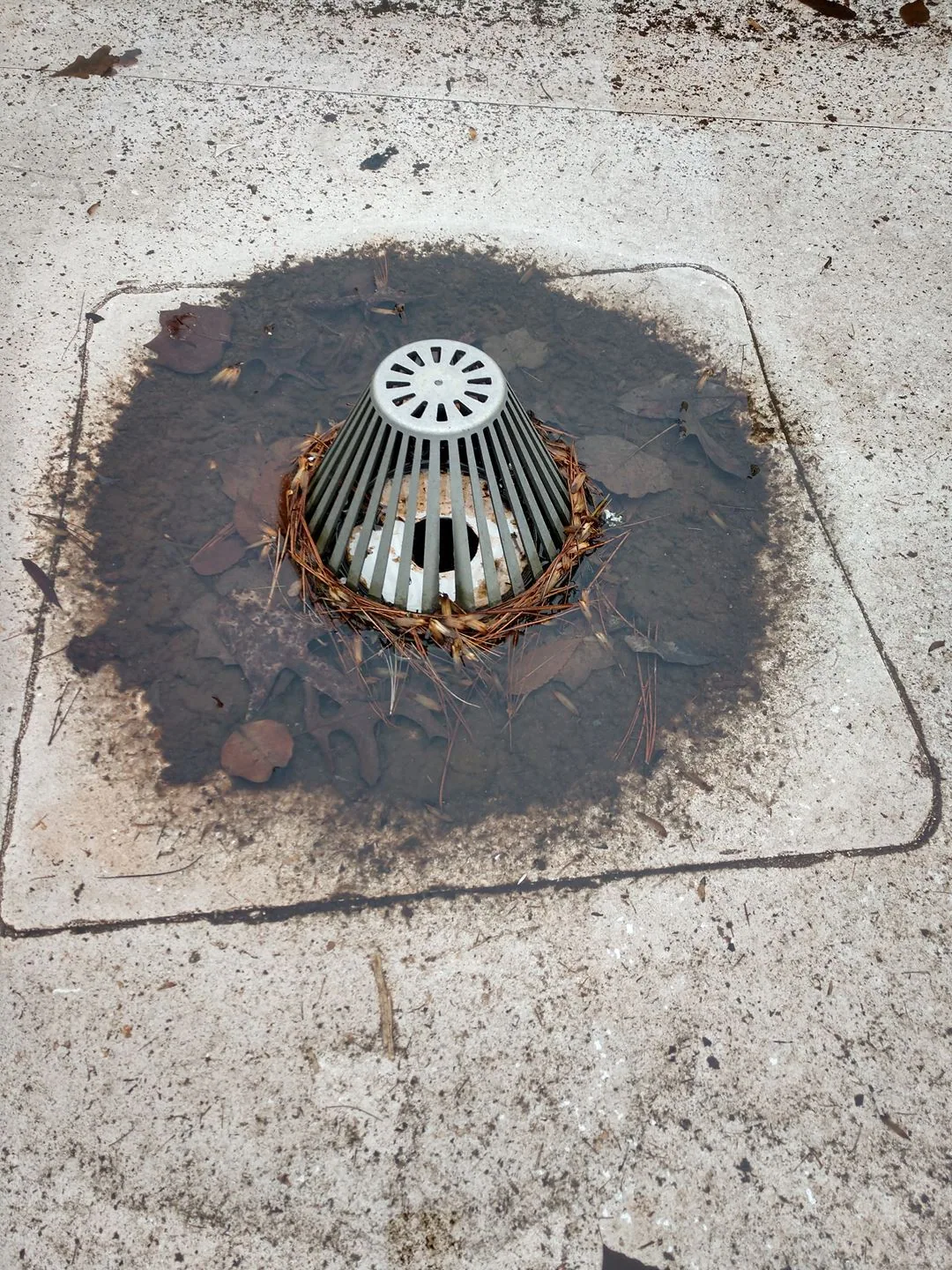
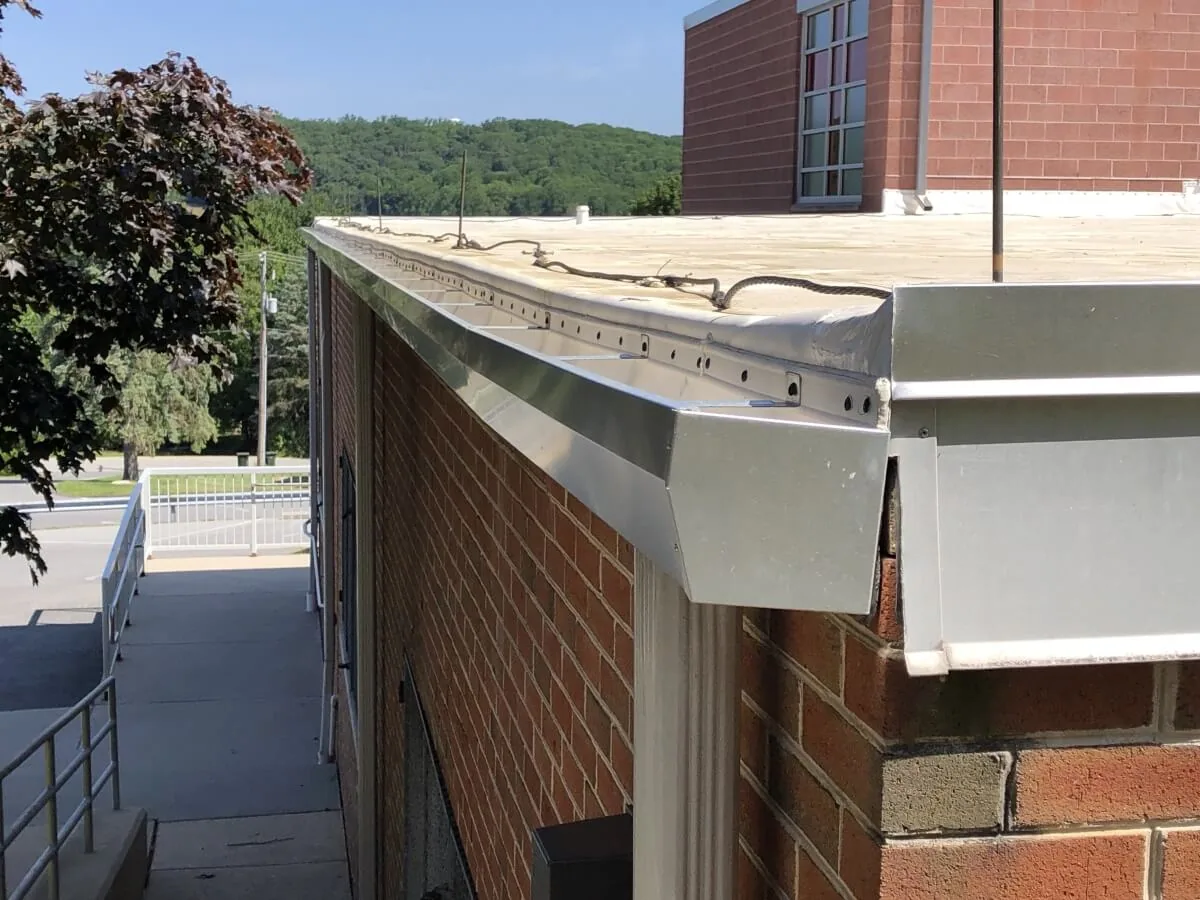
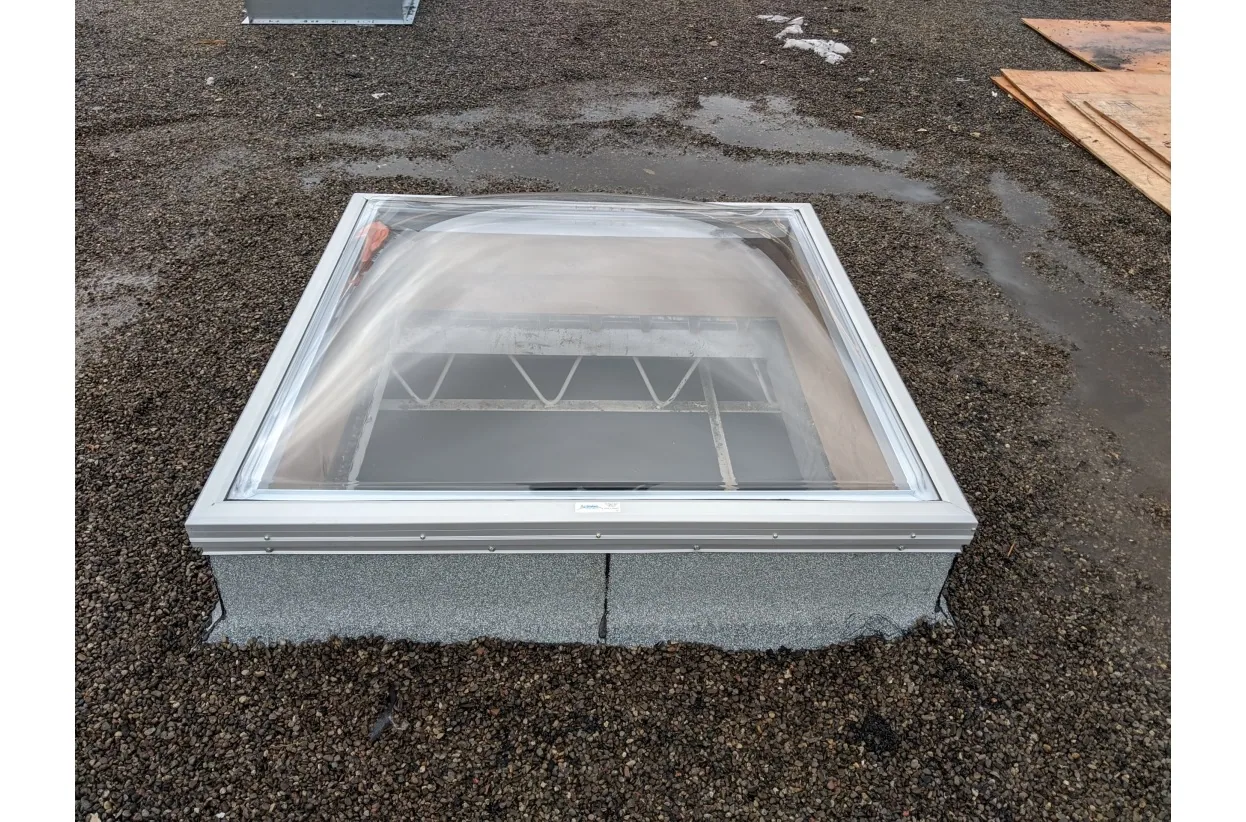
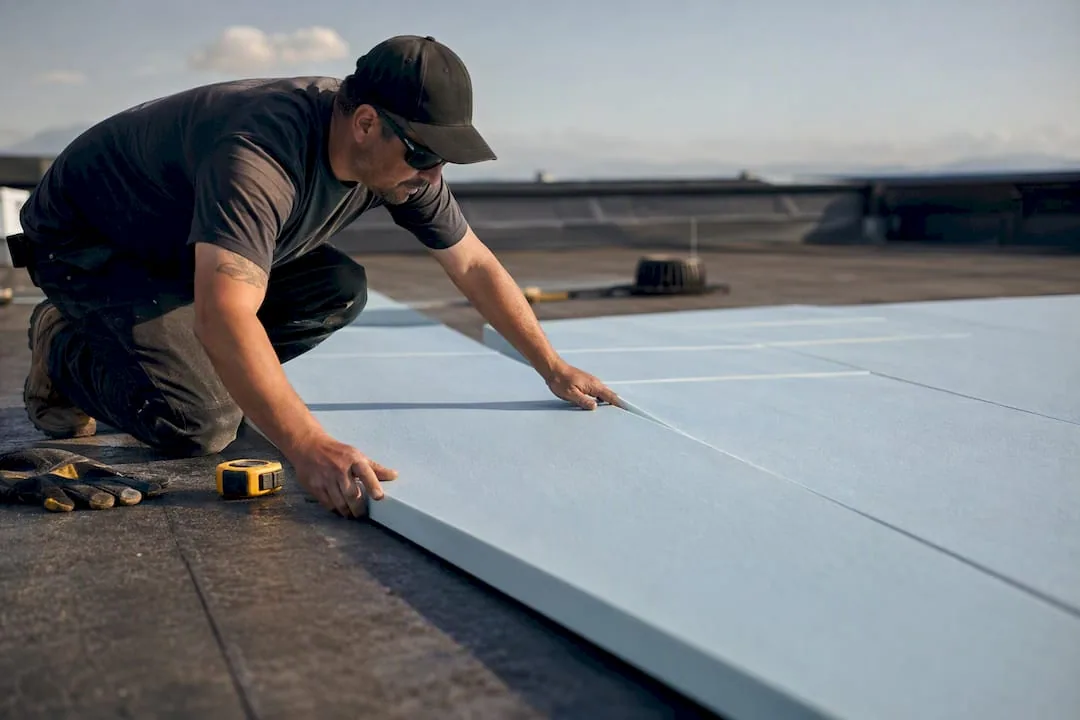
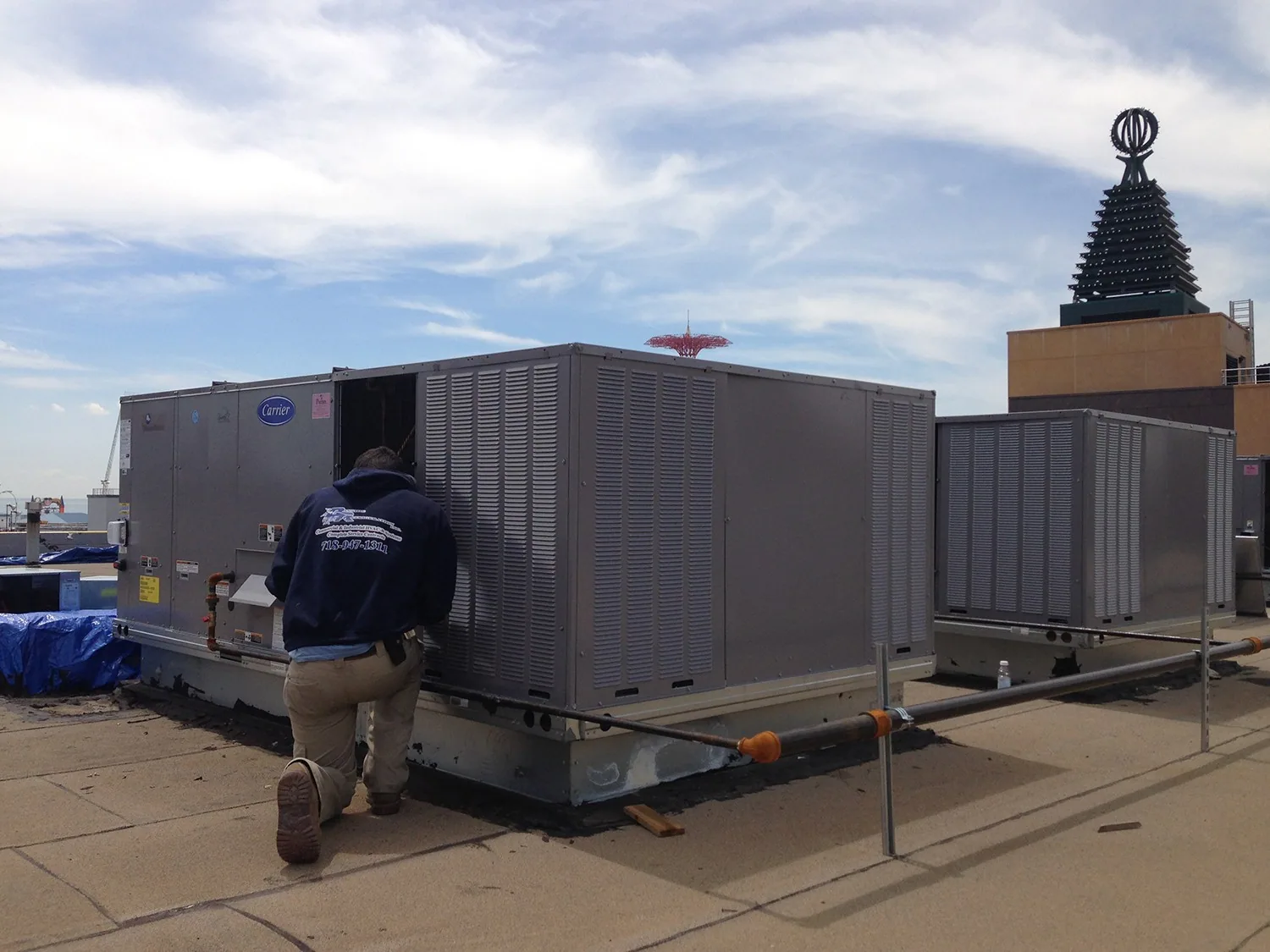
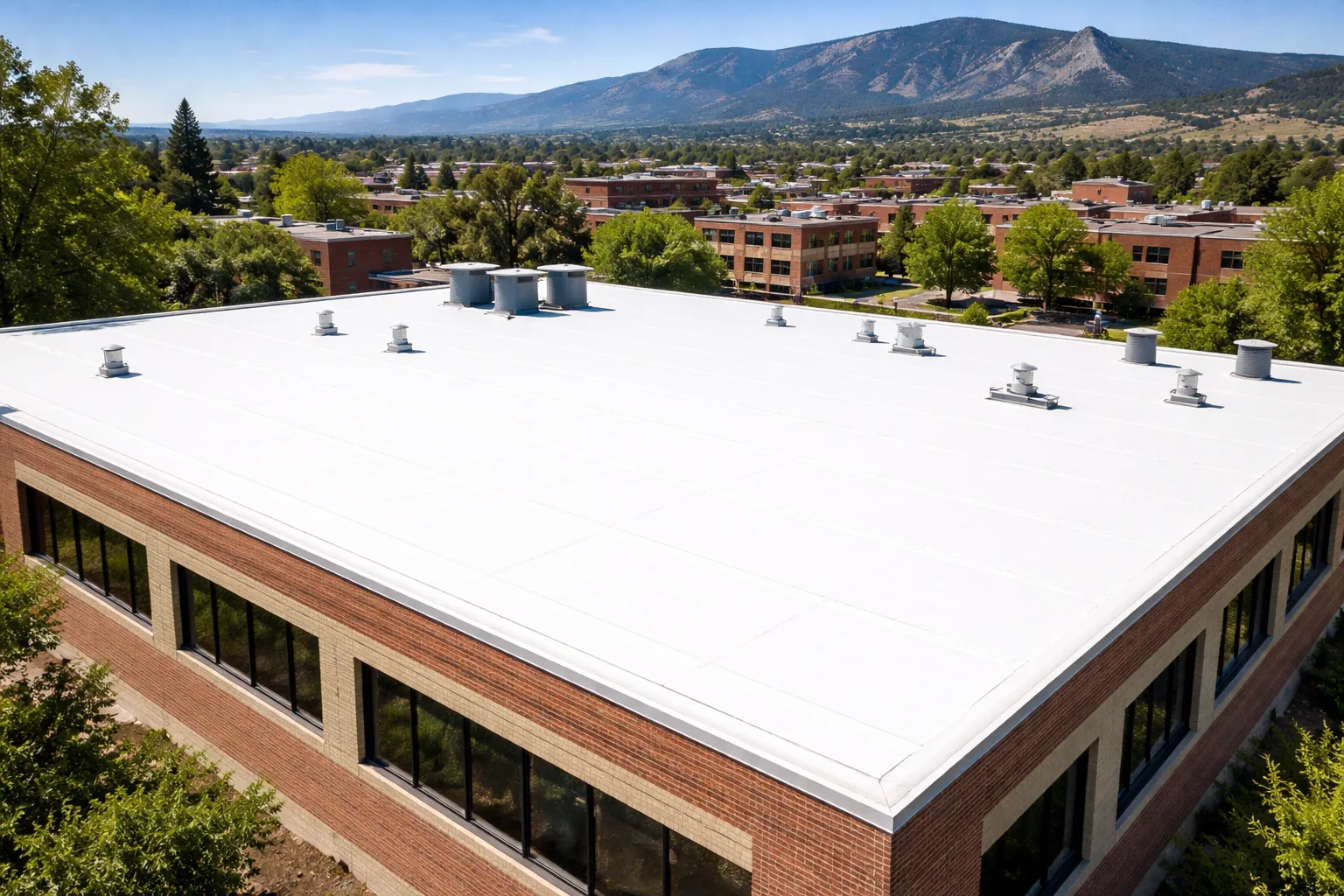
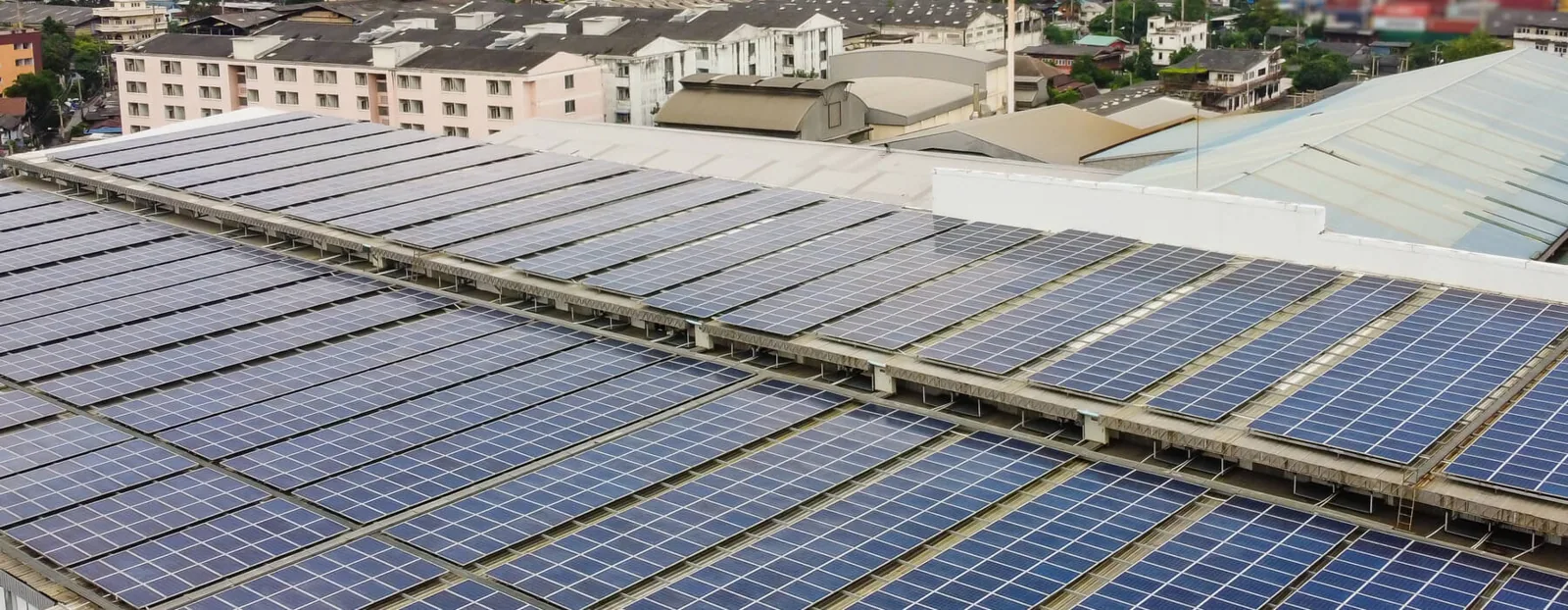
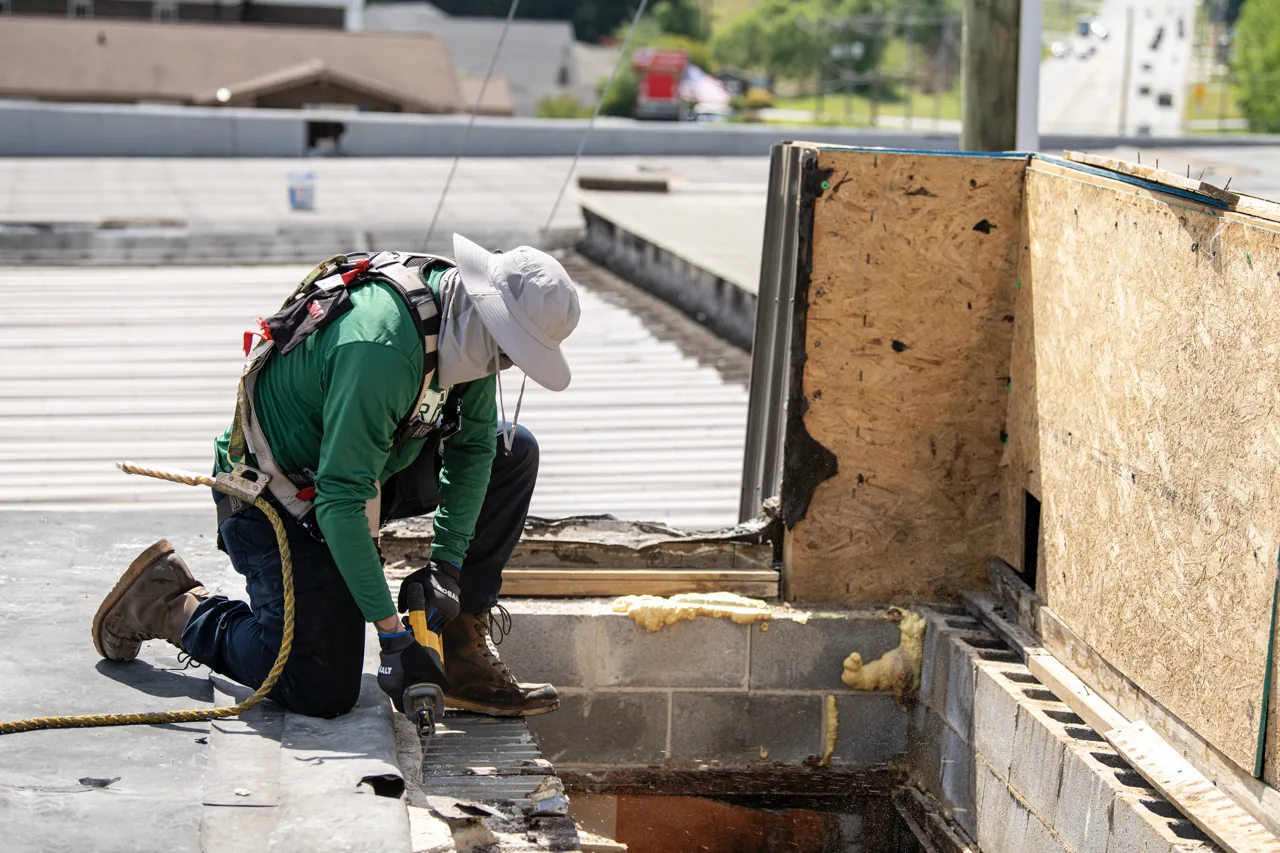
Start with the problem that changes the schedule: active leak, recurring stain, loose edge, or capital review. A commercial roof inspection records seams, penetrations, drains, wall transitions, access limits, and visible assembly. For concealed moisture questions, an infrared moisture survey can flag areas for confirmation when conditions support the method. We keep readings separate from confirmed wet material.
Repair scopes follow the observed failure. A leak investigation traces interior reports toward the roof zone. A commercial roof repair defines the boundary, compatible materials, and tie-ins. When water is entering now, emergency roof response can stabilize the opening and document the remaining work for a planned return.
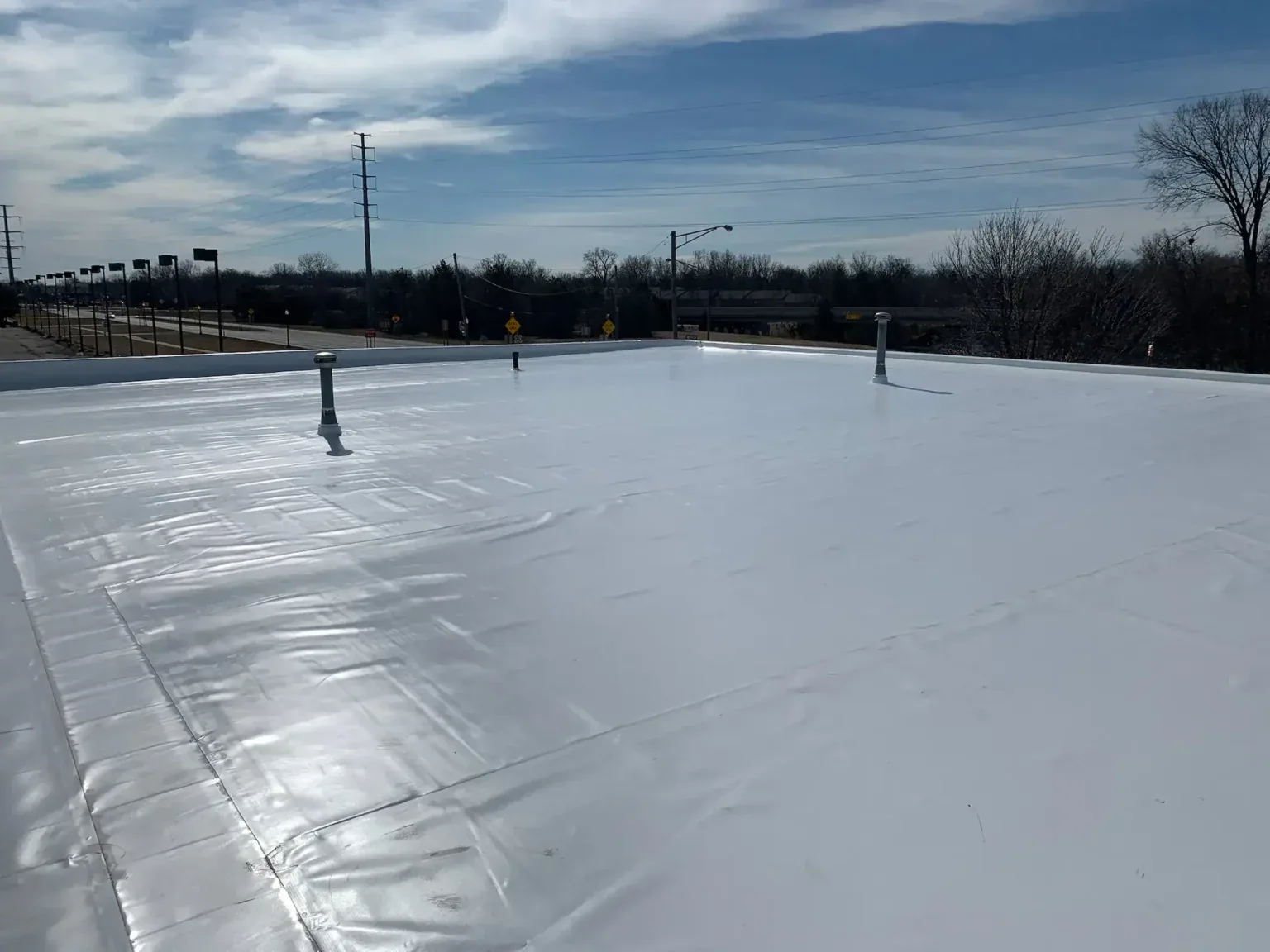
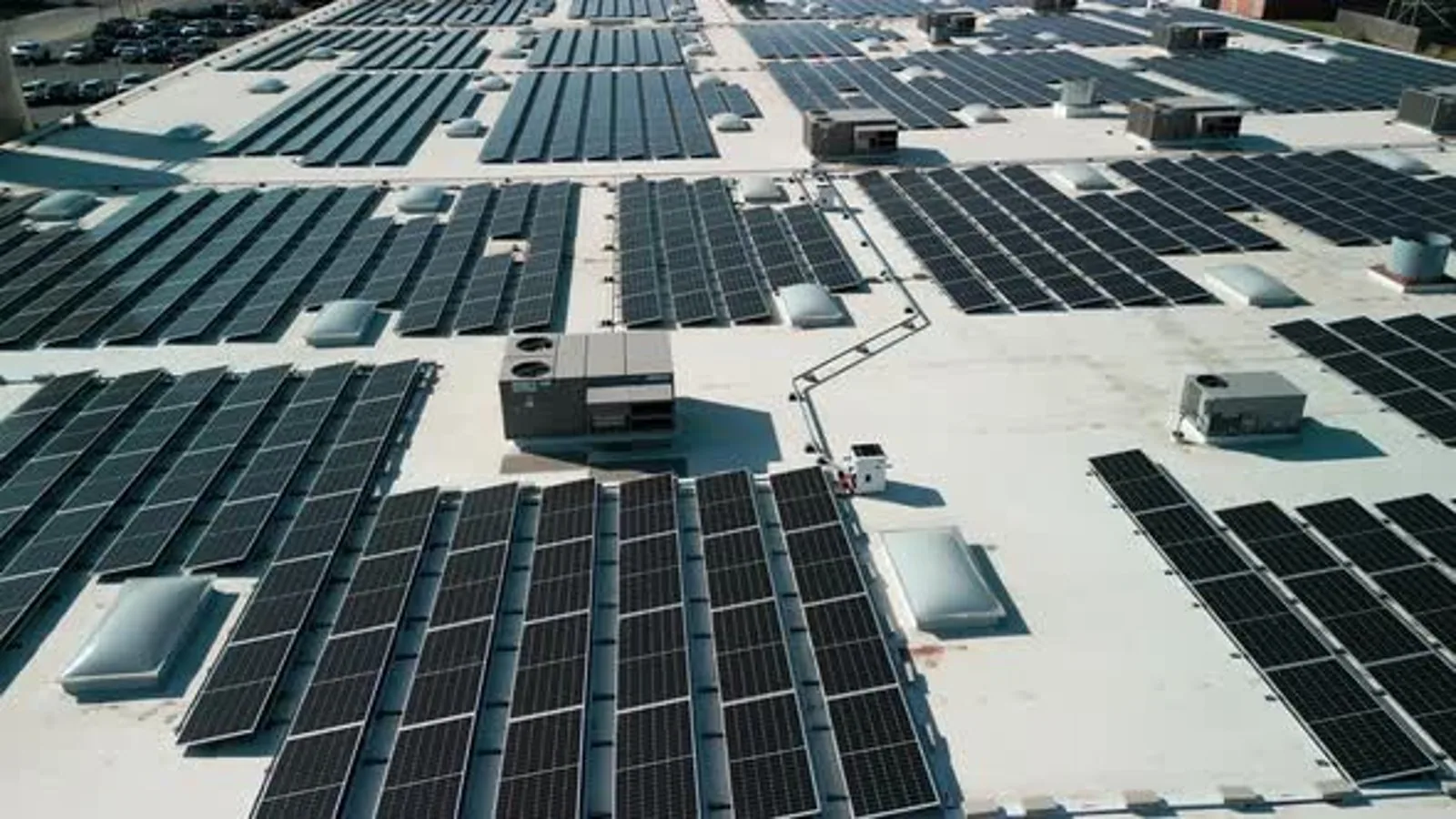
When repeated repairs, moisture, or assembly limits change the economics, compare the options on the same roof map. A recover review checks existing layers, attachment, drainage, and project requirements before covering a roof. A replacement scope sets removal, tie-ins, staging, and protection. Coating restoration is a separate path and depends on the substrate and preparation.
Work in an occupied building needs a defined access path, tenant notice, staging area, and daily closeout. Phased reroofing divides work into zones the crew can close securely. A maintenance program then checks drains, seams, and prior repairs. Jersey City corridors such as Central Avenue and West Side Avenue help identify the general service area, not a property's roof or access conditions. We record exclusions and unresolved tests in the handoff, so an owner can approve the next visit without reopening completed decisions. The daily closeout also notes which roof zone was sealed, which materials remain on site, and whether another access window is needed.
Send the property address, roof plan, active leak locations, repair history, access rules, and the decision awaiting approval. We will map the visit to the relevant roof zones.
Yes. Around-the-clock emergency response is available, holidays included. Tell dispatch where water is entering and how the building can be reached so the first visit can be sequenced safely.
We compare the observed failure, moisture evidence, layers, attachment, drainage, access, and expected disruption. The report identifies confirmed conditions and any testing still needed.
Often, with agreed roof zones, access, protection, notices, and daily closeout. The sequence depends on the assembly, weather window, and the building's operating constraints.