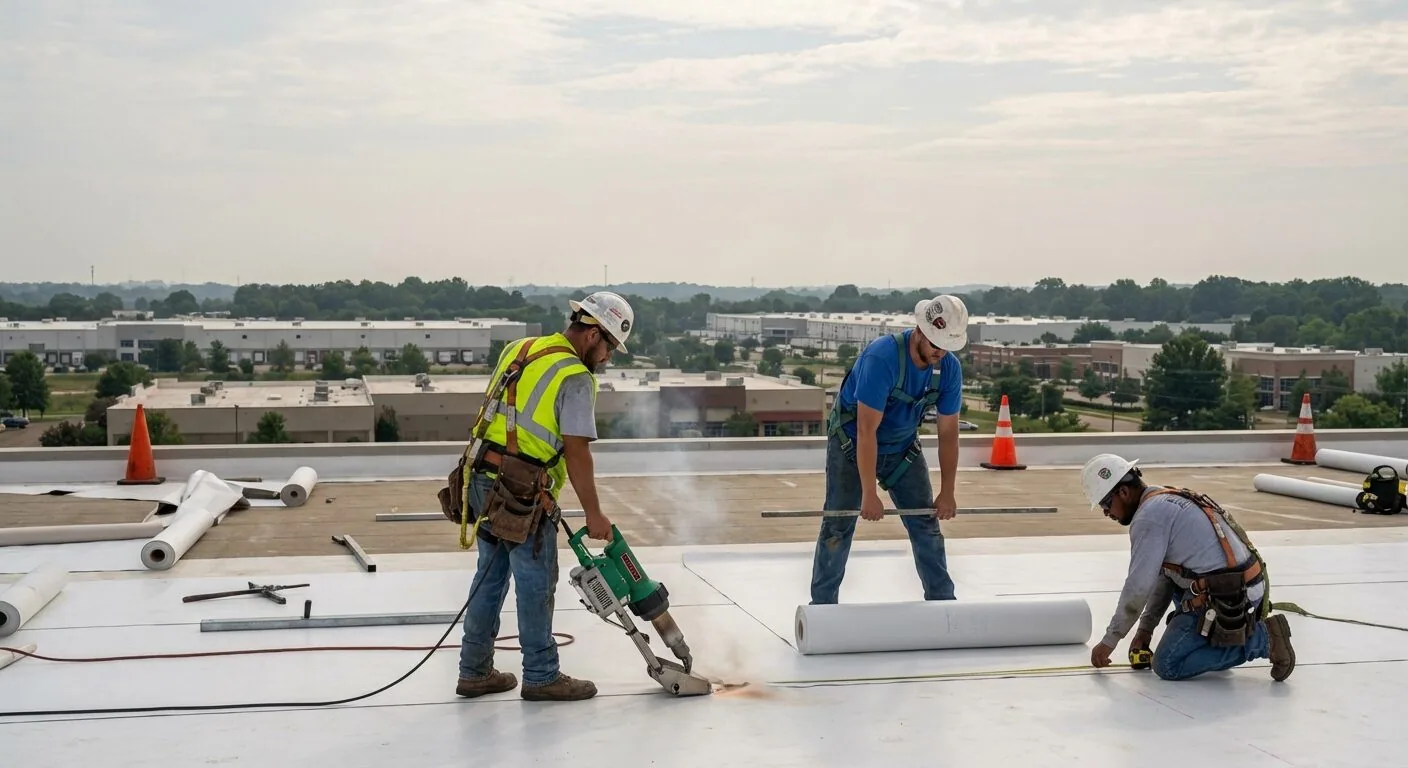
PVC Commercial Roofing in Jersey City, NJ
Review Jersey City PVC membrane seams, curb flashing, wet insulation, edge details, and drainage before approving commercial roof repairs or replacement.
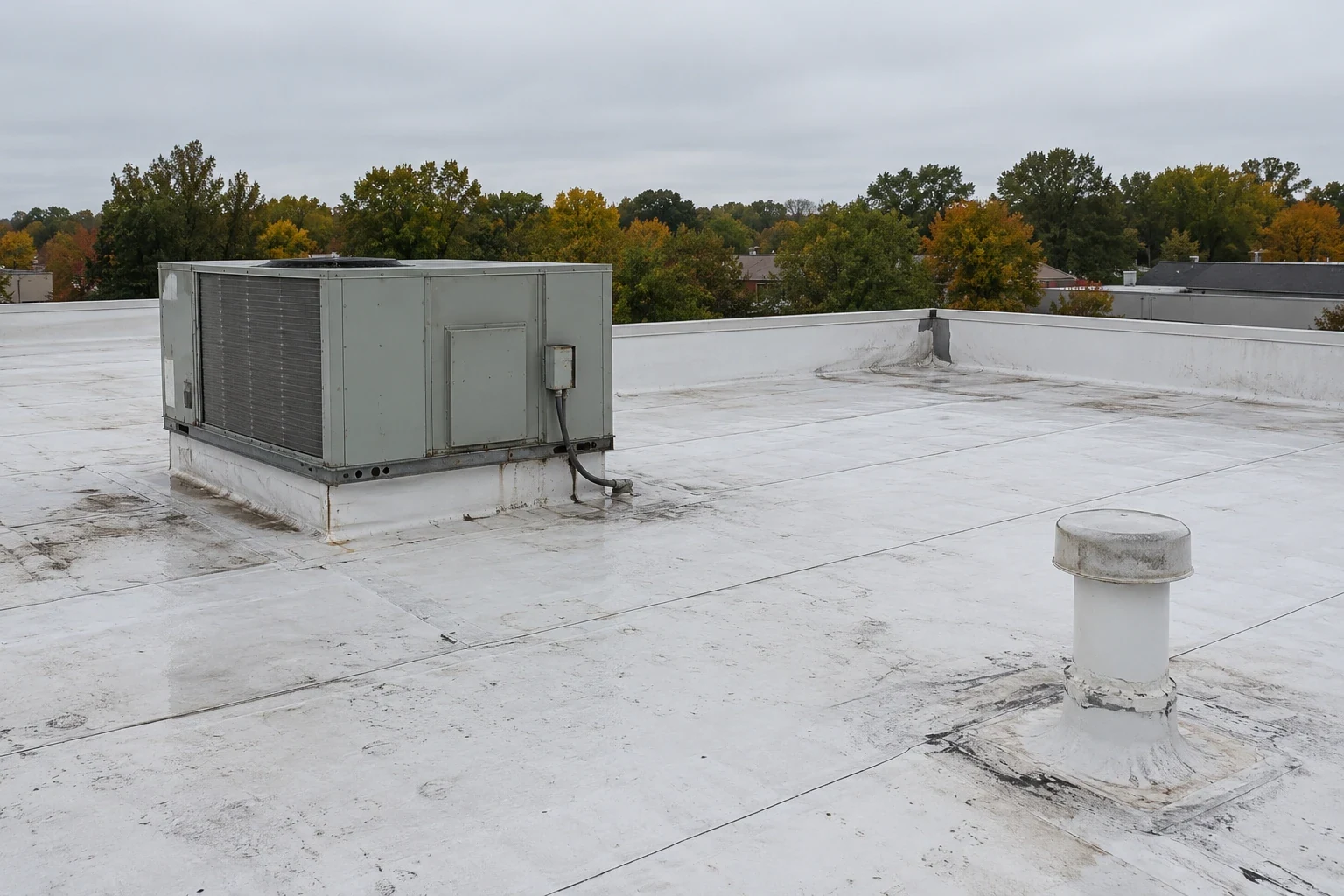
Review Jersey City PVC membrane seams, curb flashing, wet insulation, edge details, and drainage before approving commercial roof repairs or replacement.
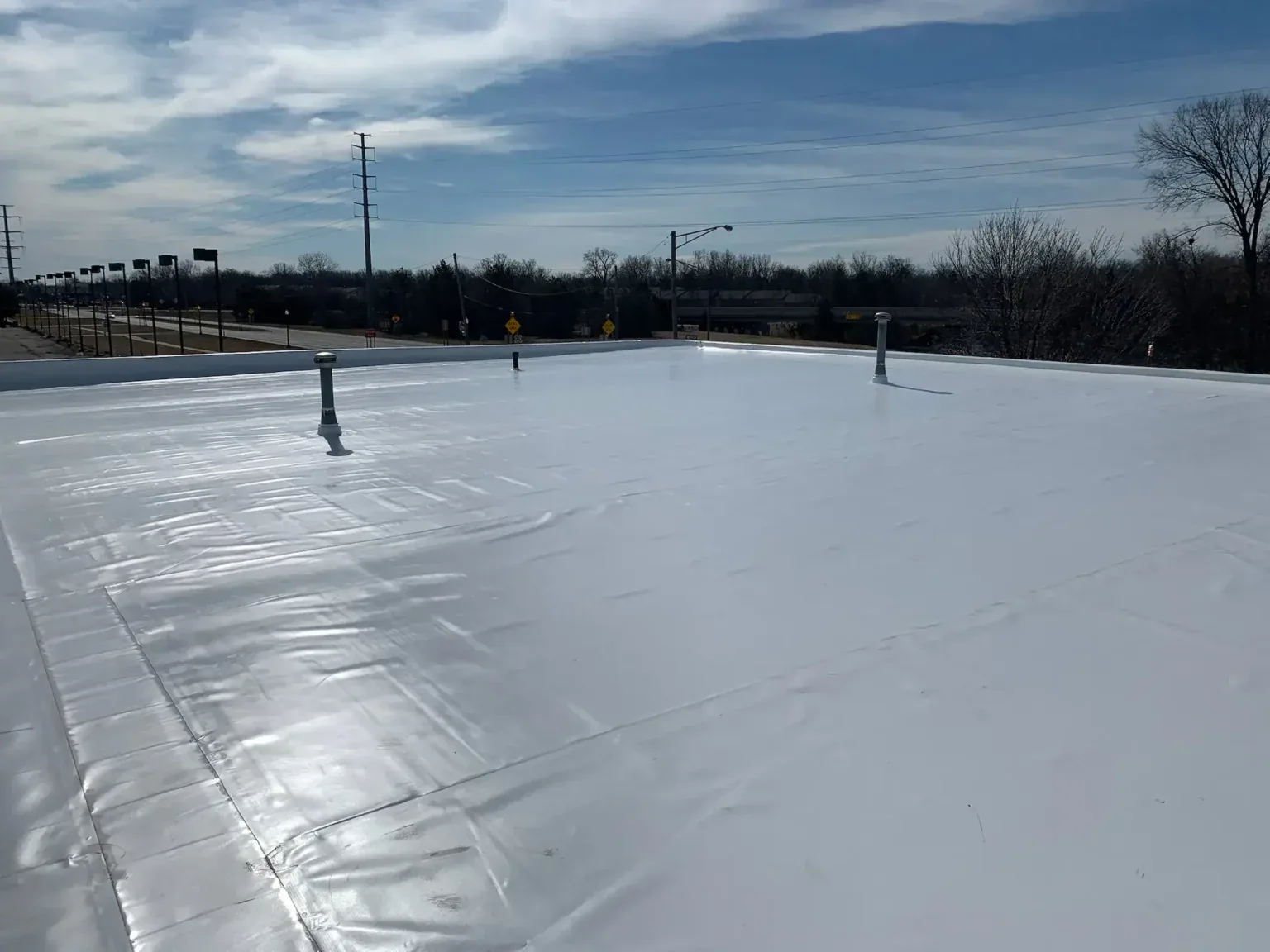
PVC roofing is a heat-welded membrane system, but a building decision still turns on the existing layers, seams, drains, and penetrations. On a Jersey City, NJ commercial roof, we identify the assembly and its repair history before choosing a patch or a broader scope. The city’s dense coastal setting and stormwater concerns make water management part of the review, not a reason to assume a roof is failing. A roof condition inspection maps the actual PVC field and transitions.
Polyvinyl chloride membrane has heat-welded seams and accessory details designed for that system. Weld contamination, temperature, movement, and prior repairs affect whether a seam remains watertight. We inspect the welds, T-joints, corners, drains, edge metal, and curb flashing, then compare the surface clues with interior reports. A written map distinguishes isolated openings from conditions that extend across a roof zone.
A PVC roof ties sheet membrane to wall flashing, curbs, pipes, drains, and edge metal. Each change in plane needs compatible material, secure attachment, and a closed termination. We look for open seams, shrinkage, splits, exposed reinforcement, fishmouths, and patches with lifted edges. At penetrations, a clean weld and correct accessory matter as much as the membrane field. The repair scope names the detail and how the new material will bond or weld to the existing assembly.
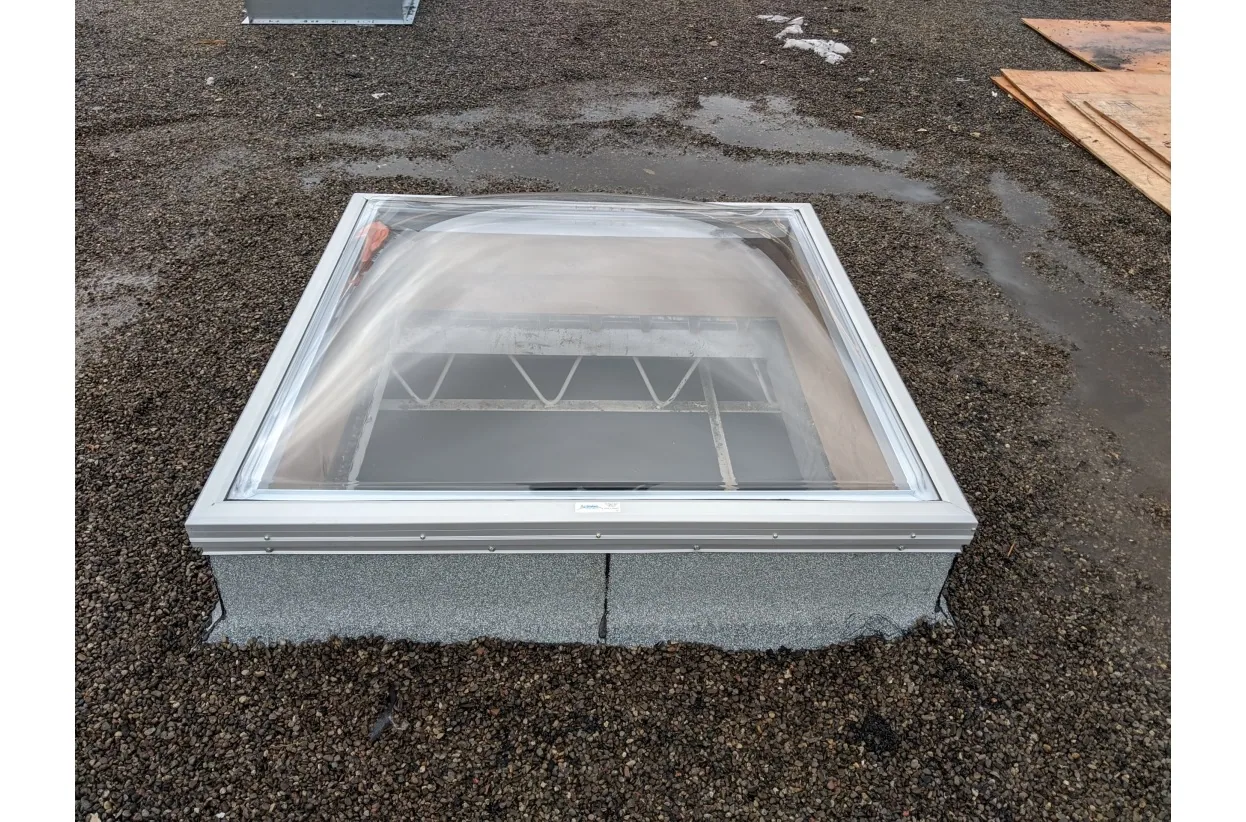
A penetration flashing review can inspect pipe boots, skylight frames, and curb corners where water follows an interface. We check whether a repair is practical before covering the area with another layer. The owner sees photographs and a repair boundary by roof zone, with a note when core or adhesion testing is needed. A PVC label alone does not establish compatibility, so we verify the existing product and available system documentation first.
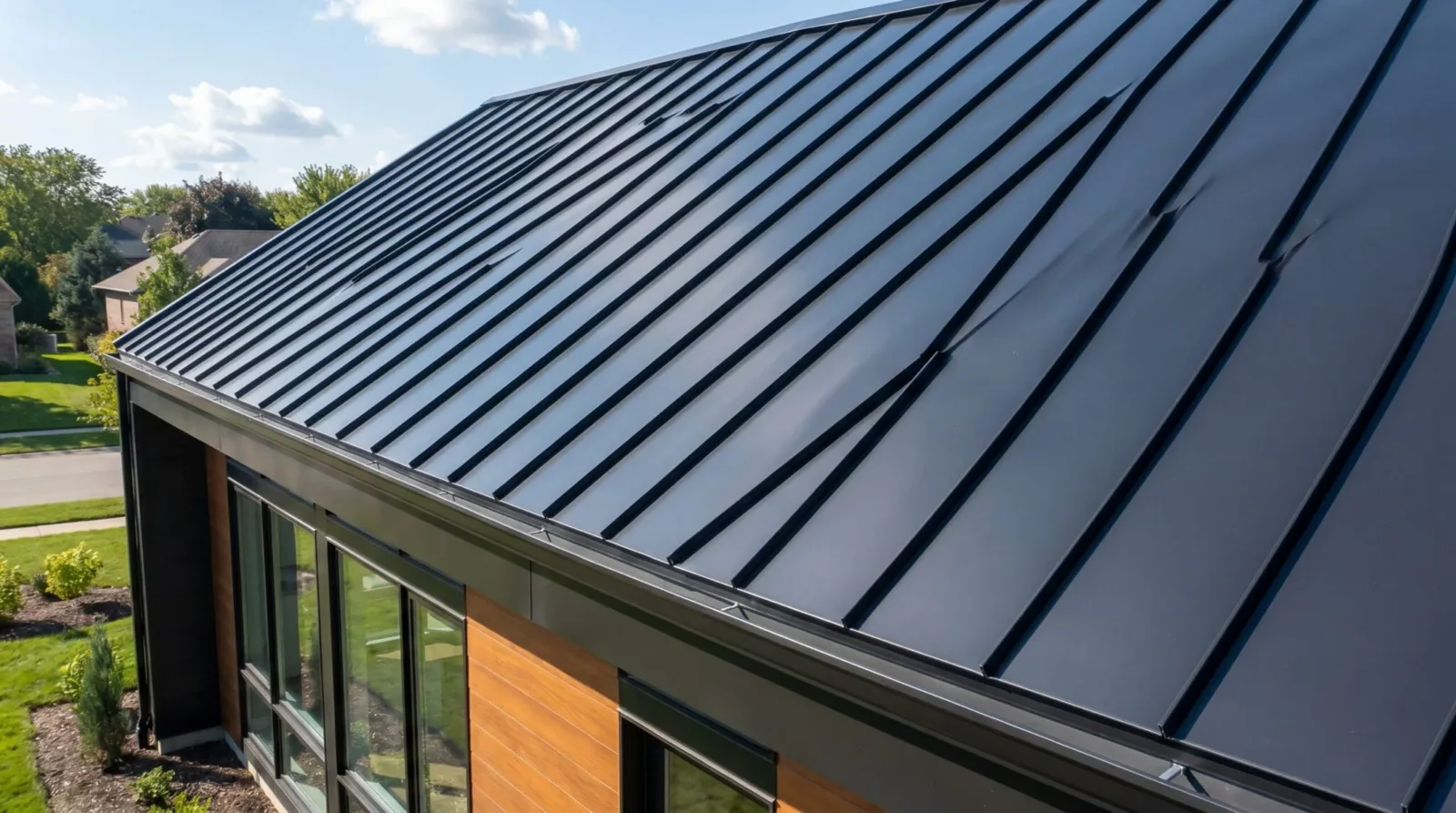
Arrange a site inspection to record seam, flashing, and drainage conditions. We will set a repair boundary or replacement scope around the assembly found in the field.
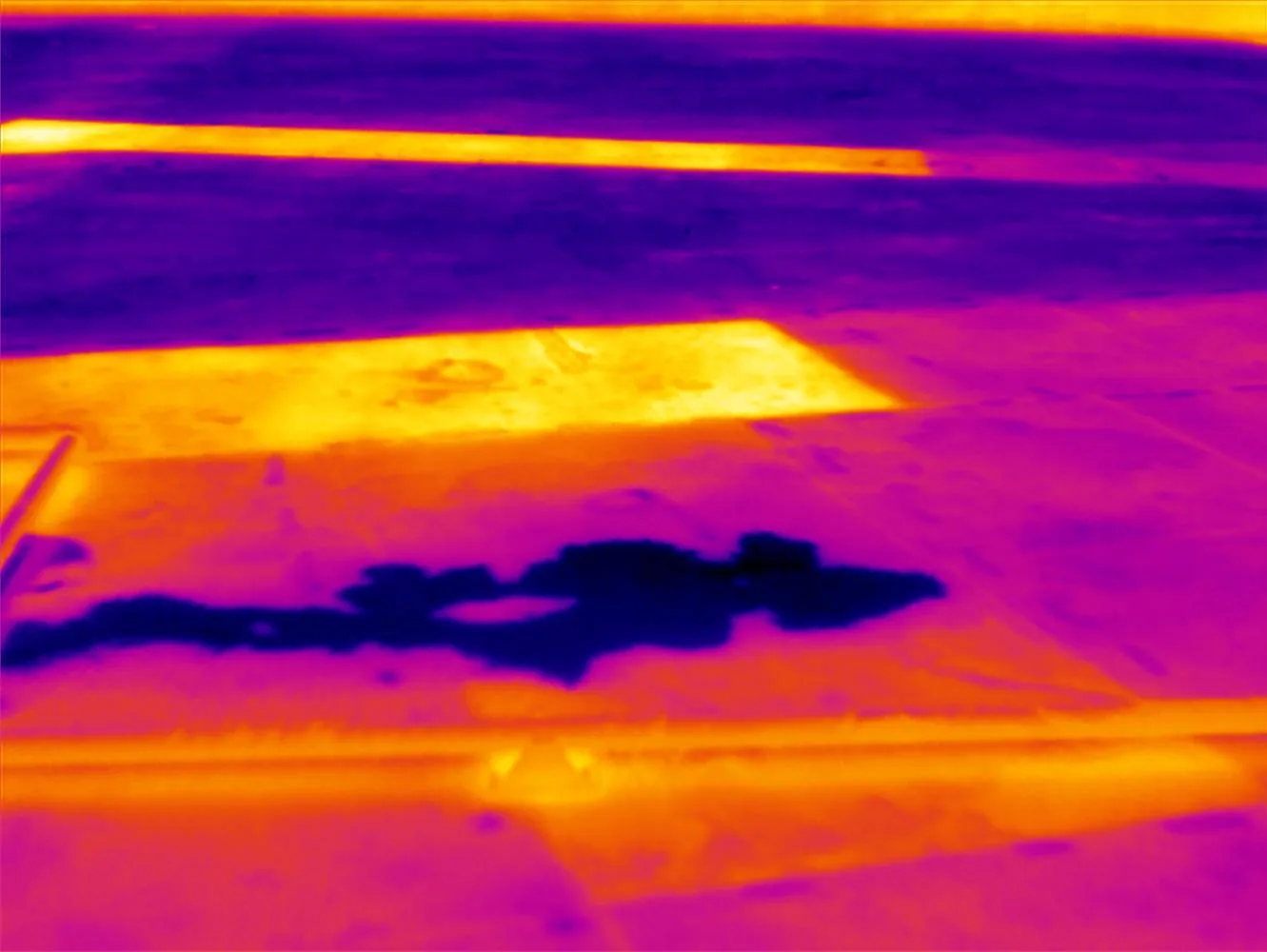
Membrane seams are only one part of the assembly. We inspect for trapped moisture, compressed insulation, loose cover board, corrosion, and movement beneath a PVC field. Soft spots and blisters are recorded by location, then reviewed with drainage and interior observations. A test cut can confirm layers when the visible surface cannot answer whether insulation should stay. The opening is repaired within the agreed scope, and its findings are added to the roof record before an owner chooses recover or replacement.
Flooding and property damage accompanied Irene and Sandy in Jersey City. That history makes water management a meaningful planning concern, but the building inspection still shows where water is entering. A targeted moisture survey can help select test points; it does not replace a core or visual confirmation. If the moisture tracks to a drain, scupper, or curb, we separate that entry detail from a membrane-wide condition.
Adhesion at a patch can be affected by dirt, oxidation, old sealant, or incompatible repair materials. We remove what the selected detail requires, prepare a clean weld area, and avoid placing a new patch over a soft or wet substrate. The Diligence Notes records preparation and seam test results rather than relying on the surface appearance alone. For a PVC roof that is beyond localized repair, a TPO replacement option can be compared on attachment, accessory details, and maintenance needs. The assemblies use different sheet chemistry and installation requirements.
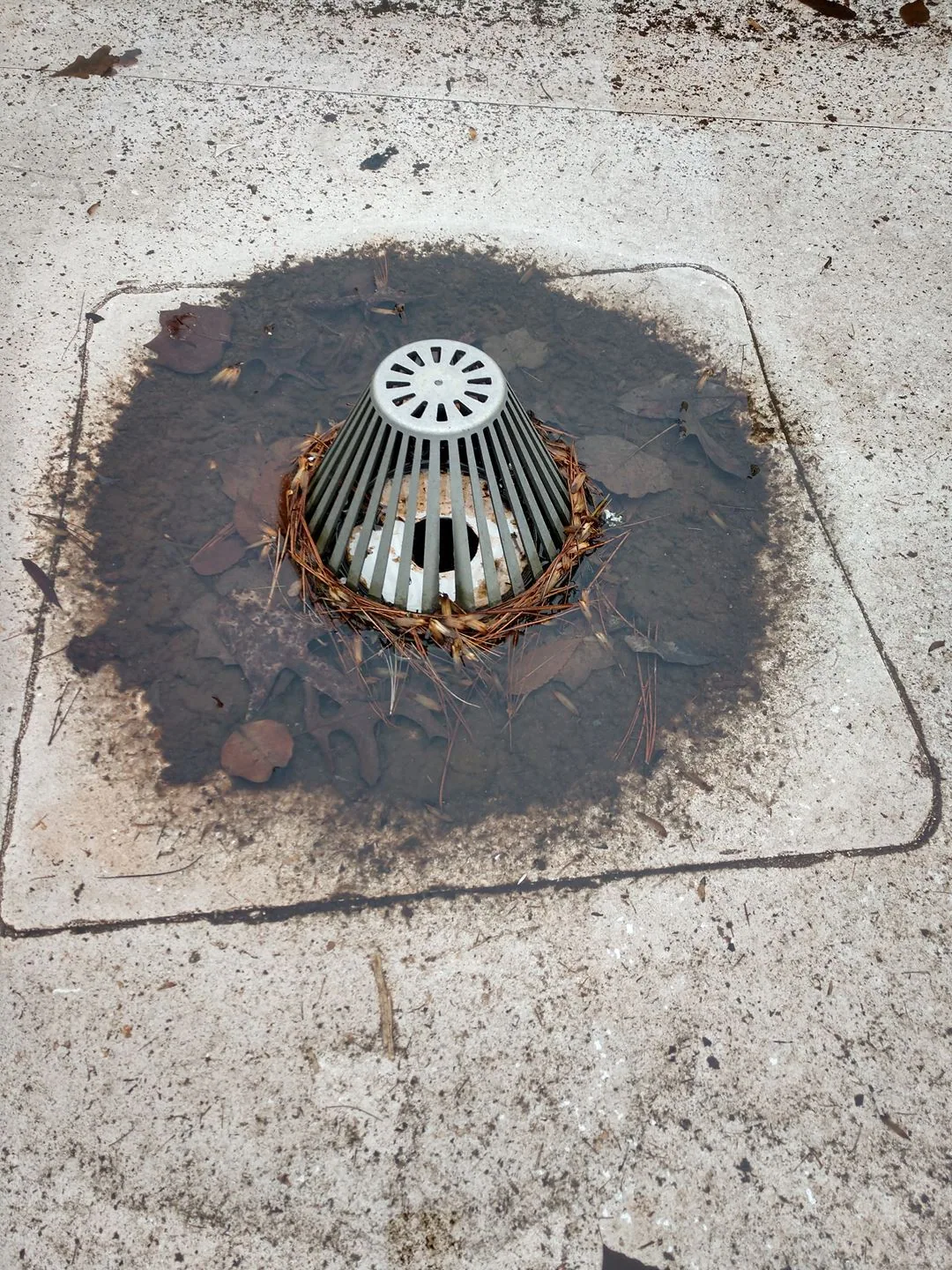
PVC surface water should reach a drain or scupper without crossing a dam at a curb or new insulation transition. We check bowl height, clamping rings, overflow paths, slope, and the membrane at the perimeter. Debris and standing water may obscure the actual defect. The inspection notes whether a drain assembly is clear, whether flashing is secure, and whether an edge detail needs mechanical attachment. A roof-level correction can be small, but it must preserve the drainage path and system compatibility.
Localized flooding and combined-sewer loading are part of Jersey City’s stormwater context. The roof scope addresses its own drains and overflow routes rather than extrapolating from citywide conditions. When a bowl or scupper detail is open, our drain and scupper repair can be priced with the PVC patch. A broader replacement may include tapered insulation or drain relocation only where the elevations and approved design allow that correction.
For a small failure, we remove contaminants, prepare the sheet, and weld a compatible patch sized for the defect and surrounding material. A repair may also need reinforcement at a corner, replacement of a prefabricated boot, or new flashing at a curb. We document the original condition and test the finished weld. If the membrane is aged, brittle, or repeatedly patched, the boundary may widen so the repair reaches sound material. The estimate describes that boundary and the condition that would change it.
A portfolio manager can weigh a PVC roof repair against a broader membrane replacement, or against the details of an EPDM assembly. We identify which repairs are urgent, which can be scheduled with planned work, and whether a future recover is technically plausible. The building’s use, access, equipment, and roof history influence timing and cost. We avoid combining unrelated interior concerns into a PVC scope unless inspection shows a direct connection to the roof opening.
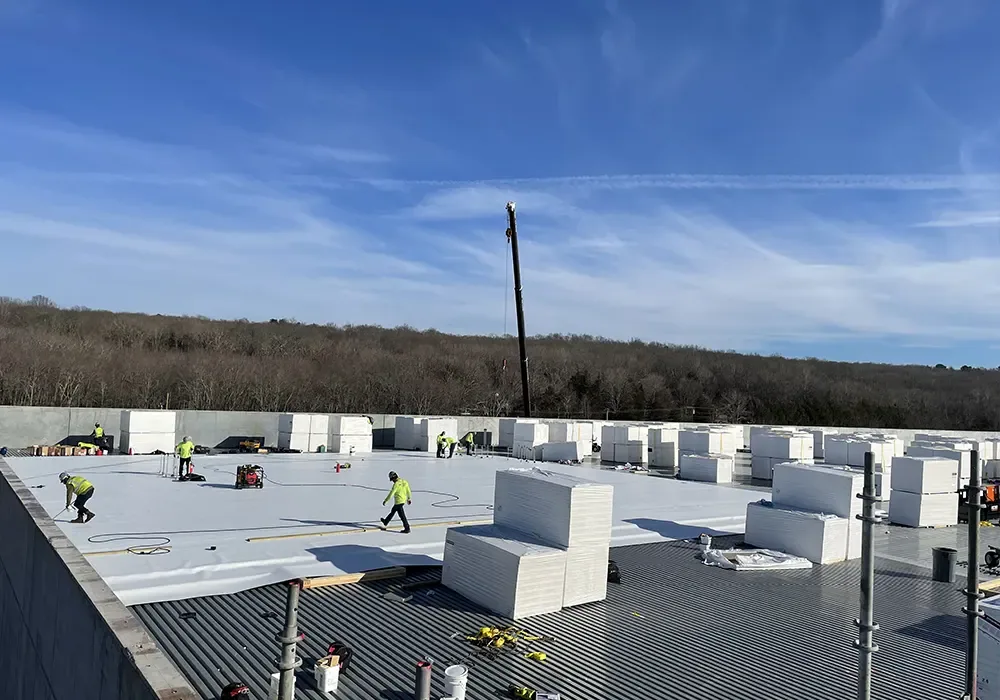
A PVC assembly may be the right replacement choice when the owner needs a welded membrane and the deck, insulation, and perimeter can support its details. We review attachment, fire and wind requirements from project documents, insulation compatibility, and manufacturer instructions. Existing roof layers are evaluated rather than assumed to be suitable. Where a new system is proposed, the scope identifies removal, cover board, sheet, flashings, drain details, and protection during the work window.
Before work, we confirm whether the roof is exposed to regular service traffic and where other trades need a safe route. Temporary protection and material staging should not cover drains or create sharp turns across finished flashing. We coordinate a tie-in at the end of each work period and check it before leaving the zone. For the owner, the relevant comparison is not a product label by itself; it is the existing deck, membrane condition, drainage, and access plan. Those inputs set the scope and the workable sequence.
Greenville Industrial and Tonnele Avenue Light Industrial are distinct Jersey City work areas where service access and equipment coordination can matter. A portfolio property in Hoboken needs its own system and route inspection, since one building's roof says nothing certain about another's. We verify the route for materials, lift access, hatch condition, and occupied-floor limits at the property. A phased work sequence can keep each open PVC zone within a manageable closeout boundary.
At completion, the owner receives the system identified, repair areas, seam test locations, photos, drain and edge notes, and any open question that needs a separate design decision. The record gives future service crews a reference for existing patches and product details. Planned maintenance should check drains, penetrations, and exposed edges after significant weather and after rooftop trade work. We can inspect the next priority zone and update the map before the owner authorizes a larger capital project.