Roofing Capabilities in Jersey City, NJ
Use Jersey City roof surveys, condition reports, warranty tracking, and capital planning to coordinate work by building, roof zone, and approval need.
Use Jersey City roof surveys, condition reports, warranty tracking, and capital planning to coordinate work by building, roof zone, and approval need.
For a Jersey City portfolio, the useful capability is a record that carries a roof decision from inspection through handoff. We map buildings and roof zones, document access limits, and separate observed conditions from questions that need testing. The city has six large districts or wards, including Downtown, Journal Square, and Greenville. Across Downtown, Journal Square, and Greenville, we confirm access at each building before staging and leave a roof-zone record for the next decision.
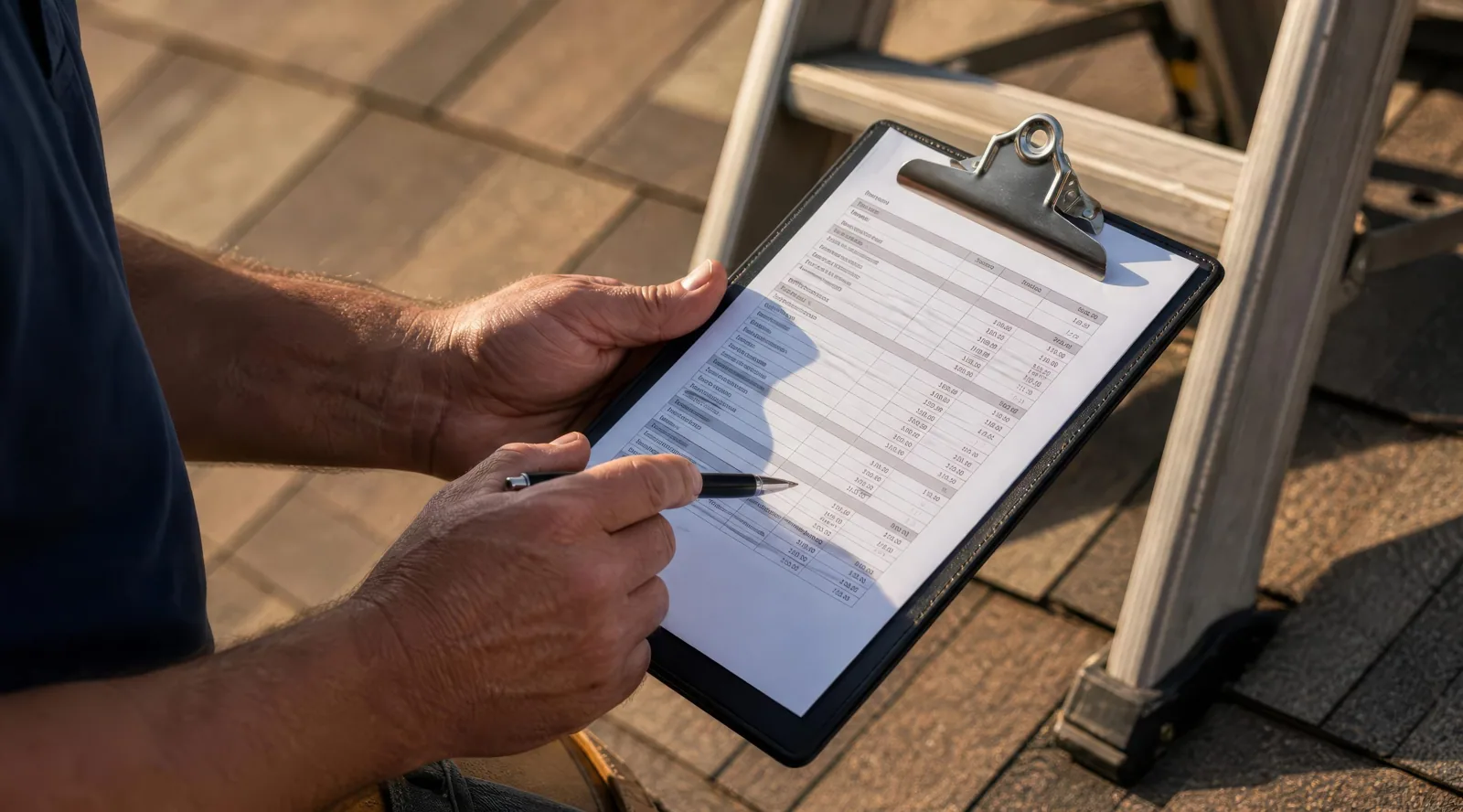
A roof condition report organizes photographs, assembly notes, drainage, repair boundaries, and next steps. For a transaction or portfolio review, due-diligence surveys identify visible concerns and records that remain outstanding. A warranty review keeps available terms, repair history, and follow-up items connected to the correct building.
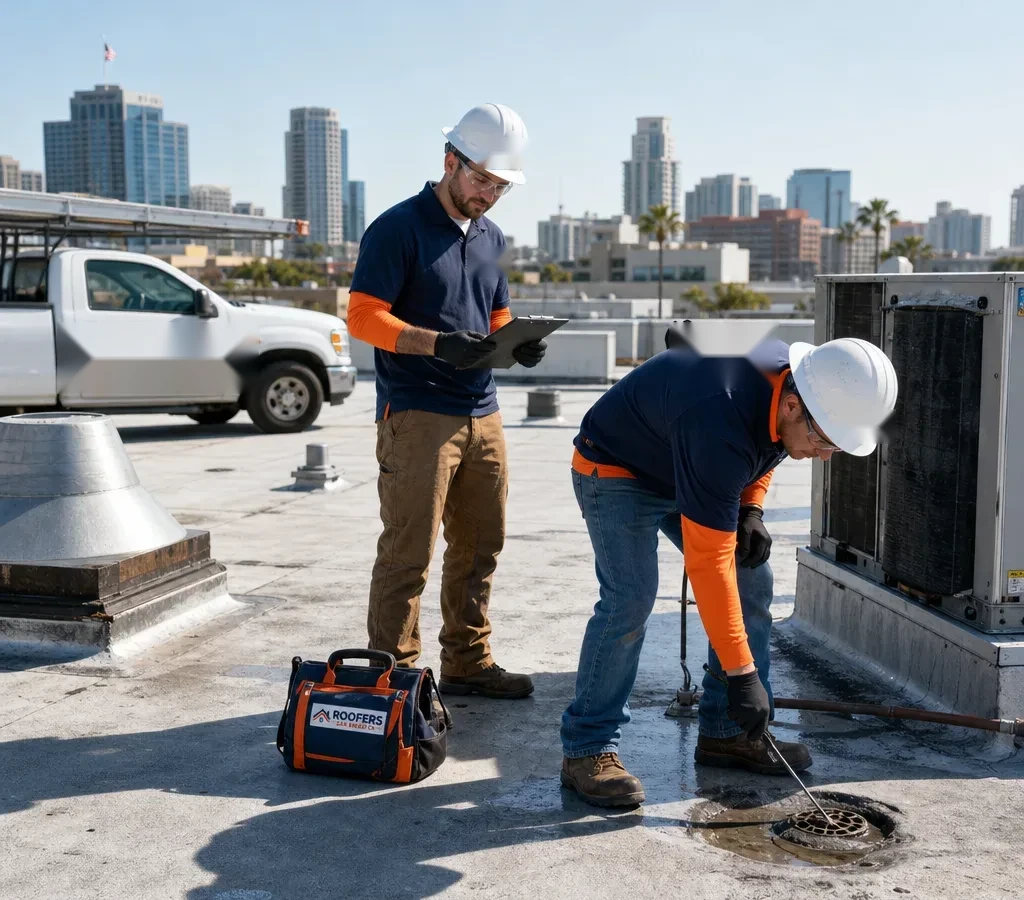
Capital planning compares repair, recover, and replacement by condition, timing, and access. Roof asset management keeps zone labels and completed work consistent across facilities. Jersey City is a dense coastal community with localized flooding and stormwater loading concerns. We keep outlet condition and water-entry records beside assembly and moisture findings in the capital file.
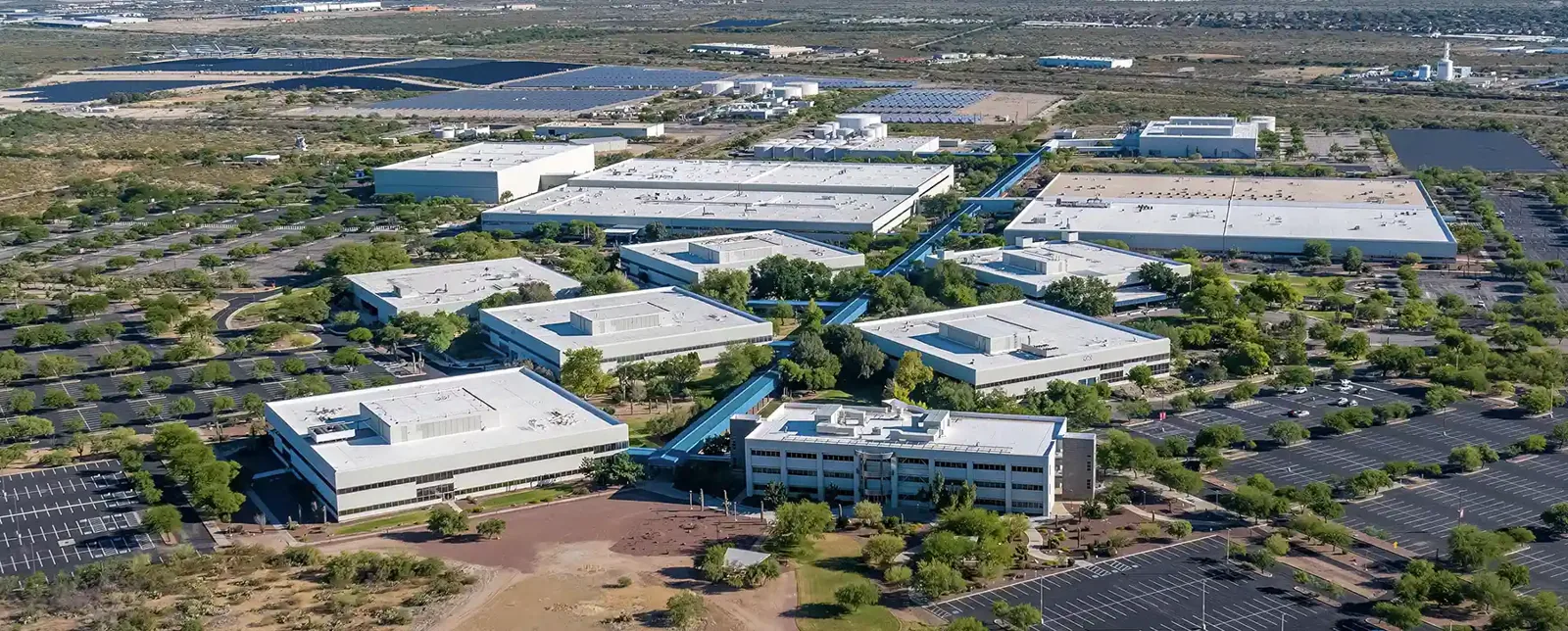
For a manager with several properties, multi-site roof programs can establish shared inspection fields while preserving separate conditions by address. Greenville and Journal Square are distinct district references, and each site may have its own access path and operating constraints. We identify who approves testing, what can be scheduled together, and which work needs its own mobilization.
Capability work should leave a usable handoff: dated photos, site contact, access notes, roof plans, confirmed materials, unresolved questions, and the person responsible for the next decision. The record can support annual review, a claim file, or a capital request without implying that a survey determined hidden conditions. After Irene and Sandy, Jersey City recorded flooding, power loss, and property damage; capability planning includes a documented post-storm roof review. Each current scope starts with the roof zone, outlet path, and condition observed on site. Keep open approvals visible in the handoff, including a proposed test location, contact, and date needed. This lets the owner advance the next step without treating a pending question as a confirmed roof condition.
Include address, roof-zone map, visible assembly, drainage, photographs, access limits, repair history, findings, and next steps. Keep concealed conditions separate until testing confirms them.
Yes. We can use shared fields for condition and maintenance while keeping each building's assembly, access, and findings separate.
Due diligence focuses on visible condition, available records, limitations, and items requiring follow-up for a transaction or asset review. Repair inspection defines the work needed for a reported condition.
The record should name the decision-maker and list the approval, test, or work order needed next. We connect each action to a roof zone and its supporting observations.