Commercial Roofing in Bayonne, NJ
Commercial roof repair, replacement, inspection and maintenance for Bayonne, NJ buildings, with sequenced work windows and written roof-zone records.
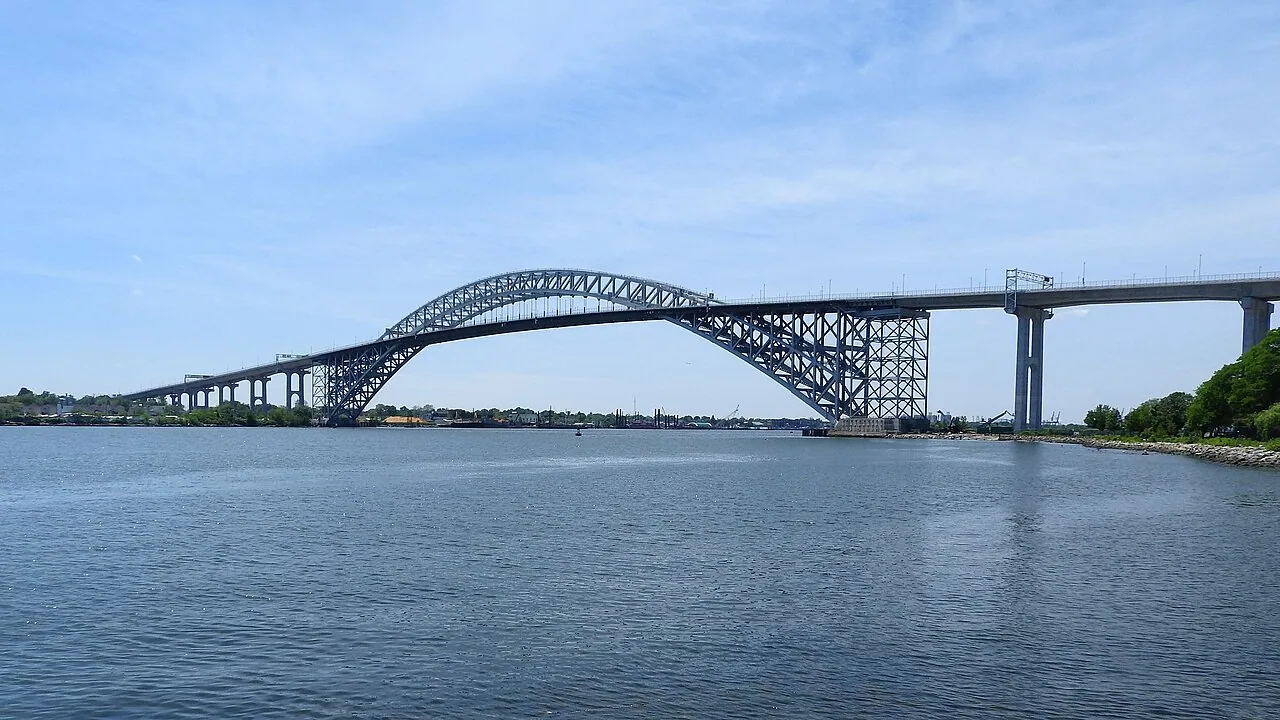
Commercial roof repair, replacement, inspection and maintenance for Bayonne, NJ buildings, with sequenced work windows and written roof-zone records.
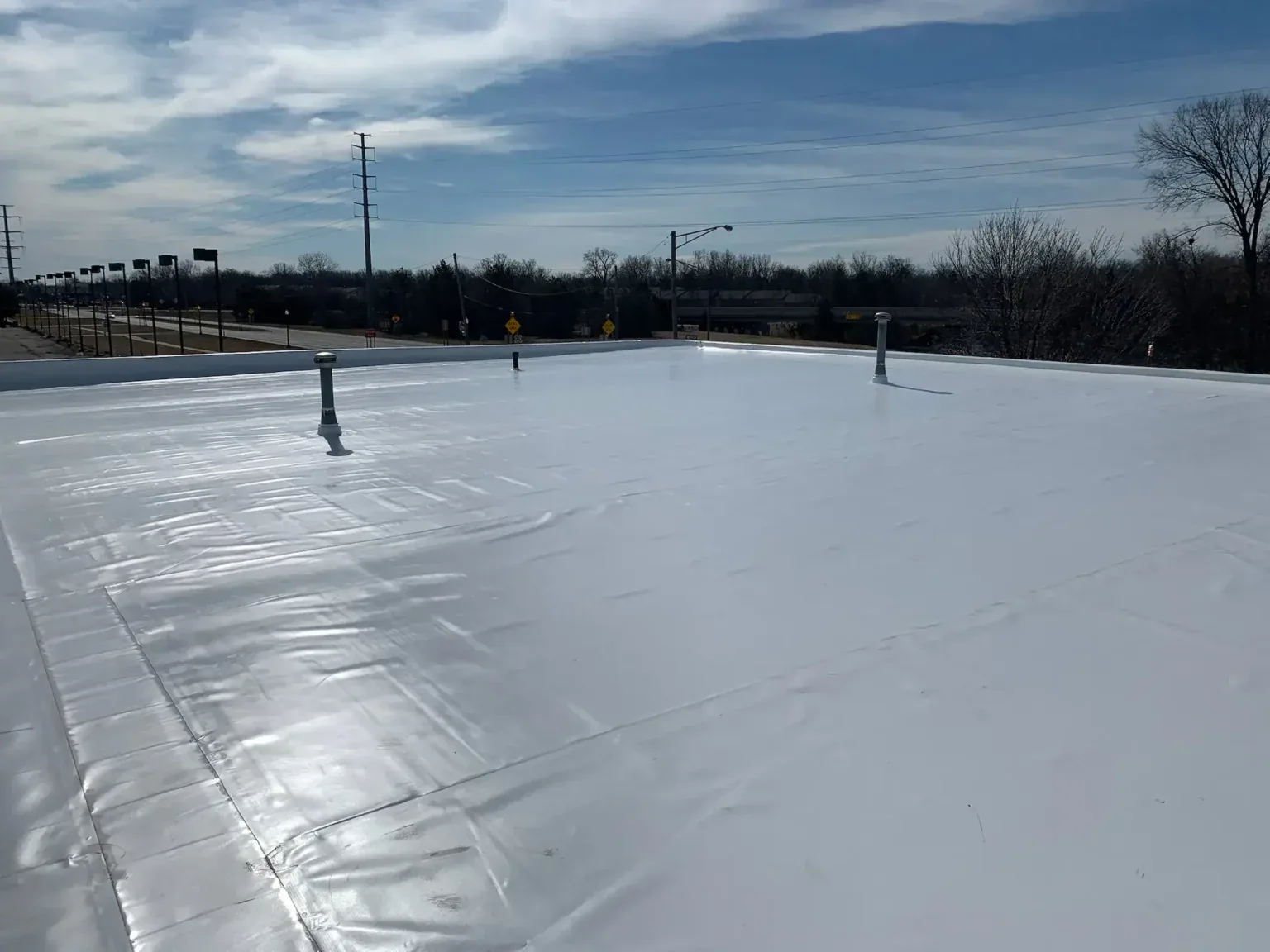
A Bayonne roof call starts with the water path and the access path, in that order. Bayonne, NJ is a Hudson County city of 5.82 square miles, and a commercial roof here can mean a single hatch and one drain or a deck of rooftop units, several outlets and a loading area the crew has to share with deliveries. We walk the roof, mark each roof zone, and decide what can be patched, what needs a tie-in to sound membrane, and what belongs in a capital plan. Owners who cannot tell where an interior stain starts can book a commercial roof inspection before approving any repair scope.
The first walk is a survey, not a sales visit. We divide the roof into zones: field, perimeter, equipment area, drains, and every wall or parapet transition. Each zone gets photographs, a condition note, and a priority. We do not assume a membrane type from the street. We identify it by walking the seams, probing the lap edges, and checking what the previous repairs were made.
Compatibility matters on this step. A patch in a modified bitumen roof uses torch-free or cold-applied details that bond to the existing sheet, while a heat-welded single-ply roof needs a clean, weldable surface. If the wrong material has gone onto a seam, we say so and mark the area for removal. The written record names each zone, the defect, and the repair method, so a property manager can approve scope in sections instead of accepting one lump number.
Send the building address, the roof access rules and the hours your tenants need protected. We will walk the roof, mark the highest-priority roof zones, and recommend a sequence that fits your work windows.
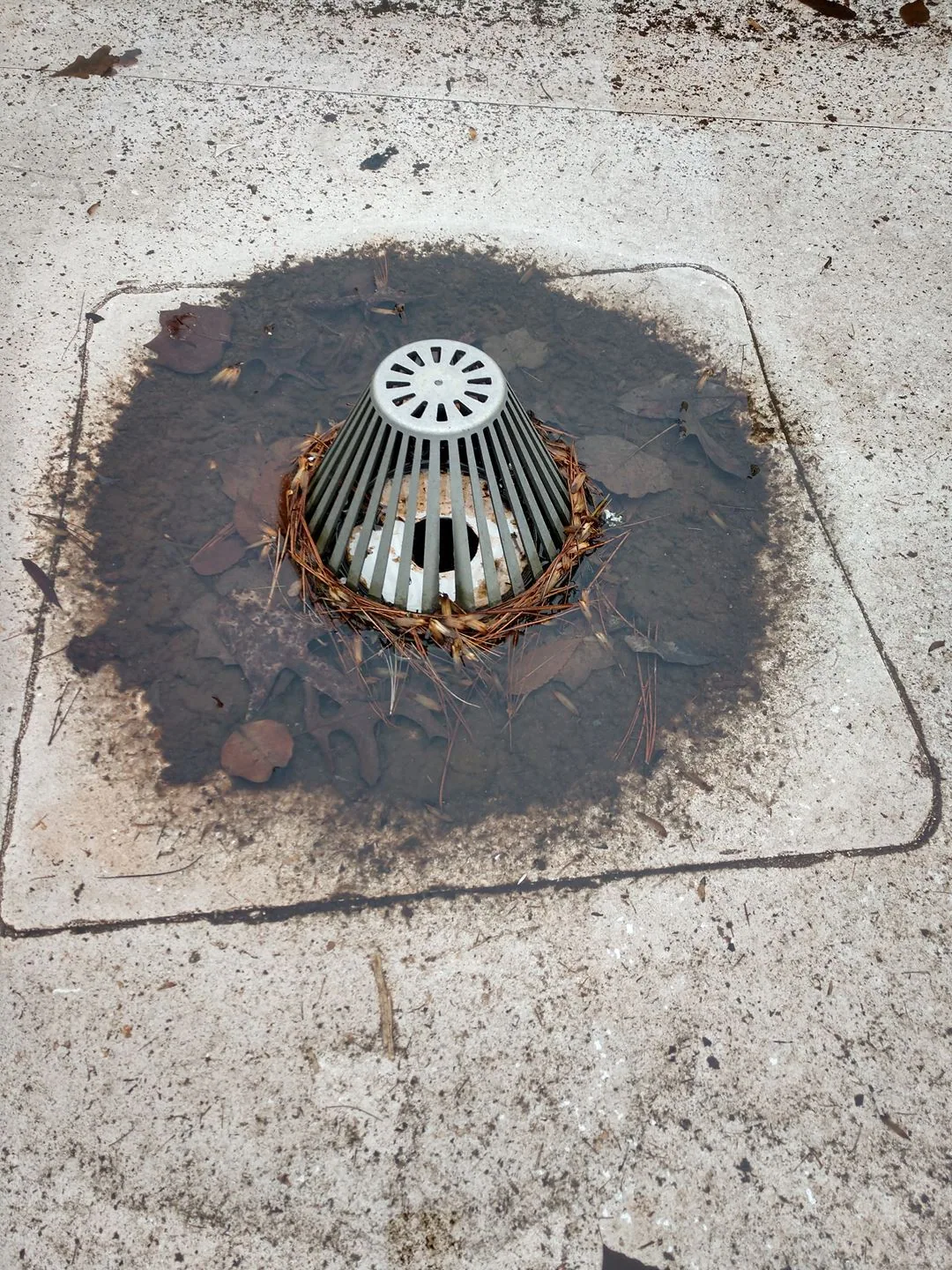
In nearby Jersey City, localized flooding and stormwater loading on the combined sewer system make drainage a practical concern. For a Bayonne roof, we inspect the bowl, strainer, overflow route, and membrane around each outlet; conditions at the property set the scope.
So the drain review covers the bowl, the strainer, the overflow route, and the condition of the membrane around each outlet. A drain bowl that has lifted slightly, or a clamping ring that has loosened, lets water under the sheet at the lowest point of the roof. We also look for debris lines, which show how deep water stood after the last heavy rain. If a roof holds water for days after a storm, the answer may be a drain, scupper or cricket correction before any membrane work, because new membrane over a ponding area wears out early.
Owners usually face the same four choices: repair a defined area, coat the roof, recover it, or replace it. The roof decides, not the preference. Coating works on a membrane that is dry and well bonded. It does not cure wet insulation. A recover works when the existing roof is dry and flat enough to take a new layer, and the building can carry it. Replacement is the answer when moisture has spread through the insulation or the deck underneath shows damage.
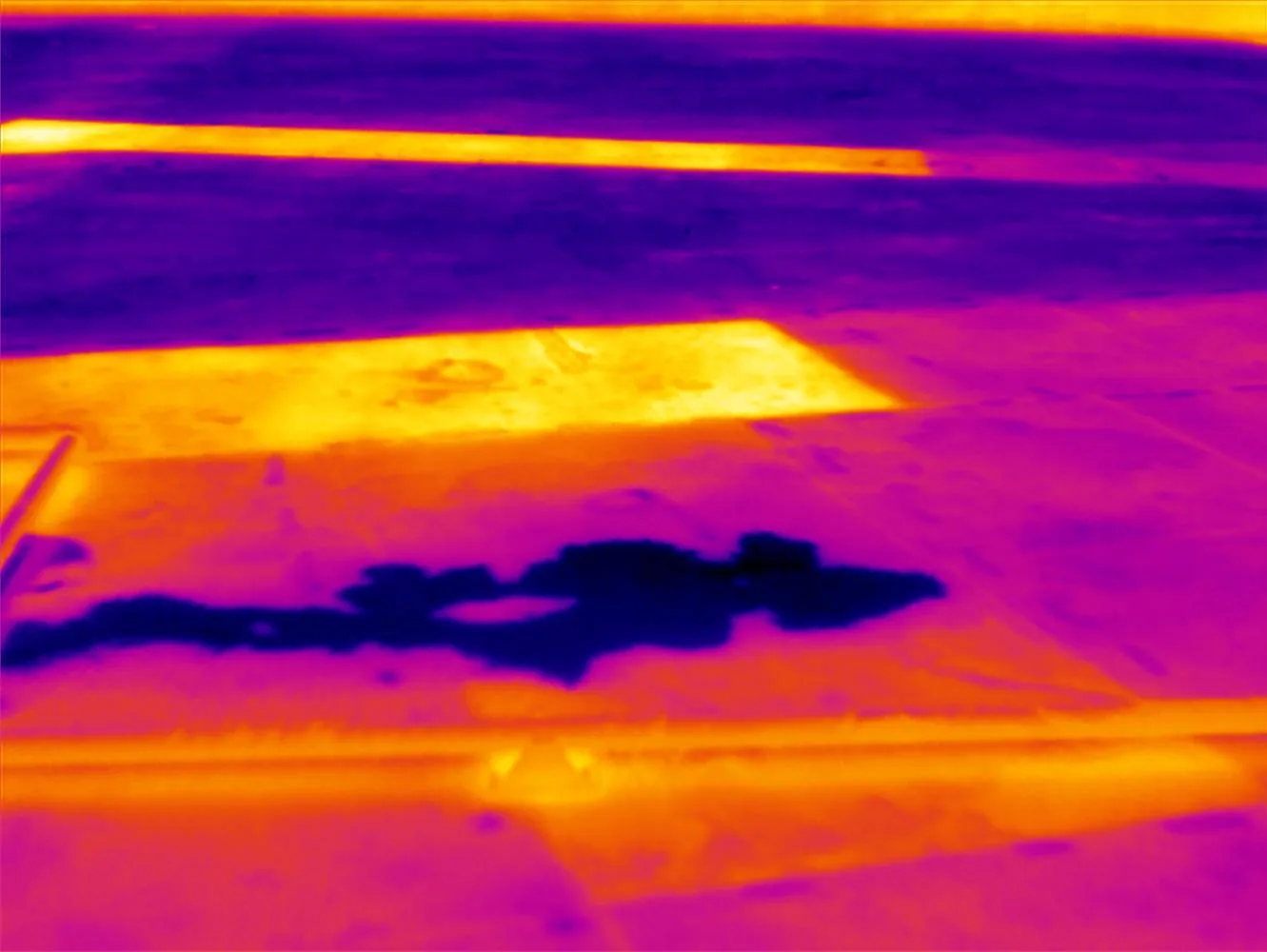
On a roof with scattered wet insulation we often recommend an infrared moisture survey first. It shows which squares hold water so the cut-out is sized to the damage and not to a guess. For tenants who cannot absorb a long project, that survey often turns a full tear-off into a staged repair with a short work window.
For metal roofs, the checks move to fasteners, panel laps, sealant joints and the cut edges at curbs. Exposed fasteners back out over many freeze and thaw cycles, and the sealant at each one dries out. Replacing them one by one is usually cheaper than waiting for the leak to reach the ceiling.
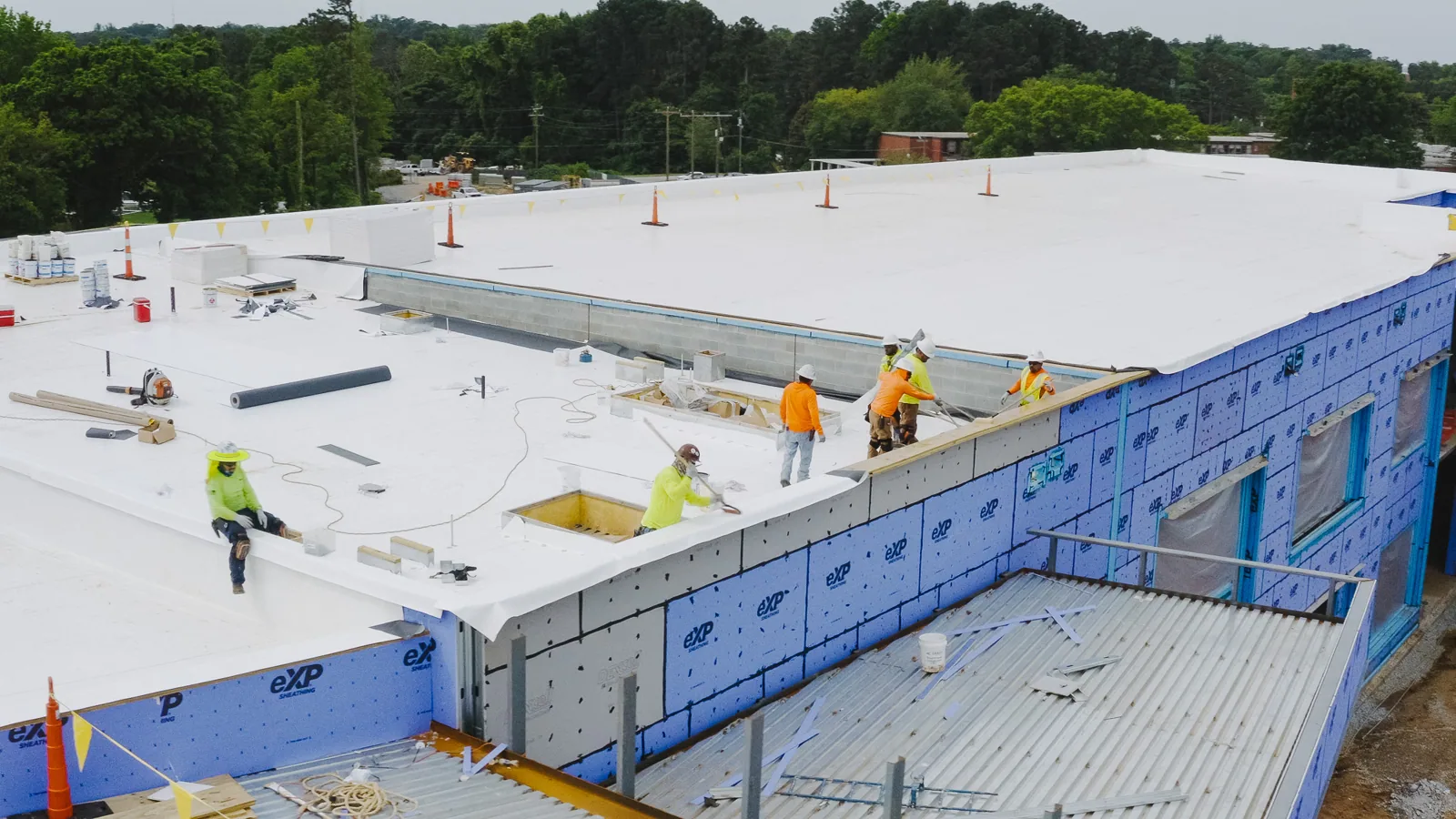
On a commercial roof job, the ground often decides more than the roof does. Before the schedule is set, we confirm where trucks can stop, where materials can sit, and whether a lift plan is needed to get rolls, insulation boards and tools to the deck. A crane or a material hoist changes the work window, the street permit conversation, and the number of days equipment sits on site.
On an occupied floor, the order of work protects the tenant first. We agree on which interior areas need ceiling protection, which rooftop equipment cannot be shut down, and what hours are off limits for noise or hot work. Daily closeout is part of the sequence: whatever is opened in the morning is dried in and sealed by evening, with a photograph of the tie-in so there is a record if rain arrives overnight.
Weather windows decide the rest. Cold-applied adhesives and some coatings need temperature and dry surface conditions, so we hold the sequence flexible and move to interior-side protection or drain work when the forecast turns.
The handoff is a written file, not a verbal summary. Each completed zone is listed with the material used, the photographs of the finished transitions, and any condition nearby that deserves a recheck. A property manager can use that file for a warranty question, an insurance review, or the next budget cycle.
Owners who hold buildings in Bayonne and in Newark or Kearny get the same record format for each roof, so spending can be ranked by condition. A roof condition report pulls this together with remaining-life notes and a sequence for future work. If the plan includes a change in building use or a major renovation, the owner should also confirm the municipal certificate of occupancy requirements with the building department before locking the roof scope. Jersey City states that a certificate applies to new construction, major renovations and changes in use, and each town sets its own process.
Maintenance follows the same logic. A recurring visit that clears drains, checks the perimeter metal, and compares the roof to the last report catches a small failure while it is still a small repair.