KEE Commercial Roofing in Jersey City, NJ
Review Jersey City KEE membrane condition, welded seams, flashing, drains, system records, and maintenance before a commercial roof repair or replacement.
Review Jersey City KEE membrane condition, welded seams, flashing, drains, system records, and maintenance before a commercial roof repair or replacement.
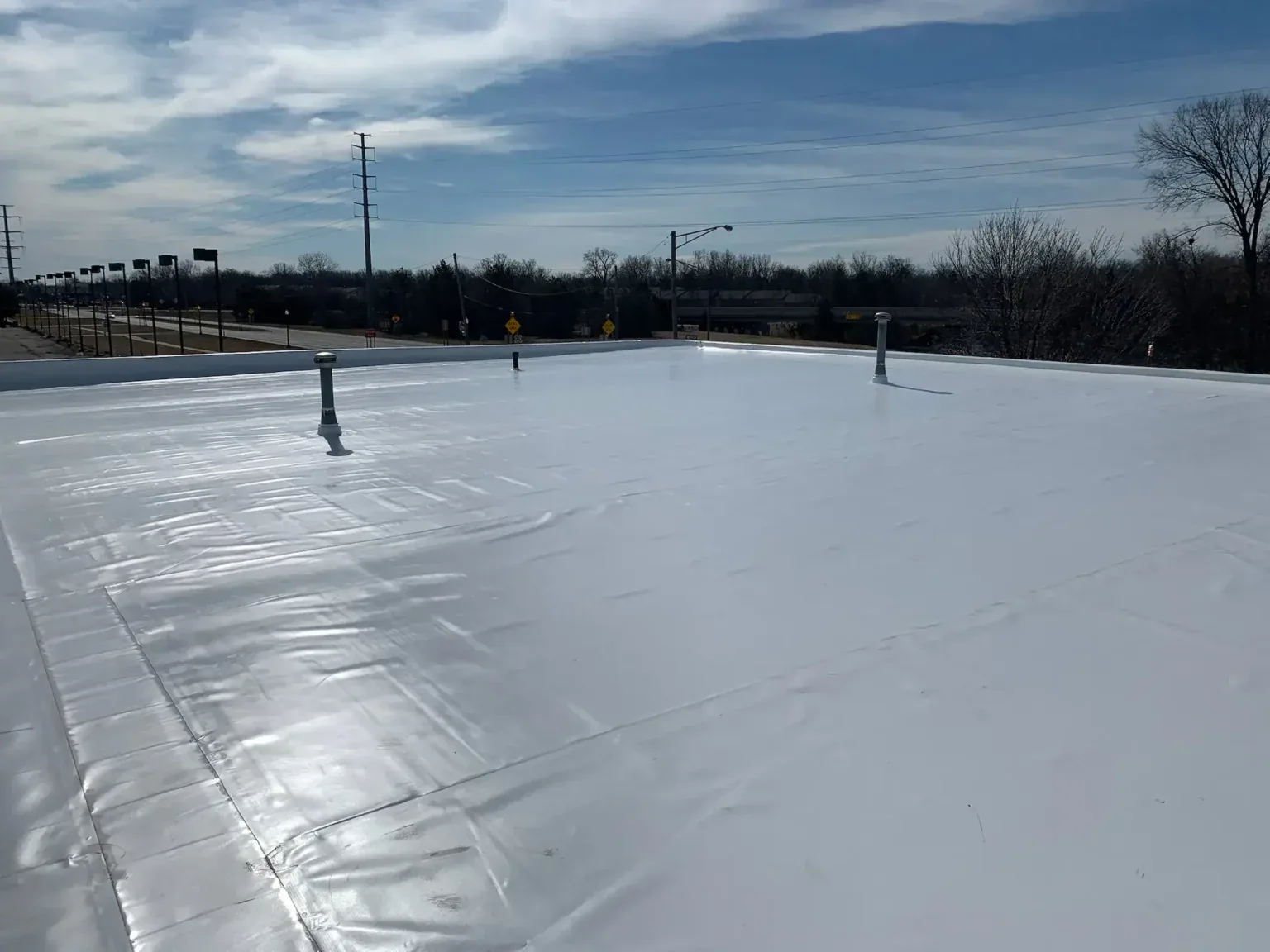
KEE membrane belongs to the PVC family, but the specific sheet, accessories, and documentation still need to be identified before a repair is priced. On a Jersey City, NJ building, we trace seams, curb corners, drains, and prior patches, then compare those details with the product records available. A roof condition inspection sets the baseline before the owner decides whether a local weld repair or broader replacement is justified.
A reinforced KEE sheet uses a ketone ethylene ester modifier and heat-welded seams. The exact membrane formulation, thickness, and warranty come from the product records for that property. We verify markings and records when available, then inspect welds, flashings, attachment, and substrate conditions in the field. If product identity remains uncertain, the written scope names what was observed and avoids assuming an accessory or repair method will be compatible.
We inspect the seam bead, T-joints, end laps, corners, and flashing transition where the sheet changes plane. A probe test can locate a weak weld, while surface contamination or patching history can affect the repair. The Diligence Notes identify the test area and the result rather than treating the entire roof as one condition. The owner receives a marked map of open seams, intact areas, and details that need additional testing before material is selected.
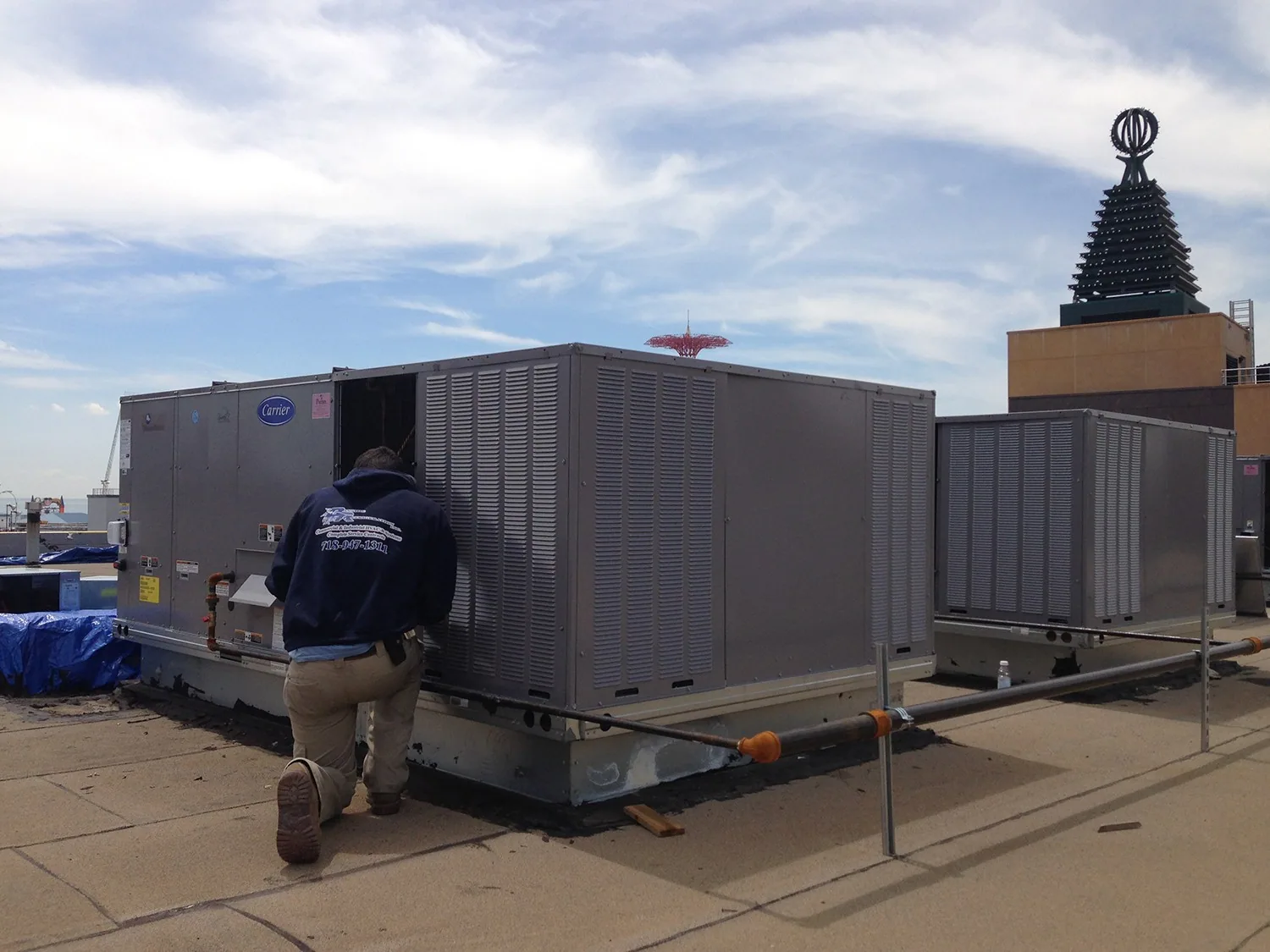
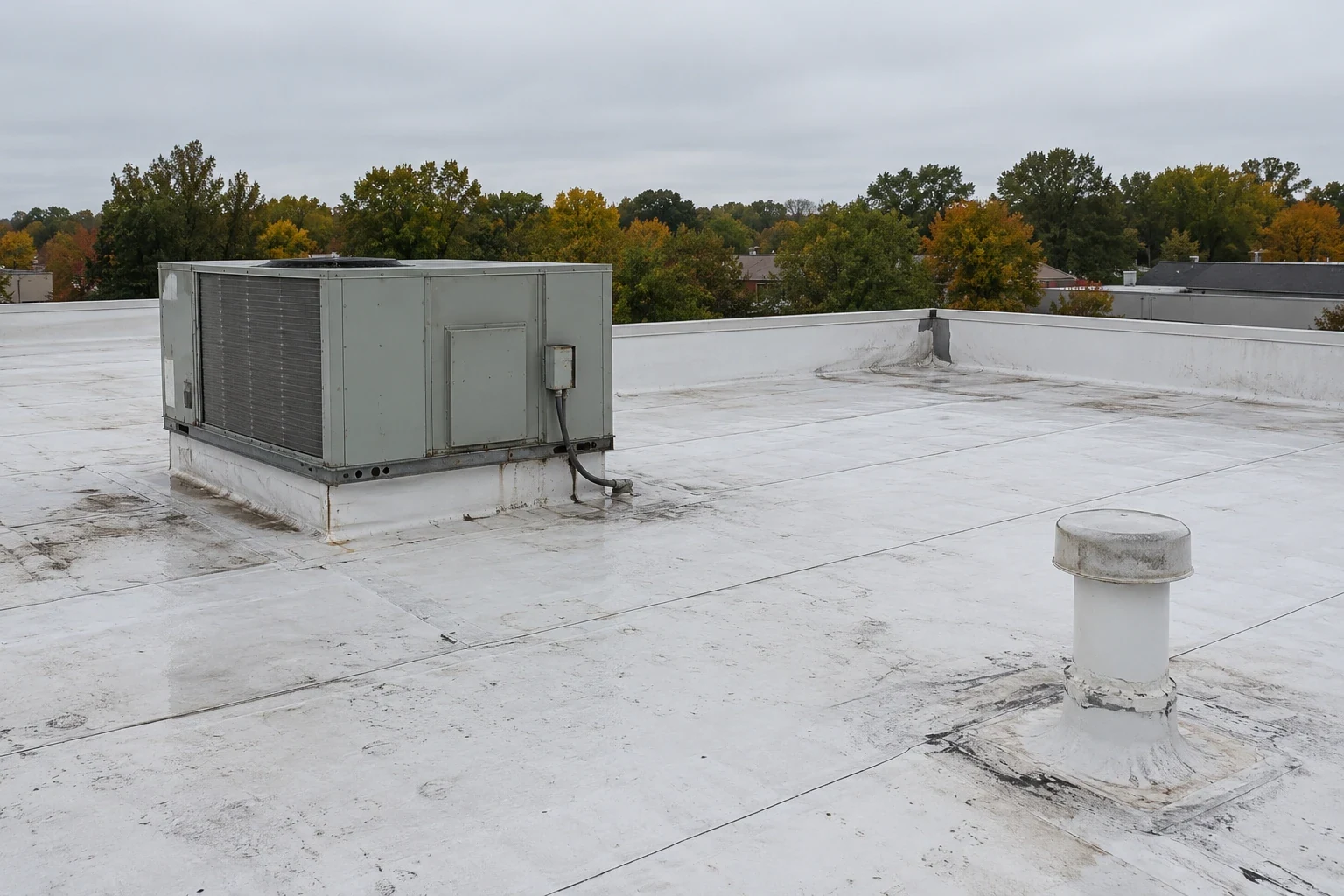
At curb bases, drains, pipes, and parapets, welded accessories must match the installed system and approved detail. Our curb and support scope can coordinate equipment handling with the membrane tie-in. If flashing has lifted or a boot is split, we record the opening and check nearby laps for movement. The repair should finish with a watertight stop and a photo of the closed edge, not merely cover the visible surface.
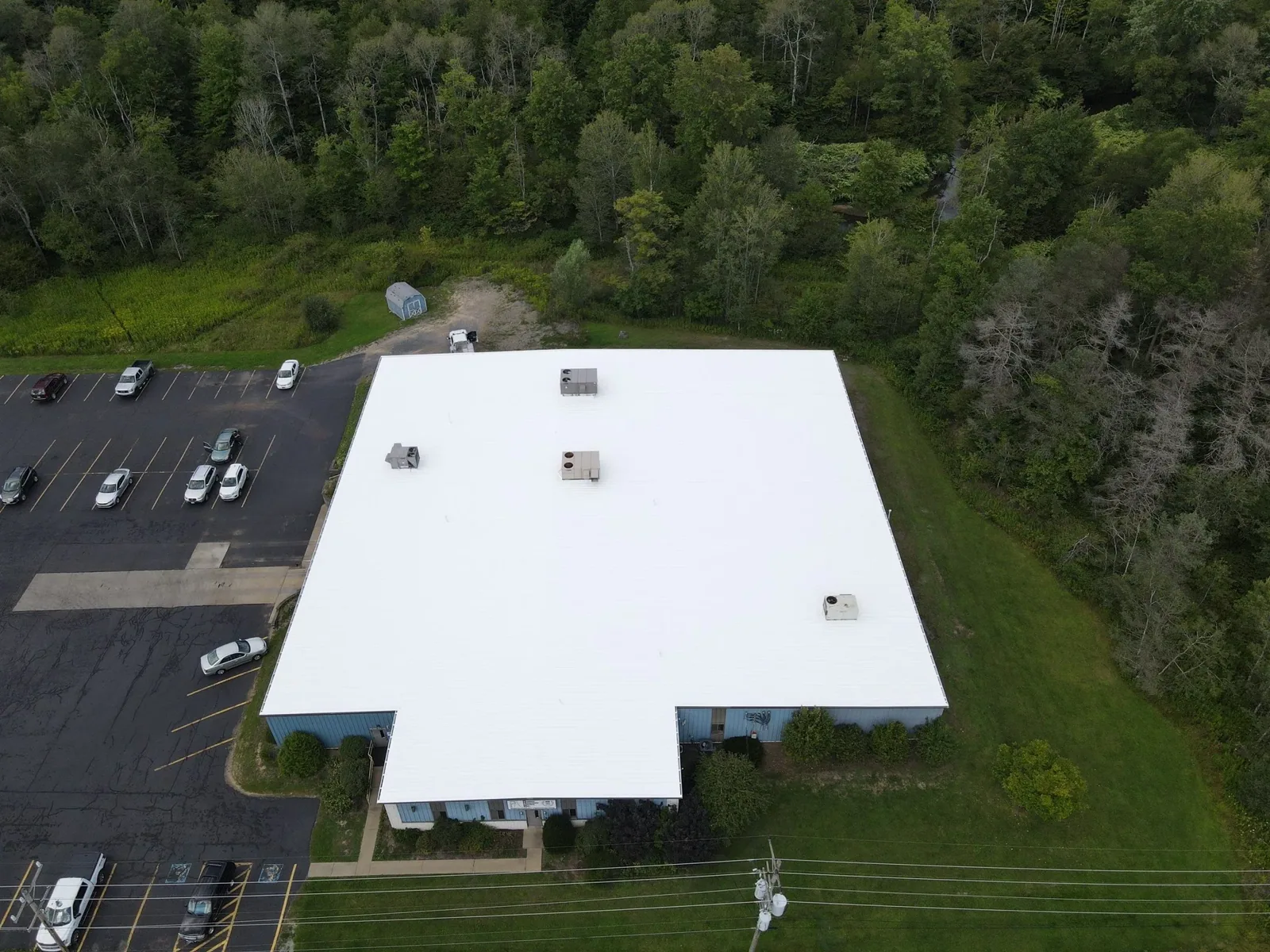
Schedule an inspection to confirm the membrane, test suspect welds, and map drains and flashing. We will provide a repair boundary and replacement alternative where supported.
A durable weld cannot make a wet or unstable substrate sound. We inspect for soft insulation, loose cover board, blisters, deck movement, corrosion, and recurring interior staining. If those signs are limited, a test opening can confirm the assembly before repair. Broader moisture may call for removal beyond the visible blister. The report distinguishes confirmed material loss from areas that remain untested, then lists the owner decision needed before a replacement or recover scope is finalized.
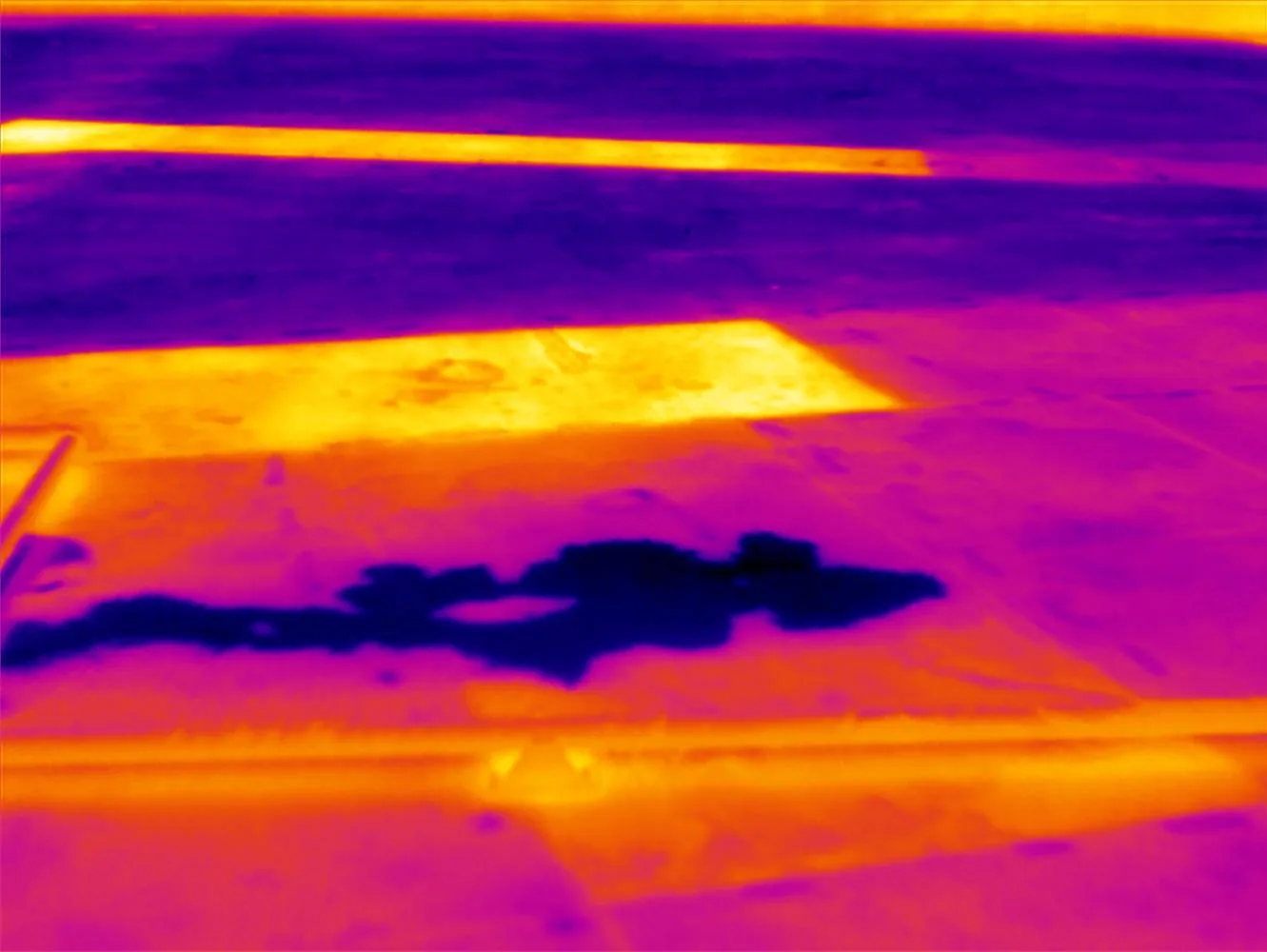
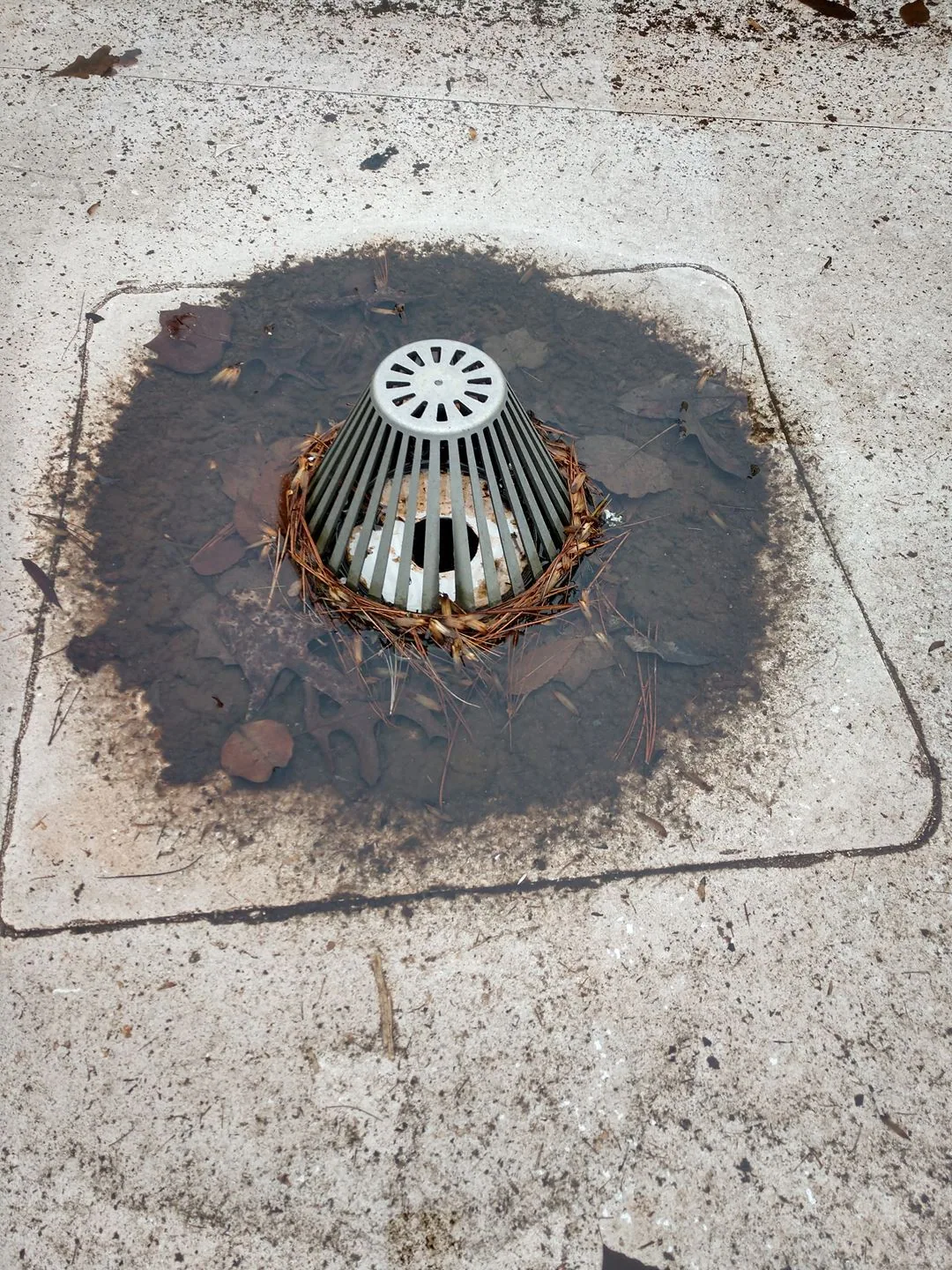
Localized flooding and stormwater loading on Jersey City's combined sewer make drainage a relevant part of a roof review; the inspection establishes conditions at the KEE assembly itself. A moisture survey can guide core testing in areas where visible clues conflict. We mark the scan and the confirmed test points separately, giving the owner a basis to decide whether to open more of the field or proceed with a localized repair.
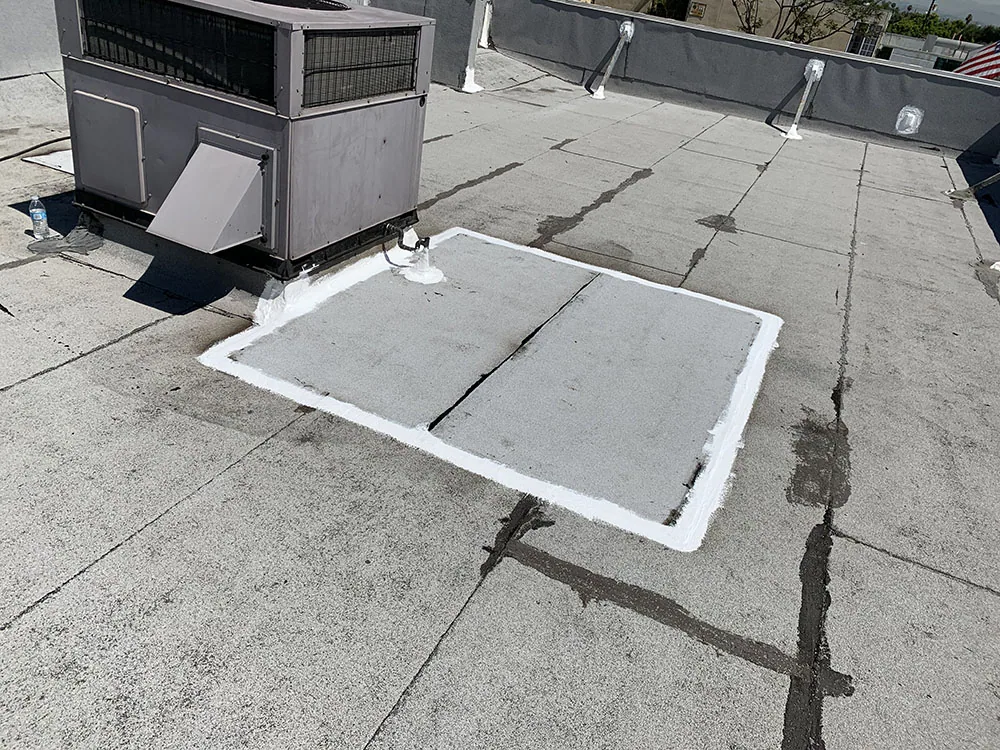
A KEE repair begins by confirming the sheet and compatible accessory. We clean the area, prepare the seam, heat-weld a patch or flashing, and inspect its edge and continuity. The patch boundary must extend to material that can accept the repair. If the membrane has embrittled, repeated patches cover a wide area, or the insulation is wet, the written scope can present replacement as a separate option. Drain bowls, edge metal, and curb transitions are priced as distinct details so the owner can see what each correction addresses.
For active interior water, a leak repair can close the immediate entry while a broader KEE review continues. The temporary scope and permanent correction remain distinct. We photograph the initial condition, note weather and access limits, and report any hidden condition that changes the repair boundary. A service record can include weld tests and accessory names where labels or supplied documents identify them.
A narrow patch is not automatically the least disruptive choice if the same seam has failed repeatedly. We look at the repair history, surrounding welds, movement, and moisture before recommending a local fix. Where several details share one cause, such as poor drainage or a moving curb, correcting the interface may prevent the next opening. We explain the work order, required equipment handling, and expected area closure in the proposal so building operations can prepare.
A KEE roof can remain when the field, welds, attachment, flashing, and substrate support continued service. Replacement becomes a stronger option with extensive moisture, widespread seam failure, poor attachment, or incompatible prior layers. A recover must be evaluated for added height, drain transitions, edge securement, and code constraints. We make the alternatives visible in separate scopes and identify which field findings support them. The recommendation follows the assembly, not a general claim that one membrane works for every commercial roof.
An owner comparing systems can review PVC membrane details and TPO installation requirements alongside KEE. We compare seam method, reinforcement, flashing accessories, use of the roof, maintenance access, and project documents. For replacement, a full reroof scope includes removal limits, cover board, insulation, perimeter, drains, and rooftop equipment transitions. A recover option is considered only when the existing roof is dry, stable, and suitable for additional layers.
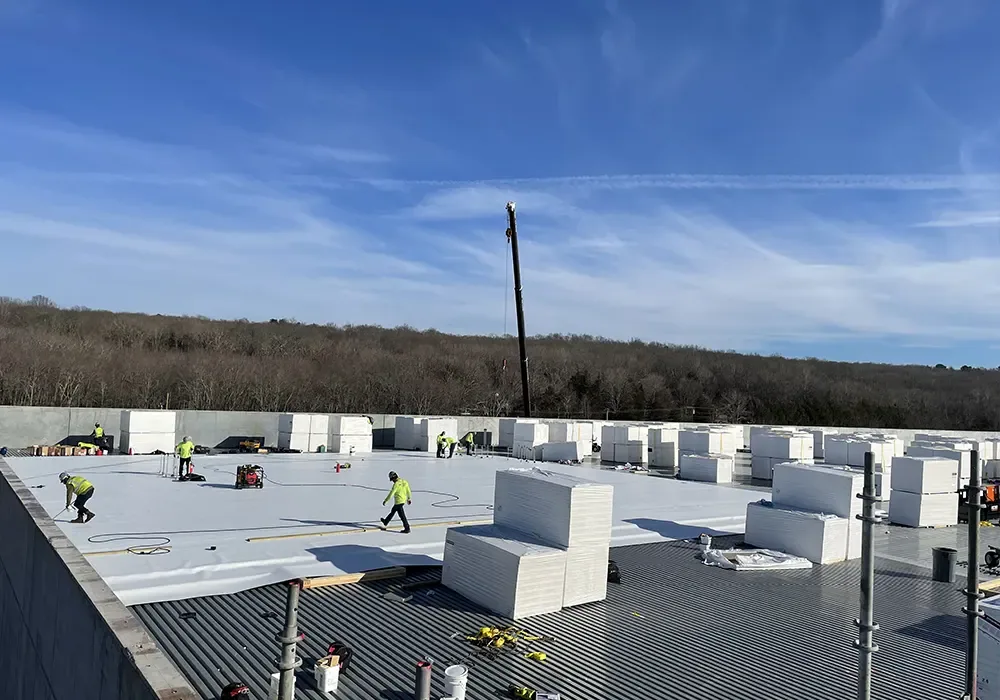
Welded membrane work needs a clean, dry surface and enough time to complete the seam and inspect it. Rain, dew, temperature, roof access, and equipment locations can change the work window. We divide the roof into zones that can close at shift end and identify staging before material is brought up. If the building remains active, a property contact confirms tenant notices, lift windows, and roof hatch rules. The daily log records which area is finished and where the next handoff begins.
Journal Square and Central Avenue are among Jersey City's commercial centers, and Tonnele Avenue Light Industrial is a named industrial planning area. The work plan confirms the actual building route, loading boundary, and roof access. A phased occupied-building sequence can coordinate tenants, lift work, and daily closeout while maintaining access to drains and equipment. A separate Bayonne property in the portfolio receives its own roof record and work schedule.
Keep product data, installation records, repair photos, seam tests, and maintenance observations together. The closeout package should name the installed materials and the work performed, with any documentation limitations stated in plain terms. Future service crews can use the map to avoid damaging a completed seam or to trace recurring water entry. Maintenance checks focus on drains, penetrations, exposed edges, and roof traffic after service work. The record supports a later capital decision without claiming that a repair eliminates all future risk.
Greenville Industrial and Chapel Avenue Industrial Park are named Jersey City industrial planning areas. Those settings can involve equipment and loading constraints that affect roofing access, while the roof condition itself remains site-specific. We can return for a scheduled maintenance visit to inspect drains, welds, and flashing after the project. Begin with the area showing the clearest water path, then agree on any test opening needed to verify layers below the KEE membrane.