Commercial Roof Repair in Jersey City, NJ
Commercial roof repair in Jersey City starts with a mapped leak, sound tie-in, and clear work window. Get a written scope for the affected roof zone.
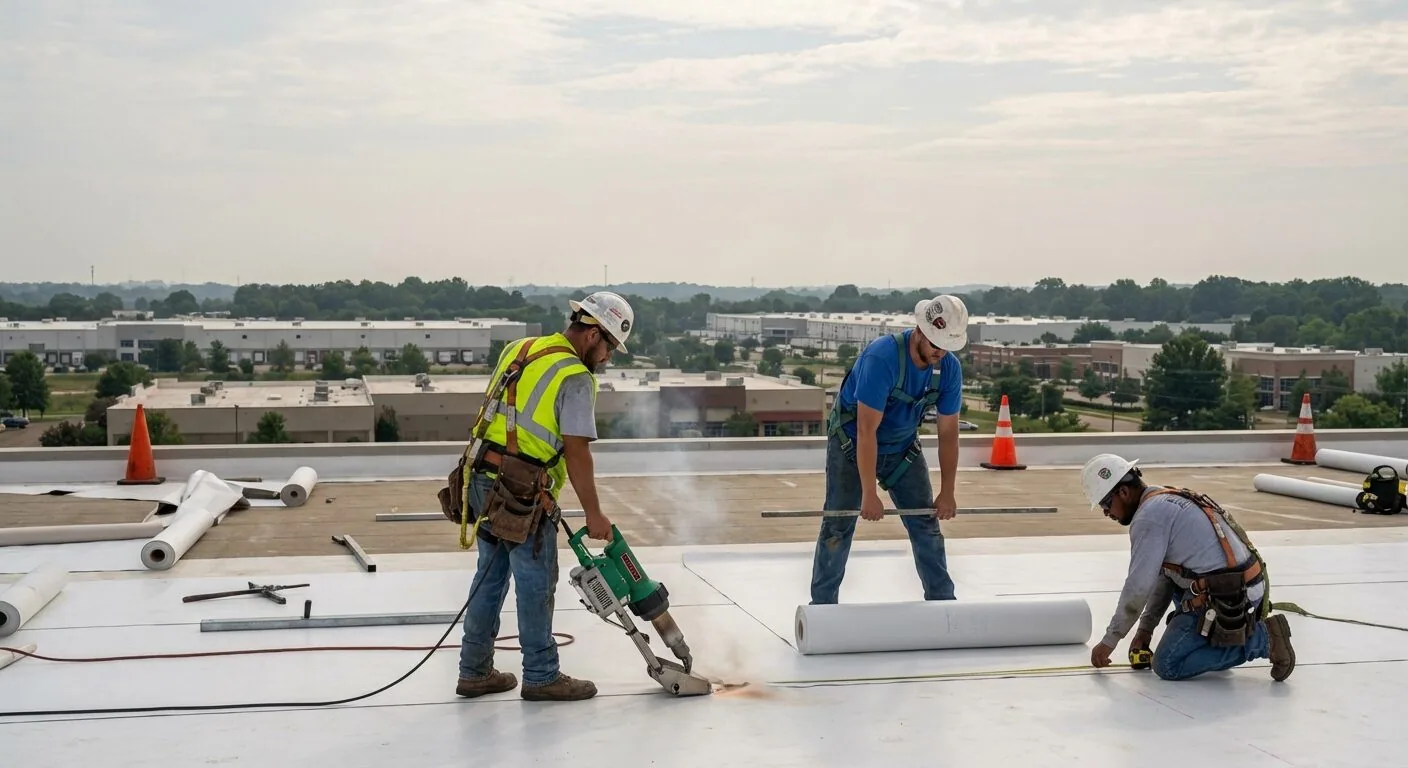
Commercial roof repair in Jersey City starts with a mapped leak, sound tie-in, and clear work window. Get a written scope for the affected roof zone.
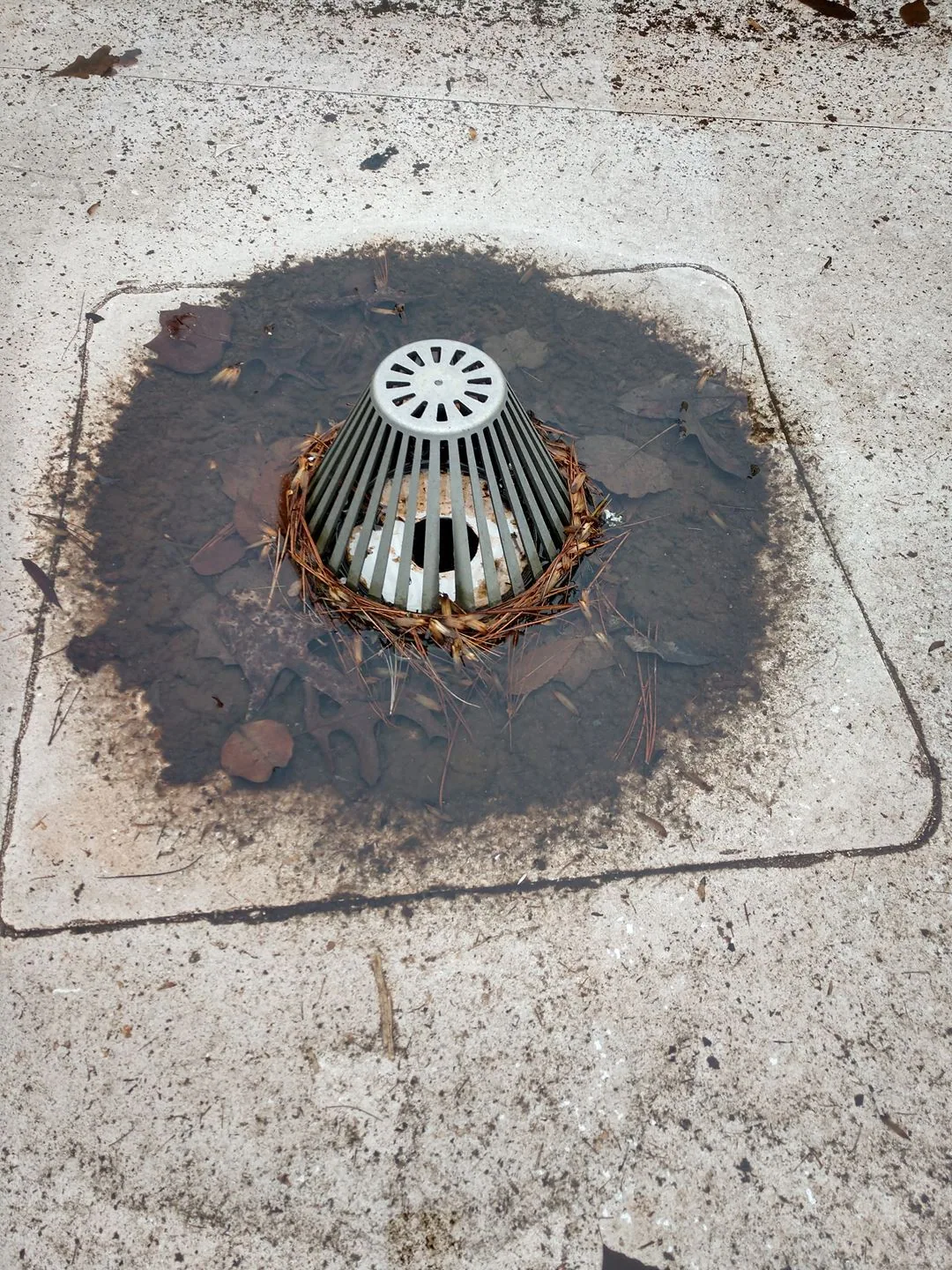
A live Jersey City roof defect becomes a sequencing issue when water reaches an occupied floor. A stain inside may point to a seam, drain, curb, or wall transition several feet away. We trace the opening, mark what is wet, and define a repair boundary before pricing. A commercial roof inspection helps separate a local defect from an assembly that needs broader work.
Jersey City experienced severe flooding, power outages, and property damage during both Irene and Sandy. For this repair, we inspect the actual outlet path, edge, and opening before choosing a dry-in. We check the reported area, the route water could travel, and the conditions that remain beyond the patch. The owner receives a written recommendation tied to the roof surface and the building schedule.
We begin with the reported symptom, then inspect the nearest membrane laps, penetrations, drains, curbs, and wall edges. A repair boundary should follow the actual defect, not a convenient square around the stain. We photograph the opening and adjacent material, mark the location, and note whether the membrane flexes, separates, or holds water. That record shows what the crew intends to correct.
We also check whether water has crossed a control joint or followed the deck toward another room. That path can make a small-looking stain relevant to a wider roof zone. The Diligence Notes records the time of the report, weather observed during the visit, and conditions that could not be reached safely. Those details help the property team compare a later call with the first repair.
A second defect outside that boundary can change the answer. We look for related seam movement, failed flashing, punctures, loose edge metal, or blocked outlets before closing the scope. The inspection also records areas that were not accessible. For a recurring concern, the owner can compare a photo-backed condition report with the previous repair and see whether the condition moved or stayed contained.
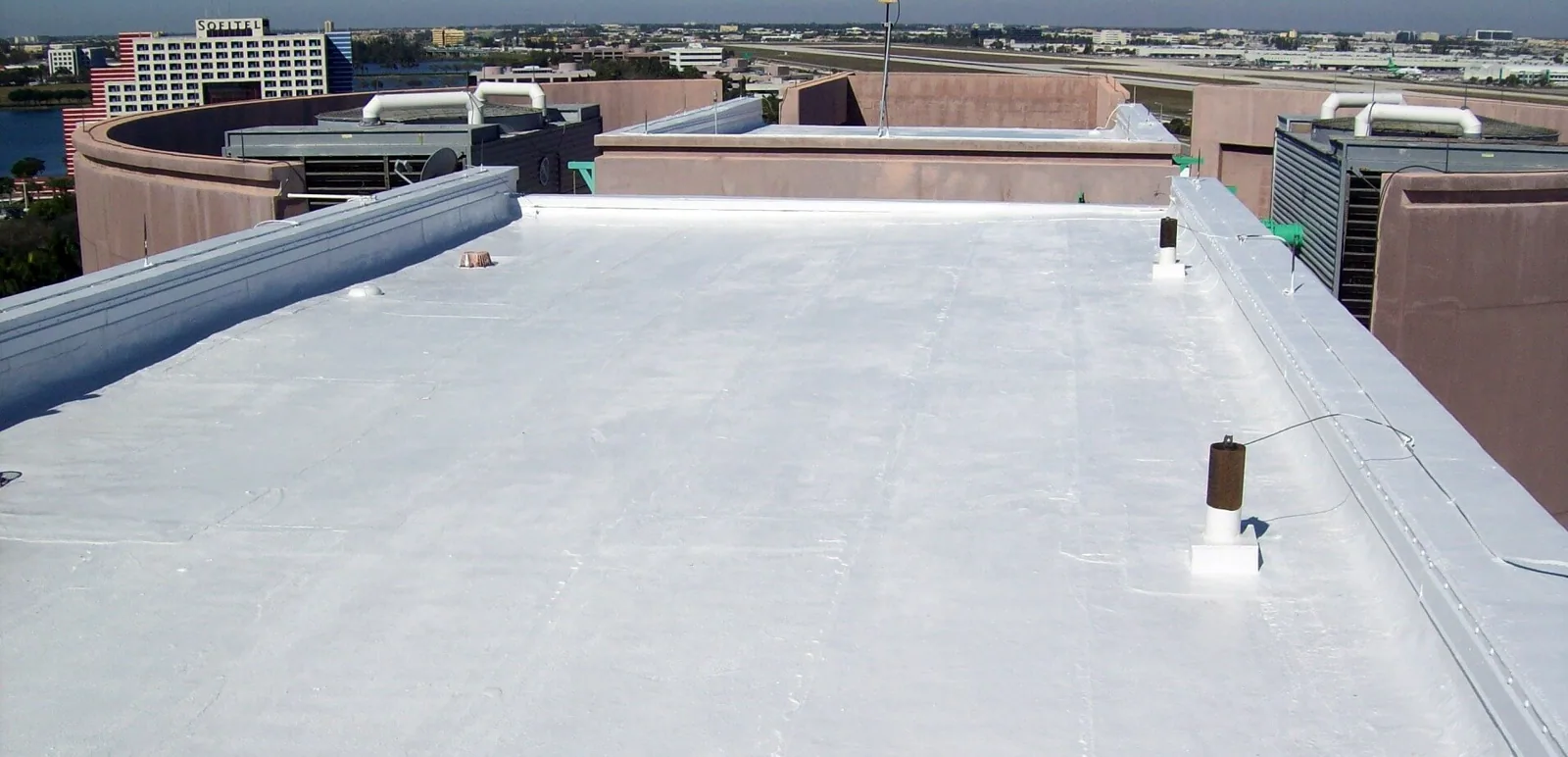
Share the leak location, access rules, and operating hours. We will trace the condition, define a repair boundary, and document the work.
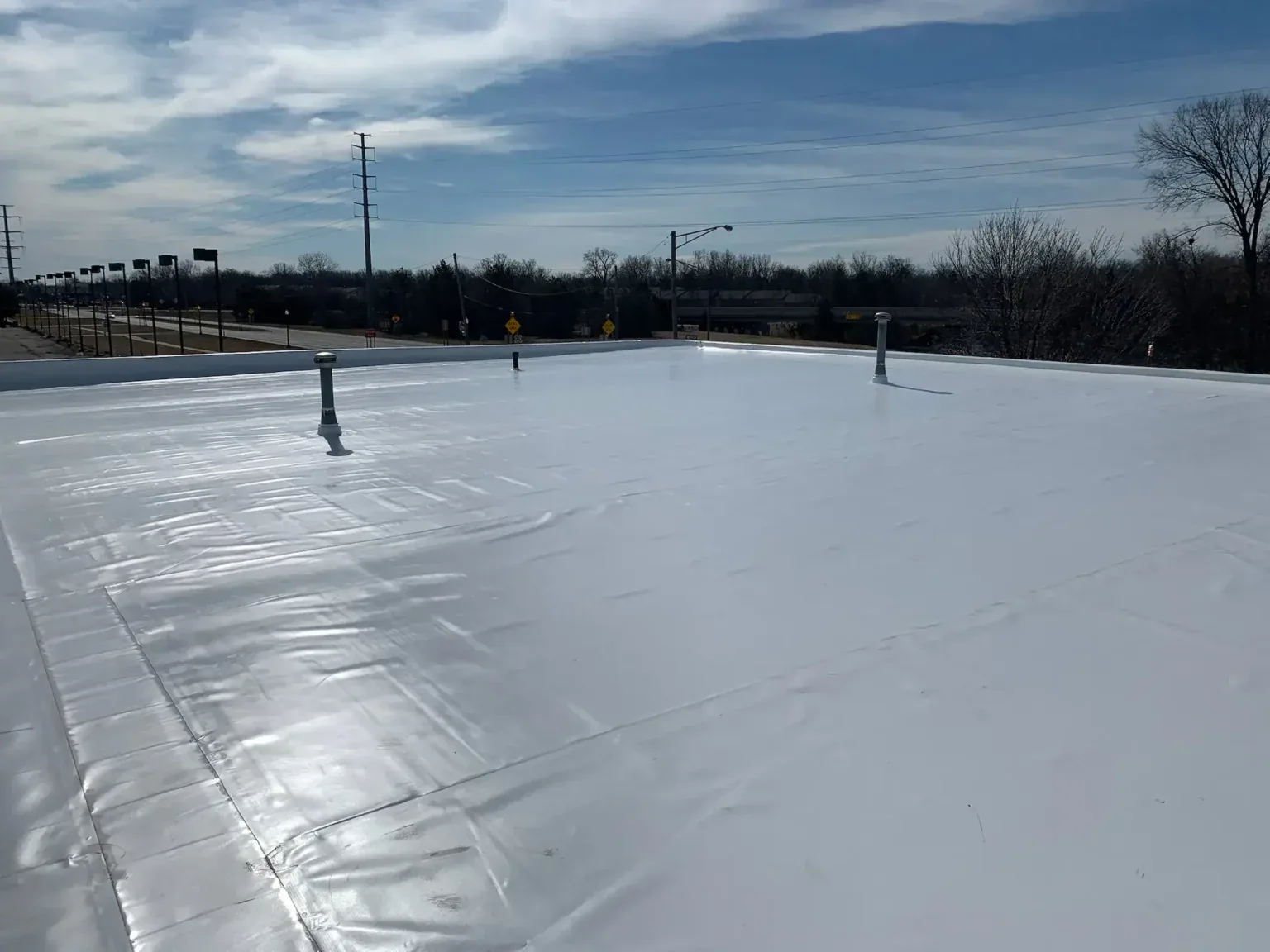
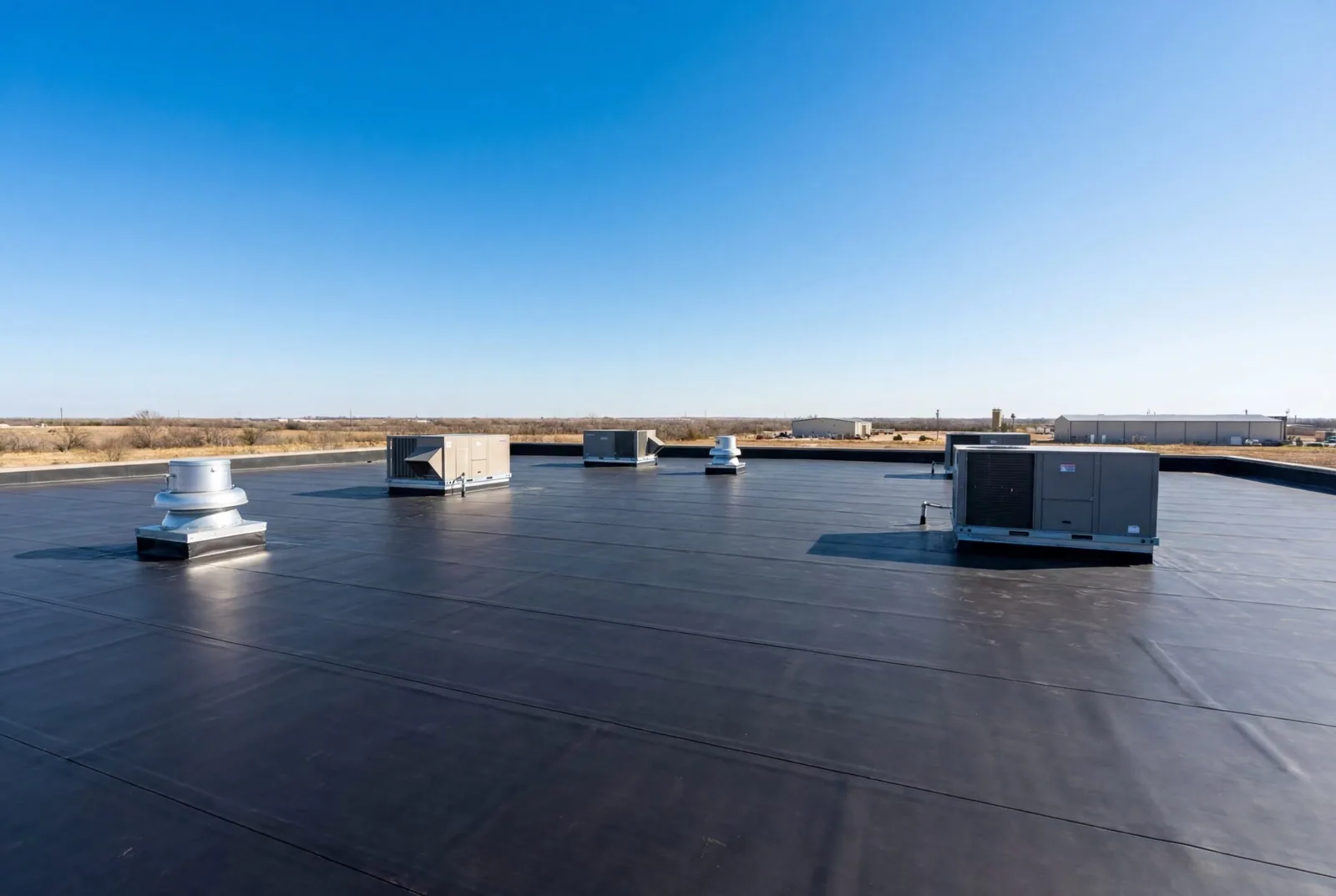
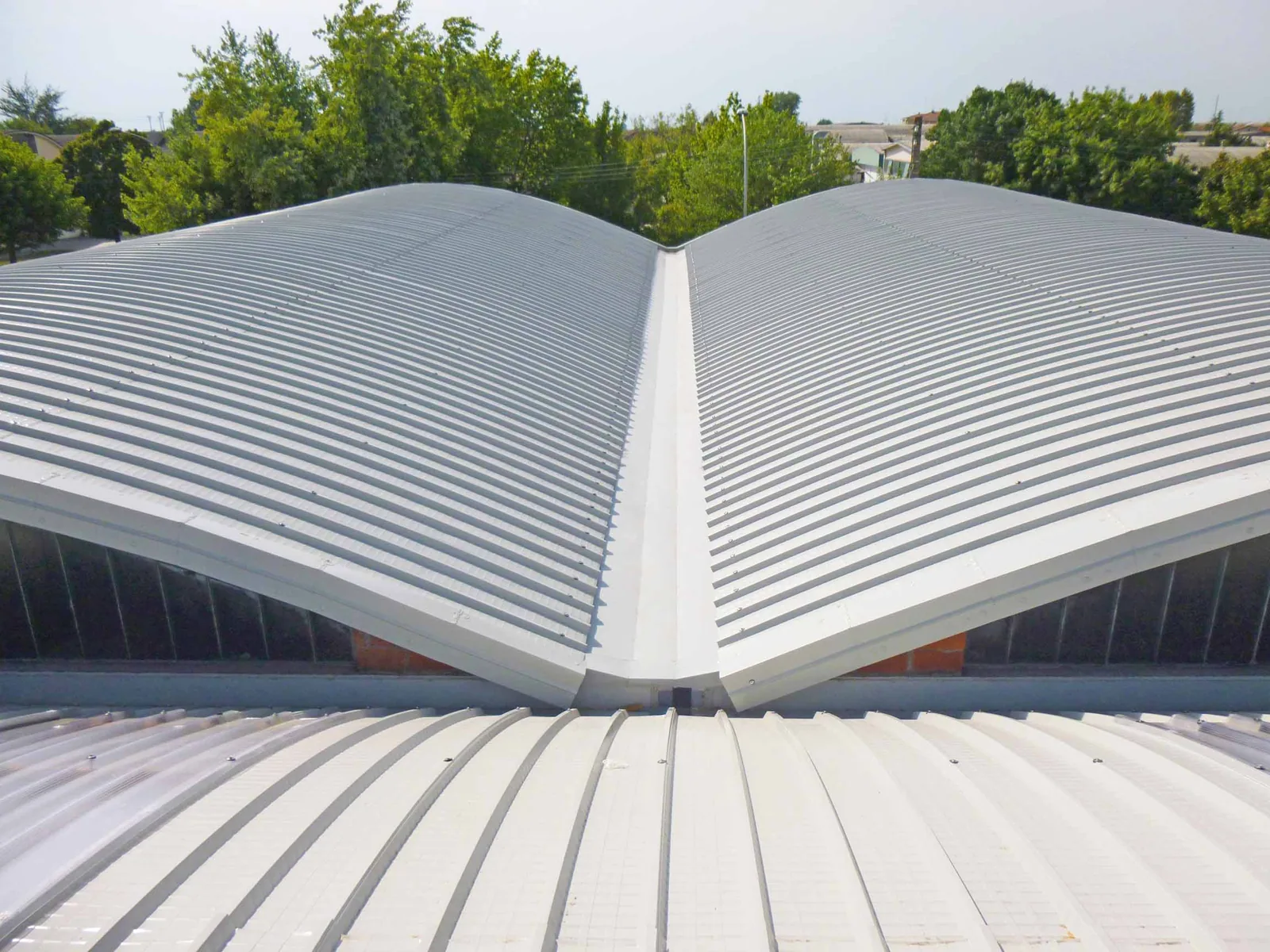
Repair material has to bond to the existing roof and handle the movement at the detail. We identify whether the surface is TPO, PVC, EPDM, modified bitumen, built-up roofing, metal, or coated foam before selecting a patch method. Each system has a different seam or lap. The written scope names the repair materials and transitions so a later maintenance visit can identify what was installed.
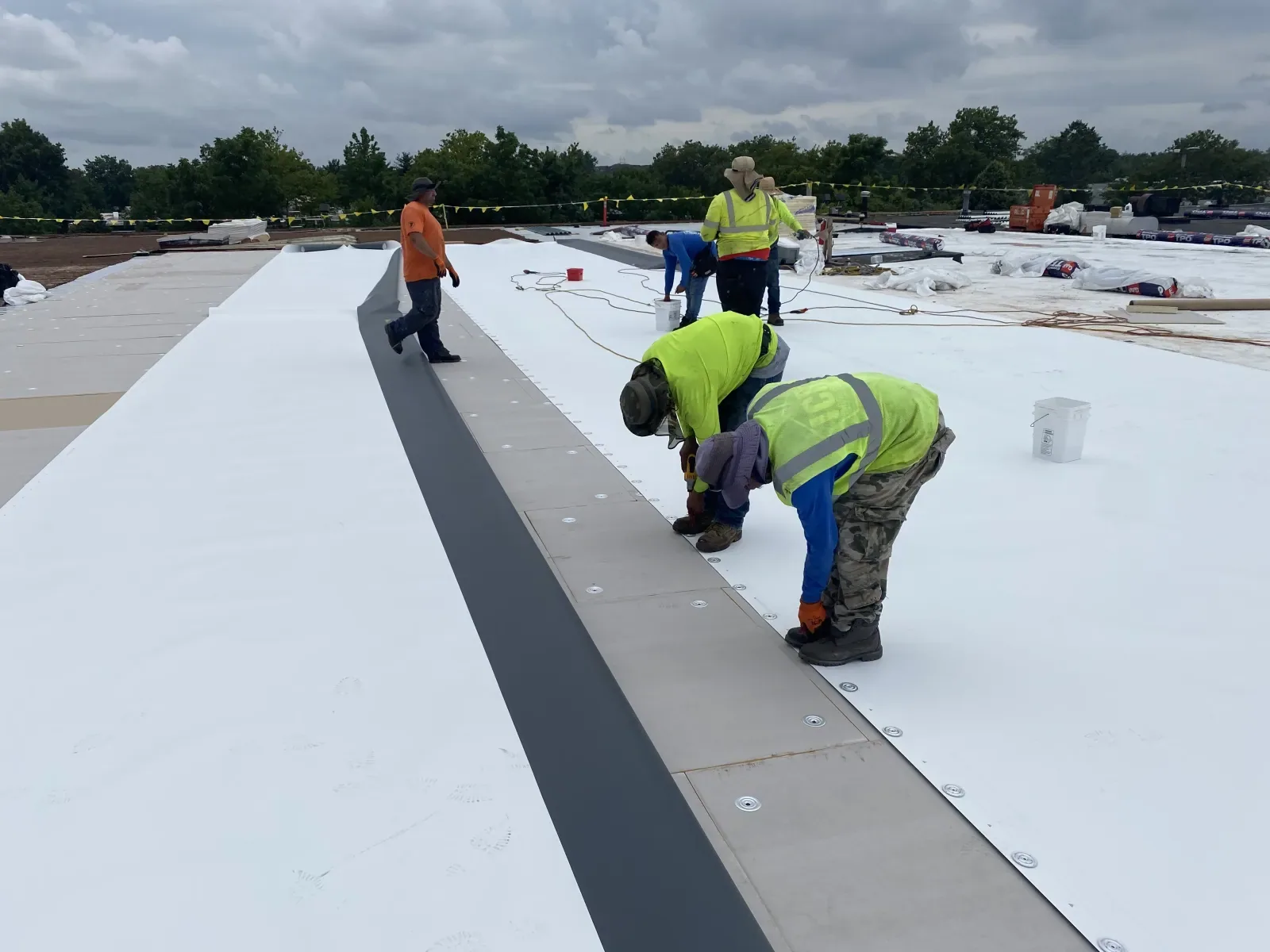
At a membrane edge, a patch without a sound tie-in can leave the water path open. We clean and prepare the area, make the seam or flashing repair, and check the perimeter for a finished connection. The work is photographed before closeout. When the existing material needs a broader review, our EPDM repair approach follows the roof type rather than a generic sealant choice.
Local flooding and combined-sewer stormwater load are Jersey City concerns, so a repair visit should trace water from the roof opening through the discharge route. On this roof we look at the drain strainers, bowls, overflow paths, scuppers, crickets, and low areas for a restriction or a failed detail. A patch cannot correct an outlet that is blocked or set below a new roof surface. The report separates membrane repair from drainage work that needs its own line item.
Jersey City’s commercial map includes the Central Avenue corridor and the Route 440/Culver area. The site contact identifies this building’s hatch, ladder, lift path, and operating equipment before staging. We record any blocked zone and set a work window that keeps the repair crew clear of tenant entry and loading activity.
If water is holding at the defect, a drain and scupper correction can accompany the repair plan, with the outlet and discharge route documented for the owner.
Repair logistics change with tenant entry, roof hatch location, lift access, operating equipment, and the time available before weather arrives. We agree on the entry route and staging area with the property contact. If the repair is above an occupied room or active loading area, the scope names how the crew will protect the space and keep the route clear. A short repair can still require a careful setup.
For an active leak, dispatch is available around the clock, including holidays. We need the affected area, water-entry status, and a safe access path so the first visit can be organized. When the leak is not urgent, the owner may schedule a broader maintenance visit to check adjacent seams and drains while access is open. Work proceeds only within the roof zones the crew can protect and close. Before the first tool comes out, the site contact confirms who can authorize a deeper opening if the patch area turns out wet, so a decision does not stall a crew that has already dried the roof.
A patch can preserve a roof when the defect is local and the surrounding field remains sound enough for a durable tie-in. Widespread moisture, repeated seam failure, or an unstable substrate may point to recover or replacement instead. We compare the repair with the extent of the observed condition and explain what still needs confirmation. The owner can then choose whether to make the immediate repair and plan a separate capital review.
Greenville, Downtown, Journal Square, and Bergen-Lafayette are among Jersey City’s larger districts. A portfolio may include several roof types across those areas, but each building needs its own evidence and scope. We identify the affected roof zone, repair extent, access limits, and follow-up date in the closeout. The owner can match the completed tie-in to the photo and the next inspection step. For a larger assembly concern, a replacement comparison can use the same inspection record rather than restarting the review. A second property in Hoboken can receive a separate Hoboken roof review, with its access and roof conditions documented independently.