Warehouse Roofing in Jersey City, NJ
Plan Jersey City warehouse roof repair or replacement around loading access, drains, rooftop equipment, membrane condition, and operating hours.
Plan Jersey City warehouse roof repair or replacement around loading access, drains, rooftop equipment, membrane condition, and operating hours.
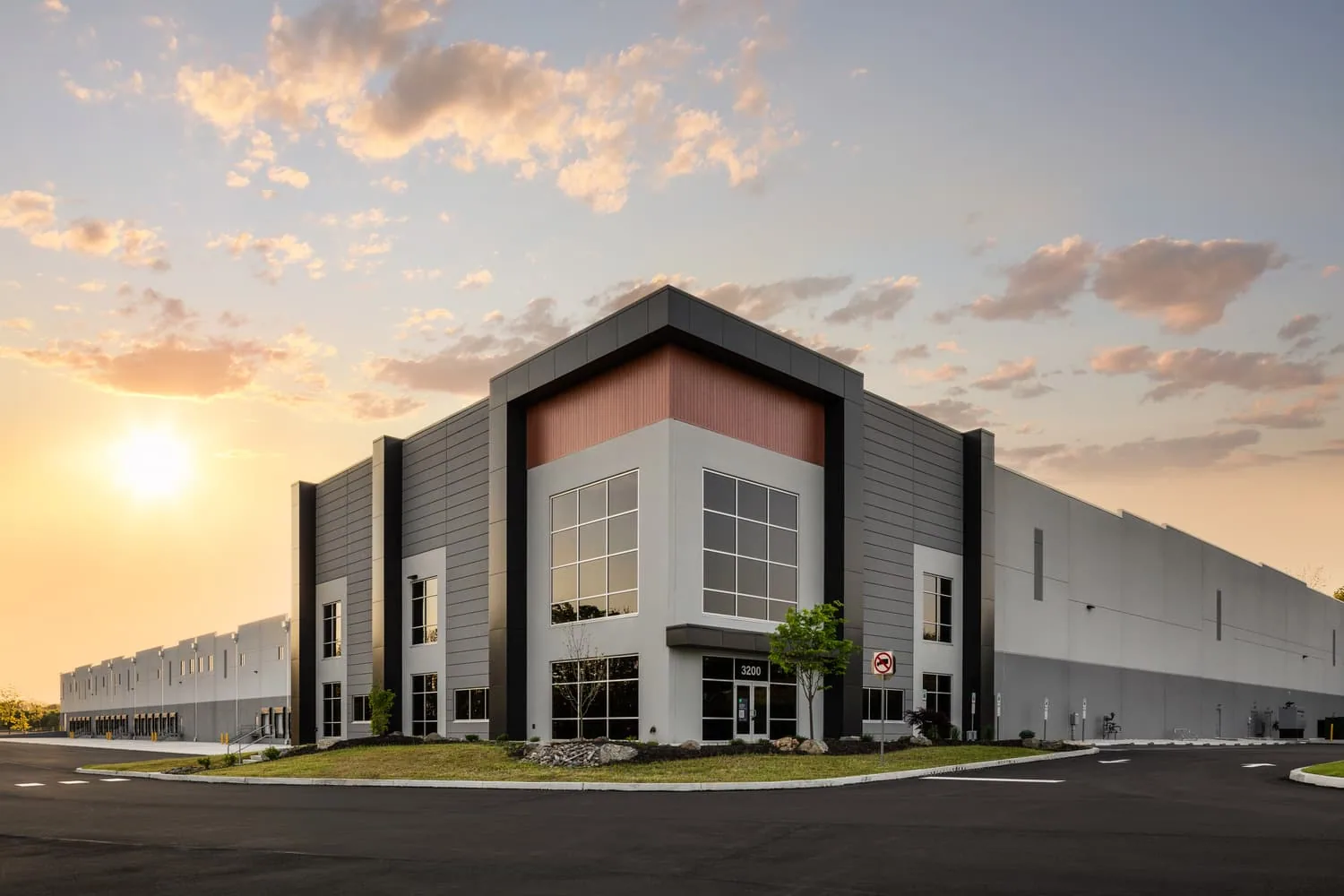
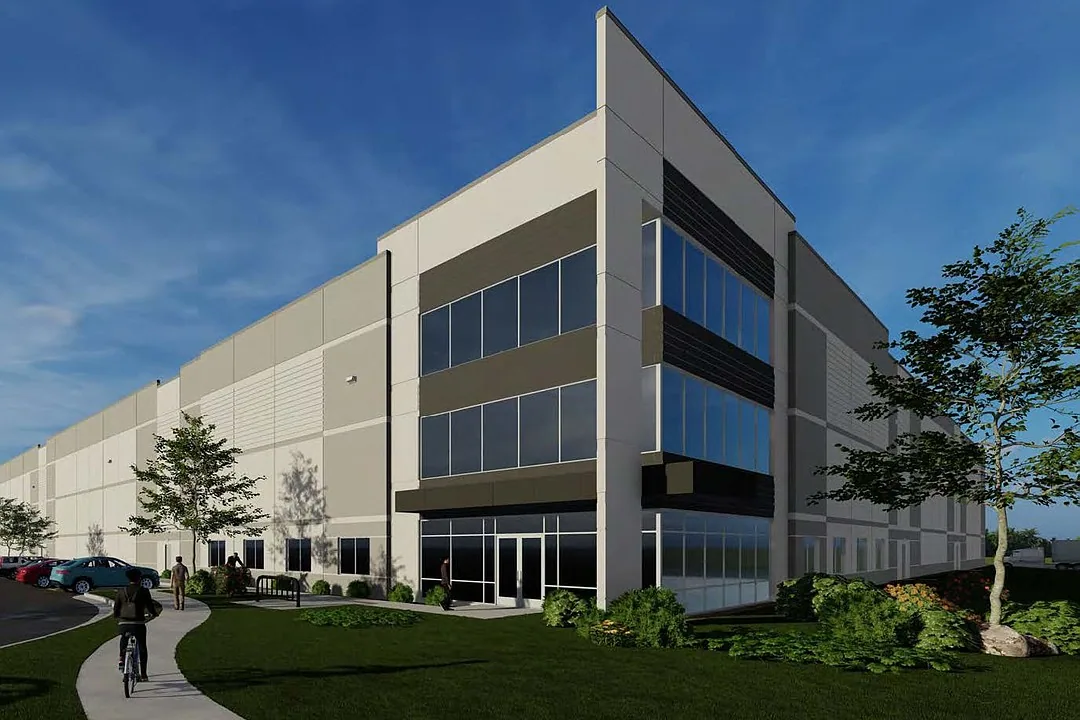
A warehouse roof has to protect stored goods while keeping loading, maintenance, and building access in sequence. In Jersey City, NJ, pricing waits until we have inspected the membrane, drains, curbs and edge metal and mapped the route materials will take to the roof. Industrial planning in Jersey City names Greenville Industrial, Chapel Avenue Industrial Park and Tonnele Avenue Light Industrial. We confirm this warehouse’s assembly and staging limits at the property. Each warehouse still has its own assembly and staging limits. A roof inspection records the condition by zone before a project choice is made.
The first walk traces water from the field to each drain and overflow, then checks seams, fasteners, penetrations, and past patch areas. We note interior staining reported by staff, but look for the roof detail that connects to it. A large roof can have several conditions at once: one open lap, a damaged curb, and an area of wet insulation may need separate scopes. The owner receives a map that distinguishes immediate leak work from planned roof renewal.
A leak over product, racking, electrical equipment, or a picking lane changes the repair sequence. We mark the interior priority area and compare it with the roof opening, drain path, and penetration above. Temporary protection, lift access, and an after-hours window may be needed to keep operations moving. The scope defines which area needs a fast repair and how staff can confirm the interior is protected during the permanent correction.
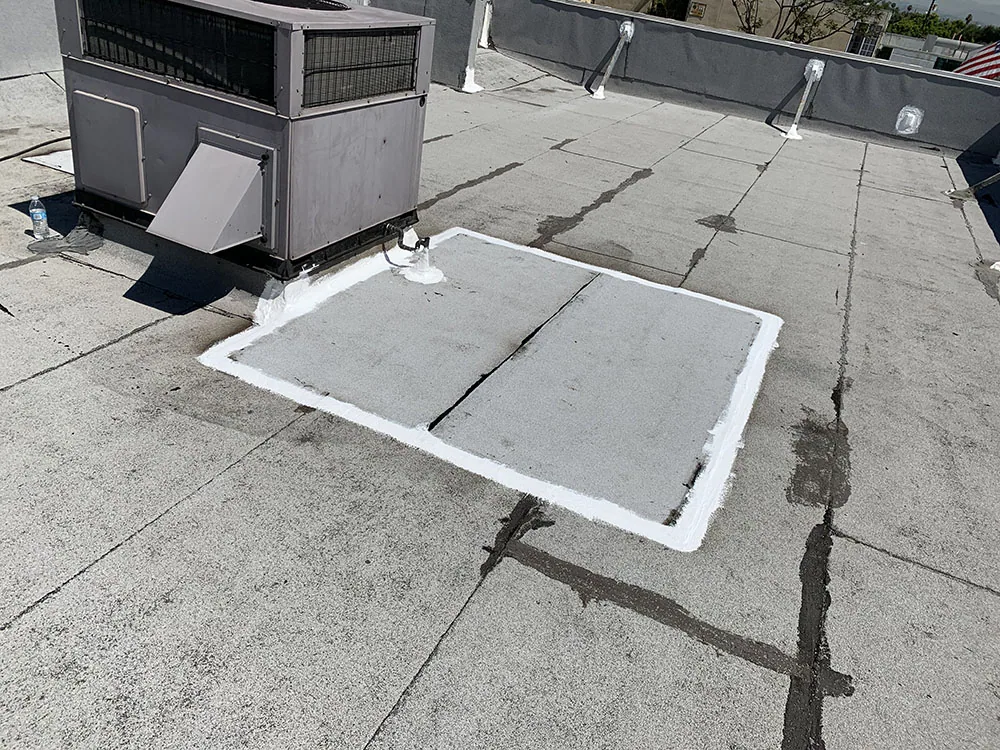
A commercial leak repair can isolate an active opening while the warehouse team schedules a larger inspection. We photograph the surface, trace seams and curb corners, and note whether the wet area extends beyond the visible stain. If there are repeated calls from the same roof zone, the inspection checks whether the drain, attachment, or flashing is contributing, rather than repeating a patch without reviewing the assembly.
Set a walk around the highest-priority leak, receiving window, and roof access path. We will identify repair boundaries and a sequence for occupied operations.
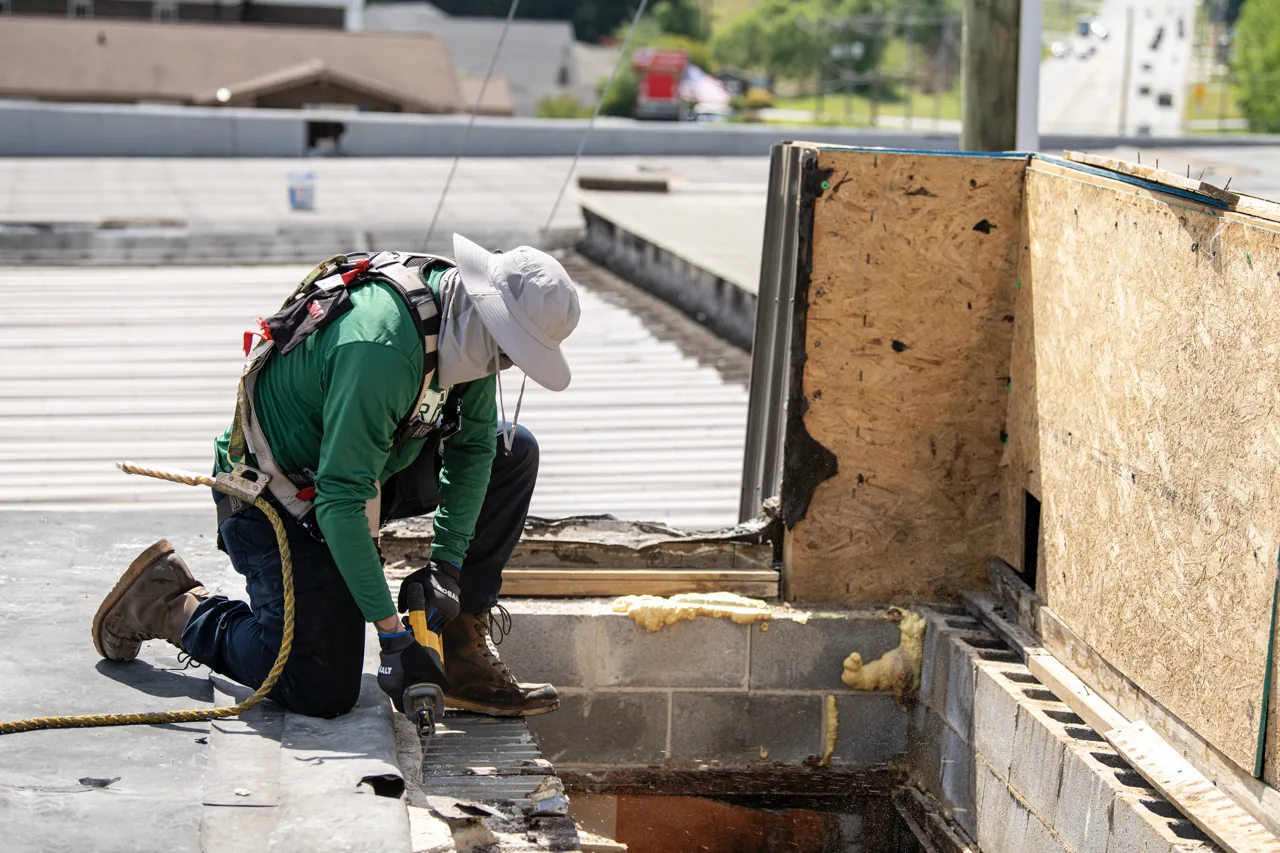
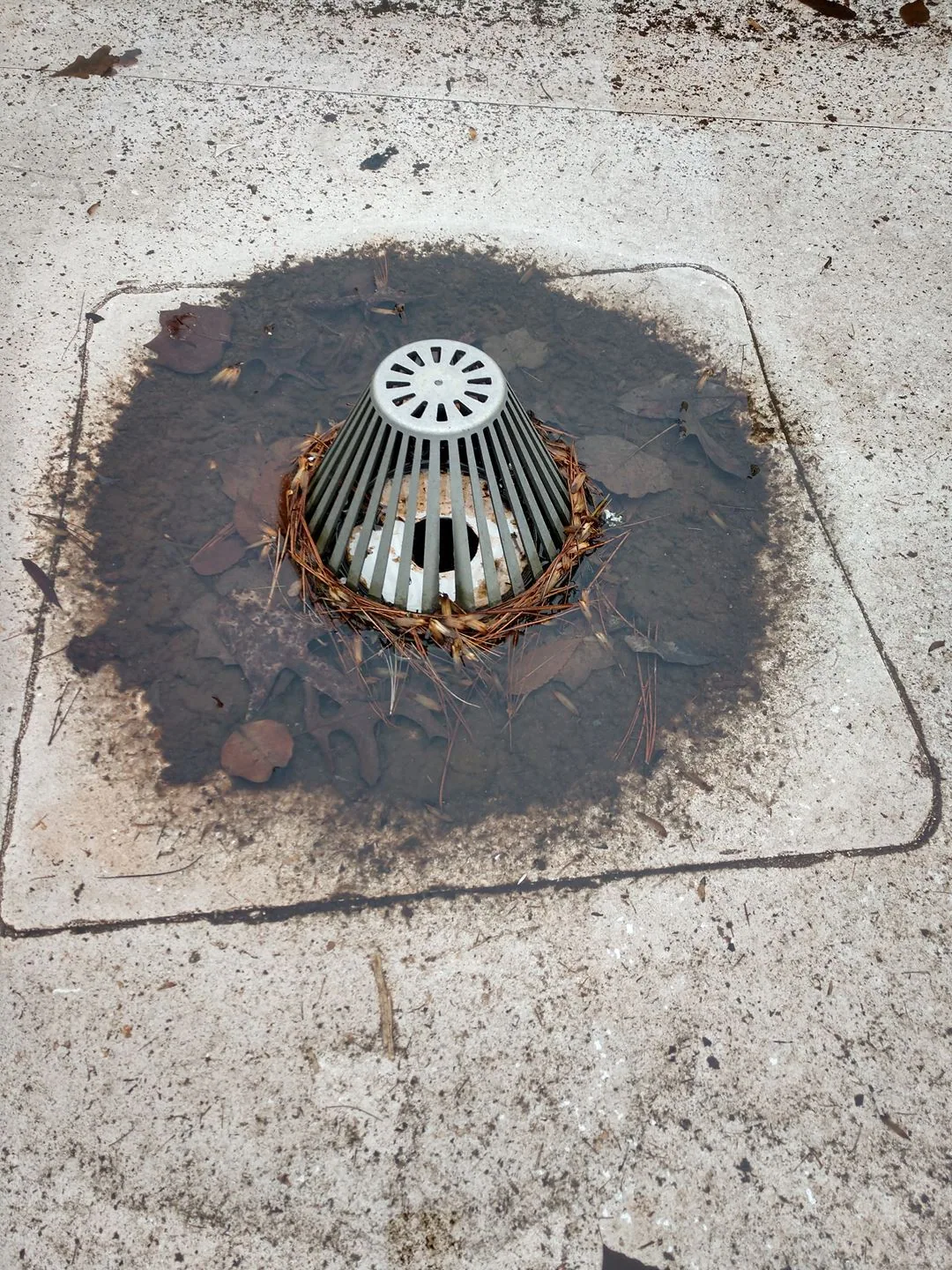
Forklift traffic stays inside, but roof service routes still bring foot traffic, tools, and packaging onto the membrane. We identify hatch access, mechanical paths, and where crews may stage repair materials without blocking drains. The roof map shows drain bowls, scuppers, overflow points, and low spots near equipment. A clogged outlet can hold water against a seam. We separate maintenance debris from a failed drain or membrane detail and price each correction clearly.
Jersey City identifies localized flooding and combined-sewer stormwater loading as concerns; warehouse roof checks should follow discharge to the outfall. After rain, we inspect this roof’s slopes, drains, and overflow paths before setting a repair boundary. The building inspection determines its actual slope and outlet condition. A drain and scupper repair can address a damaged bowl or flashing. If a curb or pipe penetrates the field, we coordinate a roof penetration scope with the operating schedule and equipment access.
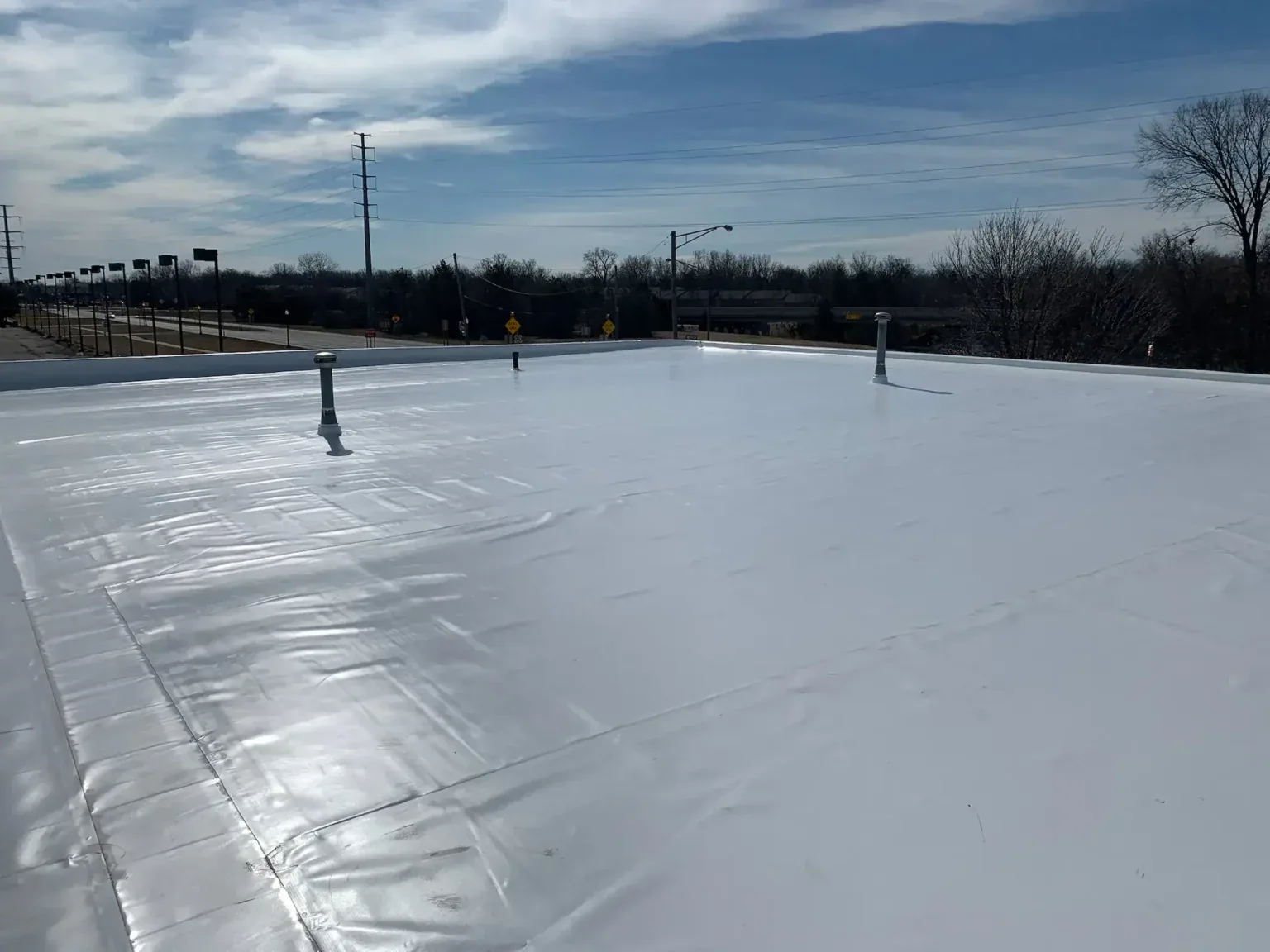
Warehouse roofs may use TPO, PVC, EPDM, built-up, modified bitumen, metal, or another assembly. The installed system gets identified before any repair material is picked. The choice depends on seam type, substrate, wet insulation, attachment, edge condition, and future access. A localized repair can preserve a sound field; a recover may add layers only when the existing roof is dry and stable. Widespread moisture or failed attachment can make removal the more reliable project boundary.
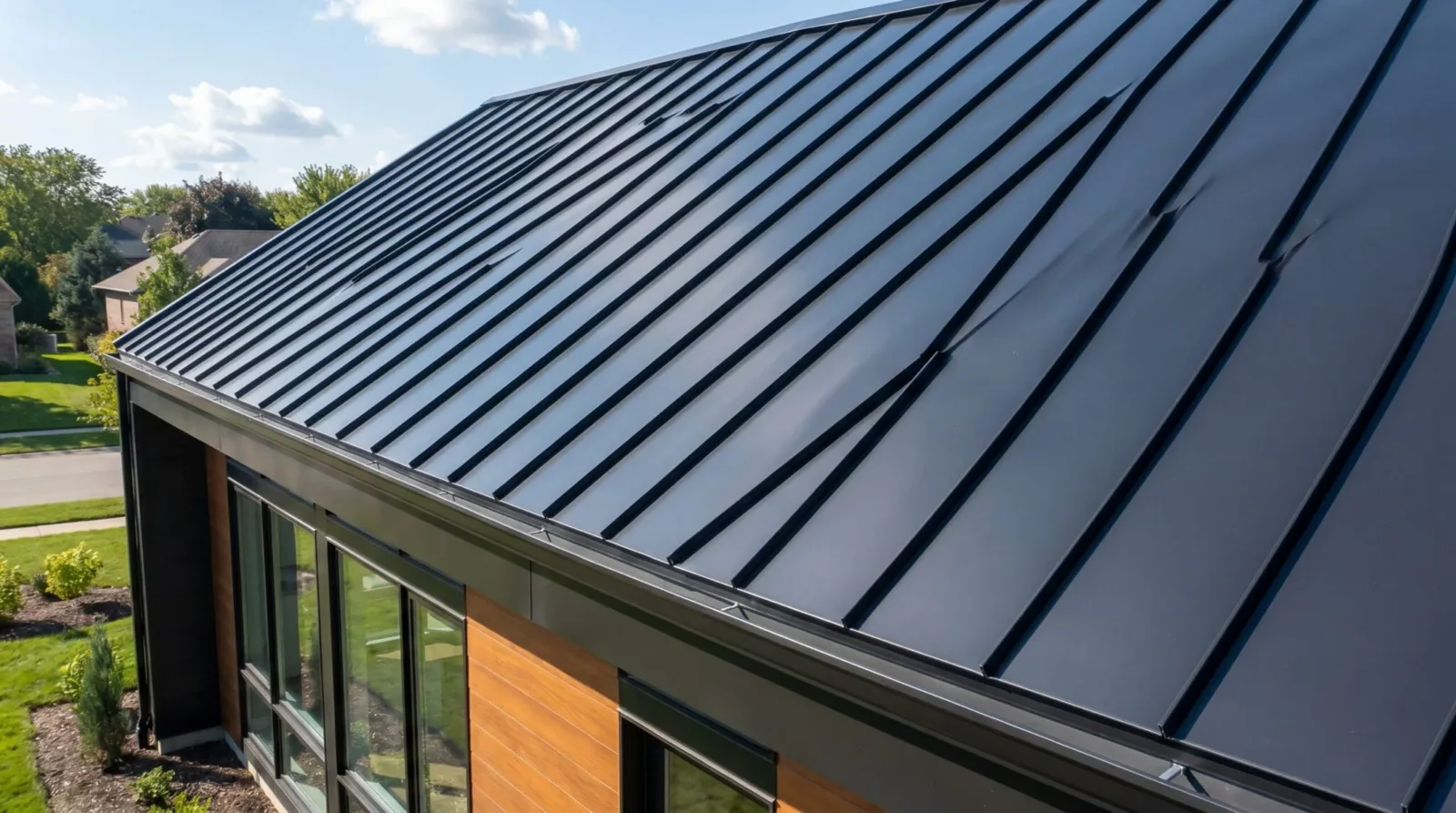
A new system must fit the roof geometry and operational plan. A TPO membrane or standing-seam metal roof has different seam, attachment, flashing, and maintenance requirements. For a replacement, we show tear-off limits, insulation, cover board, drains, curbs, and edge work. The proposal also identifies lift needs and when a loading area or aisle should remain clear.
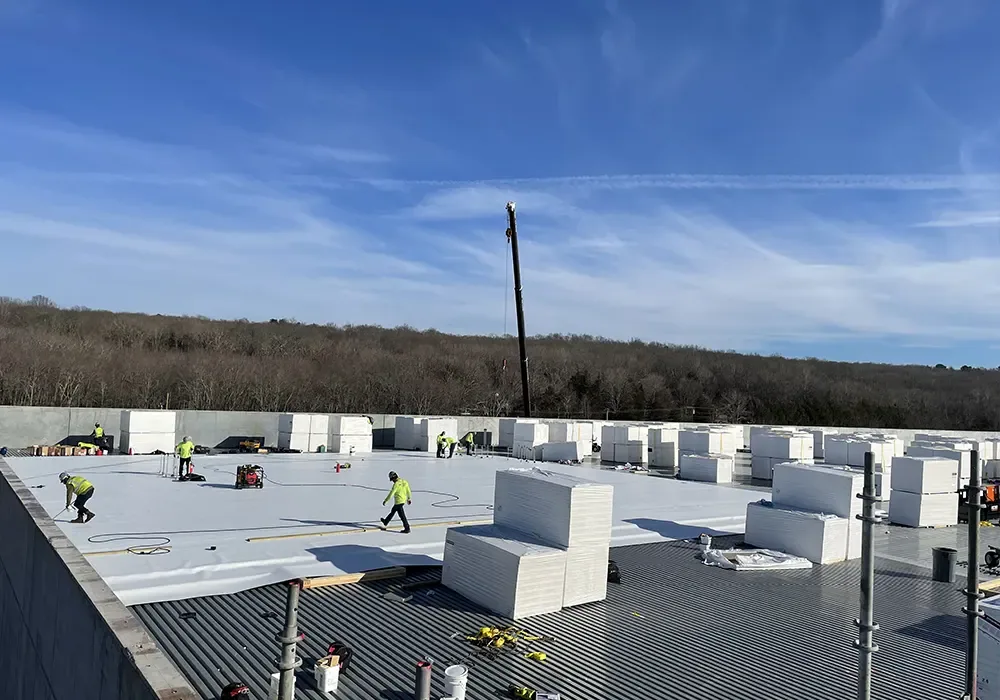
Price and duration depend on access height, roof area, material removal, equipment moves, disposal, staging, and the extent of wet insulation. If inventory or shipments must continue, we split work into zones that can close at the end of a shift. The owner sees the sequence, temporary protection, and handoff points before work starts. A hidden condition found during a test opening is documented and approved before the repair boundary expands.
Transportation and warehousing receipts in Jersey City reached $1.809 billion in 2022, per Census QuickFacts. At the building, we confirm receiving hours, truck access, lift location, roof hatch, and interior restrictions with the manager before material is delivered. A phased work plan sets the roof-zone closeout and any tenant or staff notice.
If the roof remains occupied by maintenance crews while a repair is underway, we mark the approved path and limit foot traffic across fresh membrane. Material staging cannot cover a drain or emergency route. The daily record identifies the closed zone and next planned work area. Rain can shift the sequence, so the crew reduces open area and closes each tie-in at the agreed stop rather than leave a warehouse exposed for the next shift.
A warehouse walk also checks how a roof repair will affect later service access. We mark ladder or hatch routes, fragile panels, equipment clearances, and the path from the staging point to each work zone. The manager identifies aisles that cannot be closed and the hours when deliveries peak. Those details shape lift placement and material handling; they do not change the roof diagnosis. We photograph the existing membrane at each tie-in and note repairs that should remain visible for future inspections. At closeout, the map gives maintenance staff a practical reference for drains, patched seams, and restricted paths without relying on a verbal handoff. For related property considerations, compare distribution-center roofing and manufacturing plant roofing.
The closeout record lists repaired zones, roof system, photos, drain status, flashing details, test openings, and any future maintenance item. It should also note when interior protection or a temporary repair is removed. Warehouse staff can use the map to direct later service visits away from finished seams and to report a new stain against the location above. A concise condition report separates observed roof facts from production schedules or inventory concerns that the roofing crew does not control.
Jersey City names West Side Avenue as a commercial center and includes Journal Square among its commercial areas. For this warehouse, we confirm the hatch, lift path, and loading configuration with the site contact. For another property in a portfolio, a separate Kearny roof visit receives its own inspection and sequence. Set a walk around the highest-priority leak, the loading window, and the roof-zone limits. We will return a written option for immediate repair, phased recover, or replacement based on what the field record supports.