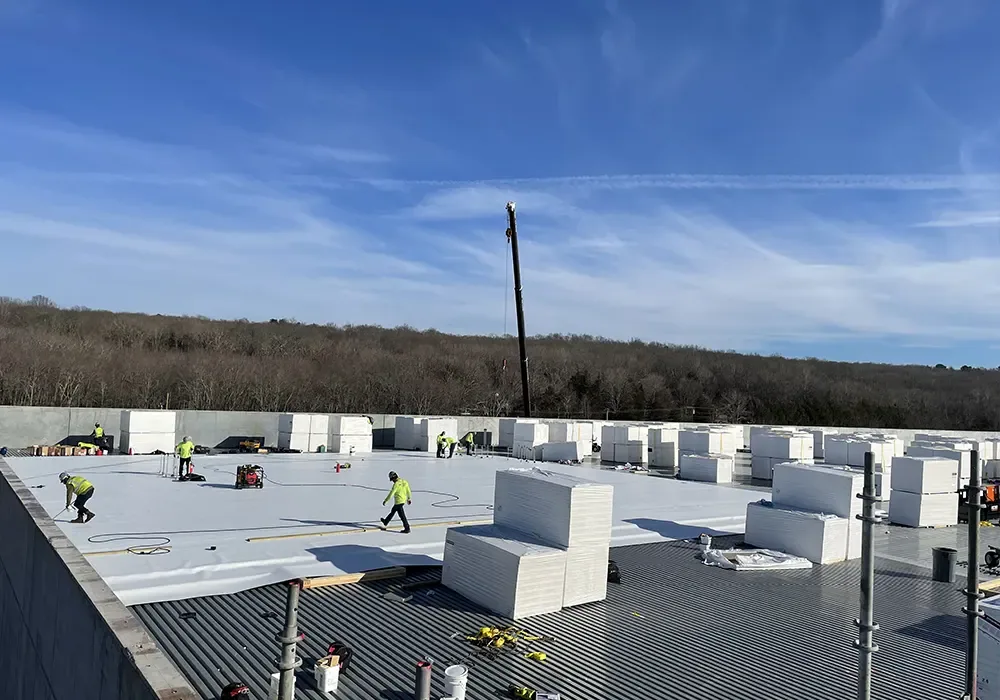
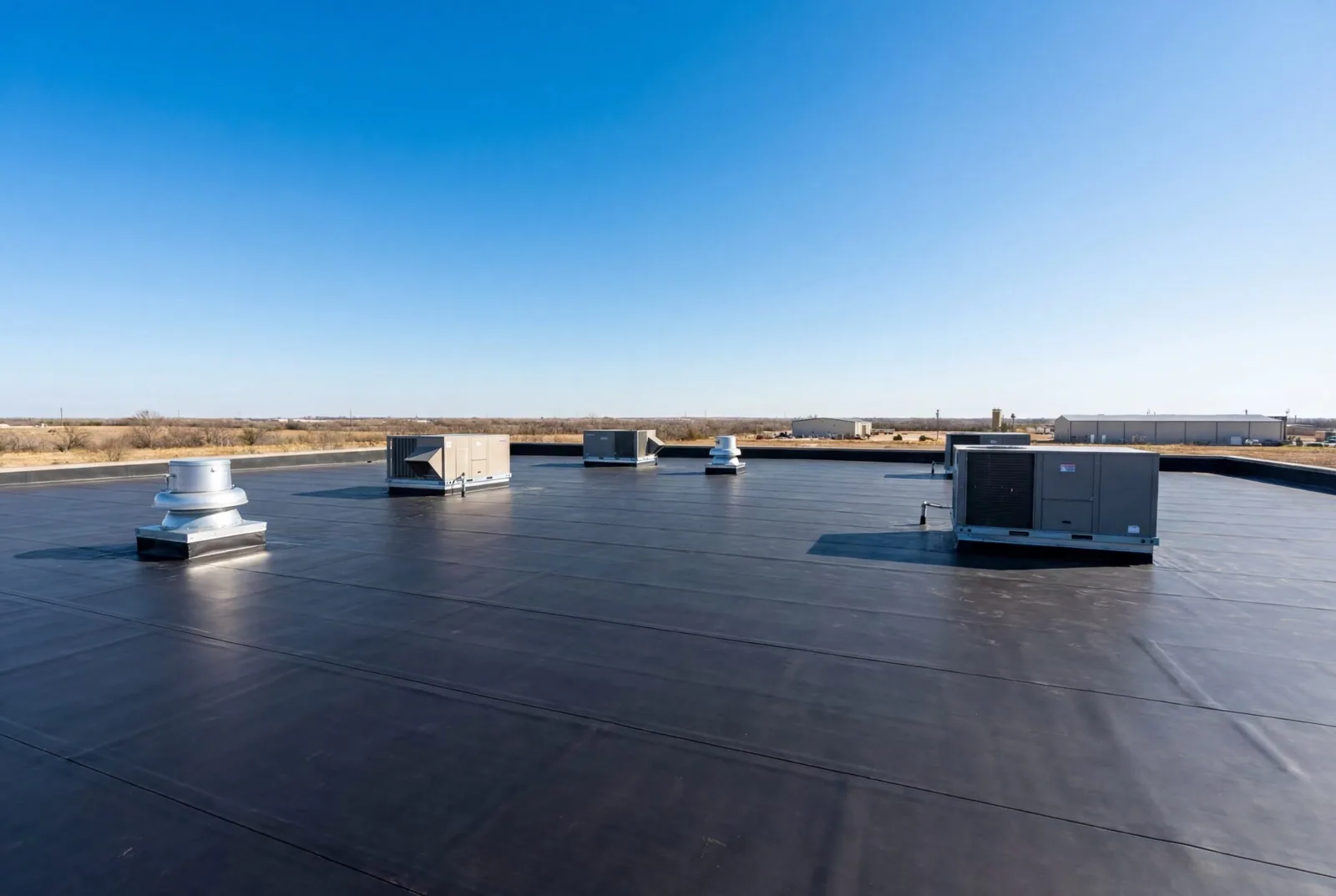
Modified Bitumen Commercial Roofing in Jersey City, NJ
Inspect Jersey City modified bitumen plies, laps, surfacing, drains, and flashing before a commercial roof repair, recover, or replacement project.
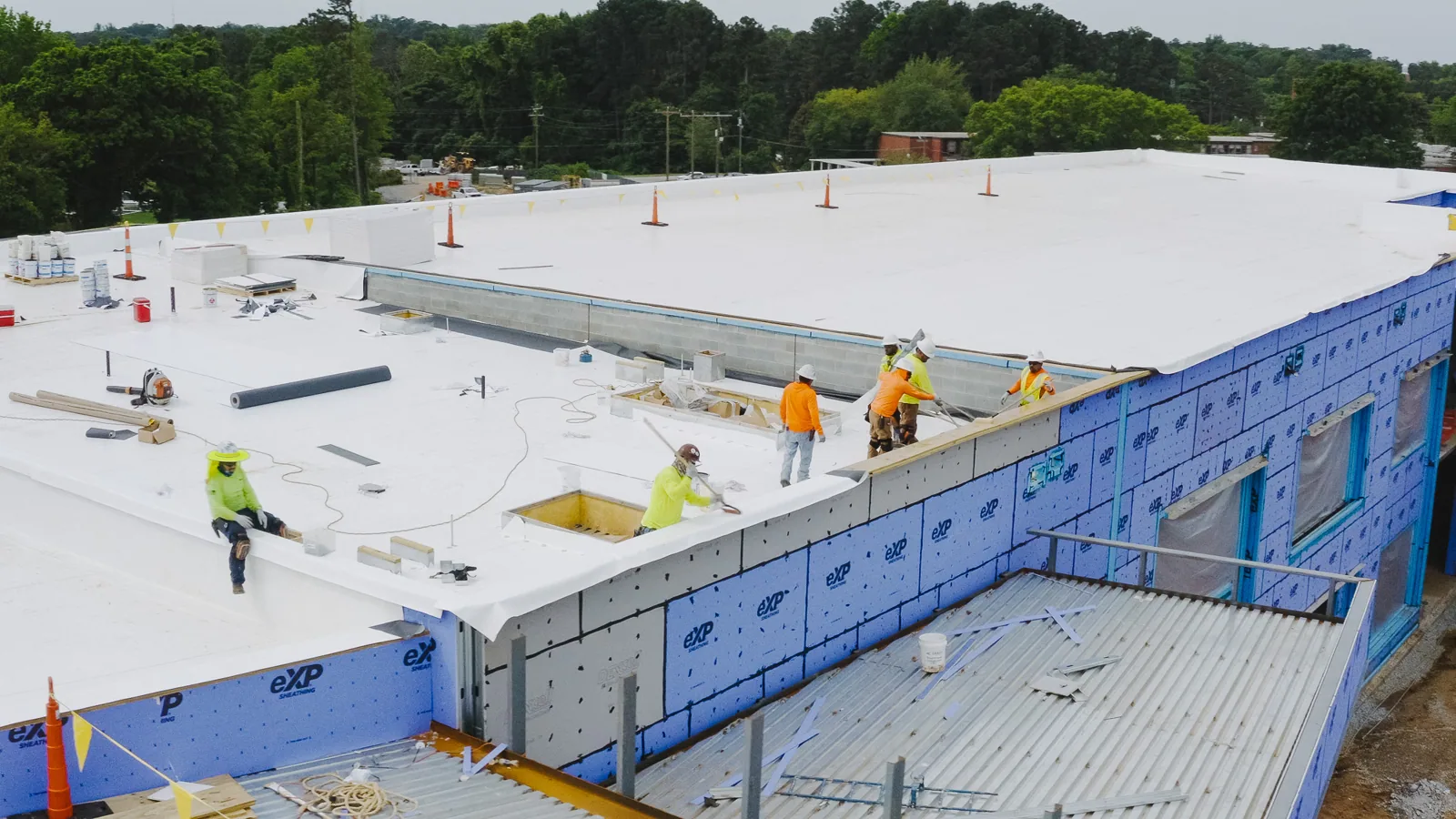
Inspect Jersey City modified bitumen plies, laps, surfacing, drains, and flashing before a commercial roof repair, recover, or replacement project.
Modified bitumen is a multi-ply asphalt roof system with reinforced sheets and laps, not a single surface coating. On a Jersey City, NJ building, we check ply condition, seams, surfacing, flashings, drains, and prior patch layers before recommending repair or removal. Jersey City's coastal setting and stormwater concerns put water paths on the review list; inspection still traces the roof's actual opening. A commercial inspection records the assembly and separates visible wear from confirmed failure.
Systems vary by reinforcement, asphalt modifier, surfacing, and attachment method. Heat-applied, cold-applied, or self-adhered materials have different installation and repair requirements. We identify what is installed from the visible field and records, then inspect laps and transitions for cracks, open edges, exposed reinforcement, blisters, and repair incompatibility. The scope should name the layer being repaired and whether the substrate remains stable.
A modified-bitumen roof depends on continuous layers and secure laps. We inspect end joints, side laps, granule loss, exposed asphalt, fishmouths, ridges, and flashing at walls and curbs. A blister may signal trapped air or moisture, so we do not simply cut and seal it without checking the surrounding assembly. Photos and test openings can establish the actual repair boundary. The report distinguishes a surface maintenance item from loss of bond or water entry through multiple plies.
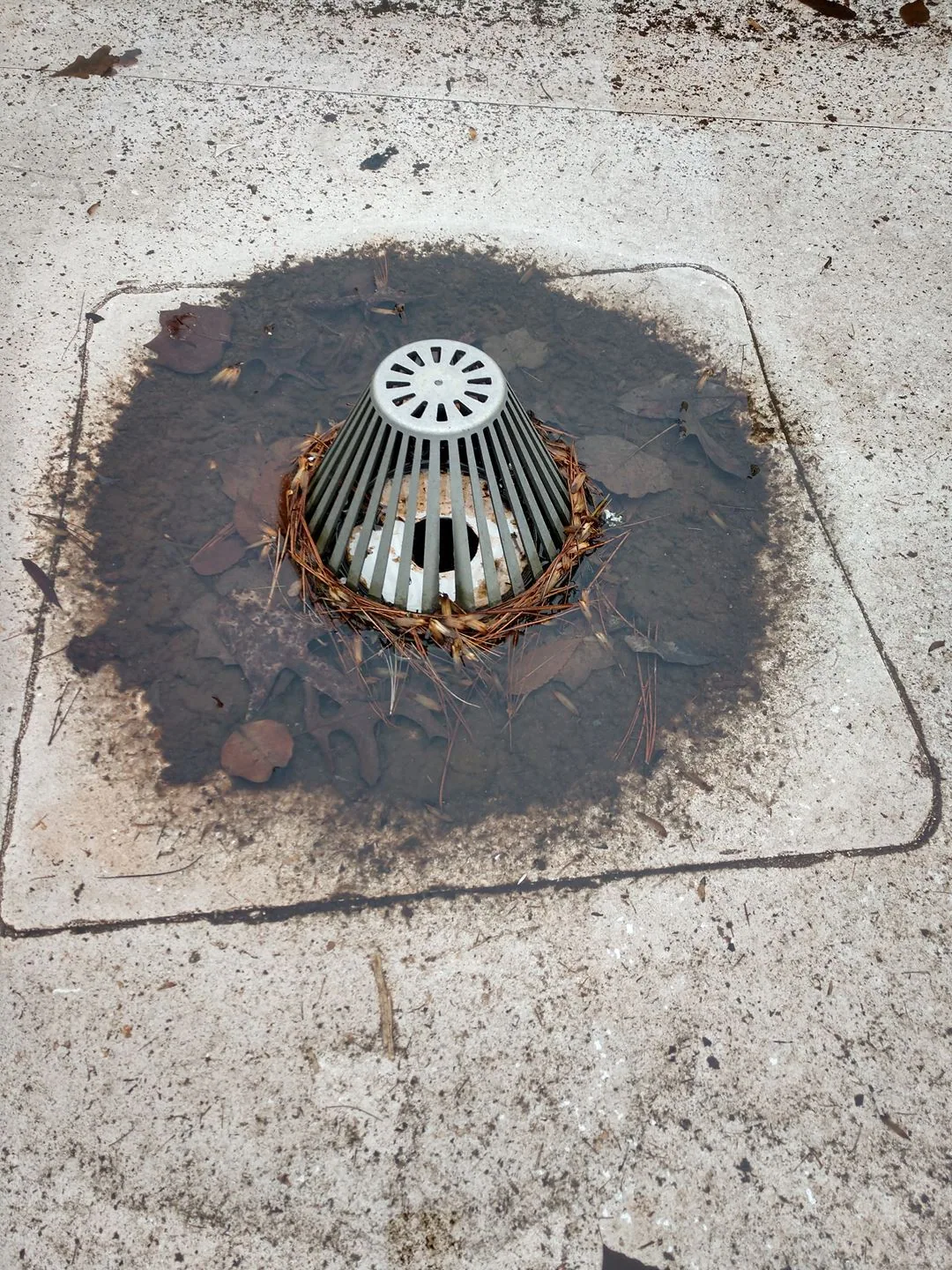
At drains and scuppers, the membrane must integrate with the bowl, clamping ring, and overflow detail. Our drain inspection maps those connections and checks whether debris or a low area is holding water. Roof traffic can damage surfacing at equipment paths, while a curb repair may expose a different layer sequence. We record the detail before selecting compatible repair sheets and flashing materials.
Schedule an inspection to map the modified-bitumen layers, wet-area indicators, drains, and flashing. We will compare a defined repair with recover or replacement.
Visible granule loss or surface cracking does not by itself prove the entire roof is saturated. We look for blisters, soft spots, displaced plies, interior staining, and repeated repairs, then test areas where the evidence points below the surface. The opening confirms the layers and their bond. If moisture extends beyond the original defect, the replacement boundary must reach material that can support the new assembly. We share the findings by roof zone so the owner can compare selective correction with tear-off.
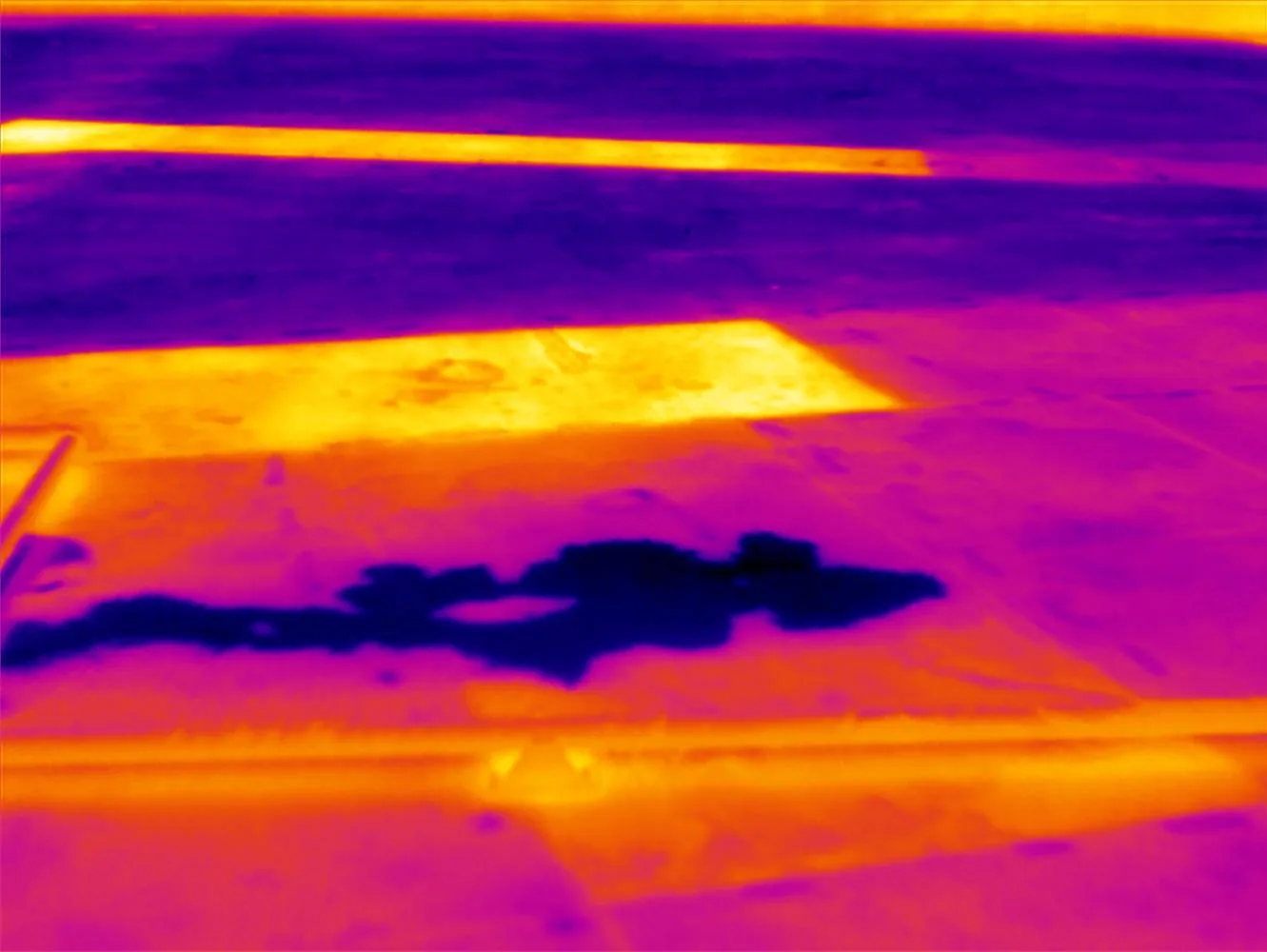
Jersey City’s documented severe flooding and property damage from Irene and Sandy put drainage review into a roof survey, but those events do not diagnose any one modified-bitumen roof. We trace the site-specific path from drains and parapets to the reported interior area. An infrared survey can help prioritize cores across a large roof, with test results confirming material condition. The written report identifies scanned areas and areas that were not opened.
Repair may involve new modified-bitumen sheet, compatible asphaltic material, reinforcement at a transition, or a rebuilt flashing. The method depends on whether the existing surface can be prepared, the number of plies involved, and the application method allowed by the assembly. We state hot-work controls where applicable and coordinate with building operations before heat is used. A repair is inspected at its laps and edges after completion, with the area photographed and its limits recorded.
A commercial leak repair can address a defined opening while an owner evaluates broader renewal. If the roof has multiple layers, widespread blisters, wet insulation, or recurring lap separation, overlay may add weight and complicate drainage. We compare a local patch with recover feasibility only after checking existing layers and attachment. The report identifies conditions that would prevent a recover rather than imply that another ply is always suitable.
Timing depends on access, material choice, weather, equipment interference, removal volume, and the area that must remain protected. Hot-applied work may require additional controls and coordination; cold-applied or self-adhered materials have their own surface and temperature conditions. We set the roof-zone boundary and daily closeout before opening the assembly. The proposal lists the work window, temporary protection, cleanup, and any owner decision needed if a test opening finds a different layer condition.
A recover can be considered when the existing membrane is stable, dry, and securely attached, and when the added assembly preserves drain and edge details. Multiple roof layers, moisture, weak bond, or damaged deck can rule it out. Tear-off allows the crew to remove failed plies and address insulation or deck conditions, but access, disposal, and interior protection may increase the project scope. We show both choices when the evidence supports a real comparison and mark any uncertain zone separately.
For a new membrane alternative, the owner can compare TPO roofing and EPDM roofing with modified bitumen based on roof use, attachment, flashing, maintenance, and project constraints. A complete replacement scope also addresses cover board, insulation, perimeter metals, curbs, and drainage transitions. Cost drivers are listed by assembly and work zone, not reduced to one surface price.
Planning identifies commercial centers along Central Avenue and West Side Avenue, as well as Journal Square and the Route 440/Culver area. Each property has its own loading route and roof access. We verify lift needs, staging, occupied floors, and material movement before selecting a zone size. Rain requires a reliable temporary stop, so the shift plan identifies which area can be closed completely before the crew leaves. For a property that remains open, an occupied reroof plan sets notices and access boundaries.
The crew protects drains and clears debris as each section closes. Building staff need to know when the hatch, loading area, or equipment route changes, and the work record names the zone that is unavailable. Weather may shift the sequence; the open area is reduced to match a closeable boundary. A daily report records the finished laps, flashing, temporary protection, and next scheduled section so the property team can follow the work without relying on a verbal handoff.
A useful closeout record lists the system layers, repair material, surfacing condition, lap repairs, flashing details, drains, test openings, and photos. Any unresolved or inaccessible area stays on the record with the next action. Maintenance focuses on drain flow, edge and curb transitions, surface damage, and new trade traffic. An owner can compare later findings with the baseline and decide whether to repair, restore, or plan capital replacement.
Chapel Avenue Industrial Park and Greenville Industrial are named Jersey City areas, along with the Tonnele Avenue Light Industrial area. A site walk confirms the property's route, staging area, and assembly. A property in Hoboken belongs on its own roof map, with separate conditions and a separate work sequence. Set a walk to review ply condition, water path, access, and the boundary of any test opening.