School Roofing in Jersey City, NJ
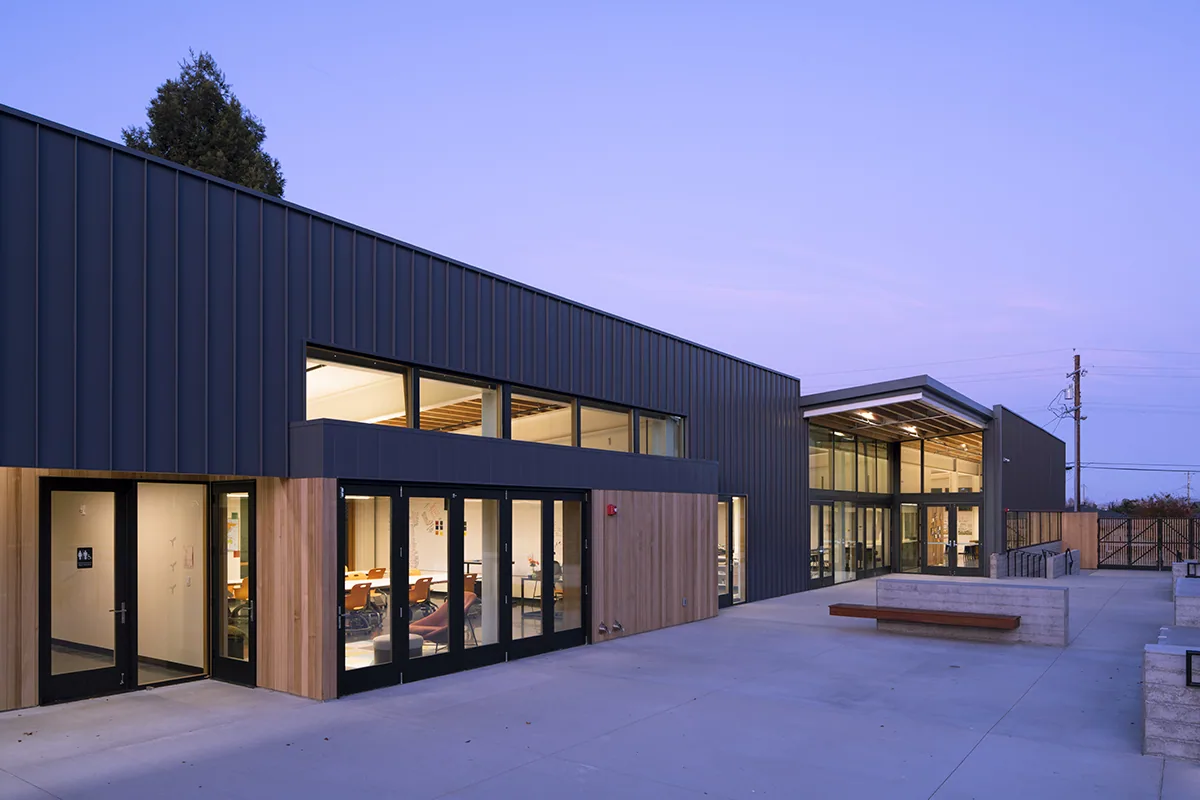
Commercial roofing for Jersey City schools, with phased repairs, drainage checks, and work windows planned around occupied buildings.
Commercial roofing for Jersey City schools, with phased repairs, drainage checks, and work windows planned around occupied buildings.
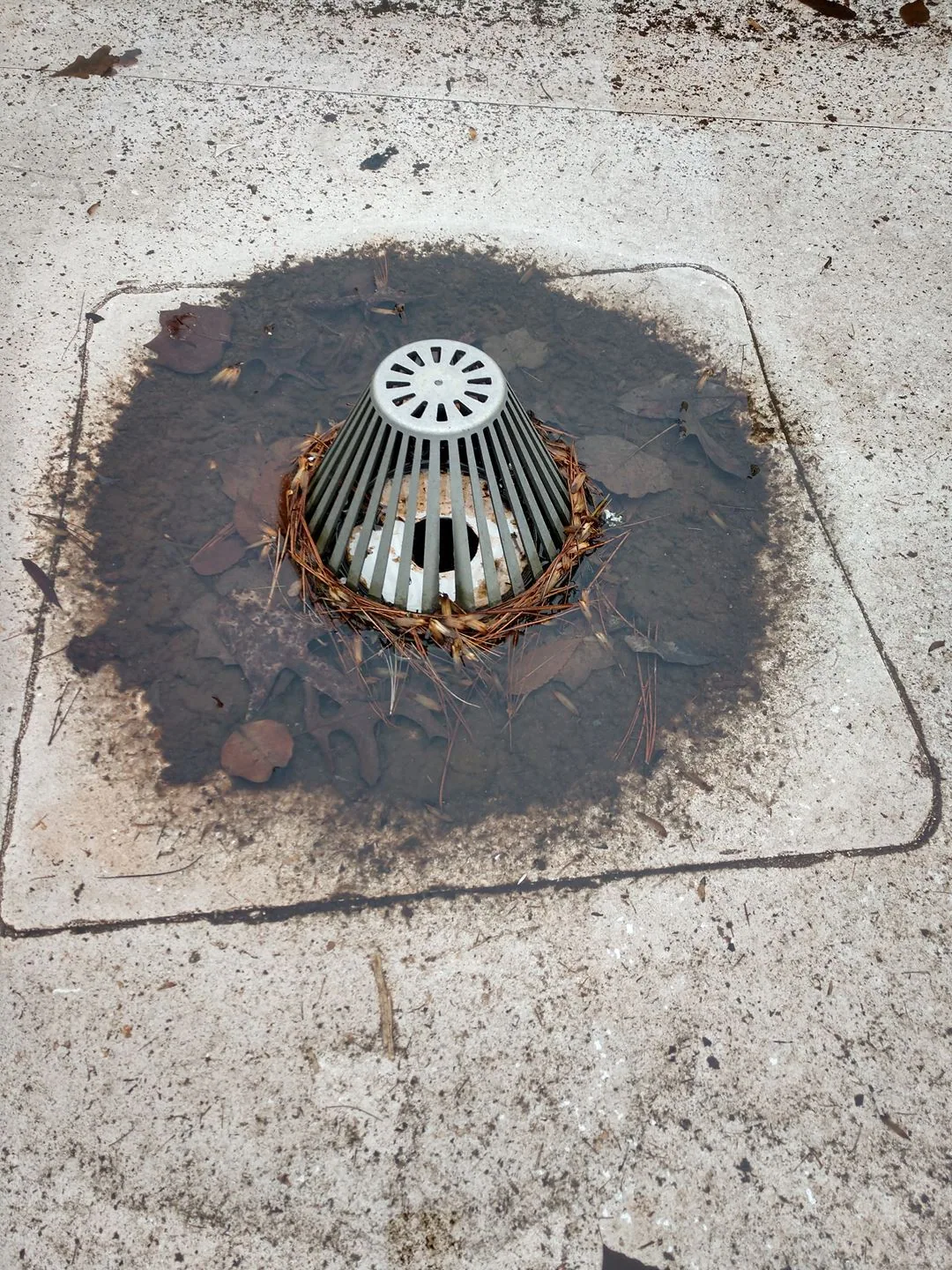
A roof leak above a classroom changes the work sequence before it changes the repair scope. We mark the wet zone, inspect the membrane and nearby penetrations, then trace the water path to drains, edges, and tie-ins. Jersey City is a coastal community vulnerable to climate impacts, and severe flooding has affected the city; drainage belongs in that first review. A school roof plan also needs a clear access path and a work window that keeps students, staff, deliveries, and emergency exits separate from staging.
Greenville, The Heights, Journal Square, and West Side/Marion are among Jersey City's six named districts. The roof survey records the actual assembly, access points, and building operating rules. We compare repair, recover, and replacement options only after the roof condition and occupied-floor needs are visible.
A school day places people and deliveries on fixed routes. We review ladders, hatch access, gates, loading areas, and the path from the roof to the staging point before setting a crew sequence. If the building uses multiple roof zones, the daily plan separates each work area, material movement, and closeout. The principal or facilities lead can identify restricted periods, testing days, summer windows, and areas that must remain clear.
For a repair, we isolate the affected zone and keep removed material controlled. A larger project may need separate mobilizations or a sequence that limits active roof exposure at the end of each shift. The inspection record should name the roof area, observed condition, proposed work, and any access dependency. We can align a commercial roof inspection with the school calendar and then carry the same boundaries into the field plan.
When the roof contains several additions, we separate each construction joint and note whether the tie-in is accessible from the roof. A leak above a corridor may travel along a deck or insulation before appearing indoors. The inspection compares the symptom with the closest drain, curb, and wall transition, then marks the path as confirmed or still uncertain. This gives school staff a useful boundary for interior protection while the roofing scope stays focused on the exterior evidence.
Identify the highest-priority roof zones, access rules, and acceptable work windows. We will map the condition, trace the water path, and define a written scope.
Water at a ceiling does not identify the roof opening by itself. We check the membrane surface, seam direction, flashing transitions, drain bowls, scuppers, and the underside where access permits. Localized flooding and loading on Jersey City's combined sewer system are city concerns. That context makes drain condition and discharge routes worth documenting, but the roof inspection must establish whether a particular drain is blocked, damaged, or simply overwhelmed during a storm.
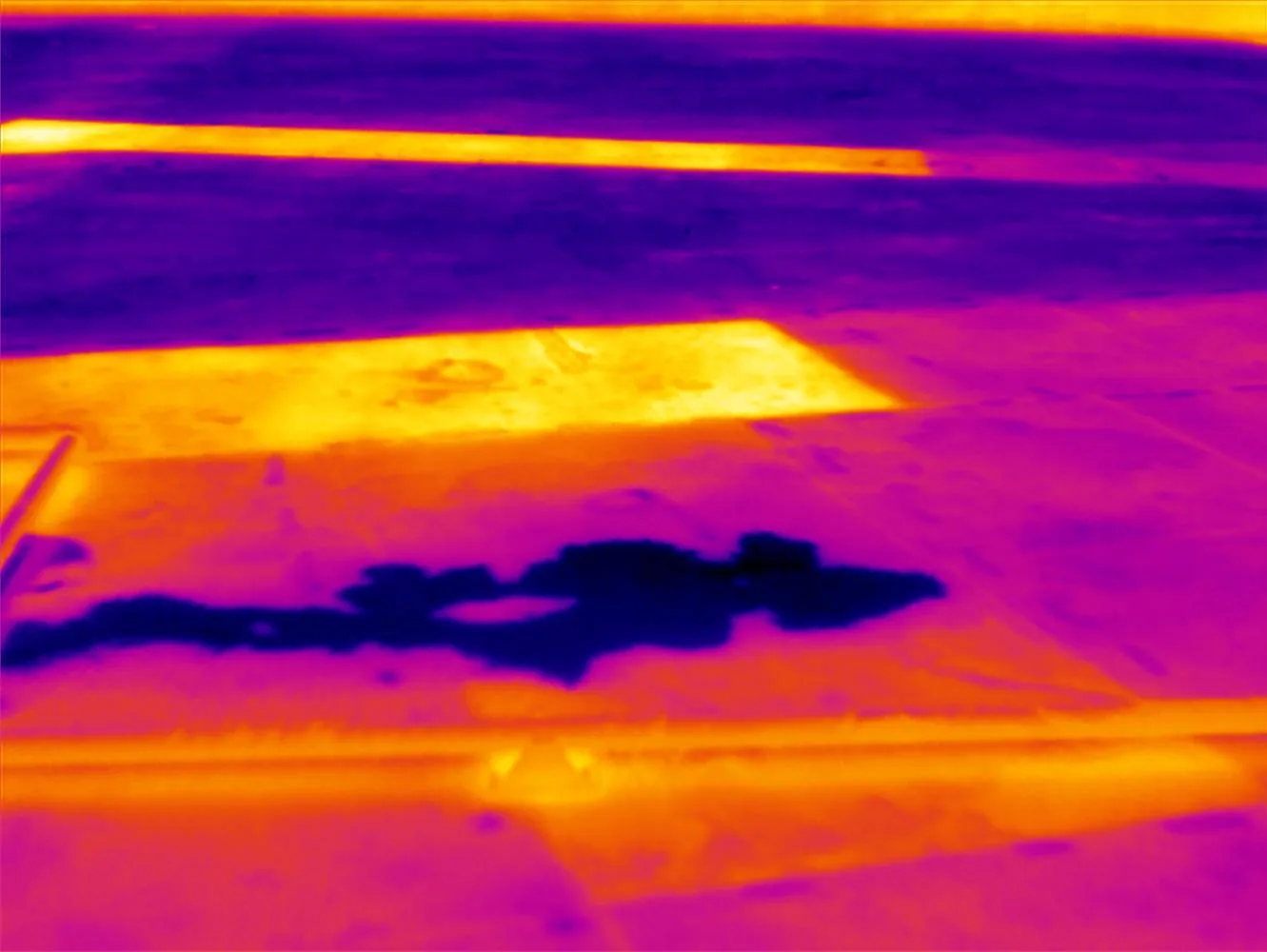
We photograph ponding, debris, loose flashing, and any separation between wet interior areas and likely roof paths. A moisture survey can help distinguish visible surface symptoms from a suspected moisture condition when readings are appropriate. The report states where evidence was collected and where access limited the view. It does not turn one ceiling stain into a building-wide conclusion. The next visit can compare the same marked zones after a repair or drainage correction.
Before a large repair, the facilities lead can identify rooms that require quiet, secure, or uninterrupted access. We place those limits on the roof-zone sketch and use them when selecting a start point. If a phase must pause for a school activity, the shift ends with the seam or edge protected, debris removed from drains, and the roof hatch secured. The written handoff names the next crew entry and any inspection point that must be accepted before work resumes.
A school roof may contain several generations of work, so tie-ins matter as much as the field membrane. We identify the membrane type where visible, note transitions around curbs and penetrations, and check how edges terminate. A localized opening may suit a targeted repair. Broad deterioration, wet insulation, repeated seam separation, or incompatible prior patches can shift the comparison toward a recover or replacement. The decision follows what the inspection can support.
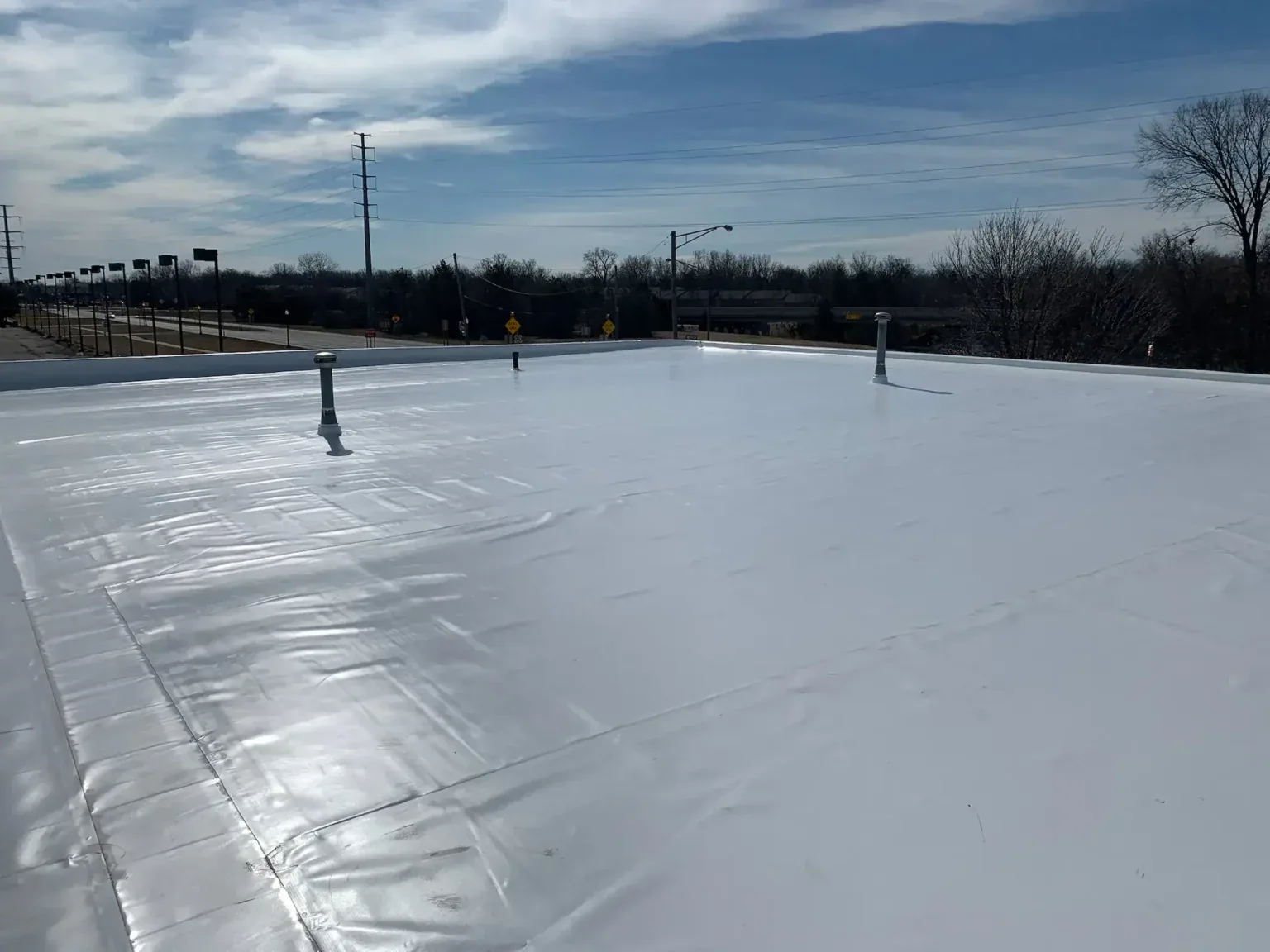
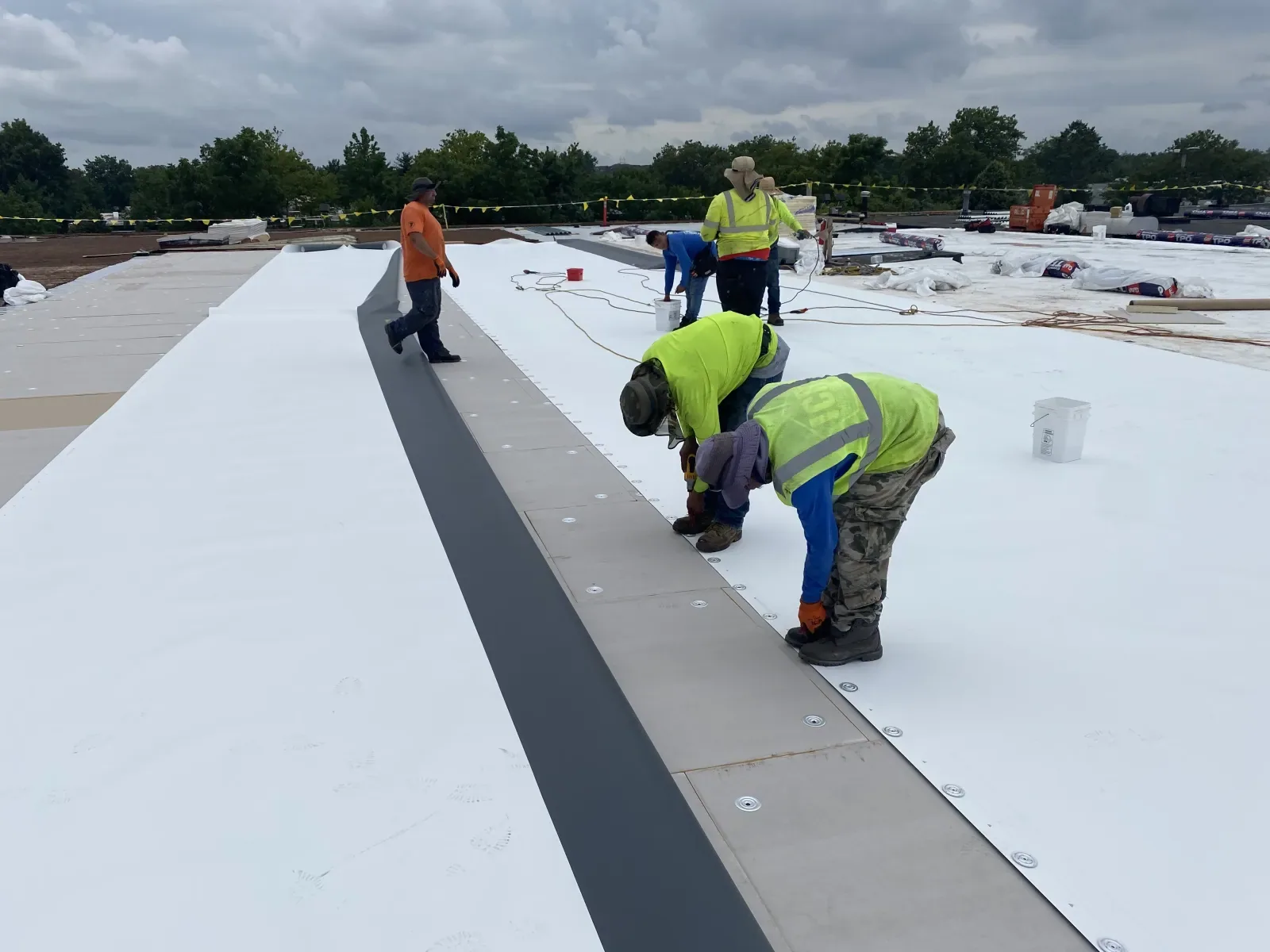
For low-slope assemblies, a TPO roof assembly depends on substrate condition, drainage, attachment, and compatibility with existing layers. Coating is not a substitute for correcting loose flashing or trapped moisture. If removal is needed, the scope should account for insulation and cover board as well as membrane. A school can review alternatives by roof zone, with the report showing what each option addresses, what remains, and which decisions require further testing.
Rain risk changes how much roof area can be opened at once. We select manageable work zones, stage materials before removal, and protect each tie-in at the shift boundary. Jersey City saw power interruptions, damaging floods, and property damage during Irene and Sandy. When a storm interrupts school roof work, the closeout records remaining exposure and the next access requirement. The daily record notes the covered area, remaining exposure, photographs, and next access requirement.
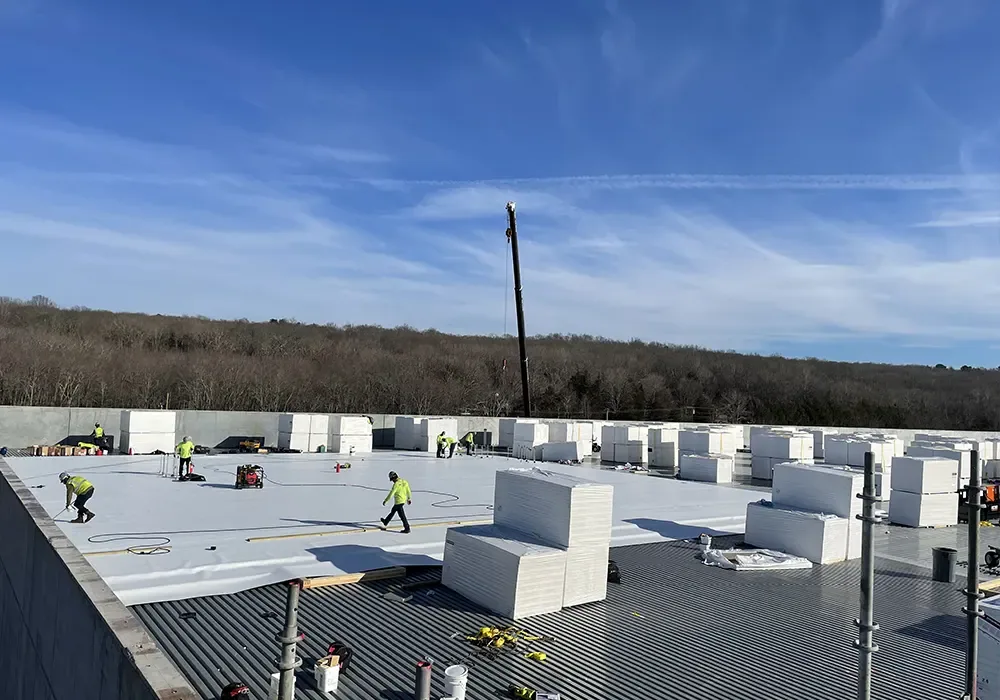
For planned replacement, the schedule should identify inspection holds, delivery timing, and areas that cannot be blocked. A replacement sequence can be structured around the same sequence, especially when the school needs separate scopes for different buildings. The last pass checks drains and debris, verifies temporary protection, and records open items. The facilities contact receives a concise handoff rather than a general statement that the roof is complete.
A usable roof file links each observation to a location and a decision. We label roof zones, photograph conditions from repeatable viewpoints, and distinguish urgent openings from maintenance work. That helps a facilities team prioritize a leak repair without losing track of longer-term membrane or insulation concerns. When work touches multiple areas, the report records the sequence and the condition left at each daily closeout.
Journal Square, West Side Avenue, Central Avenue, and Route 440/Culver are identified Jersey City commercial centers or corridors. The site walk determines a school building's actual access and roof conditions. We can compare the roof record with a nearby warehouse roof planning program if a district manages several property types. A follow-up inspection should revisit the same marked zones and note what changed.
For a district portfolio, compare these findings with the roof-zone record for a Hoboken property, then keep each building's scope separate. A related college roof plan may use the same access discipline while addressing a different operating calendar.