Due Diligence Roof Surveys in Jersey City, NJ
Roof surveys for Jersey City acquisitions and refinancing, with moisture scans, dated photos, immediate repair lists and replacement timelines for lenders.
Roof surveys for Jersey City acquisitions and refinancing, with moisture scans, dated photos, immediate repair lists and replacement timelines for lenders.
A buyer has days, not months, to learn what a roof will cost. The survey has to fit inside the contingency period, reach the roof before the inspection window closes, and deliver numbers a lender can read. Post-2000 investment reached Newport, Downtown, and Journal Square early, with redevelopment later spreading to other Jersey City neighborhoods. For each acquisition, we verify roof age and assembly from property records and field conditions.
Our due-diligence survey starts from one question: what will this roof demand in the first five years of ownership, and what does the seller's file say about it? We answer with field findings, moisture data, a priced list of immediate repairs and a capital schedule the buyer can put in the model.
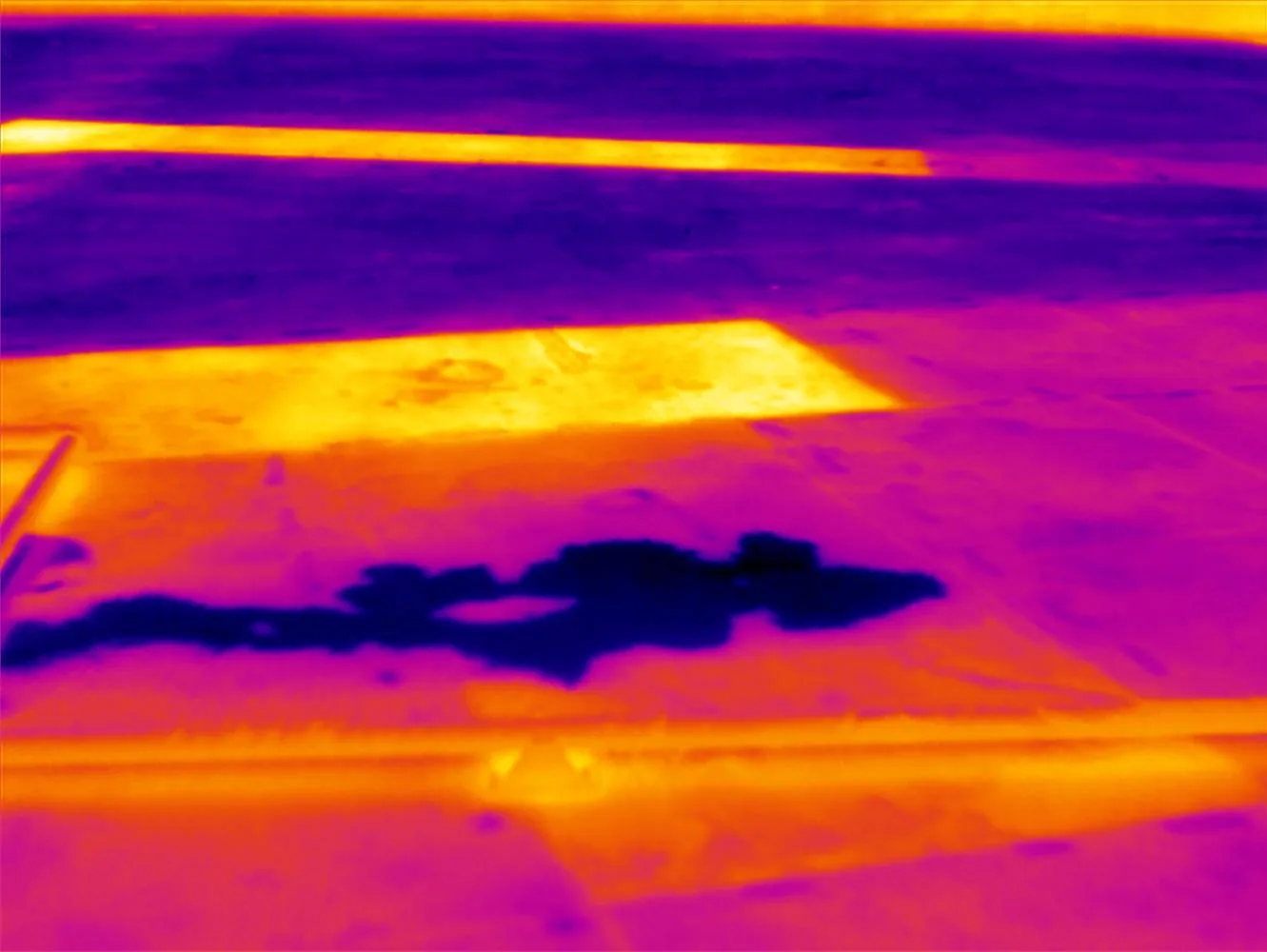
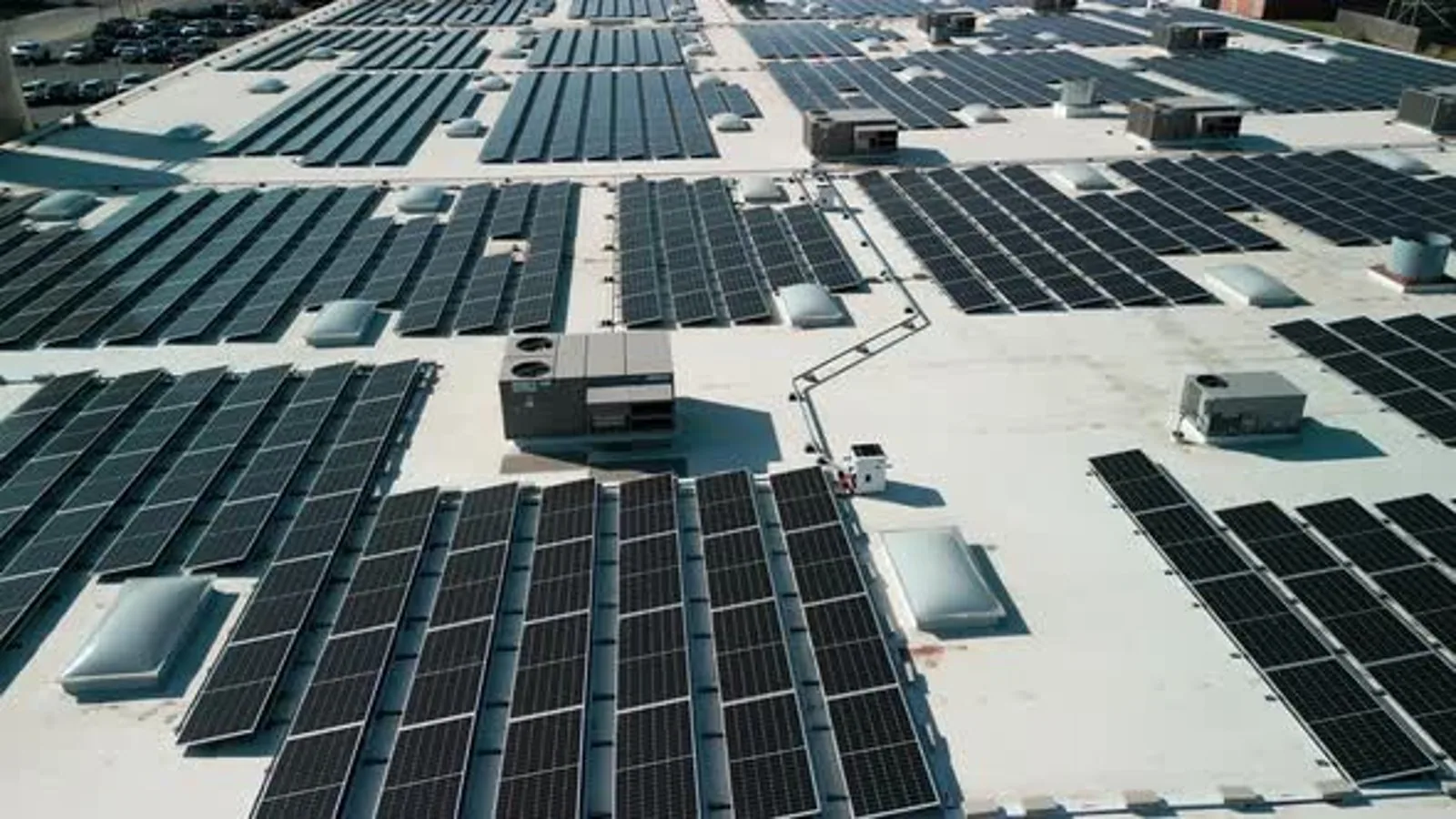
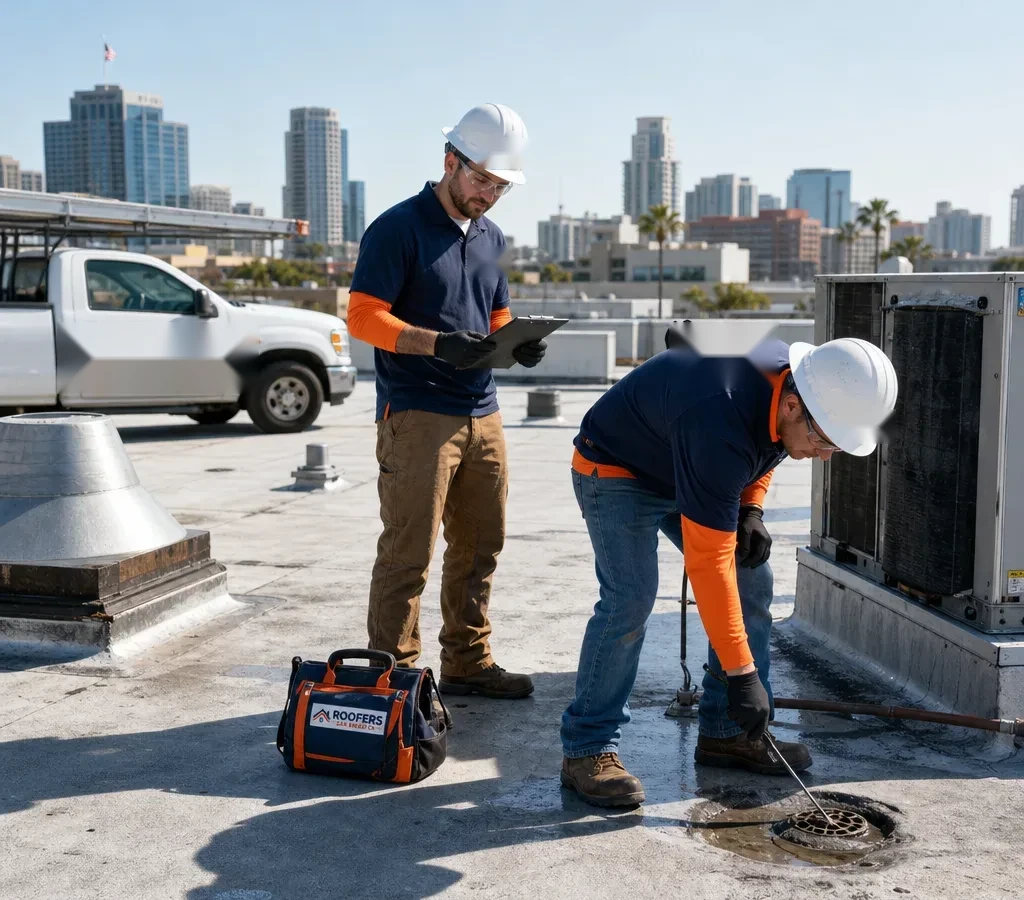
We start with a records request to the seller: warranty documents, repair invoices, prior reports, tenant leak complaints and any insurance claims. Then we walk the roof. Seams, flashings, penetrations, drains and parapets are photographed by roof zone. An infrared moisture survey is run when the buyer's timeline and weather allow, and a drone pass covers sections that cannot be walked safely.
Moisture scans work best when conditions are right, with a dry roof surface and a temperature swing across the day. If the window closes before that happens, we state in the report what the walk could and could not confirm, and recommend cores or a follow-up scan after closing. A survey that overstates its certainty hurts the buyer more than one that names its limits.
Call us with the contingency dates and building list. We will confirm access, run the walk, and return a written survey a lender and a deal team can both read.
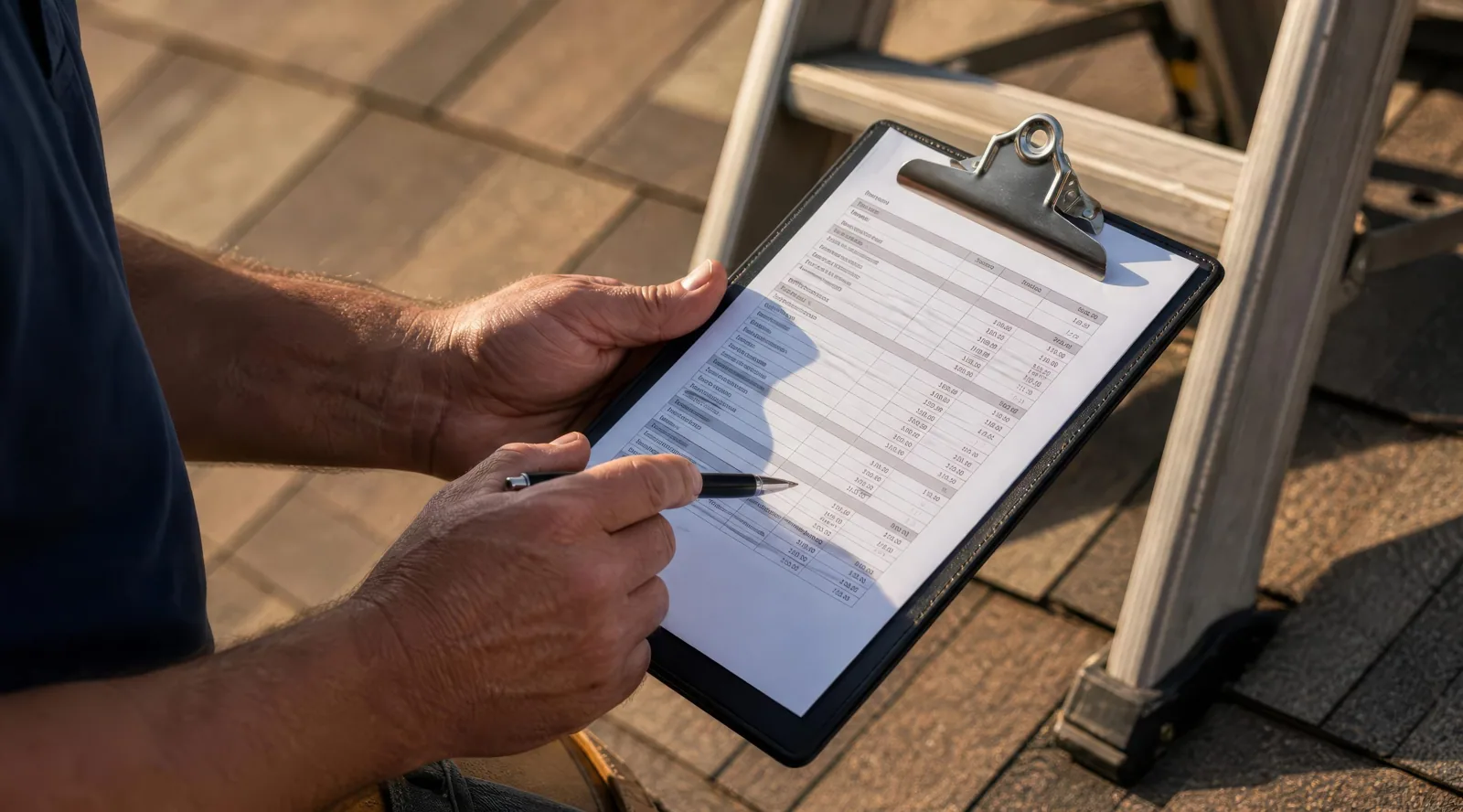
The deliverable is a written report built for a deal team.
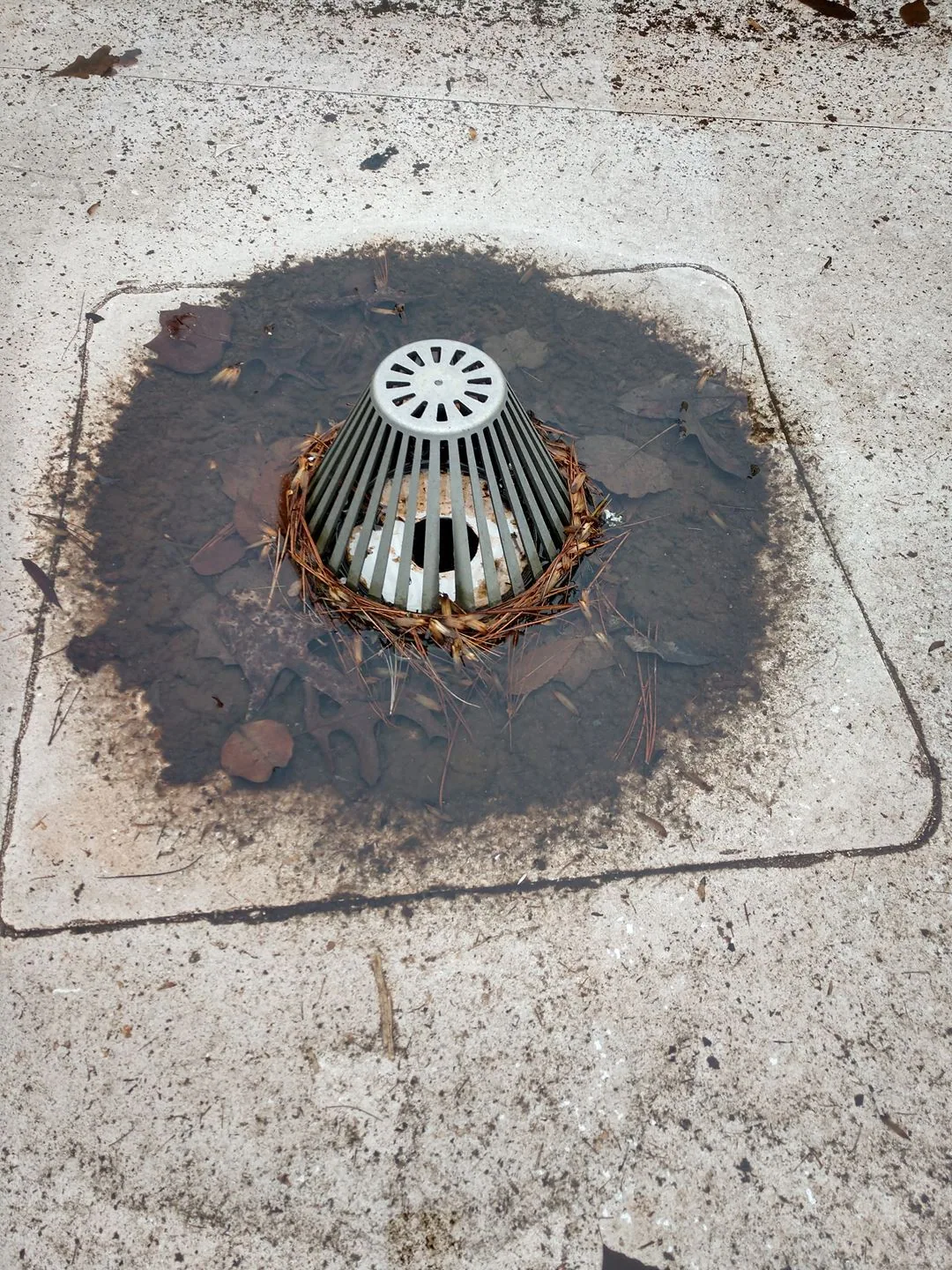
The immediate repair list is what moves price talks. A split flashing and a clogged outlet are inexpensive corrections the seller can fund or credit. A roof with saturated insulation across its field is a different conversation, and the report shows the difference clearly. The replacement timeline then flows into the buyer's capital plan.
Jersey City's commercial stock spans newer redevelopment and older blocks, so a buyer can encounter different roof assemblies in one acquisition. We confirm age and system from records and field findings, not from a neighborhood label. One acquisition list can hold built-up and modified bitumen roofs, single-ply membranes over insulation, metal roofs, and coatings over older systems.
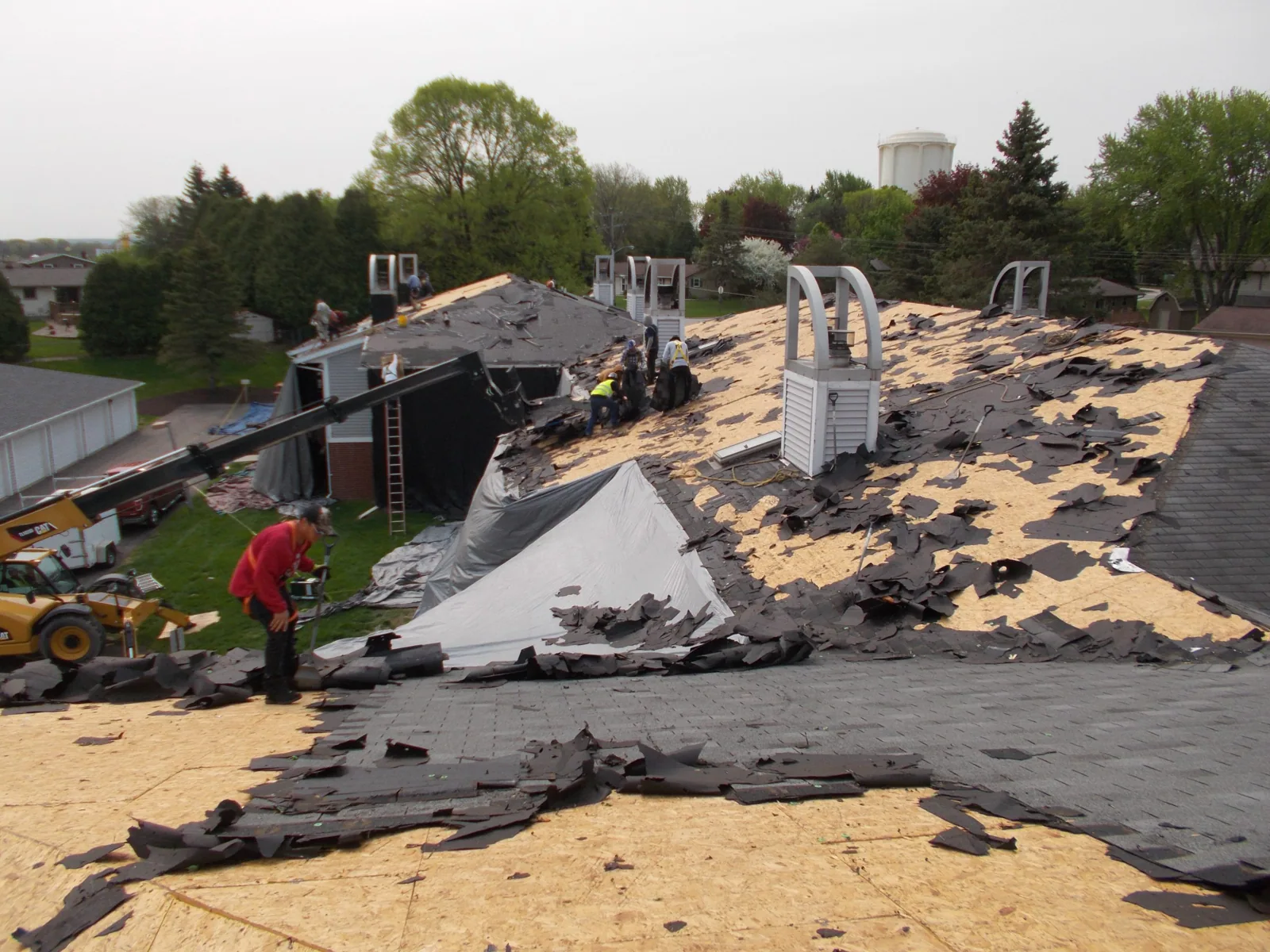
We read each system for what it signals. Layered roofs raise the question of how many layers sit on the deck and whether a recover is still allowed. Single-ply roofs call for a seam and flashing review. Coated roofs call for adhesion checks and a look at what lies beneath. A buyer looking at a warehouse roof and an office roof in the same deal gets two separate assessments, each graded by its own construction.
Two city tools bear on drainage: a Flood Overlay Map and a Stormwater Control Ordinance. Hurricanes Irene and Sandy left the city with outages, flooding and property damage, and a buyer should read a roof against that record. The acquisition walk still records this building's water path directly. Water-management concerns in Jersey City include localized flooding and stormwater loads on the combined sewer. On the roof, we measure ponding, check outlet condition, and record whether overflow routes are clear.
Drainage findings affect price because they affect how soon a roof can fail. A flat roof with blocked outlets and standing water deteriorates faster than one that sheds rain quickly. If the survey shows the drainage design itself is weak, the report says so and describes what a corrected design would involve. That item belongs in the capital schedule and often in the negotiation.
A roof survey during a sale happens while tenants occupy the building and while the seller controls access. We confirm roof hatch locations, escort needs and tenant notice rules before the walk. For occupied floors, we avoid mechanical noise over sensitive spaces and keep the visit inside the hours the seller allows.
Before a new business signs a lease, zoning and open violations need review; new construction, major renovations, and changes of use require a certificate of occupancy. Where a buyer plans a change of use or a major renovation, a roof survey that notes drainage, loading and equipment support questions helps the design team early. The survey gives the design team a roof-zone map, water-path observations, and equipment-support questions to carry into that review.
The same survey serves owners who are refinancing or deciding whether to hold. A lender wants the roof condition stated and a funded plan for whatever is failing. An investor or REIT with a portfolio wants the findings ranked so reserves can be sized. We deliver both in one document, and the condition report detail sits behind the summary.
Deals that include more than one municipality follow the same method. A buyer assembling properties in Jersey City and Elizabeth can use one survey format, so lenders compare like with like. The roofs differ and the method stays the same. A chart of grades side by side shows which property needs money first, and the buyer sees it before committing reserves.
For a hold decision, the survey also tests a harder question: whether a failing roof is worth repairing in stages or replacing outright. We price both routes. A staged repair keeps the building operating but carries a recurring cost, and replacement ends the cycle at a higher single outlay. The lender or partner can see both numbers, along with the water path risk that each route leaves open during the work window.