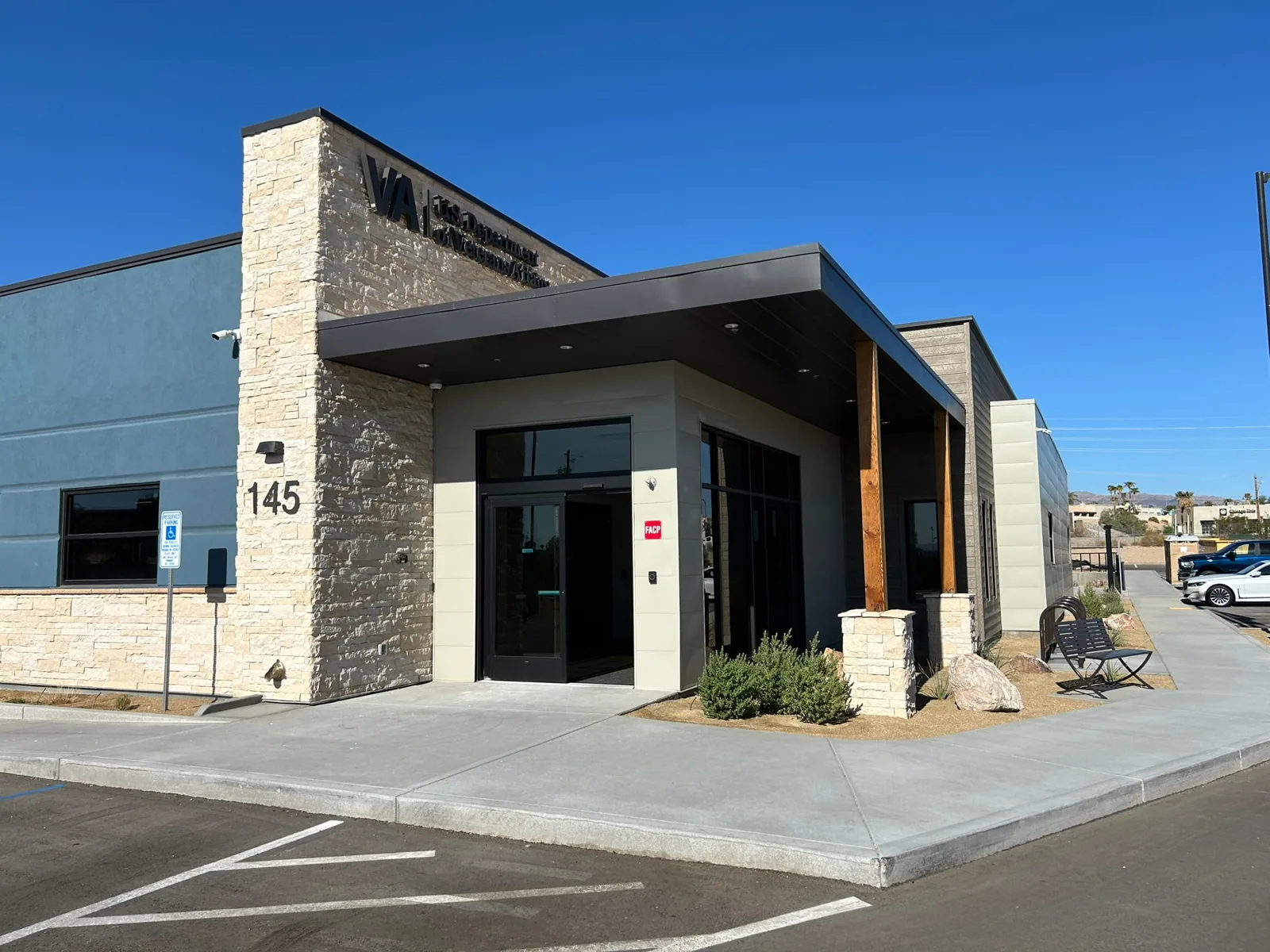
Roof Capital Planning in Jersey City, NJ
Plan roof replacement timing in Jersey City with condition ratings, storm-exposure reserves, phased work windows and a clear action year per roof.
Plan roof replacement timing in Jersey City with condition ratings, storm-exposure reserves, phased work windows and a clear action year per roof.
Capital planning for a roof is a timing decision with a weather clock attached. A replacement that lands in the wrong season can leave tie-ins open while a coastal storm approaches, and a replacement that waits too long turns into an emergency repair on someone else's schedule. Jersey City, NJ is a dense coastal community, and the state faces chronic flooding, rising temperatures, and intense storms. A roof budget here has to carry those stresses in its assumptions.
We build the capital plan from field findings, not from a replacement calendar. Each roof gets a condition rating, a remaining-service estimate with its assumptions stated, and a recommended action year, so the finance side can see what is coming and the property side can see why.
Each roof on a plan sits at one of three decision points. Repair keeps the existing membrane in service with defined corrections. A recover over the existing system adds a new membrane after wet insulation is removed and a cover board is placed. Replacement strips to the deck and starts again. The right choice follows the evidence: moisture mapping, core samples, deck condition and the number of layers already on the roof.
A plan lists the choice for each roof together with the trigger that would change it. A roof rated for repair this year might move to replacement if a follow-up moisture survey finds the wet area has grown. Writing the trigger down keeps the budget tied to the evidence. It also gives the asset manager a clean line to show a lender or partner when the question comes up.

Set a site walk with us to rank each roof, name the triggers that change repair to replacement, and fix the work windows. The plan comes back in writing, roof by roof.
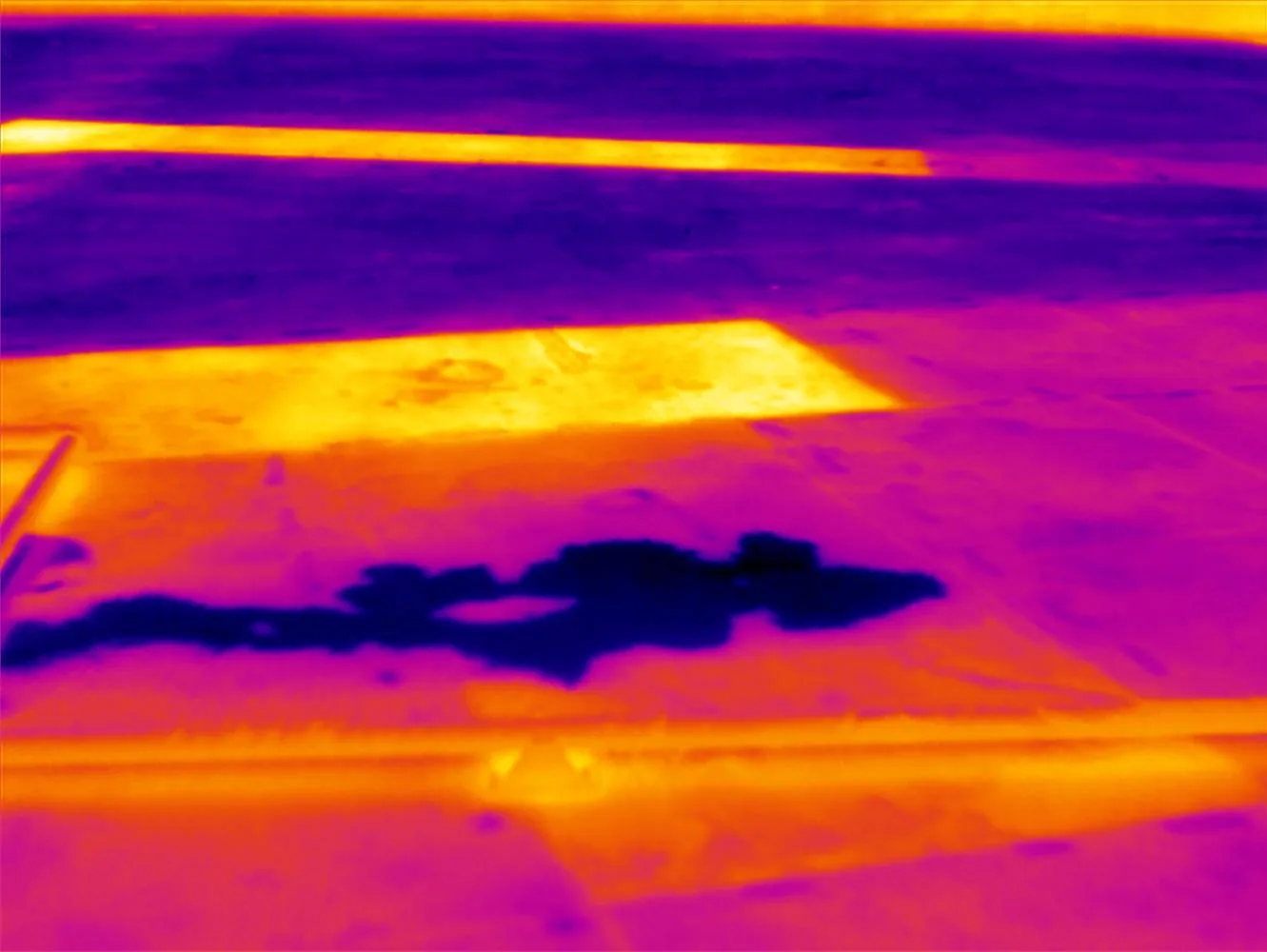
A rating is only as strong as the data under it. We start with a hands-on walk that records seam condition, flashing, drain function, ponding and surface wear. Where moisture is suspected, an infrared moisture survey maps the wet insulation, and cores confirm what the scan suggests. The result is a plan that distinguishes a roof with a localized wet area from one with saturated insulation across the field.
Photographs and measured findings travel with each rating. When an owner challenges a replacement recommendation, the evidence is there: the core showing a wet board, the open seam at the parapet, the standing water that is still on the roof two days after rain. We do not recommend replacement because a roof has reached a certain age. We recommend it when the data says repair cannot hold the line.
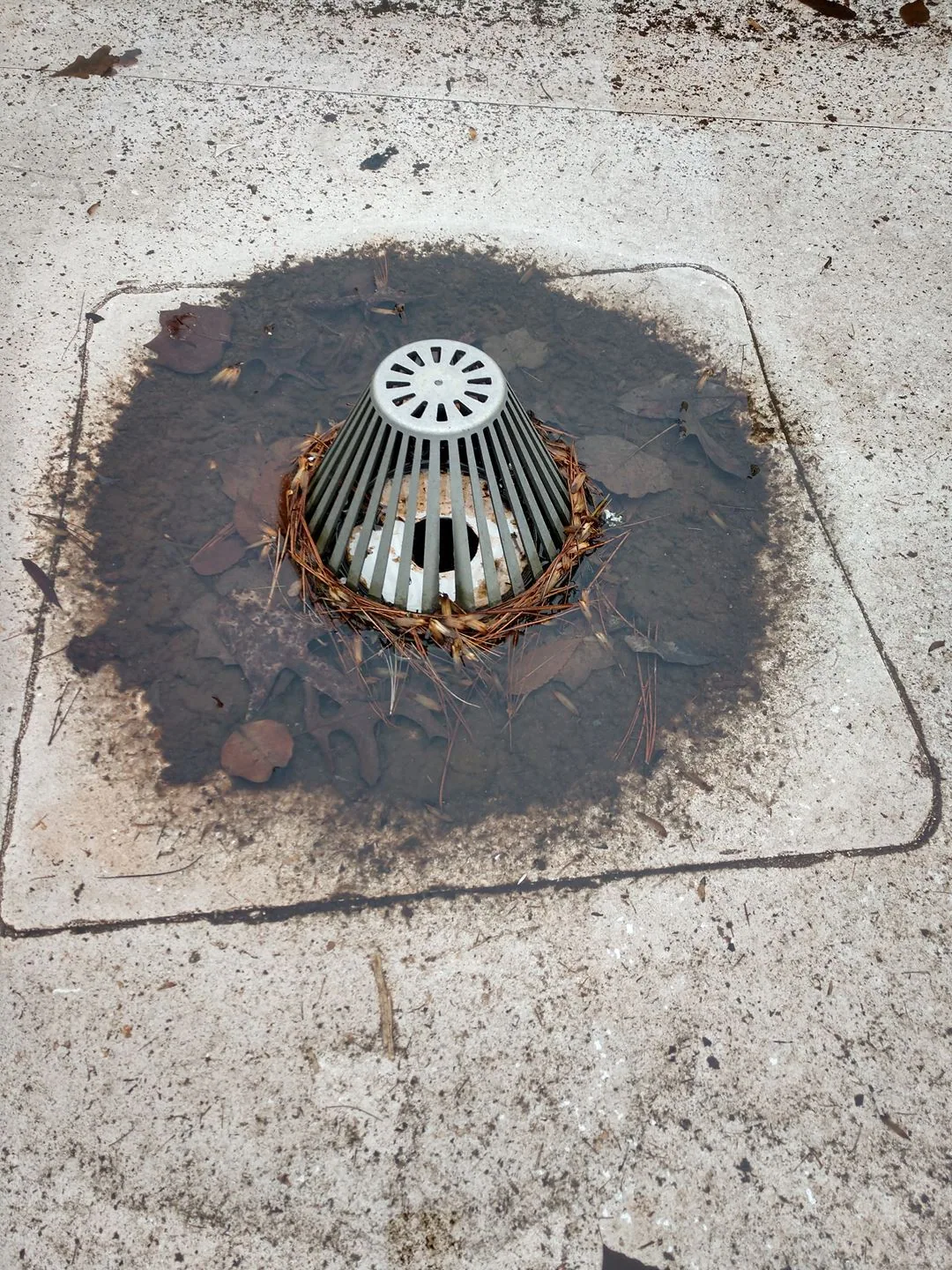
Major storms have brought flooding, property damage, and power interruptions to Jersey City. A capital schedule should allow for recovery as well as roofing. We rank drainage and perimeter details by observed condition, then separate ordinary corrections from work that should precede the next exposed season.
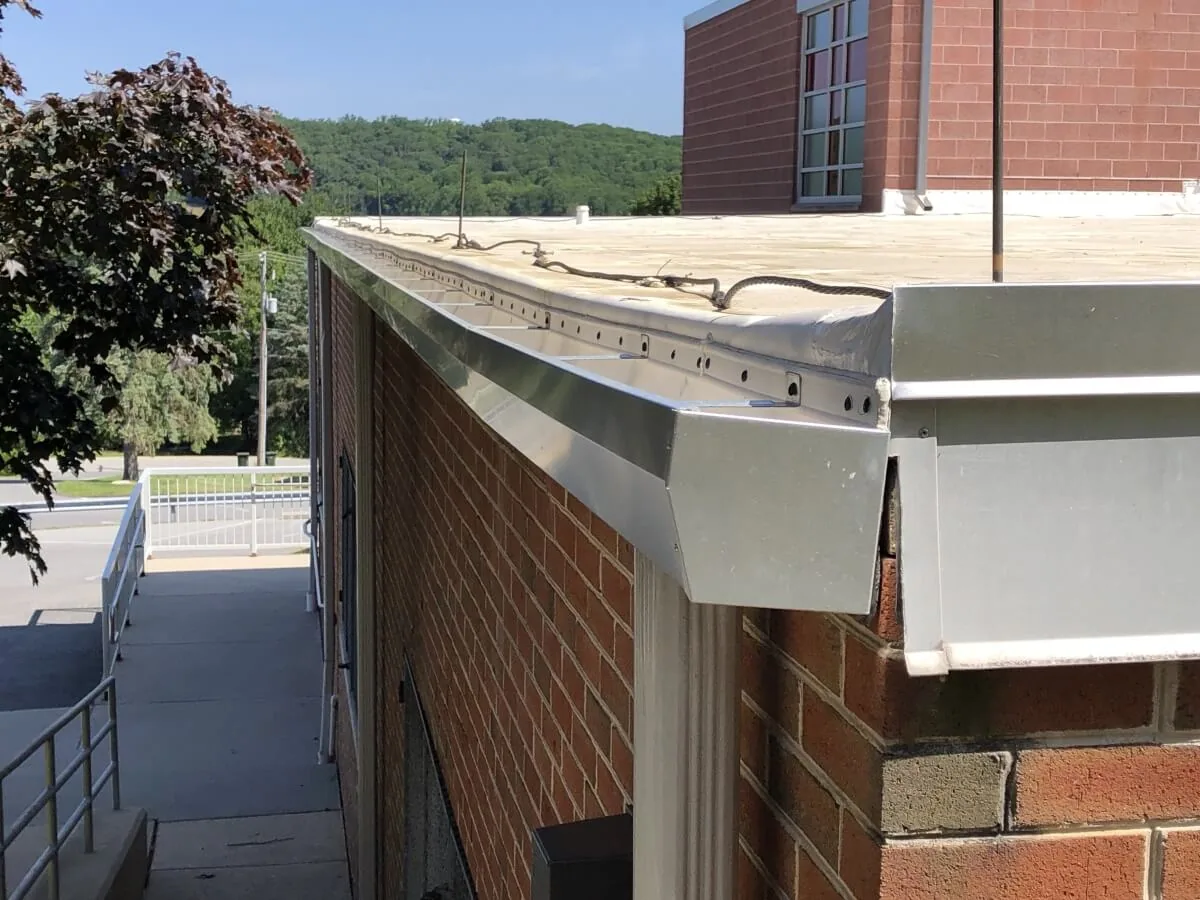
A roof's edge can become the controlling item in a phased budget. We inspect coping, metal joints, and gutter connections as separate transitions, then show which correction protects the current membrane and which can wait for replacement. The scope may include coping, edge metal and gutters. Closing an exposed connection before sequencing field work helps keep a small perimeter repair from expanding the next phase.
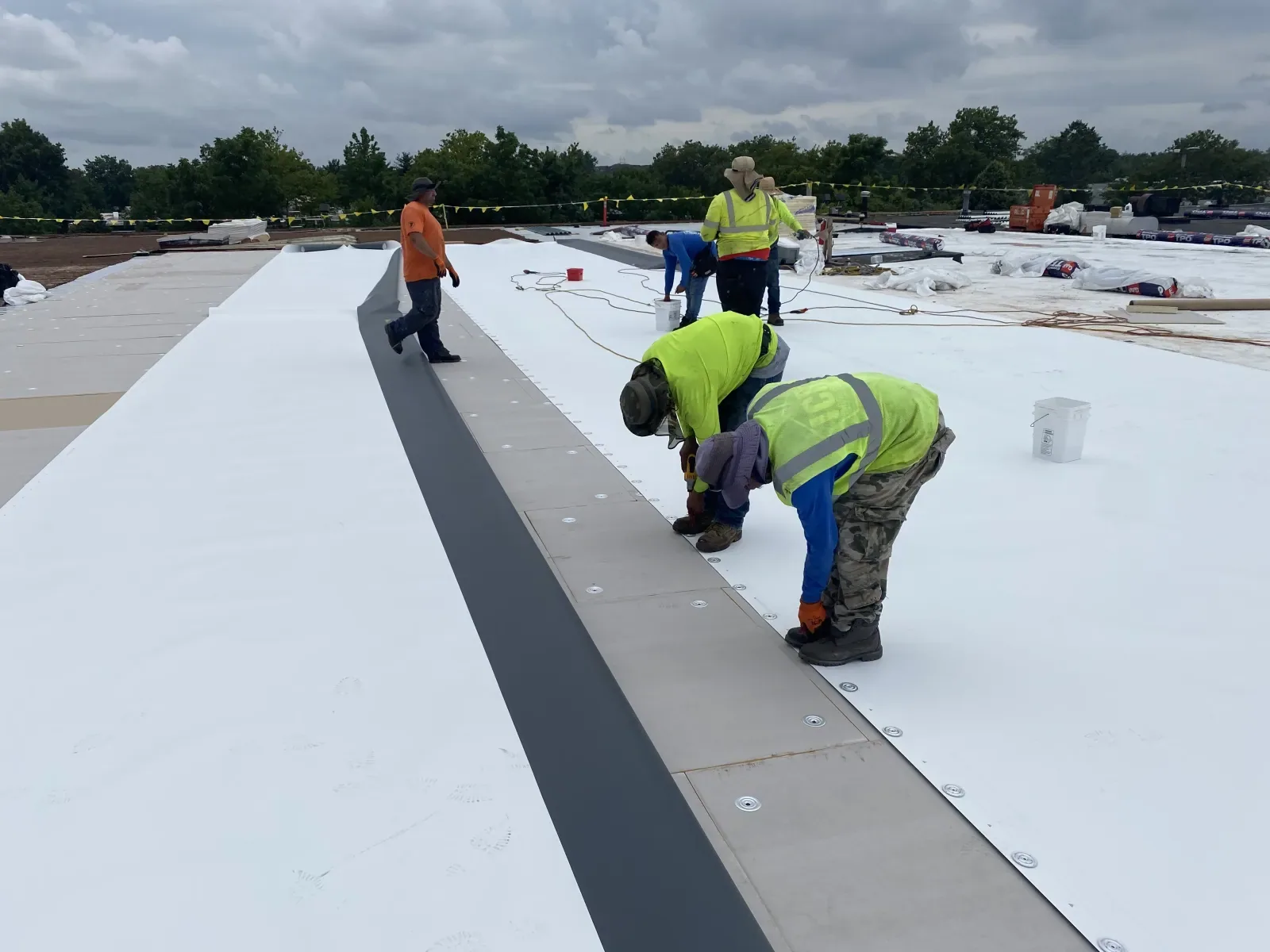
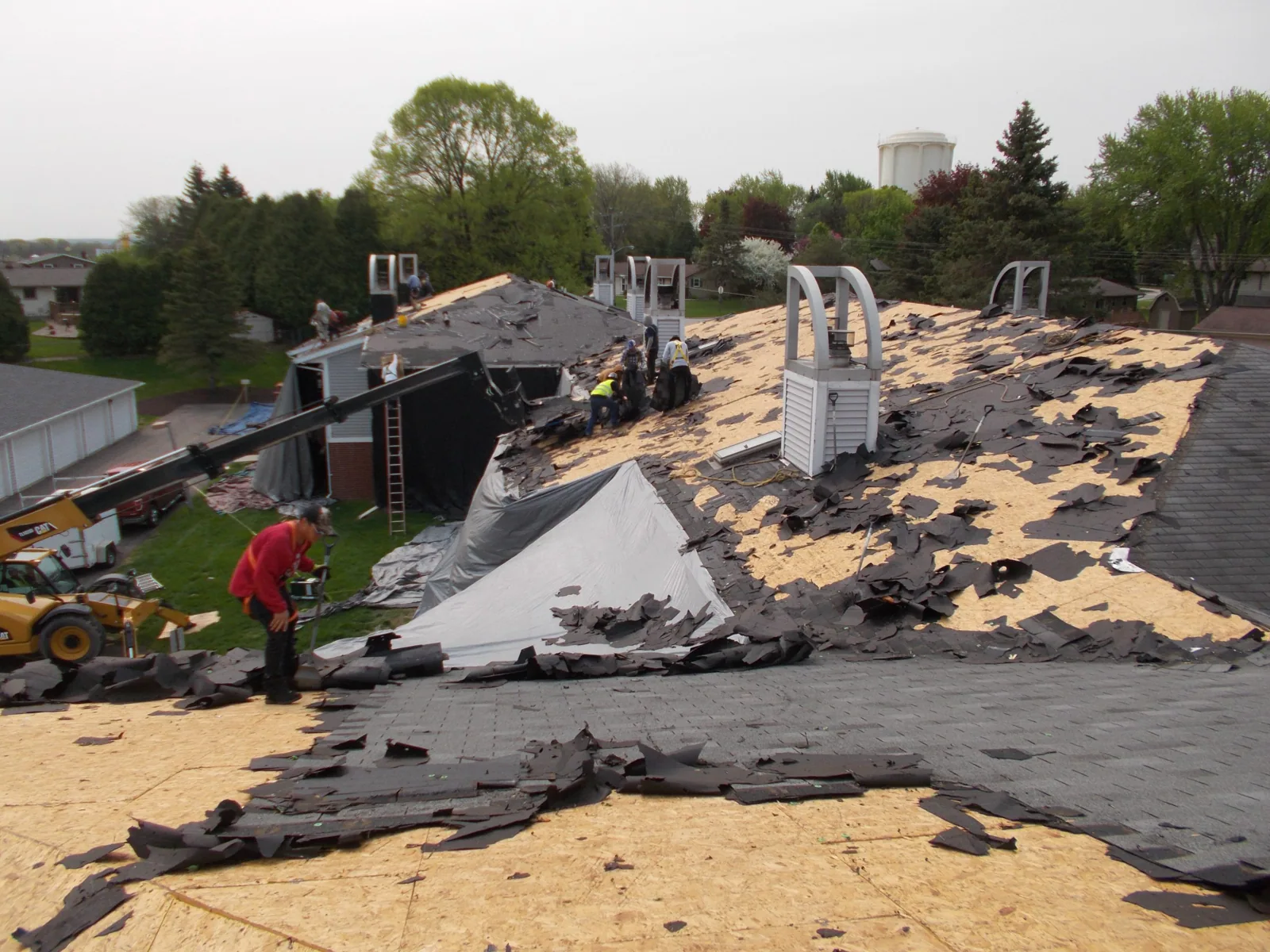
Large roofs and multi-building portfolios rarely get replaced in a single season. We phase the work by roof zone and by building, setting each phase against the owner's fiscal calendar and the weather window. A phased replacement on one roof needs a clear water path at the end of every day, and the plan names the temporary tie-ins and who inspects them at daily closeout.
Phasing also lets the owner buy the right order of work. Drainage and edge corrections go first, because they protect what is already working. Field replacement follows in the zones where moisture is proven. The last phase takes the roof sections that tested sound but are scheduled for coating or recover when the budget year arrives. Each phase has its own scope, its own work window and its own handoff record. A release point for each phase gives finance a clear approval window and lets the roof team confirm staging before the next zone opens.
In Jersey City, new construction, major renovations, or a change in use requires a certificate of occupancy. Whether a particular roof project triggers a permit or an occupancy review depends on its scope, so the plan flags that question early instead of discovering it after the contractor is selected. Permit timing can move a replacement from spring to summer, and a capital plan should show it.
Access is the other schedule driver. A hospital, a school and a warehouse each limit when crews can work and how materials are lifted to the roof. The plan notes the lift plan, the staging area and the tenant hours for each building. Jersey City's health-care and social-assistance receipts reached $1.759 billion in 2022, and a medical office roof often needs a quiet-hours window that other building types do not.
A capital plan is reviewed, not filed. After each winter, after a named storm, and after any major repair, we update ratings and move roofs up or down the list. The update shows what changed and why, so the finance team can adjust the next budget with a record in hand. Owners who keep a roof register already have the underlying photographs and open-items list that this review needs.
When a building changes hands, the plan goes with it. Buyers and lenders receive the recommended action year for each roof along with the reasoning, which supports acquisition surveys and avoids disputes about deferred maintenance. For owners with buildings in Newark or Hoboken as well, one plan format covers every roof.