Carlisle SynTec Roofing in Jersey City, NJ
Installation, repair and maintenance of Carlisle SynTec EPDM and TPO roofs in Jersey City, with seam testing, drainage checks and phased work on large roofs.
Installation, repair and maintenance of Carlisle SynTec EPDM and TPO roofs in Jersey City, with seam testing, drainage checks and phased work on large roofs.
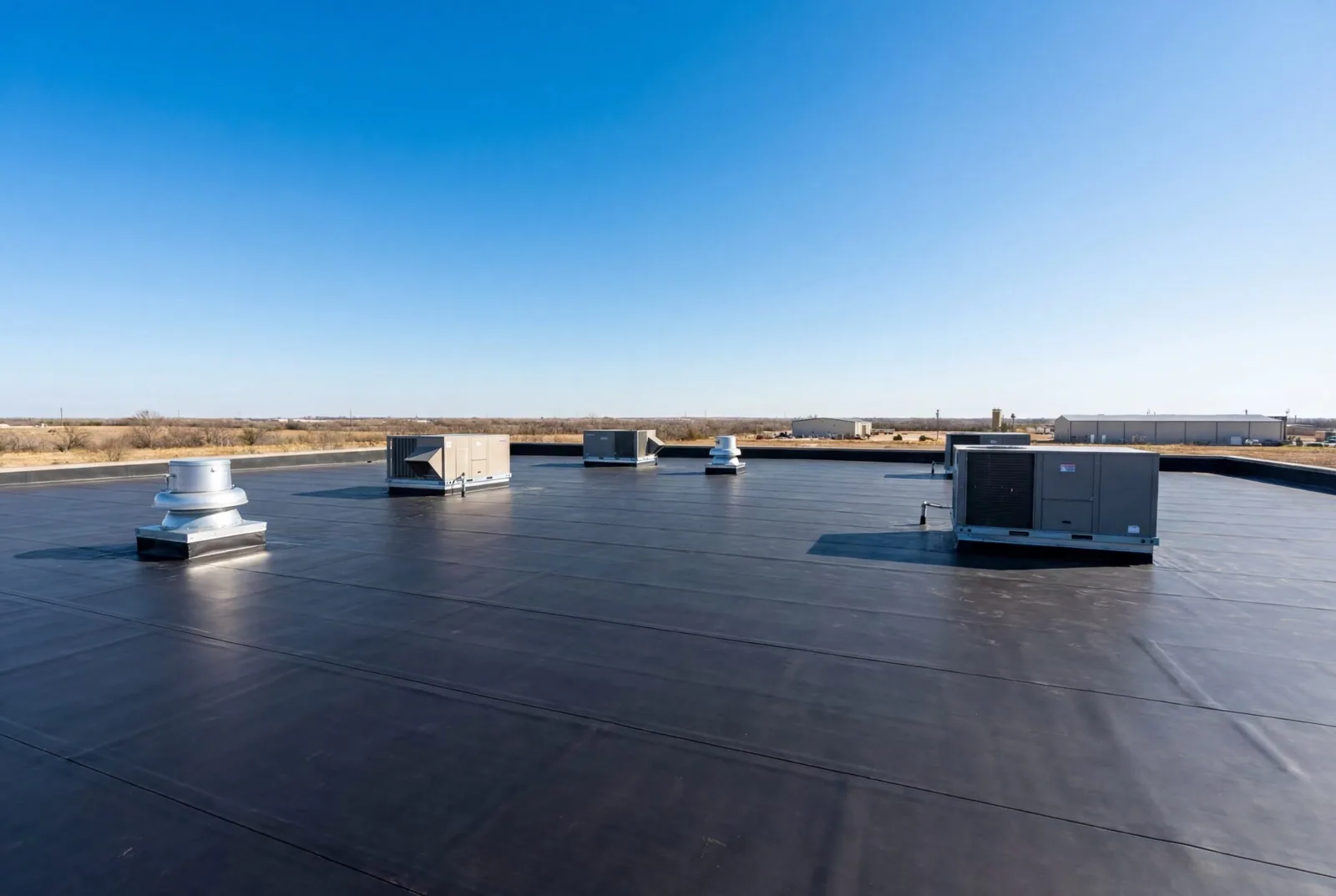
Carlisle SynTec roofs divide into two camps on a Jersey City, NJ job site: black or white EPDM rubber sheet and heat-welded TPO. Each has its own repair logic, and mixing them up is how a patch fails by the next season. City planning records name Chapel Avenue Industrial Park, Greenville Industrial and Tonnele Avenue Light Industrial as industrial planning areas. On a roof in any of them, the inspection starts by identifying the membrane, then asking whether its seams, attachment, and drains still do their job.
We install, repair and maintain Carlisle SynTec systems following the manufacturer's published details. When a Carlisle roof arrives for review, we identify the membrane first, then build the repair around what the sheet needs to bond.
Carlisle's Sure-Seal line is EPDM, a vulcanized synthetic rubber sheet that comes in wide rolls and keeps its flexibility in cold weather. Its Sure-Weld line is TPO, a thermoplastic sheet with hot-air welded seams. Carlisle also offers fleece-backed membrane for adhered installations, and adhesive and tape systems for seam and flashing work.
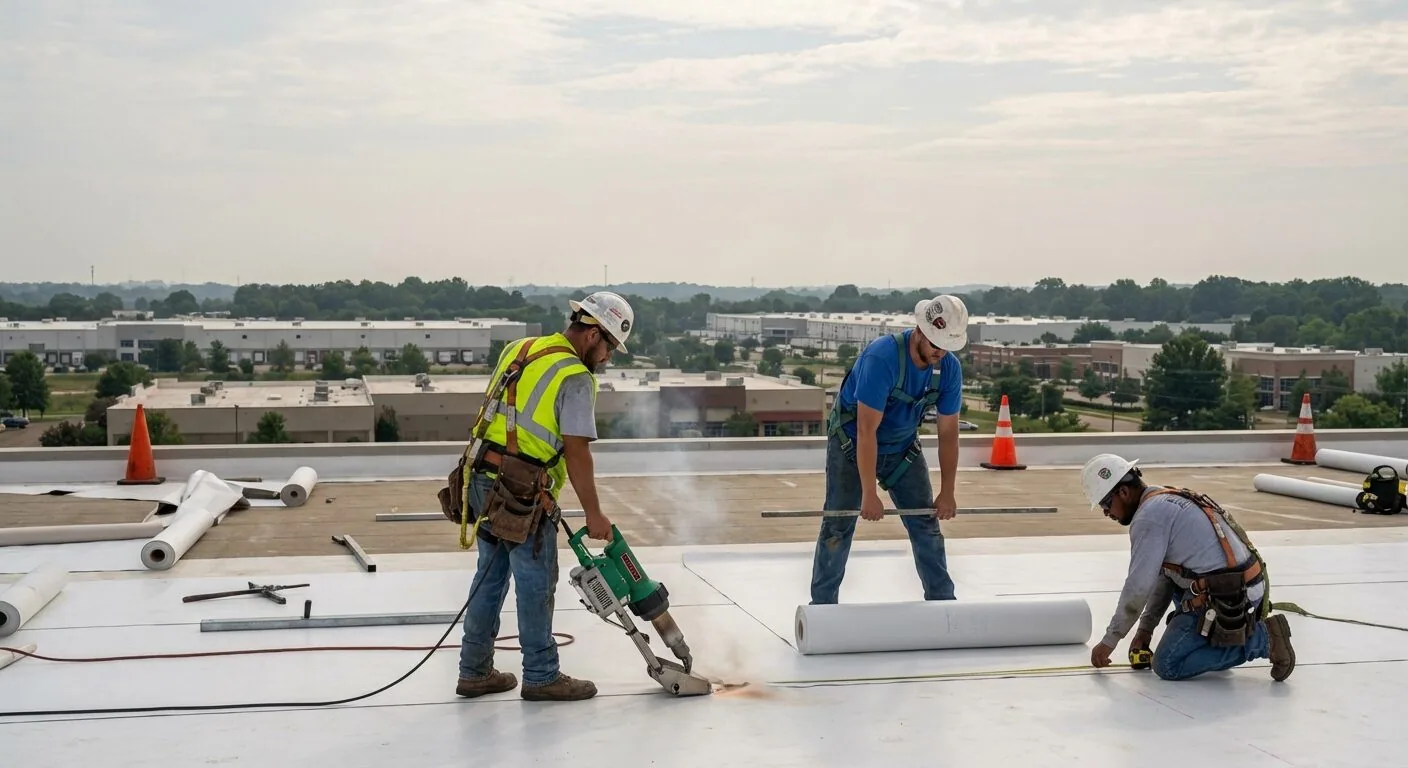
EPDM seams are bonded with adhesive or seam tape, and those joints are where patience pays off. A seam that was cleaned and primed properly lasts. One that was bonded over dust or in cold, damp air peels open. The EPDM system also depends on well-formed flashings at curbs and walls, since rubber moves differently from the metal and masonry it meets. On a TPO roof, welded seams can be probed and the weld width measured. Both are repairable when the work is matched to the sheet.
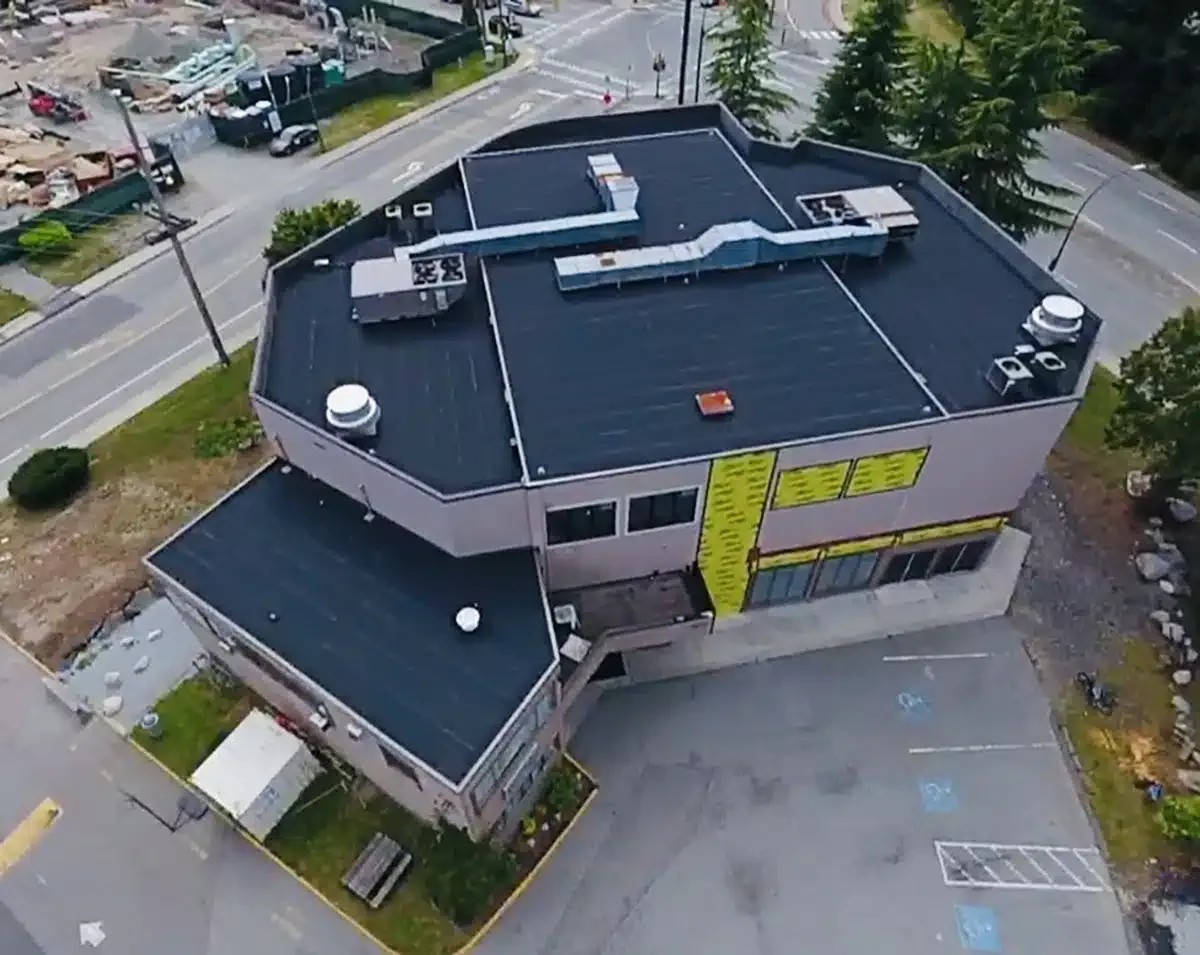
Book a walk with us to confirm the membrane, test its seams and drains, and map the staging area. A written repair or replacement scope follows the visit.
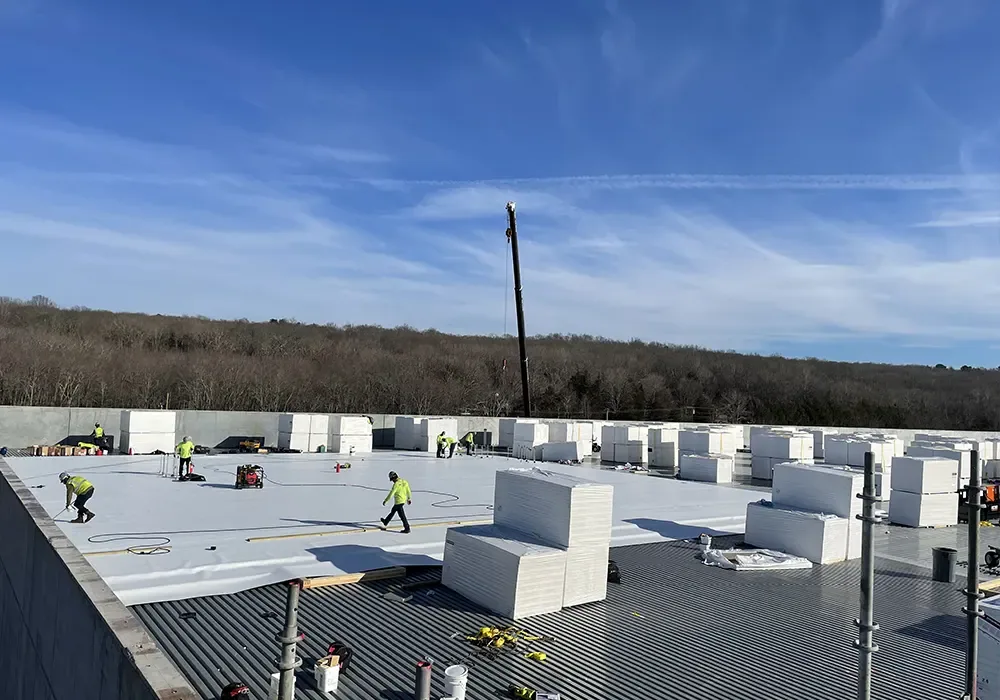
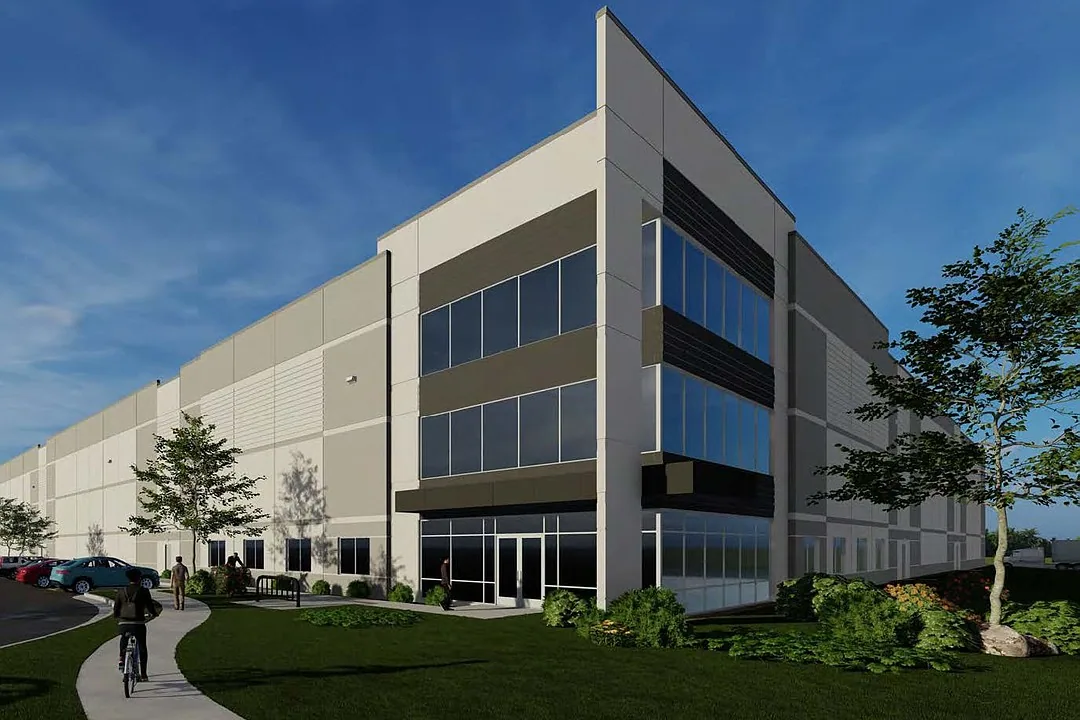
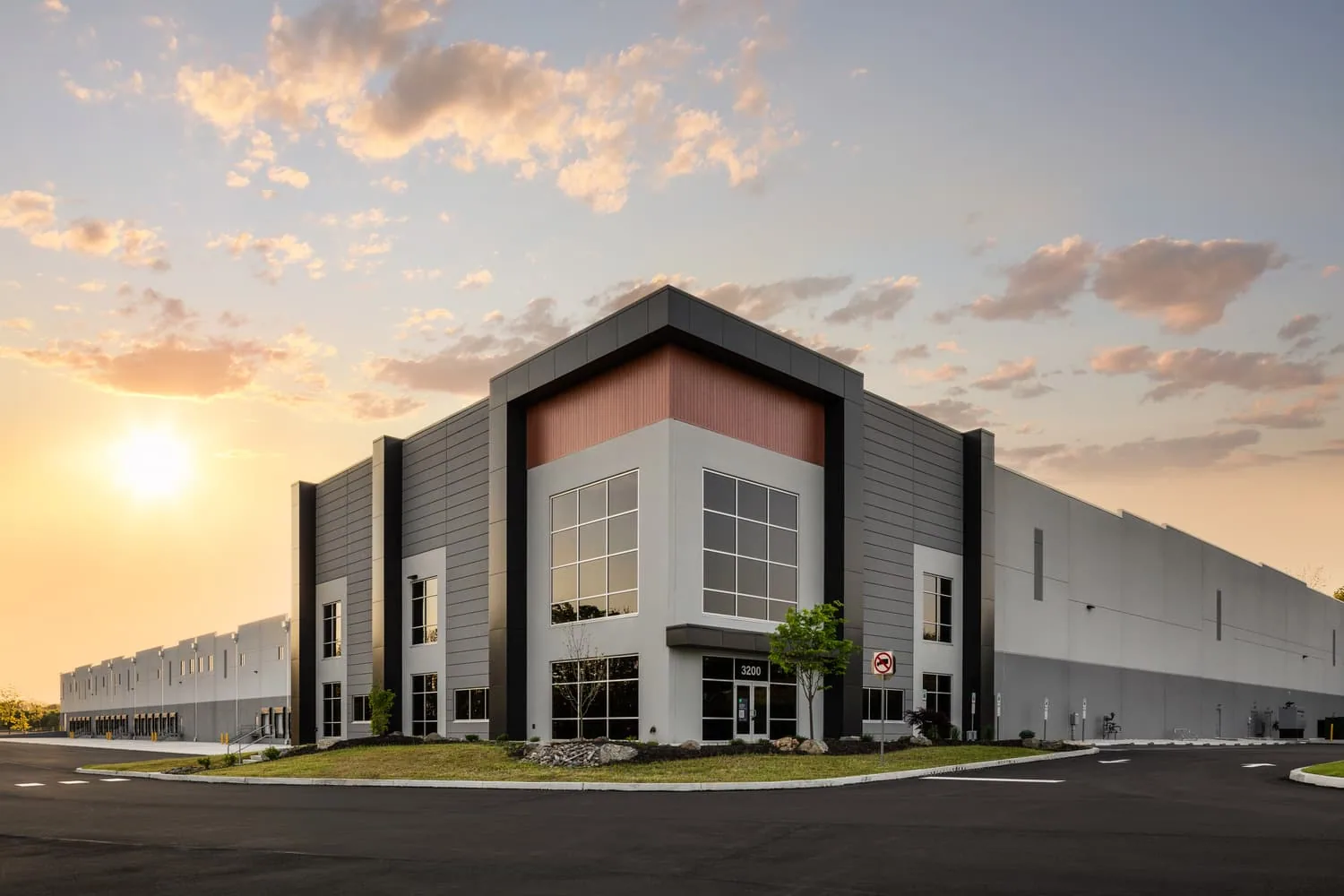
Big low-slope buildings change the logistics of a membrane job. A crew needs a loading zone for pallets, a lift plan for rolls and insulation, and a path for hot-air welders or adhesive carts that does not cross the membrane being installed. For an industrial roof in Greenville Industrial or Tonnele Avenue Light Industrial, the site contact confirms actual staging boundaries, truck routes, and lift access before mobilization.
We set the access path and staging area before the first roll arrives, and agree with building operations on when trucks and lifts can move. For a warehouse with operating dock doors, that agreement decides the daily work window. The roof zone being opened that day is sized to what can be closed that evening, so inventory and equipment below stay protected.
An inspection of an existing EPDM roof starts with the seams. We look for edge lift, fishmouthing at laps, shrinkage at flashings and pitch pocket failure at penetrations. Rubber roofs also show hail or puncture marks, and wear patterns around foot traffic lines. On TPO, we probe welds, check heat damage near equipment exhaust, and look for membrane shrinkage at parapet bases.
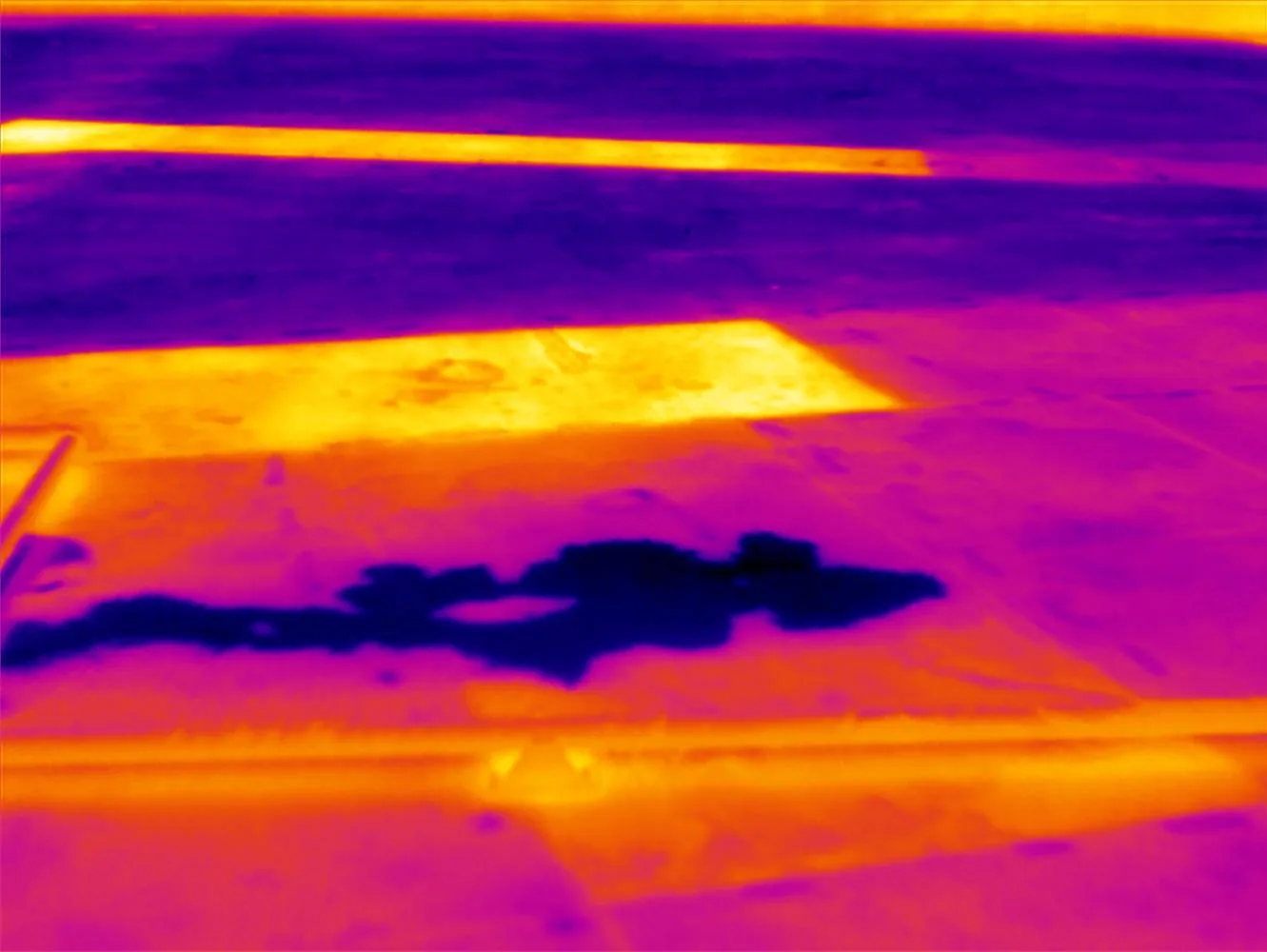
Moisture is checked next. An infrared moisture survey maps wet insulation, and cores confirm. A Carlisle roof with dry insulation and failing seams is a repair job. One with wet insulation across the field points toward recover or replacement. Each finding is recorded with a photograph and a roof zone so the owner can see the pattern.
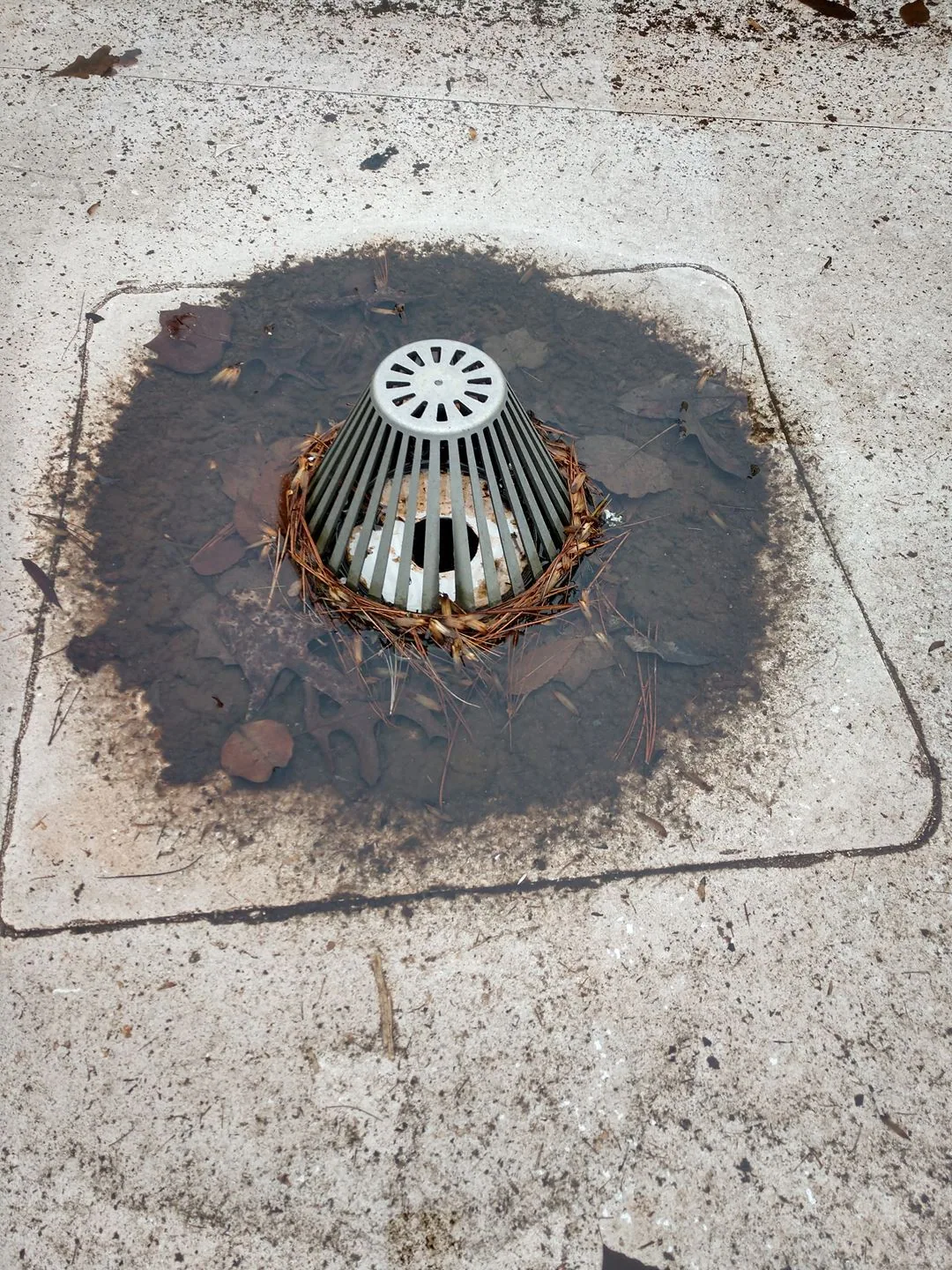
Runoff pressure on the combined sewer and localized flood exposure sit among the city's water-management concerns. During Irene and Sandy, the city faced power outages along with severe floods and property damage. On a large roof, drains are the first line of response. A roof with few outlets and a wide field relies on every bowl being clear and every sump flashed correctly.
We trace water paths after rain and mark ponding. Depth matters: shallow, short-lived water is a nuisance, while deep, long-standing water adds load and speeds membrane wear. Fixes include drain cleaning, new sump pans, tapered insulation in low areas and added outlets where the design allows. A drain correction often costs far less than a failed field area, and it protects the warranty file.
When a Carlisle roof is replaced, we phase the work by roof zone. Each zone is stripped, dried in, insulated, covered and flashed on a schedule matched to the forecast. No more roof is opened than can be sealed that day. On adhered systems, ambient temperature and surface moisture decide whether adhesive can be applied at all.
Jersey City's 2022 transportation and warehousing receipts or revenue totaled $1.809 billion. For distribution centers, the property's operating schedule, not a citywide receipt total, sets the lift and delivery window. We confirm that schedule before phasing work. Each daily closeout lists the tie-ins, open edges and temporary measures, and the manager signs off before crews leave.
An owner weighing Carlisle SynTec against GAF or Holcim Elevate is comparing system types more than names. EPDM and TPO have distinct strengths. EPDM tolerates cold and thermal movement. TPO reflects heat and welds into a continuous sheet. We lay out thickness choices, attachment methods, insulation and cover board for each, and the care each demands over time.
Owners with properties in Kearny can use the same comparison, while each building keeps its own seam, drain, and flashing record. We do not push a brand. The owner chooses, and the installation record follows the choice.
Manufacturer warranties on Carlisle roofs depend on the type of warranty and the installation. We install to published details and keep a file of seam photographs, flashing details, daily logs and product information. That file supports any later claim and helps the next owner understand the roof.
After installation, the roof needs routine care. Drains are cleared, seams are checked each season, and penetrations are logged. A short maintenance visit each spring and autumn finds a lifted seam or a loose termination bar while it is still a small repair. Each visit is logged with photographs, and the log goes into the file beside the original installation record, so a later claim, sale or replacement decision starts from facts.