Commercial Roof Edge Metal and Coping Repair in Jersey City, NJ
Repair Jersey City commercial roof edges, coping, and gutters with mapped joints, membrane tie-ins, and a safe work sequence above occupied areas.
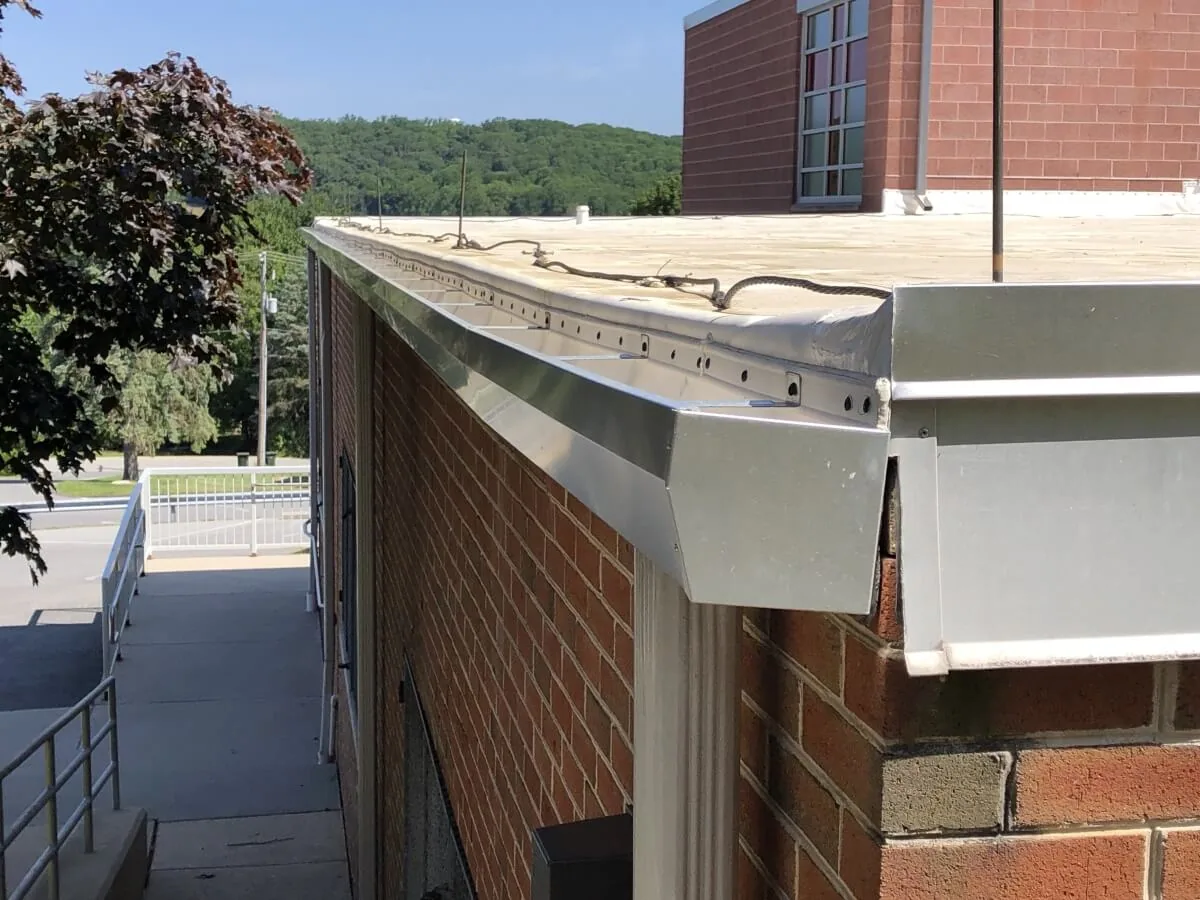
Repair Jersey City commercial roof edges, coping, and gutters with mapped joints, membrane tie-ins, and a safe work sequence above occupied areas.
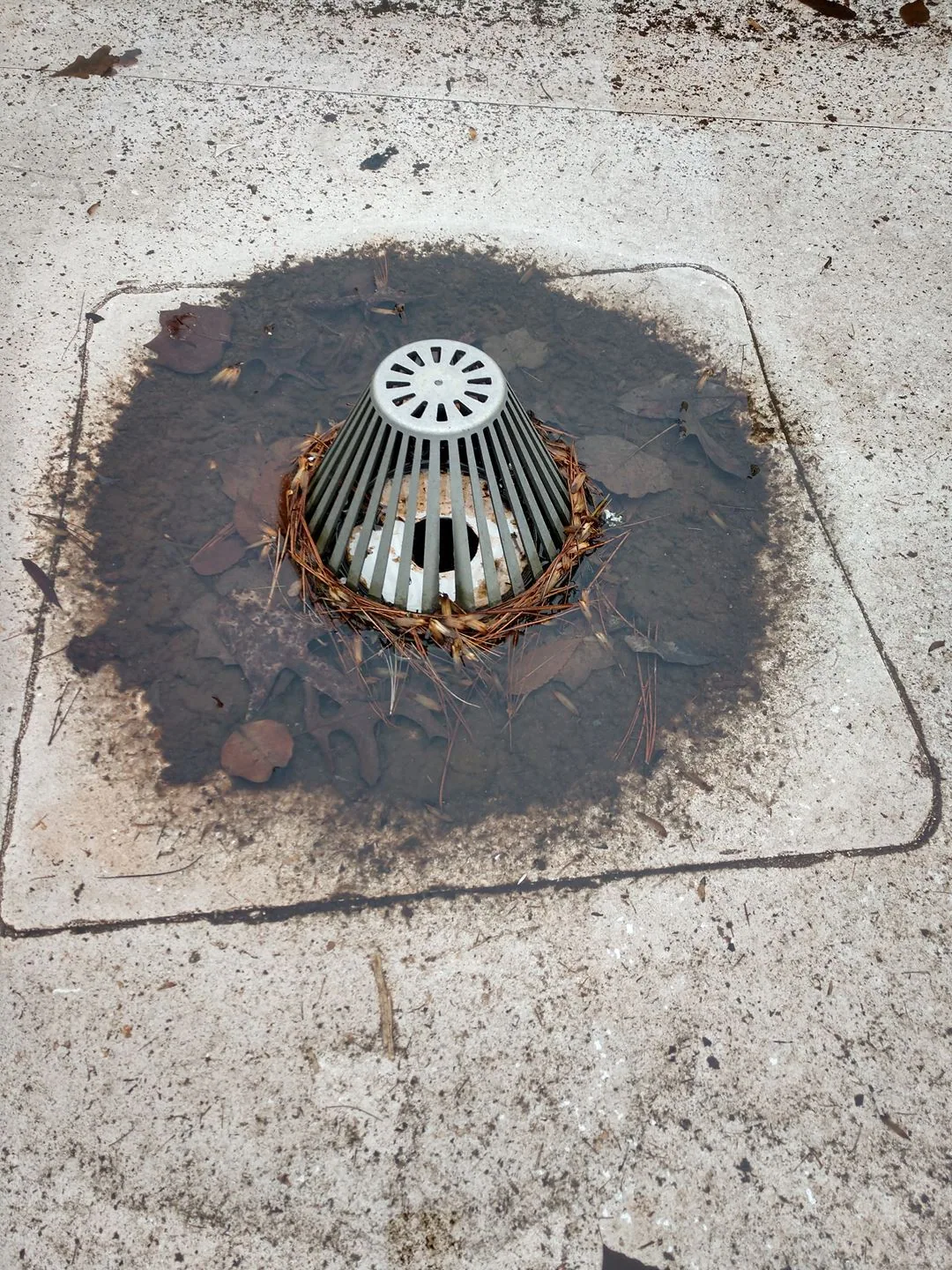
The roof edge is a water-control joint, not a trim line. On a Jersey City commercial building, loose coping, open seams, and failed gutter connections can expose the wall and deck during rain. We inspect the edge, membrane termination, fasteners, and drainage path together. A roof inspection identifies whether the correction is metal work, membrane repair, or both.
Jersey City has recorded serious flooding and property damage during Irene and Sandy, and stormwater loads its combined sewer system. That context makes a clear roof-to-gutter path important, but the building’s details determine the repair. We photograph each edge zone, mark movement or corrosion, and tie the recommendation to the water path and site access.
Coping caps protect the top of a parapet and should shed water away from the wall. We inspect seams, cleats, fasteners, end dams, corners, and joints for opening or movement. A cap that shifts may leave a joint exposed, while a loose fastener can enlarge the opening as the metal moves. The scope names the affected section and whether repair or replacement is required.
Jersey City's six districts include Downtown, Journal Square, and Bergen-Lafayette. On each building, we measure the parapet, coping joints, and access path before setting the metalwork scope. A loose cap may need new fastening or a fabricated section; water entering below the coping may require a separate wall or membrane detail. The closeout shows the repaired joint and adjacent termination.
Share the roof edge or gutter concern, access restrictions, and active leak location. We will inspect the joint, membrane termination, and discharge path.
At the roof perimeter, we check the metal profile, securement, laps, corners, and connection to the membrane. Wind can act on an exposed edge and lift a loose section. We inspect the roof-side termination and the face below it, then identify where water can pass behind the metal. An isolated seam may be repairable; widespread movement can require a continuous edge scope.
The Route 440/Culver area and West Side Avenue form part of Jersey City's commercial pattern; Journal Square and Central Avenue are also commercial references. The roof edge is inspected at the property before the scope is set. We record the material, visible fasteners, and adjacent flashing so a later crew knows where to begin. If a storm has opened the perimeter, a wind-damage repair can document lifted metal and membrane tie-ins as one correction.
Where gutters serve a low-slope roof, we inspect hangers, seams, downspout connections, outlets, and visible overflow. Debris can stop flow; a separated joint can leak against the fascia or wall. We note the direction water travels and whether it reaches the outlet. A roofing scope can correct the roof-to-gutter interface, while a damaged downspout or underground connection may require another trade.
Jersey City’s stormwater loading makes discharge planning relevant during roof work. We keep the gutter outlet clear of construction debris and coordinate temporary flow control if a section must be opened. A drain and scupper review can cover internal outlets that connect to the same roof-water plan. The proposal keeps metal, membrane, and drainage work visible as separate line items.
Corners and changes in plane need continuous closure. We inspect end laps, inside and outside corners, roof-to-wall flashing, and the point where coping meets edge metal. Sealant alone may not restore a failed joint if the substrate or metal has moved. We identify the layers that can be reached and the surface that will accept a new tie-in.
At a parapet with a membrane termination, metal and roofing need to function together. We remove failed material within the approved scope, prepare the surface, and install compatible flashing. Photographs show concealed fasteners or membrane edges before they are covered. If moisture reaches interior wall finishes, the repair record identifies the roof detail and leaves interior restoration with the building team.
Edge work may need a lift, scaffold, or roof access on a side with limited staging. We review the safe approach, street and loading constraints, tenant routes, and any equipment that cannot be interrupted. The property contact confirms which access path is available. We set the repair boundary so the crew can secure the metal and membrane before the work window closes.
We check for a shared wall, tenant entrance, or public walkway below the perimeter before staging a lift. The site contact identifies barriers and a safe work boundary. If a section must be removed, we protect the open edge and keep the crew’s handling path clear of the building entry. Those steps are part of the work window, not separate from the roof detail.
Material length and corner fabrication affect delivery and sequencing. We record where sections join, how temporary protection will be handled, and which areas must remain watertight each day. If the building stays occupied, we coordinate notices and noise around the owner’s schedule. A phased roof plan can sequence larger perimeter work without leaving an unprotected edge overnight.
Closeout photographs show the edge, joint, and membrane termination after repair. The record lists metal sections replaced, fasteners or cleats adjusted, and any adjacent condition still open. We identify gutter outlets that need follow-up and the access route used. That file helps maintenance staff distinguish new metal from the older perimeter they are watching.
Greenville Industrial and Tonnele Avenue Light Industrial are named Jersey City planning areas; each roof edge has its own exposure and access. A repeat inspection can check the same corners after a storm or roof project. We note the reference points and image angle so the property team can compare a later walk. If new equipment or a façade project changes access, that update belongs in the perimeter record before the next repair is scheduled. The property team can attach a condition report to its asset record. For a Hoboken property, we map its own perimeter and keep the report specific to that building.