Roof Asset Management in Jersey City, NJ
Track commercial roof condition across a Jersey City portfolio with dated photos, drainage scoring, access notes and a ranked repair list for each building.
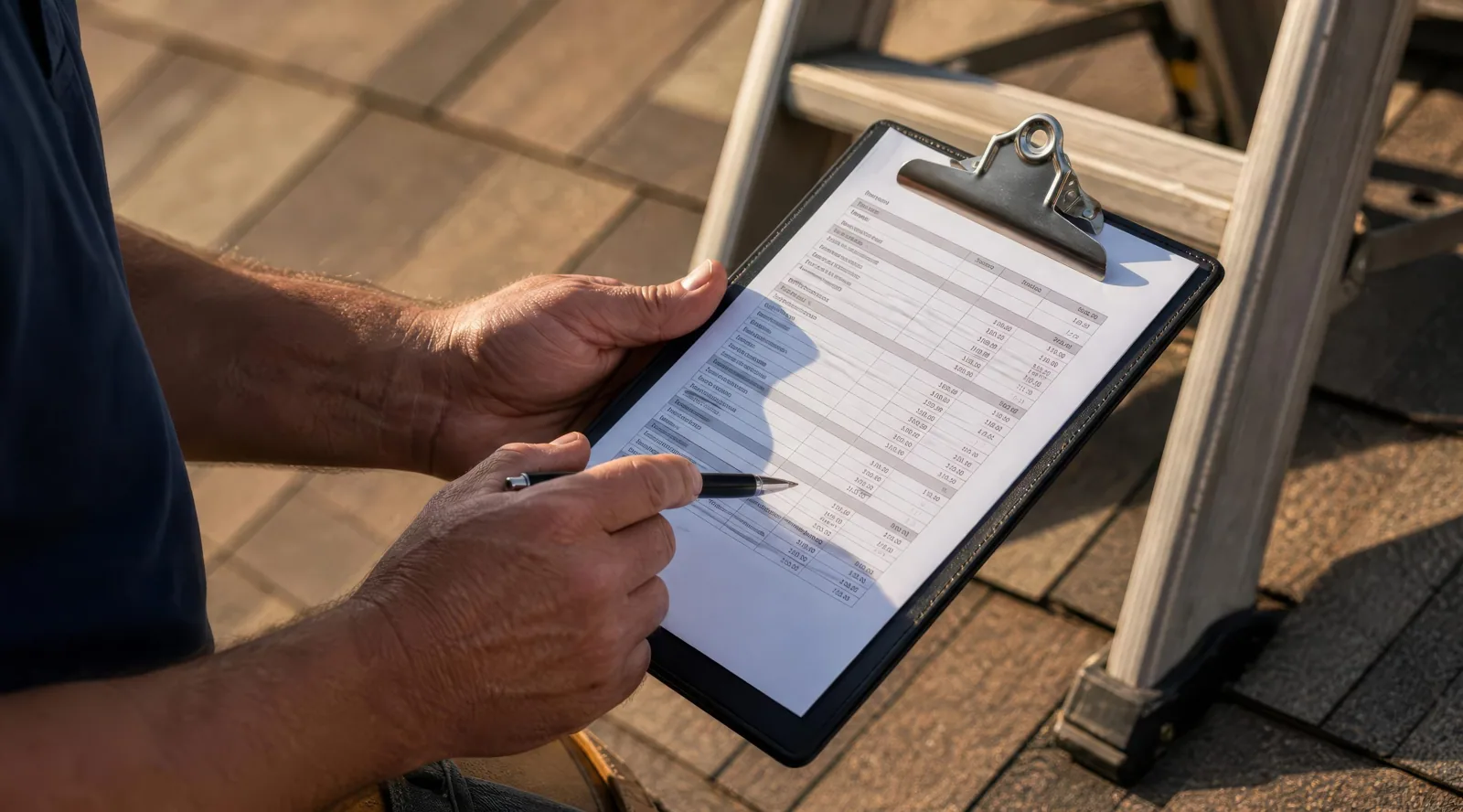
Track commercial roof condition across a Jersey City portfolio with dated photos, drainage scoring, access notes and a ranked repair list for each building.
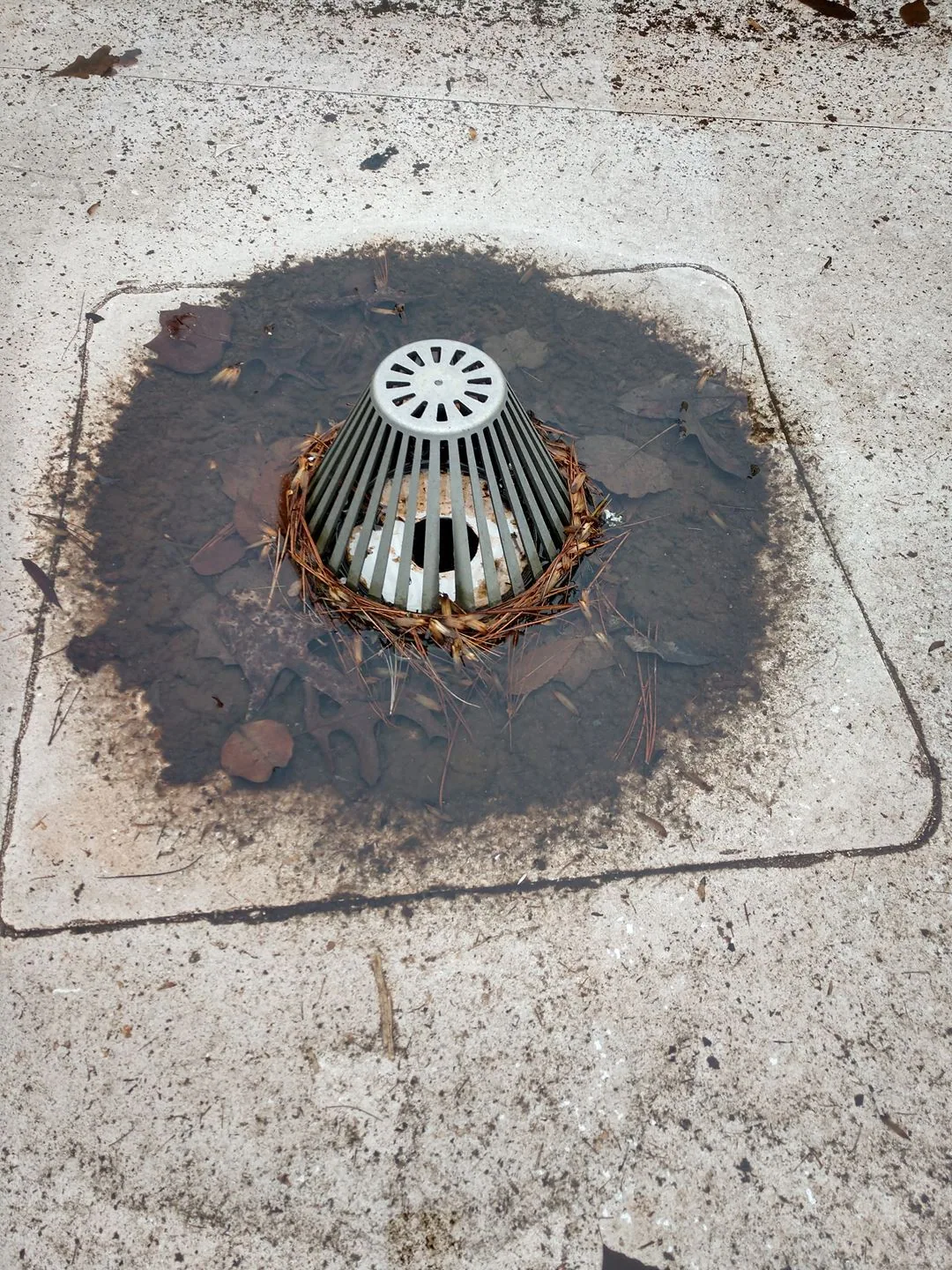
A portfolio roof list sorted by age can miss the more urgent water path. In Jersey City, NJ, the roof needing attention first may have a clogged outlet, a split curb corner, or an open lap at a parapet tie-in. Hurricanes Irene and Sandy brought severe flooding and property damage to the city, and combined-sewer stormwater load remains a local concern. We record those conditions alongside each roof's own drain and membrane findings, so the asset manager can rank the building by its observed condition.
We build the register from written condition reports with photographs, tie each photograph to a roof zone, and rank buildings by how fast a defect can become an interior claim. It helps the asset manager choose which roof needs a repair now, which needs a closer look, and which can wait for the next planned review.
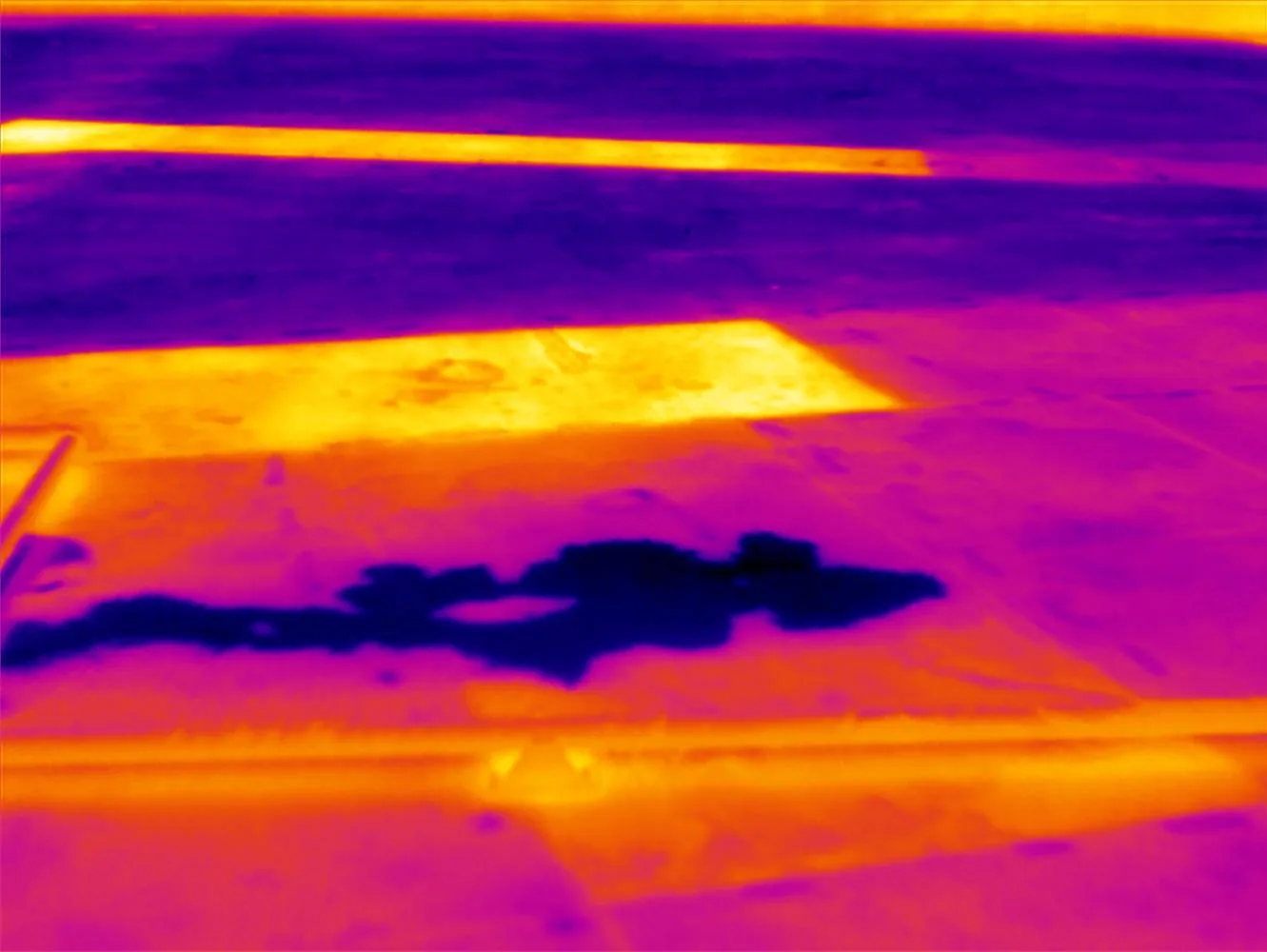
A register is only useful if each entry can be compared with the next visit. For every building we record the membrane type, the deck type where it can be seen, the number of drains and scuppers, the location of rooftop units, and the condition of each edge. Each entry carries dated photographs from the same positions, so a hairline split at a curb corner in spring can be set beside the same corner in autumn.
Fields we keep for every roof zone:
A person who has never stood on the roof can read it: an asset manager, a lender, an insurer, or the next property manager.
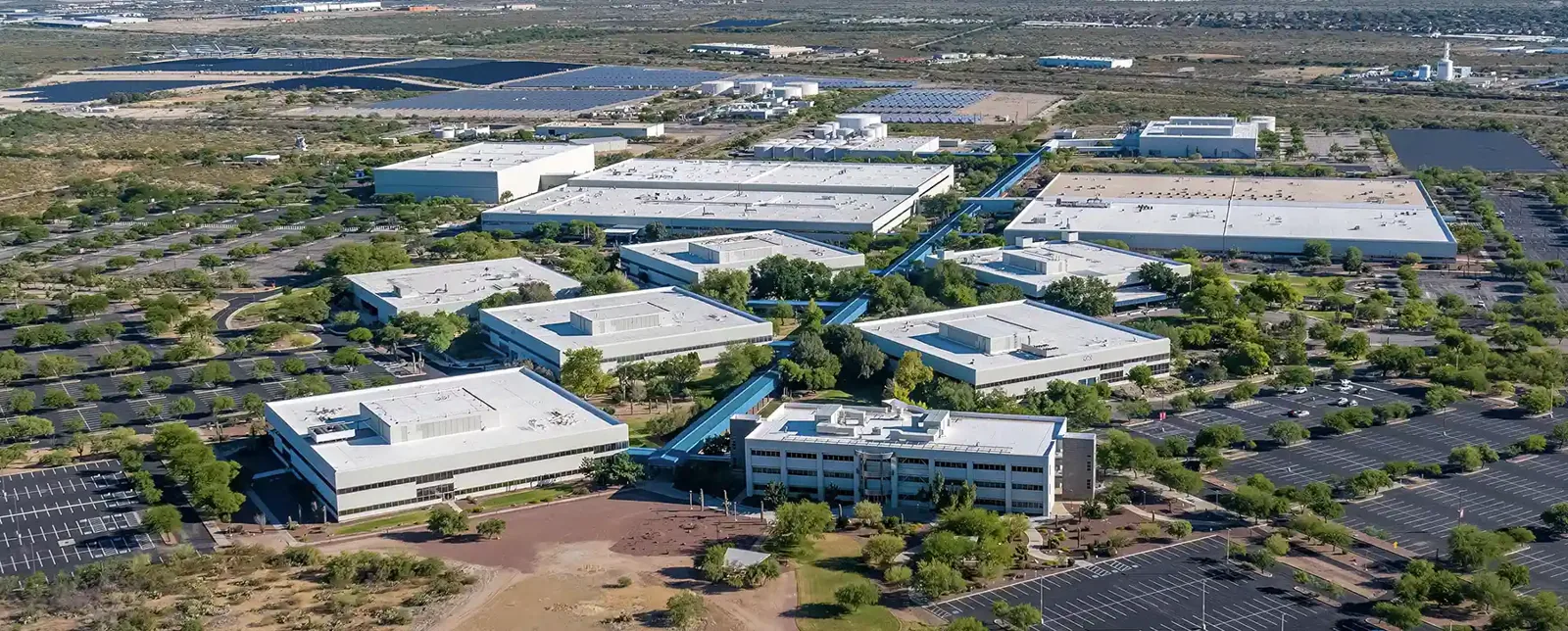
Book a walk with us to name each building's highest-priority roof zones, the access rules, and the work windows tenants can accept. We will return a ranked register with photographs.
Water that cannot leave a roof is the fastest route to an interior problem. The city also publishes a Stormwater Control Ordinance and a Flood Overlay Map, so each register entry keeps outlet and overflow findings next to the membrane record. In the register, we keep each roof's drain, overflow, and observed discharge findings beside its membrane record.
That is why we score drainage separately from membrane age. A newer membrane with a clogged outlet and a depressed field will rank above an older roof that sheds water cleanly. We measure ponding after rain, mark the low spots, and note whether an overflow scupper sits at a safe height. Where the same drain fails on two visits, the register flags it as a design problem, and the fix moves from maintenance into a drain and scupper correction with its own scope.
Jersey City's six large districts have distinct urban forms. A portfolio can group site walks geographically, while each register entry stays tied to the assembly and access path observed at that building. In Greenville, Downtown, or The Heights, the inspection records the roof condition on its own terms.
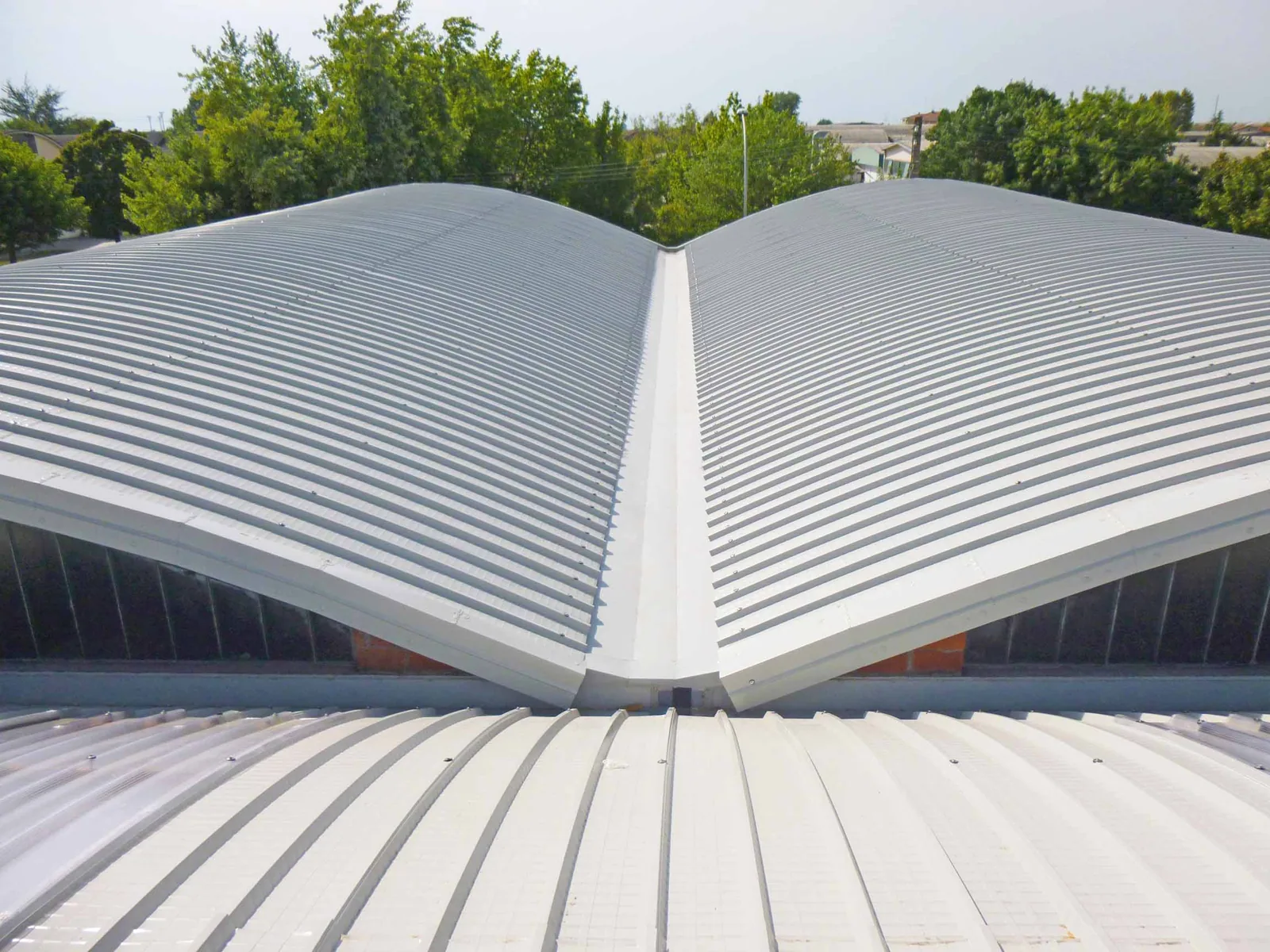
A register handles that by describing each roof on its own terms. The assembly record can include built-up or modified bitumen layers, single-ply membrane, insulation, metal deck, and parapet details. We identify the system from visible edges, attachment clues, repair thickness, or a core sample when one is authorized. The register does not assign a roof type by neighborhood. Each entry follows the materials and transitions that the inspection can actually document.
An asset plan that ignores access fails in the field. A rooftop reached by one stair and a shared freight lift needs a different work window than a roof reached by an exterior ladder, and both differ from a building in the Greenville Industrial area or around Journal Square that has its own loading schedule. We record the access path, the staging area, the lift plan needs, and the hours tenants allow noise and foot traffic over their space.
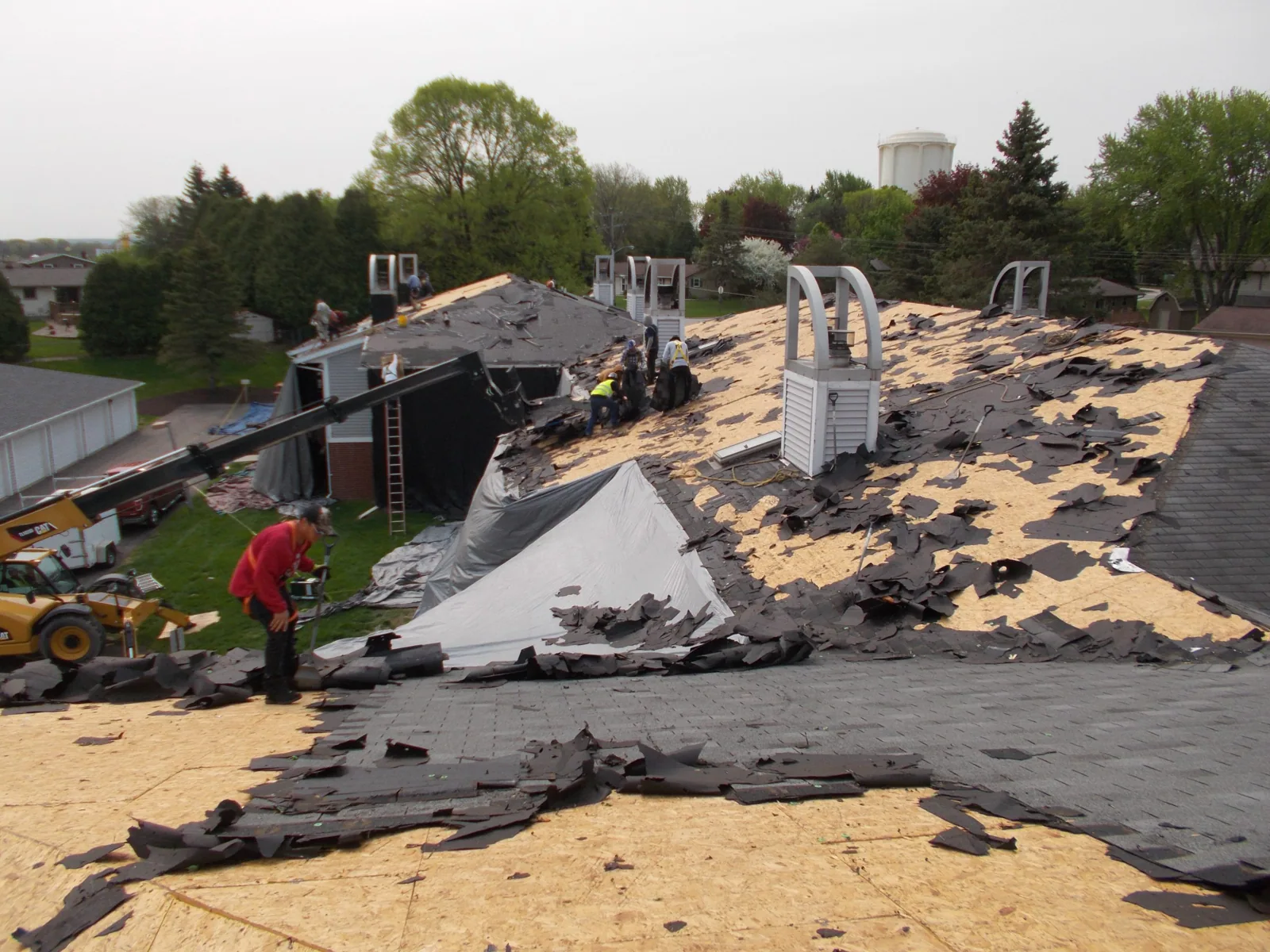
Those entries are what turn a list of defects into a schedule. When three repairs are open across three buildings, the register shows which ones can be done in one mobilization and which need a separate weather window. Rain, wind and cold all shorten what a crew can seal in a day, and a tie-in left open overnight is a risk we plan around. The daily closeout for each visit states what was sealed, what was left temporary, and what the next visit finishes.
A register that is not updated becomes a historical document. We set the update cycle with the owner: a full walk once the roof has been through a winter, a quick review after a named storm, and a spot check when a tenant reports a stain. Each update closes open items and adds new ones.
When a building sells, refinances or moves to a new manager, the register is the handoff. It shows the work done, the work pending, and the roof's current condition without relying on anyone's memory. Pair it with preventive maintenance visits and the pending list shrinks instead of growing. Owners who want the register tied to long-range budgeting can carry the same findings into capital planning for replacement timing, where the ranked condition data sets which roof is replaced first.
A single-building owner needs a lean register: one roof map, one photo set, one open-items list. A property management firm with a dozen buildings needs the same fields, plus a way to compare roofs across the portfolio and report to the owners it serves. For property management companies, a one-page summary per building works well, with the detail behind it for the field team.
The register works the same way for an office building with rooftop mechanical equipment or a low-rise with a few drains. An owner with buildings in both Hoboken and Jersey City can keep them in one register, since the water path, access and tenant questions are the same kind of questions.