Roofing for Cities, Counties and Public Agencies in Jersey City, NJ
Roof assessments, repairs and replacement for Jersey City public agencies, with written scopes, photo records and work plans that support public approval.
Roof assessments, repairs and replacement for Jersey City public agencies, with written scopes, photo records and work plans that support public approval.
Public roofs get approved on paper before anyone climbs a ladder. A city department or county facility in Jersey City, NJ, usually needs a written condition assessment, a scope that can be priced, and a schedule that fits the building's service hours. We build that package first. It names each roof zone, shows the current condition with photographs, separates urgent repair from planned replacement, and states the work window the building can accept. A decision-maker reading the package sees what the roof needs without needing to visit it.
Public buildings also have to stay available. A records office, a municipal court or a service counter cannot close for a roof project, so access paths and noise limits come into the plan early.
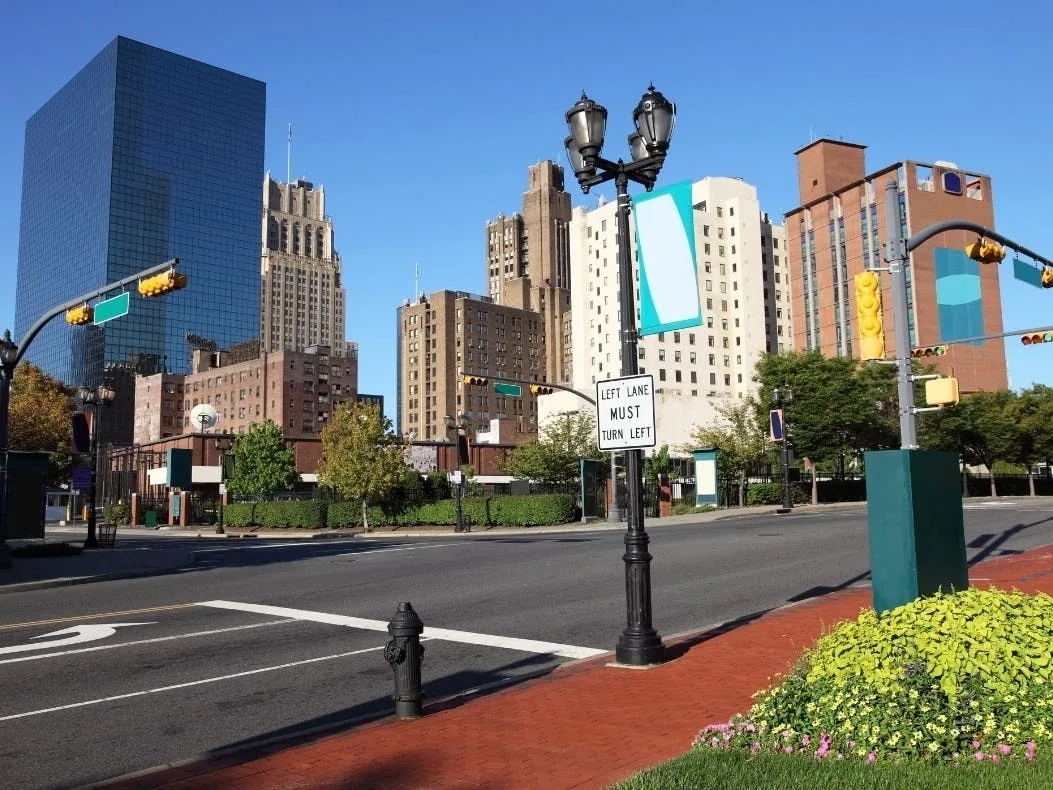
Government buildings range from office blocks to garages and storage yards, and a roof walk covers all of them. In 2020, Jersey City covered 14.74 square miles and recorded 19,835.1 residents per square mile. For an occupied public building, we include pedestrian routes and interior protection in the work plan.
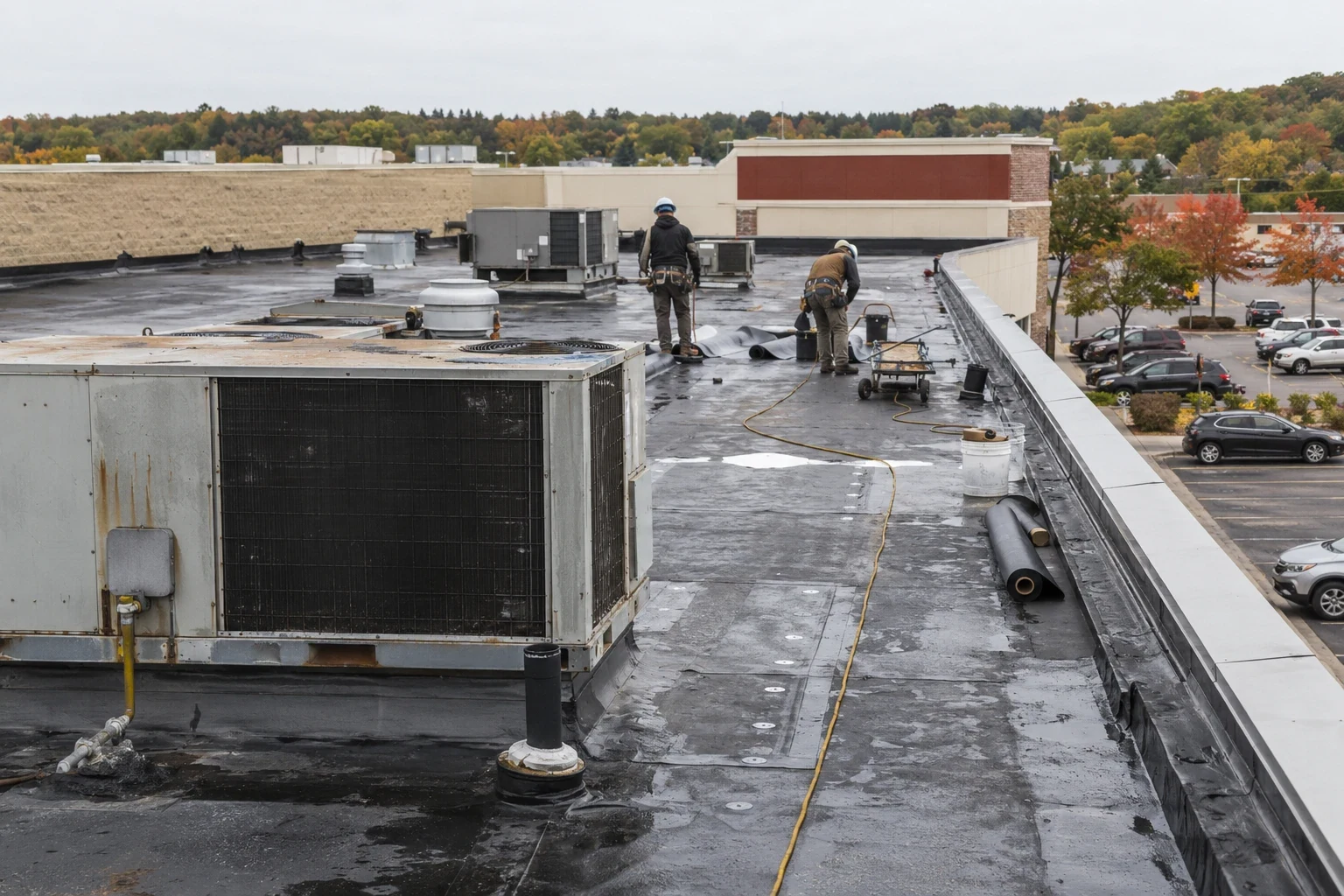
The assessment is the document that moves a project through budget review. We walk every roof on the facility list, photograph the membrane, seams, drains, flashing, curbs and equipment supports, and grade each zone. Then we write the findings in plain language with a recommended action for each item and a priority tier.
The tiers help committees decide. Tier one is active leaks and safety issues. Tier two is conditions that will fail within the next budget cycle. Tier three is long-range replacement. With tiers, a committee can approve the urgent work immediately and schedule the rest.
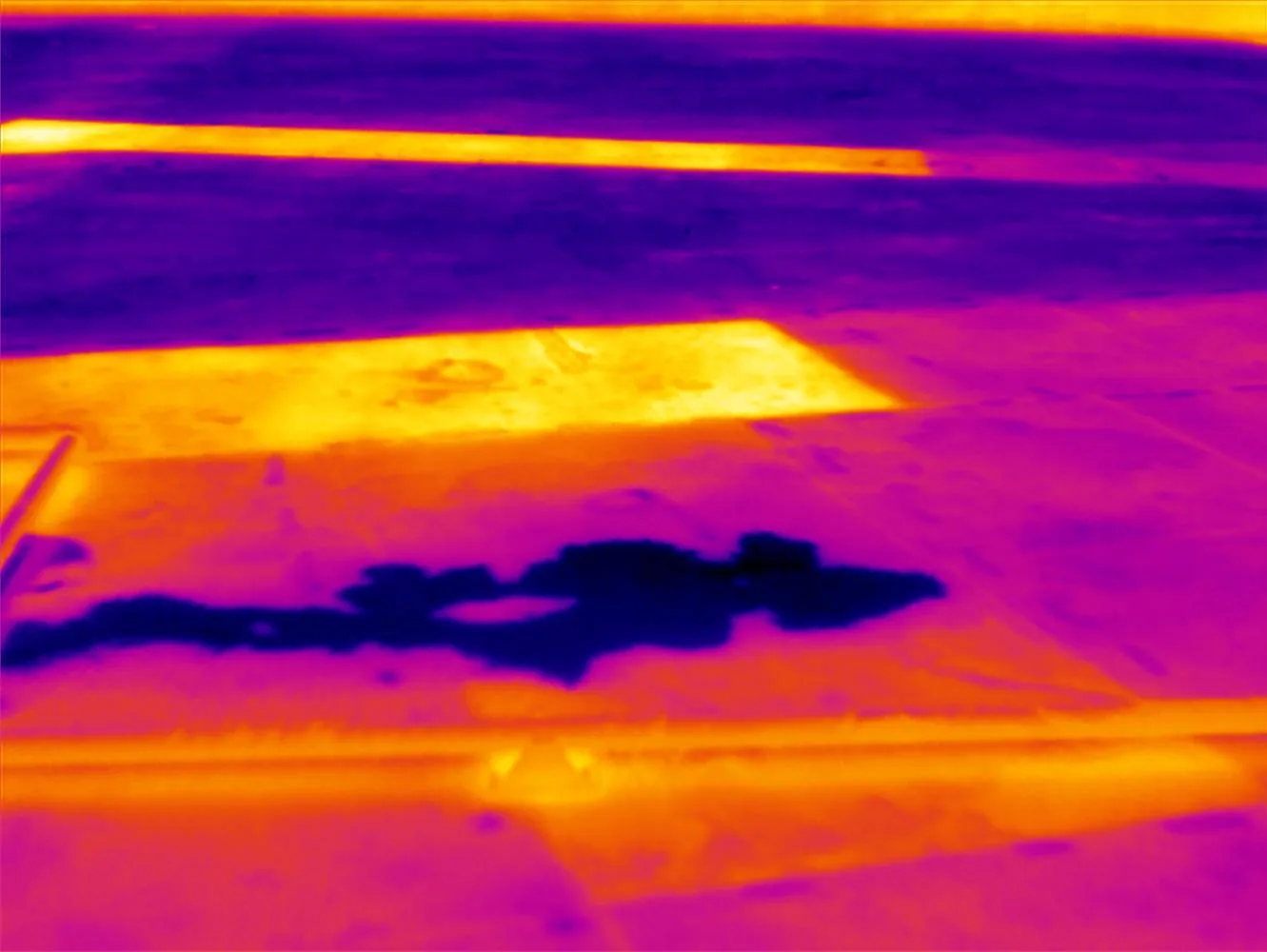
Photographs are tied to locations on a roof diagram, so a reviewer can find each condition. Where moisture is in doubt, an infrared moisture survey narrows the wet areas, and cores confirm what the scan suggests. The output is a record that a public file can hold for years and that an auditor can follow.
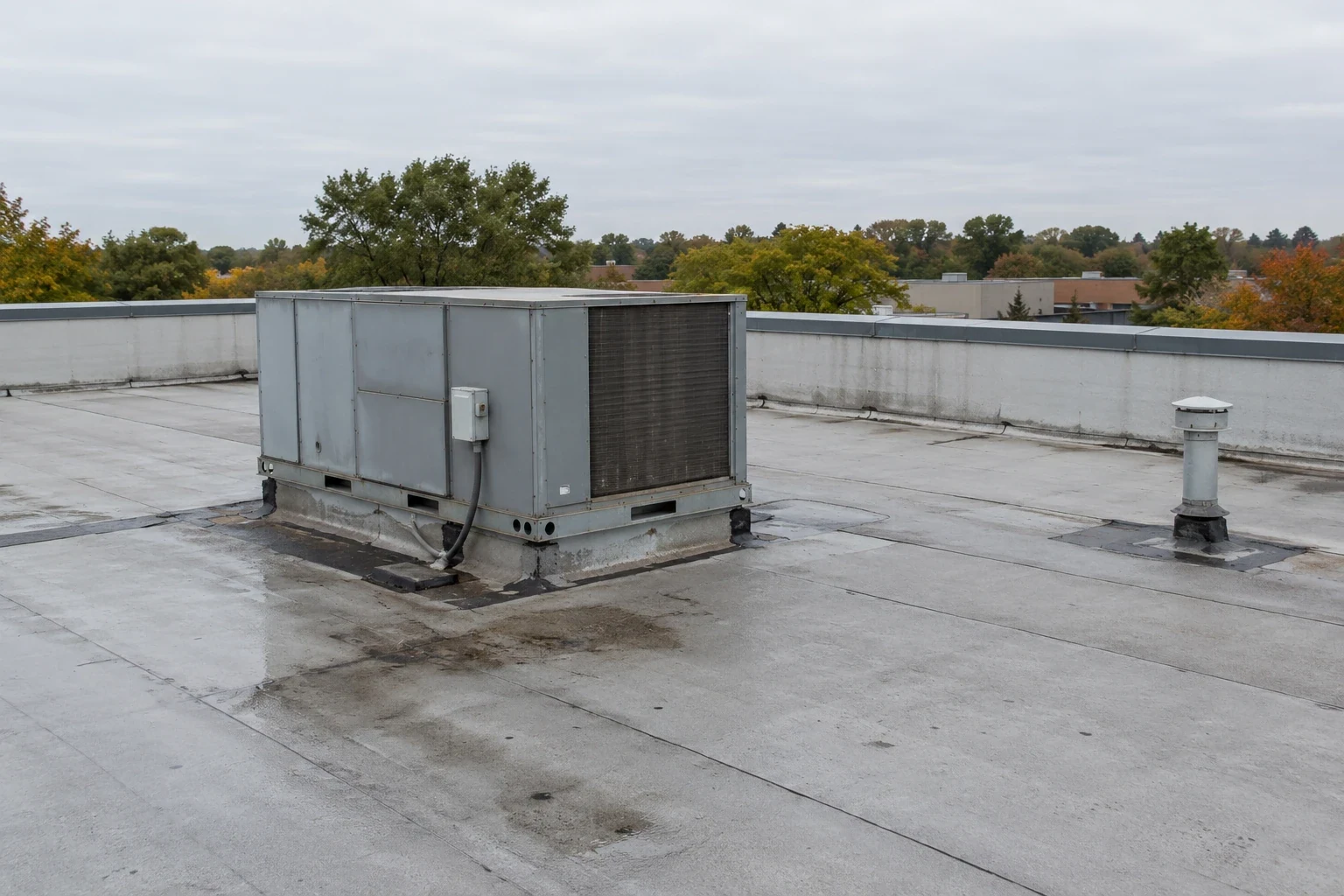
Condensate lines, antennas and communication equipment are common on public roofs. Each one has a mounting, and each mounting has a seal. We list them so that a later equipment change does not damage the membrane without anyone noticing, and so the agency can tell a trade contractor where to walk and where not.
Send the facility list, service hours and any prior roof reports. We will walk the roofs, grade the zones, and return a written package ready for review.
Public work often compares several bids, and a clear scope makes the comparison fair. We write the scope as a list of items: surface preparation, insulation, membrane, flashing, drains, edge metal and closeout. Each item states what is included and what is not. That reduces change orders later.
We also set out alternates. A recover system might be priced beside a full replacement, with the trade-offs written out: lower disruption against less certainty about the layers underneath. A coating alternative can be listed for roofs with dry insulation. Having options in the file lets the agency choose with evidence.
Roof drainage upgrades often belong in the same package. Before a drainage change, confirm whether Jersey City’s Stormwater Control Ordinance and Flood Overlay Map apply to the property. We note drain sizes and overflow arrangements in the scope so the review has the facts in hand.
Public buildings have rules for who may enter, where visitors walk and when the doors open. Roof crews fall under the same rules. We coordinate hoisting, staging and material storage so that nothing crosses a public entrance during opening hours, and we use fencing and signage where the work area touches a walkway.
Noise and dust get attention too. Offices with public counters, hearing rooms and records storage have different tolerances. We ask the facility manager which spaces cannot absorb disturbance and arrange the roof sequence accordingly. Work over critical areas goes into evenings or weekends when the building allows.
Emergency repairs follow a different path. Our response line runs all day and night, including holidays, and a storm leak at a public facility is dried in first and documented for the claim or work order afterward. A short written report tells the agency what was done and what remains.
Parking and staging areas often belong to the agency as well. We agree on where trucks stand, where debris is collected and how the area is secured overnight, so the project does not take over space the public needs. A certificate of occupancy is required for new construction, major renovations, or changes in building use. We identify whether a proposed roof scope includes work that needs this review before setting the schedule.
The city experienced severe floods, power outages, and property damage during Irene and Sandy. Jersey City identifies stormwater load on combined sewers and localized flooding as infrastructure concerns; public projects can coordinate roof discharge with site drainage. At the roof, we inspect the actual drain path, overflow, and low areas before proposing a correction.
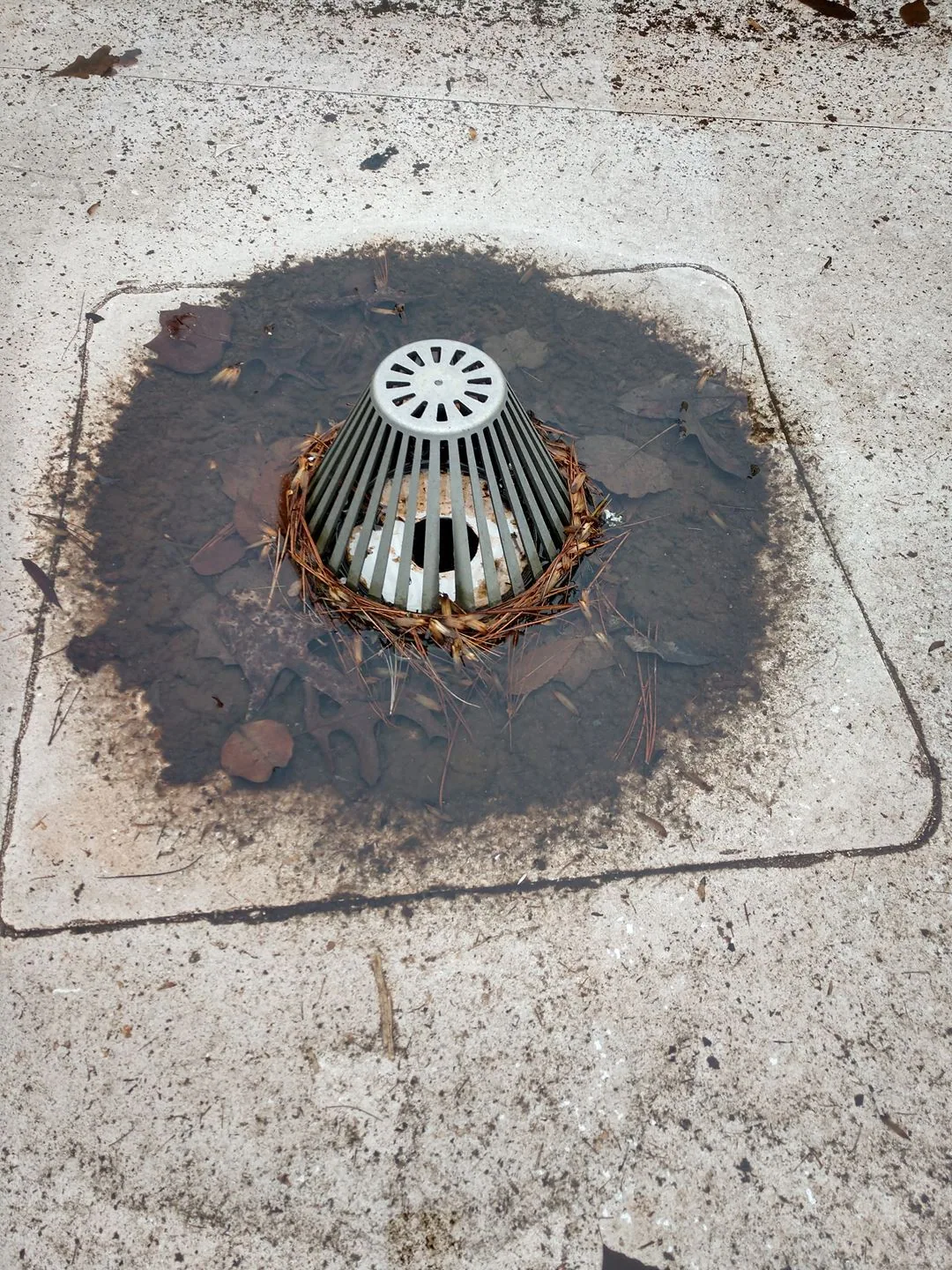
We review drainage on every public roof: strainers, scuppers, overflow elevations and slope. Where parapet walls trap water, we look at whether added drains or crickets would help. The budget compares the observed water path, outlet condition, and repair needed at the roof.
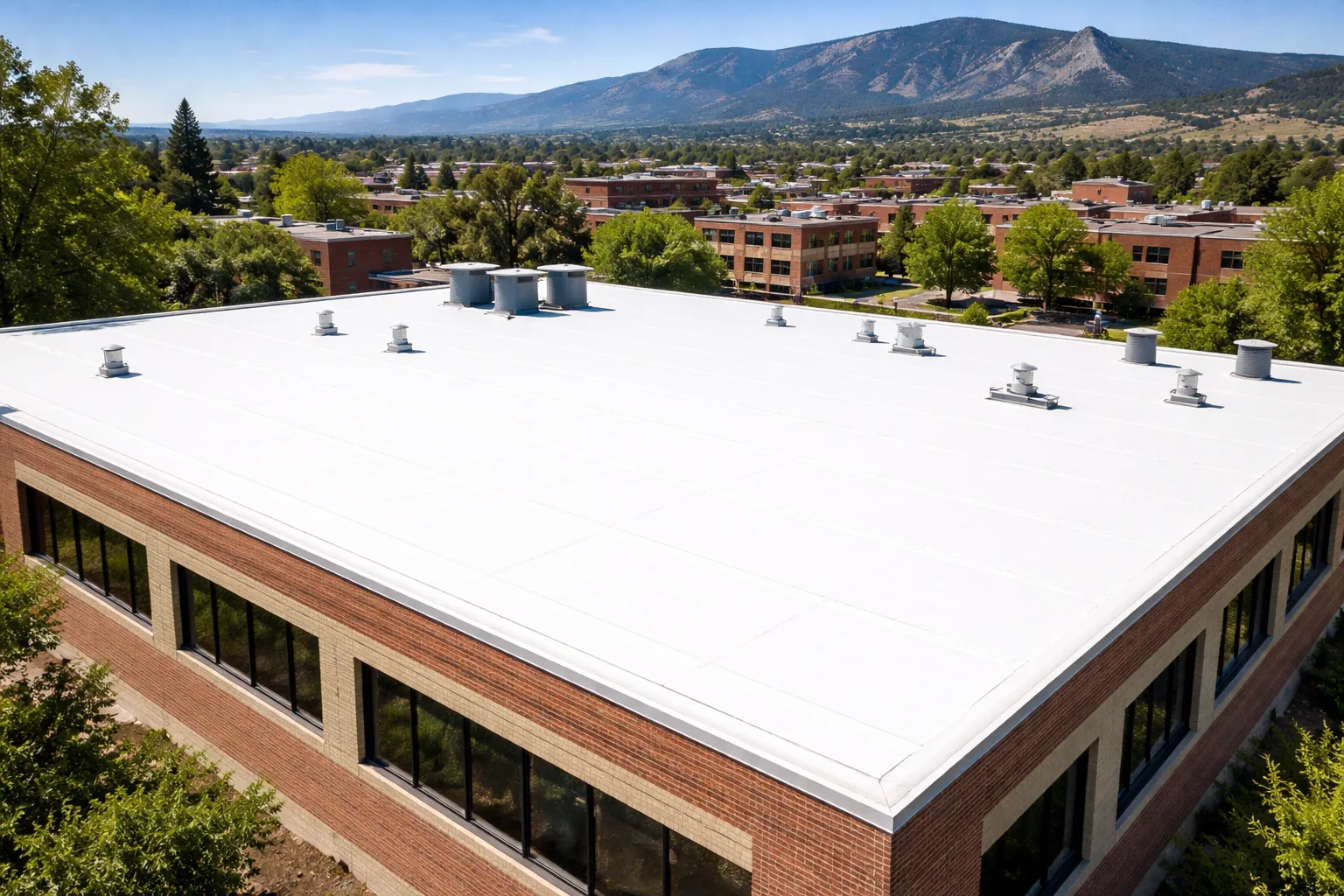
For New Jersey, statewide climate risks include rising seas, persistent flood conditions, warmer temperatures, and stronger storm events. For a roof decision, we compare the selected assembly, drainage details, maintenance requirements, and heat exposure at the building; a reflective cool roof system can be considered when its substrate and scope fit.
When the work is done, the agency receives a closeout set: before and after photographs, product data, a roof diagram showing repairs, and the next inspection date. If a warranty applies, the paperwork and maintenance conditions go in the closeout for the next facility manager.
The same set works as the base file for ongoing care. A maintenance program adds yearly visits that update the file. Agencies that manage several facilities can use a multi-site program to schedule inspections and repairs across them. Municipal buildings in Newark and Elizabeth can follow the same format. Roof work for a health system that rents space from a public owner follows the same record format. Schools that belong to a school district and municipal buildings under a city department can be tracked in one comparable report, which helps when funding is shared.