Preventive Commercial Roof Maintenance in Jersey City, NJ
Schedule commercial roof maintenance in Jersey City with drain, seam, and edge checks, a zone-based condition log, and prioritized repair follow-up.
Schedule commercial roof maintenance in Jersey City with drain, seam, and edge checks, a zone-based condition log, and prioritized repair follow-up.
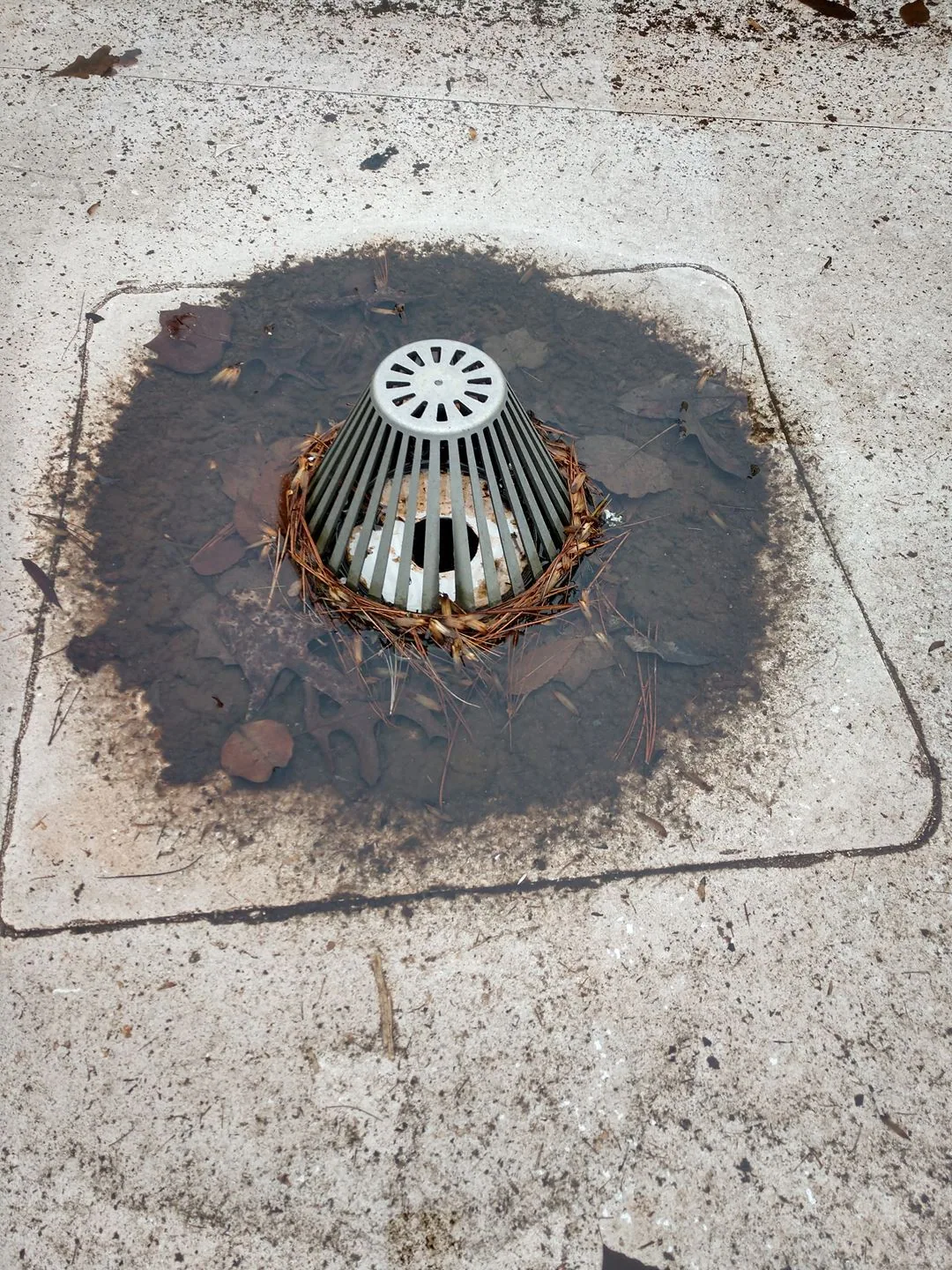
Preventive maintenance in Jersey City is a roof-zone schedule, not a calendar reminder. We inspect drains, seams, flashings, curbs, and equipment supports, then record which items need cleaning, repair, or observation. A condition inspection gives the asset manager a starting point for the next budget and maintenance cycle.
Jersey City’s history of severe flooding and stormwater strain makes outlet checks important before and after wet weather. We connect the roof surface to the drain path, inspect where water could hold, and track changes by zone. The building team receives a dated record, assigned next actions, and the follow-up interval tied to visible conditions.
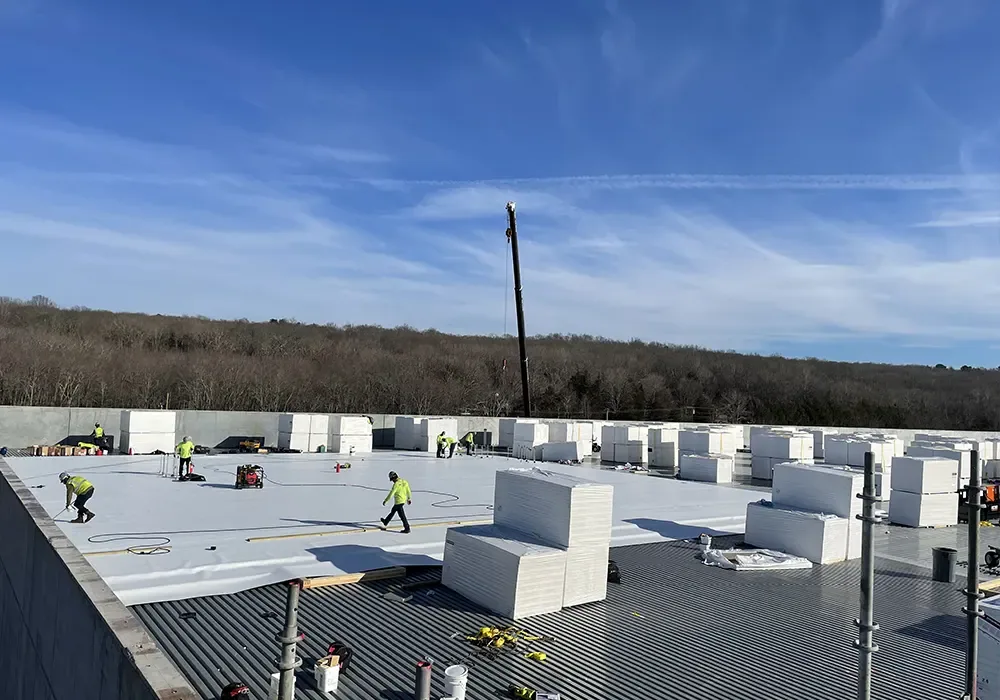
The visit starts with access instructions, tenant hours, equipment restrictions, and any roof area that needs an escort. We plan the route around hatches, ladders, staging areas, and working machinery. A brief walk can become a longer inspection when loose material or a blocked outlet needs correction, so the schedule leaves room for safe closeout rather than ending at the first observation.
Commercial corridors such as Central Avenue, West Side Avenue, and Journal Square have different loading and occupancy patterns. We confirm the operating conditions at each property instead of applying one route to every building. The maintenance log names the roof zones reached and any section that could not be inspected. That gives the next visit a clear starting point and keeps the record exact about access.
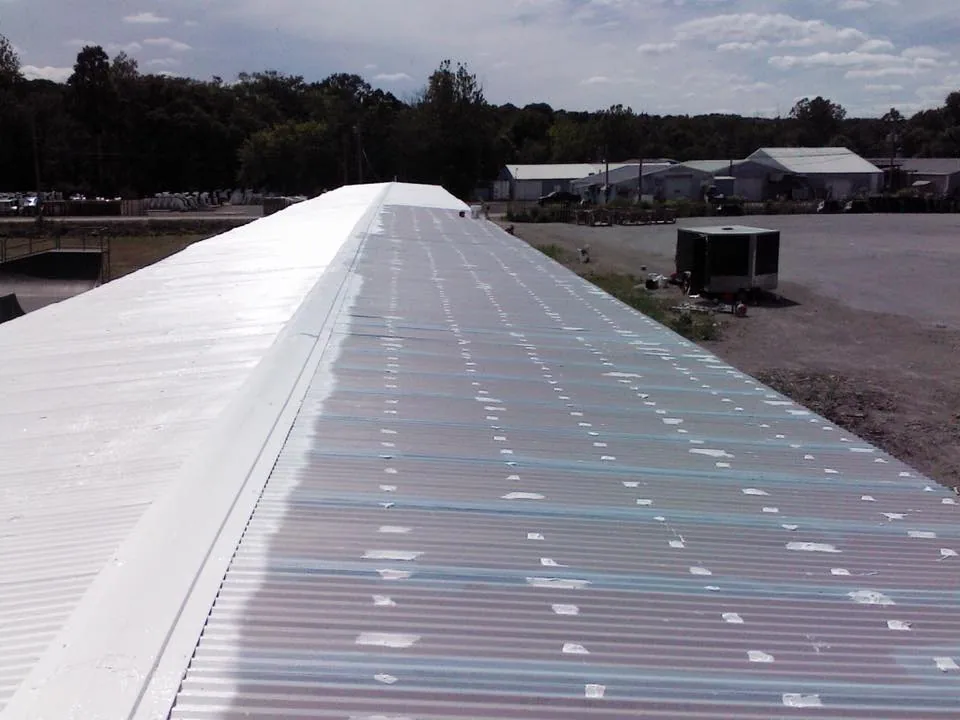
Share roof access rules, recent leak reports, and any work windows. We will inspect key details, update the condition log, and prioritize follow-up.
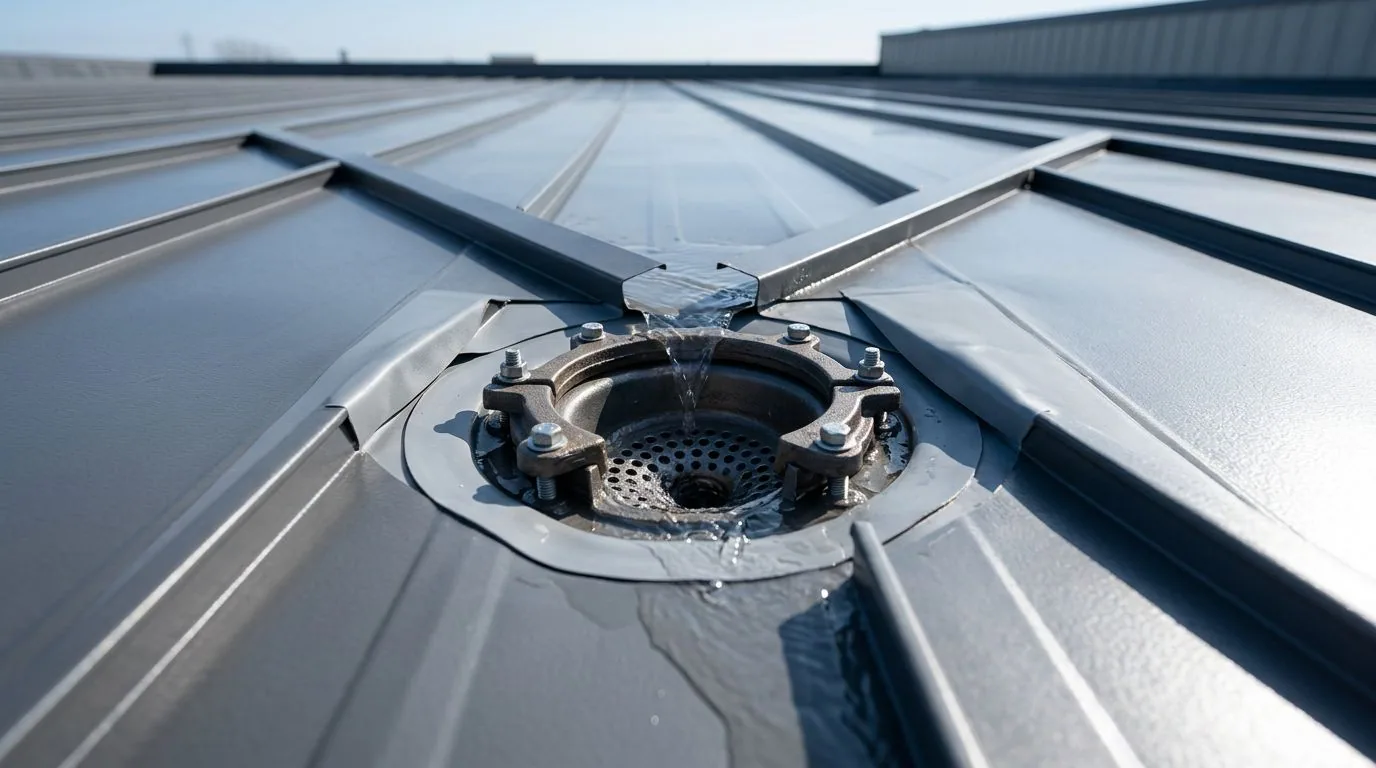
We check strainers, drain bowls, scuppers, overflows, crickets, and low areas for debris, separation, or standing water. A blocked strainer may need cleaning; a split flashing or loose clamping ring needs a repair scope. We also look at how rooftop equipment changes the water path. The log identifies the outlet, the condition, and whether flow could be observed during the visit.
Localized flooding and stormwater loading on the combined sewer system are relevant to Jersey City roof maintenance. The inspection still records building-level conditions: whether the drain is clear, where water holds, and whether membrane details are open. After heavy rain, we can compare the same roof zones with prior photographs. A drain service visit addresses outlet work that exceeds routine debris removal.
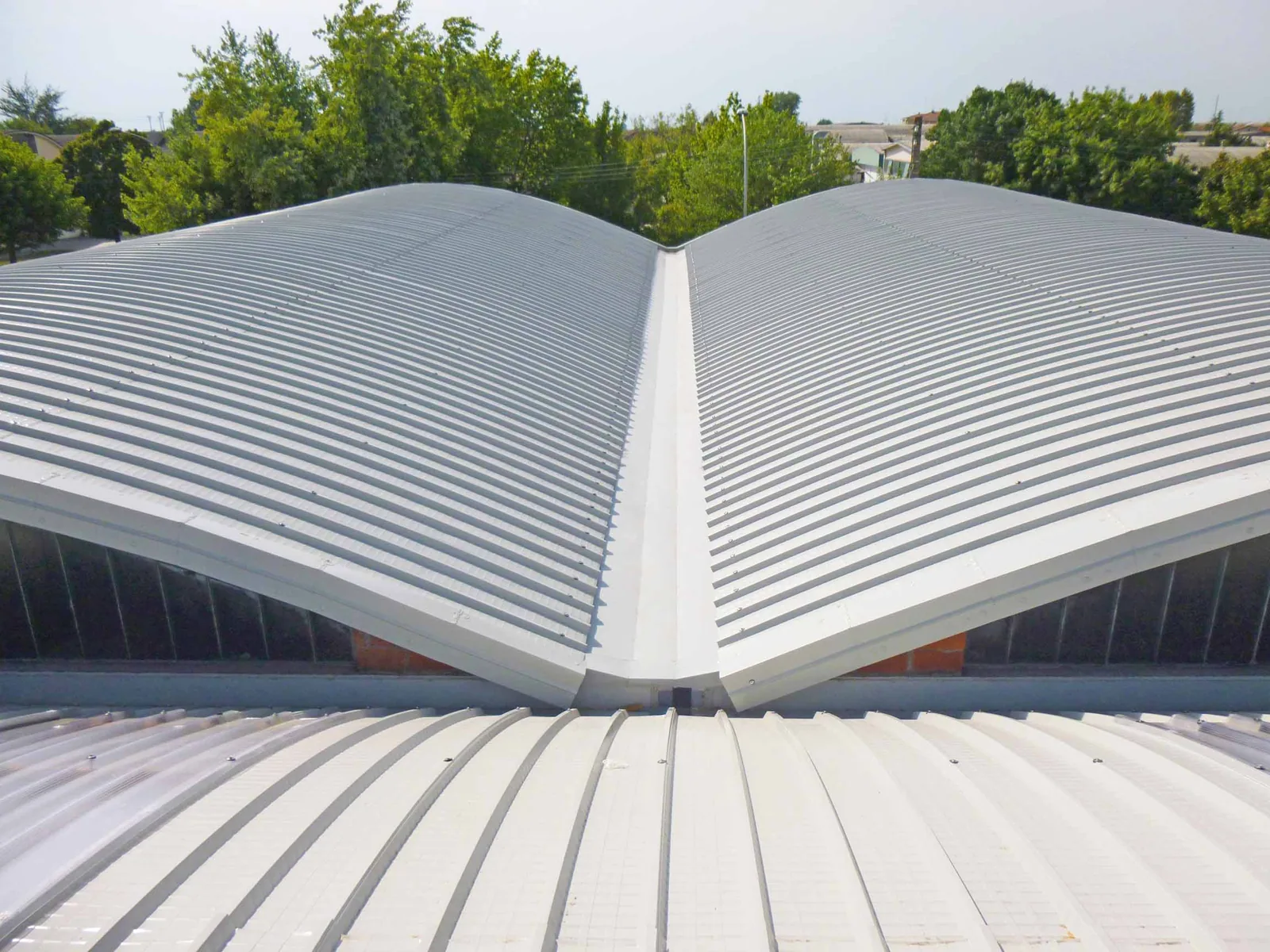
At seams and laps, we look for separation, lifted corners, cracked sealant, movement, and evidence of prior patching. Perimeter metal, wall terminations, skylights, and equipment curbs each create a transition where water can enter. The log gives the location and photo of a defect, then assigns a next step. This helps maintenance staff distinguish a minor watch item from an opening that needs prompt repair.
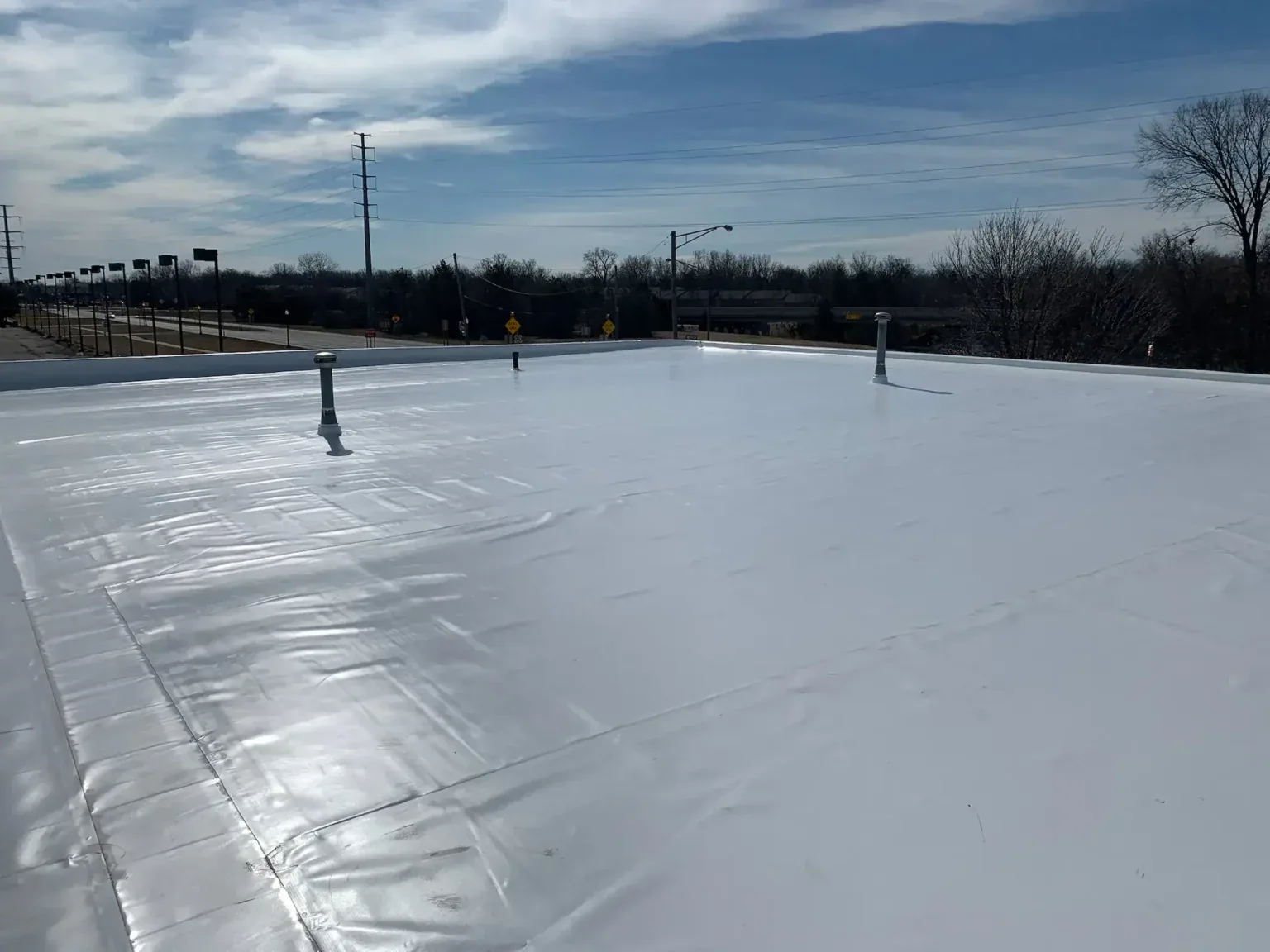
Jersey City's building stock changed substantially after 2000, with investment in Downtown, Newport, and Journal Square first. A neighborhood name does not identify the membrane or its remaining life. We verify visible material and use a compatible detail for any correction. A TPO seam check differs from a rubber membrane or metal-panel review. If a seam begins to open, a seam repair can be planned before the next scheduled walk.
Fans, condensers, conduit, solar supports, and service paths can hide membrane details or concentrate foot traffic. We note curb condition, support blocks, line-set penetrations, and access clearance around equipment. The maintenance record identifies any area where a service technician’s route crosses a roof seam. When equipment work is planned, the property manager can coordinate it with a roof repair rather than leaving a new opening for the next cycle.
We also note abandoned supports, unused curbs, and capped penetrations that can become weak points as the assembly ages. The owner can ask whether those features should be removed, flashed, or left in service. We document the present condition and route the question to the roofing scope; a mechanical contractor handles equipment disconnection when required. This keeps maintenance observations tied to an action and responsible trade.
A maintenance visit does not include electrical, mechanical, or structural work outside the roofing scope. We document the roof detail and identify the trade or owner action that needs coordination. If support flashing or curb metal is loose, the repair plan states which part the roofing crew can correct. The property team receives a photo and a work window recommendation before the next equipment shutdown or tenant notice is set.
Each visit records roof zones, photos, drain conditions, seam observations, completed minor corrections, and open work orders. We mark issues by urgency and describe the risk in practical terms: active water path, exposed insulation, loose perimeter, or a detail to recheck. The asset manager can sort immediate repair from deferred maintenance without losing the location of the finding.
The log also notes the change since the prior visit. We preserve dated views from repeatable positions where possible, so a property team can compare the same drain, seam, or curb across cycles. A new obstruction or surface change can then be tied to the roof zone and routed to a work order instead of left in a narrative note. A recurring drain issue, a fresh patch, or a new curb penetration should not disappear inside a generic annual report. A photo-based condition report supports a wider portfolio view, while each building retains its own scope. We can add the next Newark roof review as a separate visit for teams that maintain assets in both cities.
Maintenance findings can be grouped into a short repair list, a moisture investigation, or a capital scope. We identify what should happen before the next rain, what can wait for the next work window, and which item needs pricing. If an active leak appears between scheduled visits, emergency response is available around the clock, holidays included. The response record can then be compared with the routine log.
Preventive work helps an owner schedule around tenants and operational peaks, but it does not replace a repair when membrane or flashing has failed. We keep a separate work order for each approved correction and photograph the completed tie-in. The next cycle checks that location again and reviews nearby details. A commercial roof repair can address the confirmed opening; a claim documentation review can organize storm records when needed.