Commercial Cool Roof Installation in Jersey City, NJ
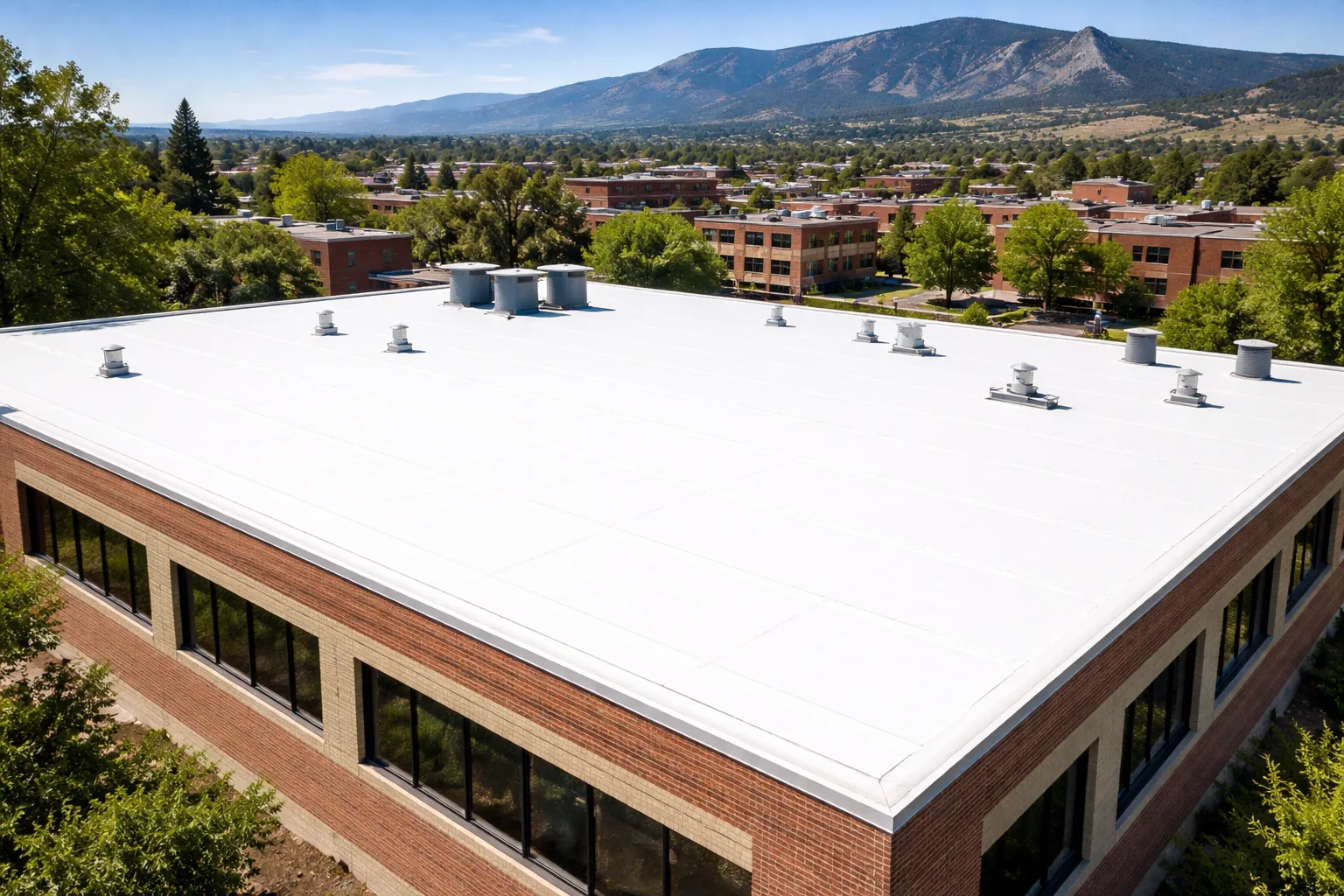
Compare reflective roof options in Jersey City with drainage, membrane condition, roof use, and maintenance access in one written scope.
Compare reflective roof options in Jersey City with drainage, membrane condition, roof use, and maintenance access in one written scope.
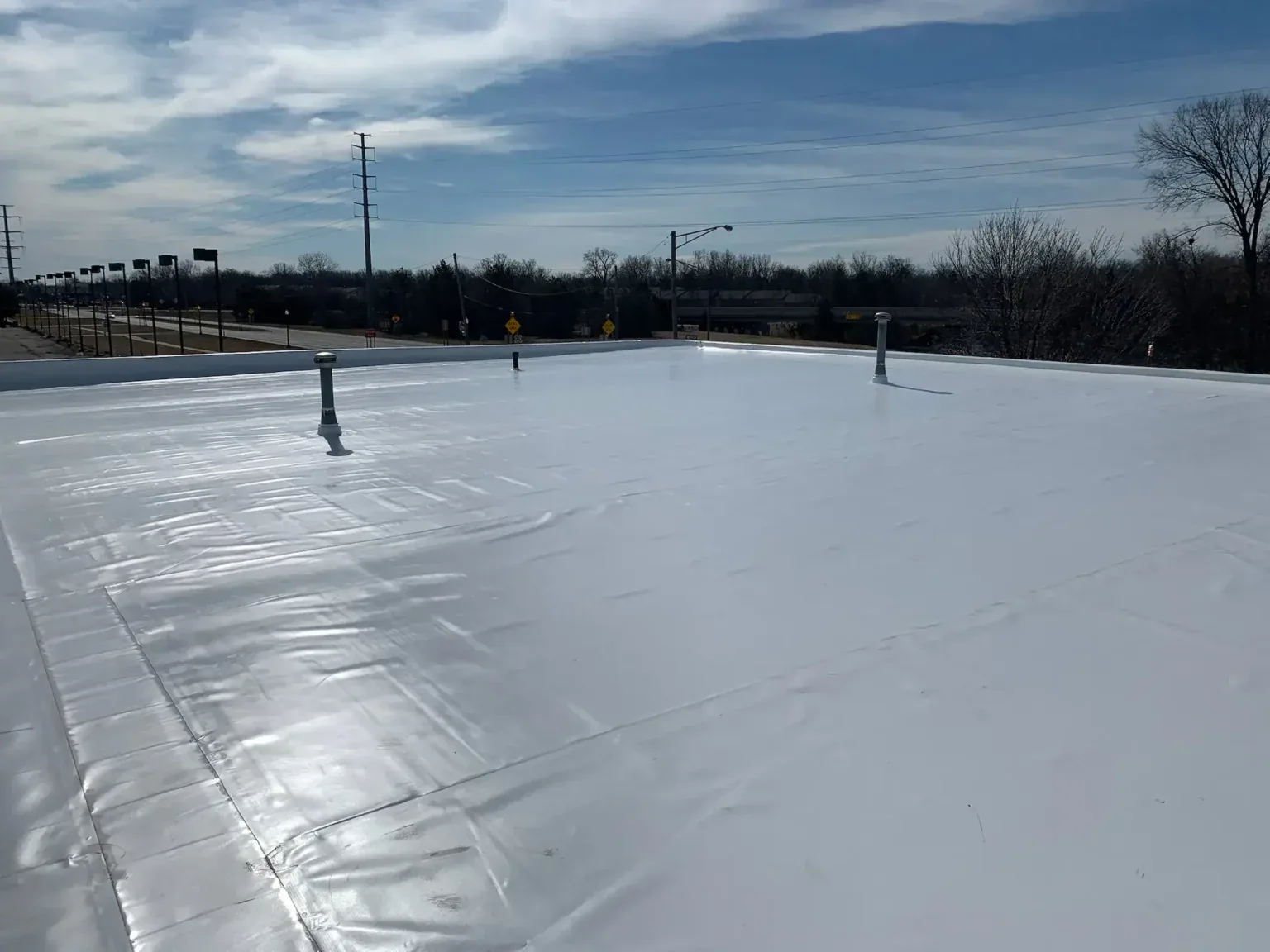
A reflective surface changes solar heat absorption, not the roof’s underlying condition. For a Jersey City, NJ commercial building, we first check the membrane, insulation, drainage, penetrations, and access needed to install and maintain a cool-roof finish. The choice may be a coating over a suitable assembly, a reflective membrane, or a replacement scope. We separate those options in the inspection record so a color or reflectance goal does not hide wet insulation, open seams, or a drain problem. Start with a roof inspection that marks the assembly and repair boundary.
Journal Square, Central Avenue, West Side Avenue, and Route 440/Culver are commercial corridors within Jersey City. Their mix of properties makes roof access and building use part of the decision, so we check the actual surface and assembly before selecting a reflective system. We look at the property itself: membrane condition, rooftop equipment, occupied hours, and how the roof can be reached. A reflective upgrade should fit the actual assembly and maintenance plan, not simply satisfy a broad design preference.
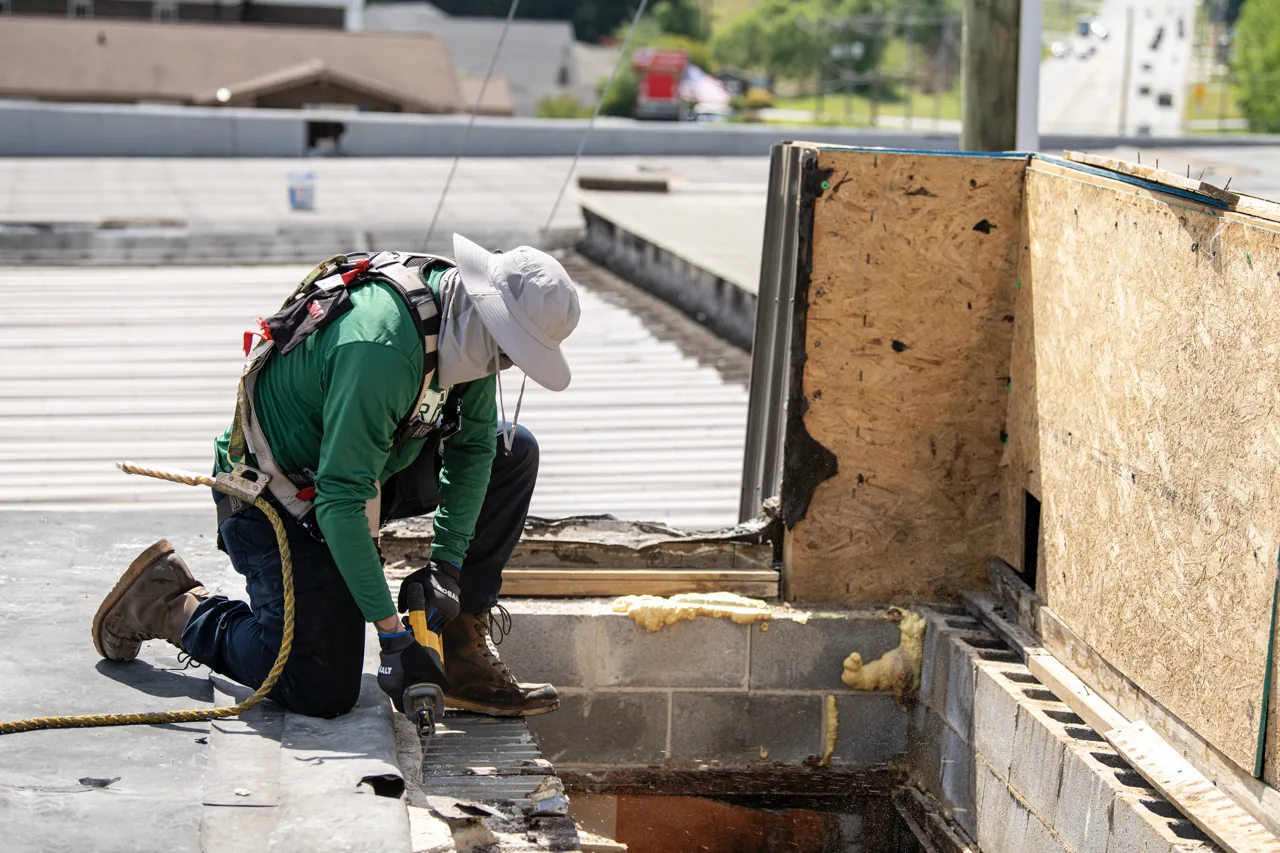
A cool-roof proposal starts with adhesion and moisture checks. We inspect for blisters, loose laps, open flashing, corrosion, ponding, and previous coating layers that may interfere with a new application. If the membrane is unstable or insulation is wet, a reflective coating can cover symptoms without correcting the assembly. We mark repairs and test areas, then document whether the roof is a candidate for restoration, recover, or replacement. Surface preparation and dry conditions determine whether the application can proceed in the available weather window.
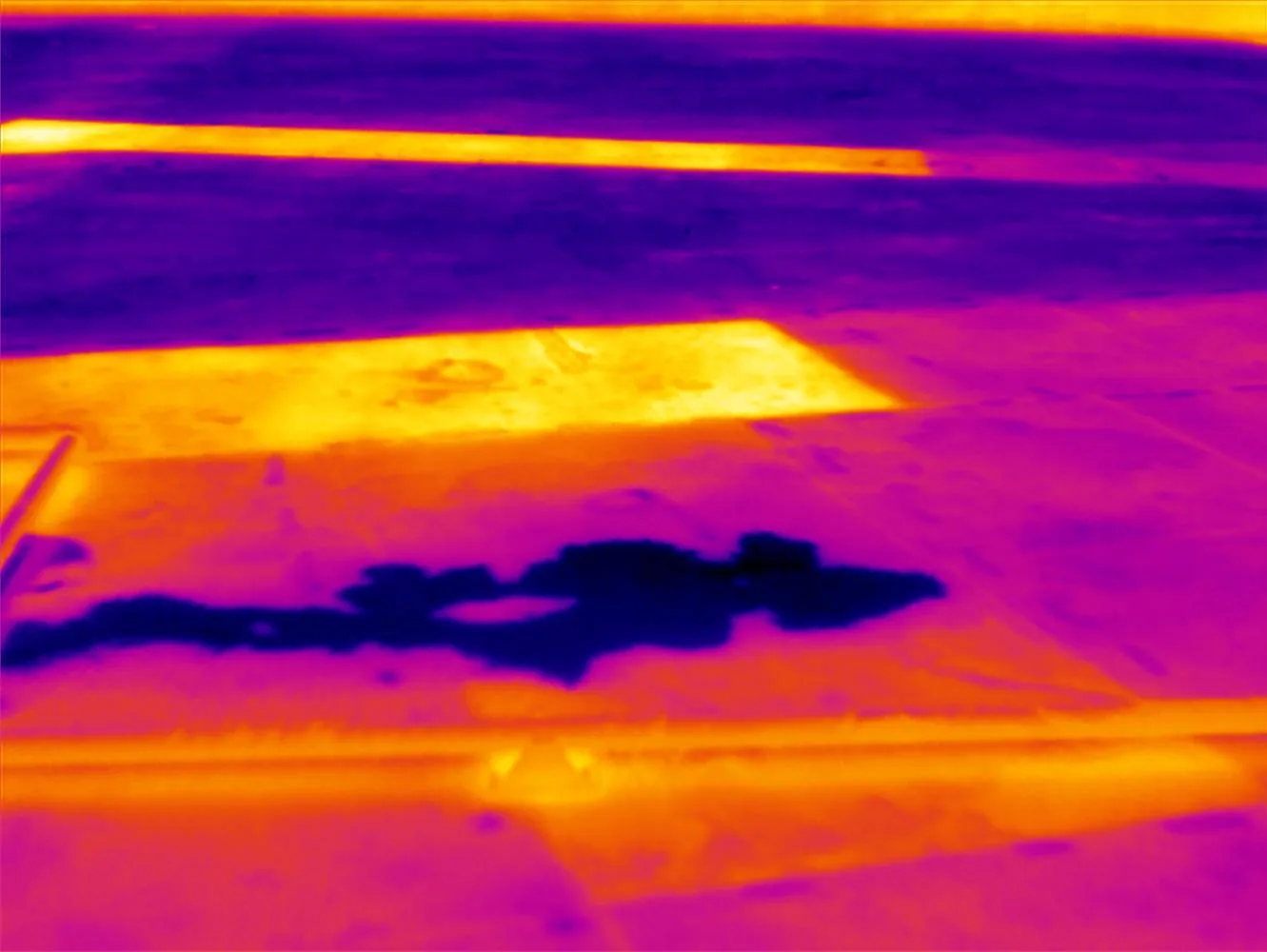
A moisture survey can help direct test openings when the visible surface leaves questions about wet insulation. Infrared readings are interpreted with roof construction, weather, and core results; the scan is not treated as a diagnosis on its own. We pair the findings with roof-zone photos and note any repair that must happen before reflective material is applied. If coating is viable, the scope identifies preparation, reinforcement, primer, and finish by area, then states the limits of the work.
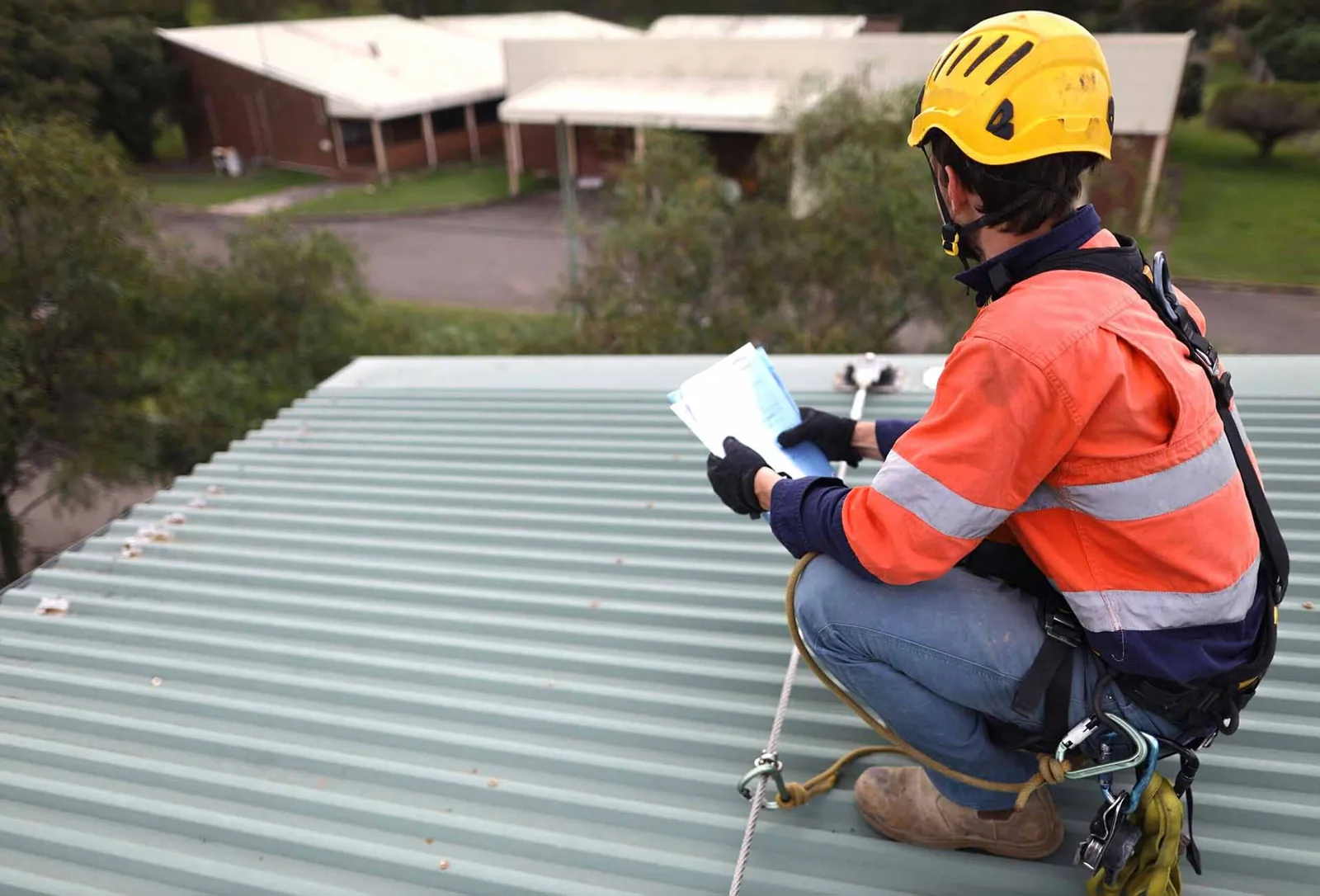
Set a site walk to check coating compatibility, drain paths, membrane condition, and the weather window. We will separate restoration from replacement options in writing.
A reflective membrane may suit replacement when the existing assembly needs to be removed or the owner wants a new roof system. A coating can be considered where the underlying roof remains sound, dry, and compatible with the selected product. These choices have different substrate preparation, seam treatment, thickness, drain detailing, and maintenance needs. We do not treat a coating as insulation, structural repair, or a substitute for correcting failed drainage. The proposal states which surface is being restored and which defects receive separate repair.
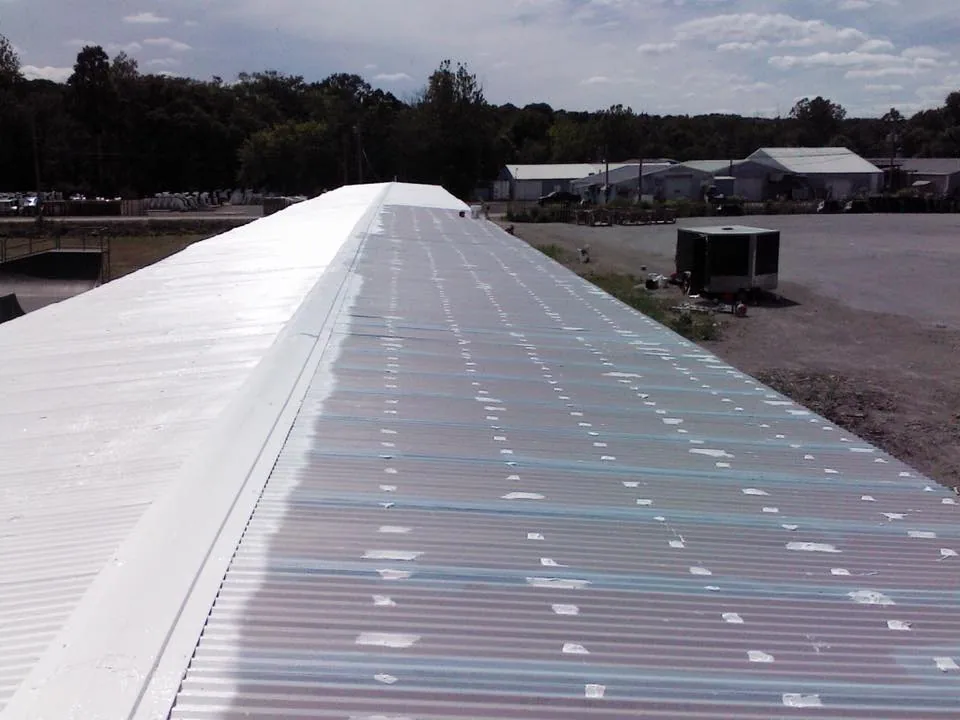
The system selection also changes curb and edge details. TPO or PVC membranes may provide a reflective surface as part of a full assembly, while silicone or acrylic restoration relies on substrate condition and product compatibility. A coating restoration scope records the preparation and repair needed before application. For replacement, the TPO assembly or another membrane is reviewed against deck, insulation, edge, and penetration details. The owner receives alternatives tied to actual conditions, not a one-product answer.
The existing roof layers also affect reflective-system selection. A rough or weathered surface may need cleaning, seam reinforcement, or a test patch before any broad application. We record the selected test area and its cure interval, then inspect adhesion and finish before expanding the work. If an older coating is present, we verify its type and condition rather than assuming the new material will bond. The owner sees the preparation limits and the repair boundary before authorizing the full roof zone.
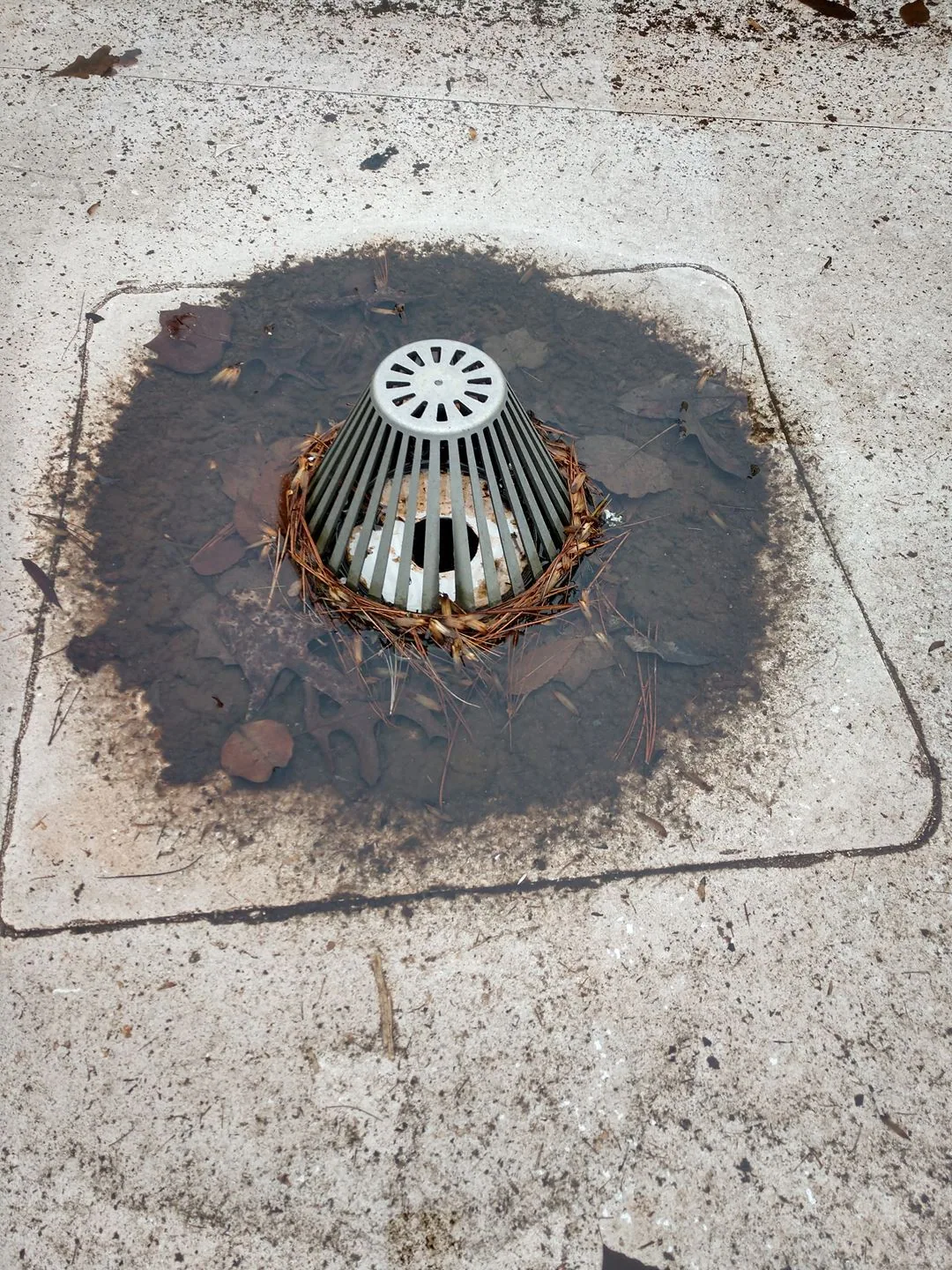
Reflective finish does not correct low spots or undersized drainage. We map drains, scuppers, overflow paths, rooftop curbs, and areas where water remains after the roof should have drained. If a coating thickness changes the surface transition, drain bowls and flashings need compatible detailing. A saddle or tapered insulation may be considered where the assembly and elevations allow it. The plan must preserve a path to the drain and avoid building a new dam at an existing curb or roof edge.
Jersey City’s coastal rain exposure makes surface drainage part of a reflective-roof review. It does not set the capacity or condition of a particular roof drain. We verify the bowl, leader, overflow, and surrounding surface at the building. If the scope includes correcting a failed drain detail, we pair the finish work with drain and scupper repairs and record each completed area separately.
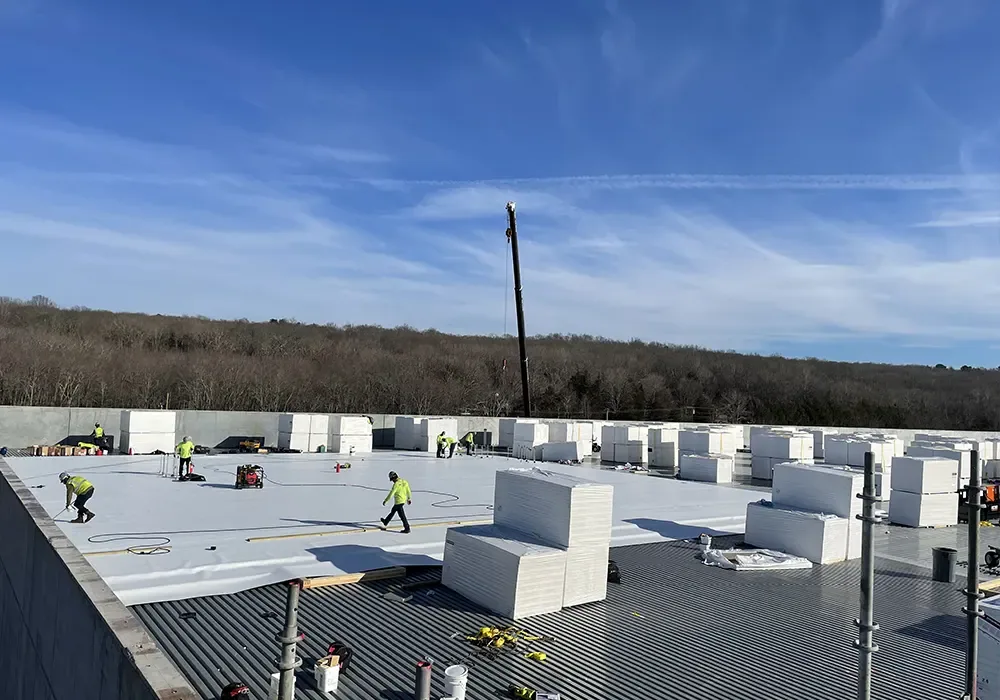
Cool-roof installation depends on a clean, prepared, dry substrate and a workable cure window. We coordinate the work around rain forecasts, dew, temperature limits in the product instructions, and the time needed to keep each zone protected. Equipment, roof hatches, and tenant operations can divide the roof into separate work areas. The sequence states what is opened, how the crew reaches it, where materials are staged, and when the zone is closed. If the weather window narrows, we stop at a documented tie-in rather than leave unfinished edges exposed.
The flooding and property damage tied to Irene and Sandy in Jersey City make a clear daily closeout line useful during staged roof work. That history does not forecast conditions for a particular workday. We plan an active weather check and establish a daily closeout line. For an occupied building, the phased reroofing plan can set tenant notices, lift limits, and access windows. A property in Bayonne gets its own roof survey, weather window, and scope.
A reflective roof needs a maintenance plan that preserves drains, seams, flashings, and coating integrity. The closeout package names the installed product and covered area, records repairs and photos, and sets the inspection interval based on the assembly and exposure. Owners should compare future observations against that baseline. Accumulated debris, punctures from service visits, failed sealant, or blocked drains can interrupt performance even when the finish still looks bright. We note the access path and identify equipment zones that require trade coordination during future visits.
Downtown, Newport, and Journal Square drew investment after 2000, with redevelopment reaching other neighborhoods later, so a single reflective specification is never assumed for every roof. We match the surface to the assembly, access, and budget timing. A roof capital plan can separate immediate repairs from an eligible restoration or future replacement. Before approval, the owner receives the preparation, system, drain treatment, work-window, and closeout requirements in one scoped package.