Multi-Site Roof Programs in Jersey City, NJ
Run one roof program across many Jersey City and nearby buildings, with shared reporting, ranked work waves, storm response and standard repair details.
Run one roof program across many Jersey City and nearby buildings, with shared reporting, ranked work waves, storm response and standard repair details.
One program across many buildings fails or holds at the handoff between sites. The crew that closes out Tuesday's roof has to leave the next building's work window intact, and the manager who approves repairs in Jersey City, NJ needs the same reporting format that covers Newark and Elizabeth. A portfolio spanning Jersey City, Newark, Elizabeth, and Hoboken needs a work sequence that can handle different access rules and operating windows across town lines.
A multi-site roof program gives those owners one scope structure, one reporting format and one escalation path. Each building keeps its own roof zones and access rules. The program ties them together so decisions can be made across the whole portfolio.
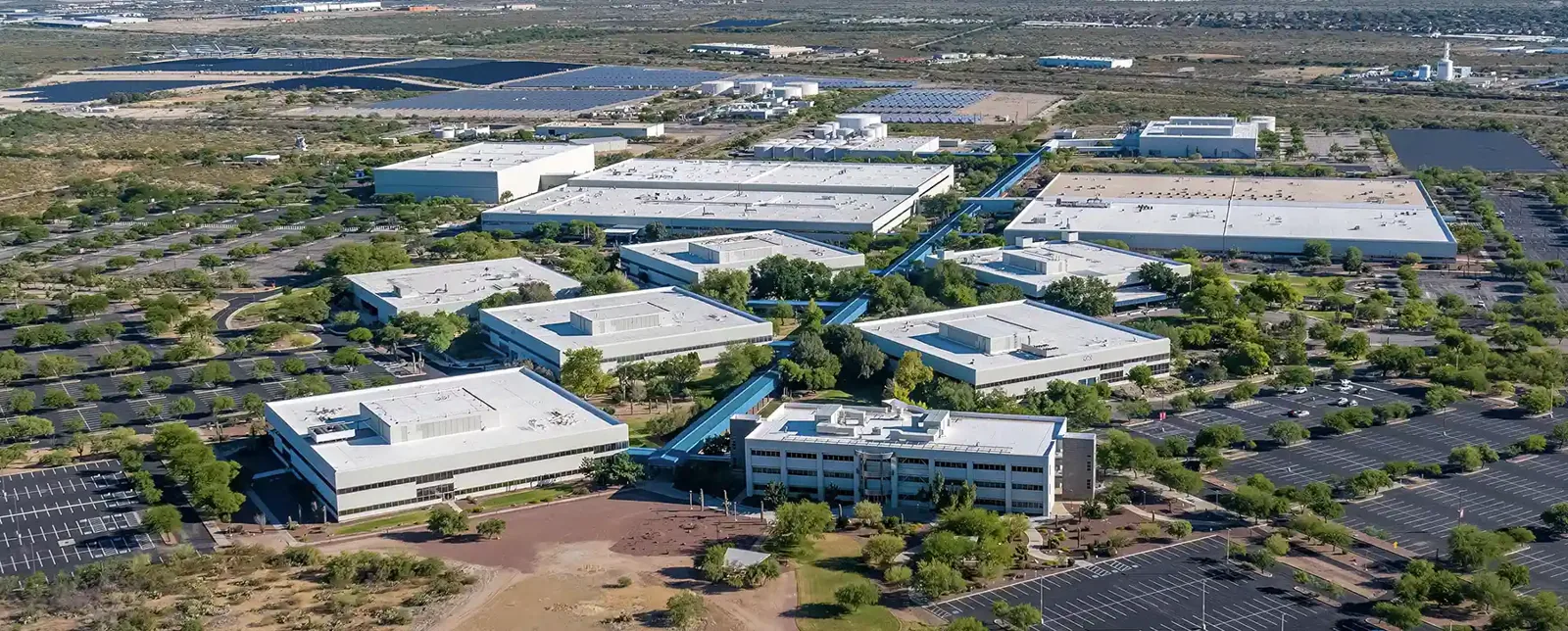
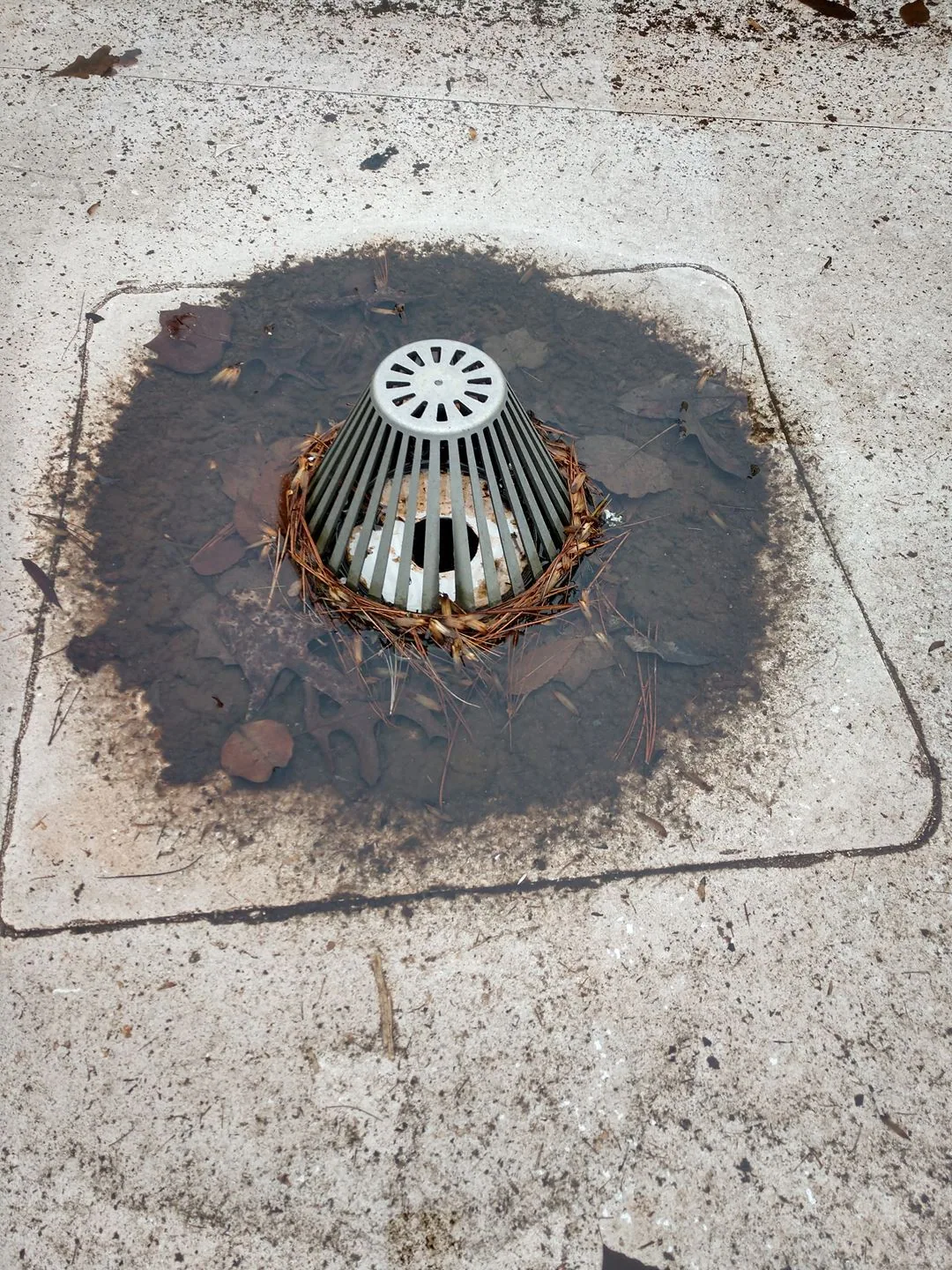
We start with a condition pass across every building, using the same checklist and photograph set. That produces a ranked list: buildings with active leaks, buildings with open drainage defects, buildings with aging systems that need planning, and buildings that can sit on routine maintenance. Work is then released in waves. Wave one deals with active water entry. Wave two takes drainage and edge corrections. Wave three takes the planned work.
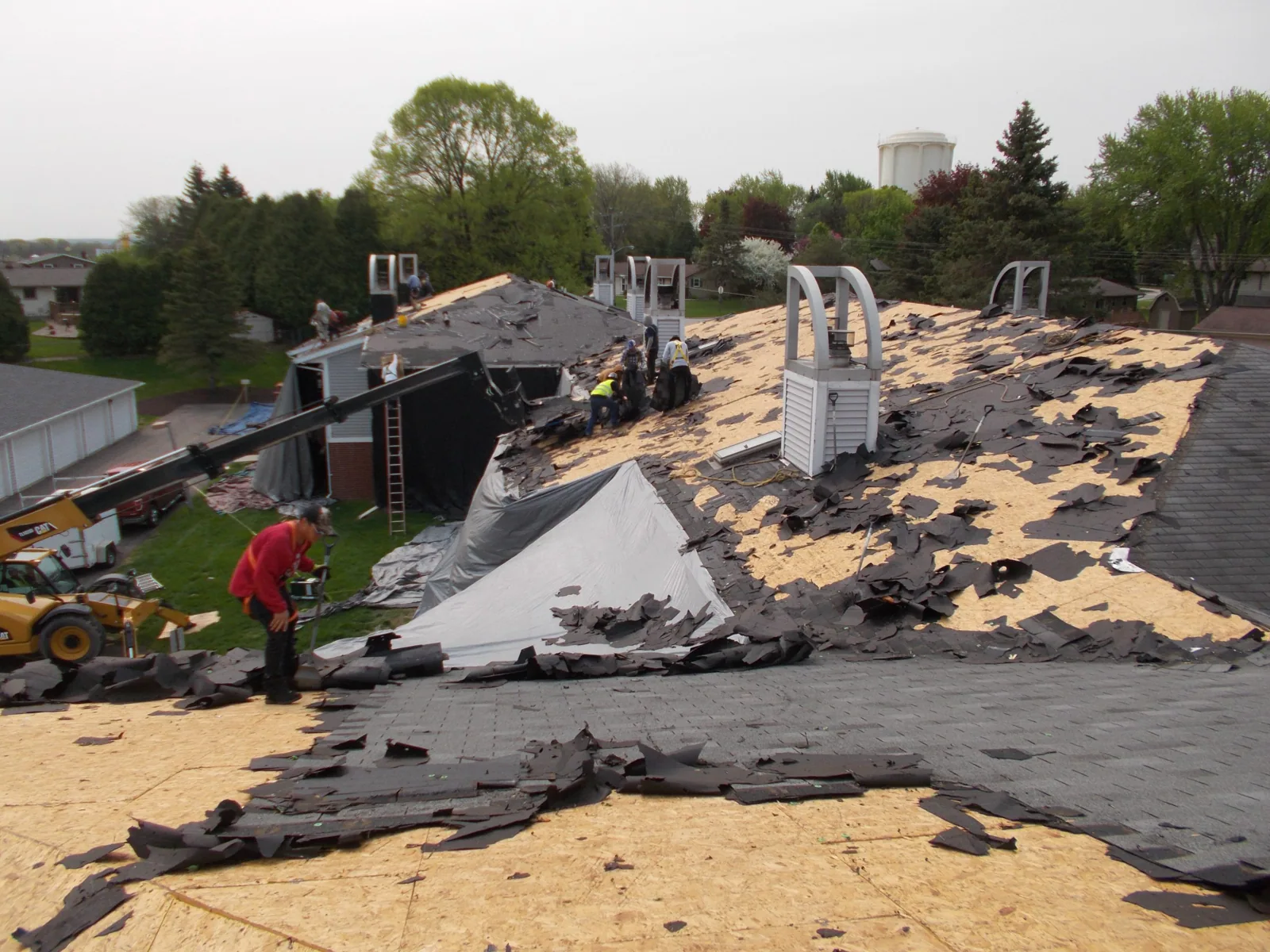
Each wave carries its own weather window, lift plan and tenant notice schedule. Crews do not open more roof than they can close the same day. At daily closeout, each building's tie-ins are checked and photographed, and the status goes to the program manager. Sequence matters more across a portfolio than at one site, because a delay in one building can push work into a different building's allowed window.
Mobilization is part of the sequence. When several buildings sit near each other, we stage materials once and move through them in order, with the lift plan and crane or hoist booking fixed ahead of time. Weather gets a standing rule: if rain, high wind or cold stops a membrane install at one site, the crew moves to a repair task that can be finished safely, and the program calendar is updated that evening. Nothing is left open overnight without a temporary seal, a photograph and a named person who checks it.

Send us the building list and we will set a walk at the first sites to name roof zones, access rules and work windows. The program plan returns ranked, building by building.
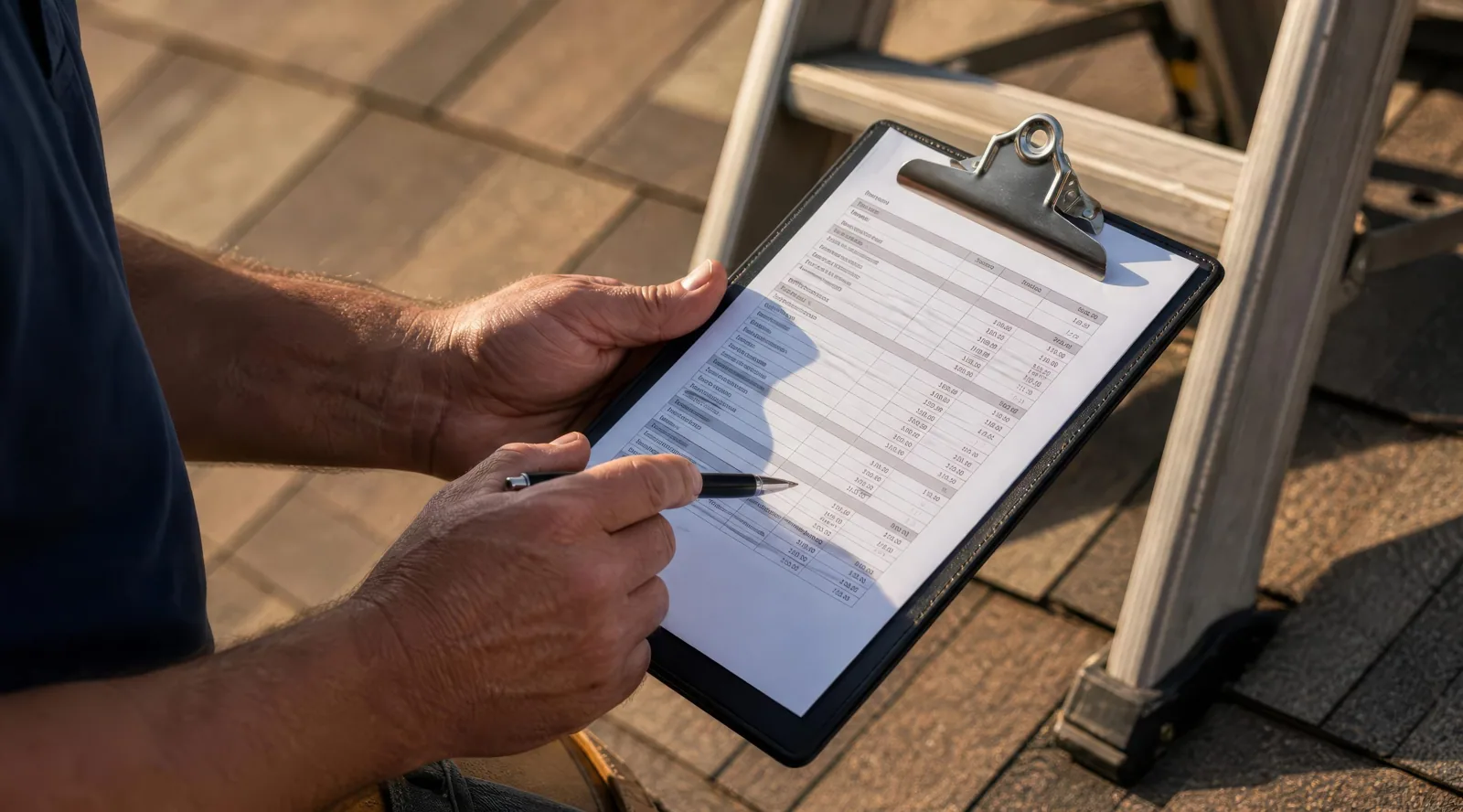
A program needs reports that can be read across sites. Every building receives the same plan layout, the same condition grades and the same open-items list. A monthly summary shows what was found, what was closed and what remains, by building and by roof zone. Owners with their own tracking systems get the data in a form they can import.
Consistent records make cost control possible. Similar repairs across buildings can be compared, outliers flagged and scopes challenged with evidence. The same records form the base of a roof register and feed capital planning, so program work and long-range budgeting draw on one set of facts.
Sites in a portfolio differ in how a crew reaches the roof. One may have a stair and a hatch, another a fixed ladder, and another a lift staged at ground level. We record this for each building before work starts: access path, staging area, parking, security rules and tenant hours. The program calendar is built from those facts.
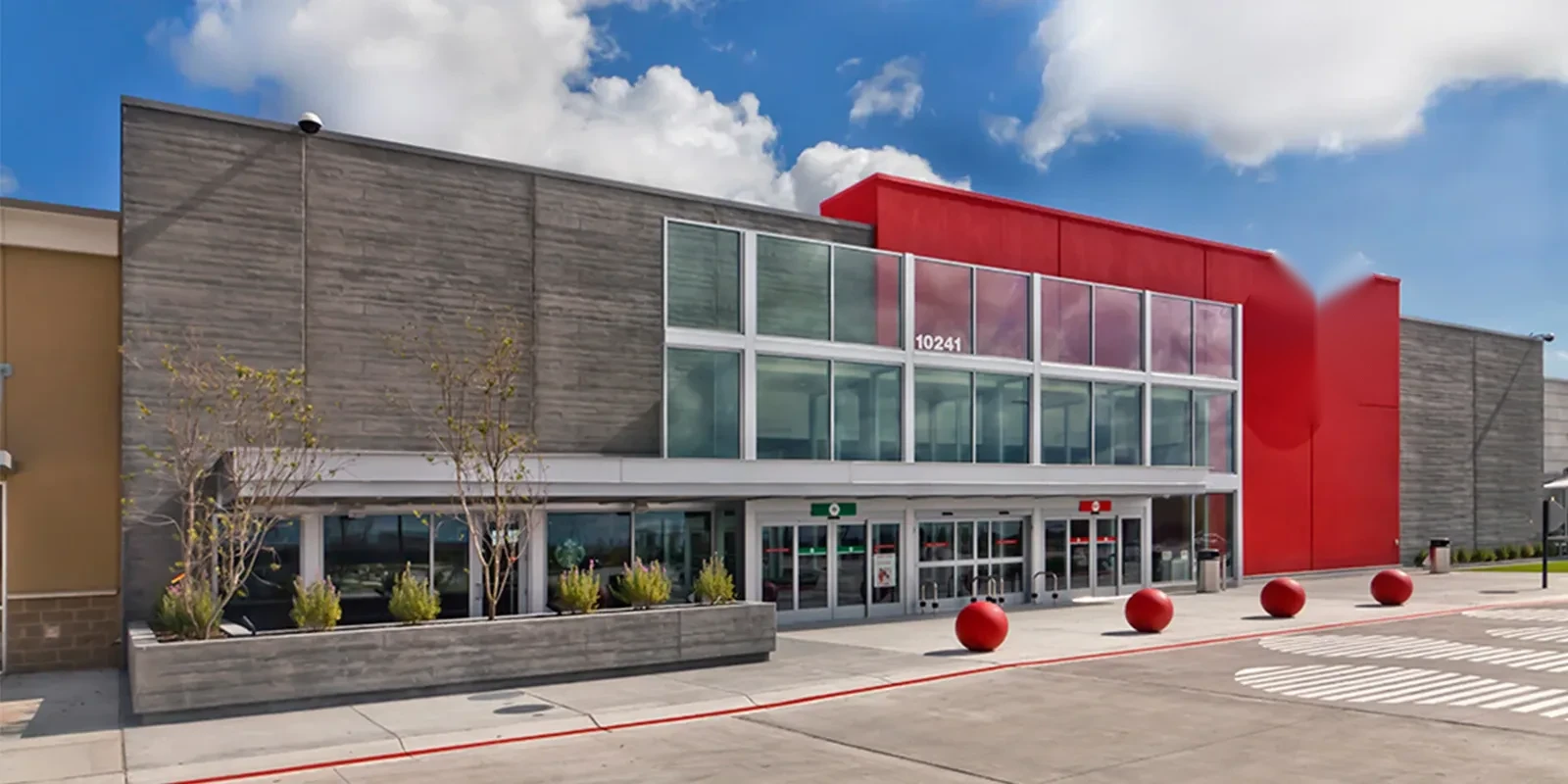
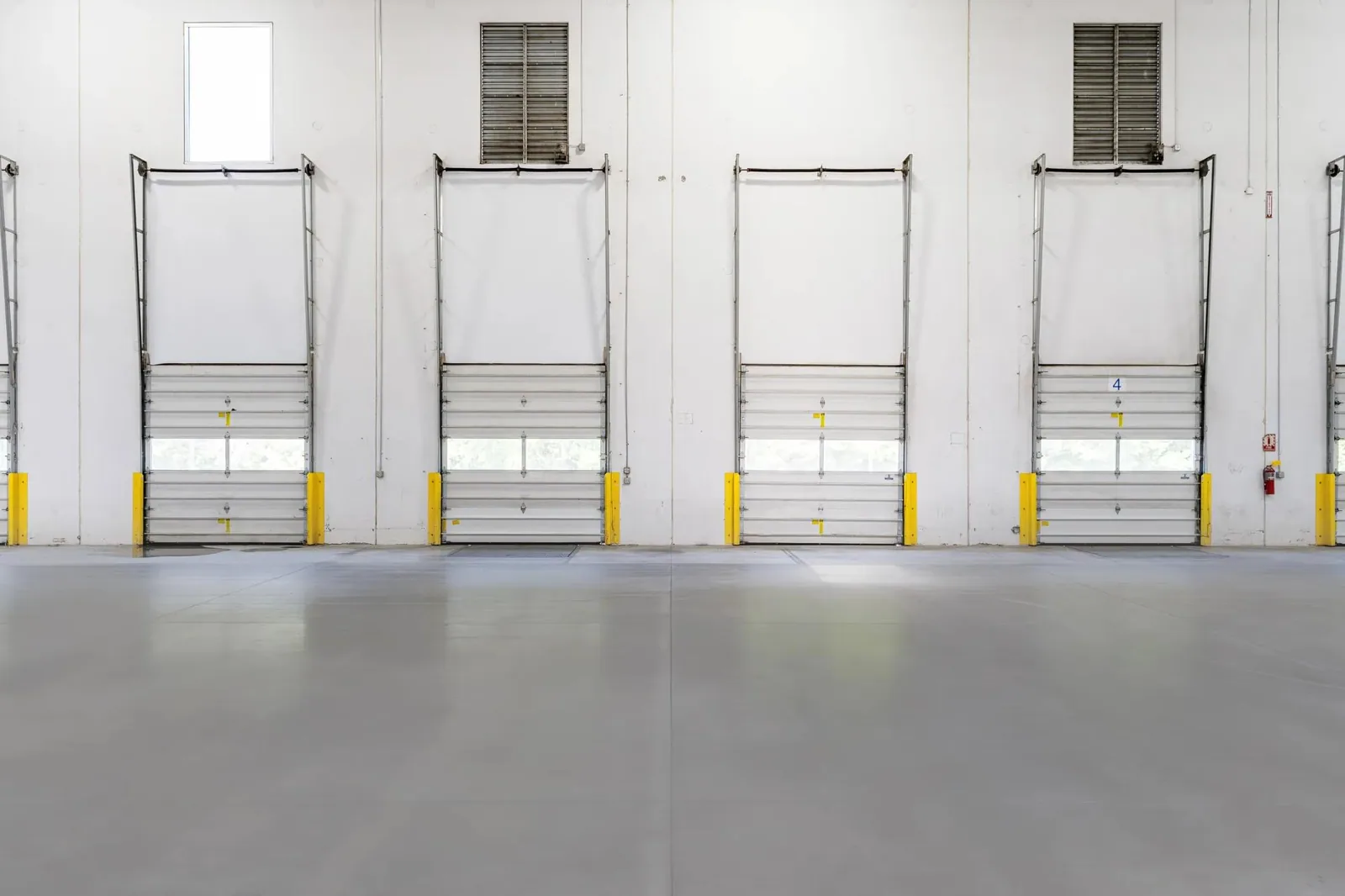
A big box retail store and a warehouse running two shifts do not share a work window. Retail and distribution properties bring different operating constraints. The site contact sets selling hours, loading paths, and fire lanes that the roof work must preserve. A logistics site gets a work window that keeps its approved routes clear.
A program works best with standard details for the roofs that share a system, and a clear exception process for the ones that do not. If several roofs use the same membrane type, repair details for seams, drain flashing and curb corners can be written once and applied. Roofs with unusual conditions, such as old layered systems or heavy rooftop equipment, get their own scope.
Standard details also speed approvals. A regional manager who has approved a seam repair detail does not need to review it again at every site. Exceptions are routed with photographs and a recommended scope, so the decision stays quick. The preventive maintenance routine follows the same pattern: a fixed checklist, with a note whenever a building departs from it.
Storms hit many sites at once. Irene and Sandy hit the City with severe flooding and property damage, and a manager with buildings in several towns faces a long list of calls after a similar event. The program sets the response order ahead of time, based on the condition grades and the water path risk at each building. Drainage and edge metal go first at sites the register flags as vulnerable.
For urgent openings, the program ties into emergency roof repair, so a temporary seal can be placed and documented before permanent work is scheduled. The program manager sees which buildings have been reached, which are waiting, and what the temporary measures are.
Programs often begin in Jersey City and grow outward. A building in Newark, which has a land area of 24.14 square miles, or in Kearny or Elizabeth, follows the same format as one in Hoboken. The roof zones and access rules differ, but the reporting does not. Owners can begin with a few buildings, prove the format, and add sites as budgets allow.
Pricing works the same way. Unit scopes repeated across sites give the owner a basis for comparison, and a bundled mobilization keeps costs down when several buildings in one area are done in the same trip. We price what is measured and state what is assumed.
Kickoff is short. We gather the building list, access contacts, existing warranty papers and tenant notice rules, walk the first sites together with the program manager, and issue the first wave schedule. After that, the monthly summary carries the program forward, and the owner can add, pause or reorder buildings as conditions change.