Roof Warranty Management in Jersey City, NJ
Keep manufacturer roof warranties valid in Jersey City with maintenance logs, penetration records, storm checks and a complete file ready for sale or claim.

Keep manufacturer roof warranties valid in Jersey City with maintenance logs, penetration records, storm checks and a complete file ready for sale or claim.
A manufacturer warranty can be voided by a repair made the wrong way, and the owner often learns that when the claim is denied. The paperwork that keeps coverage alive is simple: the warranty terms on file, a log of every roof penetration and repair, and proof that required maintenance was done on time. In Jersey City, NJ, a dense coastal community vulnerable to climate impacts, that paper trail connects rooftop work and edge inspections to the warranty terms.
Our warranty management work starts with finding the document. We read what the warranty covers, what it excludes, who must be notified before roof work, and which maintenance duties fall on the owner. Then we set the building up so every future repair, tenant installation and inspection leaves a record that supports coverage.
Many owners inherit a roof with no warranty file. The first step is to find out whether coverage exists, who issued it, what system it applies to and when it was set to start. We review closeout papers, sale documents and manufacturer records the owner can obtain. Where a warranty is located, we summarize it in plain language: covered components, exclusions, notice rules, repair requirements and transfer terms.
Terms differ by manufacturer and by warranty type. Some cover materials only. Others include labor, and some are limited to specific causes of failure. We summarize the written limits and flag any clause the owner should confirm with the manufacturer before authorizing work. Any system on the roof, from a GAF membrane to a Carlisle SynTec assembly, comes with its own conditions.
Set a walk with us to locate the warranty, log every penetration, and set a maintenance schedule that keeps the record current. The file comes back organized by roof zone.
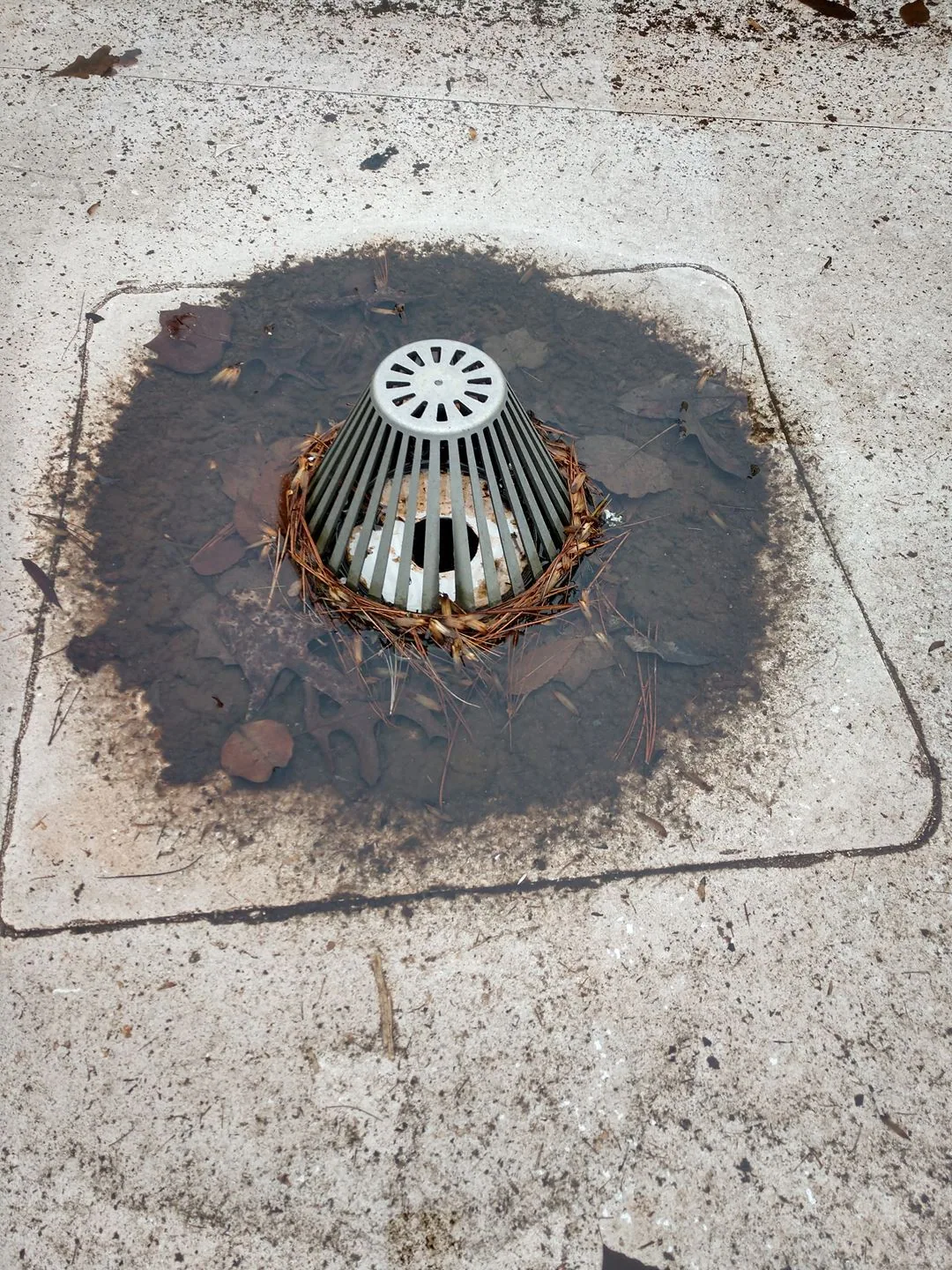
Warranties commonly expect the owner to keep the roof reasonably maintained. That usually means clearing drains, removing debris, keeping rooftop access controlled and fixing small defects before they spread. A preventive maintenance visit addresses those items and records them with dated photographs. If a claim later arises, the owner can show the roof was cared.
We also record the condition at each visit against the last one. A seam that was tight in spring and open in autumn is a documented change, with a date and a location. If the manufacturer asks when the problem began, the owner has a better answer than a guess. Visits timed after severe storms add to that record. Hurricanes Irene and Sandy left Jersey City with power interruptions, severe flooding, and property loss. A roof that has just taken heavy wind and rain deserves a documented look.
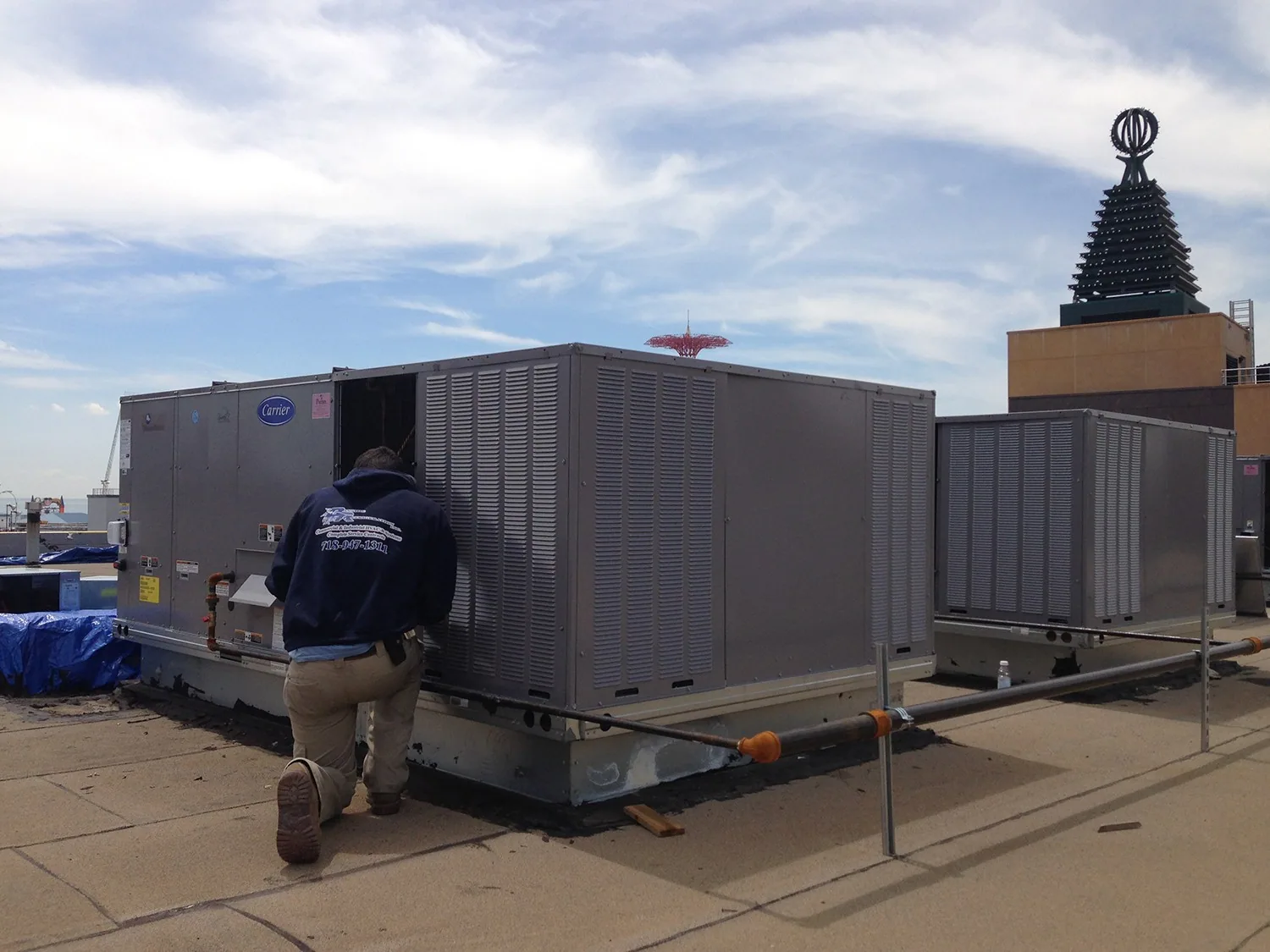
The most common way coverage is lost is an unreviewed penetration or repair. A tenant installs an antenna, an HVAC contractor sets new curbs, a plumber cuts a vent, and no one tells the owner what was done to the membrane. Each of those leaves a hole, and each may need to be flashed in a way the manufacturer accepts.
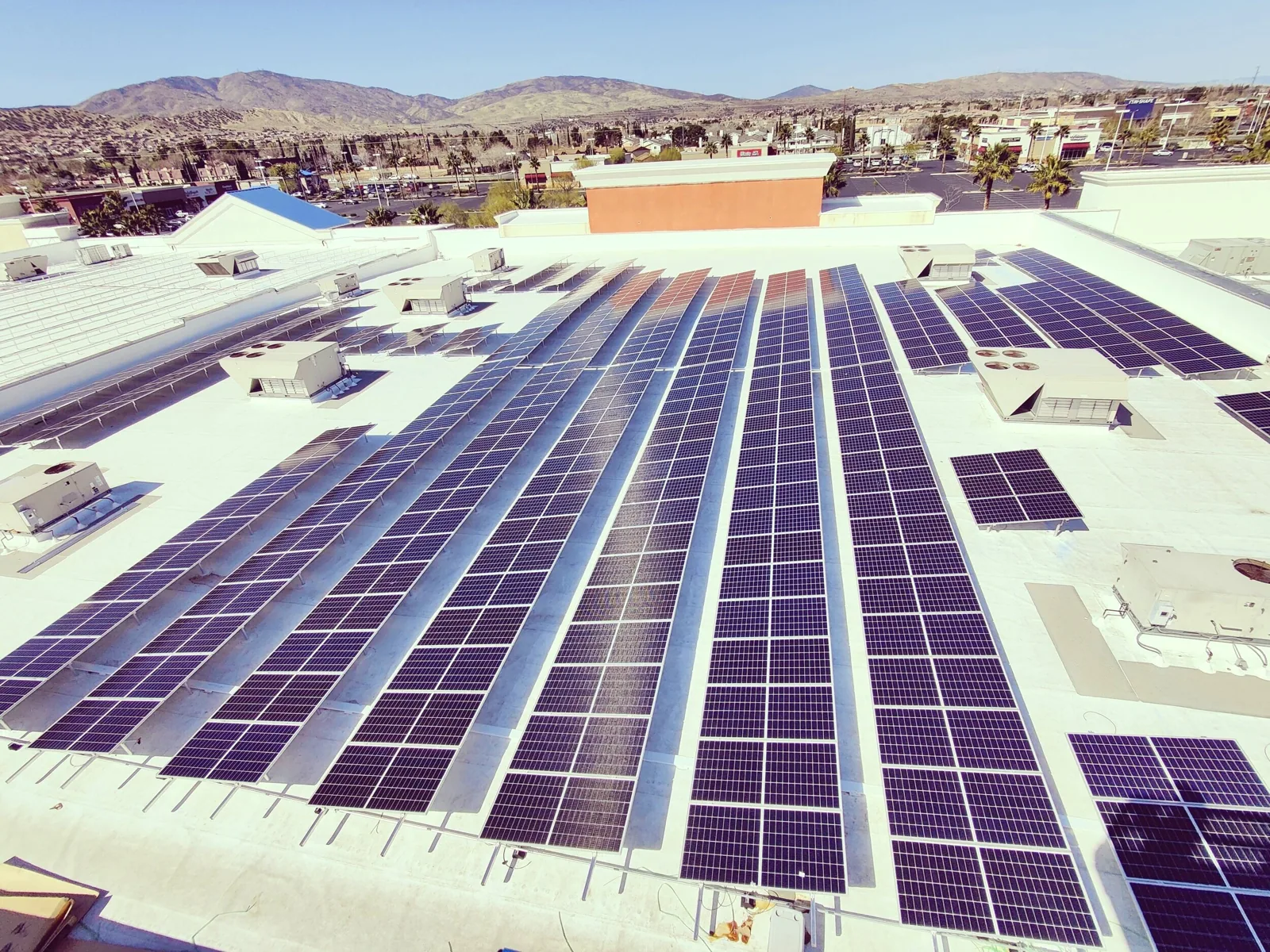
We help owners set a roof access rule: no work on the roof without notice, no penetration without a flashing detail, and no repair without a record. When a rooftop contractor needs to work, we coordinate the tie-in and photograph the finished flashing. If the building is occupied, the equipment curb and support work is sequenced around tenant hours and the crane or lift plan. Every penetration enters the log with a date and a photograph.
The state's climate planning names sea-level rise, chronic flooding, hotter weather and stronger storms, and a roof warranty file has to survive all four. Heat ages membranes, softens sealants and moves seams, while storms put wind and water on edges. Warranties tend to treat normal weathering differently from defects, and a claim often turns on which one the manufacturer decides it is.
A documented history helps the owner make that case. Surface wear that appears gradually, in step with the roof's age, reads as weathering. A seam that opens early, a flashing that never bonded, or a field area that fails away from any stress point is more likely to be a defect. The written condition report separates those patterns, with photographs and a note of the cause as observed. The manufacturer decides the claim; our file gives its reviewer dated photos and repair history to consider. We make sure the evidence is there when the claim is filed.
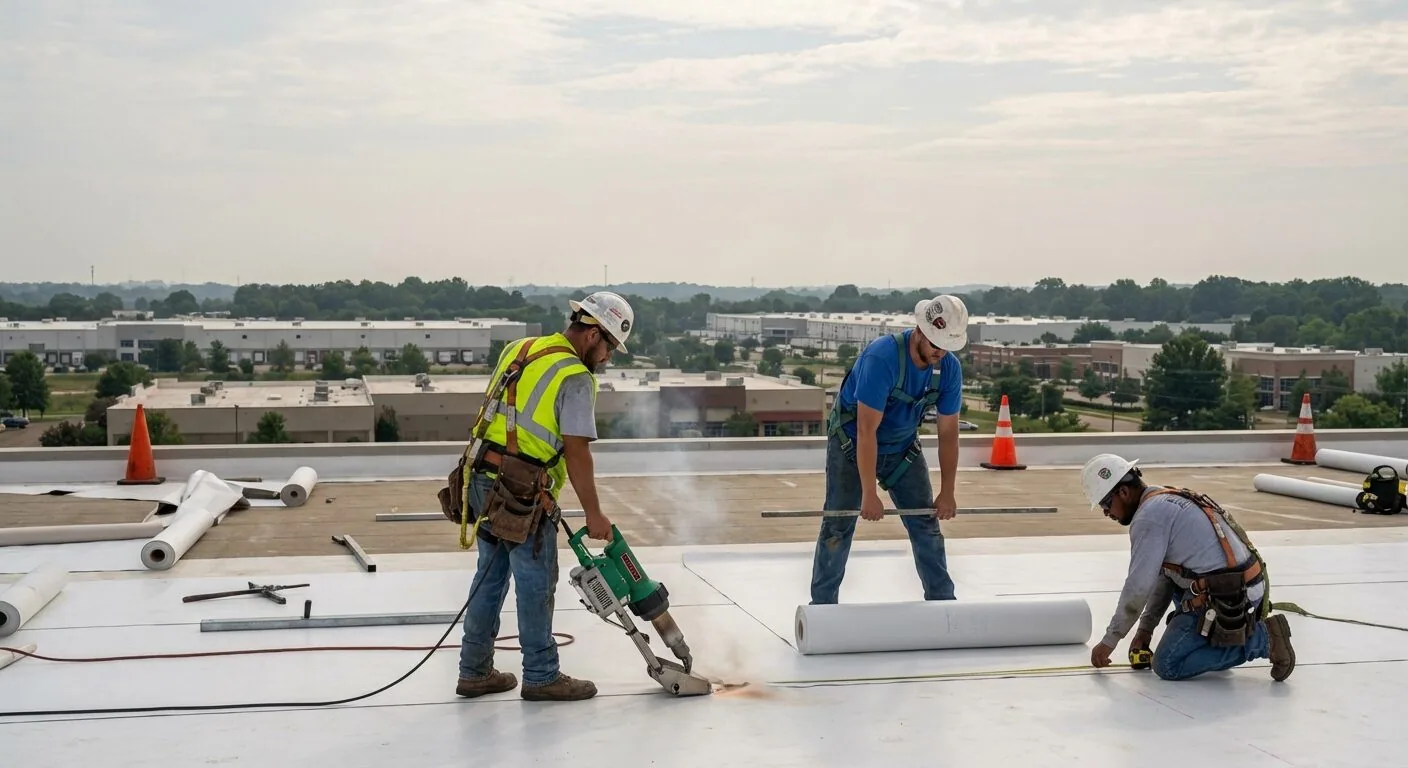
Warranty status changes the repair decision. If a roof is within coverage and the failing area looks like a defect, the right first step is notice, not an unreviewed patch. If the roof is out of coverage, a repair can proceed on its own merits. When a replacement is planned, the owner can choose a system and a warranty type with the terms in view, and we install the system to the manufacturer's published details.
For owners with a mix of roofs, we sort the portfolio by coverage status: active, near expiry, expired, or unknown. That sort feeds the capital plan and tells the owner which roofs need documentation before something fails. A roof close to expiry gets a thorough report while the manufacturer's coverage still applies. Owners of buildings in Bayonne or other Hudson County towns can use the same sort across their holdings.
Jersey City changed through successive redevelopment after 2000; Newport, Downtown, and Journal Square were early investment areas before work spread to other neighborhoods. A roof's warranty status still comes from its own file. A sale is when warranty paperwork is most often lost. Some warranties transfer with notice and a fee, some do not transfer at all, and some require action within a window after closing. We confirm the transfer terms early and prepare the building file the buyer will need: warranty copy, repair log, penetration log, condition report and maintenance history.
A roof due-diligence survey can use that file to show a buyer the condition and repair history. A building with a complete file is easier to underwrite than one with questions. Sellers who assemble it before listing remove one open item from the transaction.