Church Roofing in Jersey City, NJ
Coordinate Jersey City church roof repairs around worship schedules, access, drainage, and historic roof details. Set a walk and written scope.
Coordinate Jersey City church roof repairs around worship schedules, access, drainage, and historic roof details. Set a walk and written scope.
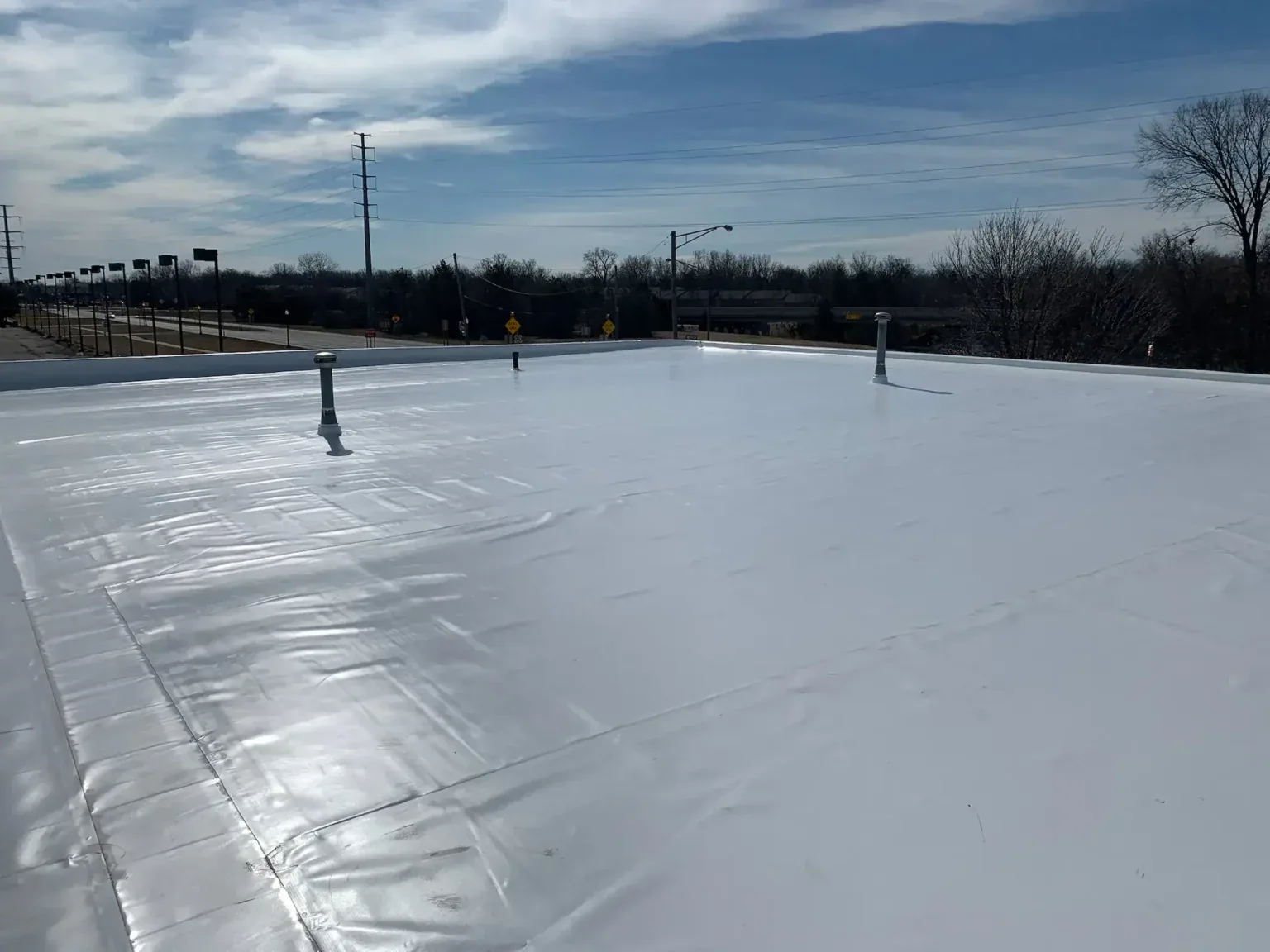
Stormwater exposure changes the roof walk before a congregation can set a repair window. In Jersey City, NJ, we inspect the membrane, drains, flashing, and transitions, then map access around worship and weekday programs. A sanctuary may include low-slope areas beside pitched sections or additions. We identify the assembly on site. The commercial roof inspection records condition by zone, with photographs and a distinction between active openings, maintenance, and renewal decisions.
Major storms have brought damaging floods and power interruptions to Jersey City; the congregation's own roof still has to be checked at its drains, edges, and transitions. We trace the water path and check outlets and transitions before setting a work window with the congregation's calendar in view.
Roof access can cross a courtyard, shared hall, school entrance, or service drive. The building contact identifies the approved route, sign-in point, lift location, and areas that must stay open for worship or community use. We place deliveries and noisy steps outside the agreed windows where possible. The scope names the active roof zone and the temporary changes to access so staff can prepare a clear notice. If an event or service date changes, the sequence is revised before a crew returns.
We divide work by roof zone and close each tie-in at the planned stop. That matters when a sanctuary or fellowship hall remains in use below. An occupied-building roofing plan sets the staging area, material path, weather hold point, and daily closeout. The building receives a record of which section is sealed and what remains for the next visit. A Bayonne roof walk gets its own route and observations, even when the same organization manages properties in both cities.
Worship buildings sit in varied city settings, from busy corridors to quieter blocks. A neighborhood label cannot tell us how a sanctuary roof drains or where a safe lift can stand. We verify the actual hatch, ladder, roof edge, and equipment clearances before staging. Where a religious building also hosts weekday programs, the contact identifies times and doors that cannot be blocked.
Choose the highest-priority roof zones, worship schedule, and access rules. We will trace water paths and return a written repair or renewal sequence.
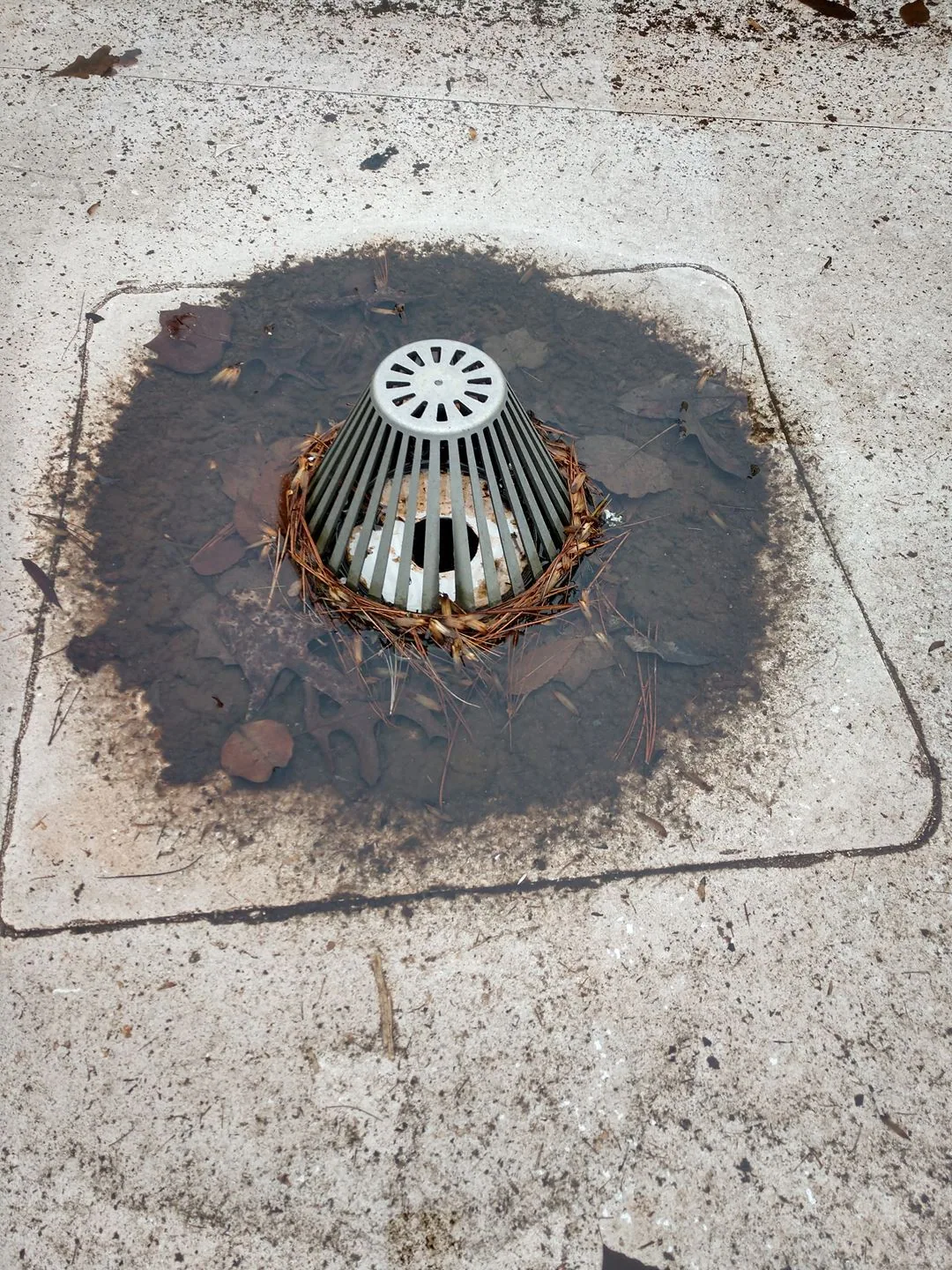
A stain below a sanctuary ceiling may align with a drain, parapet, curb, or seam some distance away. We note the interior report and inspect roof details along likely water paths. At each drain, we check the bowl, strainer, flashing, overflow, and nearby membrane. Jersey City's flood-planning priorities include localized flooding and added load on the combined sewer system. At a church, we check the drain bowl, overflow, flashing, and nearby roof slope before defining repair work.
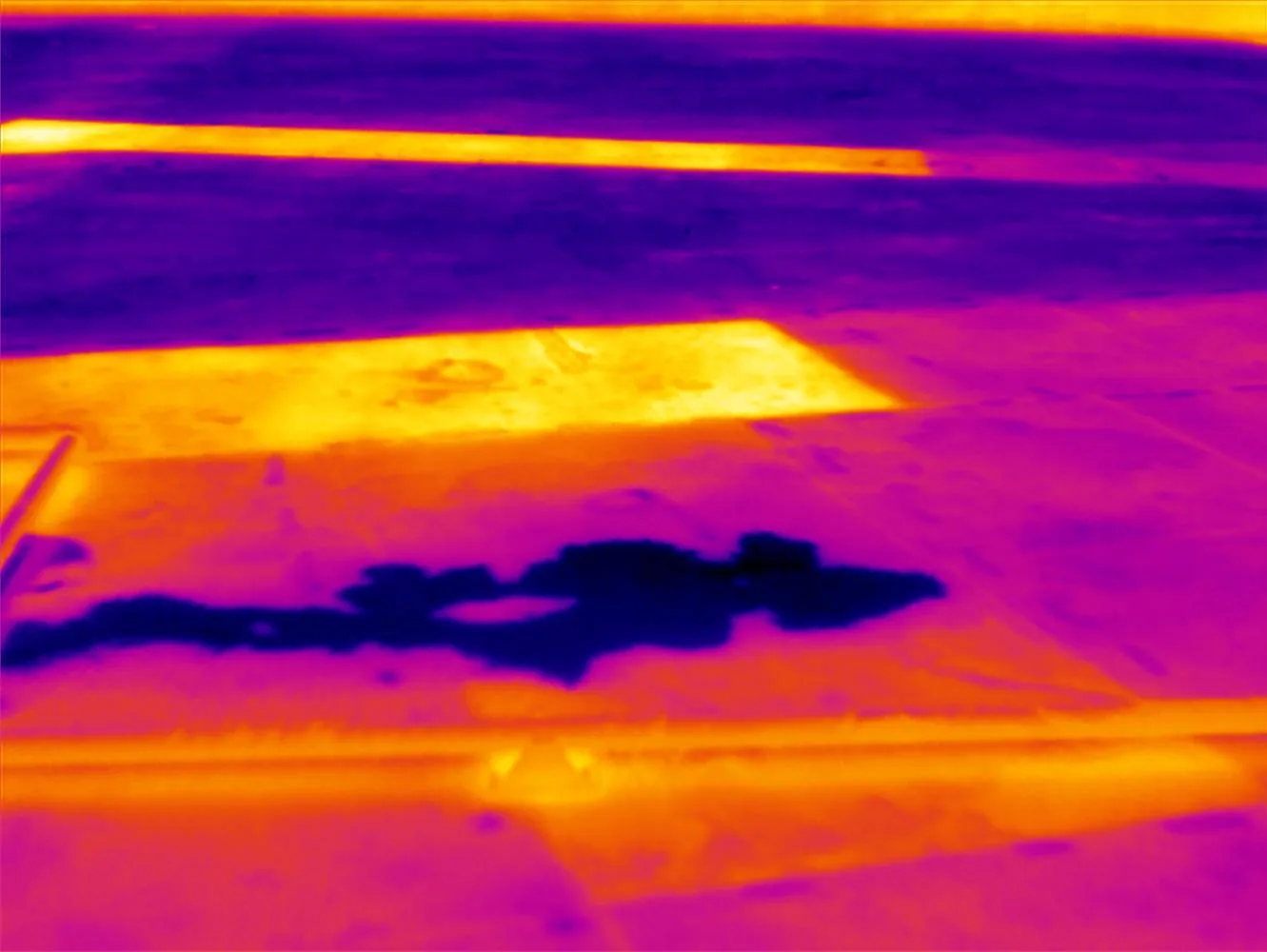
If moisture may reach past the visible opening, an infrared moisture survey can point to where a test should go. We document surface conditions, readings, and any core or test cut separately. The scope identifies the confirmed boundary and leaves untested areas as unresolved, rather than extending a repair assumption across the whole roof. If a drain or scupper repair is isolated, we can price that correction while the congregation considers broader work.
Older sanctuary sections and later additions can meet at a wall, curb, or expansion joint. We check the transition for movement, loose metal, open laps, and past patches. Water can travel beneath a surface before appearing indoors. The map records the proposed repair limit and any adjoining flashing that must be included to make the tie-in sound. Where a transition cannot be inspected safely, we list the access condition as a separate step.
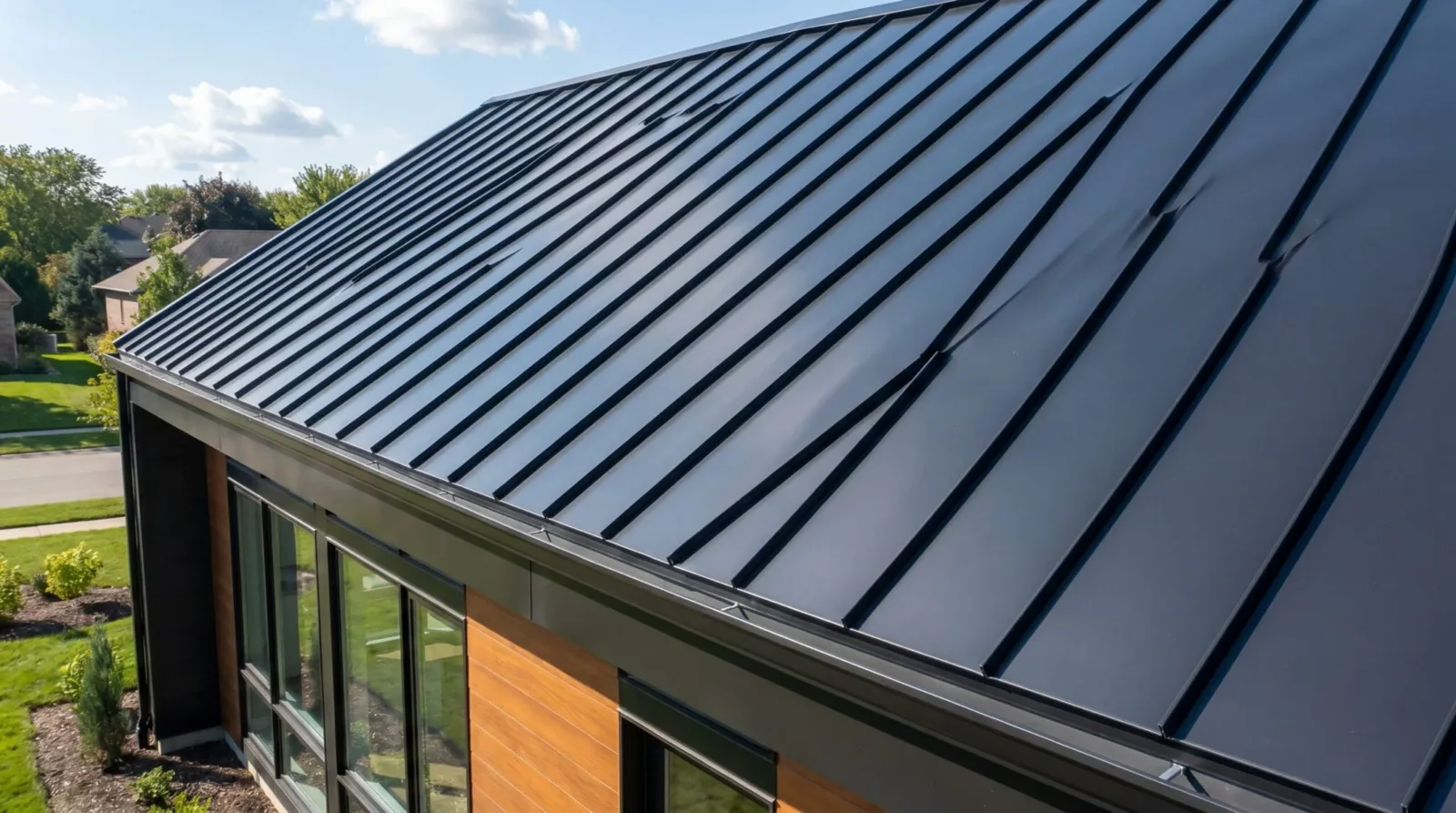
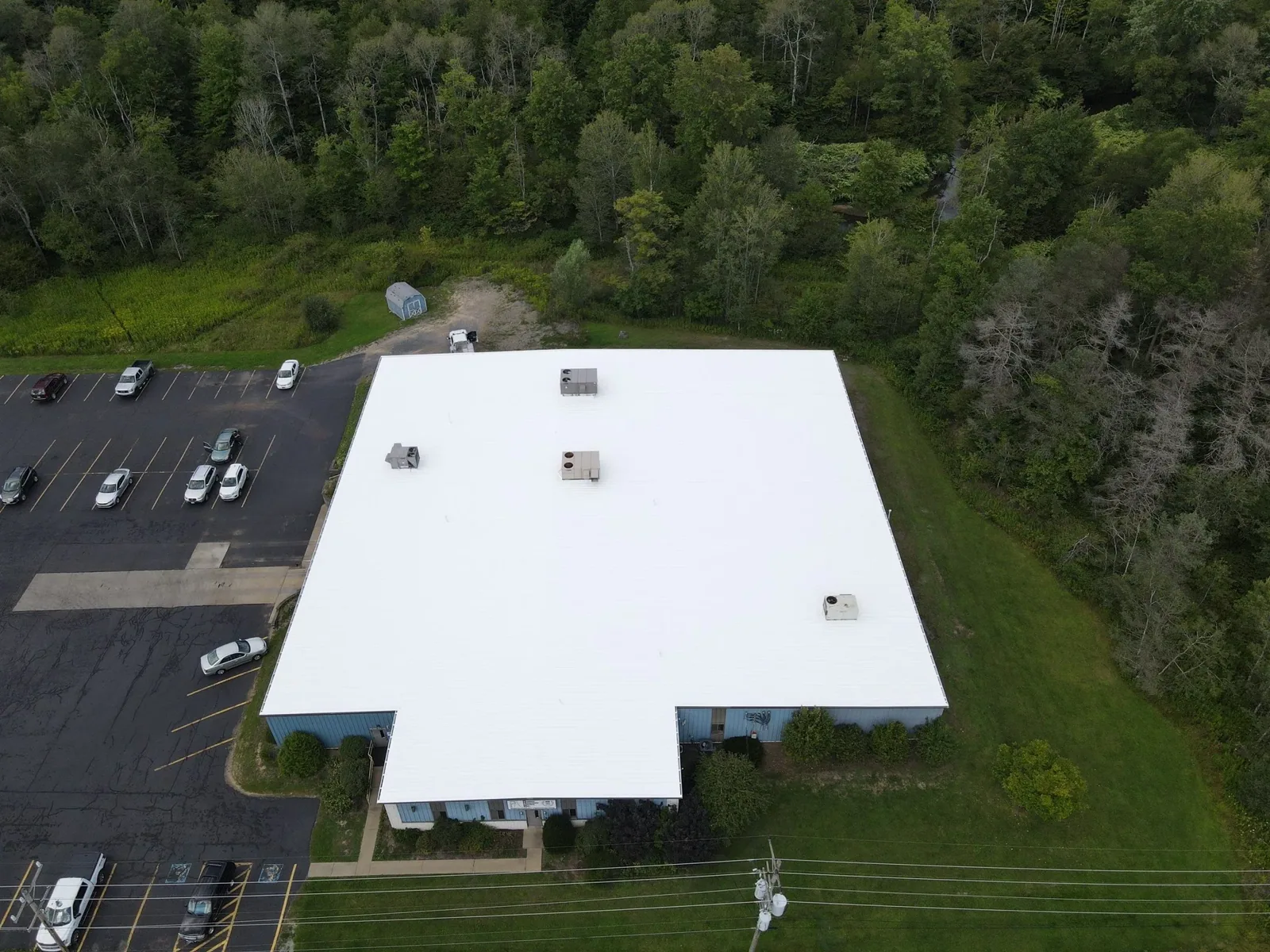
A church may have metal roofing, built-up roofing, modified bitumen, or a low-slope membrane. We identify the actual assembly before selecting materials or proposing an overlay. Heat-welded seams, adhered membranes, metal panels, and asphaltic layers each need compatible repair details. A standing-seam metal roof requires attention to panel movement, fasteners, and transitions; a low-slope area needs its own drain and seam review. The inspection names what is visible and notes concealed layers requiring confirmation.
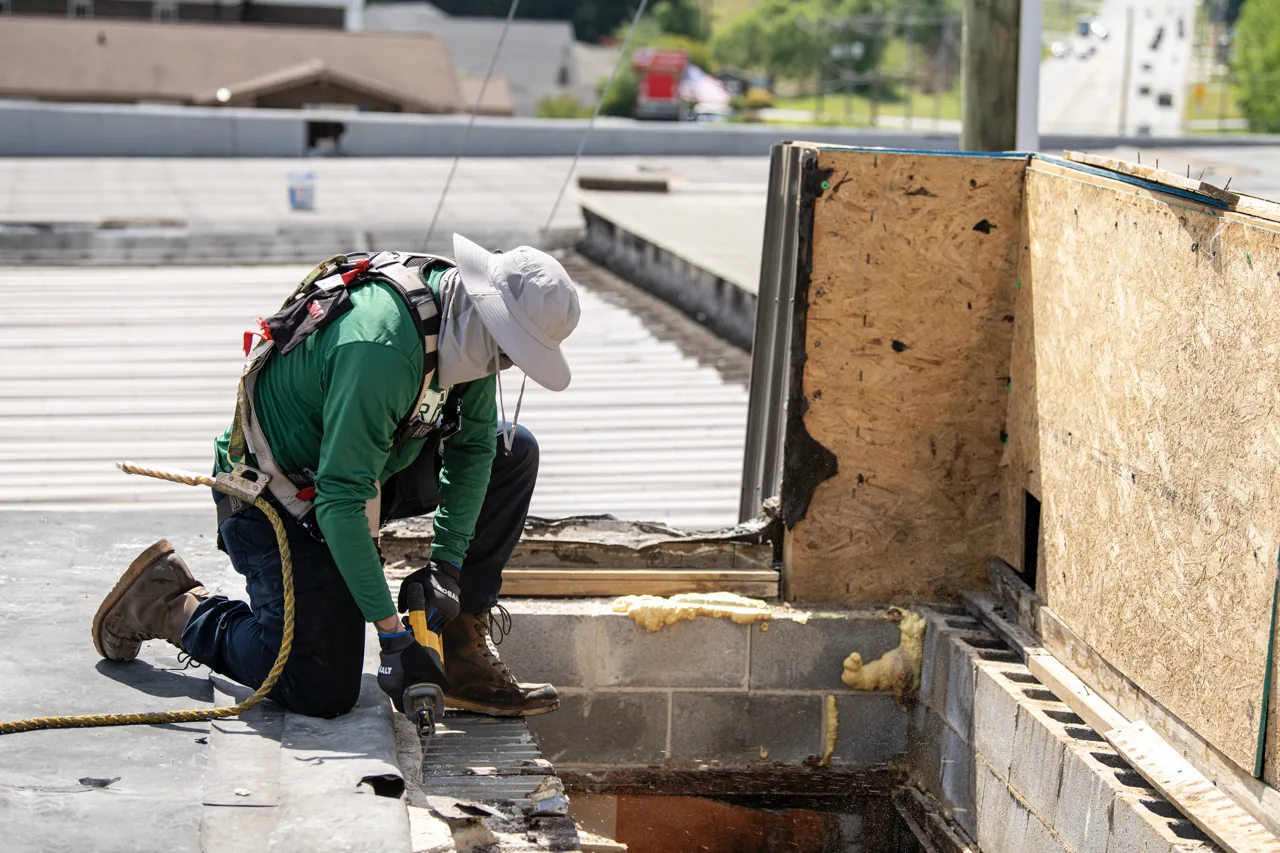
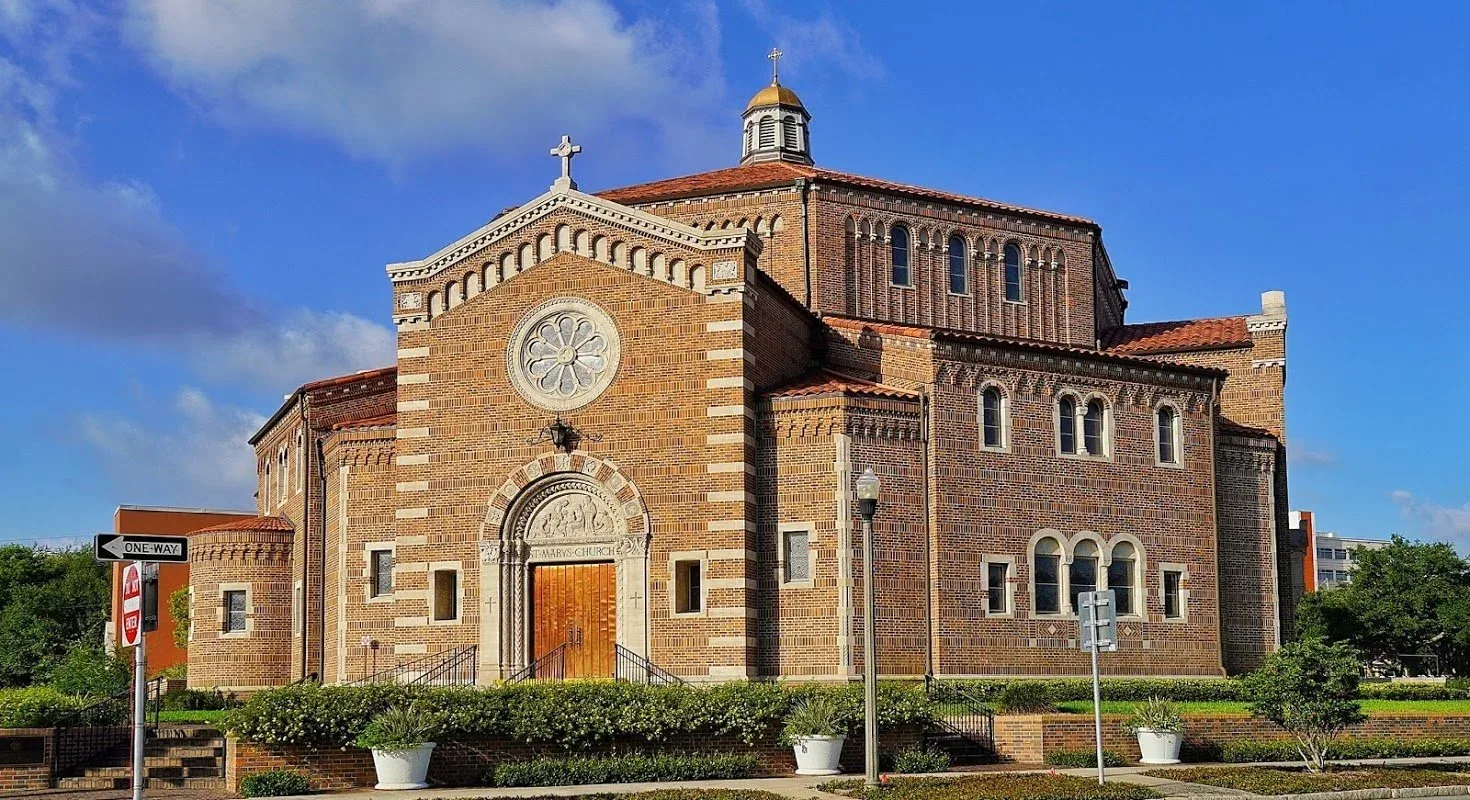
Steeples, cupolas, bell towers, vents, and rooftop units create distinct access and flashing conditions. We inspect the accessible base, counterflashing, seams, and water path without assuming the age or construction of a feature. A lift plan or specialty access may affect cost and timing. If another trade must secure or move an item, that coordination is listed before roofing starts. The scope separates the roofer's flashing boundary from work on structural or mechanical equipment.
Coating restoration can be evaluated when the existing surface and seams support preparation and adhesion. It cannot correct a failed attachment or wet insulation by itself. We review drainage, moisture, substrate, and edge details first. A coating system may be part of a defined restoration scope, while replacement may make more sense where layers or transitions have deteriorated. Each option includes the roof zones and details it covers.
A local flashing failure may call for a repair. Repeated water entry, broad wet insulation, deteriorated seams, or a weak substrate can shift the decision toward removal and replacement. A recover is considered only if existing layers, moisture, load, and drainage height support it. We compare findings by zone and show which work addresses the active leak, maintenance, and capital needs.
Access height, material handling, disposal, equipment movement, and removal affect cost. A church schedule adds service times, programs, volunteer routes, and staging limits. We set a work window and protect the roof at day's end. A hidden condition found during a test opening is photographed for approval before the repair boundary expands.
Journal Square, Central Avenue, and West Side Avenue are identified Jersey City commercial centers or corridors. Delivery and lift planning depend on the property walk and its actual access.
The closeout shows completed zones, materials identified, photographs, drain condition, repaired transitions, and any open item. It records temporary protection and the next work window if another phase is approved. Facility staff can keep a new leak report tied to its roof location.
Greenville and Bergen-Lafayette are two of Jersey City's six districts. Each church keeps its own system and condition record. A school roof plan may address a different calendar and interior use. Compare a hospital roof scope for clinical access needs. Set the walk around the highest-priority leak, the congregation's calendar, and acceptable access. We will return repair limits and any decision needing approval.