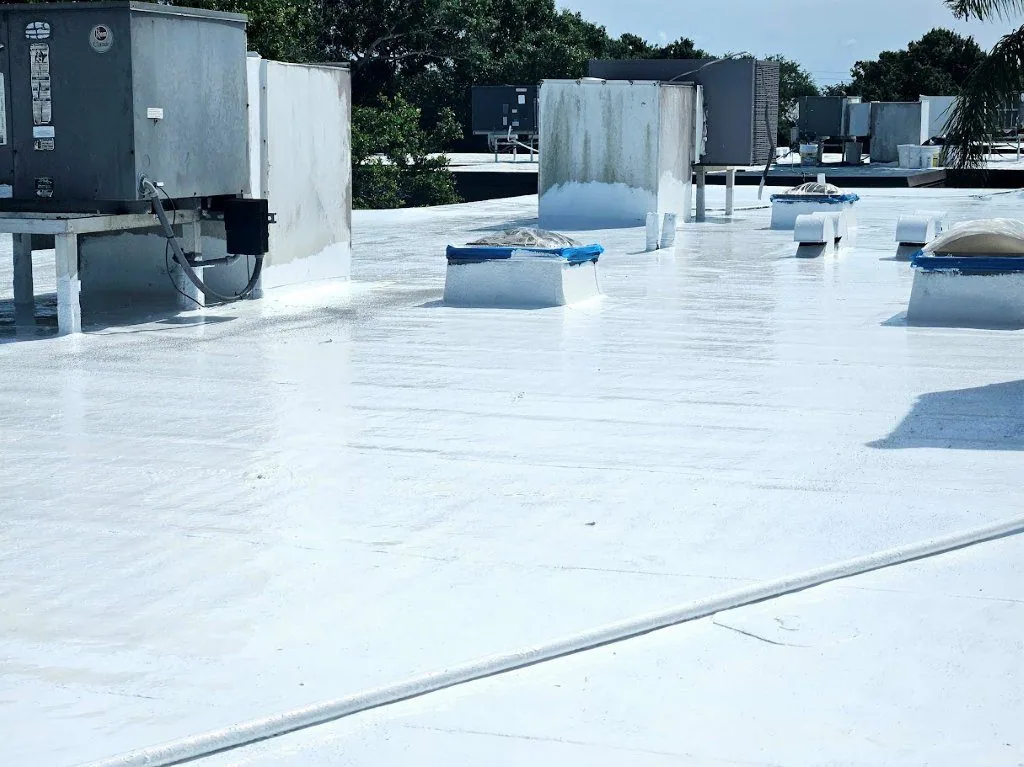
Acrylic Commercial Roof Coatings in Jersey City, NJ
Assess Jersey City acrylic coating adhesion, substrate, seams, drains, weather window, and repair needs before restoration or roof replacement.
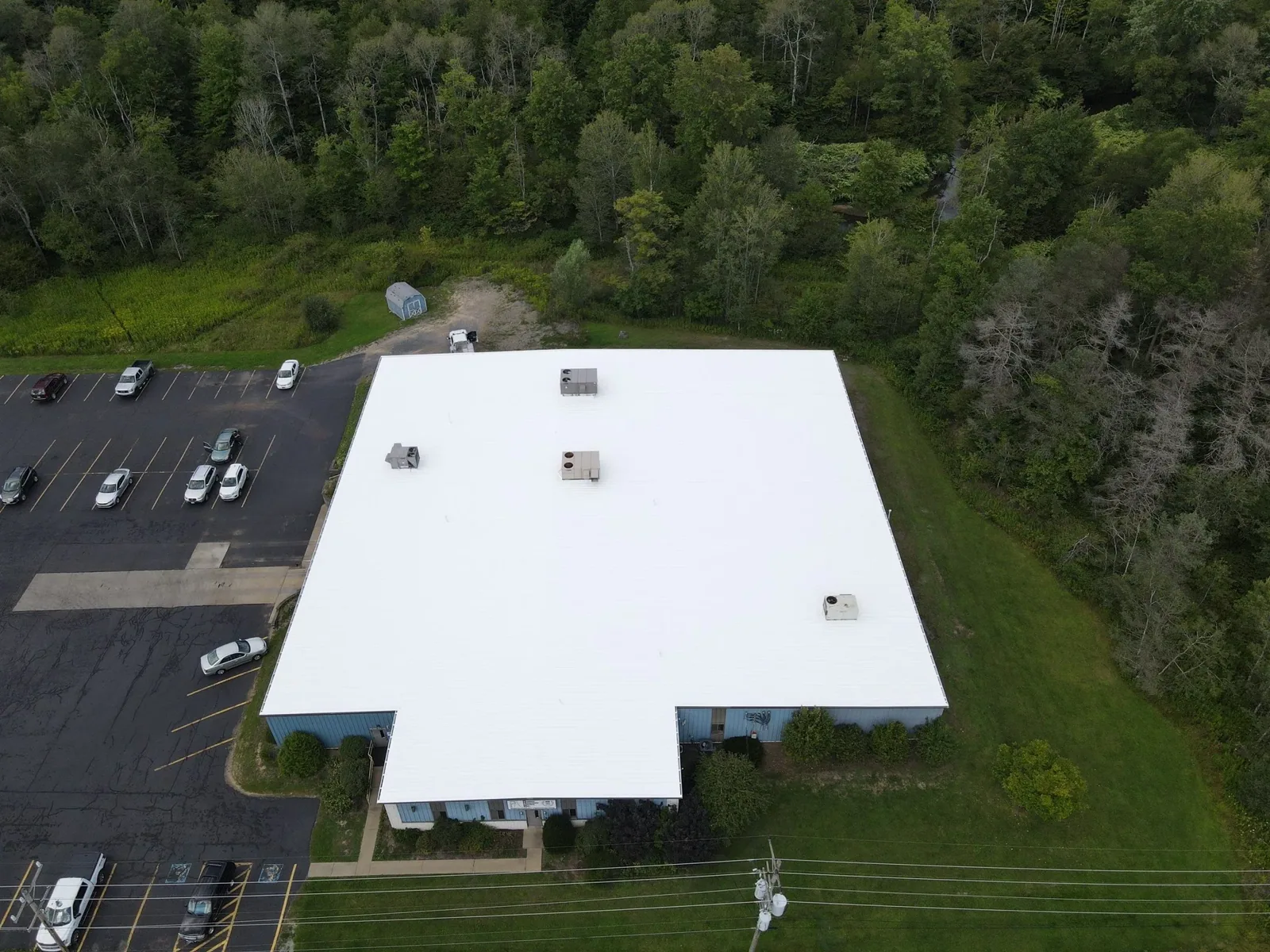
Assess Jersey City acrylic coating adhesion, substrate, seams, drains, weather window, and repair needs before restoration or roof replacement.
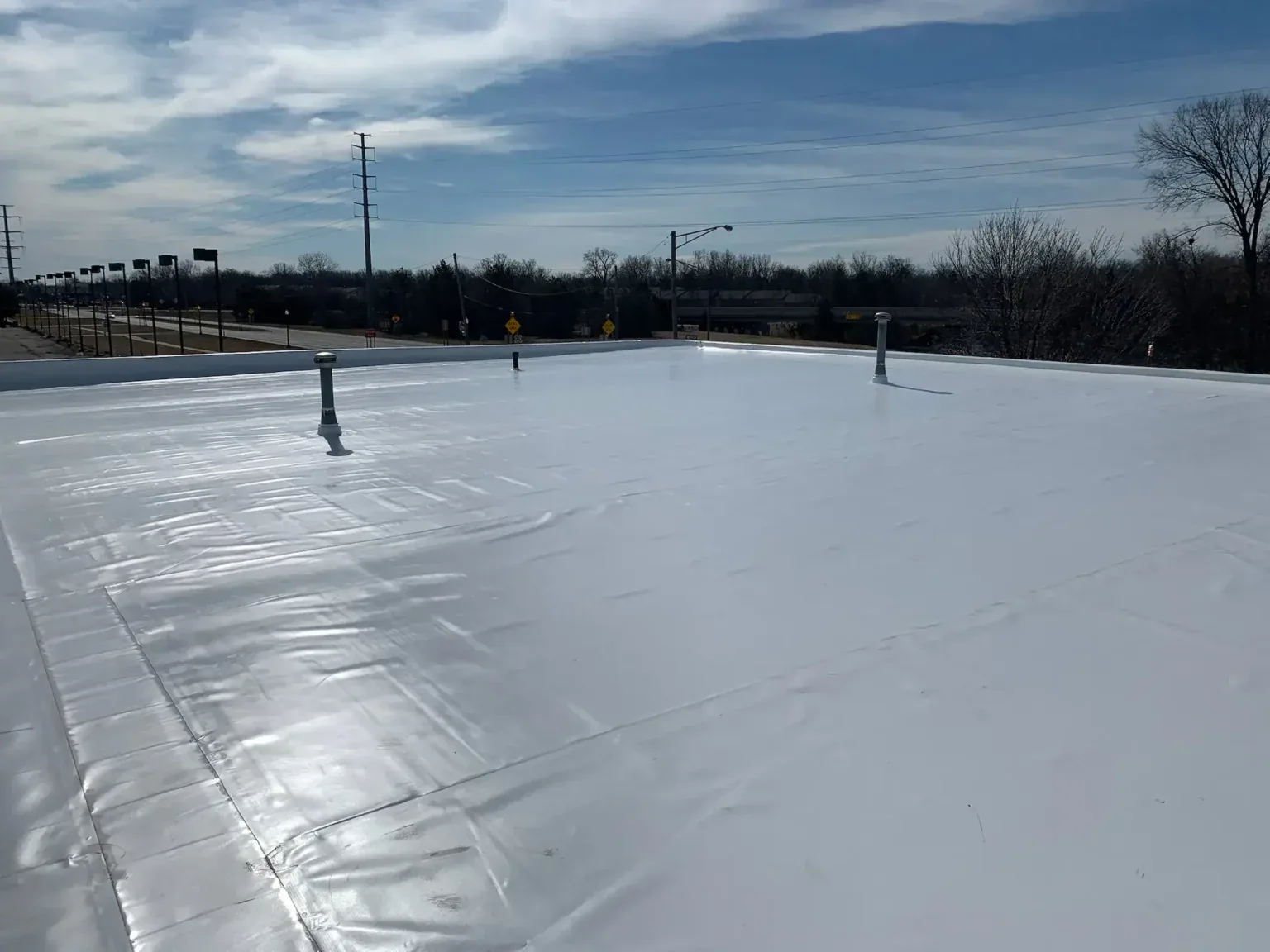
An acrylic coating can restore a compatible roof surface, but application depends on substrate condition, preparation, moisture, and weather. For a Jersey City, NJ commercial roof, we inspect seams, flashing, drains, previous coatings, and rooftop traffic before recommending an acrylic system. Jersey City's coastal setting includes recognized flood exposure and added load on combined sewers; drain review belongs in the restoration plan. A roof inspection establishes what surface can remain and what must be repaired or removed first.
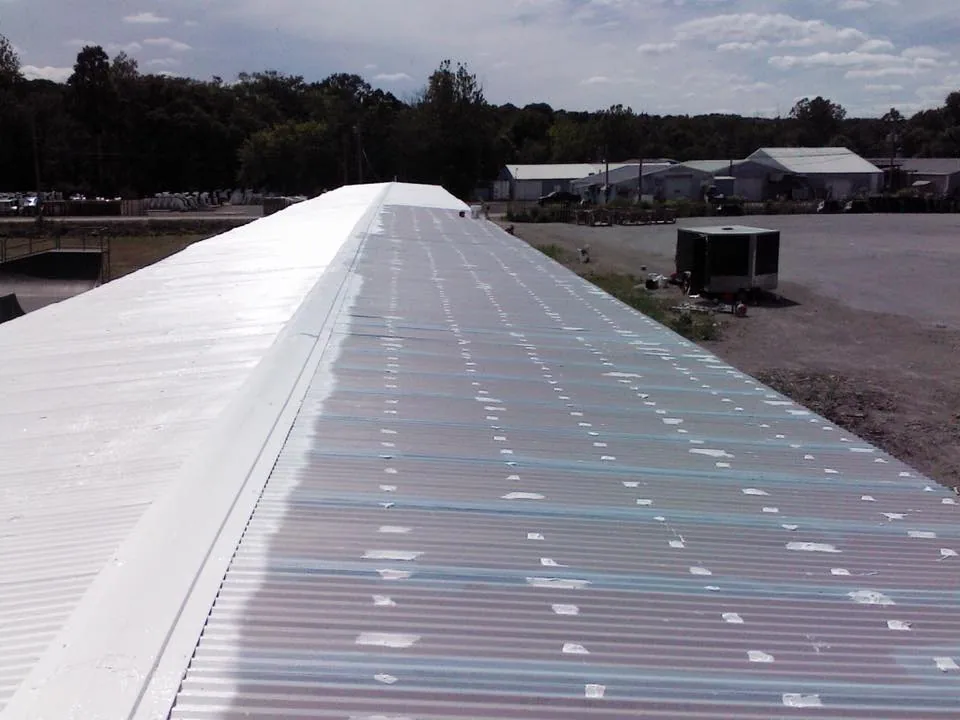
Acrylic products form a protective layer over an eligible substrate. They are not a substitute for wet-insulation removal, failed attachment, structural repair, or a working drain. We inspect for open laps, blisters, chalking, ponding, exposed reinforcement, rust, and coating separation. Test patches establish adhesion where the existing material or repair history leaves uncertainty. The written proposal states preparation, reinforcement, coats, cure requirements, and any area excluded from restoration.
The existing surface needs cleaning and repair before coating. Loose material, dirt, biological growth, sealant, oil, and degraded finish can interfere with adhesion. We choose test locations across different roof zones when the surface varies. If an acrylic patch does not bond or if the substrate is damp, the preparation plan changes. Each test result is recorded with its location and cure interval. No broad application should proceed until the owner understands where the system is compatible and where another correction is needed.
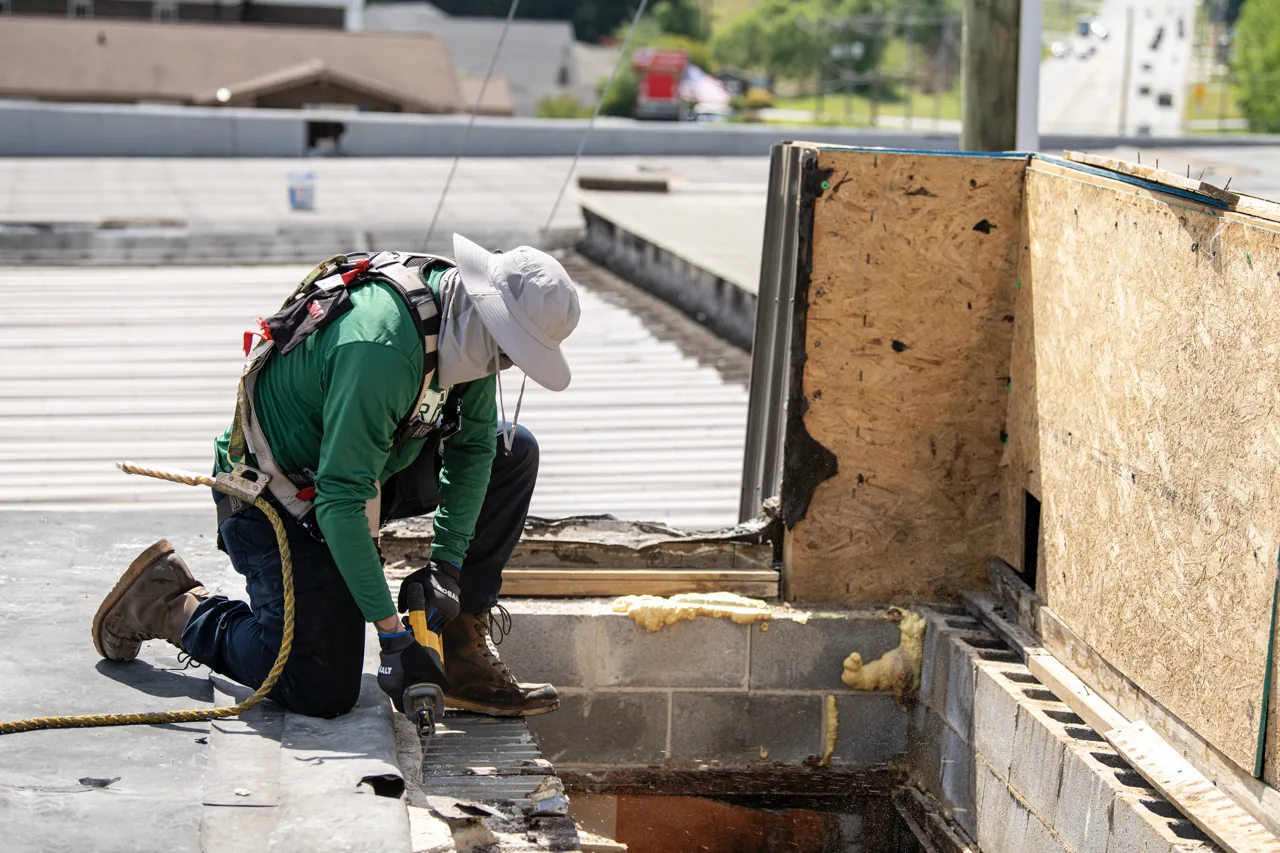
A surface that has been coated before may require removal of loose layers and a compatible primer. We inspect lap edges, curb flashings, fasteners, and metal transitions separately from the field. A restoration scope includes details and preparation instead of pricing only the top coat. If moisture is suspected below a membrane, a moisture survey can guide test openings before coating hides visible evidence.
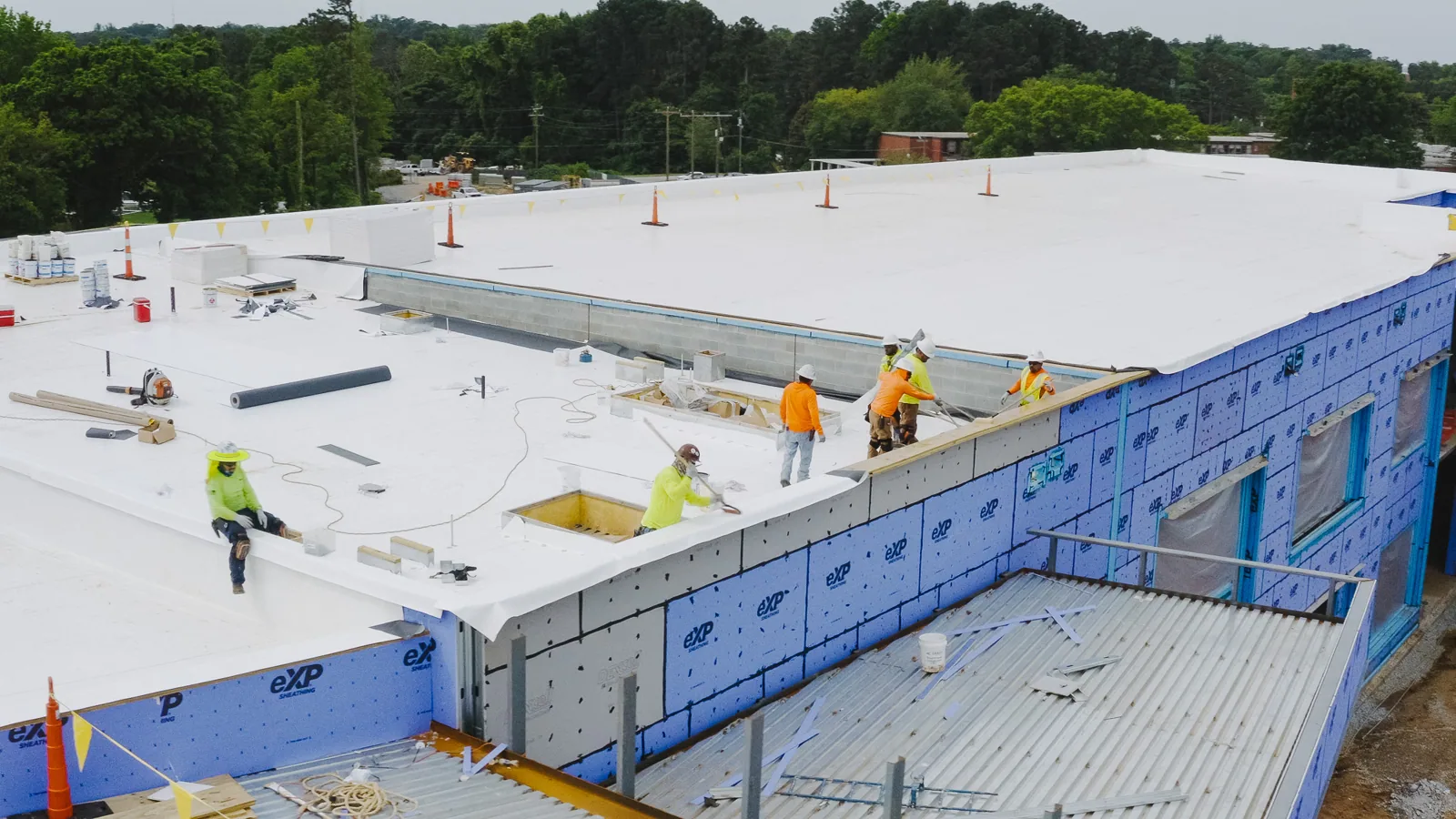
Schedule an inspection to test the surface and review seams, drains, prior layers, and cure conditions. We will define preparation and repair before pricing.
Acrylic coating application needs the surface and forecast to meet the selected product’s conditions. Dew, rain, low temperature, and slow drying can alter the work window. We plan zones that can be prepared and coated without leaving an exposed edge. If weather changes, work stops at a protected boundary. The daily report records the completed area and cure status. That sequence protects the assembly and avoids treating a schedule target as more important than actual roof conditions.
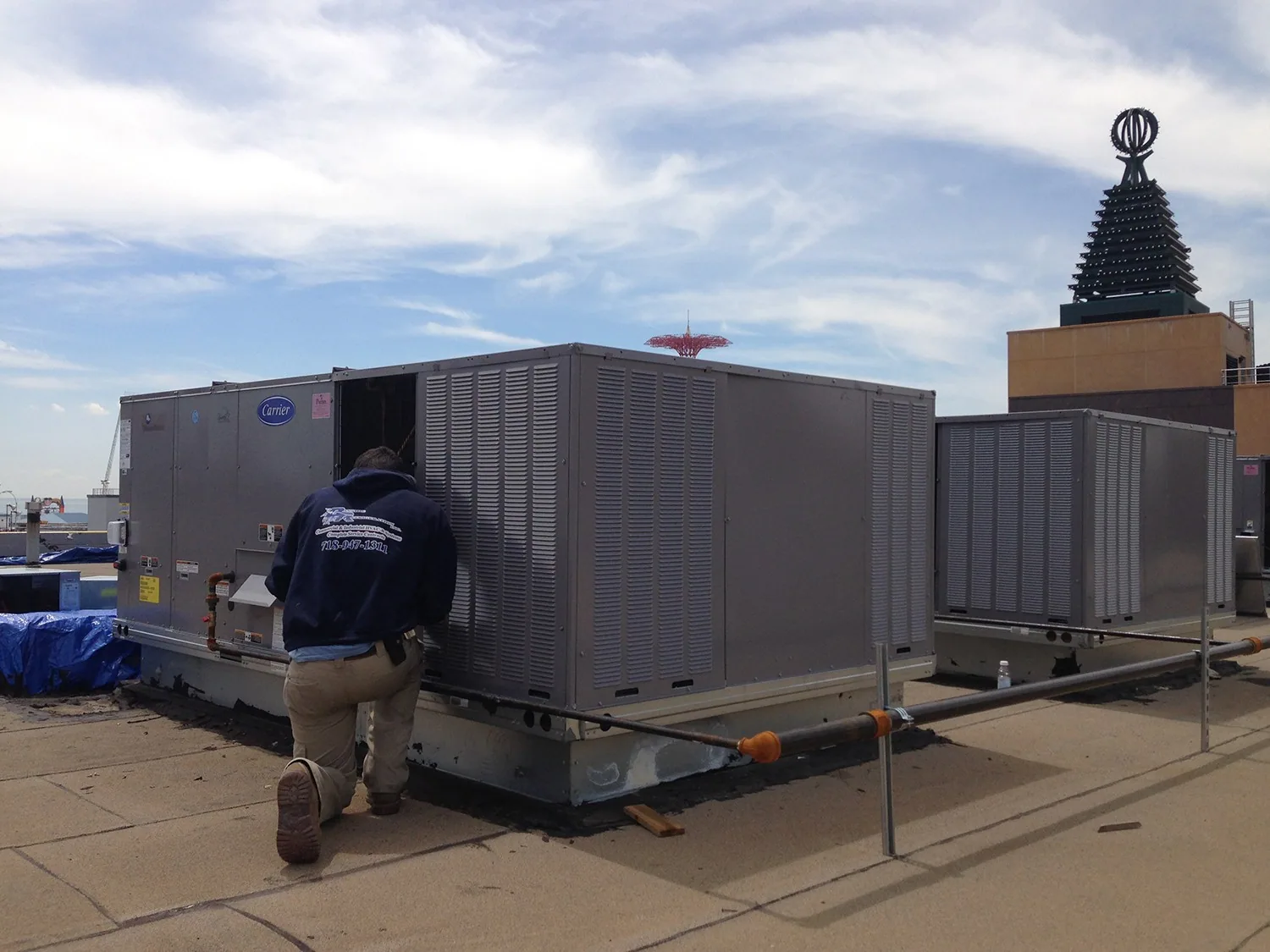
The owner also needs a plan for roof access during cure. HVAC service, drain cleaning, and tenant access can interrupt a wet surface or leave punctures after completion. We identify the equipment path and schedule those trades outside the active zone. In a building that stays open, an occupied work sequence can set notice, access, and closeout points. A dry, inspected surface is the starting condition, not a step to compress after application begins.
Cracks, open seams, and failing flashings need separate repair before the field coating. We reinforce the detail with compatible fabric or accessory materials where the product system requires them, then check coverage around corners and penetrations. A field coat should not bridge a moving joint or hide a soft substrate. The roof map identifies the repaired detail, preparation, and final coverage. If the repair reveals wet insulation or damaged deck, the owner receives an additional scope for that material rather than a cosmetic finish.
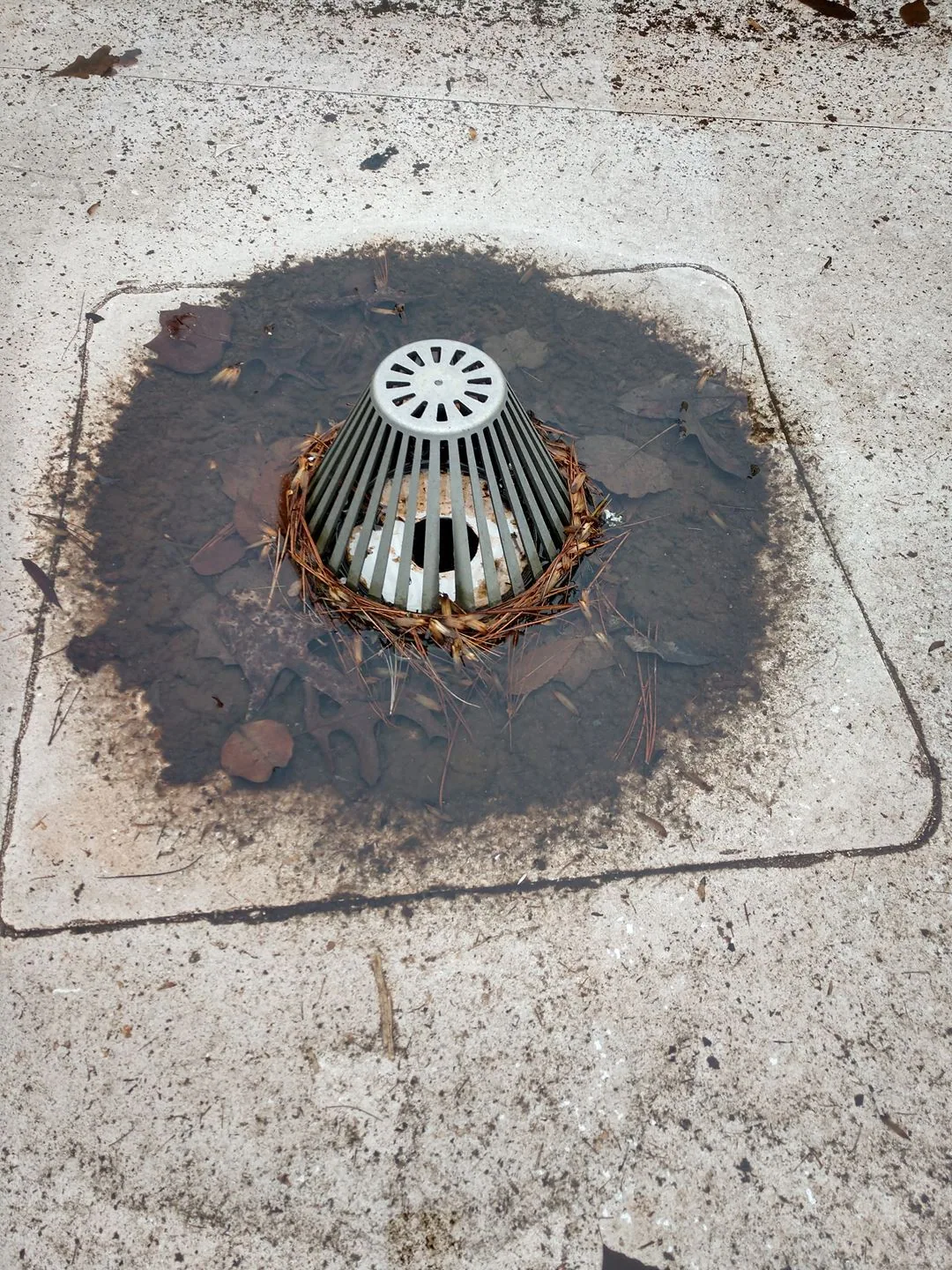
At drains and scuppers, coating thickness must not obstruct the bowl, overflow, or clamping ring. A drain correction can be coordinated before the field work. At equipment curbs, a curb flashing review establishes the transition and who handles unit movement. Those details are inspected before coating so the finish follows the system rather than covering a weak interface.
Acrylic restoration may fit a stable, dry roof where adhesion tests pass and repairs remain limited. If coating is too thin, chalked, or separated over broad areas, renewal may require removal or a different system. Persistent ponding, wet insulation, loose attachment, and failed edges can also favor replacement. We compare a repair, restoration, and new assembly using the field evidence. The proposal names expected preparation, test limits, coverage, details, and maintenance responsibilities.
Acrylic is often used where the roof has a slope that drains in a workable time. Where ponding persists, the owner may compare with silicone coating after evaluating the substrate and product requirements. Full replacement may use TPO membrane roofing or another assembly selected for the building. We also review recover feasibility if existing layers and attachment can support an additional system.
Costs depend on cleaning, repair quantity, reinforcement, primer, number of coating passes, access, equipment protection, and weather delays. The roof must be ready before the product arrives. We mark test areas and establish a stop point if adhesion or moisture findings vary. That gives the owner a priced decision without assuming that the same coating method will work across a roof with different substrates or repair histories.
Jersey City's flood exposure and combined-sewer load make drainage worth reviewing before acrylic restoration. The roof still needs a specific drainage plan. We inspect low areas, drain bowls, scuppers, overflow, and water held near a curb. A coating cannot change slope or clear a blockage. If runoff reaches a defective transition, the repair is priced before coating. The record identifies drainage work separately so the owner can see whether the project corrects a detail or restores the surrounding membrane.
Adding a coating layer changes the surface slightly and can affect the edge of a drain or metal flashing. We verify existing clamping rings, termination bars, and roof-to-wall transitions and follow the chosen product's detail requirements. A drain or scupper cannot be buried beneath finish material. Where the roof geometry needs redesign, an engineer or qualified designer must set the correction. The field scope will identify required design input and any work that remains outside coating restoration.
Closeout documentation should identify the substrate tests, product and primer, repairs, coating areas, dry-film requirements where specified, photos, drain condition, and cure status. The owner keeps the product and maintenance instructions with the roof record. Future inspections check wear, punctures, seams, ponding, and new service traffic. Acrylic restoration will need periodic review, with recoat timing based on the product and field condition rather than a fixed promise. The record also notes any area that could not be coated or tested.
Jersey City identifies West Side Avenue and Journal Square among its commercial centers or corridors. Each property needs its own roof-zone map, access path, and maintenance interval. A separate Union City roof visit can be coordinated for another portfolio building, with its own tests and scope. Arrange a site walk to inspect the coating history, dry substrate, seams, drains, and weather window before deciding whether restoration or replacement belongs in the capital plan.