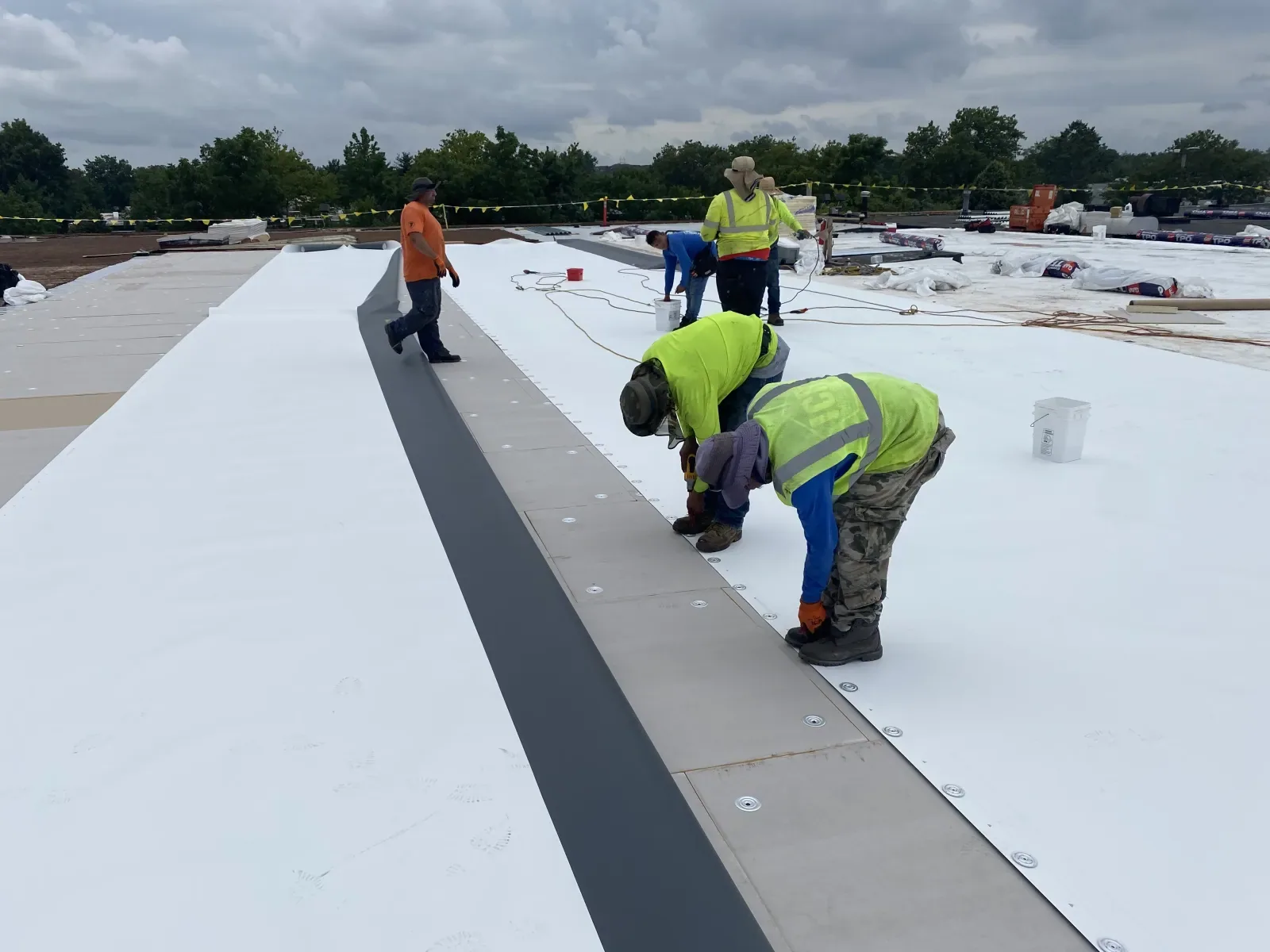
Silicone Roof Coatings in Jersey City, NJ
Evaluate Jersey City silicone coating compatibility, adhesion, seams, ponding, drains, and substrate before a commercial roof restoration.
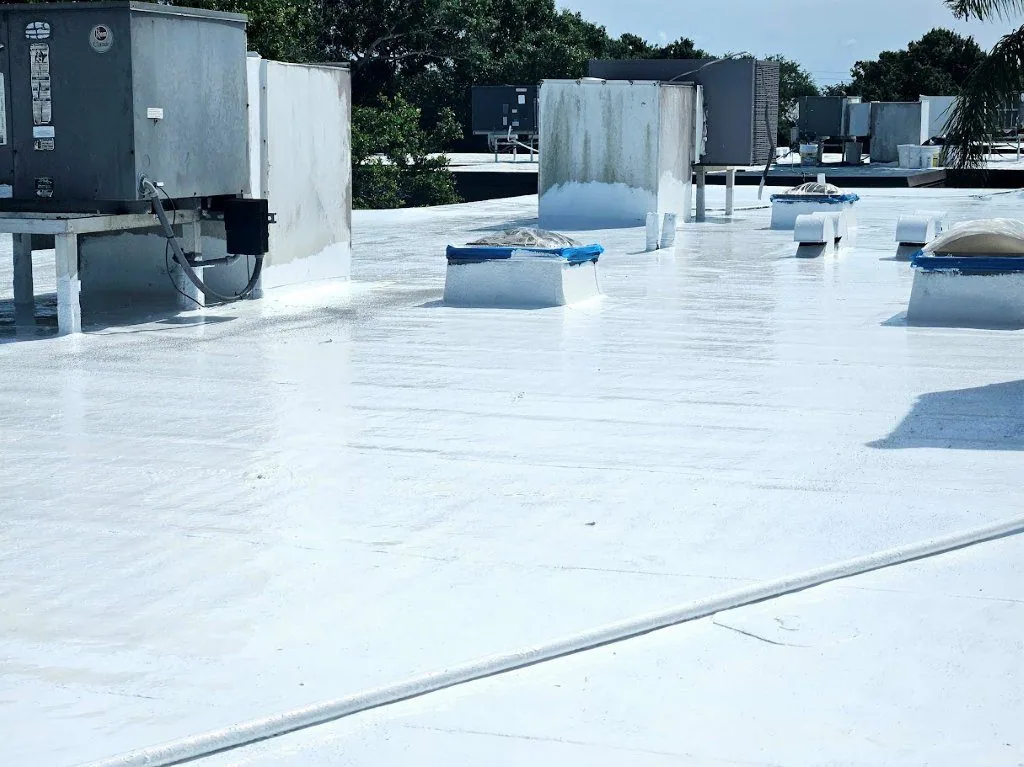
Evaluate Jersey City silicone coating compatibility, adhesion, seams, ponding, drains, and substrate before a commercial roof restoration.
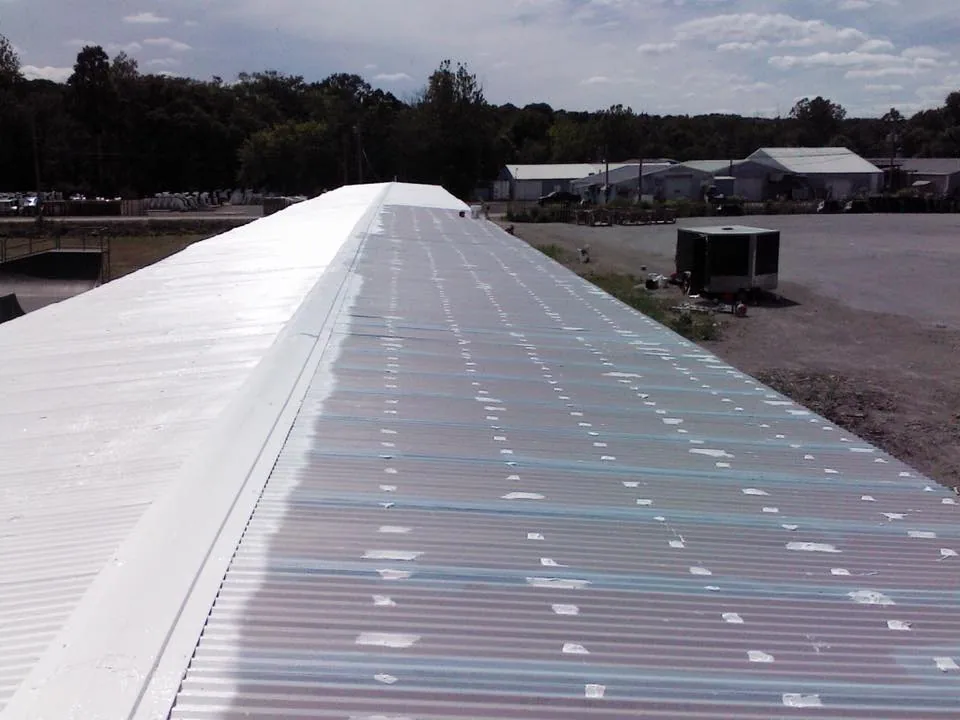
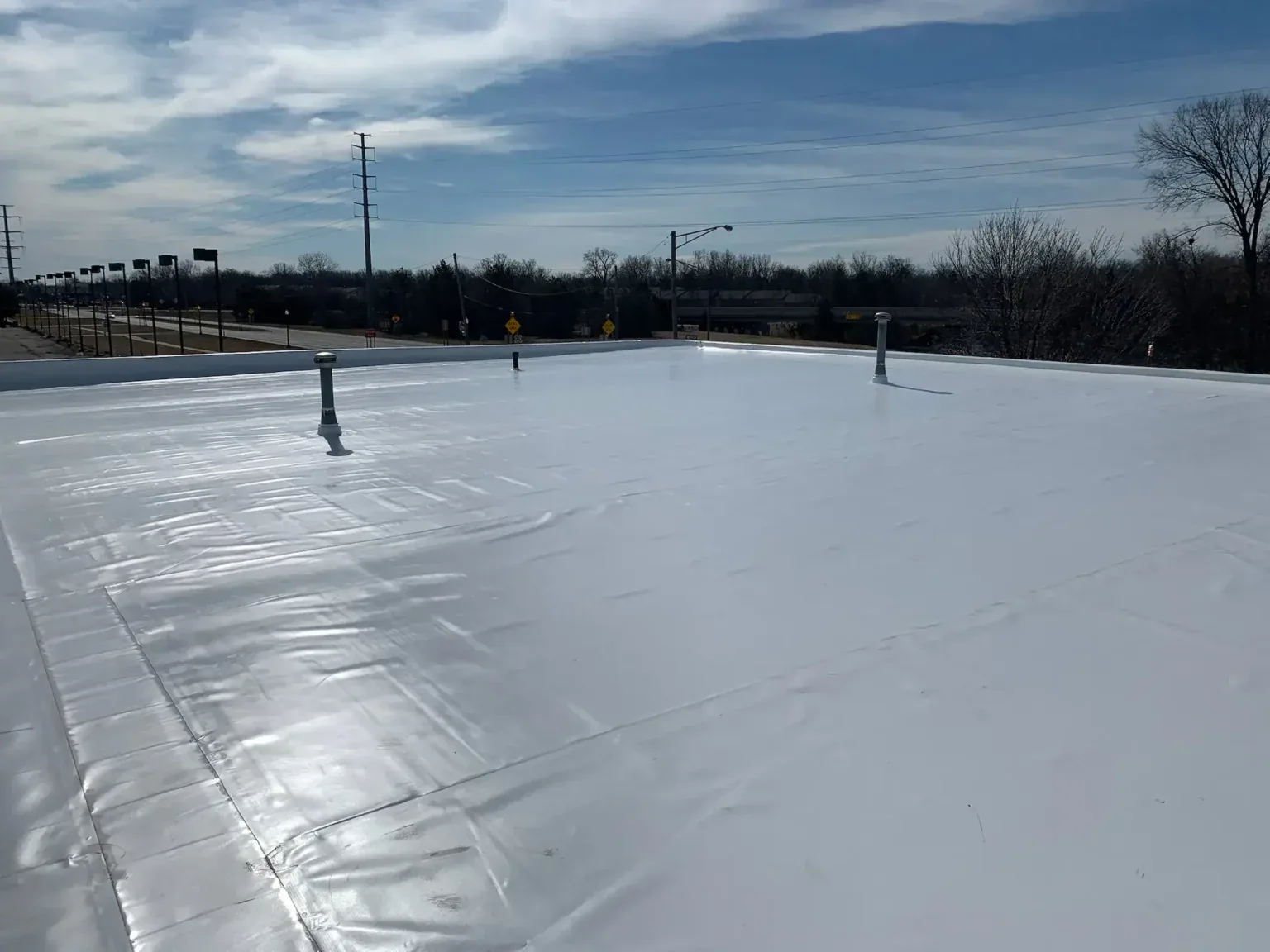
Silicone roof coating is a restoration option for a roof that can support the selected product after preparation. It does not replace a wet substrate, correct structural movement, or renew a failed assembly. On a Jersey City, NJ building, we inspect the membrane, seams, flashings, drains, coating history, and rooftop access before pricing an application. Localized flooding and stormwater loading make drainage a practical part of that review. A coating assessment identifies the repairs and tests required first.
We map ponding, blisters, exposed reinforcement, open laps, and areas where prior coatings have delaminated. A coating system depends on the existing surface and compatible primer. We confirm the substrate is dry and sound, then use adhesion tests where the roof history or material calls for them. The proposal defines cleaning, repairs, reinforcement, coating areas, and exclusions. If the surface cannot support restoration, the owner receives a replacement or recover option instead of another layer over a failure.
Old sealants, dirt, oxidation, loose granules, and incompatible coatings can interrupt adhesion. We inspect the full roof zone and prepare test areas before broad application. The selected silicone product’s instructions govern primer, coverage, and conditions. A test patch records how the material bonds after cure; it does not certify every hidden layer. Where adhesion varies, we divide the roof into compatible areas and specify different treatment or removal boundaries.
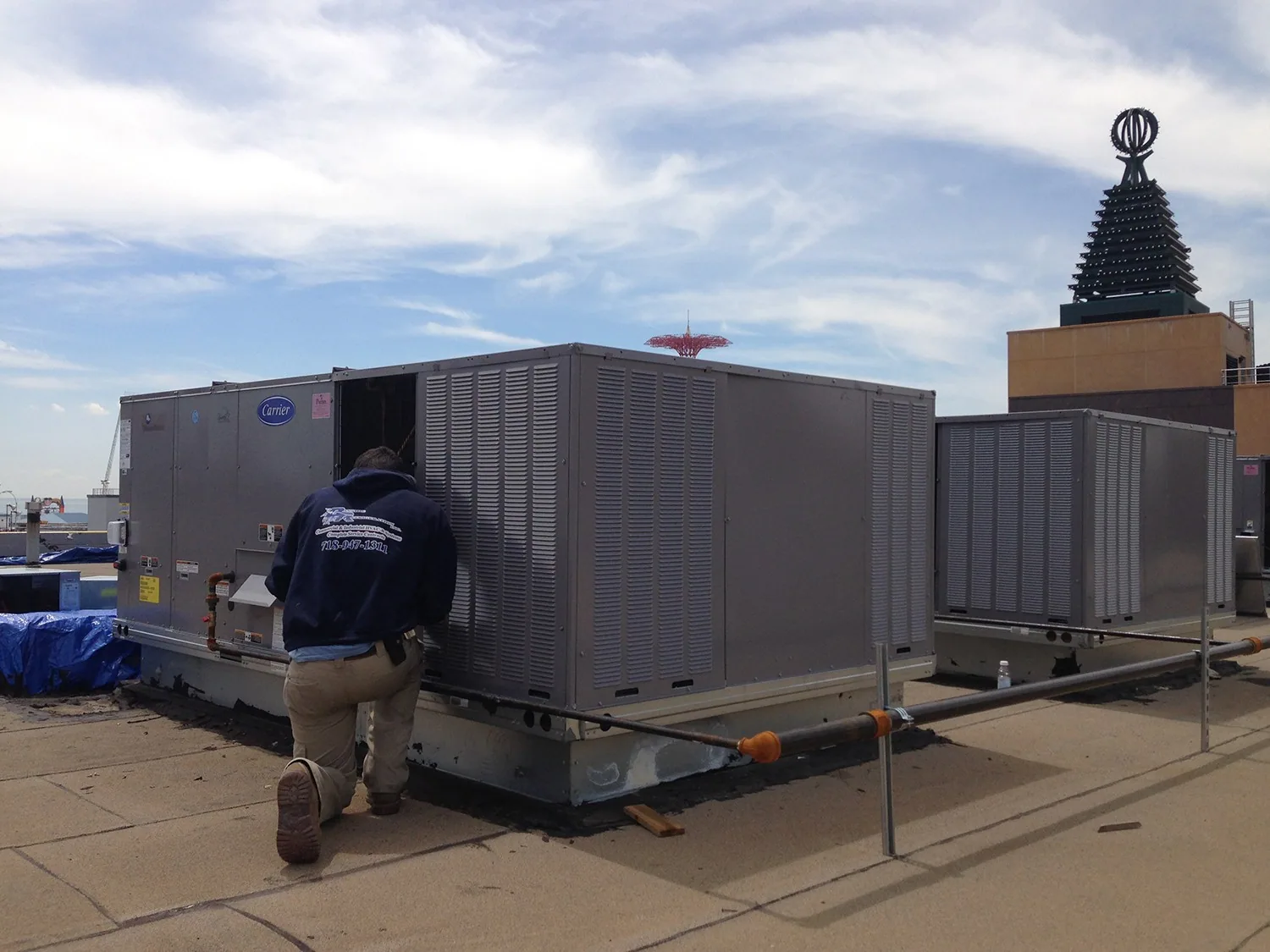
At seams and penetrations, reinforcement may be needed before the field coat is applied. We inspect laps, curb corners, pipes, drains, and edge metal, then identify where fabric or compatible flashing details are required. A roof inspection can map existing defects. If moisture is suspected below the membrane, an infrared survey can help select test openings before coating work hides the surface.
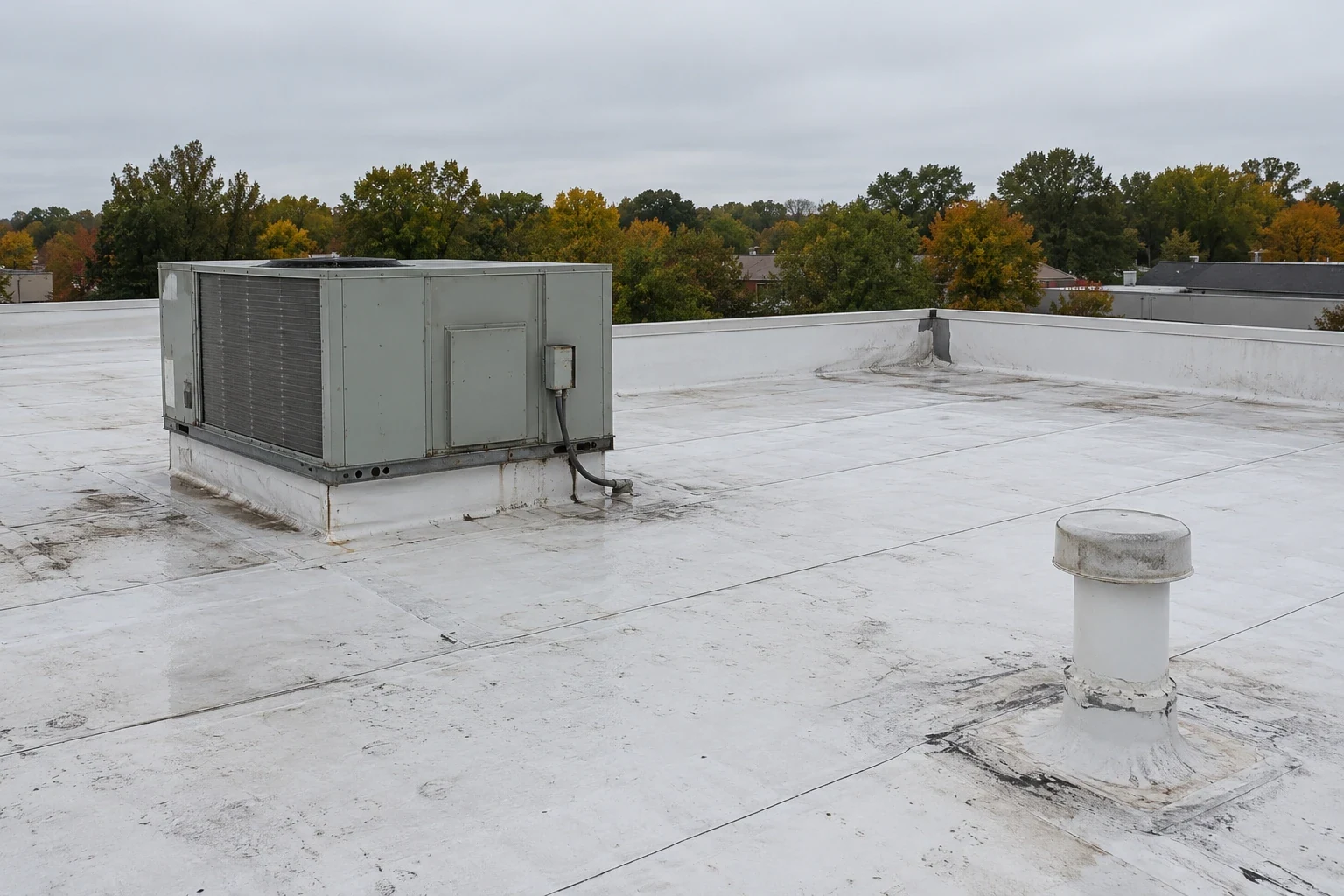
Set a site review to check adhesion, moisture, seams, drains, and previous coatings. We will state the preparation and repair boundary before pricing restoration.
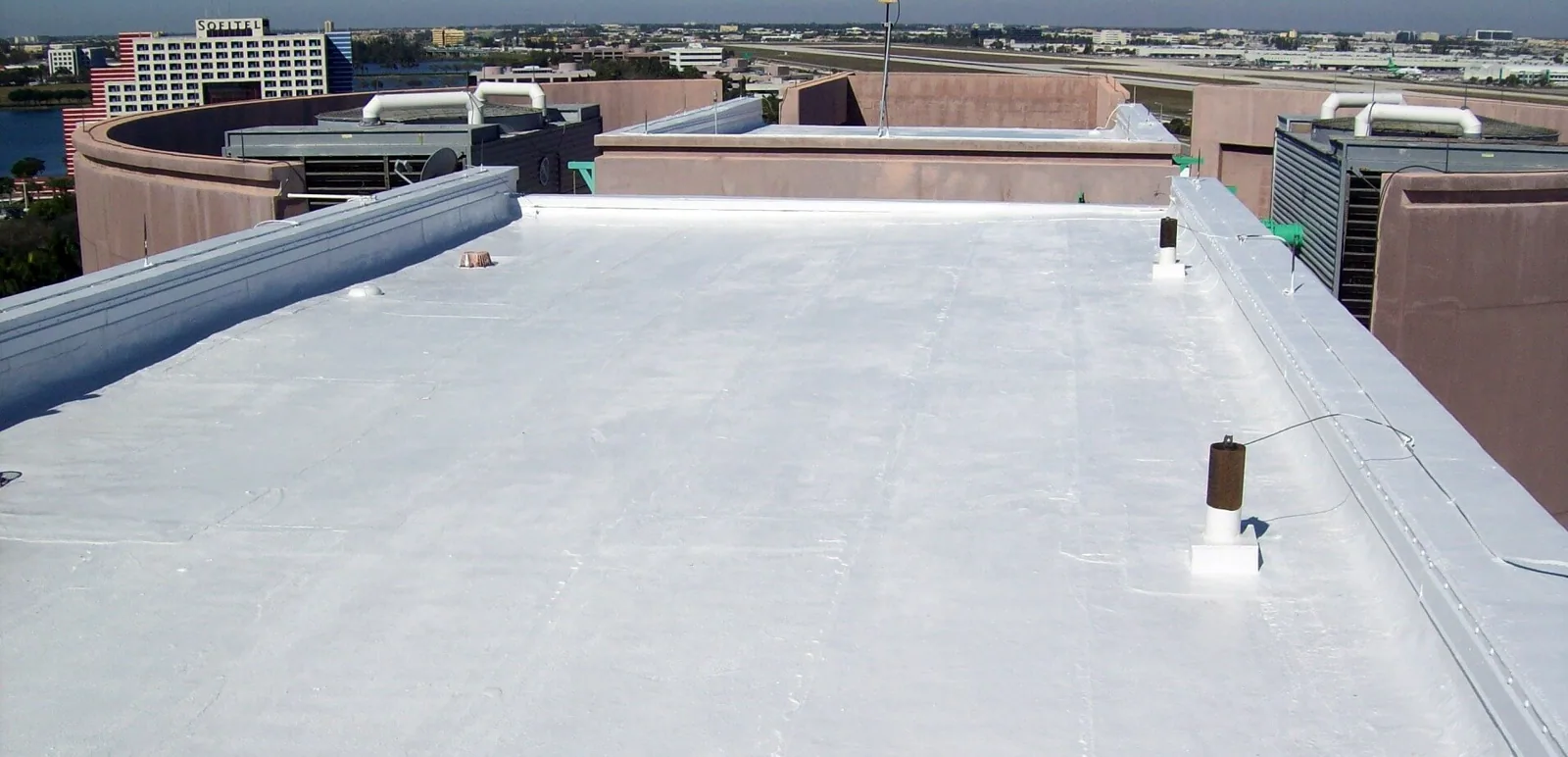
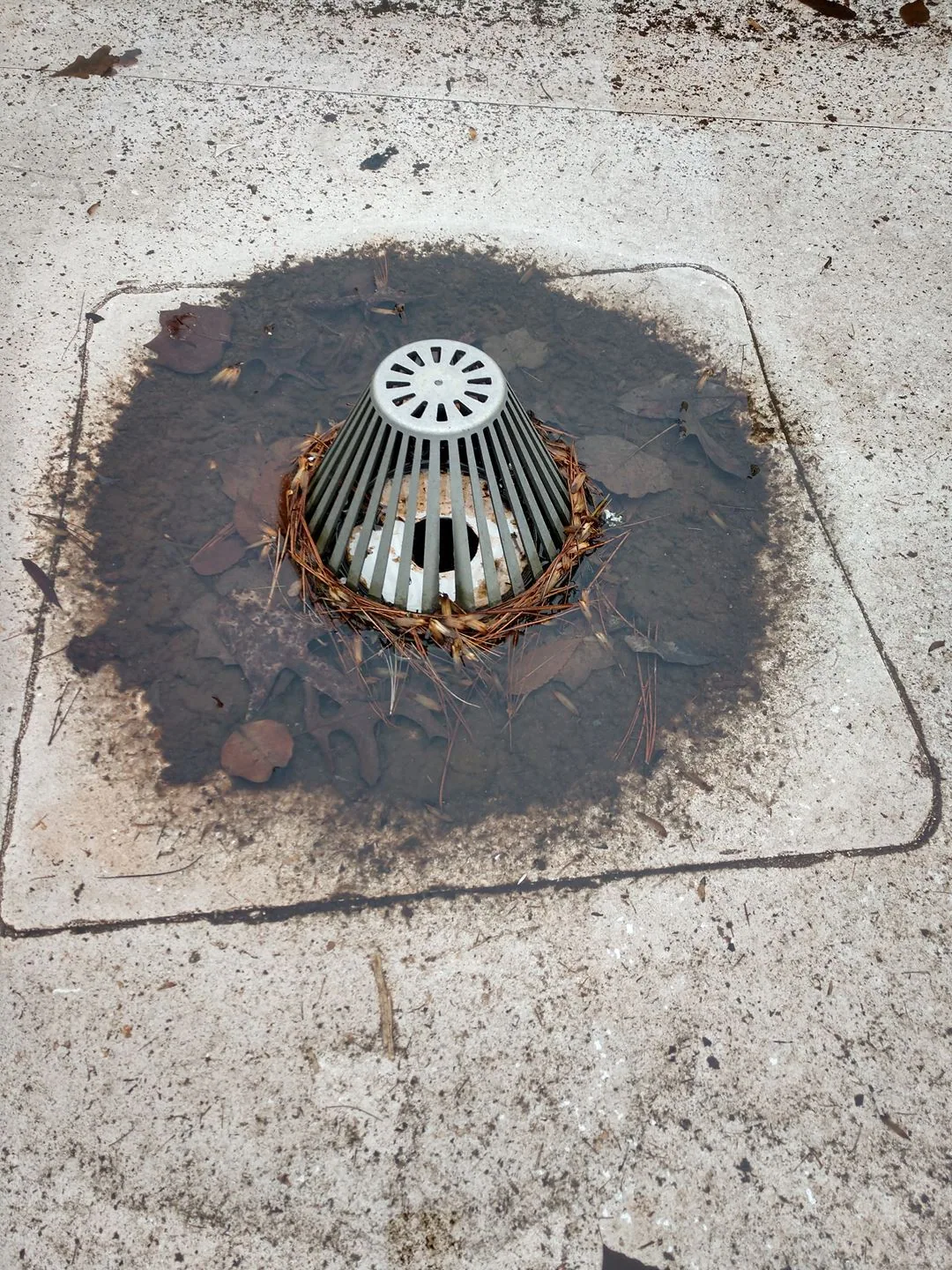
Silicone coatings tolerate ponding differently from some restoration materials, but water retention still needs a roof-level review. We measure low areas, check how long water remains, inspect drain bowls and overflow, and look for contamination or damage near standing water. The coating must not block a drain or bridge a loose detail. A new application does not change roof slope. If drainage correction is part of the scope, the repair plan describes that work separately from the coating thickness and coverage.
Localized flooding and combined-sewer stormwater loading are Jersey City concerns. On this roof, we inspect the outlet, low area, and water path before setting a coating scope. A drain and scupper repair can address a failed bowl or flashing detail. If the roof holds water against an open curb, a curb transition correction may need to precede the coating. The closeout notes whether the work changed a surface detail or only restored its protective layer.
Preparation can include pressure washing or other approved cleaning, removal of loose coating, seam treatment, detail reinforcement, and drying. We protect equipment and intakes, contain runoff where required by the scope, and avoid coating over debris or moisture. Repairs are made before the field application; the coating should not serve as a patch for every crack. A condition map shows which areas were restored, which were replaced, and what remains outside the approved work.
A coating can be a reasonable choice where the membrane remains stable and the test areas support adhesion. If wet insulation, widespread delamination, or failed attachment is present, removal may be needed. Compare a recover option with replacement when the assembly condition supports a broader project. The decision is based on confirmed layers, moisture, drain height, and edge details, not solely on the color or age of the exposed surface.
Schedule depends on surface cleaning, repair volume, cure time, access, temperature, and rain risk. The roof must meet product conditions at application and remain protected through cure. We divide the work into zones, check the surface before coating, and close each area at a defined edge. If a later phase depends on a test result, the record identifies what is complete and what requires owner approval before continuing.
A silicone restoration can extend the useful service of a compatible, stable assembly when the substrate is dry and the details are repairable. A new roof system is more appropriate when moisture, deck damage, loose insulation, or widespread membrane failure undermines the base. We map those choices and show what the owner is buying in each scope. Coating is not insulation, structural work, or a replacement for correcting a failed drain. The proposal also includes cleaning and preparation, which influence whether the system can bond.
A full replacement can be compared with a TPO assembly or EPDM system as a separate roof decision. The coating proposal names product, coverage, reinforcement, test results, repairs, and maintenance expectations. We discuss cost drivers such as roof access, number of penetrations, surface preparation, and edge treatment. A site walk can establish whether the roof is a restoration candidate before the owner prices a new assembly.
Central Avenue and the Route 440/Culver area are named commercial centers in Jersey City, and Tonnele Avenue Light Industrial is a named industrial area. We verify loading, lift, roof hatch, and occupant requirements at the property. Coating work needs clean, dry surfaces and a suitable cure period, so the sequence follows conditions rather than a fixed square-foot-per-day promise. A phased occupied-building plan can set tenant notices and work-zone boundaries before preparation begins.
The crew keeps drains clear and protects equipment, vents, and adjacent surfaces while cleaning and applying the coating. Building staff need a clear date for access changes and any odor or noise-sensitive area. Each shift closes at a planned boundary with photos, cure notes, and an area ready for inspection. Weather can pause application; the uncoated section remains protected under the agreed plan rather than receiving a hurried finish outside product conditions.
The final record includes the roof map, substrate tests, preparation and repair steps, product information, applied areas, photos, drain condition, and any excluded locations. The maintenance plan should inspect coating wear, punctures, exposed membrane, ponding, drains, and new rooftop traffic. A later repair needs compatible material and preparation, so product records should remain available to the property team. The owner can use the baseline to plan future restoration or replacement without assuming the coating prevents every leak.
Jersey City is a dense coastal community, and each roof has its own surface, access, and drainage. For a separate portfolio visit, we can inspect a Hoboken property as its own project and record. Start with an area showing coating wear or recurring ponding, then agree on a test location and the repair boundary before any broad application is priced.