Spray Polyurethane Foam Roofing in Jersey City, NJ
Assess Jersey City SPF roofing thickness, adhesion, drainage, coating condition, and moisture before choosing restoration or replacement work.
Assess Jersey City SPF roofing thickness, adhesion, drainage, coating condition, and moisture before choosing restoration or replacement work.
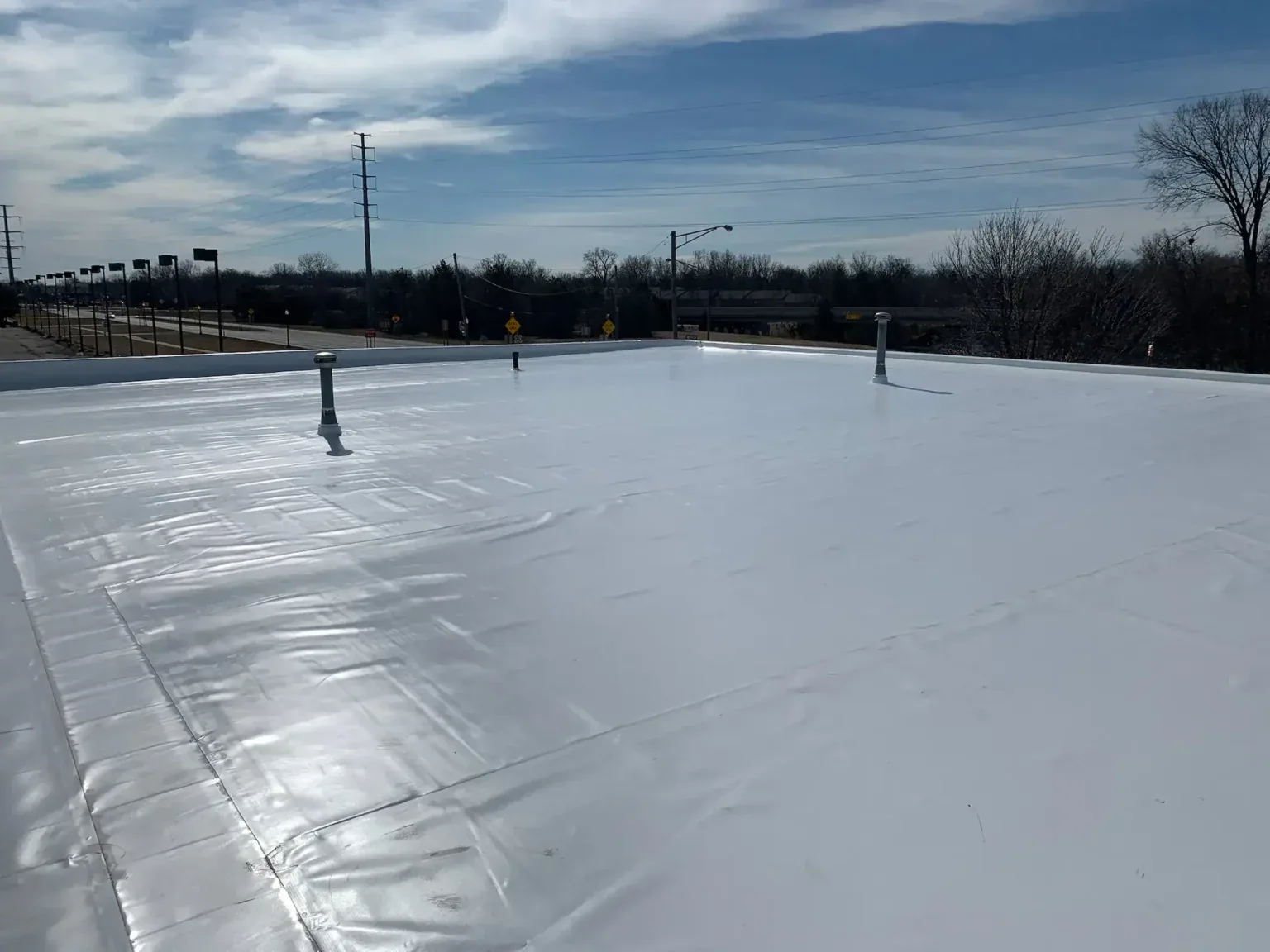
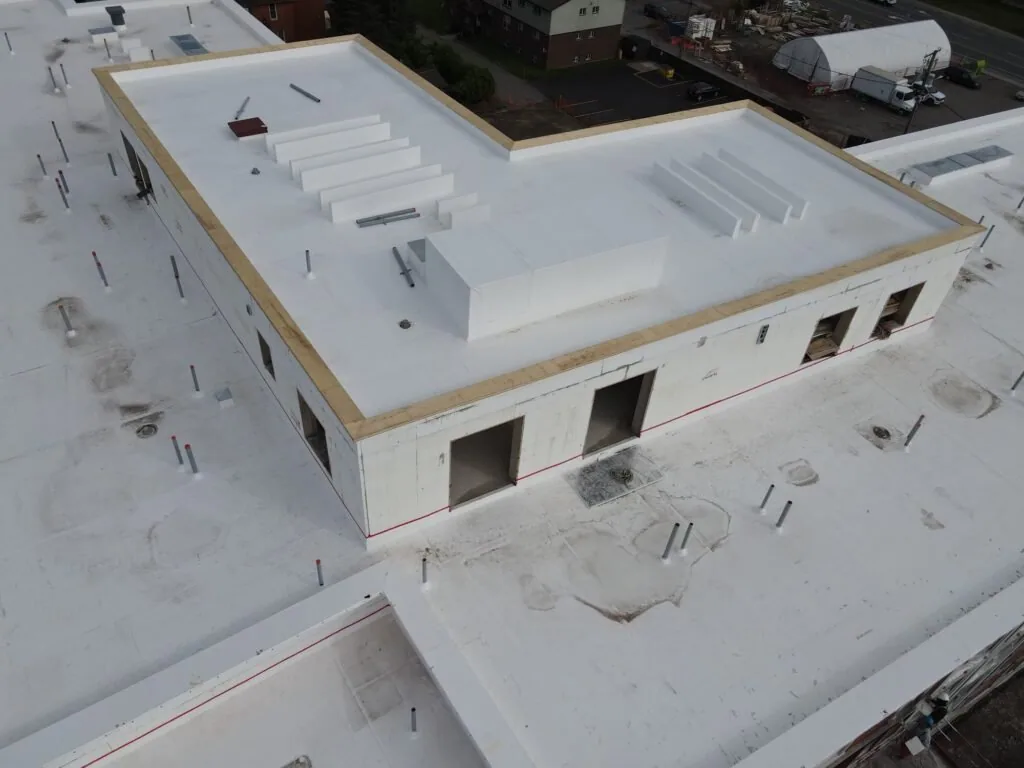
Spray polyurethane foam roofing begins with the substrate, because the foam only performs as part of a complete roof assembly. In Jersey City, NJ, we check the deck, existing membrane, drainage, curbs, and protective coating before recommending repair or restoration. Jersey City’s history of storm impacts makes drain and overflow paths worth reviewing before an SPF scope is priced. A roof inspection maps the condition before an SPF scope is priced.
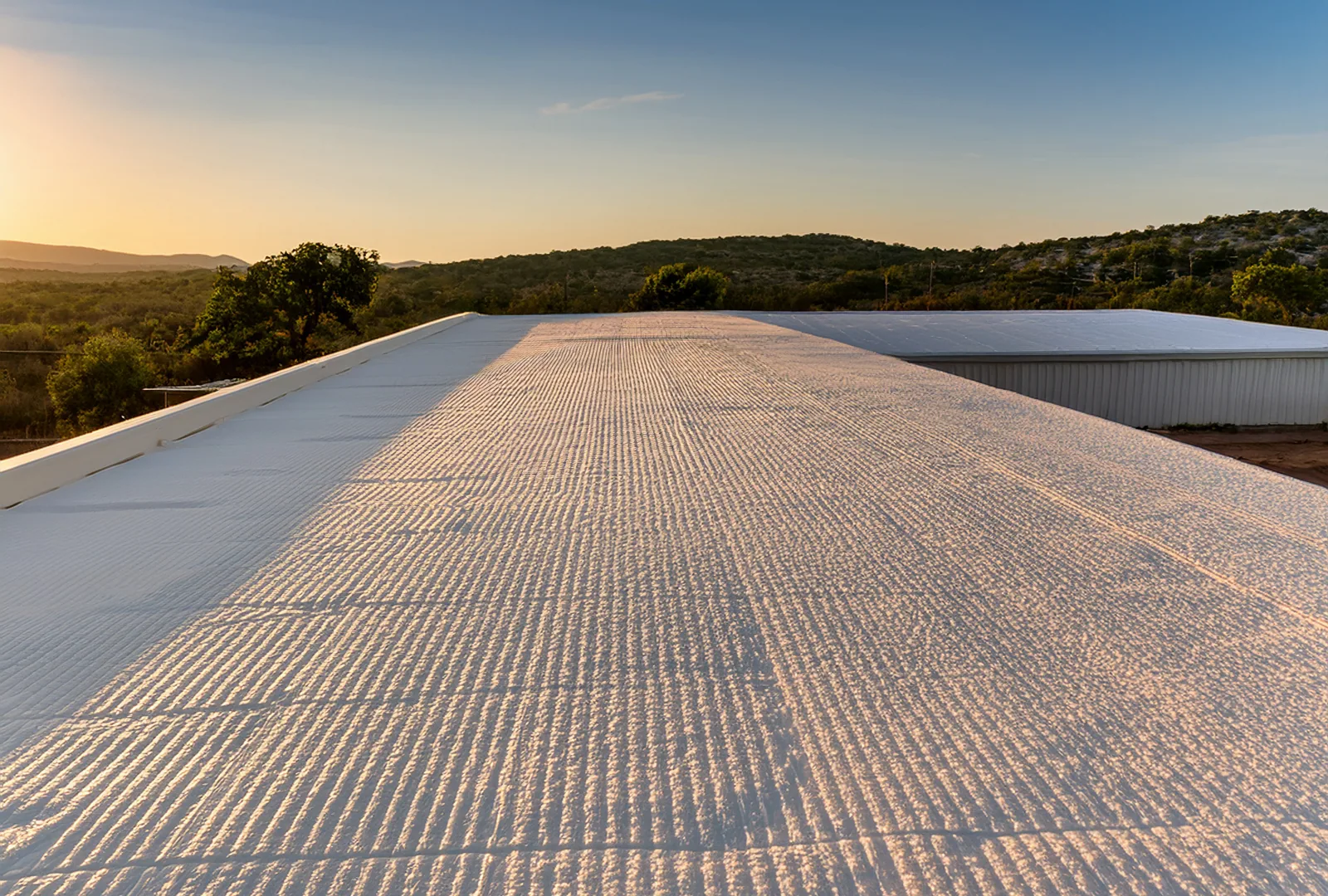
SPF is sprayed as a liquid that expands and cures into a continuous insulating layer. A protective elastomeric coating shields that foam from exposure and must remain intact. We look for exposed foam, erosion, cracks, blisters, loose coating, wet substrate, and weak transitions. Thickness and uniformity matter, but a visual survey cannot establish every concealed layer. We document test areas and identify where a core or adhesion check is needed before a new application is selected.
The substrate needs to be clean, dry, and capable of supporting the new foam or coating system. We inspect for oil, dust, loose gravel, rust, membrane movement, and moisture that can interrupt adhesion. A roof with a saturated or unstable base needs correction before SPF is applied. We record the surface preparation, test location, and layer condition, then make a repair boundary that reaches sound material. The owner sees the substrate issue separately from the protective coating work.
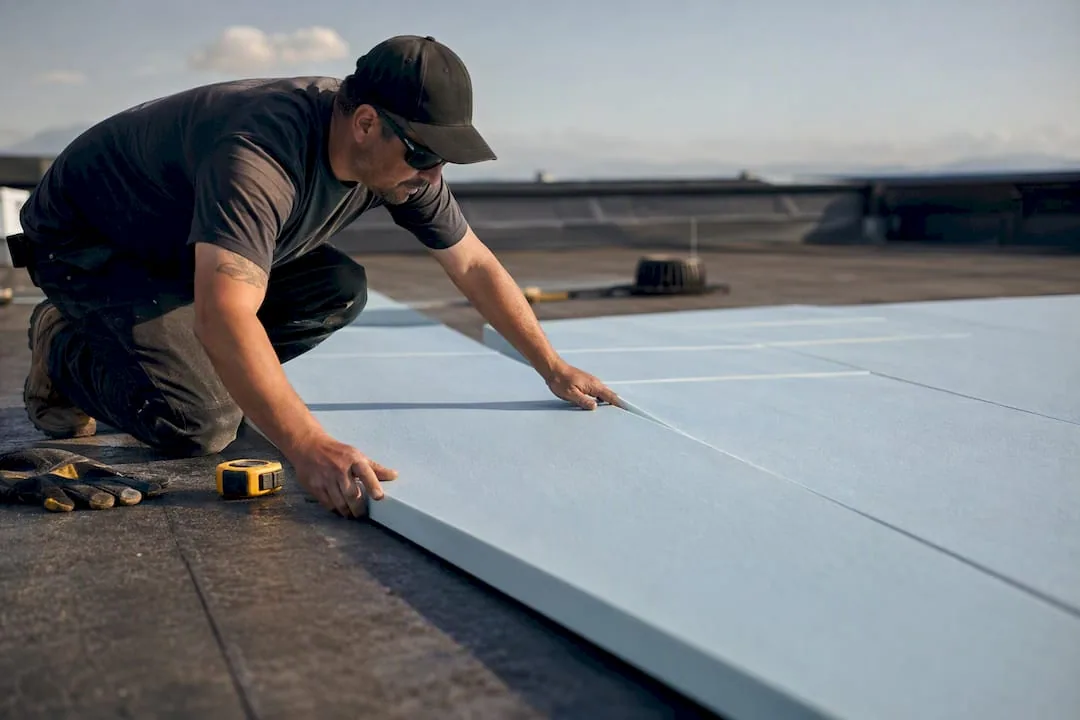
Foam thickness and taper affect drainage, equipment clearance, parapet height, and curb transitions. We map drains and high points before the design sets the new profile. A cover board and insulation review can compare a foam build-up with other assembly options where structure or clearance limits matter. The roof proposal names the areas to receive new foam and how edges and penetrations will connect to the existing system.
Schedule a site walk to map adhesion, moisture, slope, drains, and exposed foam. We will compare a defined restoration scope with replacement options.
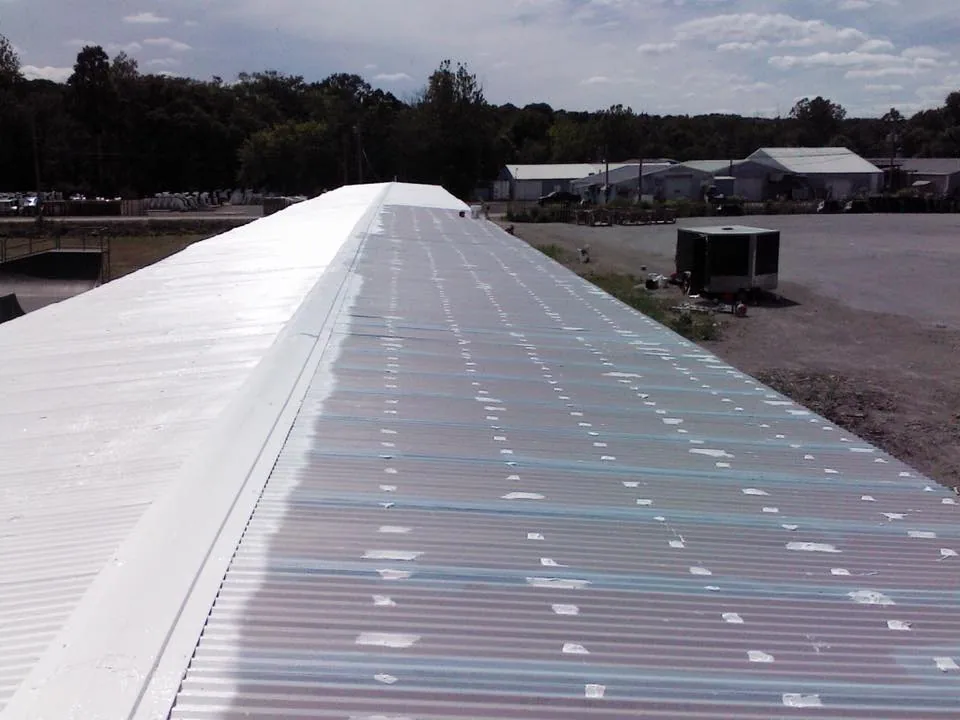
The coating is the exposed protection over SPF, not a substitute for foam repair. We inspect for thin or worn areas, splits, punctures, loose edges, chalking, ponding, and open seams. A coating may need cleaning, reinforcement, and reapplication after exposed foam is repaired. We check compatibility with the installed product and test adhesion where the field condition calls for it. The scope identifies preparation and thickness requirements from the selected product instructions rather than promising a result from a generic coat.
A coating restoration scope can address a sound SPF assembly where foam remains dry and attached. If the membrane or substrate has failed, new topcoat alone will not repair it. We use photos and test openings to show whether the issue is limited to the protective layer or extends into the foam and base. The owner can compare a localized correction with broader restoration or removal.
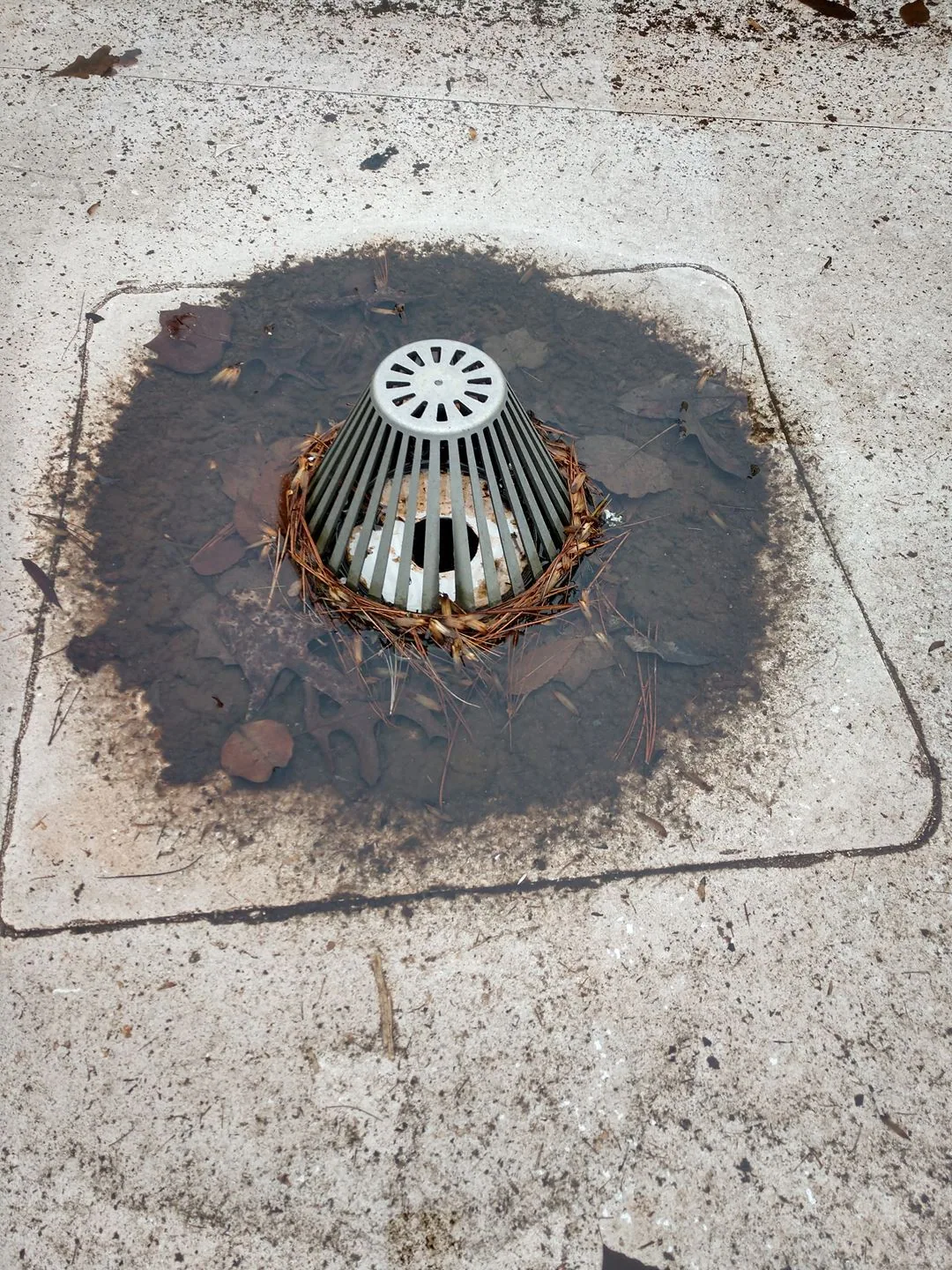
SPF can be shaped to improve slope, but a new foam profile must lead water to a working drain or scupper. We check drain bowl heights, overflow routes, curbs, and changes in roof elevation. Water that remains near a penetration can expose coating or foam to repeated wetting. We inspect the roof's slope, outlet condition, and foam assembly before defining an SPF correction. A moisture survey or core can confirm whether water has moved below the protective layer.
Jersey City identifies localized flooding and stormwater loading on the combined sewer as concerns. For an SPF scope, we trace runoff from high points to the outlet and check whether the bowl, overflow, or curb transition limits the new foam profile. A drain and scupper correction may be included if the bowl, flashing, or outlet is defective. When a leak is isolated to a curb, curb flashing repair can be scoped separately from SPF restoration.
Restoration may fit if the foam remains dry, secure, and well bonded, while coating wear is limited and the roof can be prepared. New SPF can add slope or insulation only where substrate, drainage, height, and equipment clearances support the design. Removal is more appropriate when foam is wet or detached across a broad area, the deck is compromised, or several prior layers prevent sound adhesion. We separate each path and identify the test results behind the recommended boundary.
The owner may compare SPF with TPO membrane roofing or modified bitumen where the roof geometry and project documents allow. System differences include attachment, insulation profile, repair method, and maintenance. A replacement plan identifies tear-off, cover board, drains, curbs, and edge work. Timing depends on substrate preparation, weather, spray access, cure conditions, and how many zones can be closed during the available window.
Before spraying begins, we confirm the roof-access route, ventilation around the work zone, and operating limits with the site contact. The crew protects adjacent equipment and intakes, divides the roof into closable sections, and records the substrate inspection before each application. If weather changes, the active edge is secured at a planned stop rather than left exposed. A work-zone sequence can coordinate tenant notices and daily closure.
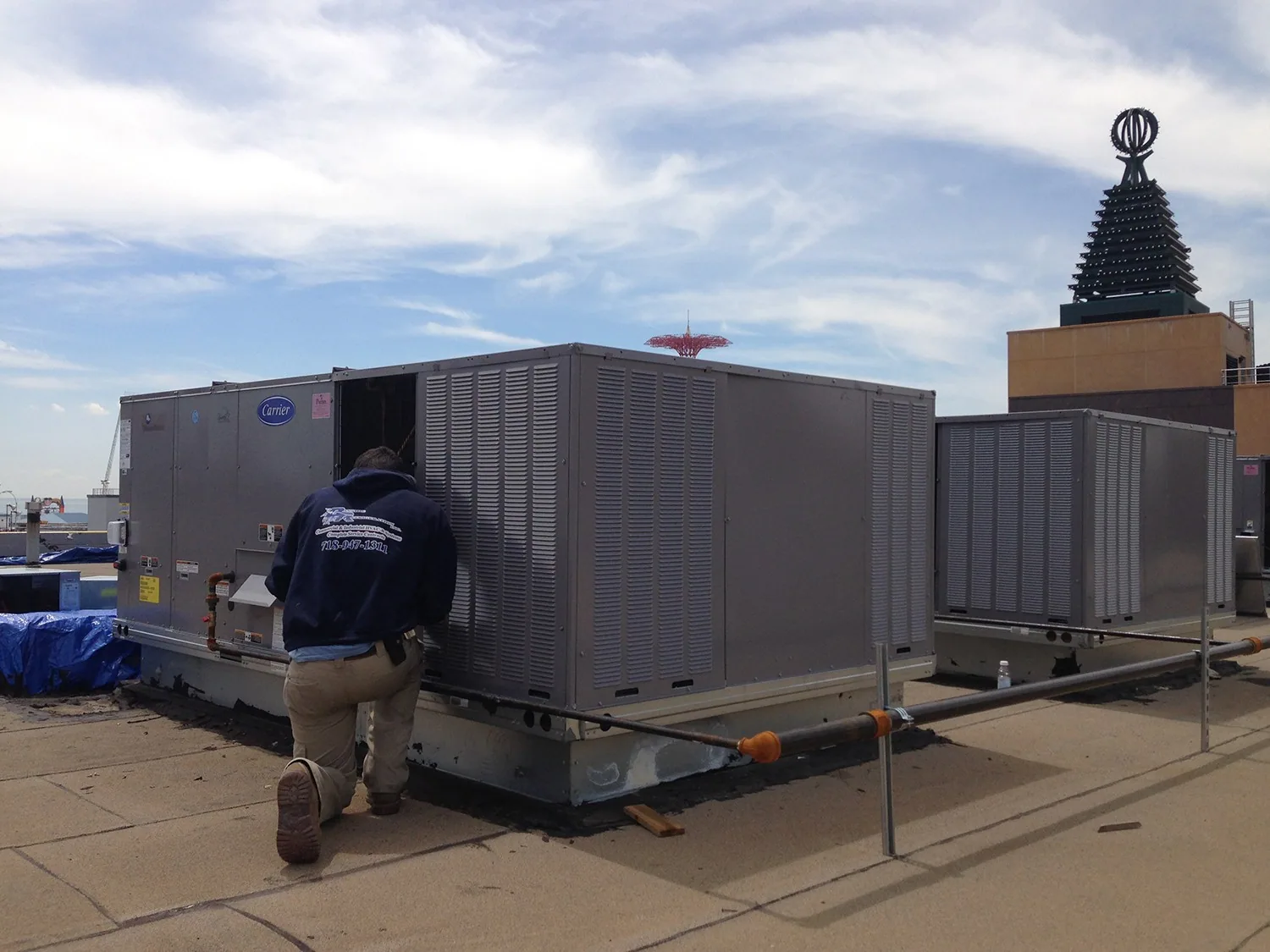
Surface preparation, spray application, cure, and coating each require a suitable weather window. We confirm the selected system's temperature and moisture conditions and avoid loading completed areas before cure. Rooftop units, hatches, and vents need coordination to keep overspray away from openings and maintain safe access. The daily closeout notes the completed zone, product batch where required by project records, test results, and remaining work. The owner receives photos at each stage.
We also inspect the transition from foam to parapet and wall flashing. A tapered edge that ends abruptly can leave a thin spot or an exposed line where water and foot traffic wear the coating first. The field record marks that transition and identifies whether termination metal, sealant, or reinforced coating needs repair. Material staging is kept clear of the drain path and completed surface.
The closeout record identifies foam and coating areas, test locations, preparation, drains, transitions, and photos. Maintenance then checks coating condition, exposed foam, punctures, blisters, ponding, and new rooftop service activity. A small breach should be repaired before exposure spreads. The record also names any inaccessible zone and the next inspection action. It gives property staff a baseline for future comparisons without making a warranty promise beyond the installed product documents.
Journal Square and West Side Avenue are Jersey City commercial references, while Greenville Industrial is a named planning area. Each roof needs a building-specific maintenance map. A Kearny roof review can be arranged as a distinct visit when another property is in the portfolio. Set a walk to check adhesion, foam profile, protective coating, water flow, and any test opening needed to decide between restoration and replacement.