Commercial Skylight and Penetration Flashing in Jersey City, NJ
Repair commercial skylight and equipment-penetration flashing in Jersey City with curb, membrane, drainage, and trade-coordination checks.
Repair commercial skylight and equipment-penetration flashing in Jersey City with curb, membrane, drainage, and trade-coordination checks.
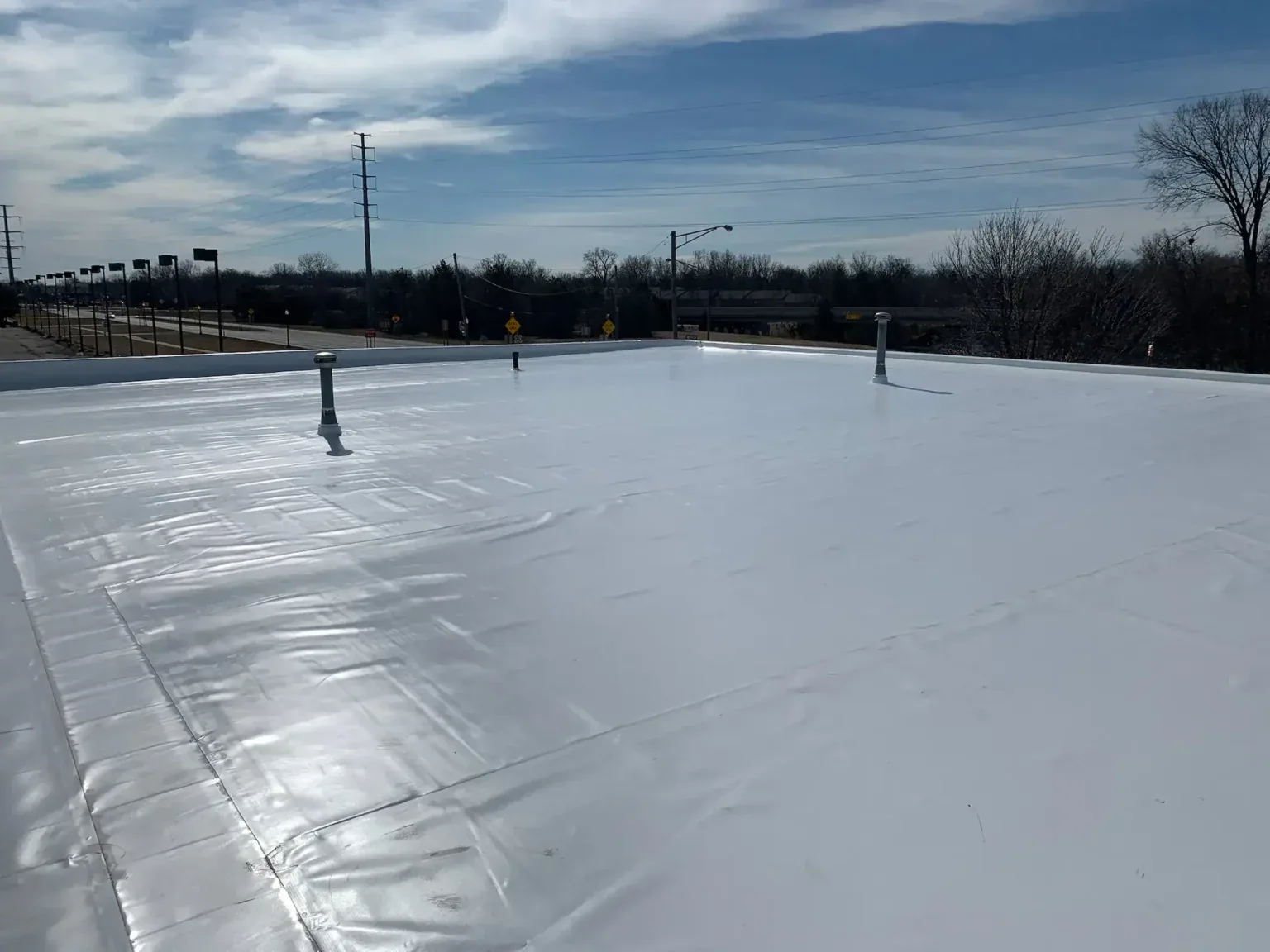
A leak at a Jersey City skylight or pipe curb can start where flashing meets the membrane, not in the unit itself. We inspect curb height, flashing laps, sealant joints, fasteners, and surrounding roof before recommending correction. A roof inspection maps each opening and its water path so the owner can distinguish one failed detail from a larger roof condition.
Both Irene and Sandy caused severe flooding, outages, and property damage in Jersey City. Jersey City counts localized flooding and combined-sewer stormwater loading among its concerns, so a skylight inspection reaches the nearest drain and overflow path too. The opening, the curb flashing, and that drain are logged as separate roof conditions. The scope records visible separation, movement, and any area that needs a test opening.
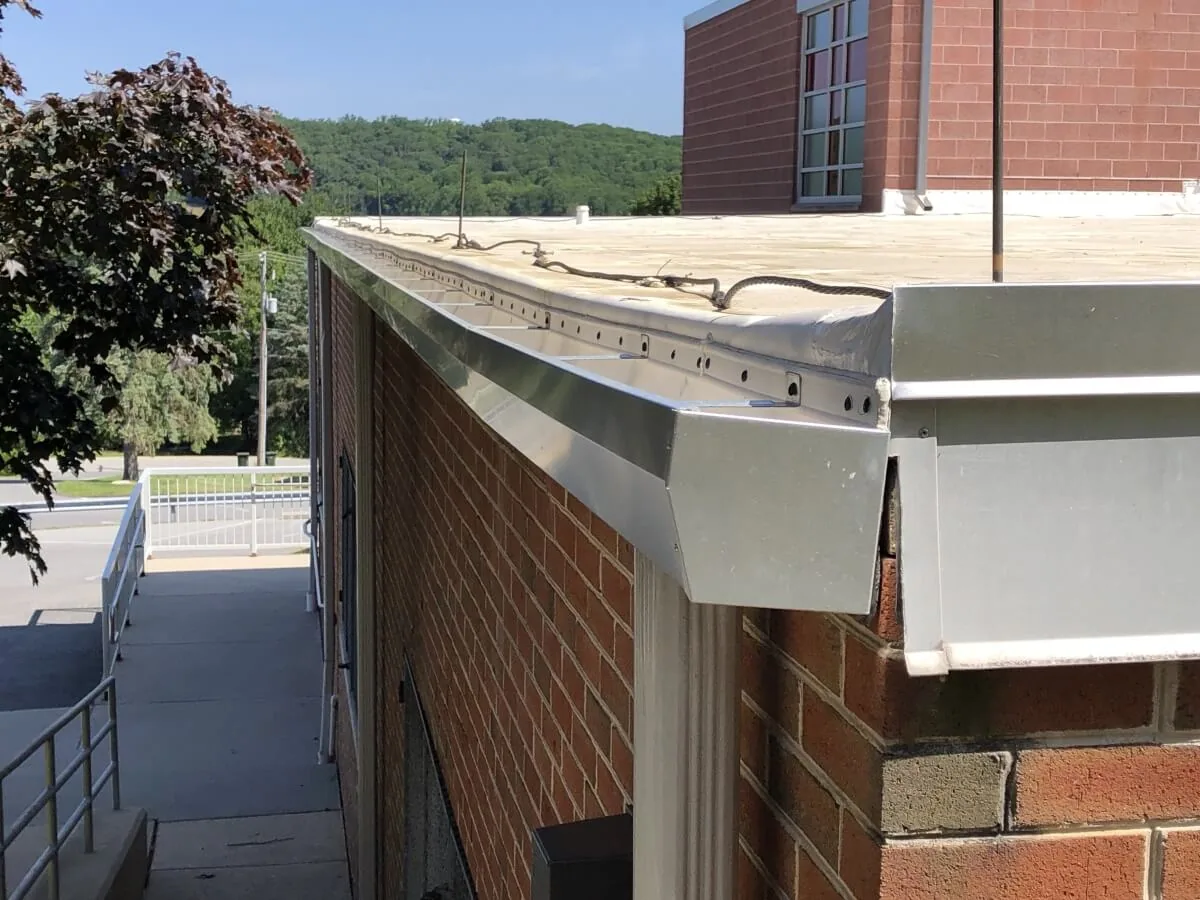
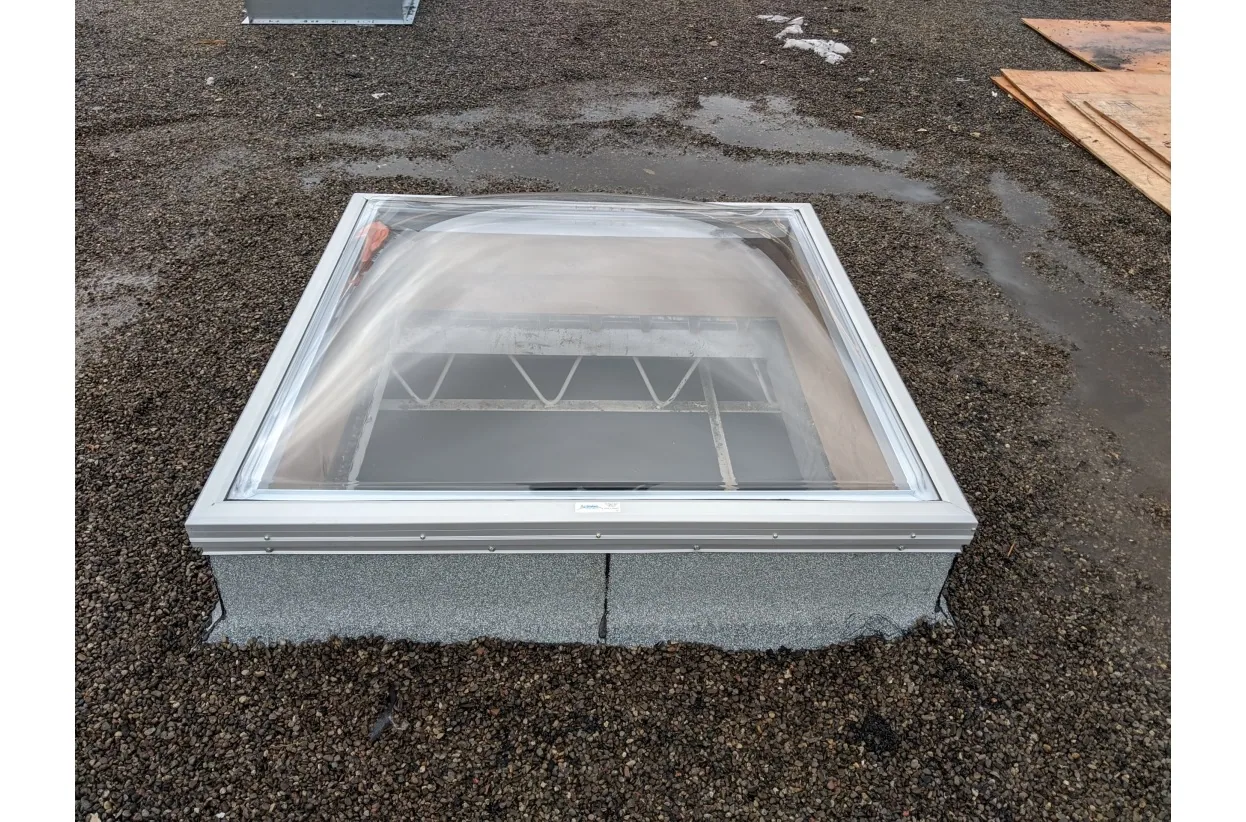
A curb needs sound base flashing and a termination that stays above the roof surface. We look for loose counterflashing, open corners, cracked sealant, membrane pullback, and water marks on the curb wall. If a curb has shifted or rusted, a surface bead may hide the gap without correcting the movement. We photograph each side and state which transition needs repair.
Downtown, Journal Square, and Greenville are among Jersey City’s six large districts. We identify the opening type and access route at the property before setting the repair scope. We note the unit, curb material, and membrane connection. If rooftop equipment rests on a curb, the property manager may need a mechanical shutdown before the roofing crew can complete a sealed tie-in.
Share the opening type, leak location, equipment access rules, and roof-entry requirements. We will inspect the curb and membrane tie-in and document the repair scope.
At a skylight, we inspect the frame, glazing, perimeter flashing, fasteners, and the roof transition. Condensation inside glazing can look like a roof leak, while water at a corner may point to the curb or membrane. The report separates those observations and recommends a glazing or roofing trade when needed. We do not price a roof patch until the water entry route is clear.
Older skylights may not match the roof assembly around them. We check height, drainage, adjacent laps, and whether the flashing remains bonded. If the unit needs replacement, the owner can coordinate the curb and membrane scope with the skylight supplier. A metal and edge review can include nearby perimeter details if the roof opening sits close to a parapet or gutter.
Conduit, pipes, exhausts, and equipment supports each interrupt the membrane. We inspect pitch pockets, boots, clamps, support blocks, and patches for cracks, movement, or a gap at the base. A pipe can move as equipment vibrates or thermal conditions change. The report also identifies whether the opening sits on a roof zone with frequent service traffic, because repeated steps can disturb an otherwise sound boot or lap. The repair must accommodate that movement while keeping the water path outside the roof assembly.
Jersey City includes Central Avenue, West Side Avenue, and the Route 440/Culver area among its named commercial centers. At the building, we confirm the penetrations, service function, and access route. We photograph the pipe or support, note its service function when known, and coordinate access with the equipment owner. A curb and support scope can align flashing work with a scheduled mechanical service.
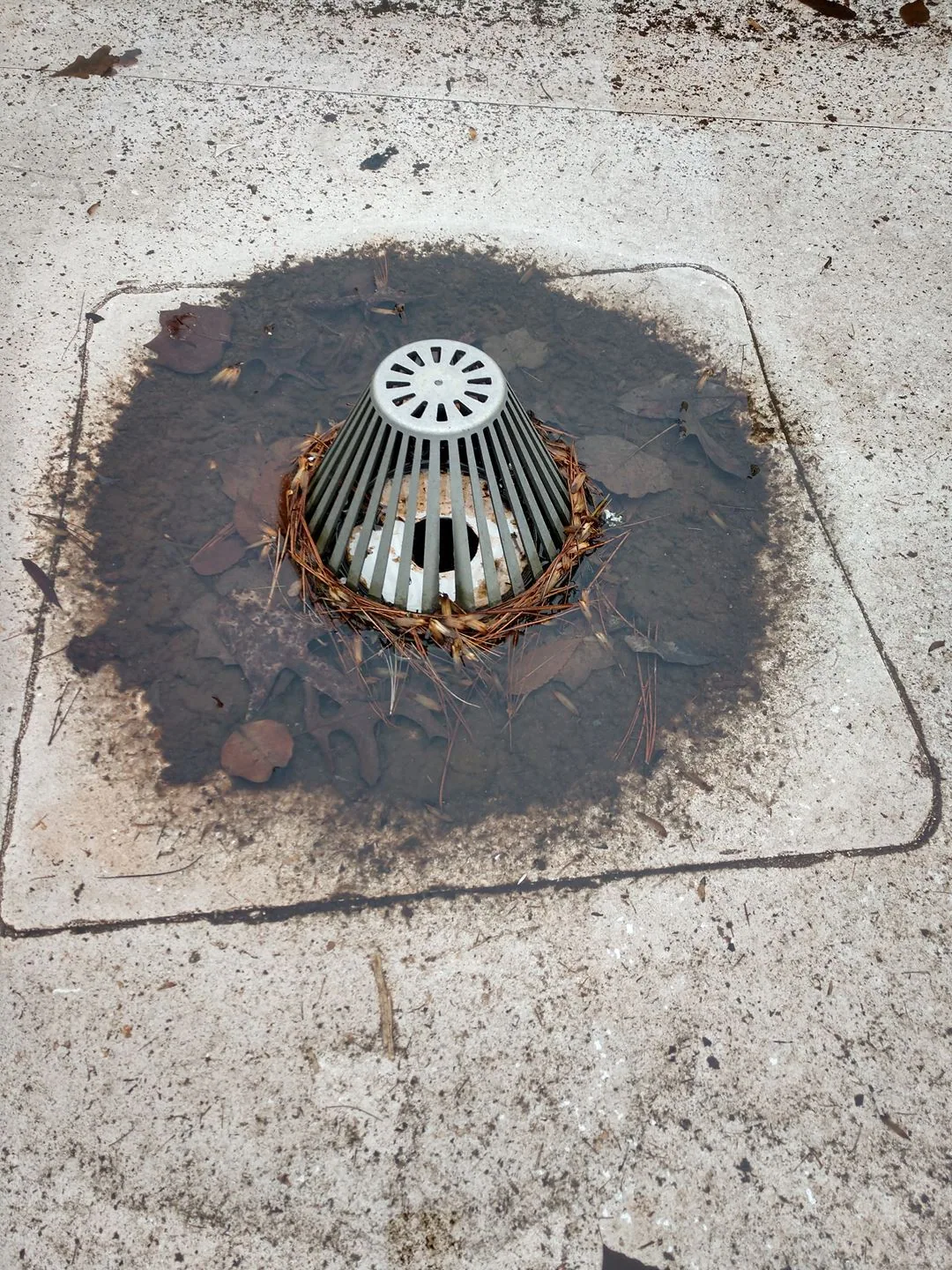
A roof penetration can leak because water stands nearby, even when the curb flashing appears intact. We inspect low points, drain bowls, scuppers, crickets, and membrane laps in the area around the opening. The report marks where runoff reaches the detail and whether debris or a raised support diverts it. That path helps set the repair boundary.
We check the curb flashing and the drain separately to identify whether a membrane opening or outlet restriction needs repair. A drain and scupper check can be added when water flow needs correction. If the penetration itself is open, a repair scope names its flashing and tie-in separately.
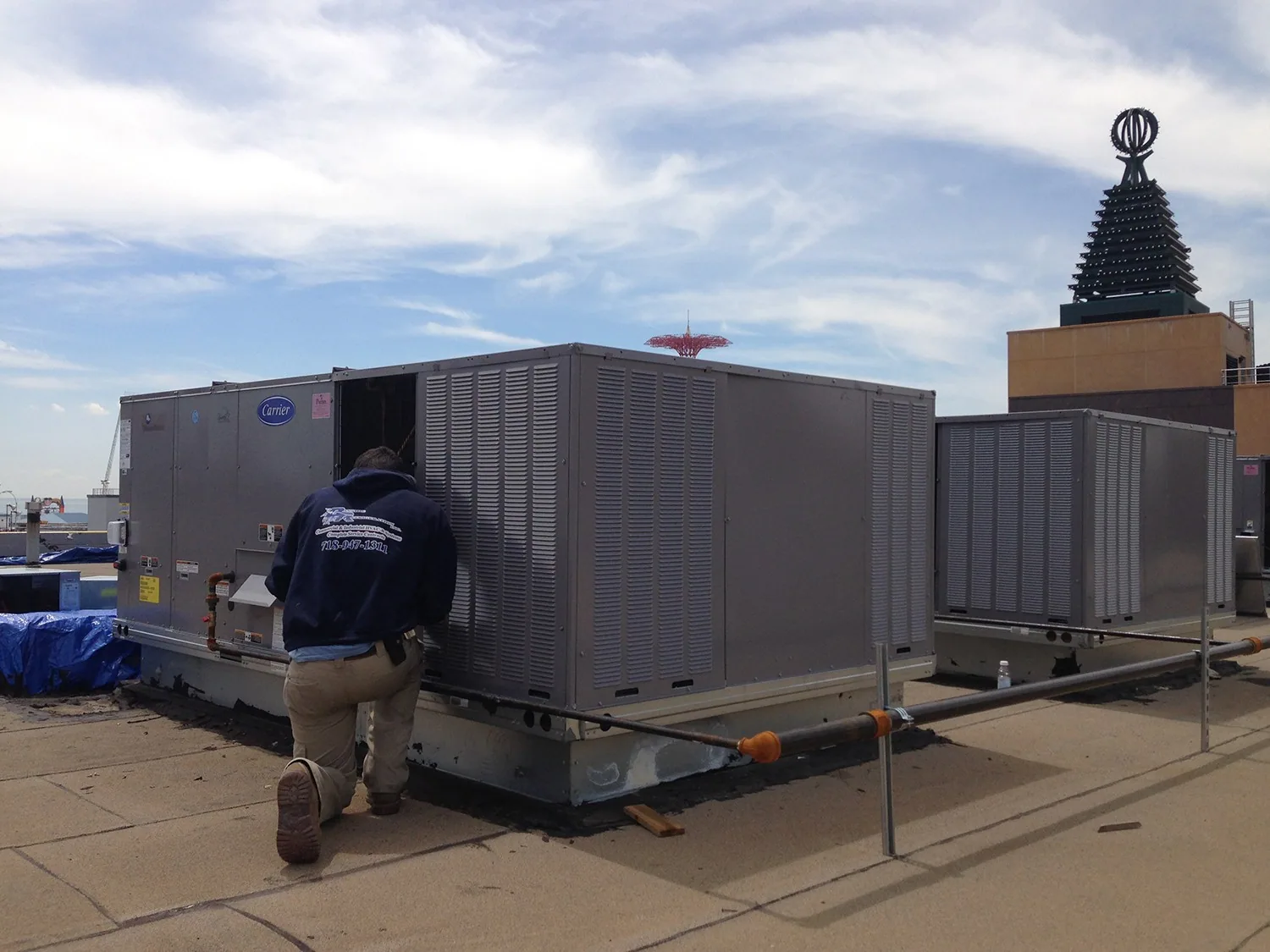
Some openings sit beside powered equipment, exhaust, or a service walkway. We confirm shutdown authority, roof entry, and any escort or tenant notice before work. If a mechanical contractor must move equipment, we coordinate the roof opening and temporary protection with that schedule. The work plan states which trade disconnects and reconnects the unit so the roof crew does not disturb live equipment.
Before removing flashing, we confirm whether the unit can remain in service or requires a scheduled shutdown. The building contact identifies tenants below, ventilation needs, and any work that would interfere with roof access. We stage a temporary cover and replacement detail in the same work window when possible. If another trade must move the unit, the roofing schedule names the handoff point and who confirms the curb is ready.
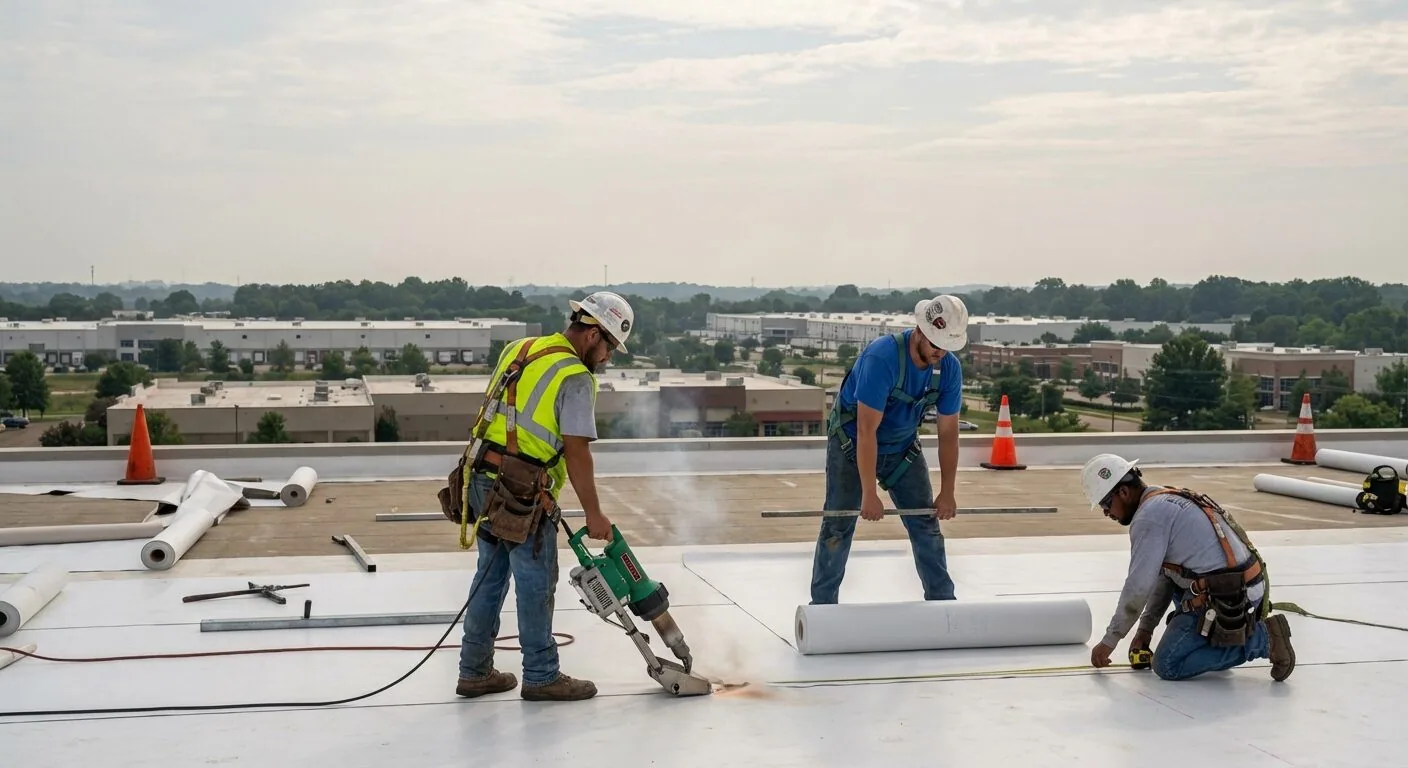
The site contact identifies a safe staging area and any route that must stay clear before a lift or material delivery is scheduled. We stage materials near the work only after access is approved. Each shift closes the exposed curb with a secure temporary boundary or completed flashing, then the crew records what remains for the next window.
The closeout file records opening type, curb sides repaired, flashing material, photographs, and any concealed condition exposed during work. It notes whether the skylight or equipment unit needs a separate inspection. The owner can use those details to compare a later leak report with the exact transition completed.
If a stain reappears after rain, the owner can compare its interior location with the roof-zone photo and note whether the same curb or lap is involved. That helps identify a recurring detail without assuming every water mark has the same entry point. A new inspection can then focus on the transition and adjacent drainage.
A roof-opening record stays with the property. A return inspection checks the curb corner, lap, support, and nearby drain. A photo-based condition record can group those findings by roof zone. For a separate Bayonne roof review, we map its penetrations independently and preserve its own access details.