Split and Open Seam Repair in Jersey City, NJ
Repair open, split and lifted roof seams in Jersey City: probe the lap, find the cause, and document each reseal with photographs and test results.
Repair open, split and lifted roof seams in Jersey City: probe the lap, find the cause, and document each reseal with photographs and test results.
Seams are the one part of a single-ply roof that is made by hand on the roof itself, and that is why they are the part most likely to be questioned. A factory sheet arrives uniform. A seam is welded or glued in whatever weather the crew had that day. In Jersey City, NJ, where rain can arrive from the coast with little warning, the seam is also the line that decides whether a storm stays outside. We find open seams by probing, mark them on a roof diagram and repair them in an order that keeps water out of the building while the work goes.
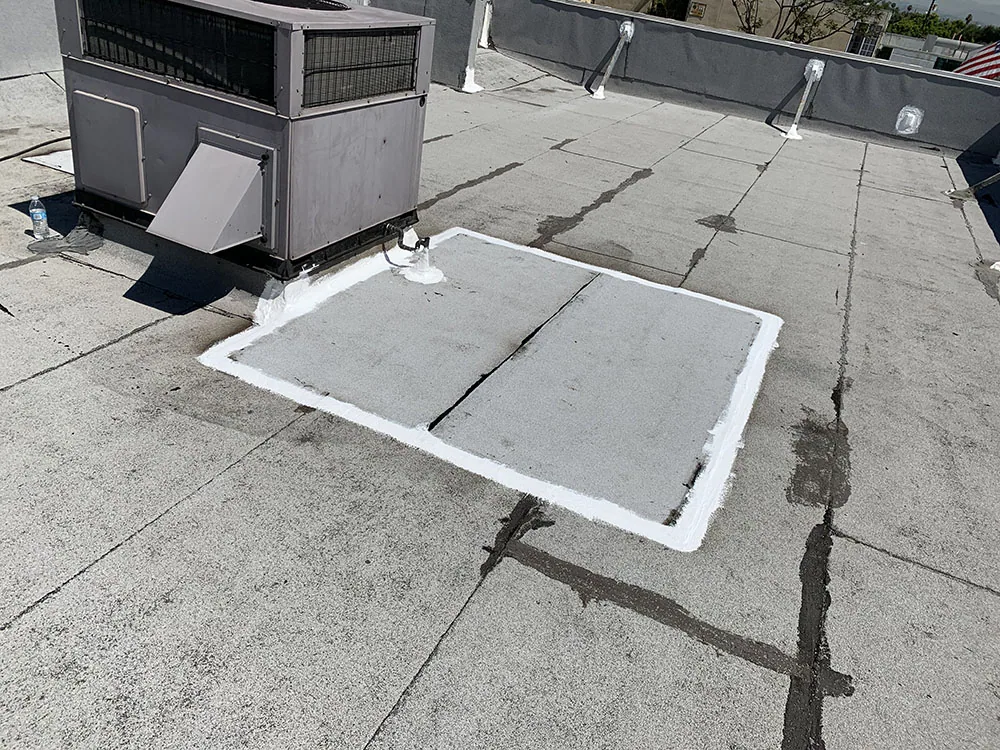
A seam that has split rarely appears as a clean gap. It shows as a lifted edge, a wrinkle along the lap, a thin line of dirt, or a dark stain inside the building after rain. We follow each of those signs back to the lap and test it.
Seam inspection is tactile. We run a blunt probe along every lap, press at the edge, and listen for the sound of a weld that has not fused. A good weld resists the probe. An open one lets the tip slide in. We mark each failure on a roof diagram with a distance from a fixed point, and we photograph it with a scale.
We also look at the pattern. A single open seam suggests a local defect, such as a dirty weld. A run of open seams on the same line suggests a crew problem or a mechanical issue, such as fasteners pulling out along a rail. Open seams in the cold season, when the membrane contracts, tell another story. The pattern points to the cause.
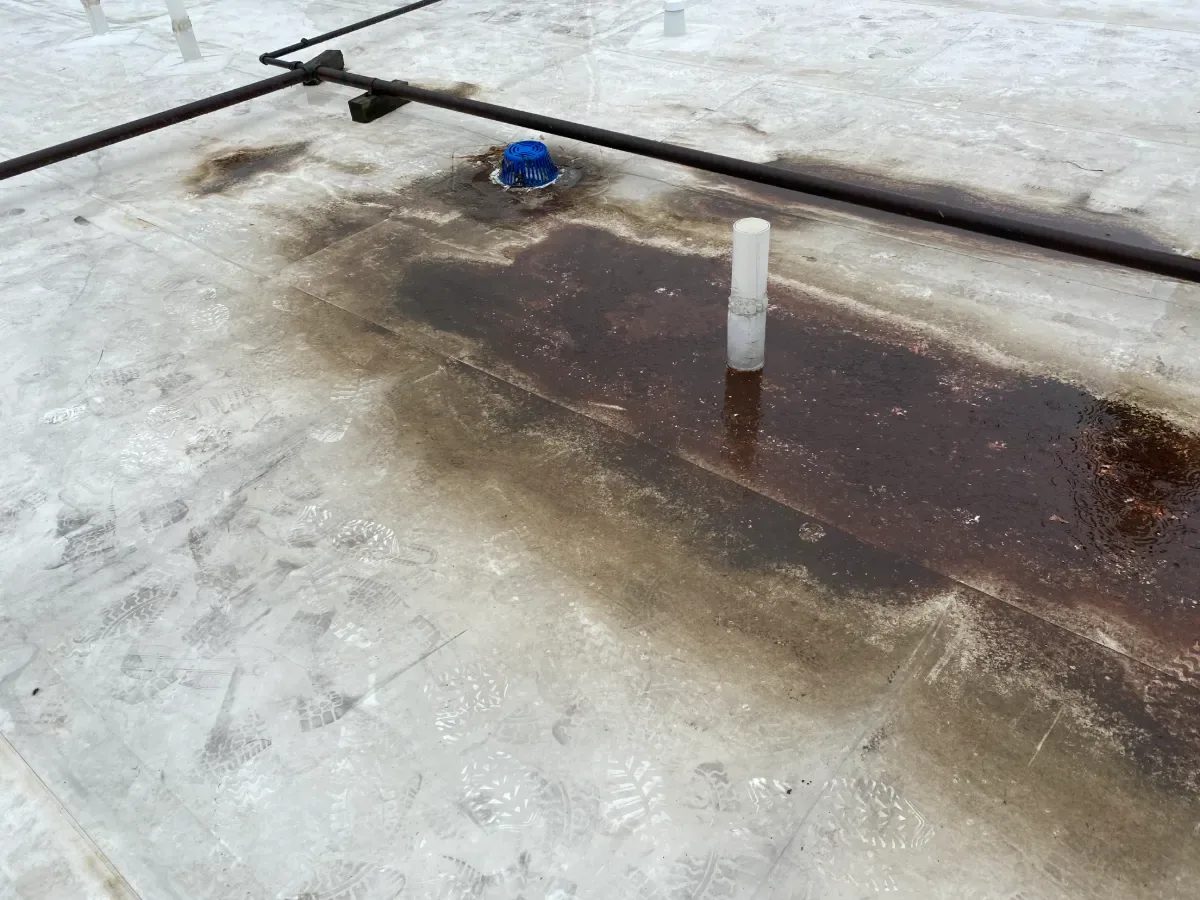
Where water has entered, a leak trace connects the interior stain to the seam. Moisture can travel along the deck before it drips, so the roof opening is not always above the stain. We use moisture scanning when the path is unclear, and then core to confirm.
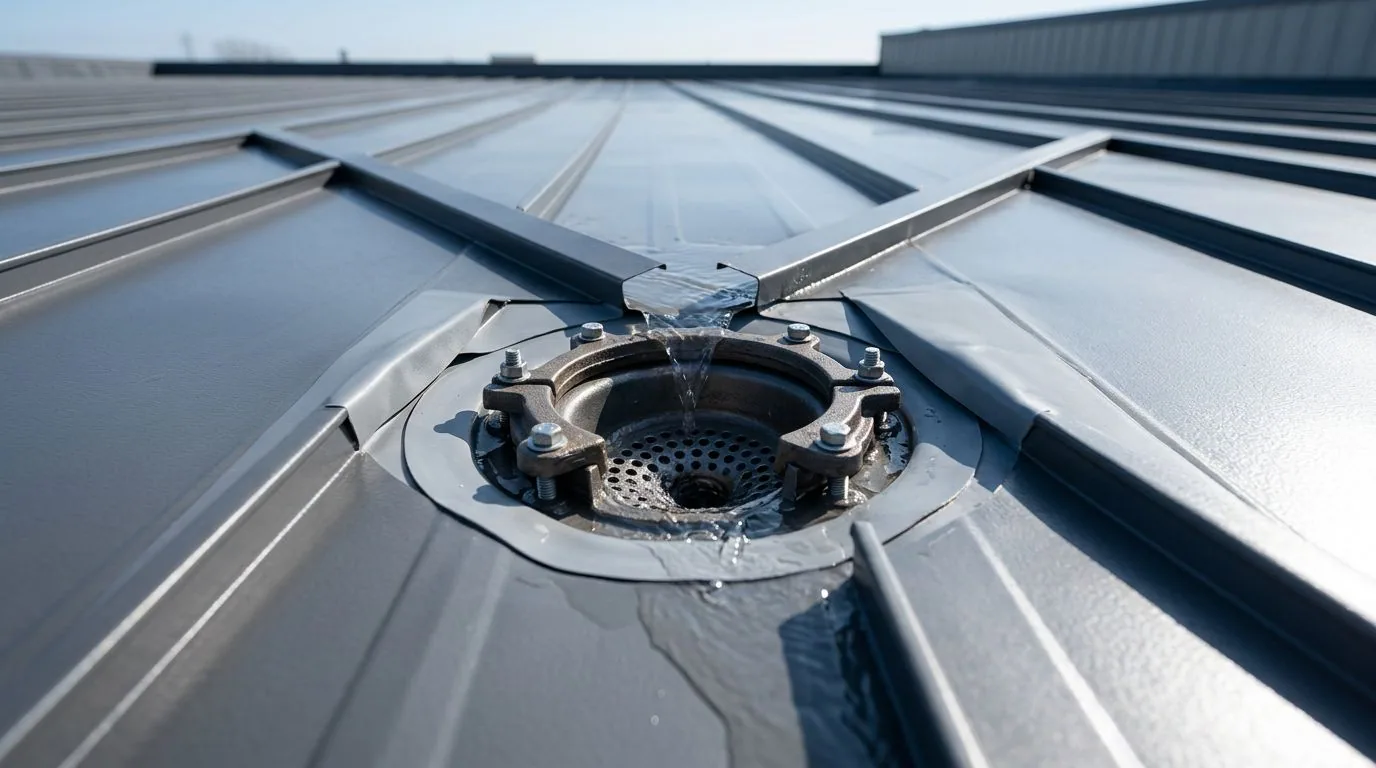
Edges and corners get extra attention. Seams that cross a flashing, run into a drain sump or meet a wall are the places where three layers overlap, and the weld there is hardest to make. We check each junction and often find the open spot where a T-joint was not covered.
Tell us which roof leaks after rain and how to reach it. We will probe the laps, map the failures and repair them with tested welds or bonds.
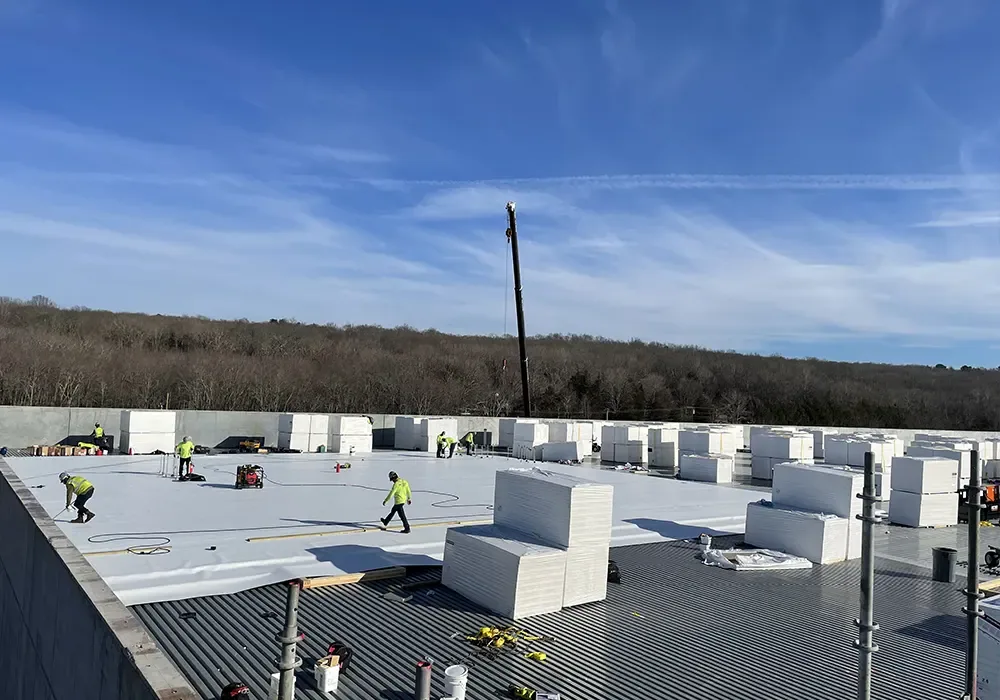
Each membrane has its own seam. Thermoplastic sheets such as TPO and PVC are heat-welded, and a good weld fuses the two layers into one. Rubber sheets such as EPDM use tape or adhesive at the seam, and the bond depends on clean, primed surfaces. Modified bitumen uses heat or adhesive to bond overlapped sheets and the laps are checked for voids. Built-up roofs have no seams in the same sense, but their felts can open at laps.
These differences control the repair. A thermoplastic seam is rewelded after cleaning, with a cover strip when the lap is too narrow. A rubber seam is cleaned, primed and re-taped, or a splice cover is added. A bitumen lap is reheated and pressed or patched with a compatible sheet. Using the wrong method on the wrong membrane leaves a repair that looks fine and fails in the first season.
Age matters as well. A membrane that has hardened may not weld cleanly, because the surface has lost the plasticizers that let it flow. In that case, we test a small weld first, and we recommend a cover strip or a larger patch if the test fails.
The repair depends on seam condition and membrane age. A clean lap with a small void can be rewelded or re-adhered. A wider failure needs a cover strip: a piece of membrane welded over the seam on both sides. A badly aged membrane may not accept either, and the section is cut out and replaced.
We test every repair. Welded seams are probed and visually checked, and for important roofs we use a pressure or vacuum test where practical. Failed tests are redone. The owner gets a map of repairs and the test results.
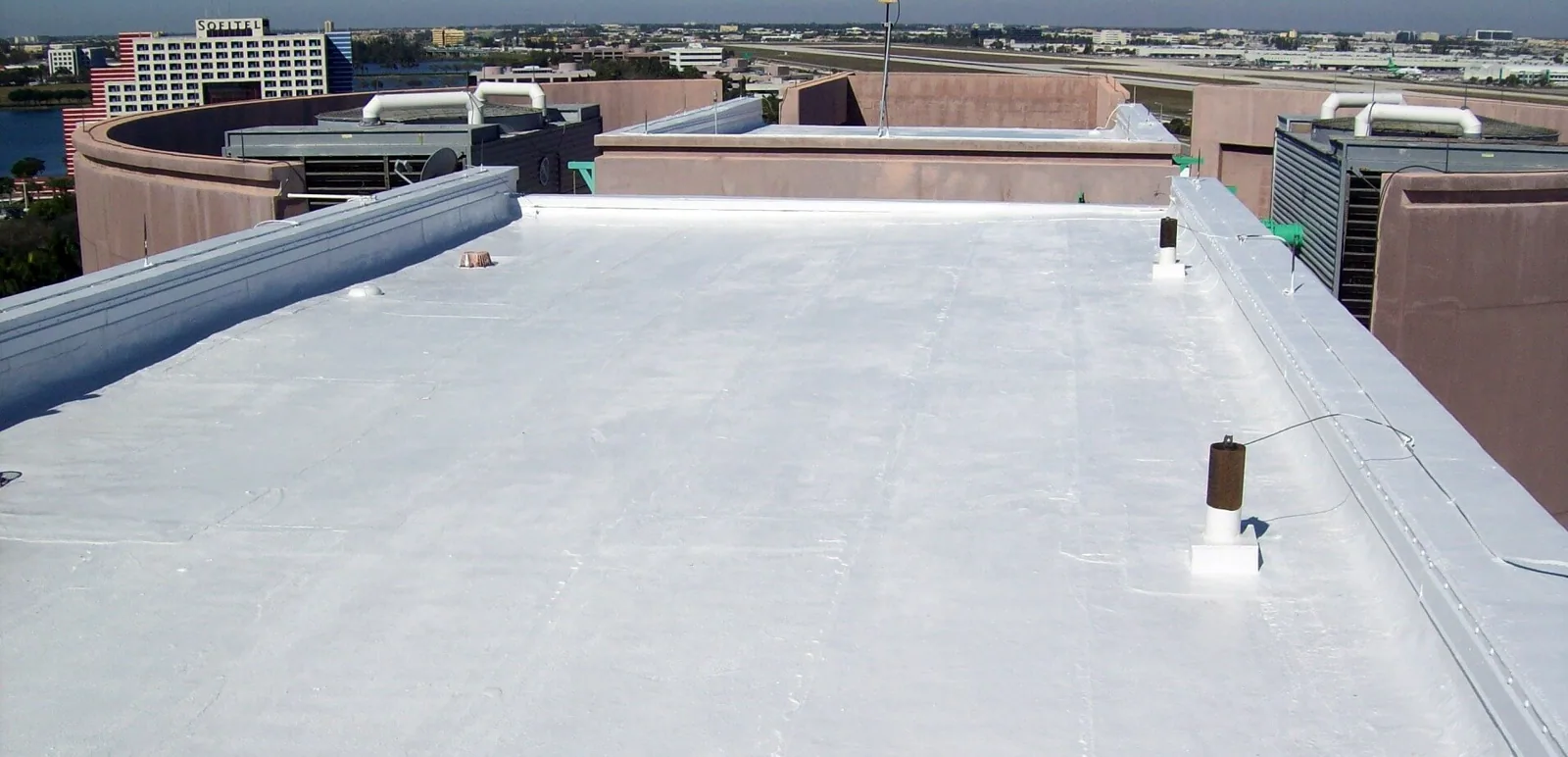
If open seams are widespread, patching becomes expensive and the roof is telling a larger story. We then compare the cost of repeated repairs with a recover or replacement. A membrane with many failing seams is often near the end of its life, and the better money may go to a new surface. We show the comparison, and the owner chooses.
Weather limits the choice of repair method. Heat welding needs dry surfaces, and adhesives need suitable temperatures. If conditions are poor, we place a temporary cover that keeps water out and return when the roof can accept a permanent weld.
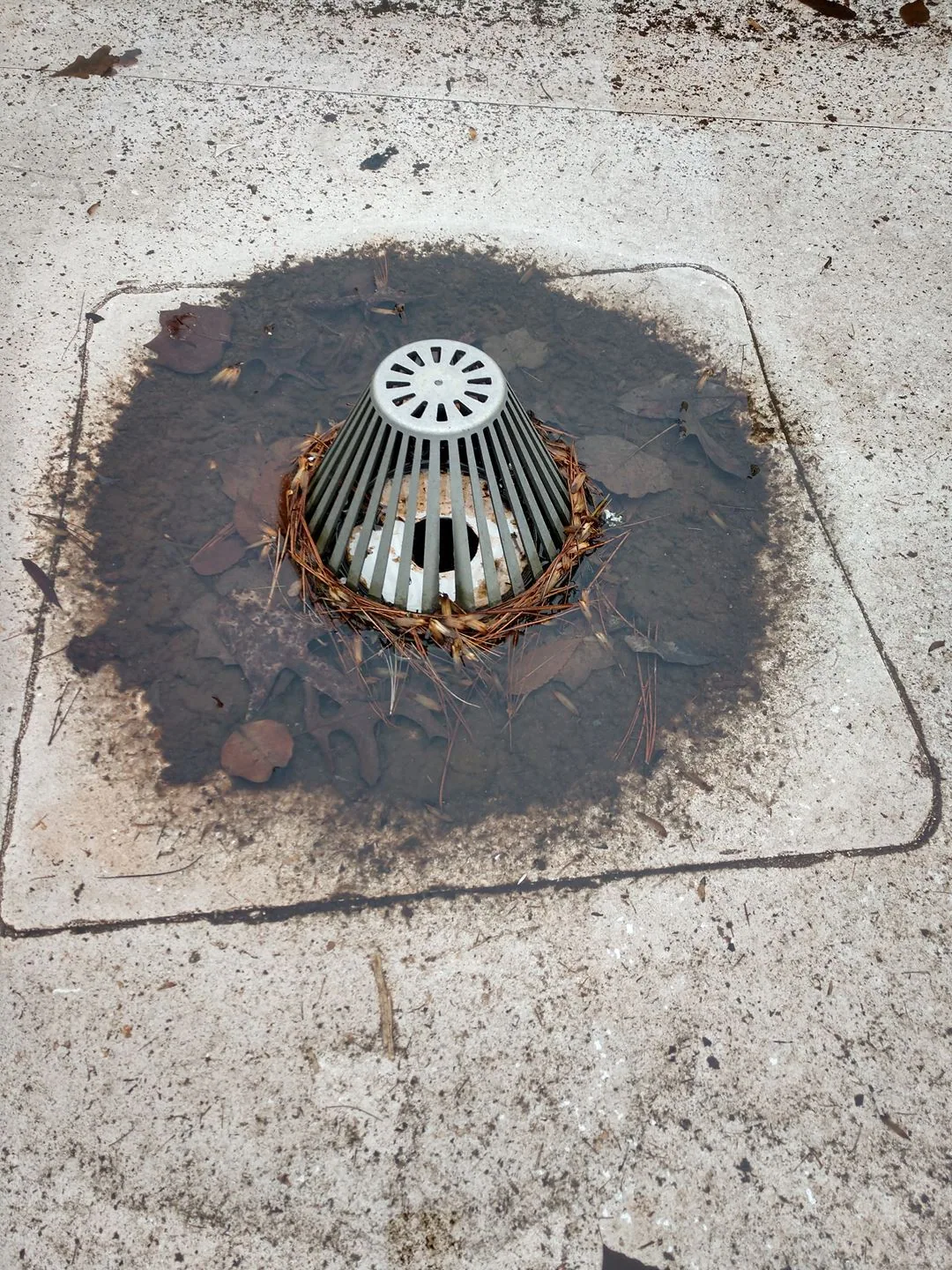
Seams open for reasons the repair should address. Thermal movement pulls laps apart at changes in plane. Ponding water keeps seams wet and under stress. Foot traffic around equipment abrades the lap. Poor welding during installation leaves cold welds. Debris trapped in the seam prevents fusion. Heat and UV age the membrane and make it brittle.
Jersey City describes itself as a coastal community vulnerable to climate impacts. Repeated heating and cooling stress every seam, so we check each lap for movement and loss of bond. We check for the causes and fix what we can: add walk pads where traffic is heavy, clear drains to stop ponding, and plan for heat and UV wear when the membrane is aging.
We give the owner a seam map: each repair located on the diagram, with the method, the date and the test result. The file shows which seams were repaired, which passed inspection and which are being watched. A follow-up check after the first heavy rain verifies that the roof is dry.
Maintenance visits then include a short seam probe in the most stressed areas. Owners with multiple roofs can build this into a multi-site program. Buildings in Kearny or Hoboken can follow the same schedule. For roofs where flashing details also show distress, the flashing repair work is done in the same visit.