Roofing Support for Insurance Adjusters and Restoration in Jersey City, NJ
Roof damage documentation, emergency dry-in and permanent repair for Jersey City insurance adjusters and restoration contractors, with photo-based records.

Roof damage documentation, emergency dry-in and permanent repair for Jersey City insurance adjusters and restoration contractors, with photo-based records.
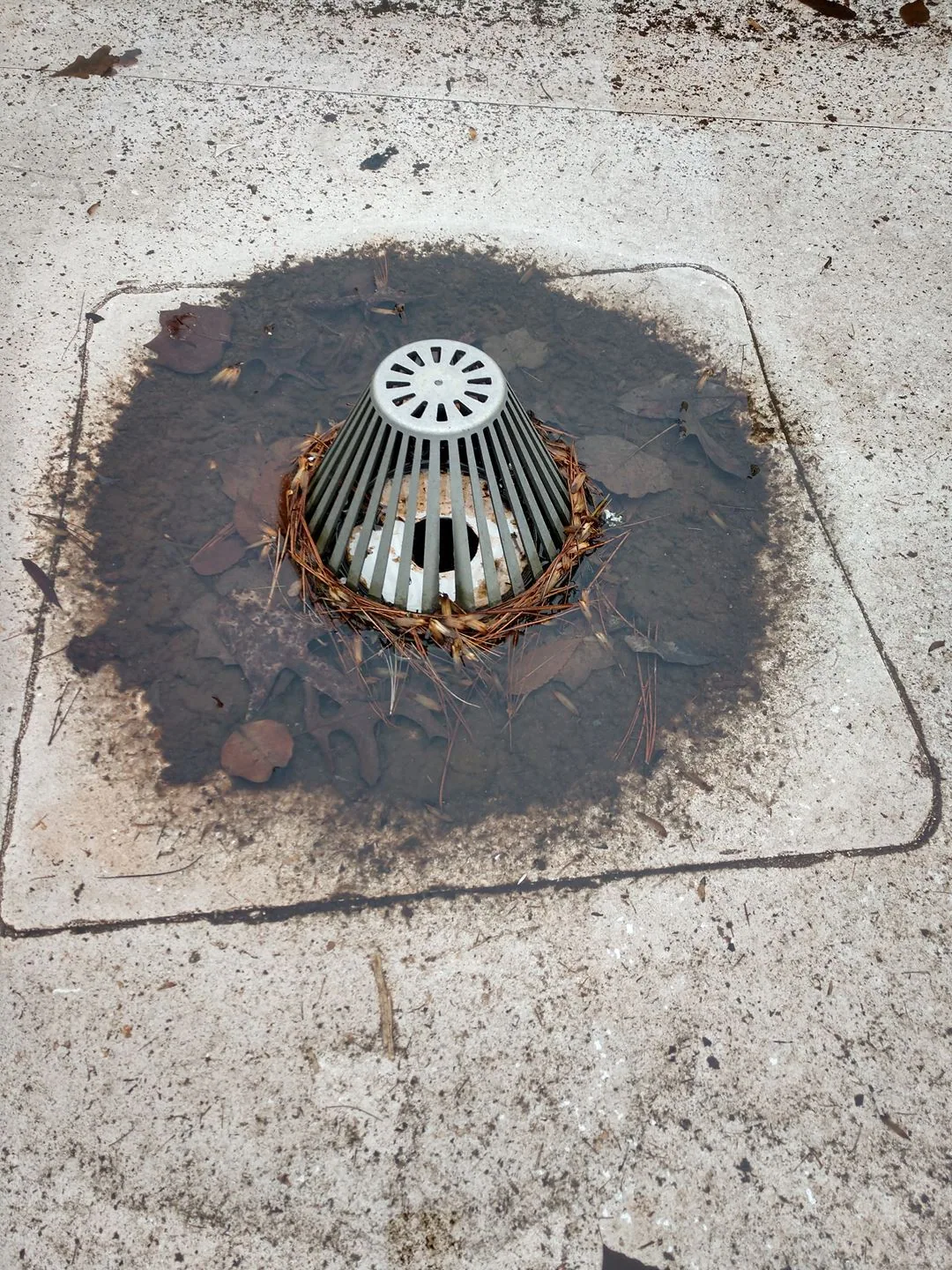
A claim file is only as useful as the roof evidence inside it. An adjuster or restoration contractor handling a Jersey City, NJ, loss needs to know what the roof looked like before the event, what the event did to it, and what the repair has to restore. We document the three in order: the pre-existing wear, the new damage, and the scope that fixes the new damage without paying for old wear. Photographs, roof-zone labels and measurements form the record, and the record stays neutral. Our job is to describe the roof, not to argue a coverage position.
During Irene and Sandy, Jersey City saw severe flooding, damaged property, and power outages. In a dense urban area, one storm can touch many buildings at once, so the first records on each roof matter.
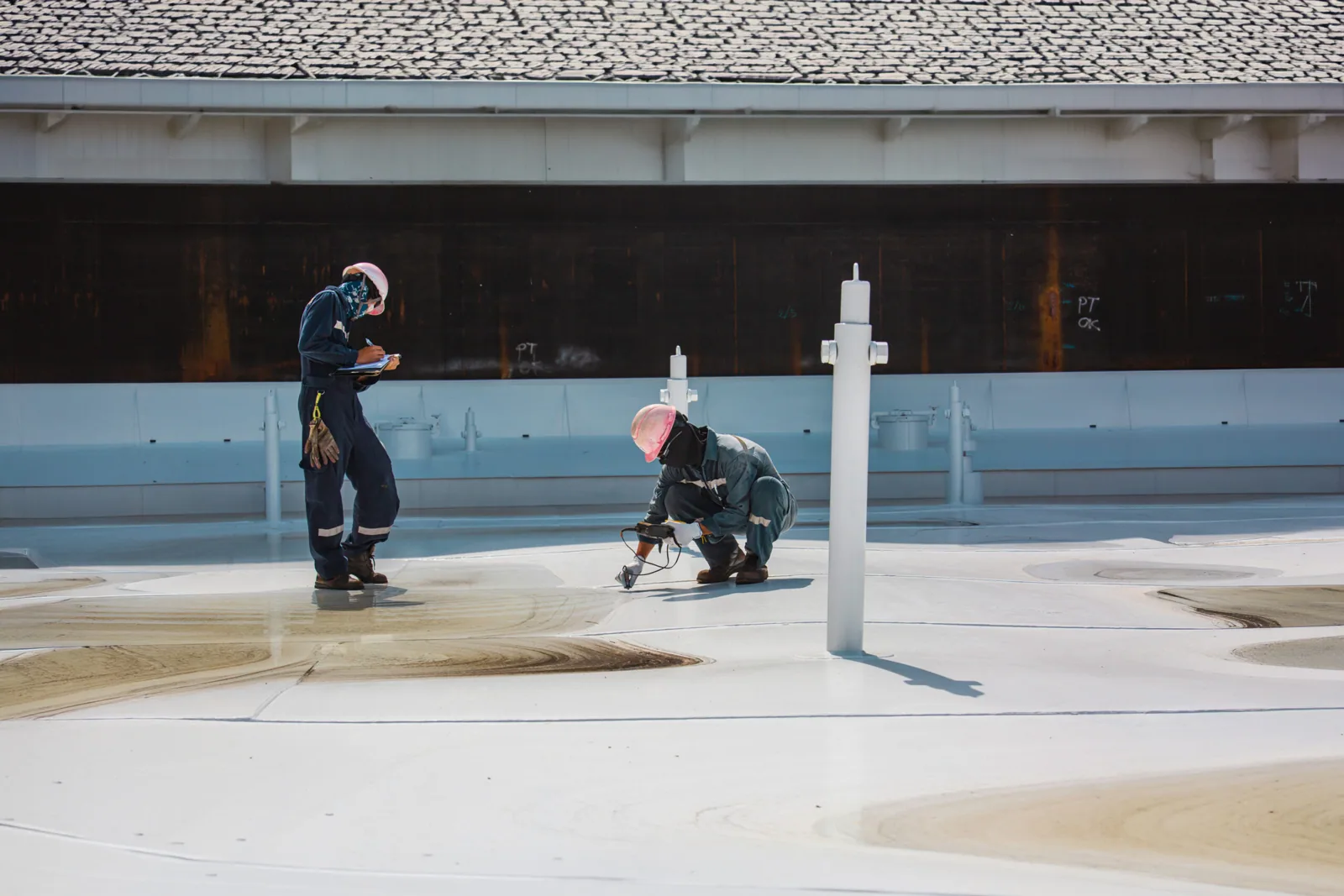
The documentation walk goes zone by zone. We photograph the field, seams, edges, penetrations, drains and equipment, and mark each image on a roof diagram. Wide shots give context, close shots show the damage, and measured shots give scale. We note weather conditions on the day, and we record whether the surface was wet or dry.
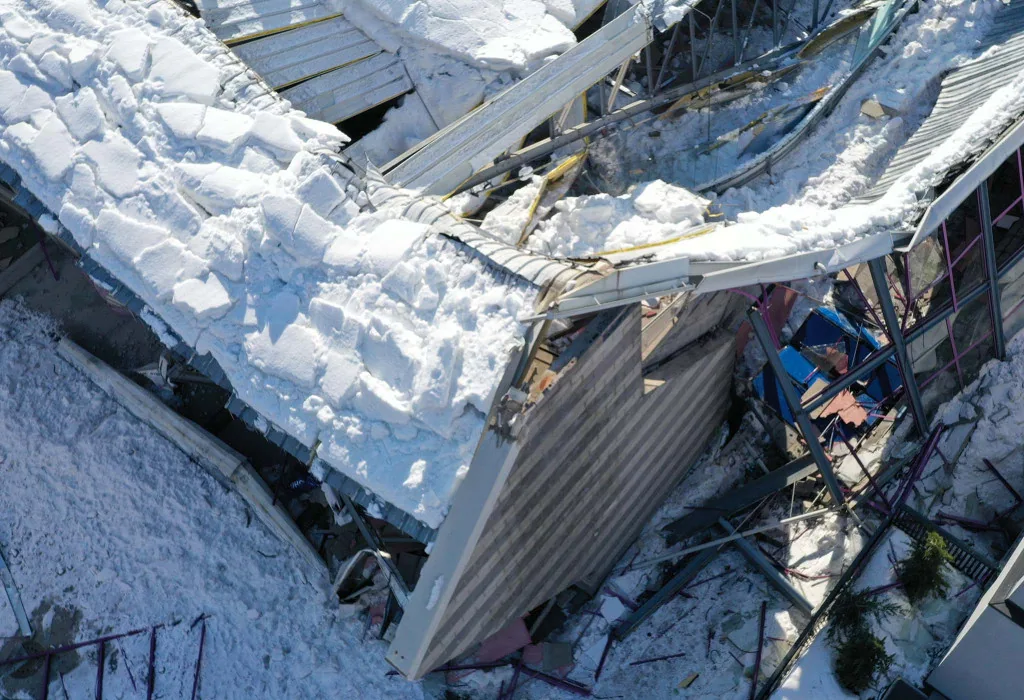
Separating storm damage from wear is the key task. A torn membrane with clean edges and debris nearby looks different from a seam that opened through age. A lifted flashing with fresh scrape marks tells a different story from one lined with old sealant. We describe what we see and let the photographs speak.
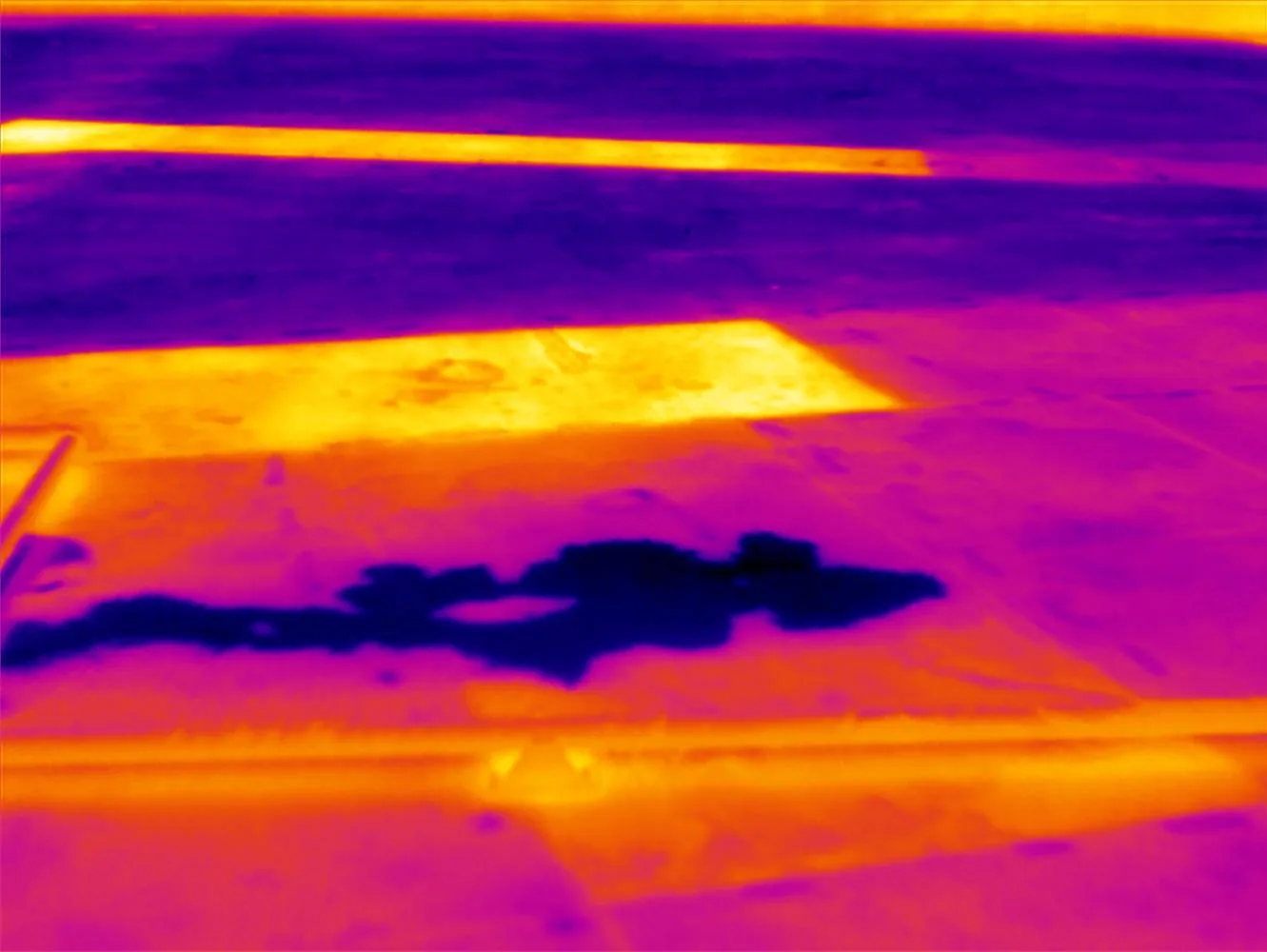
Where moisture may have spread, an infrared moisture survey maps wet areas, and cores confirm what the scan suggests. That prevents a claim from covering only what is visible while the insulation stays wet. The survey also guards against paying for areas that are dry.
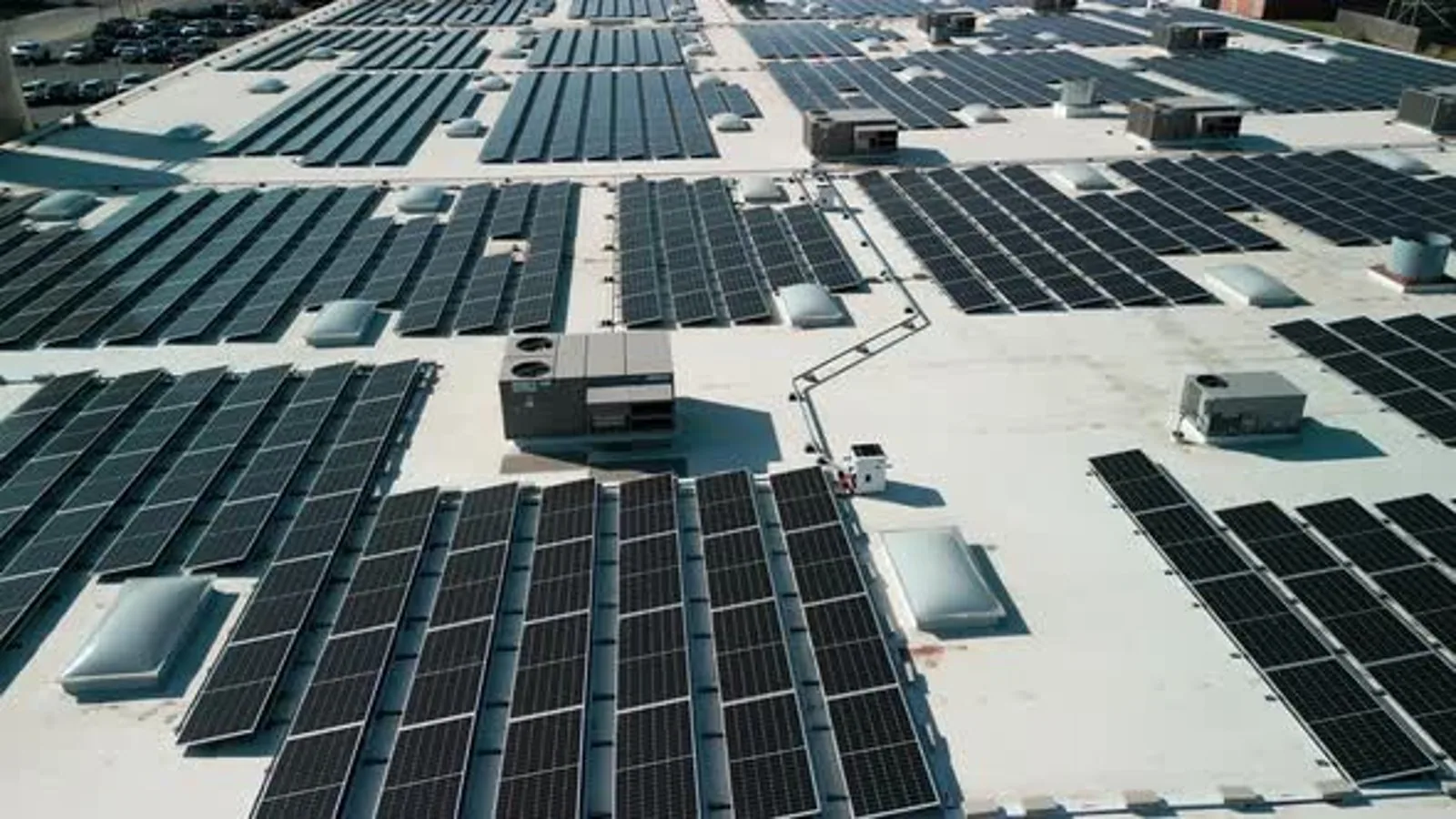
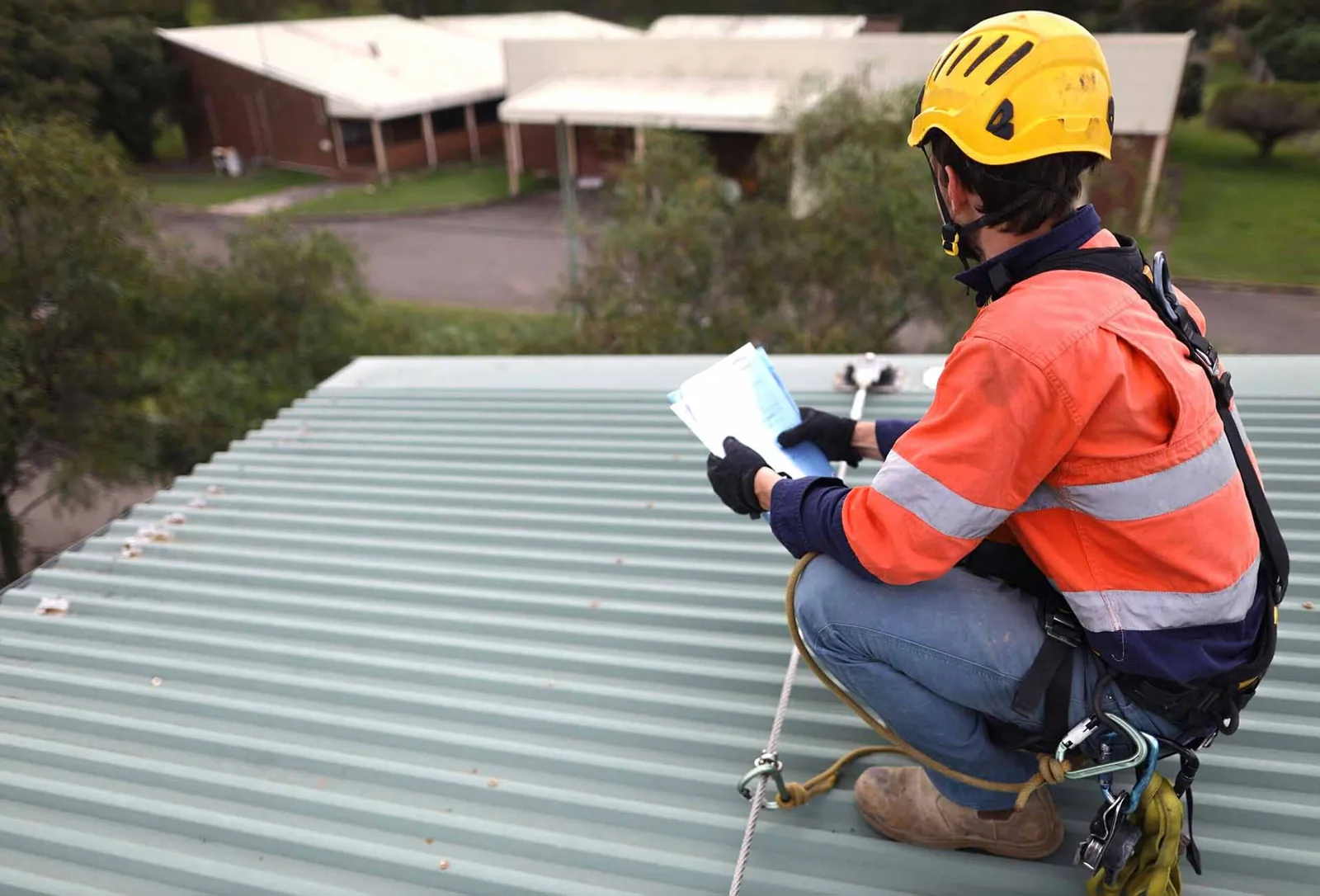
Access for the adjuster is part of the visit. We arrange the roof hatch, fall protection and an escort so the adjuster can see the same conditions we photographed. If the adjuster prefers a drone pass for steep or fragile areas, a drone roof inspection gives overhead views without anyone stepping on a damaged surface.
Send the claim address, the date of loss and the access contact. We will walk the roof, document the damage by zone, and return a neutral written scope.
A damaged roof can keep letting water in until the opening is protected. Temporary work can include a tarp, patch, or seal, subject to safe access and site conditions. We photograph the affected area and record the materials used.
The dry-in is documented as carefully as the damage. We record the date, the materials, the area covered and the conditions. Receipts and photographs go into the file, which supports the mitigation line of the claim. The temporary work is designed to hold until the permanent repair, and we say how long we expect it to last.
Interior protection matters, too. If water has entered, we advise the restoration contractor where it came from so that drying and removal start at the right place. Our emergency roof repair response is built for that kind of handoff.
Once the documentation is done, we prepare a written scope and estimate that separate storm damage from other conditions. The scope lists each item of work, the area, the system and any code or manufacturer requirements. An adjuster comparing it with their own estimate can see where the two agree and where they differ.
We explain differences in terms of the roof. If a patch would not match the existing membrane, or if the adjacent area cannot hold a new repair, we say so and show why. If a section can be repaired economically, we price the repair. Where the damage is widespread, a larger scope may be appropriate. The goal is a repair that lasts, not one that merely satisfies the paperwork.
Permanent work follows approval. Jersey City has a Stormwater Control Ordinance and a Flood Overlay Map. New construction, major renovations, and changes in building use require a certificate of occupancy, so we identify those review items when a roof project is part of a larger renovation. A good storm damage repair scope accounts for them.
Timing works against everyone after a storm. Materials back up, crews are in demand and weather windows close. We give the adjuster and the owner a realistic start date and tell them which tasks can be done in the meantime, so the building is protected while the claim moves.
Hidden damage appears once demolition begins. A wet layer of insulation, a rusted deck or a rotted curb may not show on the surface. We photograph and measure these findings as they are exposed, and we submit supplemental documentation promptly. The earlier the adjuster sees the evidence, the faster the supplement moves.
For owners filing a claim, our claim documentation support organizes the photographs, the scope and the timeline in a form the carrier can read. We do not set coverage and we do not promise outcomes. We supply facts.
Restoration contractors who handle interior work often need roof data to schedule drying equipment and finish trades. We share the roof status daily, so they know when the building is dry and when it is not. That coordination keeps interior costs down.
When the repair is complete, the carrier receives a closeout file: before and after photographs, a diagram of the repaired area, product data and any warranty paperwork. The owner receives a copy, and the file stays available for future claims.
A good record also helps with the next event. A roof condition report taken before a storm gives the next adjuster a baseline, and regular maintenance visits keep that baseline current. Owners who work with a property management company can ask that firm to hold the file, and nearby buildings in Hoboken or Bayonne can be set up in the same format. Contractors on larger rebuilds, such as general contractors, can use the same file to match the repair to the original assembly.