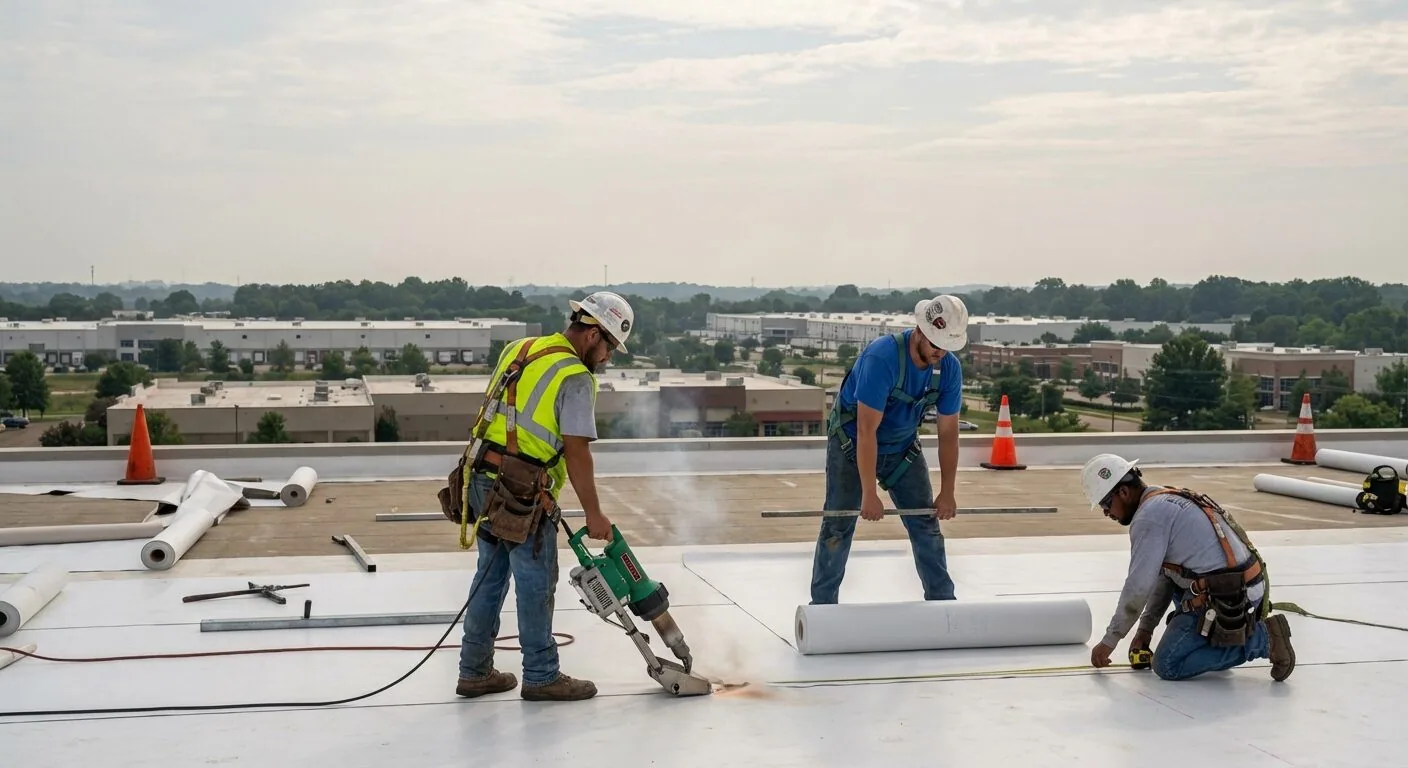
Commercial Roof Insurance Claim Assistance in Jersey City, NJ
Prepare a Jersey City roof claim file with dated photos, damage locations, a defined repair estimate, and closeout records for completed work.
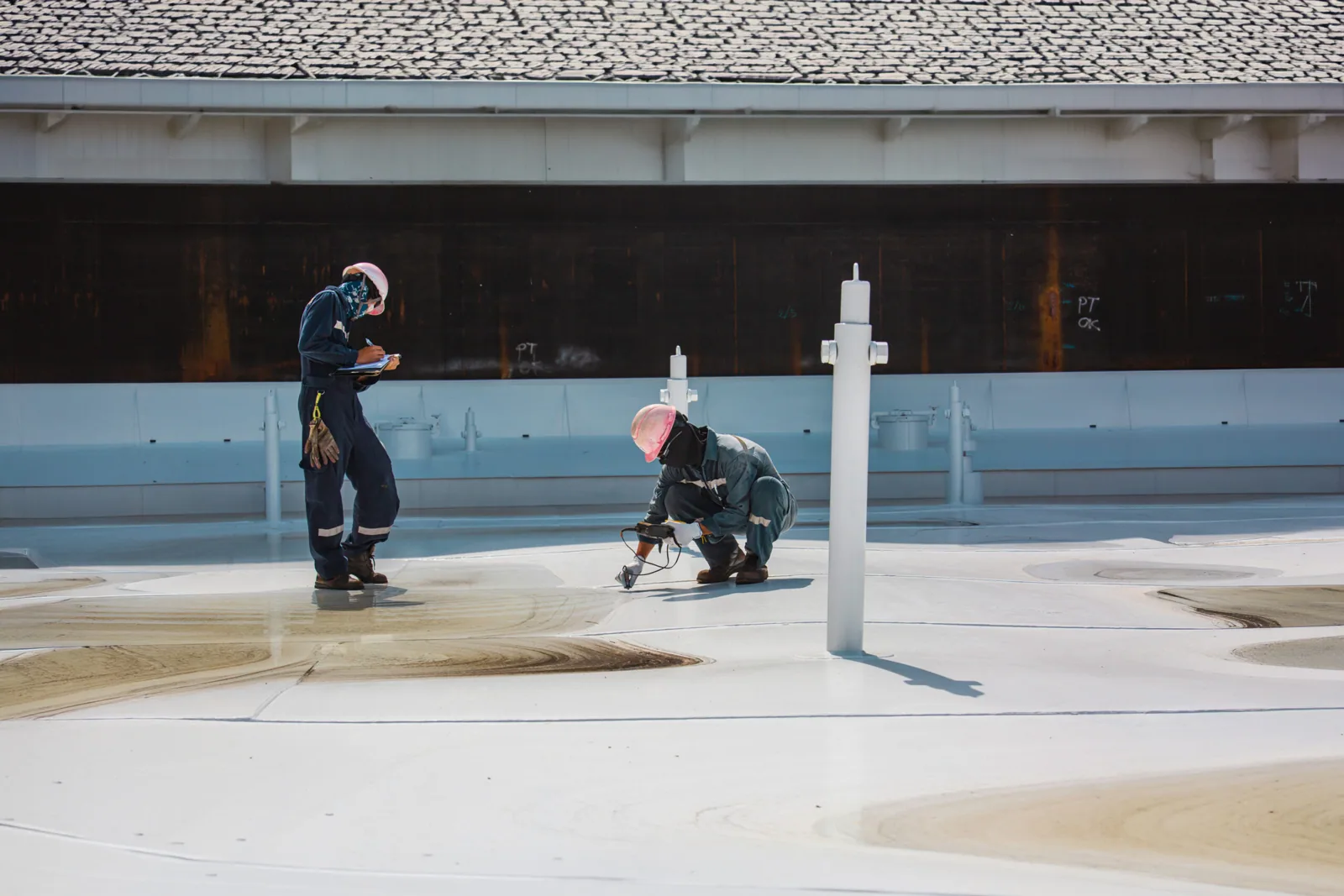
Prepare a Jersey City roof claim file with dated photos, damage locations, a defined repair estimate, and closeout records for completed work.
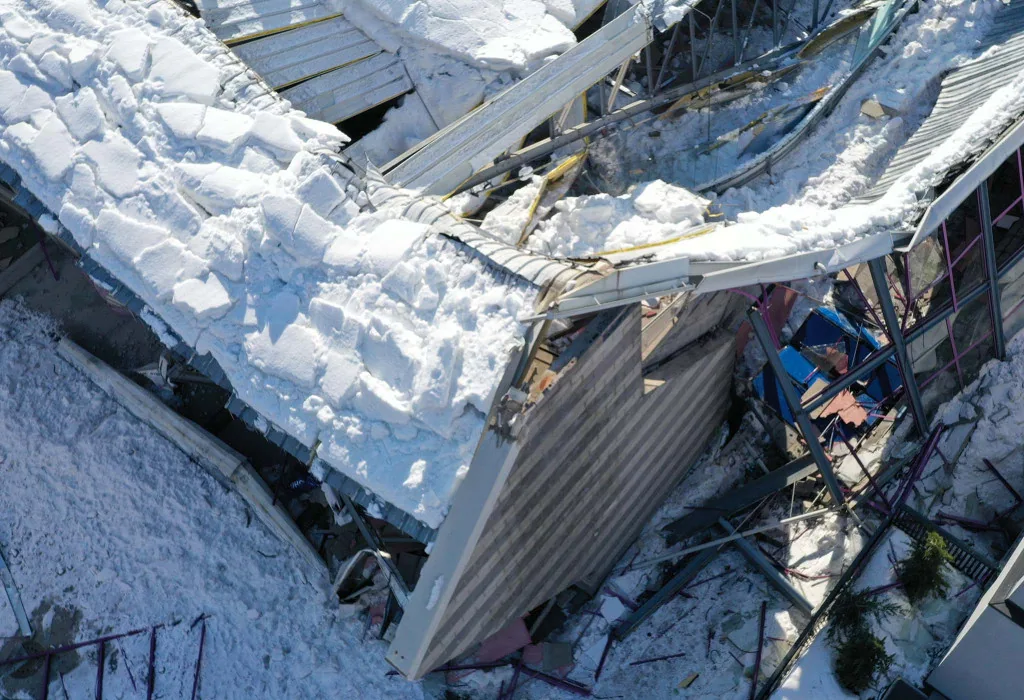
A roof claim file needs the observed damage, a repair scope, and a record of what the crew completed. In Jersey City, we inspect the affected roof zones, photograph details, and separate storm damage from wear visible before the event. The owner receives documentation tied to the building, not a conclusion about policy coverage. A storm-damage roof inspection can establish the roof work that may be required.
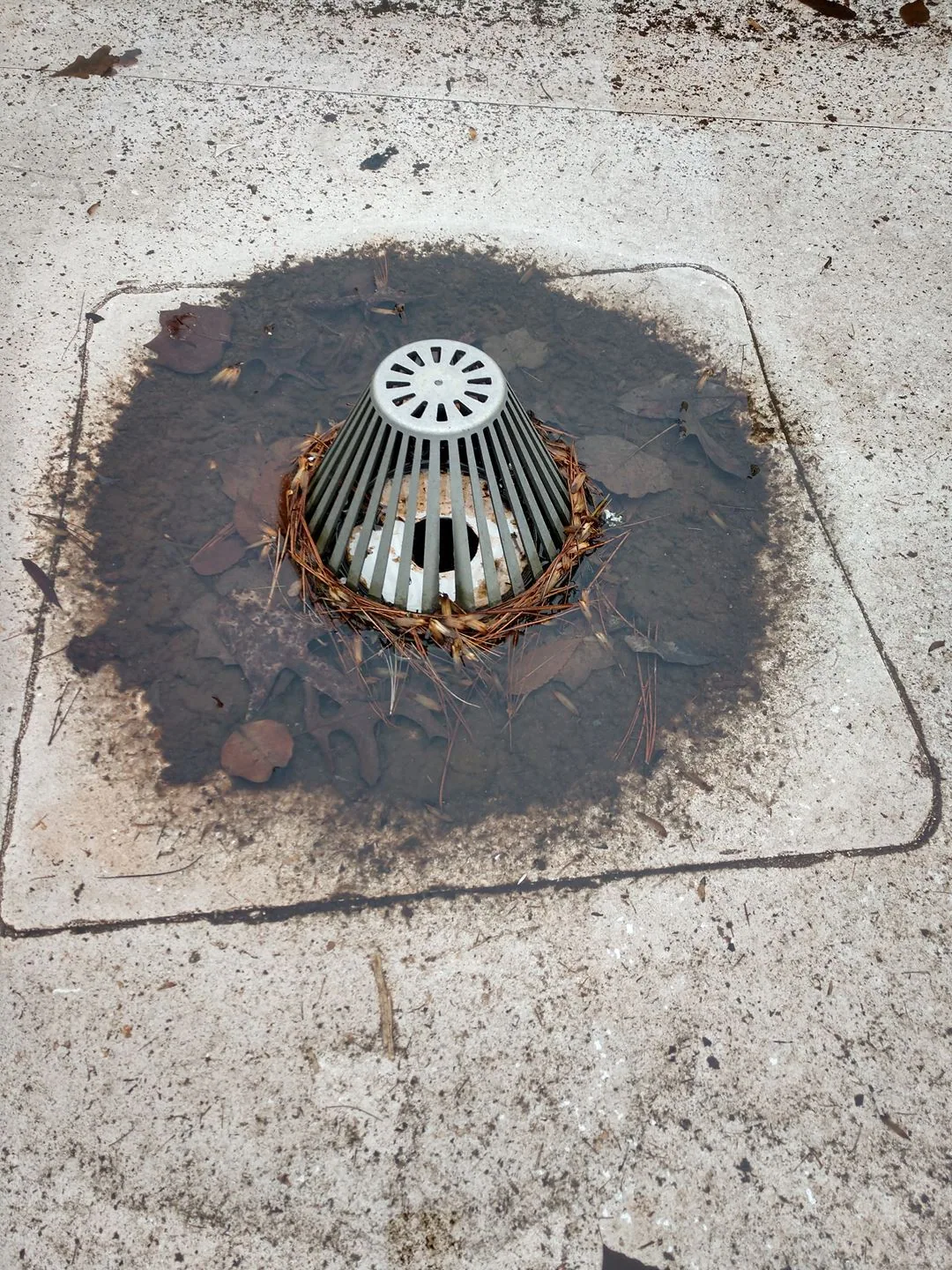
Jersey City has a history of severe flooding, outages, and property damage from Irene and Sandy. Stormwater loading on the combined sewer system also makes drainage a relevant roof detail. We record the outlet, membrane, and interior conditions that the inspection can reach. The insurer decides coverage and payment; our file documents roofing conditions and repair costs.
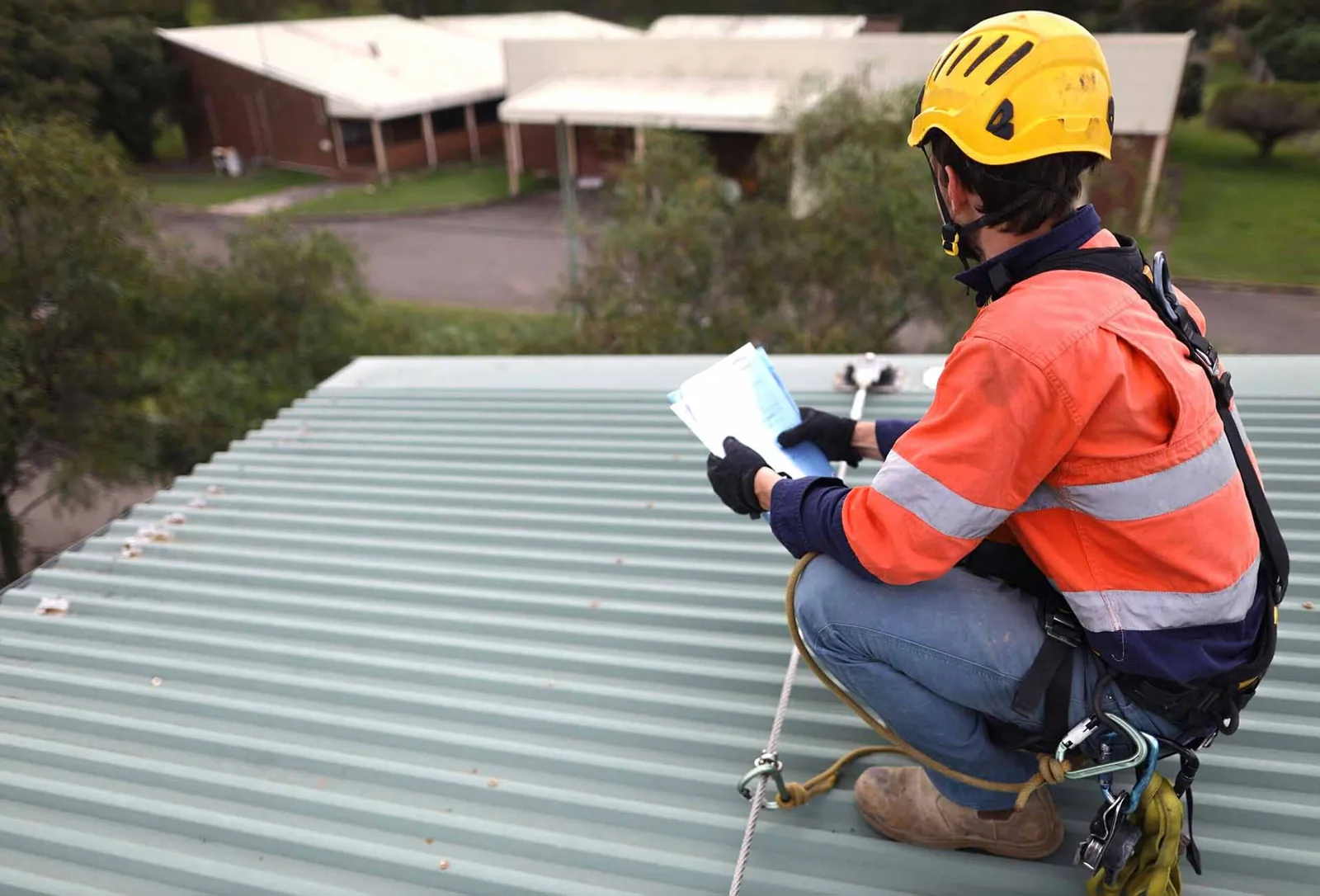
The property contact records when the leak or visible damage began, which areas were affected, and any temporary protection already in place. We add the inspection date, weather observed, access notes, and roof zones photographed. If earlier maintenance records are available, we compare them with current conditions to distinguish an older repair from a new opening. The sequence matters when several reports arrive after one storm.
Jersey City’s large districts include Downtown, Journal Square, Greenville, and Bergen-Lafayette. The event record still belongs to one property. We identify its roof access, membrane type, and work areas rather than using neighborhood context to infer damage. A dated condition report preserves the first inspection and gives the owner a baseline for later repair documentation.
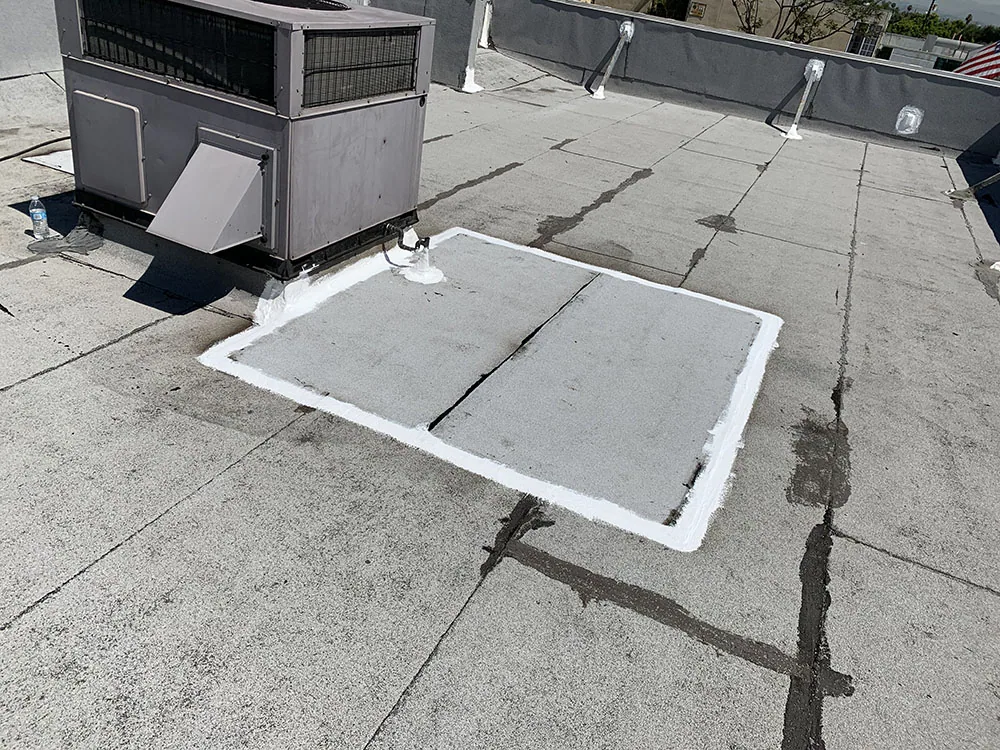
Share the event date, affected zones, and any prior maintenance record. We will inspect the roof, organize photos, and prepare a written repair scope.
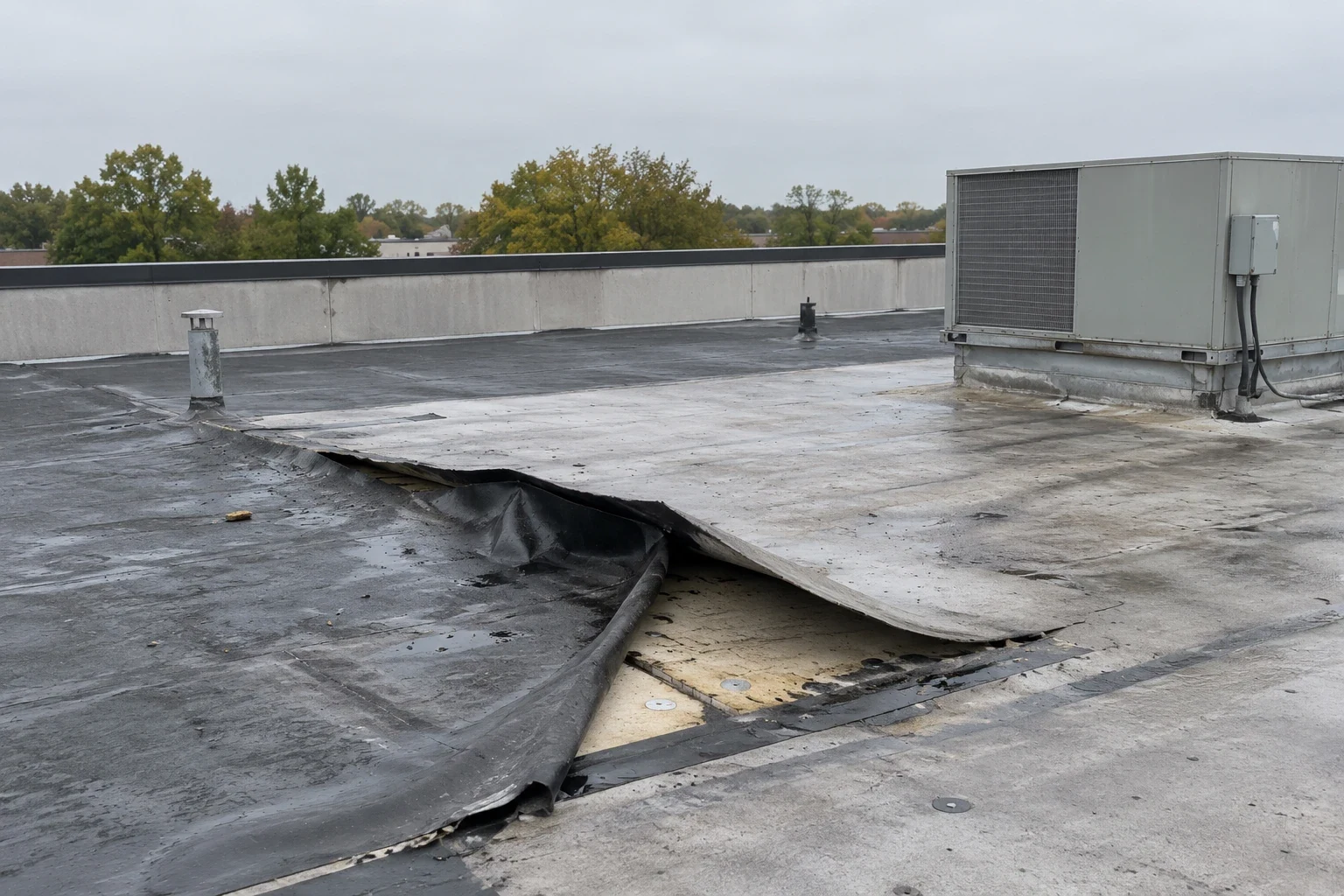
Close images show a split seam, displaced flashing, puncture, lifted edge, or damaged curb. Wider frames show where the condition sits on the roof and how it relates to drains, equipment, and roof zones. We label both views so a reviewer can connect a detailed defect with the building layout. The photo set distinguishes visible damage from a pattern that needs another test.
Where safe access allows, we photograph the membrane, edge metal, wall transitions, and drainage separately. If an area is concealed by equipment or standing water, the file notes the limitation and identifies a follow-up. A single image should not be asked to support more than it shows. The owner can add the emergency stabilization record when the first visit occurred before permanent repair was possible.
The estimate names the labor and materials required to restore the roof detail, including preparation, tie-in, flashing, and any wet material removal visible in the scope. It separates confirmed work from allowances for concealed layers. We identify which roof area is included, what access the crew needs, and what work falls outside the roofing contract. The owner can review a defined scope rather than a general storm-repair label.
At Central Avenue, West Side Avenue, and the Route 440/Culver area, commercial buildings serve different operations. Their roof work still follows the actual membrane and observed damage. We price the repair based on access, material, and protection needs. If the damaged zone is broad, a replacement comparison can show whether repair or capital work better matches the findings.
A claim review may ask whether a condition is new or has been developing. We describe visible indicators such as a fresh tear, displaced edge, older patch, corrosion, or repeated seam opening. We avoid assigning a cause beyond what the inspection supports. If a hidden layer needs confirmation, we identify the test and how it could change the repair estimate.
Hurricanes Irene and Sandy affected Jersey City, but a historic storm record does not explain an individual roof condition today. We inspect the current damage and compare it with records the owner provides. The report notes what is observed, what is inferred, and what remains unconfirmed. If an adjuster asks for a repair detail, a wind-damage assessment can document edge and perimeter conditions separately from water entry at drains.
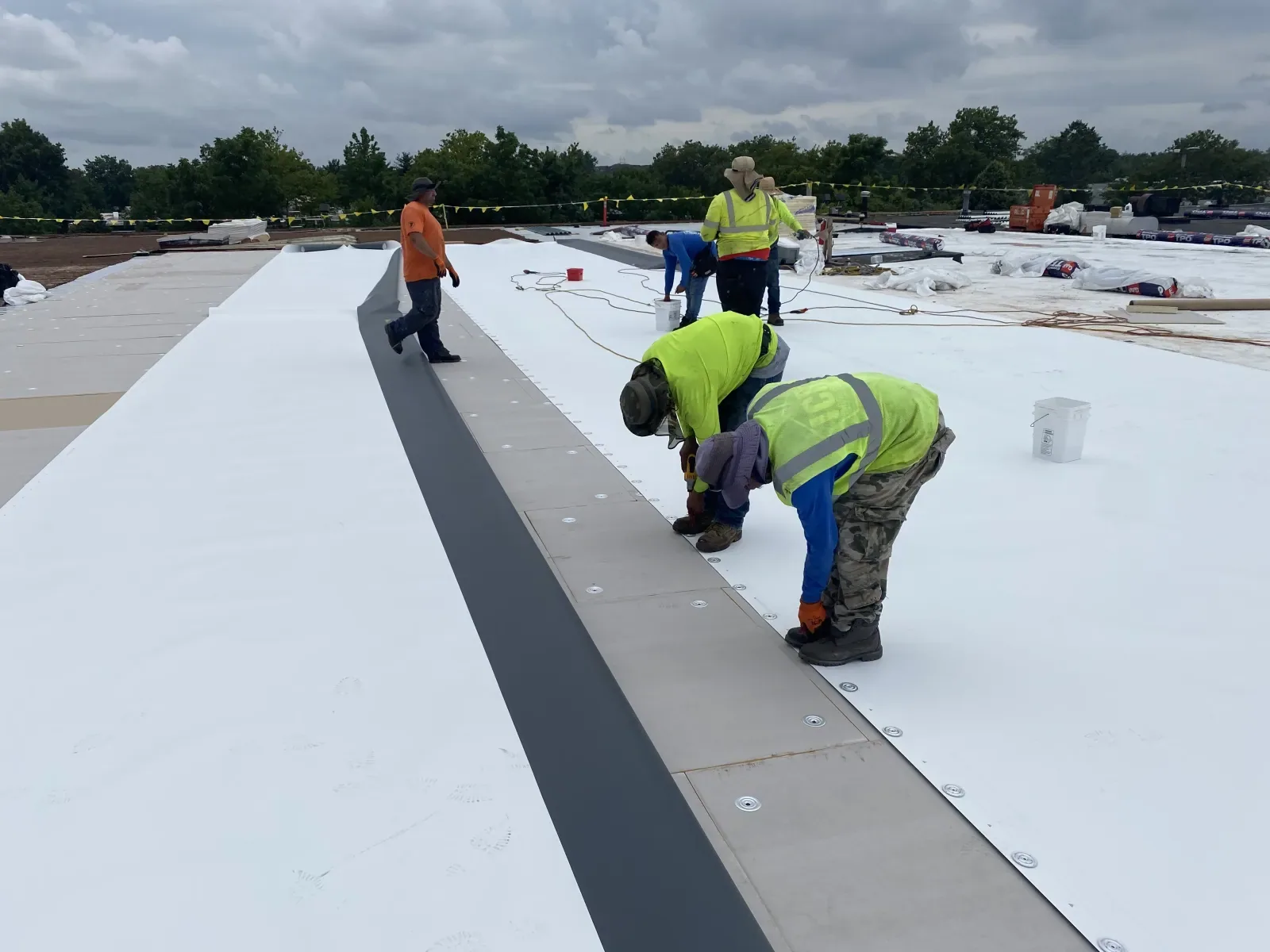
Temporary dry-in and permanent repair are separate entries. We photograph the protective material and boundary, then document its removal when the permanent system is installed. The final work record lists the repair location, materials, crew work, and closed tie-in. Those details let the owner show which portions of the claim estimate were completed and where the roof still needs attention.
Emergency dispatch can respond overnight, on weekends, and during holidays when a roof opening is active. We document the first stabilization and return visit so the claim file follows the same roof zone from initial protection to closeout. A commercial repair record can include the finished patch and any adjacent detail that remains under observation. We do not combine interior restoration performed by another trade with roofing work.
The file can include the inspection report, photo index, estimate, approved work, invoices, and closeout images. We keep each item dated and linked to the affected roof section. The property owner submits the material and handles policy questions. Our role is to explain the roofing condition and scope so the owner can make a repair decision with the available information.
Before submission, we can match estimate line items to the affected roof zone and supporting photograph. If concealed material changes the work after opening, we update the scope and keep the change record with the original estimate. The owner can then distinguish the initial repair from an approved supplement and verify what was completed at closeout. We preserve each estimate version with its date and supporting photo so changes remain traceable.
Jersey City’s urban districts and nearby municipalities can have different access and operating needs. We keep one property’s record separate from another, including a Newark roof-claim file or a later inspection. After the repair, a maintenance visit can check the tie-in and adjacent drain path. The follow-up record keeps roofing work visible after the claim process moves forward.