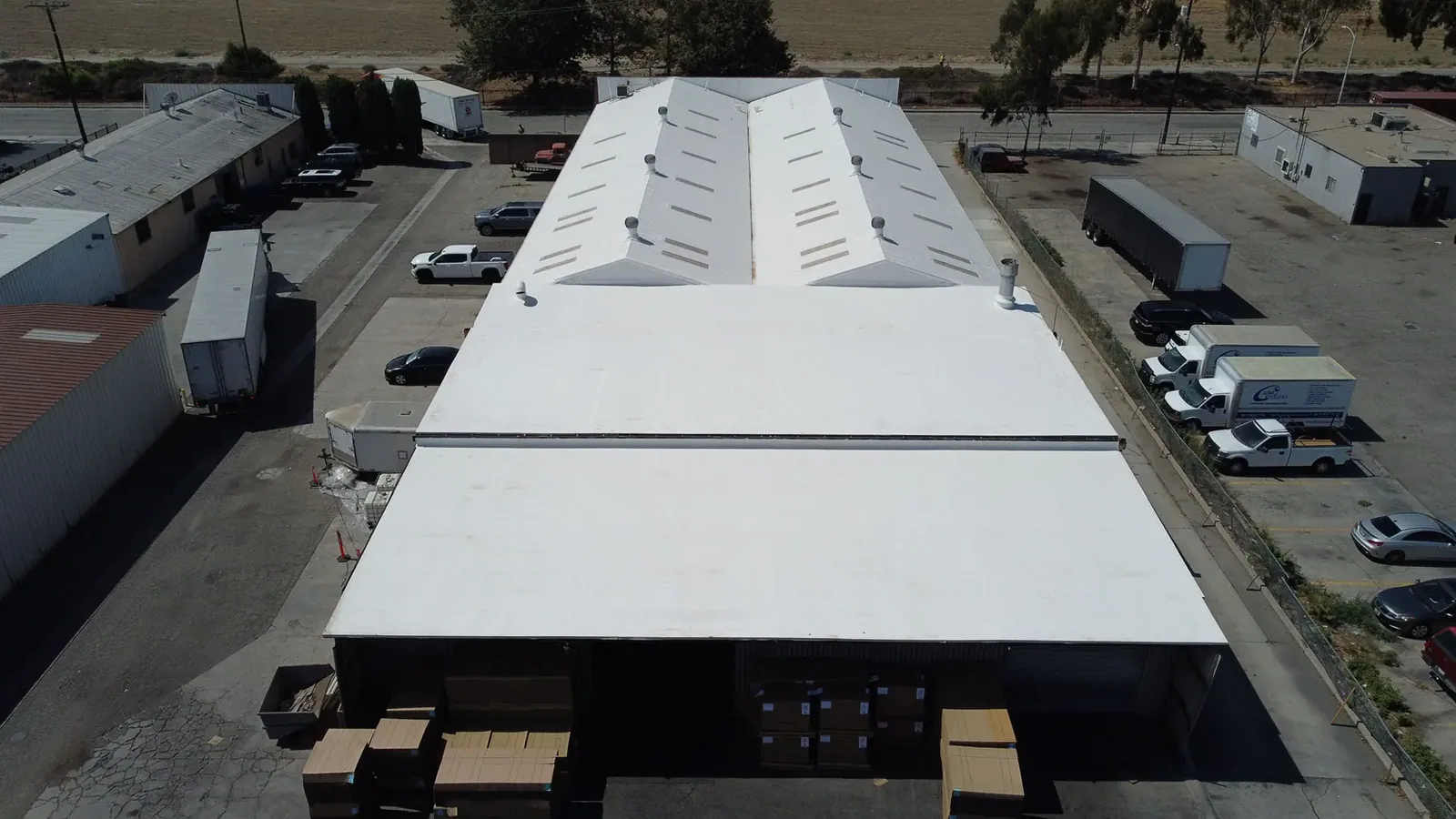
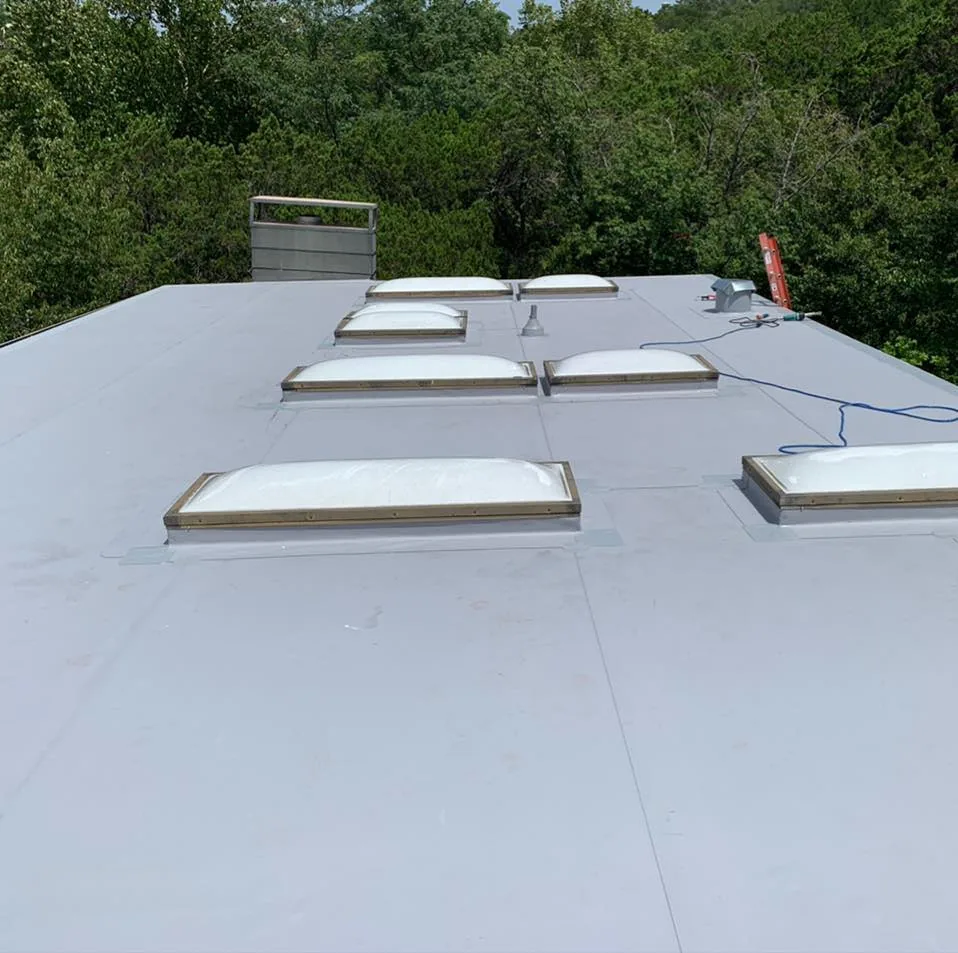
Soprema Roofing in Jersey City, NJ
Installation, repair and maintenance of Soprema modified bitumen and liquid-applied flashing roofs in Jersey City, with fire controls and drain checks.
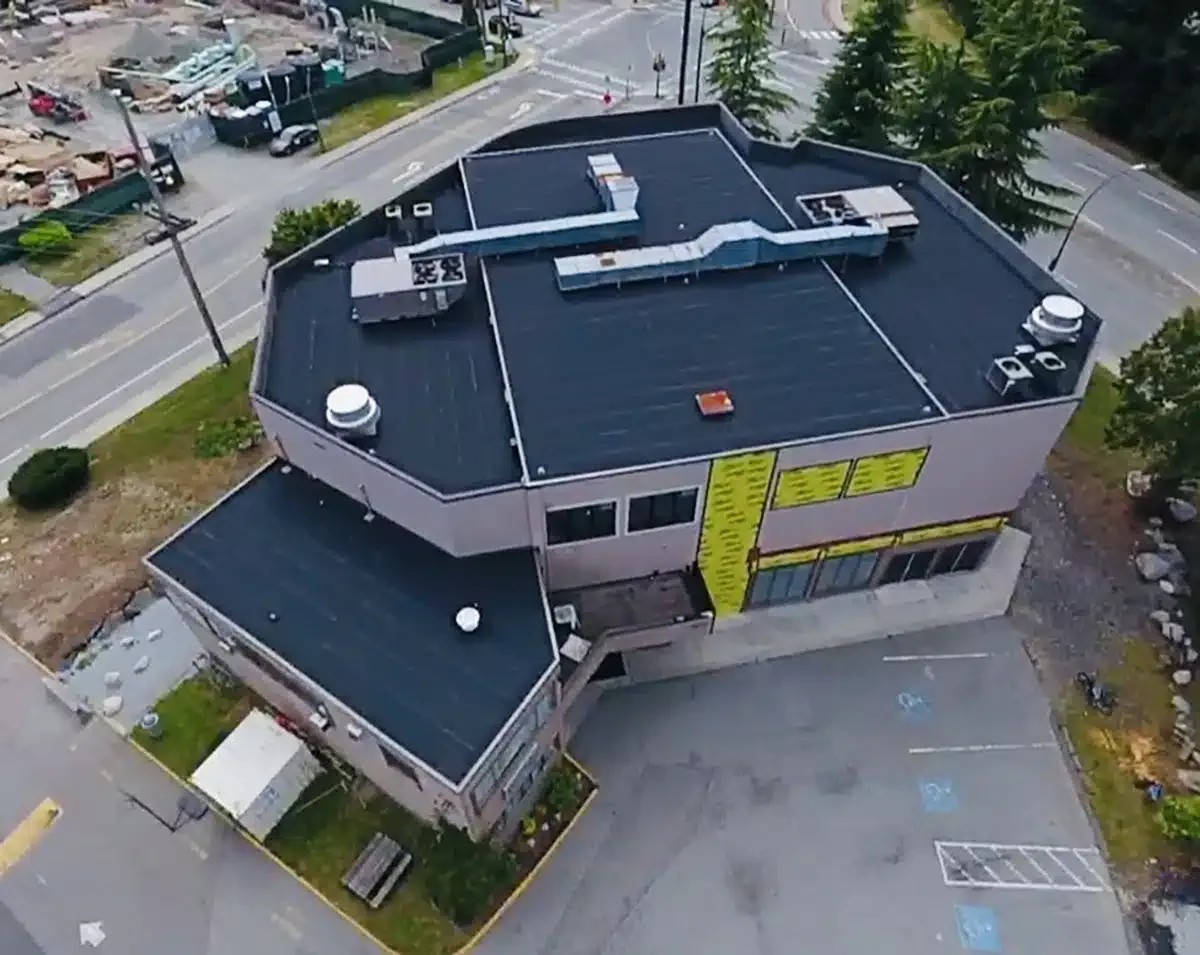
Installation, repair and maintenance of Soprema modified bitumen and liquid-applied flashing roofs in Jersey City, with fire controls and drain checks.
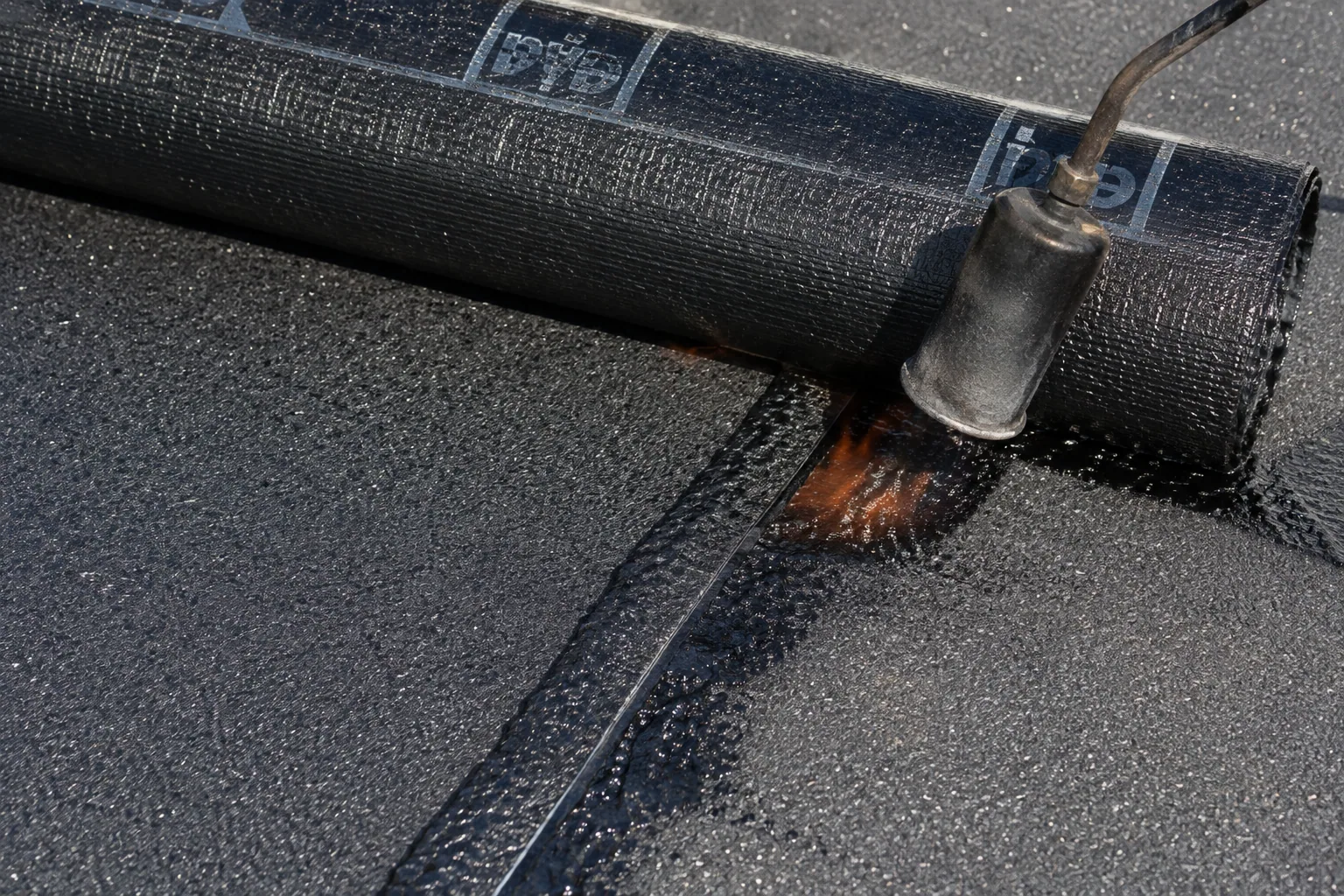
A liquid-applied flashing can finish the detail that a sheet cannot. Soprema makes Sopralene modified bitumen sheets, which are layered over insulation in torch-applied, self-adhered and cold-applied forms, and Alsan RS, a liquid resin used to form flashings around pipes, curbs and odd-shaped penetrations. On a Jersey City roof with several openings, parapets, or changed equipment, we map the layers and transitions before selecting a Soprema system or repair.
We install, repair and maintain Soprema systems following the manufacturer's published details. On an existing roof, we map the layers first and then decide whether a repair can match them or a new system should take over.
Modified bitumen is asphalt blended with a polymer, reinforced with a mat and delivered in rolls. A typical assembly uses a base sheet and a cap sheet over insulation and cover board, with the cap carrying a granulated or reflective surface. The layers give redundancy: if the cap is punctured, the base sheet is still in place. That is a real advantage on roofs with regular foot traffic.
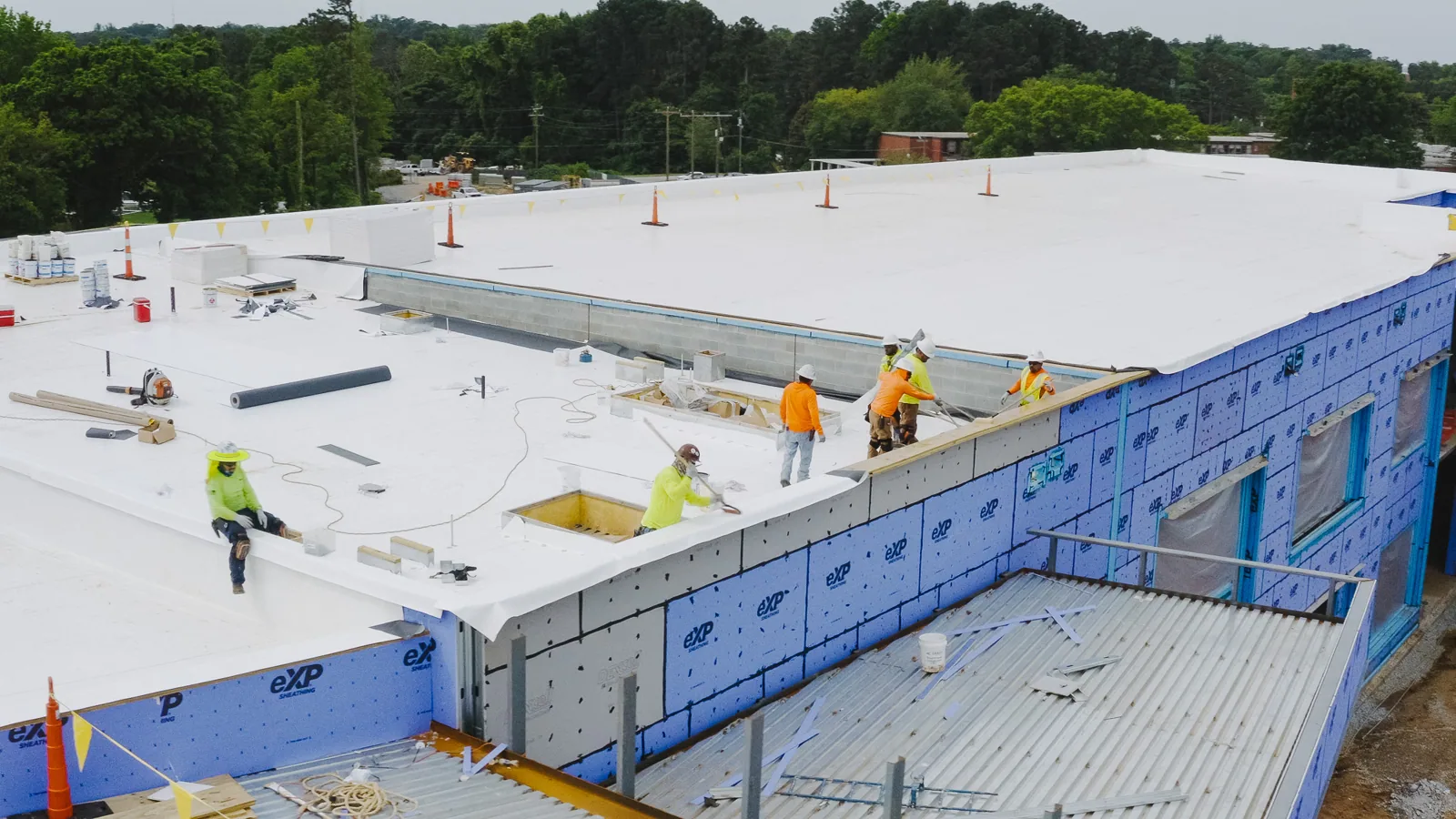
Application method changes the jobsite. Torch-applied sheets fuse with open flame and need fire watch. Self-adhered sheets stick to a primed substrate without heat, and cold-applied adhesives use a trowel or spray. We choose the method by building use, nearby combustibles, occupancy and weather, and we describe the choice in writing. Insulation sits under the sheet, usually polyiso boards in staggered layers with a cover board on top, and the board joints are offset so heat and moisture have no straight path through the assembly. The modified bitumen system sits in the same family as built-up roofing, with factory-made sheets replacing field-mopped plies.
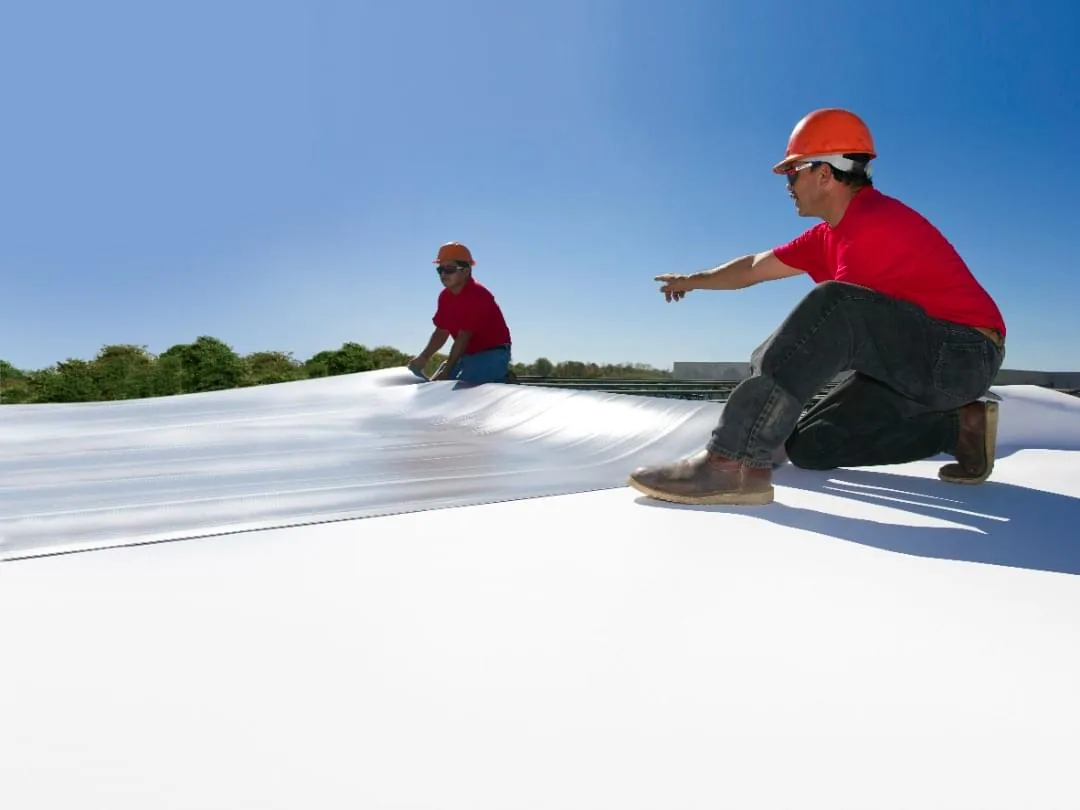
Set a walk with us to identify existing layers, test flashings and review torch or cold-applied options. A written scope follows with photographs and a work window.
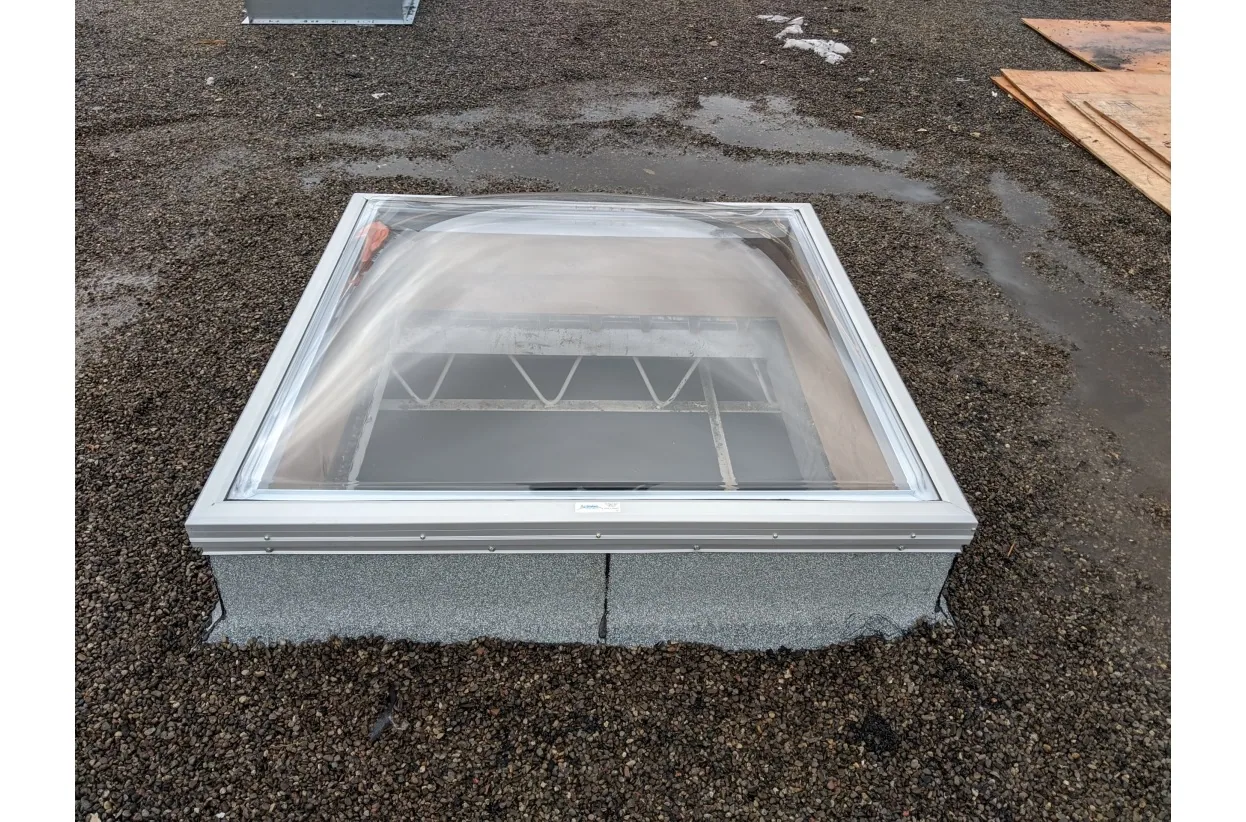
Where a sheet will not conform, liquid-applied flashing does the work. A resin is brushed or rolled over a primed surface, a reinforcing fabric is embedded, and the cured layer forms a continuous seal. It suits clustered pipes, odd supports, conduit bundles and curb corners where cutting and welding sheets would leave seams.
Surface preparation decides the result. Metal must be cleaned and primed, old coatings tested for adhesion, and moisture kept out during cure. Resin products also have temperature windows. We follow the published cure times and weather limits, and photograph each stage. A well-formed skylight or penetration flashing in resin can outlast the field membrane around it, and we log its location so it is checked at every visit.
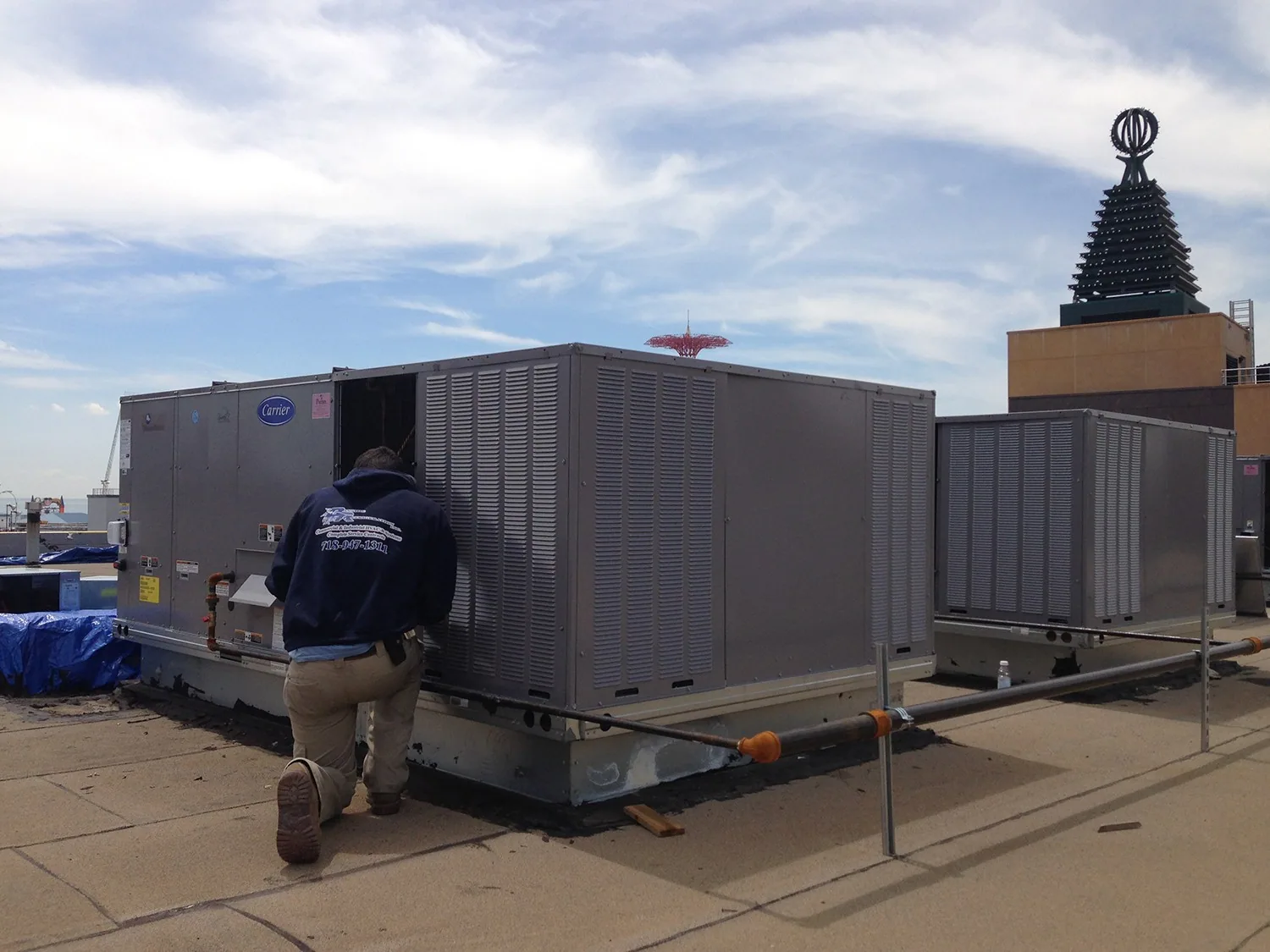
West Side Avenue is a named Jersey City redevelopment area, and Tonnele Avenue Light Industrial is a separate planning area. We inspect the roof at the property rather than infer its assembly from the area name. Where buildings are renovated or equipment changes, roofs get new openings. Each new unit, curb or conduit run is a potential leak point.
That is when detailing skill matters. We review the equipment curbs and supports on a roof, check that each has proper flashing and add or replace details that have failed. Where a building is under renovation, we coordinate the roof tie-in with the trades so the membrane is not cut again after it is finished.
In this City a certificate of occupancy is required for major renovations, among other changes. A roof scope that accompanies a renovation should be timed to the same schedule, so the roof is dry and its penetrations are closed before interior finish work begins. We build that dependency into the work sequence and flag it to the project team early.
Open flame on a roof calls for strict control. We confirm combustibles are cleared, parapet cavities and wall voids are protected, and a fire watch remains after the last torch is shut. Many building managers prefer self-adhered or cold-applied methods for occupied buildings, and we offer them where the system and conditions allow.
Day to day, the sequence runs from drains outward. We prime and set the base sheet, lap and seal the cap, flash walls and curbs in the same shift and close every tie-in before leaving. If rain threatens, exposed laps and open edges get temporary seals. A daily closeout lists open edges, temporary measures and the next day's work, so the manager always knows what stands between the building and the weather.
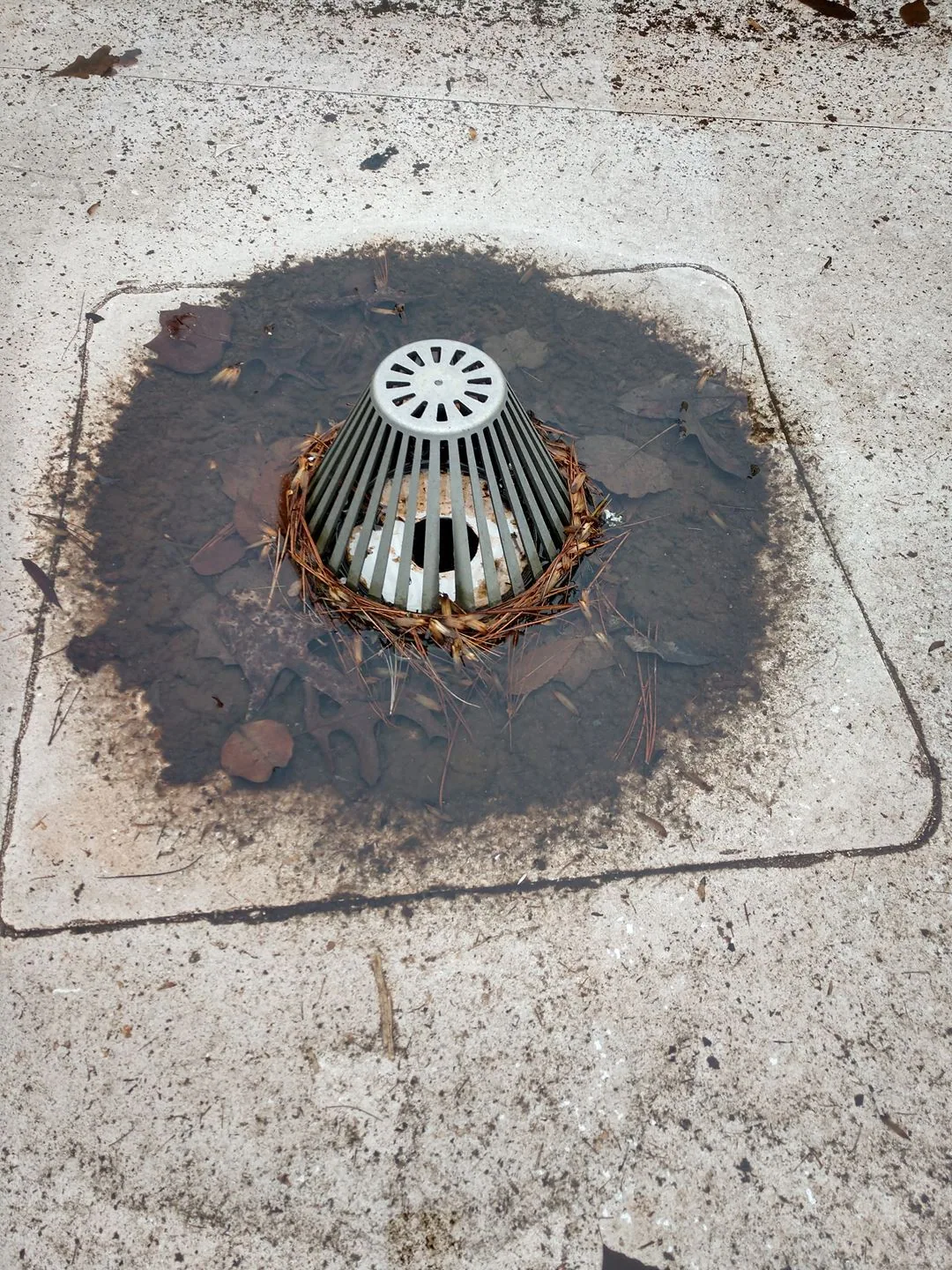
Severe flooding and property damage affected Jersey City during the Irene and Sandy events. The local drainage context includes localized flooding and stress on combined sewers, and the roof inspection itself still reads the assembly at drains, laps, and flashing. A modified bitumen roof relies on good slope and clean outlets. Standing water speeds granule loss and blistering, and it stresses laps. We measure ponding after rain and mark it on the roof plan.
Fixes range from clearing and reflashing drains to adding tapered insulation and extra outlets. Modified bitumen can take a patch on the sheet, but the water must also have somewhere to go. A roof that drains well needs less repair and a longer service interval. Where a low area persists, we compare tapered insulation, a reset drain and an added outlet, and show the owner what each would do to the water path before choosing.
An owner comparing Soprema with Sika Sarnafil or Johns Manville should look at the building's use, not the brand alone. Layered bitumen suits roofs with traffic and complex details. Welded single-ply suits large, clean fields. Mixed approaches are common: a bitumen field with resin-formed flashings.
Maintenance differs too. Bitumen roofs ask for surface checks, granule loss monitoring and flashing inspection, and a reflective coating over the cap can extend service and cut heat. When a coating is selected, the closeout states the manufacturer’s maintenance requirements and the follow-up interval set for that system.
For an office building in Jersey City or an owner with property in Bayonne, we write the options with scope, work window and maintenance needs. The owner picks the system, and the installation record follows: layer photographs, primer and resin batch information, cure conditions and the daily closeouts, filed by roof zone.