Shopping Center Roofing in Jersey City, NJ
Commercial roof repairs and replacement planning for Jersey City retail centers, with drainage, tenant access, and work sequencing coordinated.
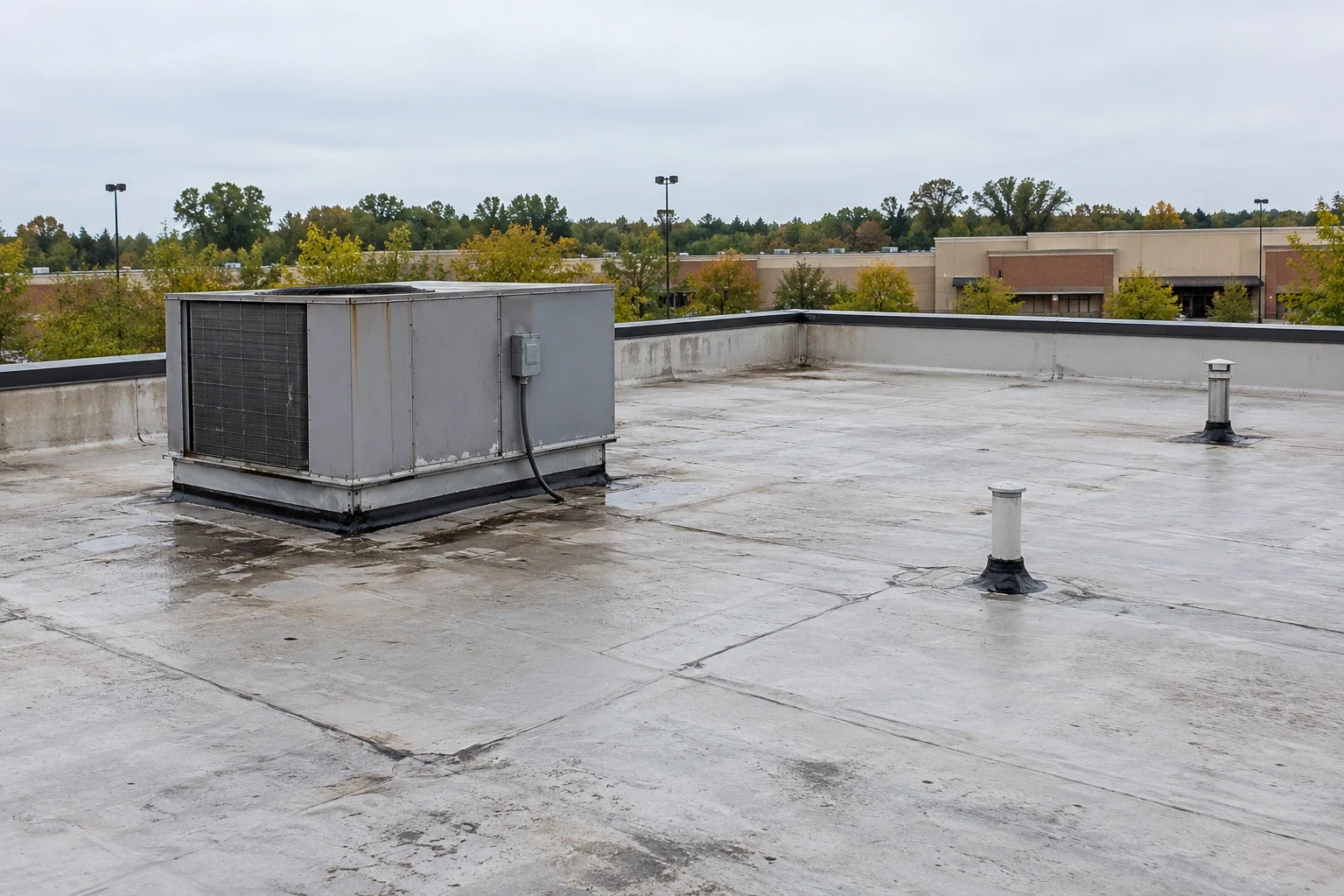
Commercial roof repairs and replacement planning for Jersey City retail centers, with drainage, tenant access, and work sequencing coordinated.
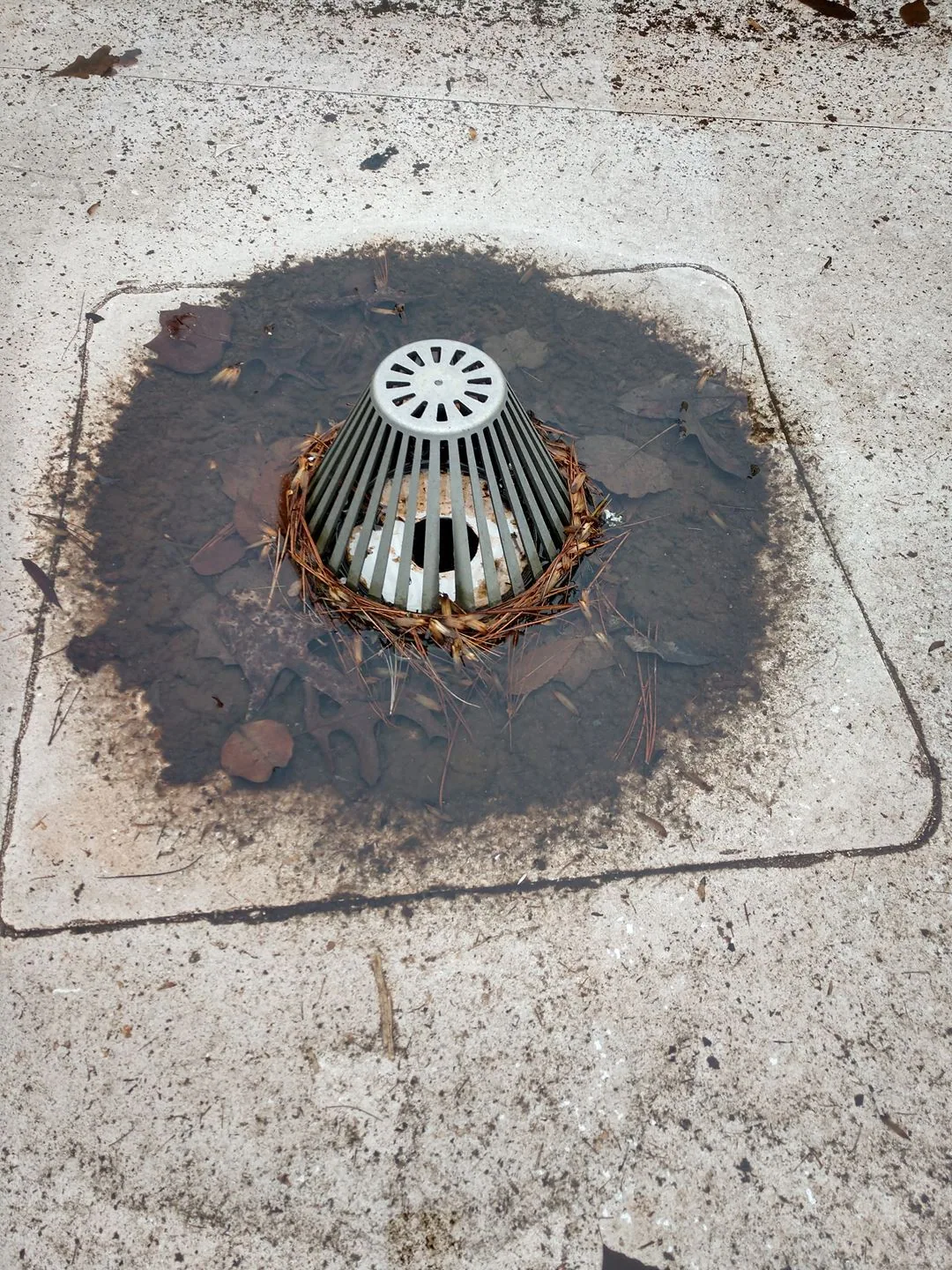
A retail roof needs a water path that stays clear while stores remain open. We begin by locating the reported leak, inspecting nearby seams and penetrations, and checking drains, scuppers, and edge transitions. Localized flooding and stormwater load are concerns in Jersey City. That context makes drainage a first-order inspection item, while the roof itself determines whether the issue is a blocked opening, failed detail, or broader membrane condition.
Route 440/Culver, West Side Avenue, Central Avenue, and Journal Square form part of Jersey City's commercial pattern. Retail operations differ from corridor to corridor and property to property. Our site walk confirms delivery windows, customer entrances, rooftop equipment, and the actual assembly before the owner compares a repair with recover or replacement.
A drip over a sales floor can start well away from the ceiling stain. We trace the water route across the roof, check slope and low points, and inspect the membrane around drains, curbs, and wall transitions. The crew notes any ponding, loose flashing, debris, or prior patch. The city publishes a Stormwater Control Ordinance and a Flood Overlay Map. A roof inspection still determines whether a particular drain is blocked, damaged, or overwhelmed during a storm.
We compare the observed problem with the drain layout and the locations of entrances, loading areas, and stockrooms. A drain and scupper inspection records photographs and marked zones so a property manager can assign work without relying on a tenant's description alone. If moisture testing is warranted, the report states the method and area. A clear record helps distinguish an urgent opening from a maintenance item that can be scheduled for a quieter period.
Shared walls and demising lines can make it difficult to tell which tenant is affected by a leak. We mark the roof area above the reported interior zone and note nearby parapets, curbs, and changes in slope. A water path may cross a tenant boundary before it reaches a ceiling. The property manager can use that map to coordinate interior access while the crew checks the exterior detail. We keep the repair boundary tied to the evidence and add a separate inspection if another zone shows a different symptom.
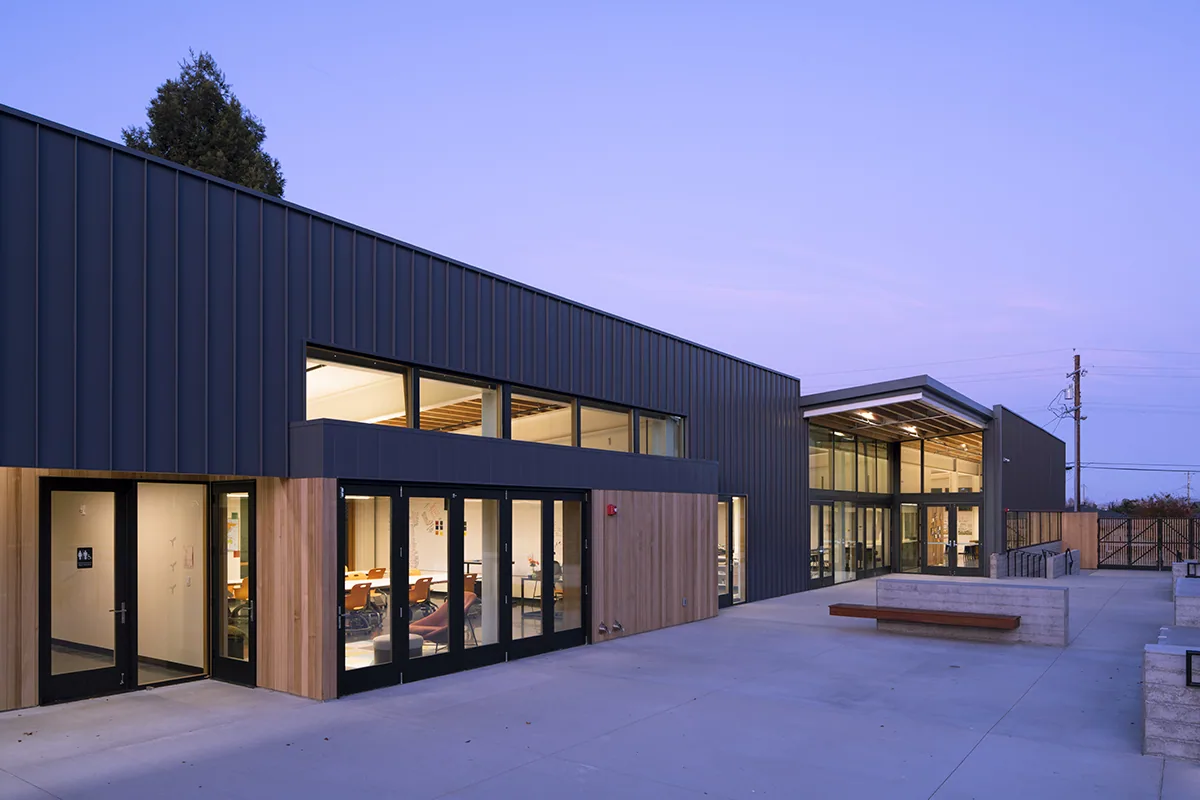
Identify the highest-priority roof zones, access rules, and acceptable work windows. We will map the condition, trace the water path, and define a written scope.
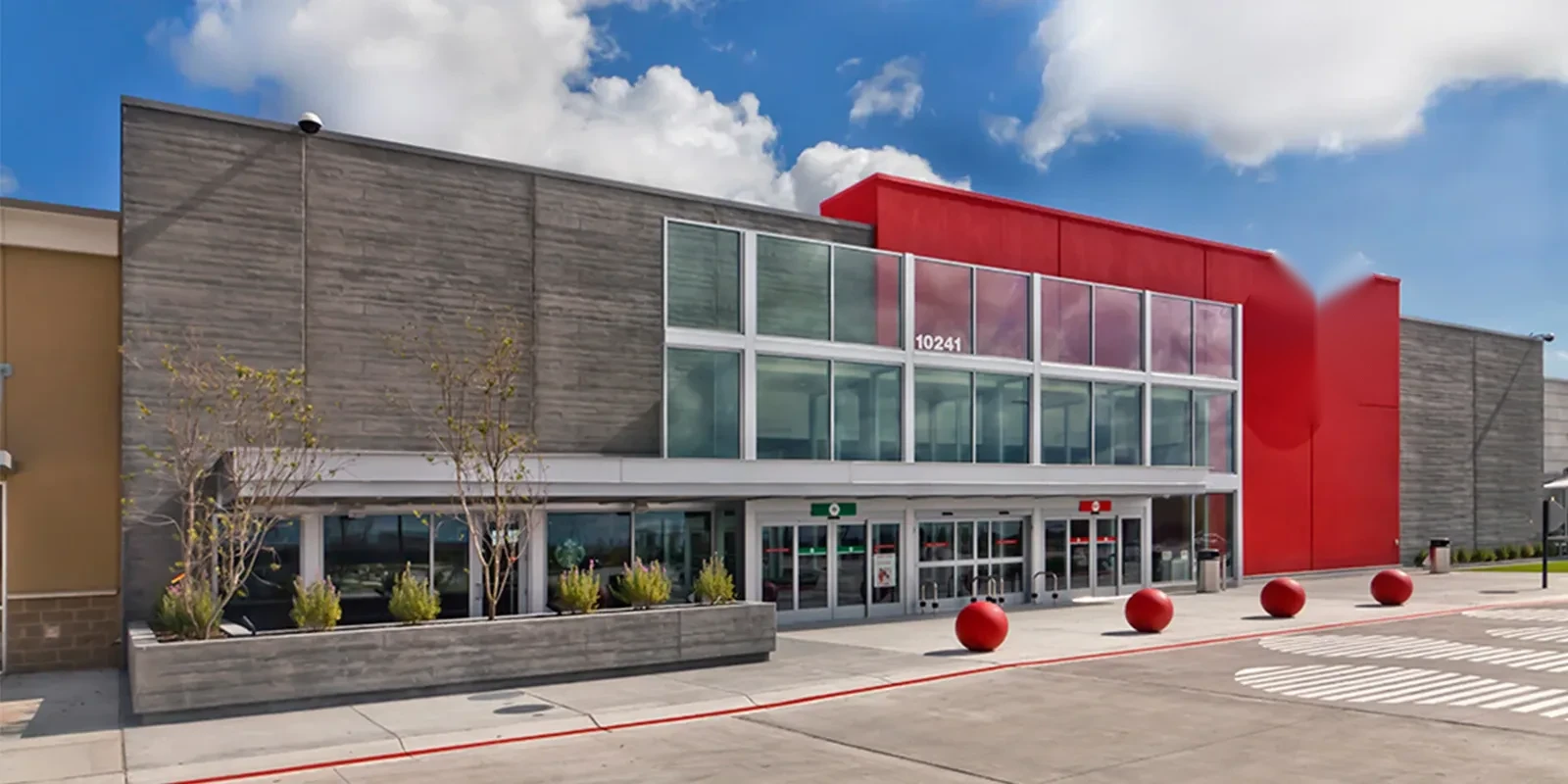
Shopping centers move goods, waste, staff, and customers on different paths. We review loading doors, service lanes, roof hatch access, and the location of any staging area before selecting a work zone. A repair may fit between deliveries. Larger removal may require a route for debris and new membrane that avoids customer circulation. The property manager can group affected tenants by entrance, operating hours, or shared roof section.
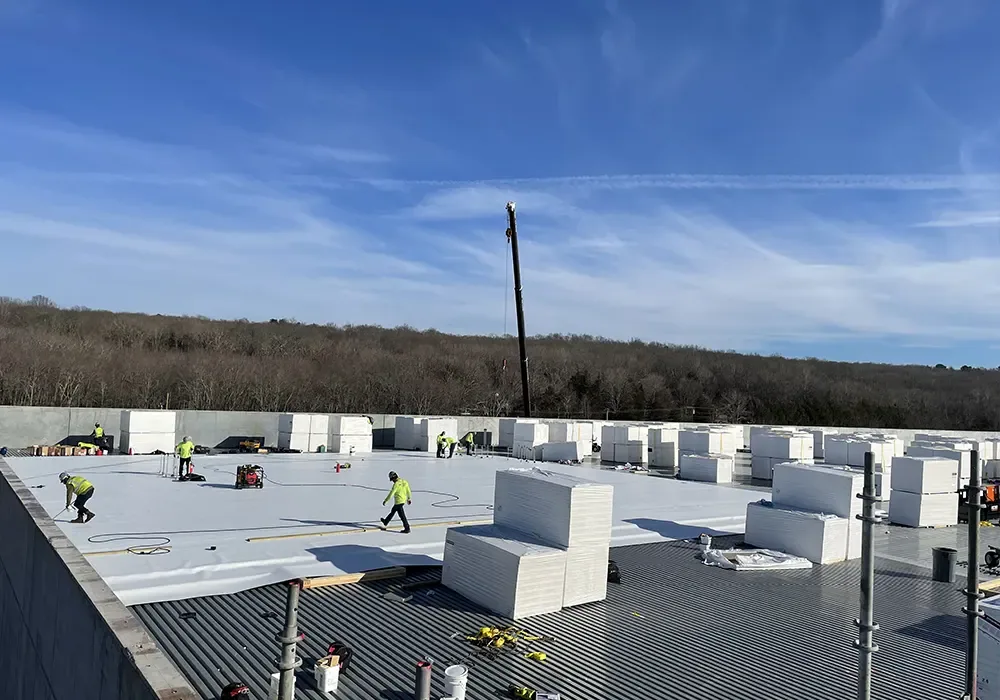
Each daily closeout records the area protected, materials secured, drains checked, and next access need. If a tenant reports another leak, we can add it to the zone map and inspect the nearest path without changing an unrelated scope. A commercial roof inspection supports a planned sequence when a center has several separate roof areas. The site contact receives a practical handoff: what is complete, what remains open, and when the crew returns.
At shift end, the team checks every open tie-in, removes loose debris from roof paths, and confirms that drains near the work zone remain accessible. A change in rain timing may require a shorter daily limit, so the site contact needs the protection status before the crew leaves. We photograph the secured edge and any unfinished detail. The next work window begins with that handoff, not with an assumption that the previous area remained untouched.
An exterior wall or tenant demising line can be a useful reference, but neither tells us where water entered. We use fixed roof features and photographs to locate the opening, then compare it with the interior report. If two tenants describe water on different dates, their observations stay separate until the roof path links them. The manager can then decide whether to address both in one mobilization or keep the repairs distinct.
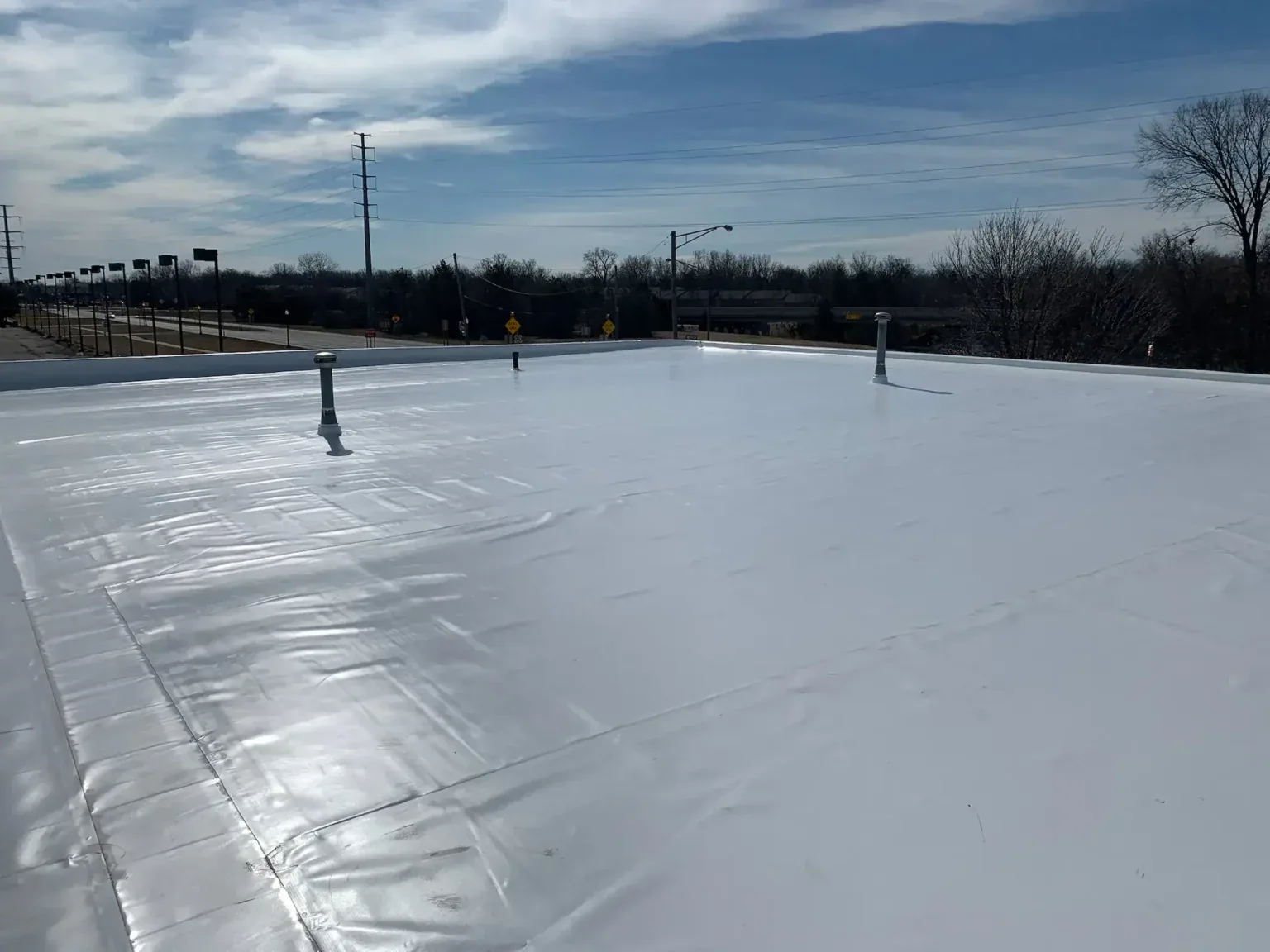
Retail buildings may have connected sections built or renovated at different times. We identify membrane type, insulation, cover board, slope, attachment, and the details around skylights and equipment before proposing a system. A local tear or failed flashing may be repairable. Broad seam loss, wet insulation, or repeated patch failure can justify comparing recover and replacement. The findings determine whether a new layer is compatible and whether existing material can stay.
For low-slope sections, a TPO membrane option depends on sound substrate, drainage, attachment, and careful transitions at curbs and perimeter edges. We do not use coating to hide trapped moisture or moving flashings. Separate roof zones can receive distinct options and budgets. An owner can prioritize the section above active tenants while documenting the future work that remains on adjacent roofs.
During Irene and Sandy, Jersey City faced power loss, flood conditions, and property damage. That local history makes temporary protection and closeout worth defining when roof work meets a forecast. The inspection still establishes conditions at each property. We limit open roof areas, prepare tie-in materials before removal, and identify how each zone will be secured if rain changes the schedule.
Work windows may depend on store hours, deliveries, parking, or noise limits. We coordinate those constraints before mobilization and verify the access path at the daily start. An occupied-building reroofing plan can separate urgent repairs from planned renewal so a manager can compare timing and operational effect. For a center near West Side Avenue or Route 440/Culver, the site-specific review still controls staging and drainage choices.
Retail managers need records that connect a roof condition to a tenant impact and a next action. We label the zone, photograph the detail, describe the evidence, and note whether the scope addresses a seam, drain, penetration, or larger assembly concern. The same format makes later inspection more useful because the team can revisit the exact location and compare its condition.
Retail sales in Jersey City totaled $3.978 billion in 2022 per Census QuickFacts, so shopping-center roof work is scheduled around ongoing trade, and the scope comes from the actual building. The same record format carries over to a big-box retail roof when an owner wants repeatable inspection records across several property types.
A Hoboken roof walk can keep access records consistent. A grocery roof review adds refrigeration curbs and receiving windows to the tenant plan.