Hotel Roofing in Jersey City, NJ
Commercial roofing for Jersey City hotels, with guest access, rooftop equipment, drainage, and phased work planned around occupancy.
Commercial roofing for Jersey City hotels, with guest access, rooftop equipment, drainage, and phased work planned around occupancy.
A hotel roof project runs beside guest arrivals, housekeeping, kitchen service, and rooftop equipment. We start with the reported leak or planned renewal area, inspect the roof zone, and map access before setting the work window. Both major hurricanes, Irene and Sandy, hit Jersey City with flooding, outages and property damage. That history makes temporary protection and drain checks important planning items, while the inspection establishes the condition on this property.
Downtown, Journal Square, and The Heights are Jersey City districts; Central Avenue and West Side Avenue are identified commercial corridors. Hotel buildings have different layouts and operating rhythms. We confirm roof access, lift limits, guest routes, noise periods, and the actual assembly before comparing repair, recover, and replacement.
Roof access often crosses service corridors that hotel staff use throughout the day. We review the hatch route, loading point, vertical lift rules, security requirements, and any path near guest rooms or public spaces. A lift may need a separate setup plan. The hotel contact identifies events, arrival peaks, housekeeping schedules, and hours when drilling or removal noise should stop. A floor contact list helps staff coordinate deliveries, lift activity, and any change to a guest route.
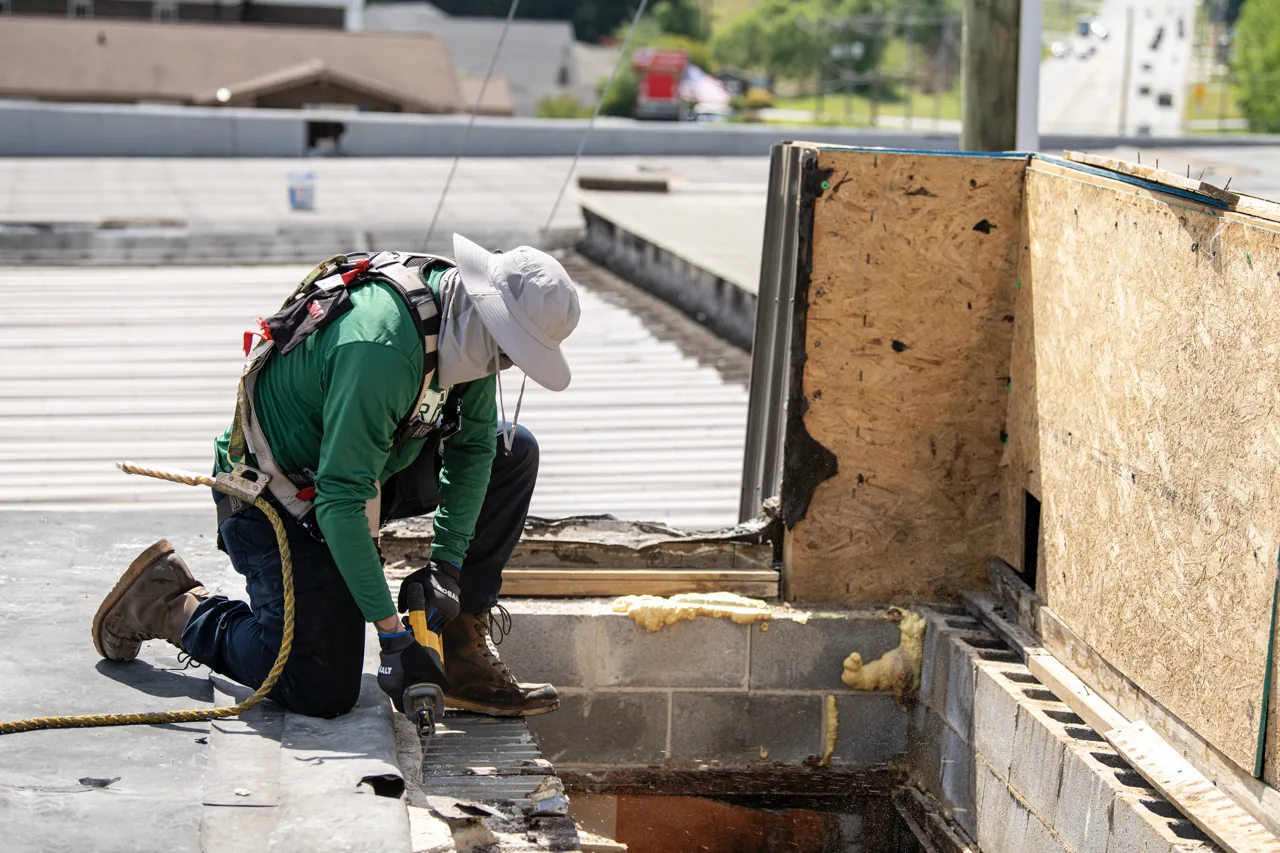
Work stays within a marked roof zone, with material handling and debris movement kept away from guest circulation. A roof condition inspection records the location and the access constraints that affect scope. For replacement, separate phases can reduce the area active at one time. The daily handoff names the work complete, the section secured, and the next access window.
Hotels may have guest rooms immediately below a roof zone, but the roof plan should use building landmarks rather than room numbers in public or crew-facing material. The manager can privately identify sensitive areas and preferred quiet periods. We mark the roof boundary, choose a material route, and check whether work near an air intake needs additional coordination. The sequence keeps staff informed without exposing guest information on an open work record.
Identify the highest-priority roof zones, access rules, and acceptable work windows. We will map the condition, trace the water path, and define a written scope.
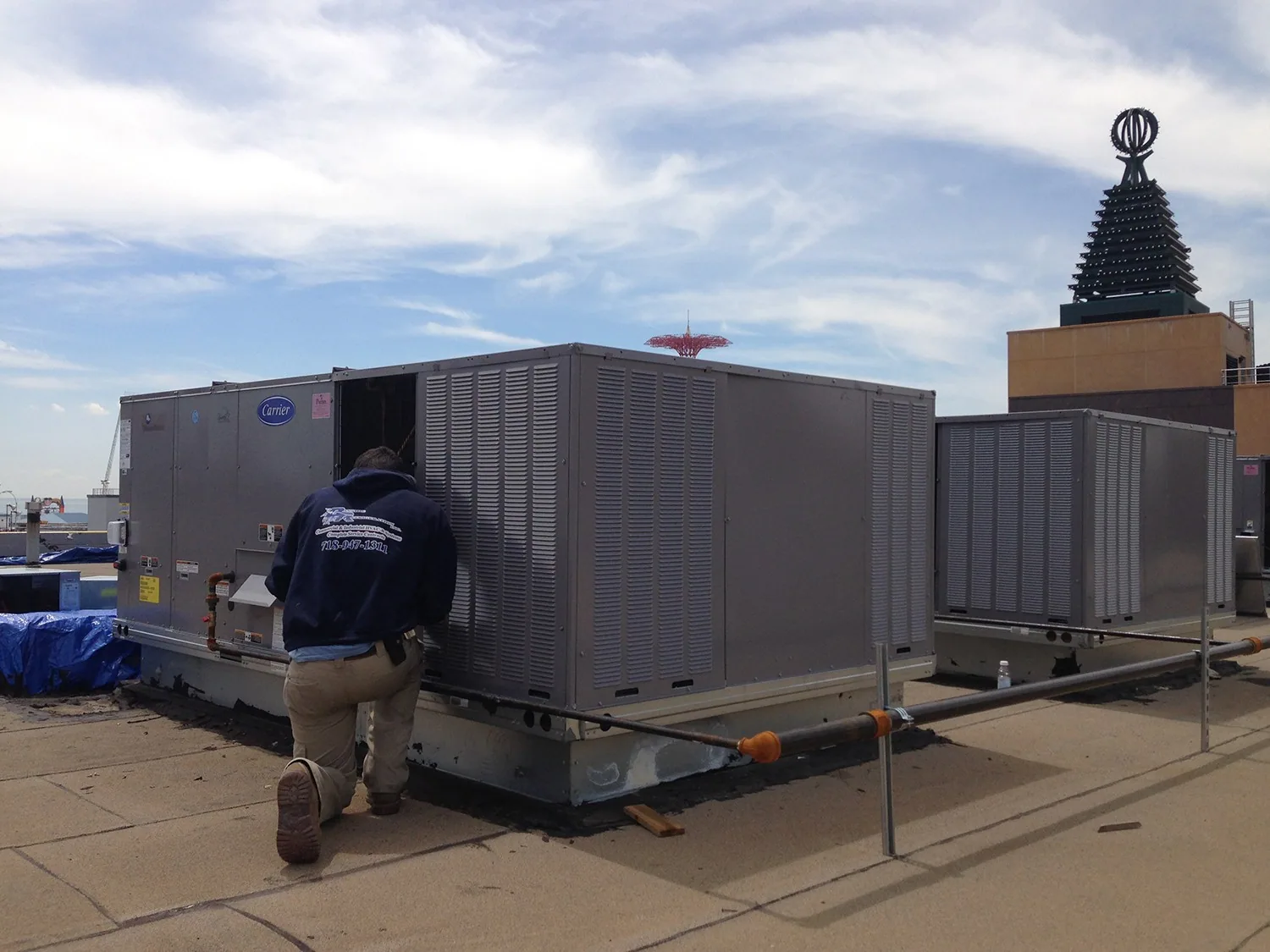
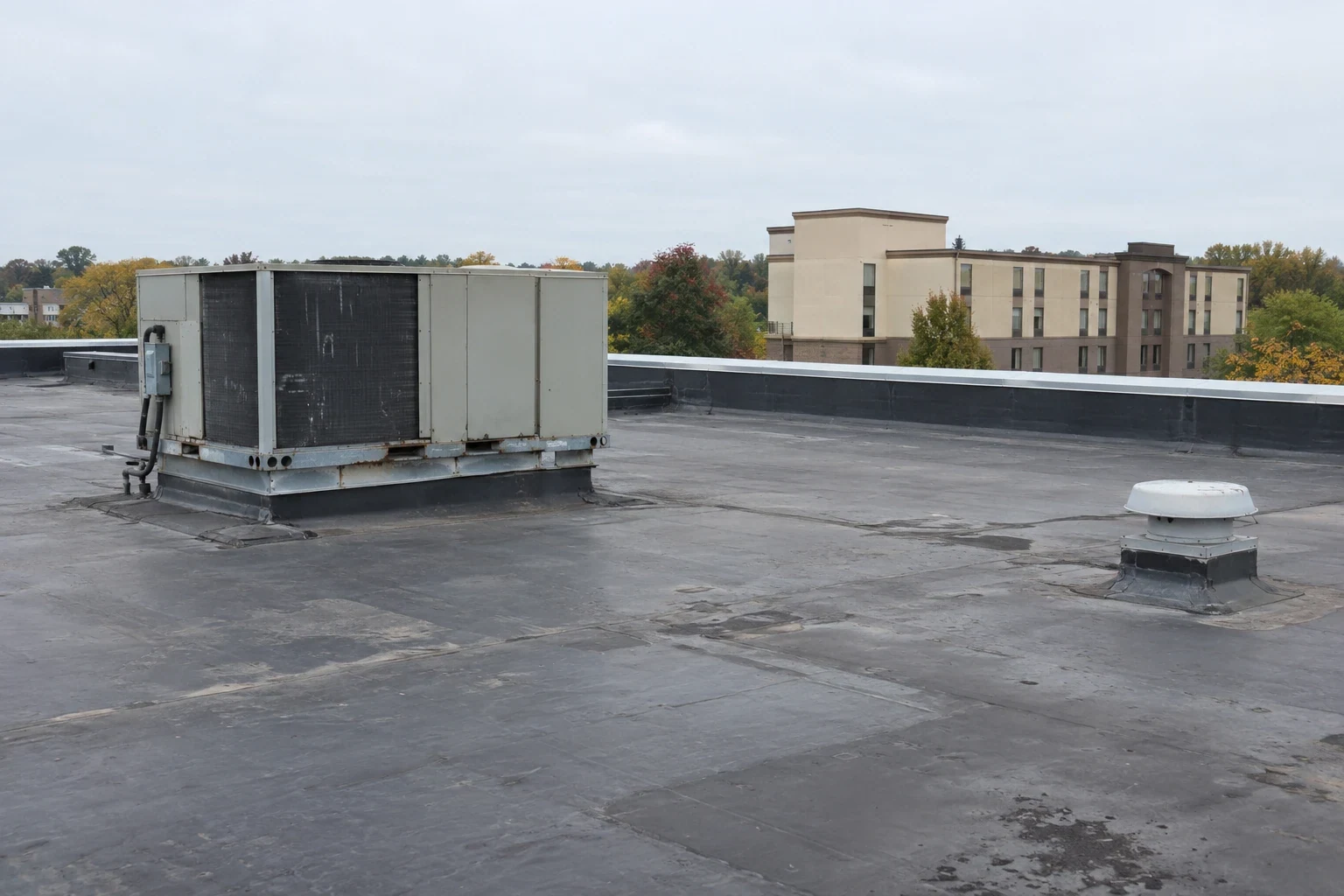
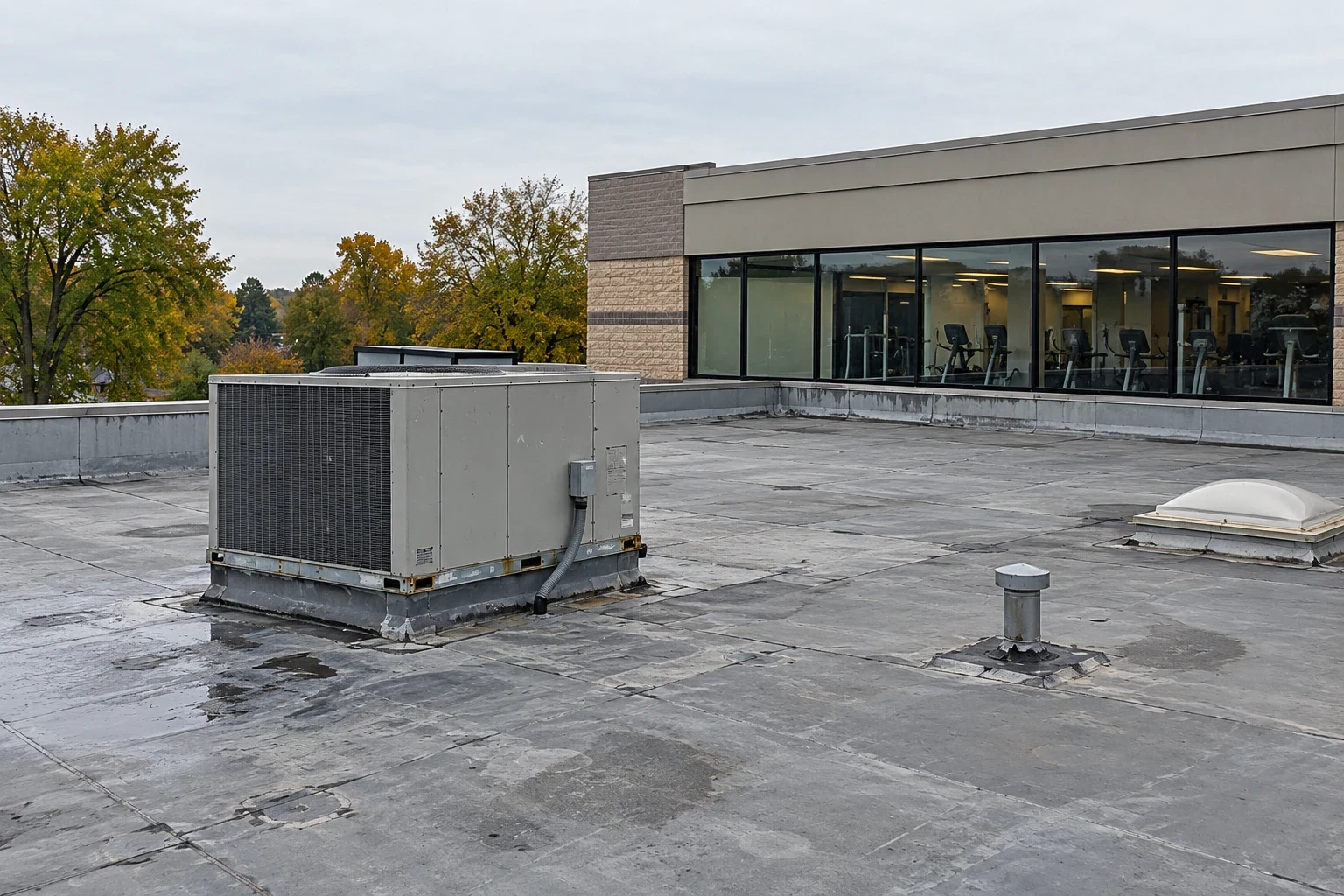
Hotels may have rooftop mechanical units, kitchen exhaust, antenna supports, skylights, and pipe penetrations. We inspect their flashings and curbs alongside the membrane, noting movement, open edges, prior patches, and any route where water could travel. The roof report separates equipment observations from confirmed membrane damage so the owner can assign each trade clearly.
If equipment requires shutdown or temporary relocation, we coordinate timing with the building engineer before opening the surrounding roof. An equipment curb review can include curb, flashing, and support review in the same zone map. The work scope states which items the roofing crew handles and where another trade needs to make a connection. That boundary prevents a curb repair from being mistaken for equipment service.
For an occupied property, the scope should distinguish the roofing contractor's work from vertical lift, mechanical, fire-alarm, and interior responsibilities. We coordinate any shutdown or protection with the assigned building contact before opening a curb or drain. Each task receives a start condition and a return-to-service check when applicable. The handoff names what the roofing crew completed and what another trade must confirm before the hotel considers the affected system ready.
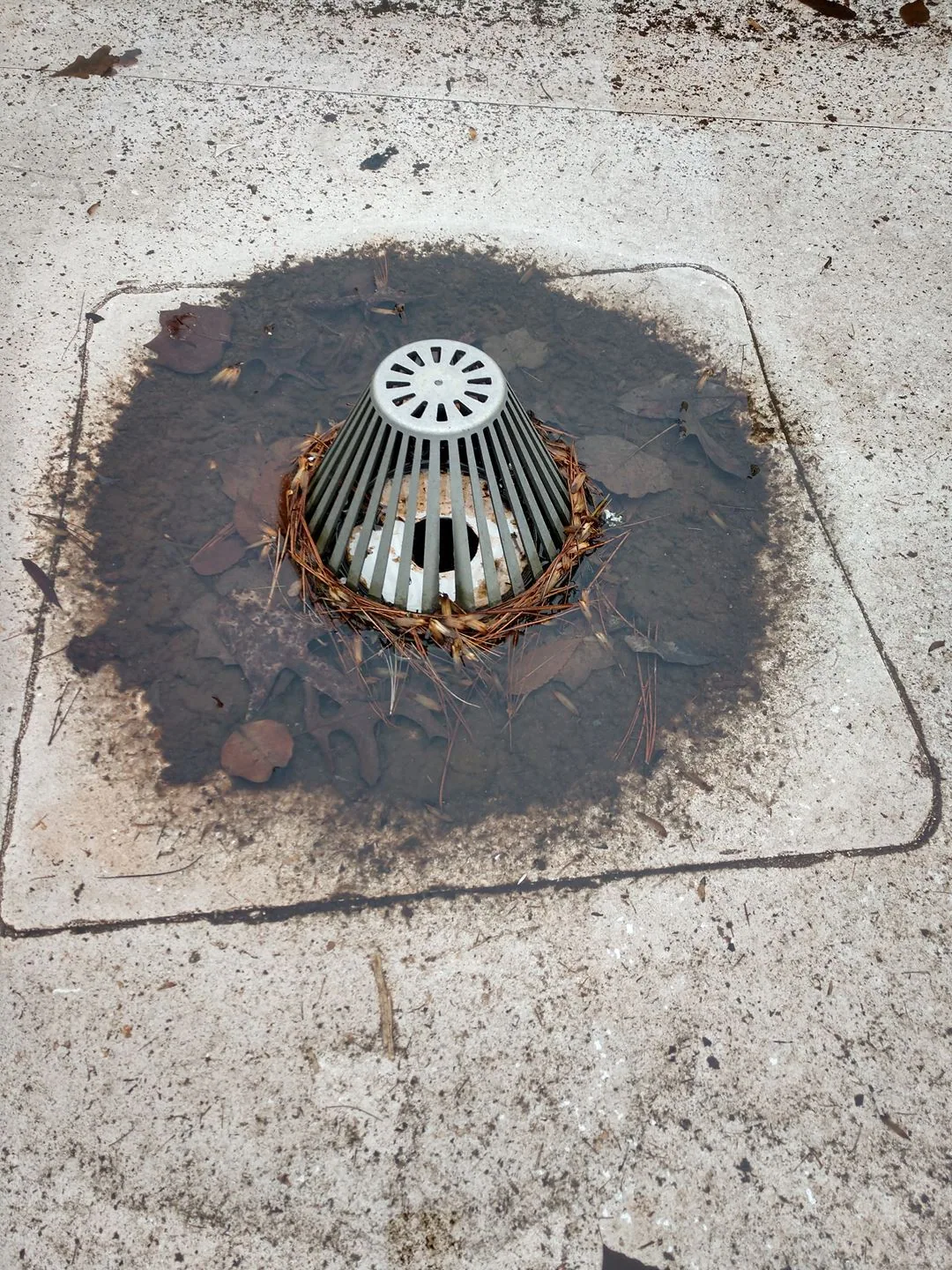
Localized flooding and stormwater load on Jersey City's combined sewer system are city concerns. At a hotel, drain inspection includes the bowl, strainer, overflow, surrounding membrane, and route away from entrances. We look for debris, ponding, and signs of a loose connection, then compare them with reported interior conditions. The inspection determines the condition of the hotel's roof.
Where roof moisture is uncertain, a targeted survey can help identify areas for closer review, and a drain and scupper check shows whether an outlet is contributing. The report marks its limits and notes any inaccessible zones. During work, temporary protection must not divert water toward guest entries or occupied spaces. Closeout checks drains and temporary terminations before the crew leaves the roof.
Rain can shorten a planned shift even when the roof looked dry at mobilization. We stage protection first, limit how much membrane is removed, and keep a secure tie-in ready at the day's boundary. If the forecast moves, the crew stops at a point that can be closed safely. The hotel contact receives the status and the revised access time before the public areas or service routes are affected.
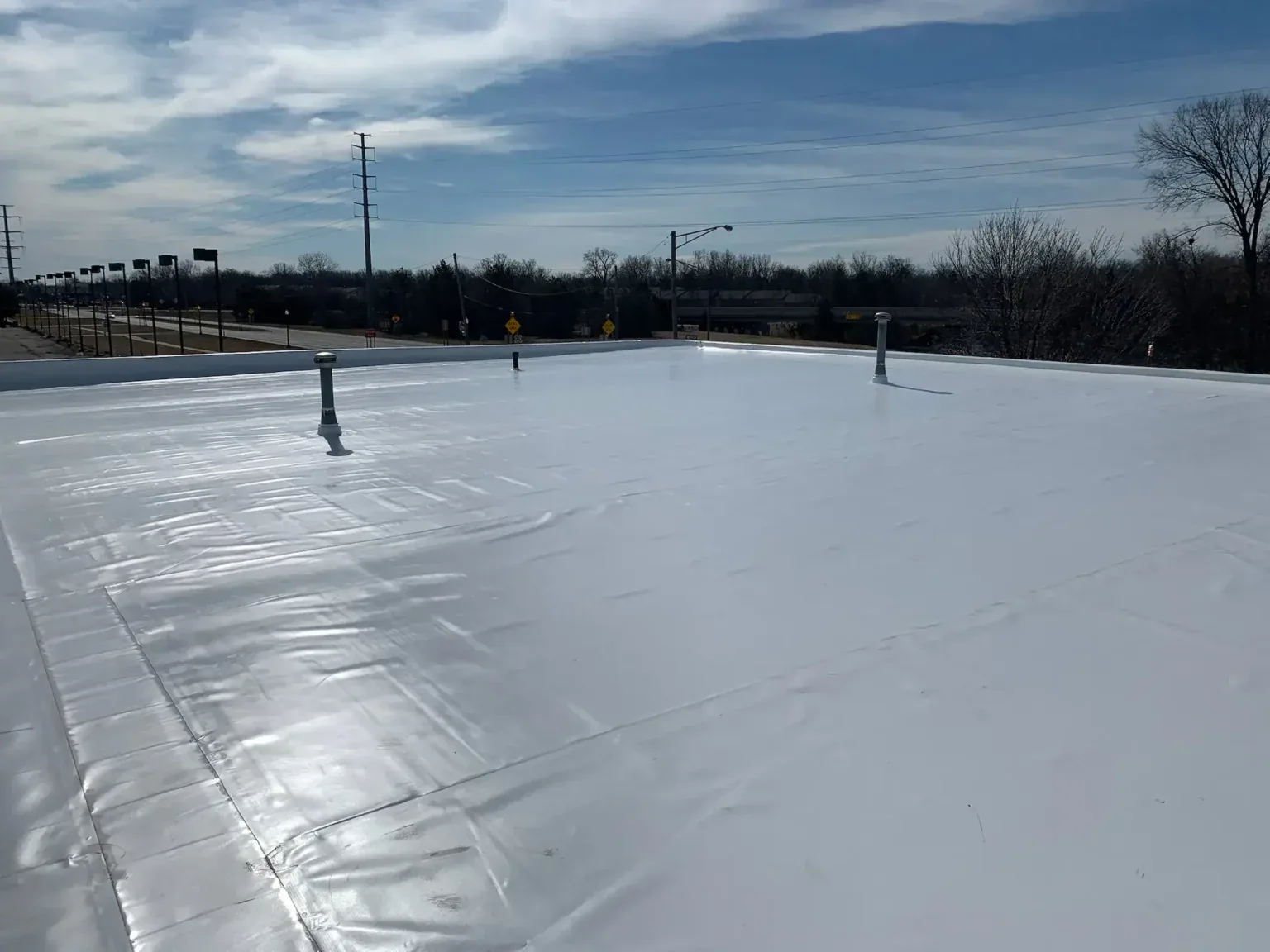
A localized flashing failure may be repaired without opening the full roof. If seams fail across several zones, insulation is wet, or previous layers cannot support another assembly, recover and replacement should be compared. We inspect membrane type, attachment, substrate, and tie-ins around mechanical equipment before recommending a scope. Guest occupancy changes phasing; it does not change what the roof can accept.
A phased reroofing plan identifies noisy work, lift setup, delivery windows, guest boundaries, and daily protection. The hotel can select lower-impact periods for each section and keep staff informed through a simple handoff. If weather interrupts removal, the crew secures the open boundary and records the next action. The owner can track which rooms or operations may be affected without receiving a vague completion update.
The guest-facing plan should not expose room numbers or personal information. Management can identify sensitive zones privately, while the roofing log uses a neutral roof-zone code. We note the nearest access point, work window, and responsible contact. If an interior ceiling must be opened, that work is assigned to the appropriate building team and coordinated with the roof repair. The closeout then connects the exterior detail to the interior protection that was completed.
Newport, Downtown, and Journal Square received early post-2000 investment, with redevelopment later extending into other Jersey City neighborhoods. The hotel file needs its own assembly notes, zone map, photographs, maintenance history, and sequence. We keep guest and staff access constraints with the roof file so a future project can begin with a known route.
A completed handoff identifies repaired details, drain checks, open items, and any recommended inspection. That record can be compared with later reports after heavy rain or equipment changes. If a hotel group also manages a property in Newark, the same fields apply there without carrying one building's conditions to another.
A Hoboken property review can keep guest-access notes consistent. A multifamily roof plan uses a similar resident path review with different daily access patterns. A restaurant roof in the same building adds kitchen exhaust to the equipment list.