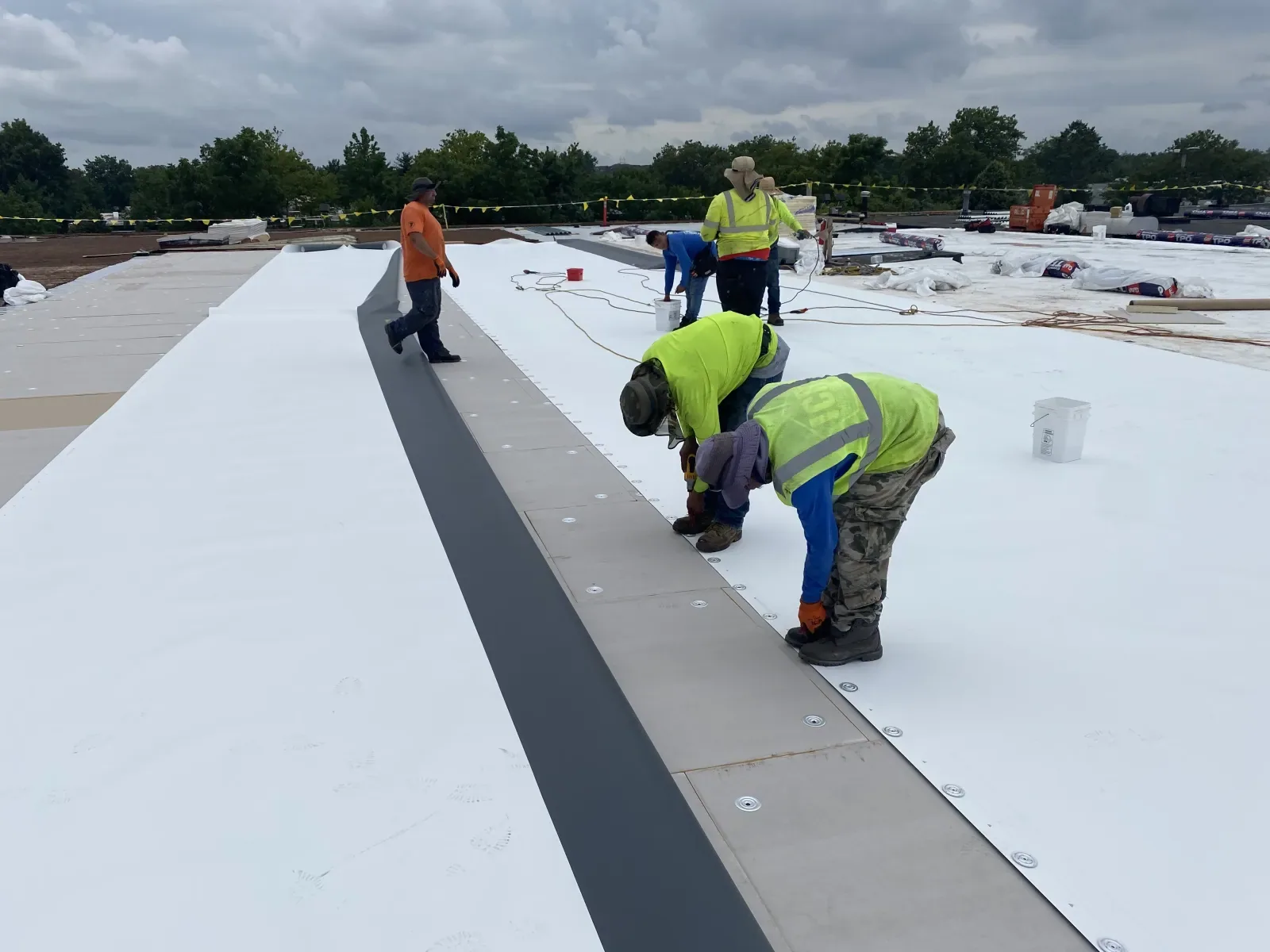
Hurricane Damage Roof Repair in Jersey City, NJ
Hurricane damage roof repair in Jersey City: triage, dry-in, drainage and flood-aware rebuilds for commercial roofs after wind, rain and storm surge events.
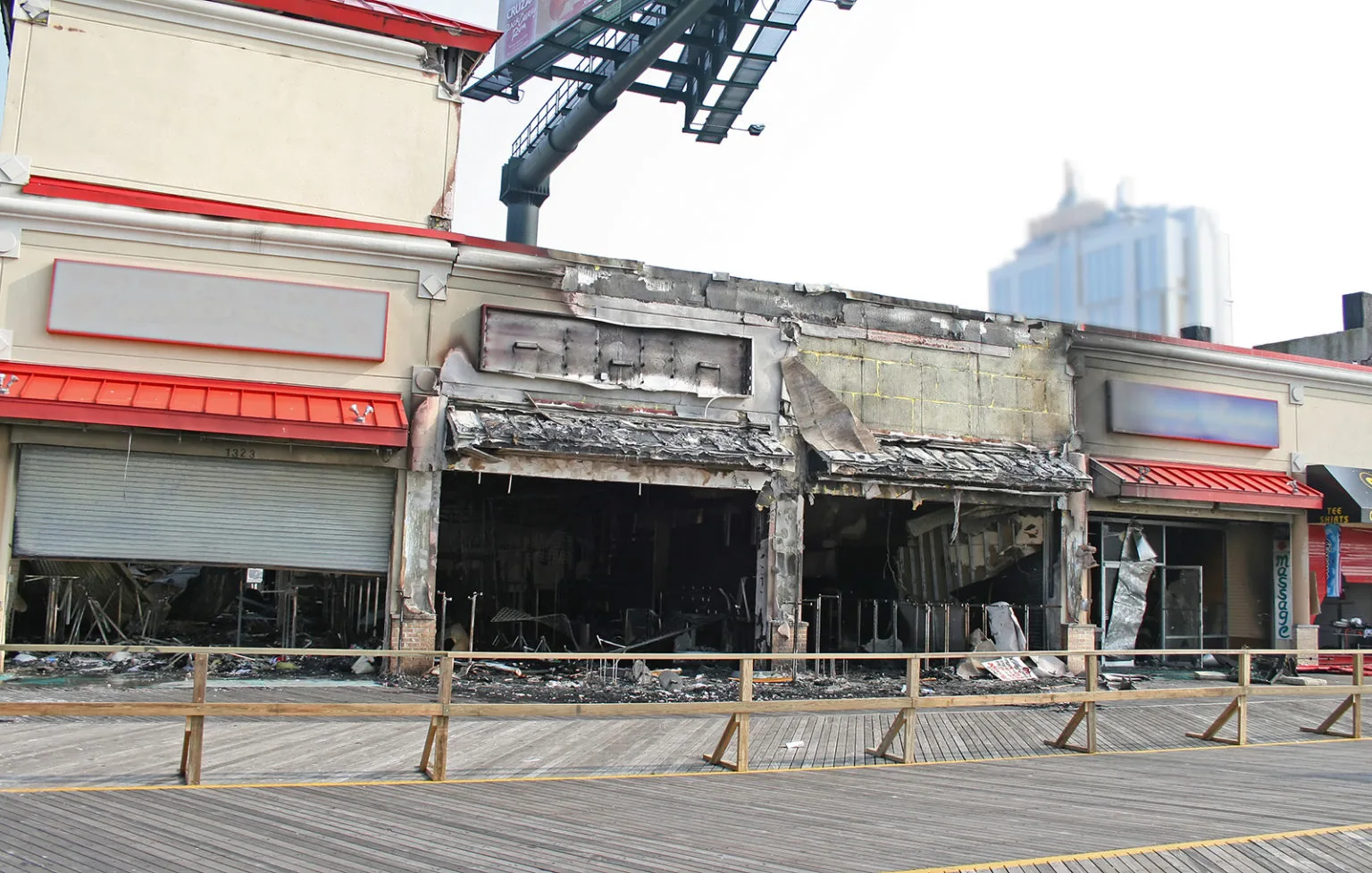
Hurricane damage roof repair in Jersey City: triage, dry-in, drainage and flood-aware rebuilds for commercial roofs after wind, rain and storm surge events.
After a hurricane, every building on the block wants a roof crew on the same morning, so triage decides who gets dried in first. Active water entry comes ahead of everything else, then loose material that could fall, then damage that can wait a few days. Irene and Sandy each left Jersey City with outages, flooded blocks and damaged property. Storm response starts with the condition at the building. A building owner here is wise to hold a storm plan before the storm.
Our response begins with the call: the address, the access route, the interior damage, and whether power is out. Then we send a crew with tarps, sealants and fasteners, and we start the documentation that the claim will need.
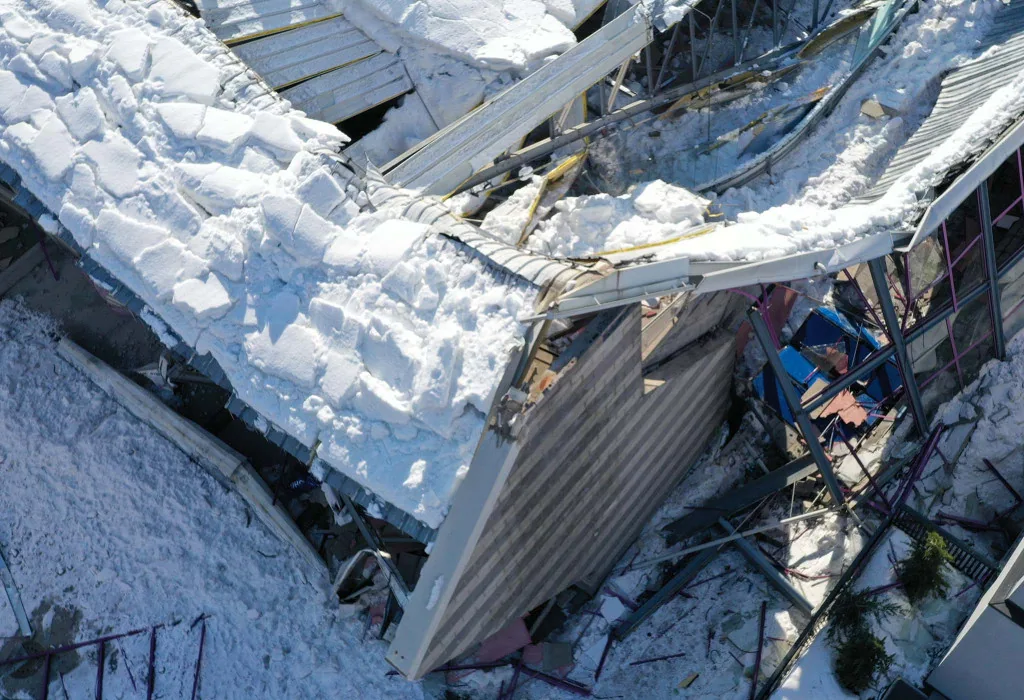
Hurricane damage is rarely one thing. Wind may have torn a corner. Rain may have entered at flashing that was already weak. Debris may have punctured the membrane. Floodwater may have reached the lower levels and the equipment there. We assess the roof for each, and we sort the findings by urgency.
Safety comes first. Power lines may be down, wet surfaces are slippery, and the roof edge may be loose. We check the access route, set fall protection and keep crews away from damaged areas until the structure is judged sound. Where the deck is in question, we recommend an engineer.
Dry-in follows. We cover openings with tarps or temporary membrane, remove standing water, clear drains and protect interior spaces. We photograph before and after, record the time and the weather, and leave a short written status. Our emergency line runs around the clock, holidays included, and the storm damage repair record starts at the first call.
Utilities and equipment need attention before the roof does. Power outages shut down rooftop units, and a restart on a wet or damaged system can cause further harm. We tell the building engineer which units are in the work zone, and the mechanical contractor decides when each unit can be run again.
Send the building address, access route and the person who holds the keys. We will record the roof as it stands and be ready for the call after the storm.
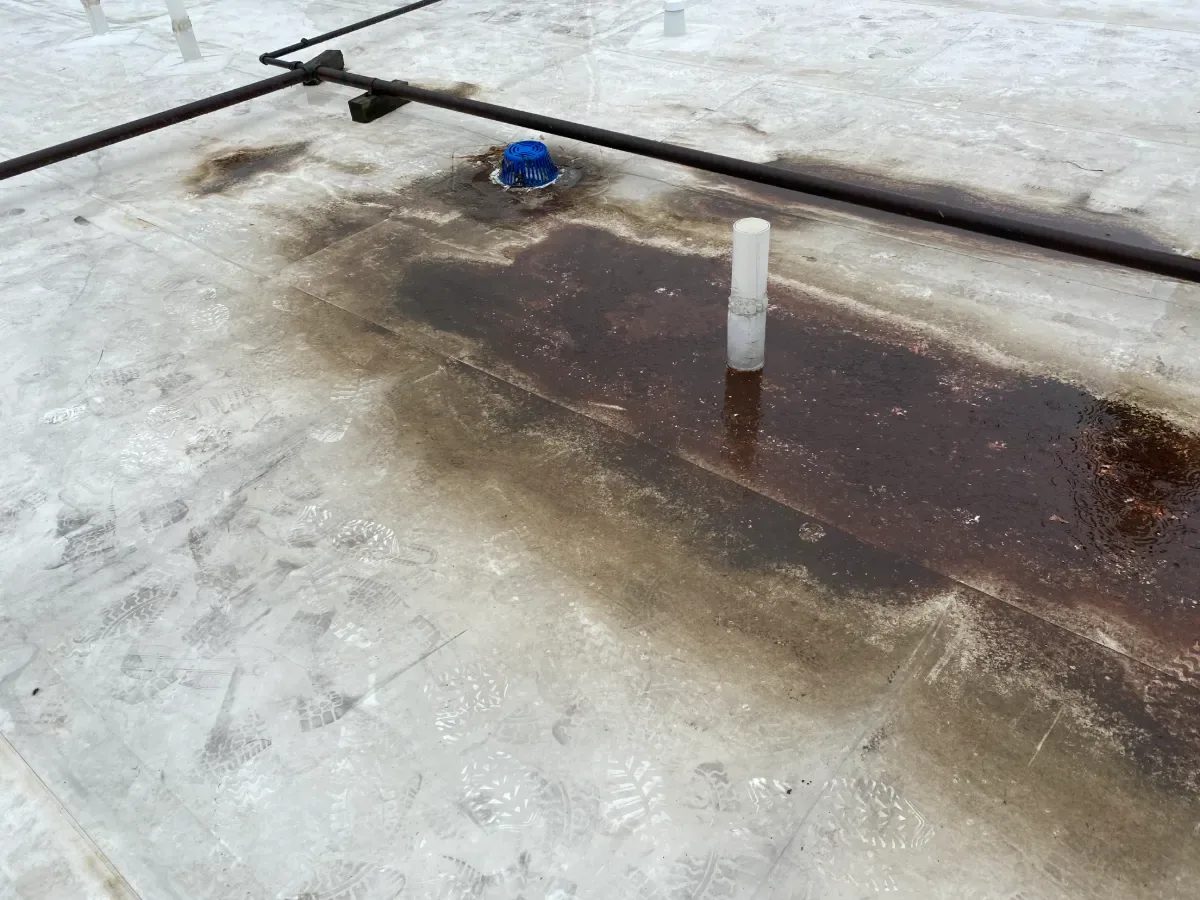
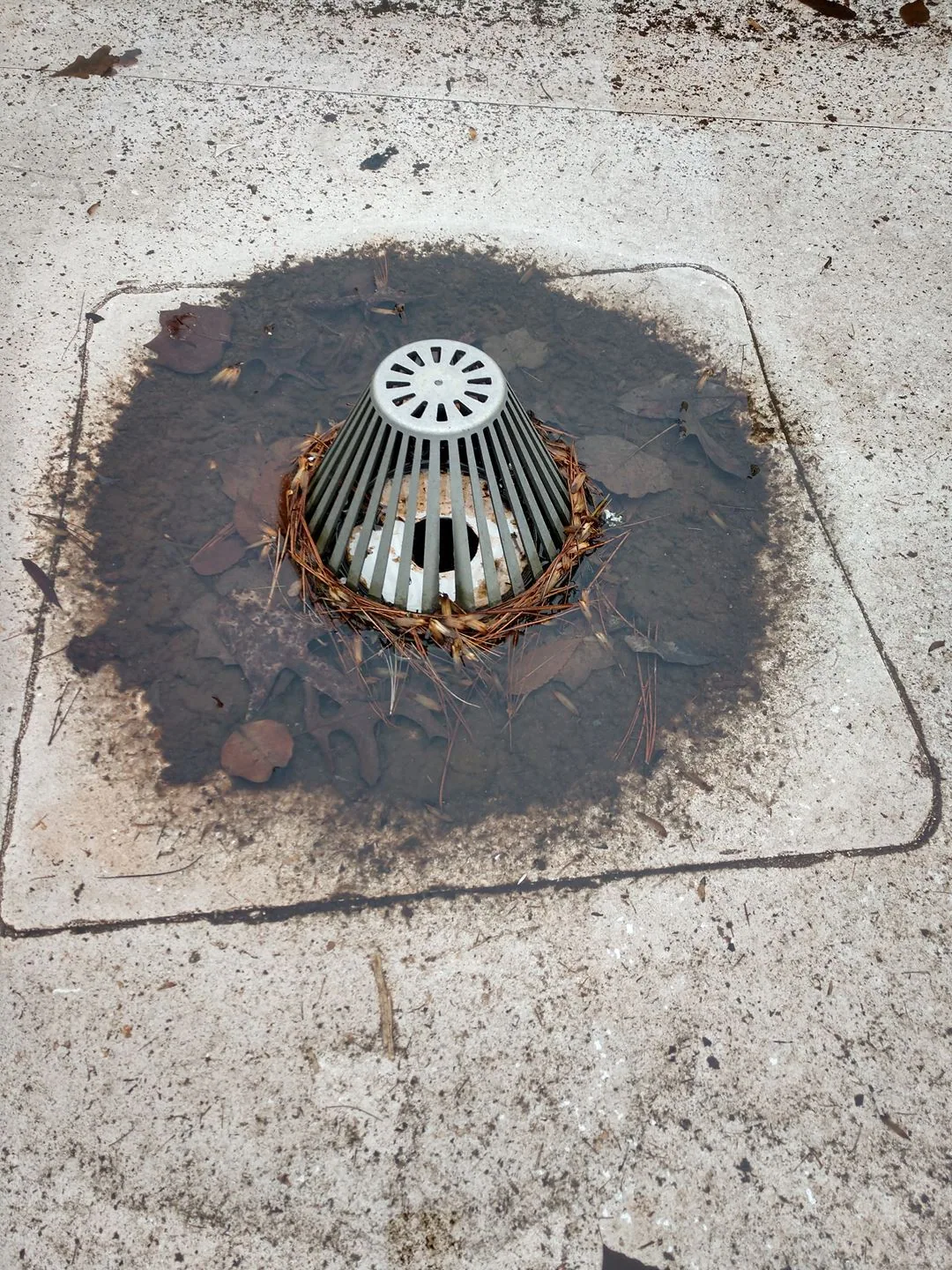
Hurricane rain overwhelms drains. Localized flooding and stormwater loading on Jersey City's combined sewer are drainage concerns. At the roof, we inspect each outlet, overflow, and discharge path to find where water is actually held or blocked. Parapet flashings that were designed to hold out rain may be tested by standing water.
After the storm, we clear every drain and scupper, check for debris and test the flow. We look for signs that water rose above the flashing line, including stains on parapets, wet insulation at the base of walls and displaced sealant. Overflow scuppers are checked to confirm they discharged and are not damaged.
A building in a mapped flood area has a second concern. Jersey City has a Flood Overlay Map and Stormwater Control Ordinance; an owner planning roof or drainage changes should confirm the requirements for the property before finalizing the scope. Rooftop equipment, access stairs and electrical gear may need protection from future floods, and our drain and scupper work supports the water path above them.
Standing water that lingers after the storm is its own finding. Low areas that hold water for days point to a ponding problem that the storm exposed, and the fix may be added drains or tapered insulation, not just a patch. We measure the depth and mark the area before the water drains away, because the evidence disappears with it.
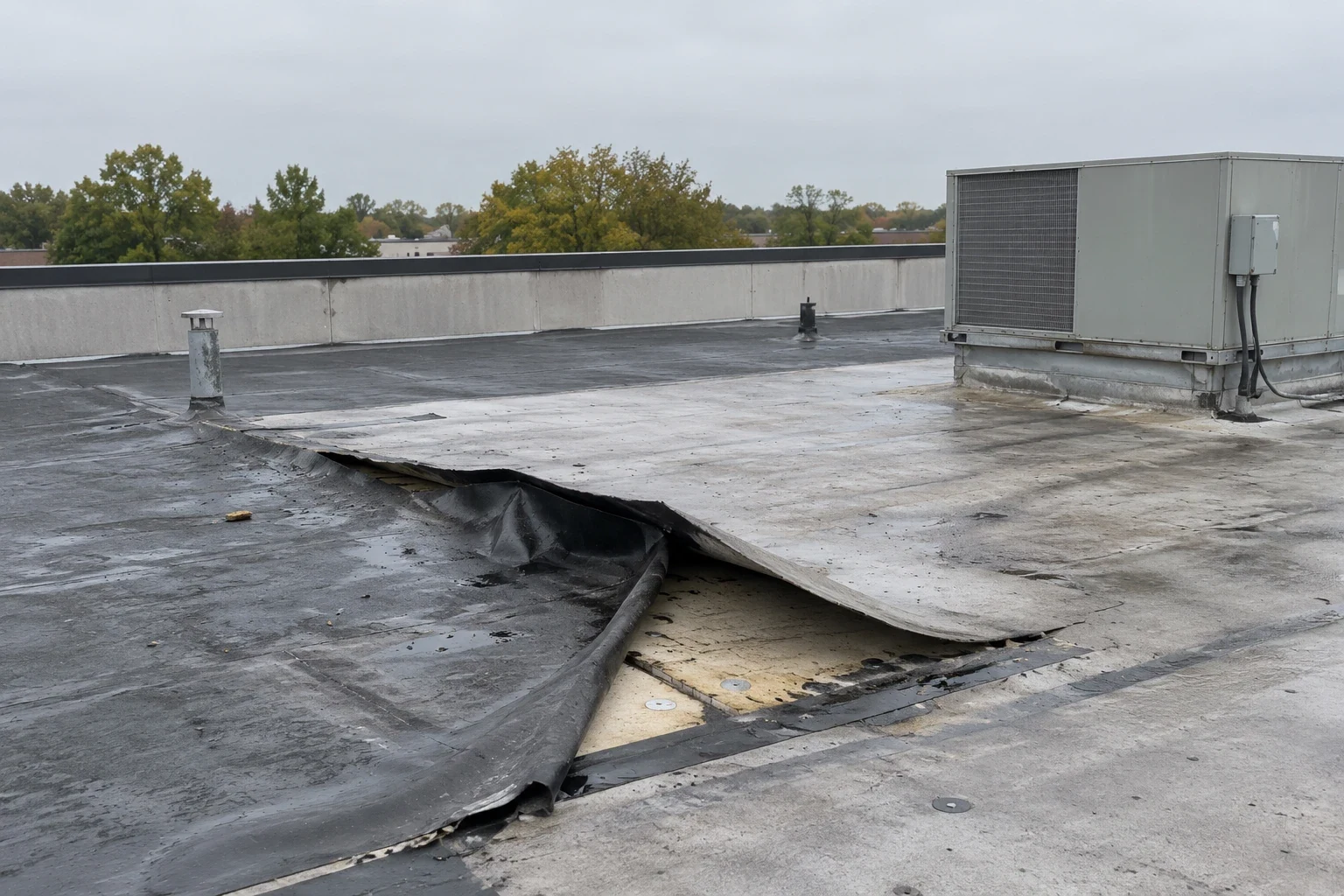
Once the roof is stable, we survey it in detail. The perimeter is checked for edge metal, copings and parapet flashing. The field is checked for tears, punctures, lifted seams and ballast loss. Equipment is checked for shifted curbs, bent supports and failed seals. We mark everything on a diagram with photographs.
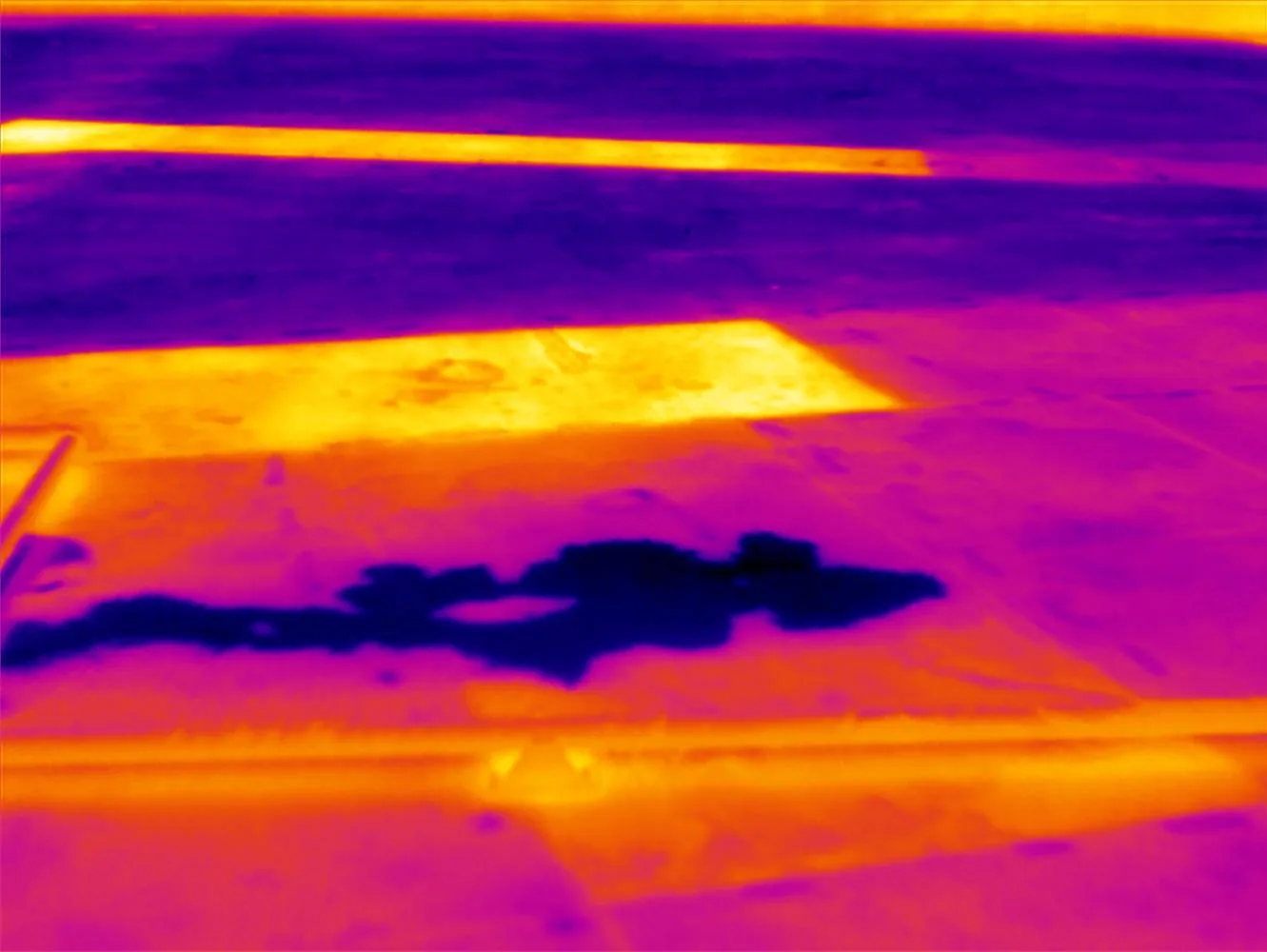
Moisture is the hidden problem. A hurricane drives rain under flashings and through small openings, and the insulation can stay wet for months. An infrared moisture survey maps the wet areas, and cores confirm. Wet insulation loses its value, adds weight and will damage the deck over time. Leaving it in place under a new patch is a common mistake.
We separate damage from the storm and conditions that existed before it. The distinction helps the owner and the carrier, and it guides the scope. A roof that was already near the end of its life may justify a larger repair, not another patch.
Access limits slow a post-storm survey. Flooded streets, closed lanes and downed lines can keep a lift truck away from a building for a day or more. We plan a survey route that reaches the most urgent buildings first, and we use drone imagery to check the roofs that cannot yet be walked.
New Jersey's own climate risk list runs from sea-level rise and chronic flooding to higher temperatures and intense storm events. For a storm-damaged roof, we base edge, attachment, and drainage upgrades on the building's actual exposure and condition.
We lay out the options: repair to the original condition, repair with upgrades, or replace. For the roof edge, a heavier coping and continuous cleats cost more than the original and resist uplift better. For drains, added overflow capacity helps. For the membrane, a fully adhered or mechanically fastened system may suit the building better than what was there. Edges torn by gusts are rebuilt as on any wind-damaged roof, and a roof that cannot be saved moves to replacement.
Costs and timing vary with the scope and the demand after the storm. We give the owner a written estimate with a start date and a list of what is protected in the meantime.
Hurricane losses involve a claim, and the claim needs a file. We keep photographs, dated reports, receipts for temporary protection and a diagram of damage. Our insurance and restoration coordination shares status with adjusters and restoration contractors.
Afterward, a condition report sets a baseline for the repaired roof, and a pre-season visit each year checks drains, edges and details before storm season. Storm preparation for an owner with several buildings can run through a multi-site program, and a building in Hoboken or Bayonne takes its place on the same calendar.